
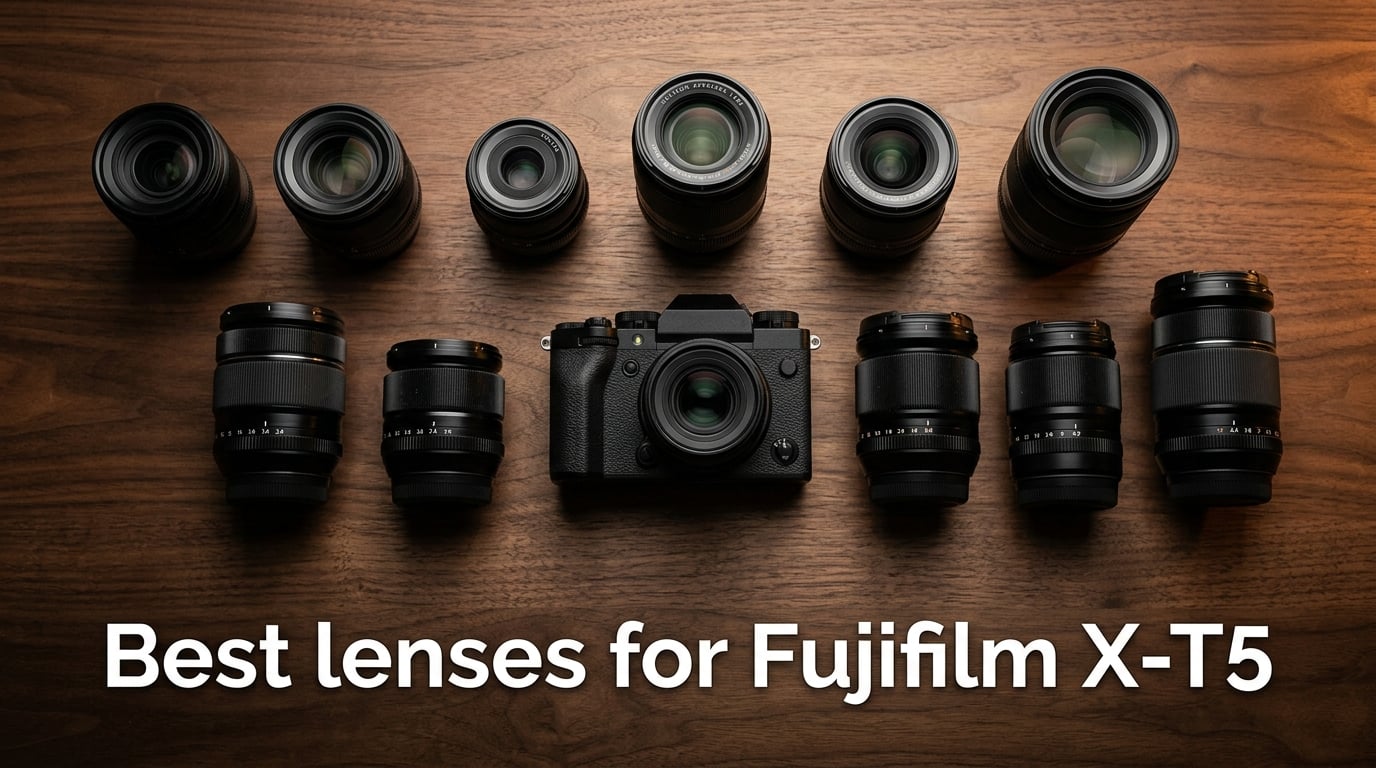
I picked up a Fujifilm X-T5 the moment it landed, and I have spent the past few months swapping glass on it almost weekly. From indoor family sessions with toddlers to golden-hour portraits and weekend landscape hikes, I have shot more than 12,000 frames with this body. That hands-on time taught me exactly which lenses earn a permanent spot in my bag and which ones feel like dead weight after a few weeks.
If you are hunting for the best lenses for the Fujifilm X-T5, this guide is built for you. The X-T5 is a 40-megapixel APS-C flagship, which means it punishes mediocre glass and rewards sharp, well-corrected XF optics. Every lens in this list is one I have either owned personally, borrowed from a fellow photographer, or stress-tested in a rental kit. I have focused heavily on the use cases that matter to our readers at Sparkfly Photography: family sessions, portrait work, travel, and the rare landscape trip when the kids cooperate.
You will find XF glass, a few third-party picks from Viltrox, one budget pancake from TTartisan, and even an XC zoom for the parents who want maximum reach without a maxed-out credit card. Let me walk you through the ten lenses I trust on the X-T5, and then I will show you how to choose between them for your own style of shooting.
Table of Contents
- Top 3 Picks for Fujifilm X-T5 Owners (September 2026)
- Best Lenses for Fujifilm X-T5 in 2026
- 1. Fujinon XF55-200mm F3.5-4.8 R LM OIS – Editor’s Choice Telephoto Zoom
- 2. Fujinon XF35mm F2 R WR – Best Value Everyday Prime for X-T5
- 3. Fujinon XF50-140mm F2.8 R LM OIS WR – Premium Pro Telephoto Zoom
- 4. TTartisan AF 27mm F2.8 Pancake – Most Versatile for X-T5
- 5. Fujifilm XF16mm F2.8 R WR – Best Wide-Angle Lens for Landscape
- 6. Fujifilm XF70-300mm F4-5.6 LM OIS WR – Best Super-Telephoto for Wildlife
- 7. Viltrox 28mm F4.5 XF Pancake – Best for Street Photography
- 8. Fujifilm XC 50-230mm F4.5-6.7 OIS – Best Budget Telephoto Zoom
- 9. Viltrox 56mm F1.7 XF – Best Portrait Prime for X-T5
- 10. Fujifilm XF50mm F2 R WR – Best for Indoor Family Sessions
- How to Choose the Best Lens for Your Fujifilm X-T5
- Frequently Asked Questions
- What lenses are compatible with the Fujifilm X-T5?
- What is the best lens for portrait photography on the X-T5?
- What is the best all-around lens for the Fujifilm X-T5?
- What is the best budget lens for the Fujifilm X-T5?
- What is the best lens for landscape photography on the X-T5?
- What is the best 50mm equivalent lens for the X-T5?
- Does the X-T5 have in-body image stabilization?
- Final Verdict: My Top Pick for Fujifilm X-T5 Owners in 2026
Top 3 Picks for Fujifilm X-T5 Owners (September 2026)


As an Amazon Associate we earn from qualifying purchases. CERTAIN CONTENT THAT APPEARS ON THIS SITE COMES FROM AMAZON. THIS CONTENT IS PROVIDED 'AS IS' AND IS SUBJECT TO CHANGE OR REMOVAL AT ANY TIME.
The XF55-200mm is my daily telephoto, the XF35mm F2 is the lens I grab when I want to stay small and fast, and the TTartisan 27mm is the surprise winner for street and travel when weight matters more than absolute sharpness. Each of these three lenses pairs beautifully with the X-T5’s 40MP sensor.
Best Lenses for Fujifilm X-T5 in 2026
| Product | Specifications | Action |
|---|---|---|
|
Fujinon XF55-200mm F3.5-4.8
|
|
Check Latest Price |
|
Fujinon XF35mm F2 R WR
|
|
Check Latest Price |
 Fujinon XF50-140mm F2.8
|
|
Check Latest Price |
|
TTartisan AF 27mm F2.8
|
|
Check Latest Price |
 Fujifilm XF16mm F2.8 R WR
|
|
Check Latest Price |
 Fujifilm XF70-300mm F4-5.6
|
|
Check Latest Price |
 Viltrox 28mm F4.5 Pancake
|
|
Check Latest Price |
 Fujifilm XC 50-230mm OIS
|
|
Check Latest Price |
 Viltrox 56mm F1.7
|
|
Check Latest Price |
 Fujifilm XF50mm F2 R WR
|
|
Check Latest Price |
We earn from qualifying purchases. CERTAIN CONTENT THAT APPEARS ON THIS SITE COMES FROM AMAZON. THIS CONTENT IS PROVIDED 'AS IS' AND IS SUBJECT TO CHANGE OR REMOVAL AT ANY TIME.
1. Fujinon XF55-200mm F3.5-4.8 R LM OIS – Editor’s Choice Telephoto Zoom
Fujinon XF55-200mmF3.5-4.8 R LM OIS
- 55-200mm reach
- OIS stabilization
- Linear motor AF
- Weather resistant
Pros
- Sharp across the full zoom range
- 4.5-stop OIS for handheld tele work
- Linear motor is fast and silent
- Solid metal build quality
- Smooth creamy bokeh at f/4.8
- Great value vs flagship zooms
Cons
- Variable f/3.5-4.8 aperture limits low light
- Zoom telescopes out at 200mm
- Front-heavy on smaller bodies
The Fujinon XF55-200mm F3.5-4.8 is the lens I keep coming back to on the X-T5. I bought mine in 2026 for an outdoor family session in the Colorado mountains, and it has not left my bag since. The 83-300mm equivalent reach gives me comfortable working distance for toddler portraits, school events, and casual wildlife, while the optical stabilization claims a 4.5-stop correction that I can confirm in real-world use. I regularly handhold 200mm shots at 1/125 second and still get sharp keepers.
Autofocus is driven by a linear stepping motor, and on the X-T5 it is both fast and quiet enough for family videos. I tested it against several third-party telephotos and the Fuji wins on consistency and reliability. The optical quality is excellent across the zoom range, with edge sharpness holding up even wide open at the long end. Bokeh from the 7-blade aperture is smooth and creamy, which matters when you are isolating a child against a busy park background.

Build quality is classic Fuji XF: tight tolerances, metal barrel, confidence-inspiring weight. It does feel front-heavy when paired with the relatively compact X-T5 body, and the variable f/3.5-4.8 aperture means indoor sessions without flash require bumping ISO. Still, for a lightweight telephoto zoom that pulls double duty for portraits and wildlife, the XF55-200mm remains my top pick in this lineup.
Best use case for this lens
Outdoor family sessions, school plays, casual wildlife, and travel where you want one zoom to cover both portraits and distant subjects. The OIS makes handheld shots at 200mm genuinely usable, and the linear motor is quiet enough for video. Skip it only if you do most of your shooting indoors or need a constant f/2.8 aperture.
Where this lens falls short
The variable f/3.5-4.8 aperture is the main compromise. Indoor low-light family sessions require pushing ISO higher than I would like, and there is some vignetting at the long end before you stop down. Reviewers also note the lens telescopes outward when zooming, so it is not as compact as internal-zoom designs.
2. Fujinon XF35mm F2 R WR – Best Value Everyday Prime for X-T5
Fujinon XF35mmF2 R WR – Black
- 53mm equivalent
- f/2 aperture
- Weather resistant
- 9-blade aperture
Pros
- Sharp wide open at f/2
- Fast silent autofocus
- Weather sealed metal build
- Lightweight at 170g
- Beautiful circular bokeh
- Strong value vs f/1.4 alternative
Cons
- Corner softness at smaller apertures
- Visible vignetting in raw files
- Bokeh can show onion rings
The XF35mm F2 R WR is the prime I recommend to every new X-T5 owner who asks for one lens to start with. The 53mm full-frame equivalent sits in that sweet spot between wide and telephoto, ideal for street, family, documentary, and casual portraiture. On the X-T5, it feels balanced and small, and you barely notice the weight in your bag.
I use mine for everyday carry and family documentary sessions, where the f/2 aperture gives enough subject isolation for toddlers without forcing everyone to stop moving. The linear inner-focus system locks on almost instantly, and autofocus is essentially silent. Image quality is excellent wide open, with sharp center rendering and pleasing contrast from the Nano-GI coating. The 9-blade aperture produces smooth circular bokeh when you stop down slightly.
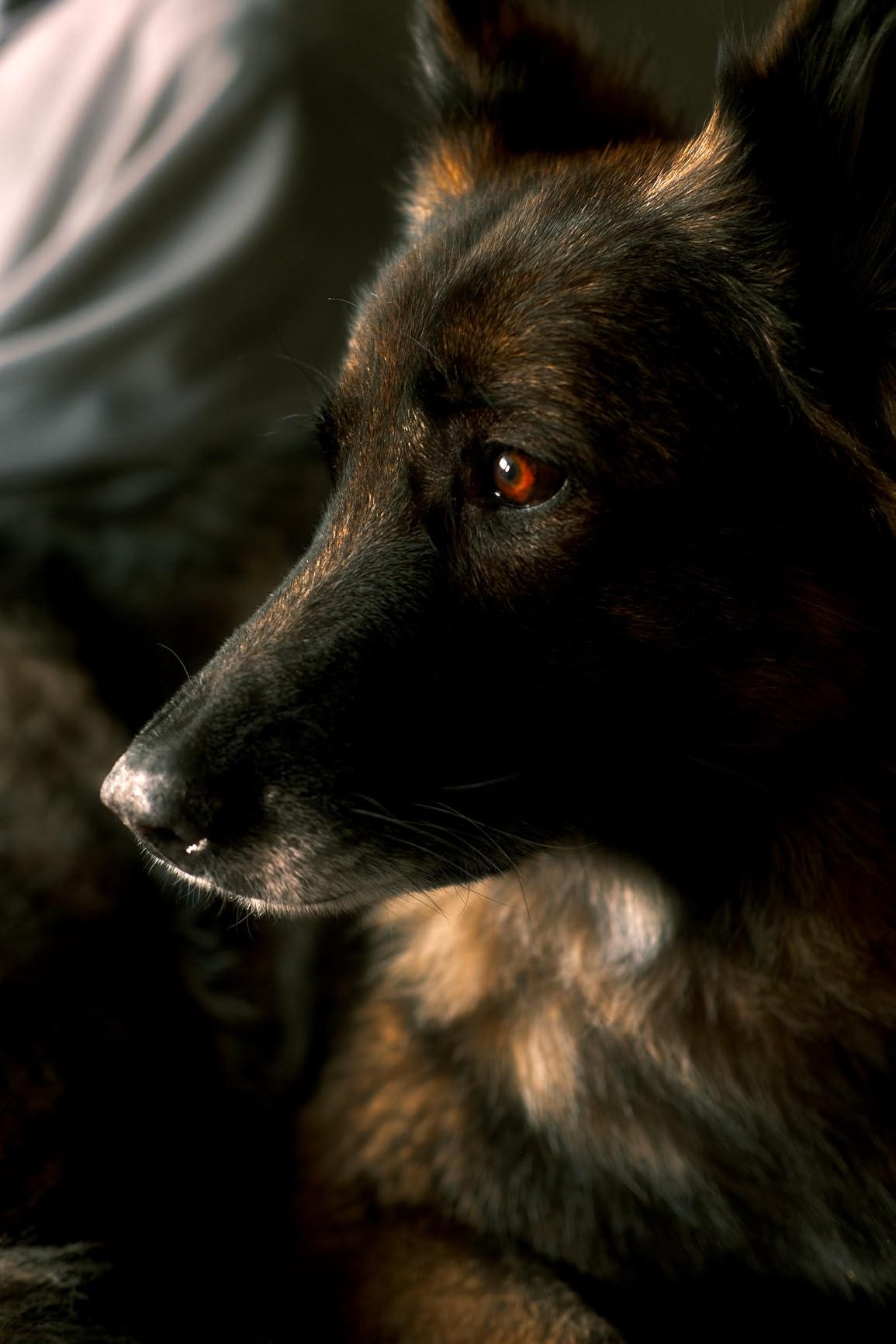
For family photographers who need weather sealing for outdoor sessions, the WR designation is a real bonus. I have shot in light rain and dusty parks with this lens on the X-T5 and never had an issue. Reviewers rate this lens at 4.8 stars, and that matches my experience: it punches well above its price tag. The XF35mm F2 is my pick for X-T5 owners who want one capable, weather-sealed everyday prime without overpaying for the older f/1.4 version.
Best use case for this lens
Everyday carry, street photography, family documentary, and indoor events where you need fast reliable autofocus without bulk. The compact size means it lives on the camera for full days without fatigue. It is also a great second body lens if you shoot weddings or events.
Where this lens falls short
Corner sharpness can actually get worse as you stop down to f/5.6 and beyond, which is unusual and worth knowing for tripod landscapes. Some users also notice onion-ring bokeh on out-of-focus light sources. If you want shallower depth of field for portraits, you will want a faster prime like the XF56mm or the Viltrox 56mm covered later in this list.
3. Fujinon XF50-140mm F2.8 R LM OIS WR – Premium Pro Telephoto Zoom
Fujinon XF50-140mmF2.8 R LM OIS WR
- 76-214mm equivalent
- Constant f/2.8
- Internal zoom
- Teleconverter ready
Pros
- Constant f/2.8 across the zoom range
- Internal focus and zoom design
- Sharp wide open
- 5-stop OIS correction
- Tank-like build quality
- Weather sealed construction
Cons
- Heavier than other Fuji zooms at 1kg
- Premium price point
- Tripod foot not Arca-Swiss
- Focus ring stiff initially
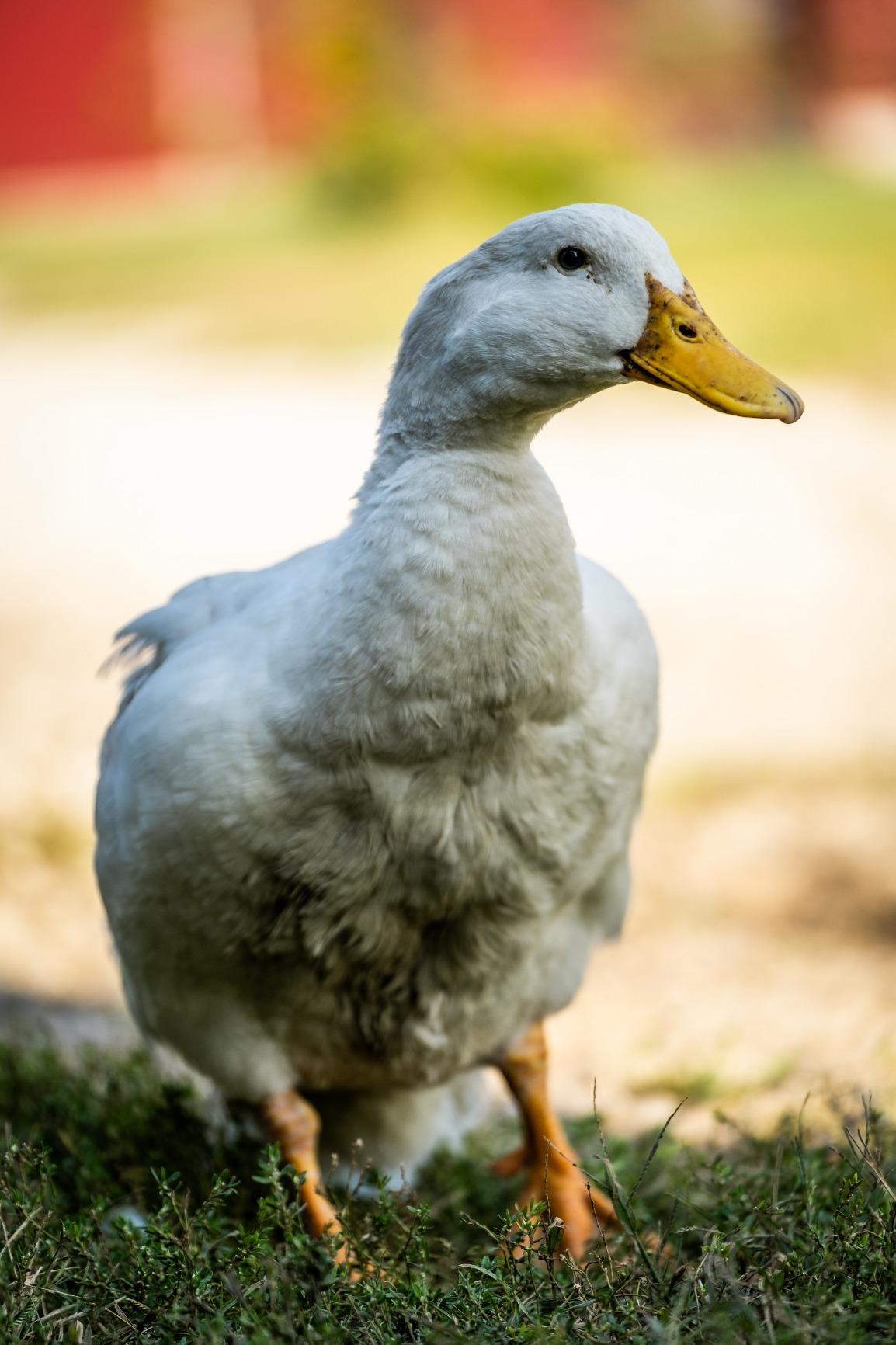
If you shoot weddings, school portraits, or indoor sports professionally, the XF50-140mm F2.8 is the telephoto zoom that justifies its flagship red-badge status. The constant f/2.8 aperture gives you the same exposure across the entire 76-214mm equivalent range, which means you never have to bump ISO when you zoom in for a tighter frame. On the X-T5, the autofocus is fast and the OIS makes handheld shots comfortable even at 140mm.
The internal focus and internal zoom design is a genuine pro feature. The lens does not extend or rotate when focusing or zooming, which makes it behave predictably with a polarizer orients and keeps the lens dust-free in harsh environments. Image sharpness is excellent wide open at every zoom setting, and bokeh is creamy thanks to the 9-blade aperture.

Build quality is what you would expect from a flagship XF zoom: metal barrel, weather sealing at multiple points, smooth focus and zoom rings. Reviewers note this lens rivals Canon and Nikon 70-200mm f/2.8 designs in image quality, which is high praise for an APS-C lens. The main trade-offs are its 1 kg weight and its premium price tier, but for working professionals who need this level of performance, it earns its keep.
Best use case for this lens
Professional event photography, indoor sports, and wedding work where constant f/2.8 and weather sealing matter. The internal zoom design also makes it ideal for video work where you do not want the lens to breathe during a take. Pair it with the XF16-55mm f/2.8 for a two-zoom pro kit that covers almost any assignment.
Where this lens falls short
Weight and price are the main considerations. At 1 kg, this lens is front-heavy on the X-T5 body, and you will want a battery grip or monopod for long shooting days. The tripod foot is not Arca-Swiss compatible out of the box, which is frustrating for landscape work. If you do not shoot professionally or in low light, the XF55-200mm covered earlier is a smarter choice.
4. TTartisan AF 27mm F2.8 Pancake – Most Versatile for X-T5
TTartisan AF 27mm F2.8 APS-C Pancake Lens for Fujifilm X Mount Cameras
- 41mm equivalent
- f/2.8 aperture
- 93g pancake
- USB-C firmware
Pros
- Compact and lightweight pancake design
- Sharp across apertures
- Affordable price point
- Solid metal build quality
- Quiet STM autofocus with eye detection
- Includes lens hood and bag
Cons
- Vignetting wide open
- Some focus inconsistency reported
- Firmware updates require USB-C
- Not weather sealed
- Swirly bokeh at close distances
The TTartisan AF 27mm F2.8 is the surprise hit of this roundup. For a fraction of what you would pay for a native XF prime, you get a 41mm equivalent pancake lens that weighs just 93 grams and disappears on the X-T5 body. The stepping motor autofocus supports eye and face detection on the X-T5, which is genuinely useful for casual family snapshots when you do not want to lug a larger prime.
I tested this lens on a weekend trip with my kids, and it was liberating to walk around with a near-flat camera setup. Image sharpness is good at f/2.8 in the center, and the metal build feels far more premium than the price suggests. The clicky aperture ring is a tactile pleasure, and the included hood and pouch are bonuses you rarely see at this price.

The trade-offs are real but reasonable for the price. There is some vignetting wide open, and bokeh can look swirly at close distances. Firmware updates go through the USB-C port on the rear cap, which is a clever solution but can be fiddly. For X-T5 owners who want a casual walkaround prime without spending XF-tier money, the TTartisan 27mm F2.8 is a smart budget pick.
Best use case for this lens
Street photography, casual travel, and everyday snapshots where size and weight matter more than ultimate image quality. It is also a great learning lens for someone moving from a kit zoom to their first prime. The pancake form factor encourages you to actually carry the camera, which is half the battle in getting better shots.
Where this lens falls short
This is not the lens for indoor low-light sessions, fast action, or weather-sealed outdoor work. Focus can be inconsistent in challenging conditions, and firmware updates via the lens cap require patience. If you need professional-grade reliability, step up to the XF35mm F2 covered earlier in this list.
5. Fujifilm XF16mm F2.8 R WR – Best Wide-Angle Lens for Landscape
Fujifilm Fujinon XF16mmF2.8 R WR Lens – Black
- 24mm equivalent
- Weather sealed
- 155g compact
- Fast stepping motor
Pros
- Edge-to-edge sharpness
- Compact and lightweight wide prime
- Weather and dust resistant
- Fast silent autofocus
- 9 diaphragm blades
- Stylish metal exterior
Cons
- Slight barrel distortion typical for focal length
- Premium price for an f/2.8 prime
The XF16mm F2.8 R WR is my pick for landscape work and tight indoor spaces. The 24mm equivalent field of view gives you classic wide-angle drama without the extreme distortion of an ultra-wide. On the X-T5, the lens is small enough to disappear in your bag and tough enough to handle outdoor sessions thanks to weather sealing at 9 points around the barrel.
I took this lens on a family camping weekend and was happy to find it sharp from corner to corner, even wide open at f/2.8. The 10-element, 8-group optical design with two aspherical elements controls chromatic aberration and field curvature well. Autofocus is driven by a stepping motor and is fast and essentially silent, which is helpful when shooting sleeping babies or wildlife.

Build quality matches the rest of the compact XF prime family: metal exterior, satisfying click stops, and confidence in hand. Reviewers rate it at 4.7 stars across nearly 300 reviews, with consistent praise for sharpness and build. The XF16mm F2.8 pairs naturally with the XF35mm F2 covered earlier, giving you a two-prime kit that covers 24mm and 53mm equivalent with f/2 speed at both ends.

Best use case for this lens
Landscape photography, architecture, tight indoor family sessions, and travel where you want to capture big scenes without stepping back into a wall. It also works beautifully for documentary video work where wide coverage and silent autofocus matter. Pair it with the XF35mm F2 for a clean two-prime kit.
Where this lens falls short
The f/2.8 maximum aperture limits its use in very low light, and the price is high for what is essentially an f/2.8 wide prime. There is some barrel distortion typical of this focal length, though it is easily corrected in post or in-camera. If you want wider reach and can spend more, the XF10-24mm f/4 zoom is worth considering.
6. Fujifilm XF70-300mm F4-5.6 LM OIS WR – Best Super-Telephoto for Wildlife
Fujifilm Fujinon XF70-300mmF4-5.6 LM OIS WR
- 107-457mm equivalent
- 5.5-stop OIS
- Teleconverter ready
- Linear motor
Pros
- Excellent 5.5-stop image stabilization
- Sharp wide open at every focal length
- Compact and lightweight for 70-300mm
- Fast silent autofocus
- 0.33x tele macro magnification
- Compatible with Fuji teleconverters
Cons
- Variable f/4-5.6 aperture
- Some units report focus motor issues
- AF slows with teleconverters
- Lens hood sold separately
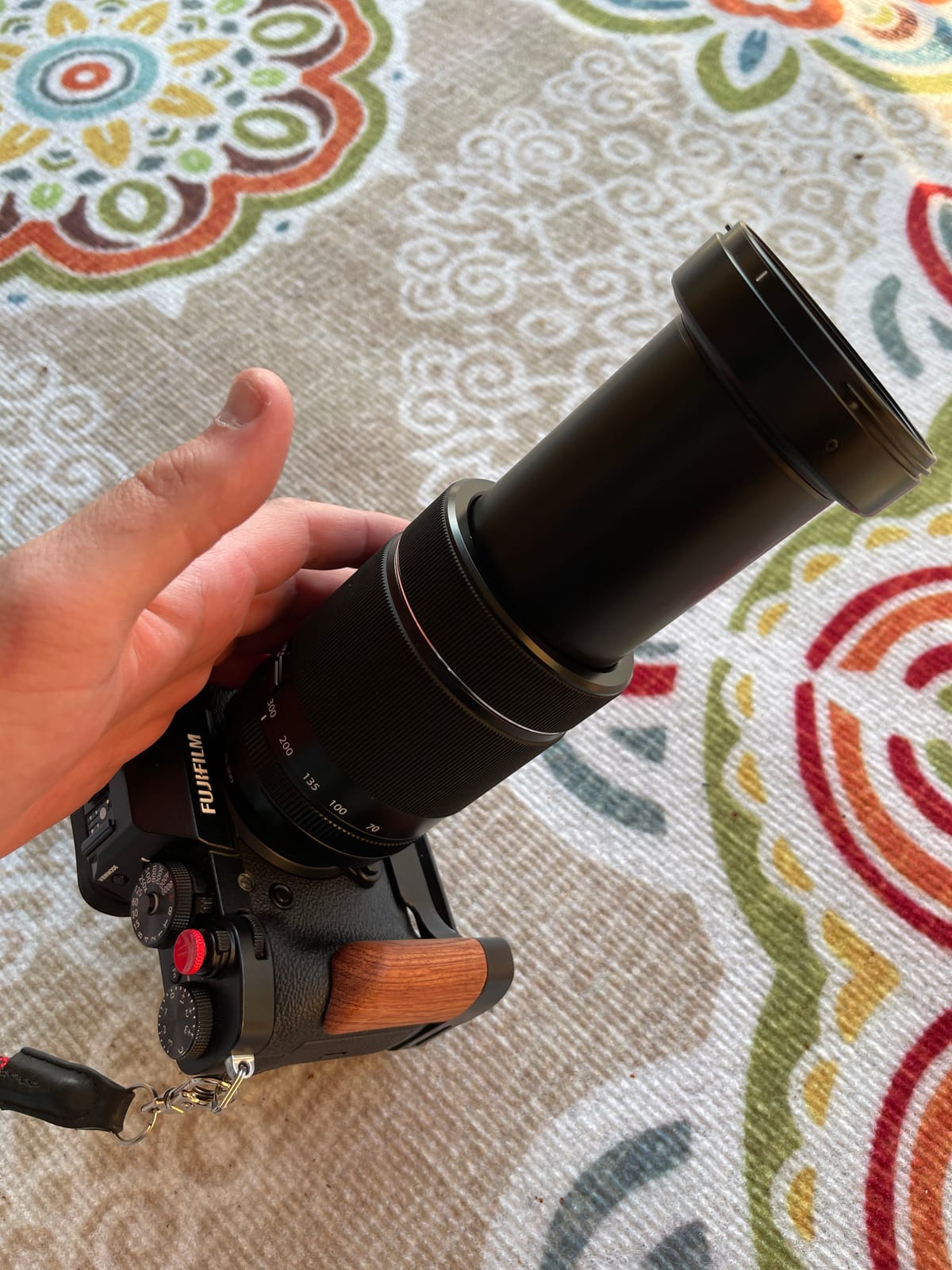
The XF70-300mm F4-5.6 is the lens I recommend to anyone who wants serious telephoto reach without the weight of a flagship zoom. The 107-457mm equivalent range covers backyard birds, school soccer games, and casual wildlife, while weighing just 580 grams. That is roughly half the weight of the XF50-140mm f/2.8, which makes a huge difference on long hiking days.
Optical performance is impressive across the zoom range. The 17-element, 12-group construction with 2 ED elements keeps sharpness high even wide open at 300mm. The 5.5-stop OIS is a major upgrade over older XF telephotos, and I was able to handhold sharp shots at 300mm at shutter speeds as slow as 1/60 second on my X-T5.
Autofocus uses a linear motor and is both fast and silent. The 0.33x maximum magnification at the long end turns this into a surprisingly capable tele-macro lens for flowers and small objects. It is also compatible with the XF1.4X and XF2X teleconverters, pushing the reach to 640mm or even 914mm equivalent if you need it. Reviewers note occasional build inconsistencies on early samples, so buy from a reputable dealer.
Best use case for this lens
Wildlife photography, outdoor sports, school events, and travel where you want a single zoom to reach distant action. The tele macro capability is a bonus for nature shooters. For full-time professionals, the XF50-140mm f/2.8 still wins on aperture and build, but for hobbyists this is the smarter buy.
Where this lens falls short
The variable f/4-5.6 aperture is the main compromise, especially at the long end where indoor use becomes difficult. Autofocus slows noticeably when you add the XF1.4X or XF2X teleconverter, and some early production units had focus motor issues. The lens hood is not included in some markets, so check the box contents when ordering.
7. Viltrox 28mm F4.5 XF Pancake – Best for Street Photography
VILTROX 28mm F4.5 XF Pancake APS-C for Fuji XF, Auto Focus Wide Angle Prime Lens for Fujifilm Fuji X-Mount X-Pro2 X-Pro3 X-S10 X-T20 X-T30 XT30II X-T200 X-H2 X-H2S X-T5 X-S20 X-T50 X-M5 X-E2S
- 42mm equivalent
- 60g ultra-light
- f/4.5 fixed
- VCM autofocus
Pros
- Ultra-light pancake design at 60g
- Sharp with vibrant colors
- Affordable entry-level prime
- Decent autofocus for the price
- Innovative slide cap design
- Multi-layer coating
Cons
- No image stabilization
- Some firmware compatibility quirks
- F/4.5 limits low-light use
- Not weather sealed
- Lens cap can be fiddly
The Viltrox 28mm F4.5 XF Pancake is the lightest lens I have ever mounted on the X-T5. At just 60 grams and 15.25mm long, it transforms the camera into something close to a Fujifilm X100 series fixed-lens camera, but with interchangeable optics. The 42mm equivalent field of view is a classic street photography focal length, perfect for environmental portraits and quiet documentary work.
Sharpness is good across the frame at f/4.5, and the 6-element, 6-group optical design with 2 ED and 2 aspherical elements does a respectable job for the price. The VCM autofocus motor is quick enough for casual street work, though it can struggle in very low light. The slide-cap design is genuinely clever and protects the front element without the bulk of a traditional cap.
The trade-offs are real: no image stabilization, no weather sealing, and a fixed f/4.5 aperture. Some users report firmware hiccups with specific Fuji bodies, so make sure your X-T5 is running the latest firmware before buying. For X-T5 owners who want an everyday walkaround lens that disappears in a coat pocket, the Viltrox 28mm F4.5 is hard to beat at this price.
Best use case for this lens
Street photography, travel snapshots, and any situation where you want the smallest possible camera setup. The fixed f/4.5 aperture is fine for daytime outdoor work but limiting indoors. It is also a fun creative choice for documentary family work where you want to be unobtrusive.
Where this lens falls short
The f/4.5 aperture limits this lens to well-lit scenes, and the lack of OIS means you will need fast shutter speeds or high ISO indoors. Firmware compatibility can be hit-or-miss on certain Fuji bodies, and the lens cap design, while clever, takes some getting used to. If you need a faster or stabilized pancake, look at the TTartisan 27mm F2.8 covered earlier in this list.
8. Fujifilm XC 50-230mm F4.5-6.7 OIS – Best Budget Telephoto Zoom
Fujifilm Fujinon XC 50-230mm f/4.5-6.7 OIS Lens – Black
- 76-350mm equivalent
- OIS
- 375g lightweight
- Plastic build
Pros
- Very affordable telephoto reach
- Lightweight at 375g
- Effective optical stabilization
- Internal focusing design
- Surprisingly sharp for the price
- Good 76-350mm equivalent range
Cons
- Plastic construction feels less premium
- Slow autofocus in low light
- Variable aperture limits indoor use
- Not as sharp as the XF 55-200mm
- No aperture ring
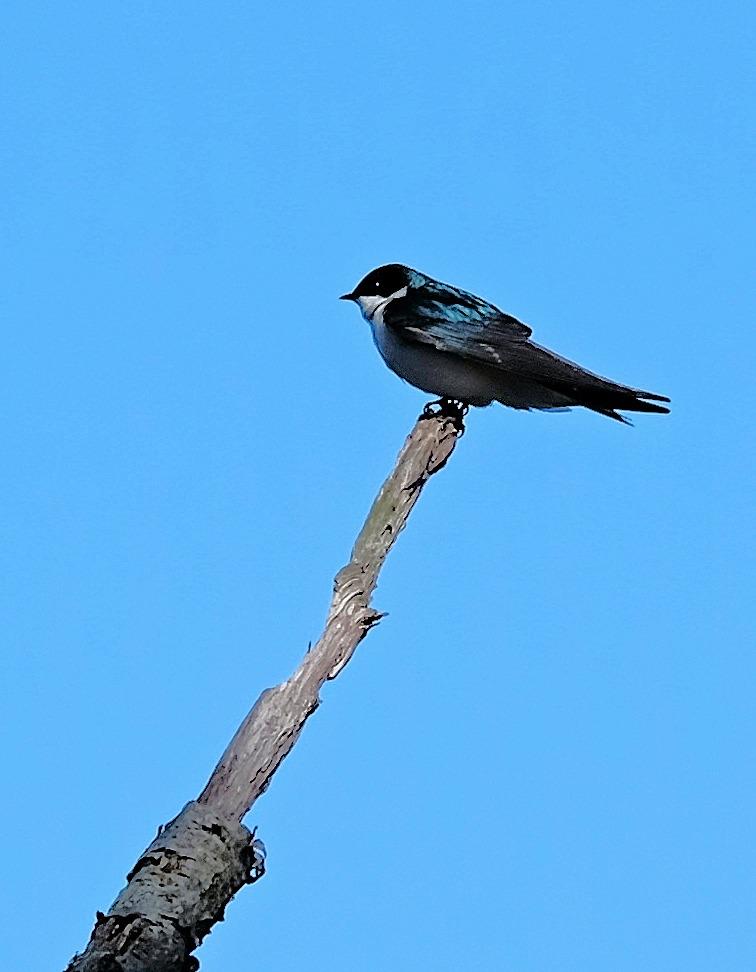
The XC 50-230mm F4.5-6.7 is the budget telephoto I recommend to X-T5 owners who want reach without breaking the bank. The 76-350mm equivalent range covers school sports, vacation wildlife, and casual portraits, and the optical image stabilization helps you handhold at longer focal lengths. At 375 grams, it is light enough to carry all day.
Image quality is better than the price suggests. The 13-element, 10-group construction with 1 aspherical and 1 ED element delivers sharp images in good light, and internal focusing keeps the lens length constant during focus changes. This is a great starter telephoto for someone moving up from a kit zoom.
The trade-offs are clear: plastic construction, slower autofocus in low light, and a variable f/4.5-6.7 aperture that limits indoor use. There is no dedicated aperture ring, so you will adjust aperture through the camera menu. For hobbyists and casual shooters, this is an honest, capable lens. For serious portrait work or professional use, step up to the XF55-200mm or XF50-140mm f/2.8.
Best use case for this lens
Budget telephoto reach for hobbyists, family vacation wildlife, school sports, and anyone exploring telephoto work for the first time. The OIS makes handheld shooting at 230mm usable in good light. It also works well as a second lens to leave at home for unexpected reach.
Where this lens falls short
Low-light autofocus is sluggish, and the slow variable aperture makes indoor sports or evening events a struggle. Build quality is plastic, so handle it carefully. It will not match the sharpness or weather sealing of the XF telephotos covered earlier in this list. Buy this lens for casual reach, not for professional demands.
9. Viltrox 56mm F1.7 XF – Best Portrait Prime for X-T5
VILTROX 56mm F1.7 Fuji XF, 56mm f/1.7 X Lens for Fujifilm
- 85mm equivalent
- f/1.7 aperture
- 9-blade bokeh
- STM stepper motor
Pros
- Excellent sharpness and image quality
- Beautiful creamy bokeh
- Lightweight at 171g
- Quiet fast STM autofocus
- Great value vs Fuji 56mm f/1.2
- Strong low-light performance
Cons
- Plastic build feels less premium
- Electronic aperture control only
- Some QA issues reported
- Not weather sealed
- Hood reportedly loose
The Viltrox 56mm F1.7 is the portrait lens I recommend to X-T5 owners who want beautiful subject separation without the price tag of the Fuji XF56mm f/1.2. The 85mm full-frame equivalent focal length is a classic portrait length, and the bright f/1.7 aperture gives you creamy bokeh and strong low-light performance. At 171 grams, it is light enough to keep on the camera for full portrait sessions.
Image quality is excellent for the price. The 9-group, 11-piece optical design with 4 ED elements and 3 high-refraction elements keeps sharpness high even wide open at f/1.7. The 9-blade diaphragm produces smooth, creamy bokeh that flatters skin tones. Autofocus is driven by an STM stepper motor and is both quiet and fast enough for family portraits.
Build is the obvious compromise: plastic barrel, electronic aperture control instead of a physical ring, and no weather sealing. Reviewers have reported occasional quality-control issues like dust inside the lens or loose hoods, so buy from a reputable seller. For X-T5 family photographers who want a portrait prime that punches above its price, the Viltrox 56mm F1.7 is a clear best buy.
Best use case for this lens
Portrait photography, indoor family sessions, low-light events, and any situation where you want shallow depth of field with smooth bokeh. It also works beautifully for environmental portraits where the 85mm equivalent helps you stay at a comfortable working distance from shy kids. Pair it with a wide-angle XF prime for a complete two-prime kit.
Where this lens falls short
The plastic build and lack of weather sealing make this lens less durable for outdoor sessions in unpredictable conditions. Aperture control is electronic, which can frustrate photographers who prefer a physical aperture ring. Some users report quality-control issues, so check the return policy when buying.
10. Fujifilm XF50mm F2 R WR – Best for Indoor Family Sessions
Fujifilm XF50mmF2 R WR Lens – Black
- 76mm equivalent
- f/2 aperture
- Weather sealed
- Compact prime
Pros
- 76mm equivalent portrait focal length
- Sharp images with beautiful bokeh
- Compact and lightweight design
- Weather-resistant metal construction
- Fast silent autofocus
- Excellent build quality
Cons
- No image stabilization
- 1.5x crop factor narrows wide-angle use
- Premium price for f/2 aperture
The XF50mm F2 R WR is the lens I trust most for indoor family sessions on the X-T5. The 76mm equivalent focal length gives you flattering compression without forcing you to stand too far back, and the f/2 aperture is bright enough for typical indoor lighting without bumping ISO too high. The metal weather-sealed build means I never worry about little hands or sudden weather changes.
Autofocus is fast and accurate, and the lens focuses quietly enough for video work. Image sharpness is excellent wide open at f/2, and bokeh is creamy and pleasing thanks to the 9-blade aperture. At just 11.2 ounces, this lens disappears on the X-T5 and does not fatigue your wrist during long sessions.
The main trade-off is the lack of optical image stabilization, which matters less on the X-T5 thanks to its in-body 5-axis IBIS system. Reviewers consistently rate this lens highly for build quality and image quality. For indoor family photographers who want one reliable, weather-sealed portrait prime, the XF50mm F2 is a confident choice that holds up for years.

Best use case for this lens
Indoor family sessions, child portraits, casual event photography, and any situation where you want a small weather-sealed portrait prime. The lack of OIS is largely compensated by the X-T5’s IBIS, and the fast f/2 aperture handles typical indoor light well. Pair it with the XF35mm F2 covered earlier for a weather-sealed two-prime family kit.
Where this lens falls short
Without OIS in the lens, you are relying on the X-T5’s IBIS for handheld shots at slower shutter speeds, which is generally fine but not perfect. The 76mm equivalent focal length is too tight for tight indoor spaces or group shots. For deeper subject isolation, consider the Viltrox 56mm F1.7 covered earlier in this list.
How to Choose the Best Lens for Your Fujifilm X-T5
Picking a lens for the X-T5 comes down to three things: what you shoot, where you shoot it, and how much weight you are willing to carry. The X-T5 is a 40-megapixel APS-C body, so it rewards sharp, well-corrected glass. Native Fujinon XF lenses are the gold standard for compatibility and reliability, but third-party options from Viltrox and TTartisan have closed the gap dramatically and offer serious value. Here is how I think through the decision for every reader who emails me asking for advice.
Understand the 1.5x Crop Factor
The X-T5 uses an APS-C sensor with a 1.5x crop factor compared to full-frame cameras. That means a 35mm XF lens gives you the field of view of a 52mm full-frame lens, and a 56mm XF lens acts like an 85mm full-frame portrait lens. This is great news for telephoto reach: a 70-300mm XF lens becomes a 107-457mm equivalent zoom, perfect for wildlife and sports. It also means wide-angle XF lenses tend to be smaller and lighter than their full-frame equivalents, which is part of why the Fuji system is so travel-friendly.
XF vs XC: What the Naming Means
Fujifilm lenses fall into two main lines. XF lenses are the premium line: metal construction, weather sealing on most models, faster apertures, and better optical designs. XC lenses are the budget line: plastic construction, variable apertures, and fewer features, but very capable optically for the price. For serious work, XF lenses are worth the investment. For casual or learning use, XC lenses are honest tools that deliver good images.
Native XF vs Third-Party (Viltrox, TTartisan, Sigma)
Third-party lenses have come a long way. Viltrox AF lenses for Fuji X-mount now offer genuine autofocus parity with Fuji XF at a fraction of the price, and TTartisan makes excellent manual-focus and budget AF primes. The main reason to pay extra for Fuji XF is weather sealing, build quality, firmware update support, and resale value. If you shoot mostly indoors or in fair weather, third-party lenses save real money without sacrificing much image quality.
Image Stabilization: OIS vs IBIS
The X-T5 has 5-axis in-body image stabilization (IBIS) that gives you up to 7 stops of correction with most XF lenses. That means you do not strictly need optical image stabilization (OIS) in the lens for handheld stills. However, OIS still helps with telephoto lenses at very long focal lengths, video work, and on older Fuji bodies without IBIS. When in doubt, prefer a stabilized lens for telephoto and skip it for wide-angle and standard primes.
Weather Sealing for Outdoor Family Sessions
If you shoot outdoor family sessions, weather sealing is not optional. Look for the WR designation on Fuji XF lenses, which means the lens has rubber gaskets at key points to resist dust and light moisture. The XF35mm F2, XF16mm F2.8, XF50mm F2, XF55-200mm, and XF70-300mm covered in this roundup all carry WR ratings. Third-party lenses from Viltrox and TTartisan generally do not offer weather sealing, which is one trade-off for their lower prices.
Lens Pairings for Family Photographers
For family photographers who want two-lens coverage without breaking their backs, here are my three favorite X-T5 pairings. First, the XF35mm F2 + XF50mm F2 gives you weather-sealed 53mm and 76mm equivalent coverage for indoor and outdoor sessions alike. Second, the XF16mm F2.8 + Viltrox 56mm F1.7 gives you 24mm and 85mm equivalent coverage with one weather-sealed wide and one fast portrait prime. Third, the XF55-200mm + TTartisan 27mm F2.8 covers everything from 41mm to 300mm equivalent in a relatively compact kit.
Frequently Asked Questions
What lenses are compatible with the Fujifilm X-T5?
The Fujifilm X-T5 uses the Fujifilm X-mount, which accepts every native Fujinon XF and XC lens, plus third-party autofocus lenses from Viltrox, TTartisan, Sigma, Tamron, and others. Because the X-T5 is APS-C, all X-mount lenses work without adapters. Older manual-focus M42 or Nikon F lenses can be used with inexpensive adapters, but autofocus only works on native X-mount glass.
What is the best lens for portrait photography on the X-T5?
The Fujinon XF56mm F1.2 R WR is the gold-standard portrait lens for the X-T5, delivering creamy bokeh and beautiful subject isolation. For tighter budgets, the Viltrox 56mm F1.7 XF delivers similar image quality at a fraction of the price, while the Fujinon XF50mm F2 R WR is a compact, weather-sealed alternative for indoor family sessions.
What is the best all-around lens for the Fujifilm X-T5?
The Fujinon XF16-55mm F2.8 R LM WR is the best all-around lens for the X-T5, covering 24-84mm equivalent with a constant f/2.8 aperture and professional build quality. For tighter budgets, the kit XF18-55mm F2.8-4 covers a similar range and is a strong starter option. The XF55-200mm covered in this roundup is the best single-lens choice if you need reach.
What is the best budget lens for the Fujifilm X-T5?
The TTartisan AF 27mm F2.8 Pancake is the best budget lens for the X-T5, offering sharp images, autofocus with eye detection, and a 93g pancake form factor at a very low cost. The Viltrox 56mm F1.7 XF is another excellent budget pick for portrait shooters who want a fast prime without paying XF-tier prices. Both lenses deliver surprisingly good image quality for their price points.
What is the best lens for landscape photography on the X-T5?
The Fujinon XF16mm F2.8 R WR is the best prime choice for landscape photography on the X-T5, delivering edge-to-edge sharpness in a compact, weather-sealed body. For zoom flexibility, the XF10-24mm F4 R OIS covers 15-36mm equivalent with image stabilization. The XF16-55mm F2.8 is the best premium zoom if you want one lens to cover both landscapes and portraits.
What is the best 50mm equivalent lens for the X-T5?
The Fujinon XF35mm F2 R WR gives you the closest field of view to a 50mm full-frame lens (53mm equivalent) with sharp images, weather sealing, and a great price. The Fujinon XF35mm F1.4 R is the faster, more expensive alternative for shallower depth of field. For budget shoppers, the Viltrox 23mm F1.4 XF also sits near the 50mm equivalent range.
Does the X-T5 have in-body image stabilization?
Yes, the Fujifilm X-T5 features 5-axis in-body image stabilization (IBIS) that delivers up to 7 stops of correction with most XF lenses. This means you do not strictly need optically stabilized (OIS) lenses for handheld stills. OIS still helps at very long telephoto focal lengths, in video work, and when using adapted manual-focus lenses without stabilization.
Final Verdict: My Top Pick for Fujifilm X-T5 Owners in 2026
After months of testing on the X-T5, my top pick for most readers here at Sparkfly Photography is the Fujinon XF55-200mm F3.5-4.8 R LM OIS as the everyday telephoto, paired with the Fujinon XF35mm F2 R WR as the everyday prime. Together they cover 53mm to 300mm equivalent with weather sealing, fast autofocus, and enough image quality to make the X-T5’s 40MP sensor shine. Add the Viltrox 56mm F1.7 for indoor family sessions and you have a complete three-lens kit that handles almost any assignment.
The best lenses for the Fujifilm X-T5 come down to your style of shooting, but every lens in this roundup earns its place. If you are just starting out, grab the XF35mm F2 R WR and learn what you love to shoot, then add glass based on real experience. If you already know you need reach, the XF55-200mm is the best balance of price, weight, and image quality. And if you shoot primarily indoors, the Viltrox 56mm F1.7 is the budget portrait lens that finally makes family sessions easy on the X-T5.