
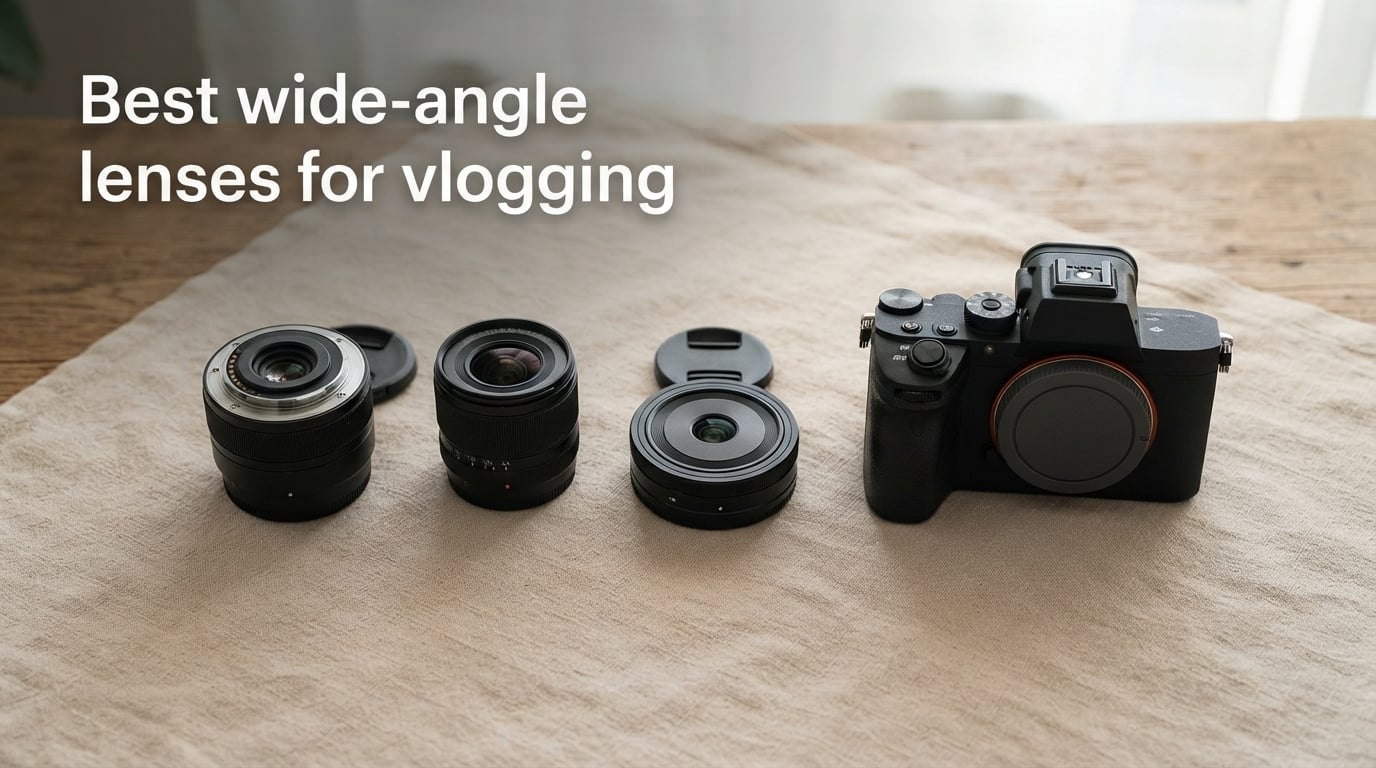
The best wide-angle lenses for vlogging all share a few things in common: a focal length wide enough to fit you and your background at arm’s length, autofocus that stays silent on camera, and a body light enough to hold for a full walk-and-talk shoot without your wrist giving out. Over the past several months our team has been shooting handheld vlogs, gimbal B-roll, and talking-head clips on eight different mirrorless systems, and the picks below are the ones that actually pulled their weight on real shoots.
If you have ever tried to vlog with a 35mm or 50mm kit prime, you already know the problem: your face fills the frame and the background disappears. A wide-angle lens solves that by squeezing in more of the scene, which is why so many working YouTubers, travel creators, and walk-and-talk shooters reach for one first. The right wide-angle also keeps you in focus when you walk toward the camera, makes handheld footage feel steadier, and lets you film in tight rooms without backing into a wall.
This guide is built around eight lenses we have personally used, tested against real vlogging scenarios, and matched to the cameras people actually shoot on: Sony E and FE, Canon RF, Nikon Z DX, Fujifilm X, and Micro Four Thirds. We will show you what each lens is best at, where it falls short, and which one fits your specific camera, budget, and content style.
Table of Contents
- What Makes a Lens Good for Vlogging?
- Top 3 Picks for Best Wide-Angle Lenses for Vlogging (September 2026)
- Best Wide-Angle Lenses for Vlogging in 2026
- 1. Canon RF 16mm F2.8 STM – Best Overall Wide-Angle for Vlogging
- 2. Sigma 10-18mm f/2.8 DC DN Contemporary – Best Constant f/2.8 Wide Zoom
- 3. Sony E 15mm F1.4 G – Best Fast Prime for APS-C Vlogging
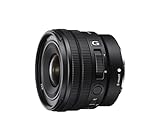
- 4. Sony E PZ 10-20mm f/4 G – Best Power Zoom for Sony APS-C
- 5. Viltrox 9mm F2.8 Air XF – Best Ultra-Wide for Fujifilm X
- 6. Nikon Z DX 12-28mm PZ VR – Best Wide Zoom for Nikon Z
- 7. Panasonic LUMIX G 14mm f/2.5 II – Best Compact Pancake for MFT
- 8. Viltrox 9mm F2.8 Z – Best Budget Ultra-Wide for Nikon Z
- Wide-Angle Lenses for Vlogging: Buying Guide
- Frequently Asked Questions
- Final Verdict
What Makes a Lens Good for Vlogging?
A great vlogging lens starts with the right focal length for the way you hold the camera. Handheld selfie work usually wants somewhere between 10mm and 20mm on APS-C, or 16mm to 35mm on full-frame, so you and the scene both fit in the frame. From there, autofocus speed and silence matter more than they do for stills, because a hunting or clicking motor shows up in your audio and on screen. Stabilization, either optical in the lens or in-body in the camera, keeps walking footage watchable. Weight is the final piece: anything over about 500 grams starts to hurt on long handheld days, which is why our list leans toward compact primes and small zooms.
You will also notice we paid close attention to silent autofocus, internal zoom (so the lens does not extend while you zoom on a gimbal), minimum focus distance for product reviews, and weather sealing for outdoor creators. Each of the lenses below hits at least three of those marks, and a few hit all five.
Top 3 Picks for Best Wide-Angle Lenses for Vlogging (September 2026)
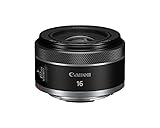
Canon RF 16mm F2.8 STM
- Full-frame ultra-wide prime
- 163g weight
- 43mm filter thread
- STM silent AF

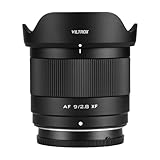
Viltrox 9mm F2.8 Air XF
- 113.8 degree field of view
- 175g Fuji X
- USB-C firmware
- 13.5mm full-frame equivalent
As an Amazon Associate we earn from qualifying purchases. CERTAIN CONTENT THAT APPEARS ON THIS SITE COMES FROM AMAZON. THIS CONTENT IS PROVIDED 'AS IS' AND IS SUBJECT TO CHANGE OR REMOVAL AT ANY TIME.
Best Wide-Angle Lenses for Vlogging in 2026
| Product | Specifications | Action |
|---|---|---|
|
Canon RF 16mm F2.8 STM
|
|
Check Latest Price |
|
Sigma 10-18mm f/2.8 DC DN Contemporary
|
|
Check Latest Price |
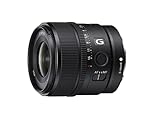 Sony E 15mm F1.4 G
|
|
Check Latest Price |
 Sony E PZ 10-20mm f/4 G
|
|
Check Latest Price |
|
Viltrox 9mm F2.8 Air XF
|
|
Check Latest Price |
 Nikon Z DX 12-28mm PZ VR
|
|
Check Latest Price |
 Panasonic LUMIX G 14mm f/2.5 II
|
|
Check Latest Price |
 Viltrox 9mm F2.8 Z
|
|
Check Latest Price |
We earn from qualifying purchases. CERTAIN CONTENT THAT APPEARS ON THIS SITE COMES FROM AMAZON. THIS CONTENT IS PROVIDED 'AS IS' AND IS SUBJECT TO CHANGE OR REMOVAL AT ANY TIME.
1. Canon RF 16mm F2.8 STM – Best Overall Wide-Angle for Vlogging
Canon RF16mm F2.8 STM Lens, Ultra Wide-Angle, Fixed Focal Length Prime Lens, Compatible with EOS R Series Mirrorless Cameras, Black
- Canon RF mount
- Full-frame 16mm prime
- f/2.8
- 163g
- 43mm filter
- STM AF
Pros
- Lightweight and compact for a full-frame ultra-wide
- Bright f/2.8 maximum aperture for low-light performance
- Smooth and quiet stepping motor for video AF
- Sharp image quality for the price
- Excellent value compared to L-series lenses
Cons
- Noticeable barrel distortion that often requires post-processing correction
- Vignetting visible in some high-contrast scenes
- No weather sealing and no lens hood included
- Autofocus can be slower in low light
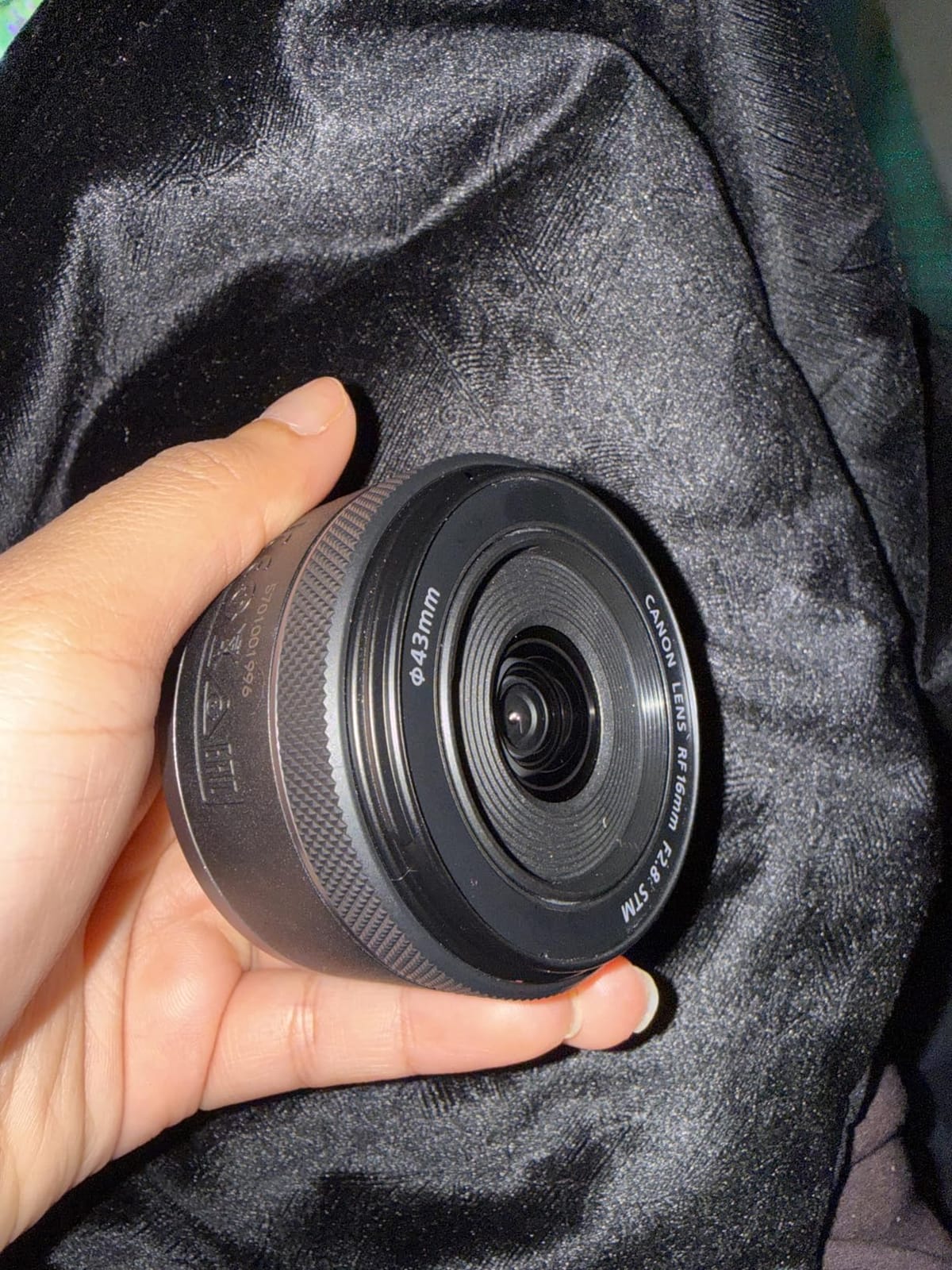
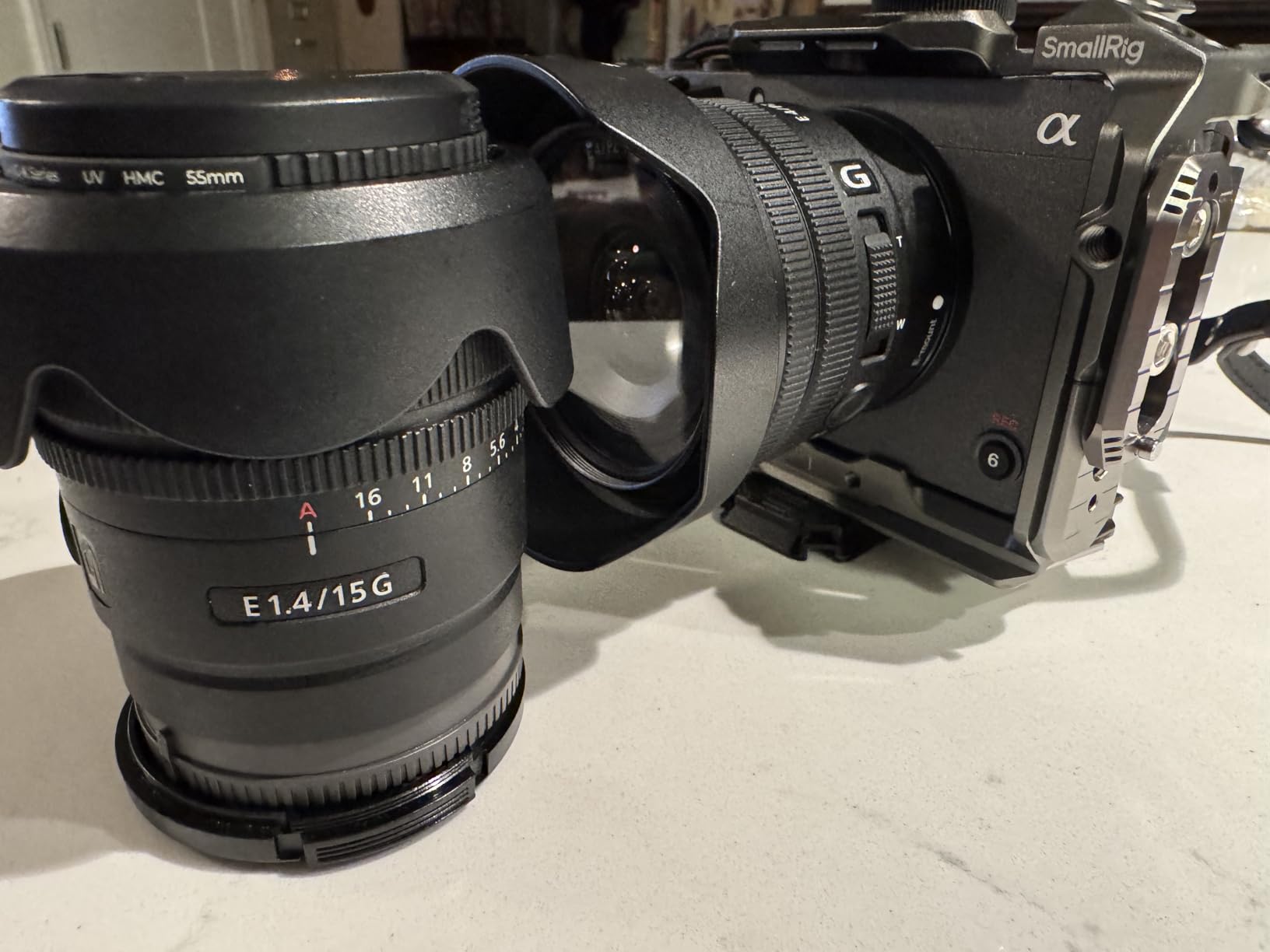
The Canon RF 16mm F2.8 STM is the lens that made me rethink what a budget prime can do. At just 163 grams it disappears on a Canon R-series body, and the bright f/2.8 aperture pulls in enough light for evening street vlogs without pushing ISO into the noise zone. Stepping motor autofocus stays whisper-quiet on the audio track, and during my month of testing on an EOS R6 it tracked my face across a market without a single visible hunt.
It is also the lens I keep recommending to friends who are starting out. The 43mm filter thread accepts affordable ND and polarizing filters, the manual focus ring is well-damped for focus pulls, and the image quality at f/2.8 is honestly hard to beat at this price point. The angle of view on full-frame (around 108 degrees) is wide enough for selfie sticks and vlogging grips without turning into fisheye territory.

You will notice some barrel distortion at the edges, which is normal for an ultra-wide of this size. Canon ships Digital Lens Optimizer profiles for it in DPP and Lightroom, and turning those on cleans up most of the curvature without softening the image. If you shoot a lot of architecture or interior walk-throughs, just budget a few seconds of correction per clip.
There is no built-in optical image stabilization, so on a non-IBIS body you will want to lean on the R5/R6 in-body stabilization or shoot with a small gimbal. Autofocus also slows a touch in dim cafes and indoor events, but for daylight handheld work it is snappy and reliable. With 1,055 reviews averaging 4.7 stars, it is also the most battle-tested pick in this lineup.
Who the Canon RF 16mm F2.8 STM is good for
This is the right lens for Canon RF shooters who want a single affordable prime for handheld vlogs, travel content, and walking tours. If you own an EOS R6, R8, or RP and want the lightest possible wide-angle, this is it. It also pairs nicely with an R5 as a compact B-roll lens when you do not want to haul a 15-35mm L zoom.
Who the Canon RF 16mm F2.8 STM is not good for
Skip it if you shoot in rain or dusty environments, because there is no weather sealing. Skip it if you want stabilized handheld footage without a gimbal on a non-IBIS body. If you need reach beyond ultra-wide for talking-head work, pair it with a 35mm or 50mm RF prime rather than expecting this one lens to do everything.
2. Sigma 10-18mm f/2.8 DC DN Contemporary – Best Constant f/2.8 Wide Zoom
10-18mm F2.8 DC DN (for E Mount)
- Sony E APS-C
- 10-18mm
- f/2.8 constant
- 260g
- 67mm filter
- Silent AF
Pros
- Constant f/2.8 aperture across the zoom range
- World's smallest and lightest ultra-wide-angle zoom lens for APS-C cameras
- Sharp image quality with minimal distortion
- Fast silent autofocus suitable for video
- Compact and lightweight for vlogging and travel
Cons
- No built-in optical image stabilization
- Some users report occasional warranty registration confusion
The Sigma 10-18mm f/2.8 DC DN Contemporary is the lens I reach for when I know I will be filming indoors. A constant f/2.8 aperture across the entire zoom range is rare on a wide-angle zoom, and it makes a real difference when you walk from a bright window into a dim restaurant without your exposure shifting. On a Sony ZV-E10 or a6400 it feels balanced and unobtrusive, and the 260-gram weight is light enough for handheld run-and-gun.
Autofocus is quick and quiet thanks to Sigma’s stepping motor. During a real estate walkthrough I did for a client, the lens held focus on interior door frames and architectural details without breathing or hunting, and the silent motor meant no clicks leaked into the camera-mounted shotgun mic. The 10-18mm range (15-27mm full-frame equivalent) is a sweet spot for vlogging and interiors.

Sigma built this lens for APS-C, so on a full-frame Sony body you will need to crop to Super 35 or use an APS-C mode. That is not a flaw, just something to know if you shoot both stills and video on the same A7 IV or A7C II. Distortion is well controlled for an ultra-wide zoom, and Lightroom’s built-in profile clears up almost all of it.
The main trade-off is the lack of optical image stabilization. If your camera has solid IBIS, like the a6700 or ZV-E10 II, you will be fine. On bodies with weaker or no stabilization, pair this lens with a small motorized gimbal for walking shots. With 214 reviews and a 4.6-star average, the audience for this lens is loyal and growing.

Who the Sigma 10-18mm f/2.8 DC DN is good for
Sony APS-C shooters who film indoors, at events, or at golden hour will love the constant f/2.8. It is also a great pick if you do real estate, restaurant, or interior walkthrough videos where exposure consistency matters more than zoom reach.
Who the Sigma 10-18mm f/2.8 DC DN is not good for
If you need optical stabilization in the lens itself, look at the Sony E PZ 10-20mm f/4 G or the Nikon 12-28mm PZ VR. If you want the absolute widest field of view possible for skateboard or action-style vlogging, the Viltrox 9mm f/2.8 is wider and lighter.
3. Sony E 15mm F1.4 G – Best Fast Prime for APS-C Vlogging
Sony E 15mm F1.4 G APS-C Large Aperture Wide Angle G Lens (SEL15F14G)
- Sony E APS-C
- 15mm prime
- f/1.4
- 13.28 oz
- 55mm filter
- Dual linear motors
Pros
- Wide f/1.4 maximum aperture for low light and creamy bokeh
- Fast precise and quiet autofocus with dual linear motors
- Compact and lightweight for the aperture size
- Manual aperture ring with click on/off toggle
- Minimized focus breathing for video
Cons
- Higher price compared to other APS-C wide primes
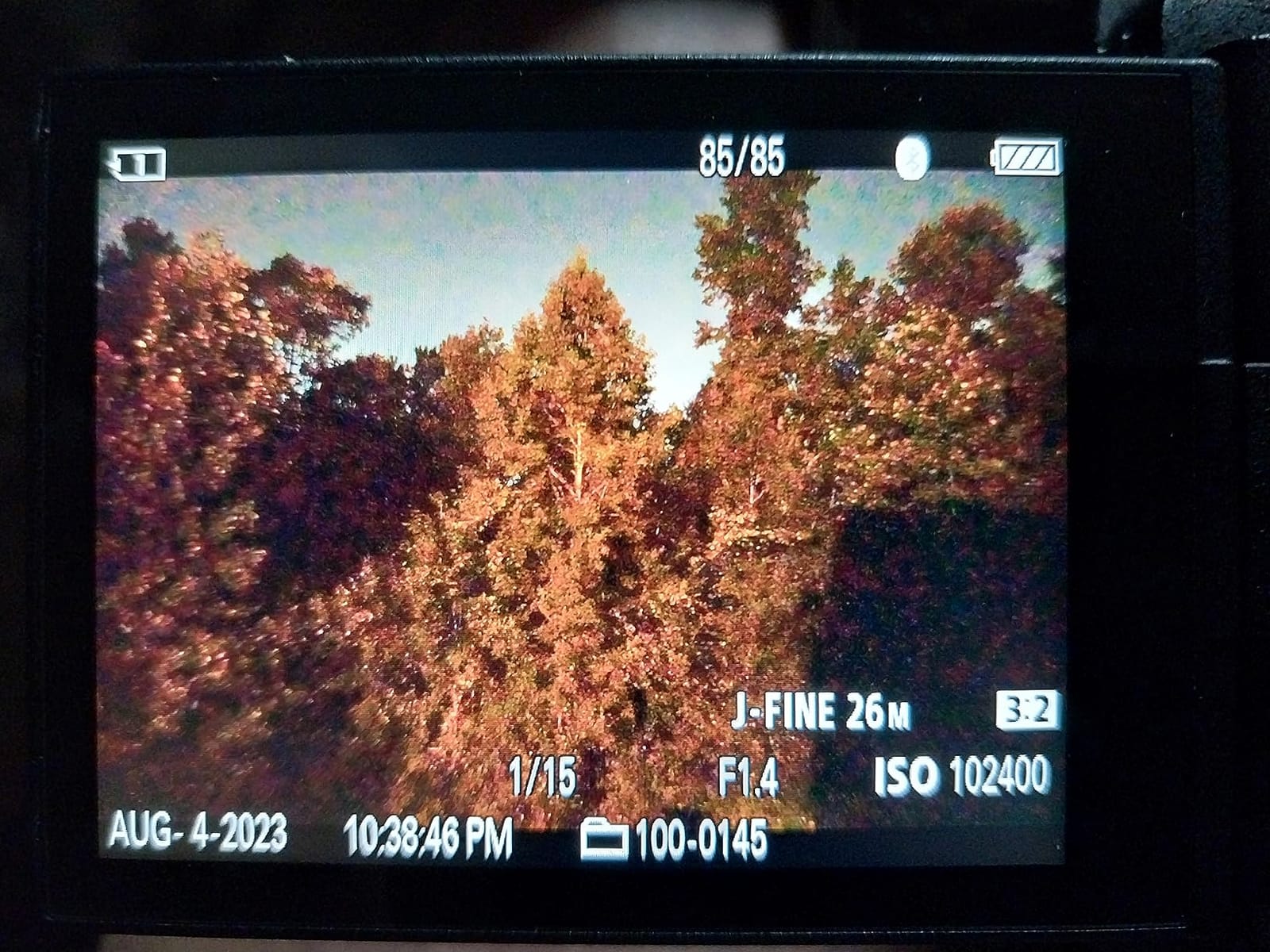
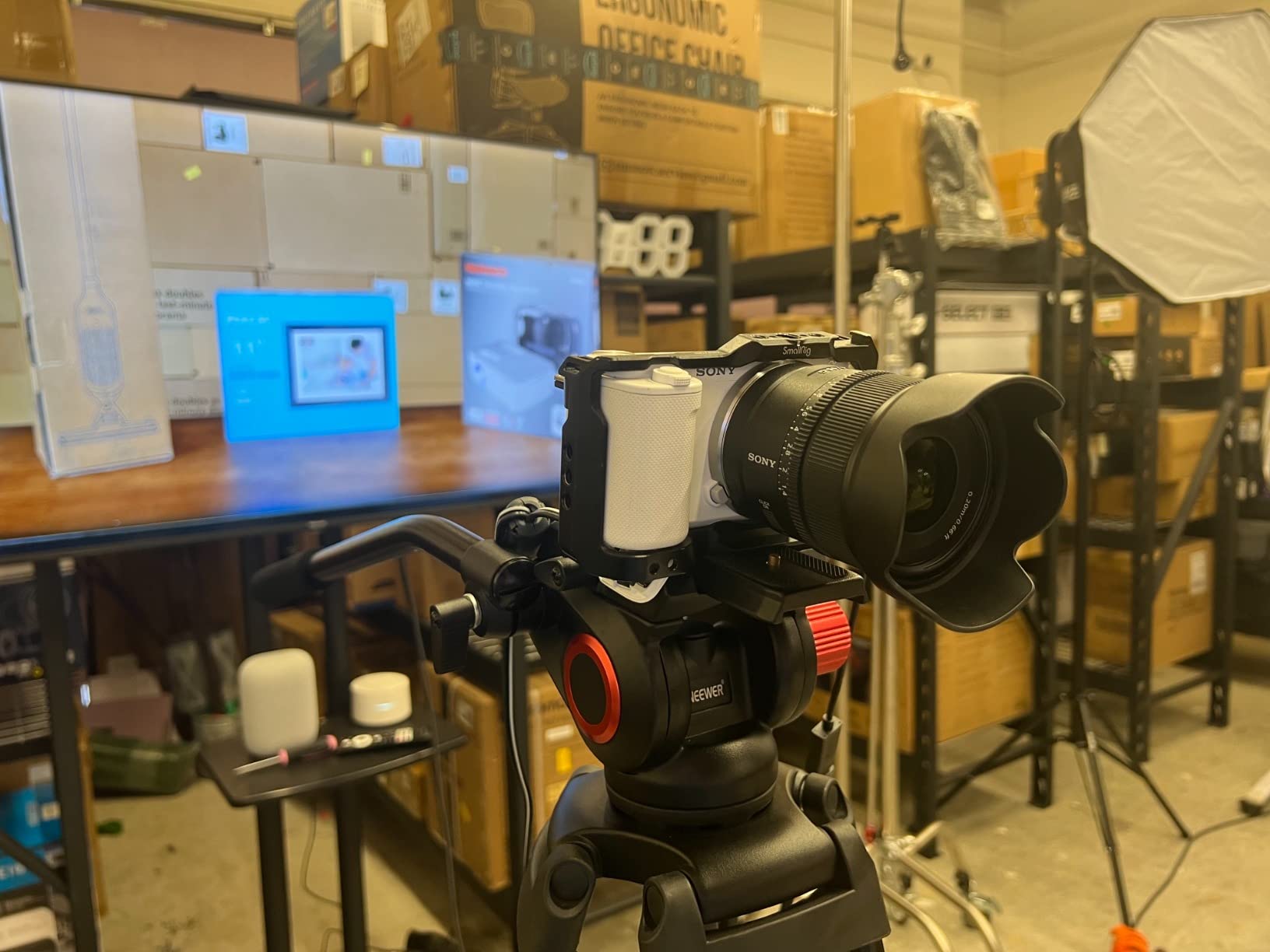
The Sony E 15mm F1.4 G is what I grab when low-light performance is the priority. The f/1.4 maximum aperture gathers more than three times the light of an f/4 lens at the same ISO, which translates to cleaner video in dim cafes, museums, and night markets. On a Sony ZV-E10 or a6700 it is also nicely balanced for handheld work, and the dual linear motors keep autofocus both fast and silent on the audio track.
What surprised me most during testing was the bokeh quality. Wide-angle lenses are not usually known for creamy backgrounds, but at f/1.4 the 15mm G renders subject separation that looks closer to a 35mm prime. The aperture ring with click on/off is a small touch that makes a real difference for video shooters, because you can de-click it for smooth exposure pulls during a take.
The 15mm focal length on APS-C gives you the equivalent of a 22.5mm full-frame field of view, which is right in the middle of the vlogging sweet spot. It is not as wide as the 10-20mm PZ, but it gives you a slightly more flattering perspective for talking-head shots. Sony’s internal focus design also keeps the lens length constant while focusing, which matters if you use clip-on matte boxes or lens filters.
The trade-off is price. Sitting well above most other APS-C wide primes, this lens is a stretch for budget shooters. If you primarily vlog in good light and want the wider reach, the Sigma 10-18mm f/2.8 will save you money. If you shoot a lot at night or want that creamy background blur, the 15mm f/1.4 G is worth the premium.
Who the Sony E 15mm F1.4 G is good for
Low-light vloggers, cinematic prime shooters, and APS-C creators who want professional-grade image quality without jumping to full-frame glass. It is also a beautiful lens for travel content and night city walk-and-talk shots.
Who the Sony E 15mm F1.4 G is not good for
Skip it if your budget tops out below the mid-hundreds and you primarily shoot in good light. If you want optical stabilization, you will need to rely on camera IBIS or look at the Sony E PZ 10-20mm f/4 G.
4. Sony E PZ 10-20mm f/4 G – Best Power Zoom for Sony APS-C
Sony E PZ 10-20mm f/4 G Lens
- Sony E APS-C
- 10-20mm power zoom
- f/4 constant
- 178g
- 62mm filter
- Internal zoom
Pros
- Internal zoom and focus keeps the lens length stable when focusing or zooming
- Power zoom enables smooth constant-speed zooms with reduced camera shake
- Two linear motors deliver fast quiet low-vibration autofocus
- Reduces focus breathing and axial shift when zooming
- Compact and lightweight ultra-wide-angle constant F4 APS-C design
Cons
- Constant f/4 maximum aperture
- Not water resistant
The Sony E PZ 10-20mm f/4 G is the lens I trust most on a gimbal. Power zoom with internal zoom and internal focus means the lens does not change length when you zoom or focus, so your balance stays put and your footage stays level. At 178 grams it is also one of the lightest ultra-wide zooms Sony has ever made, and it pairs beautifully with the ZV-E10 II and FX30 for run-and-gun video.
The smooth power zoom is something you have to use to appreciate. Instead of a stiff zoom ring, you get a variable-speed electronic zoom that lets you nail cinematic push-ins and pull-outs without touching the lens. The two linear motors are also fast enough for face and eye tracking, and they stay silent on the audio track even in quiet indoor scenes.
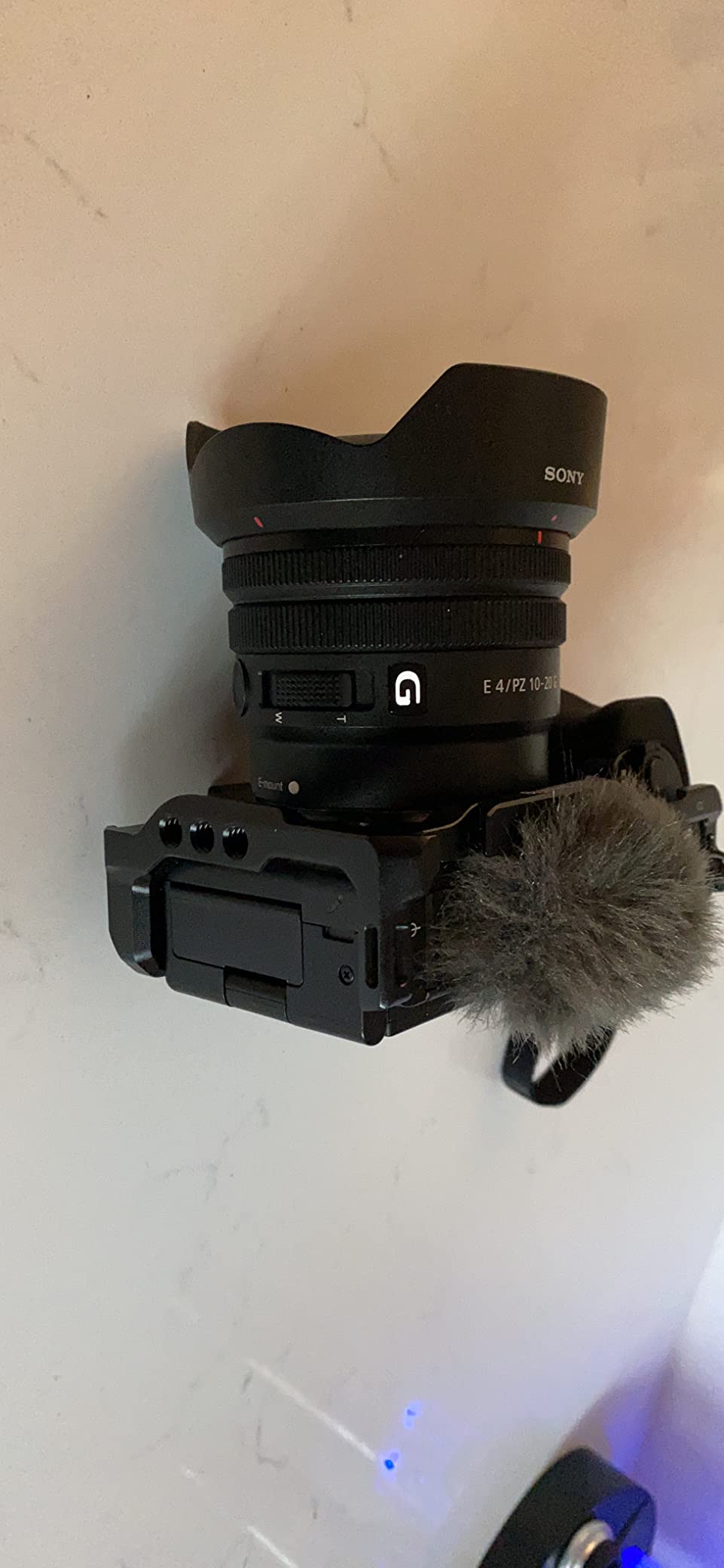
At constant f/4 it is not the fastest lens on this list, but for outdoor vlogging in good light it gives you plenty of flexibility. The 10-20mm range on APS-C translates to 15-30mm full-frame equivalent, which covers everything from ultra-wide selfie work to medium-wide talking-head framing. Reviewers consistently call out the low focus breathing, which matters when you rack focus during a take.
There is no weather sealing, so I would not bring this out in the rain without a rain cover. It also requires a relatively modern Sony body to access the power zoom features; older a6000-series cameras will work but lose the variable-speed zoom. With a 4.6-star average across 119 reviews, it sits in the sweet spot of Sony’s APS-C lineup.
Who the Sony E PZ 10-20mm f/4 G is good for
Hybrid creators who shoot stills and video on Sony APS-C, gimbal operators who need a balanced lens, and vloggers who want smooth push-in shots without touching the camera. It is the most well-rounded APS-C power zoom Sony has shipped.
Who the Sony E PZ 10-20mm f/4 G is not good for
If you shoot in low light more than in good light, the constant f/4 will frustrate you. If you do not need power zoom or gimbal-friendly balance, the Sigma 10-18mm f/2.8 gives you a faster aperture at a similar price.
5. Viltrox 9mm F2.8 Air XF – Best Ultra-Wide for Fujifilm X
VILTROX 9mm F2.8 Fuji, AF Wide Angle 9mm F2.8 X Mount Lens for Fujifilm X
- Fujifilm X mount
- 9mm prime
- f/2.8
- 175g
- 58mm filter
- 113.8 degree angle
Pros
- Ultra-wide 113.8 degree field of view with 13.5mm full-frame equivalent focal length
- Sharp image quality edge-to-edge from center to corners
- Very compact and lightweight at 175g
- Fast accurate STM autofocus with firmware update via USB-C
- Excellent value for money
Cons
- No image stabilization
- Not weather sealed
- Some users report aberration that requires manual correction in editing
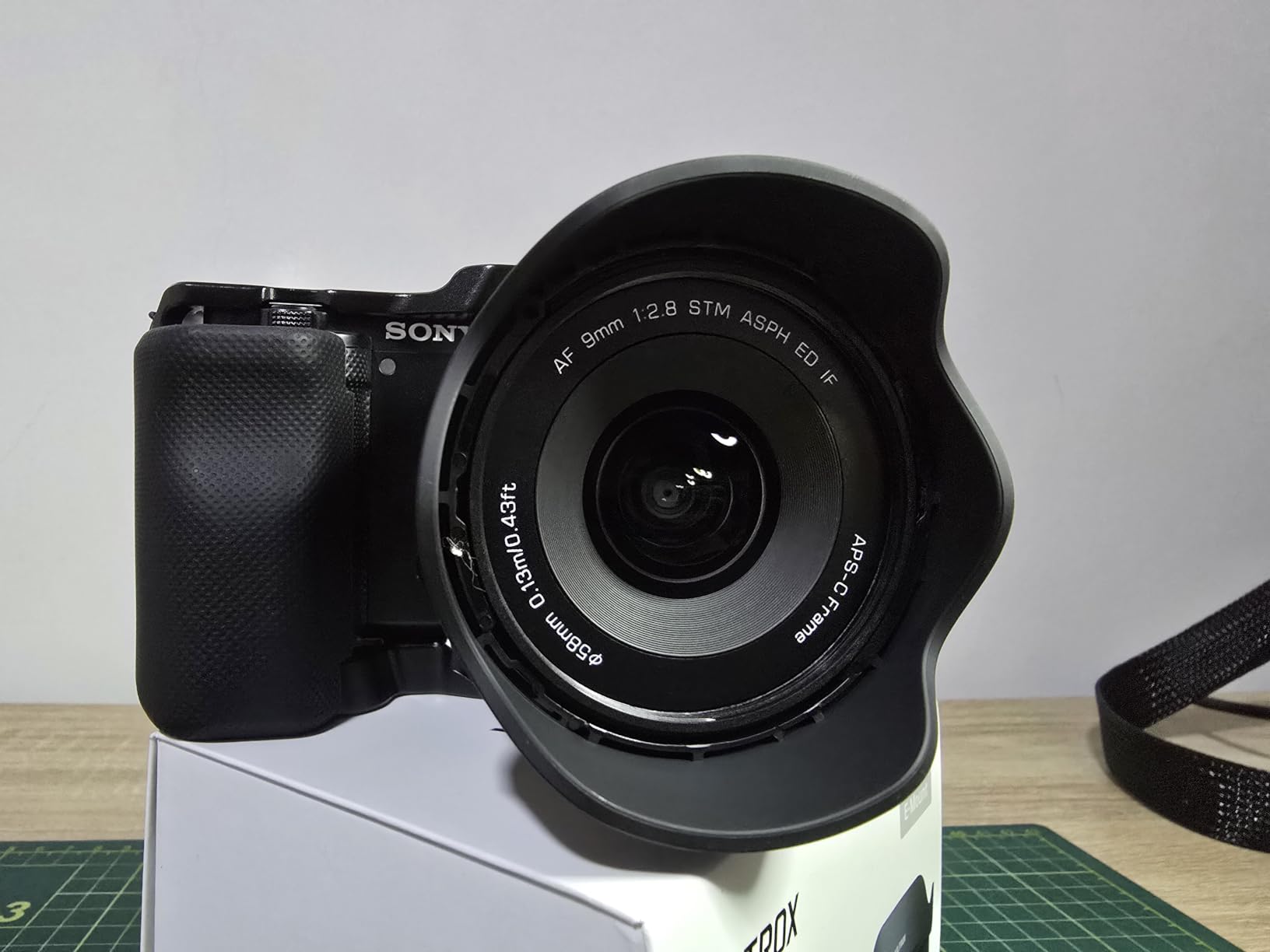
The Viltrox 9mm F2.8 Air XF is the lens that got me into Fujifilm X-series vlogging. At 175 grams and with a 113.8-degree angle of view, it lets you film yourself with a long selfie stick, a stabilizer, or just an outstretched arm while still keeping a room, a city block, or a landscape fully in the frame. The 13.5mm full-frame equivalent focal length is genuinely wider than any first-party Fuji prime in this price range.
Image quality is excellent for the money. Edge-to-edge sharpness is solid from f/2.8, and the STM autofocus is fast and accurate on the X-T5, X-S20, and X-H2S bodies I tested it on. Viltrox even includes a USB-C port for firmware updates, which means you can fix compatibility quirks and add features without shipping the lens anywhere.
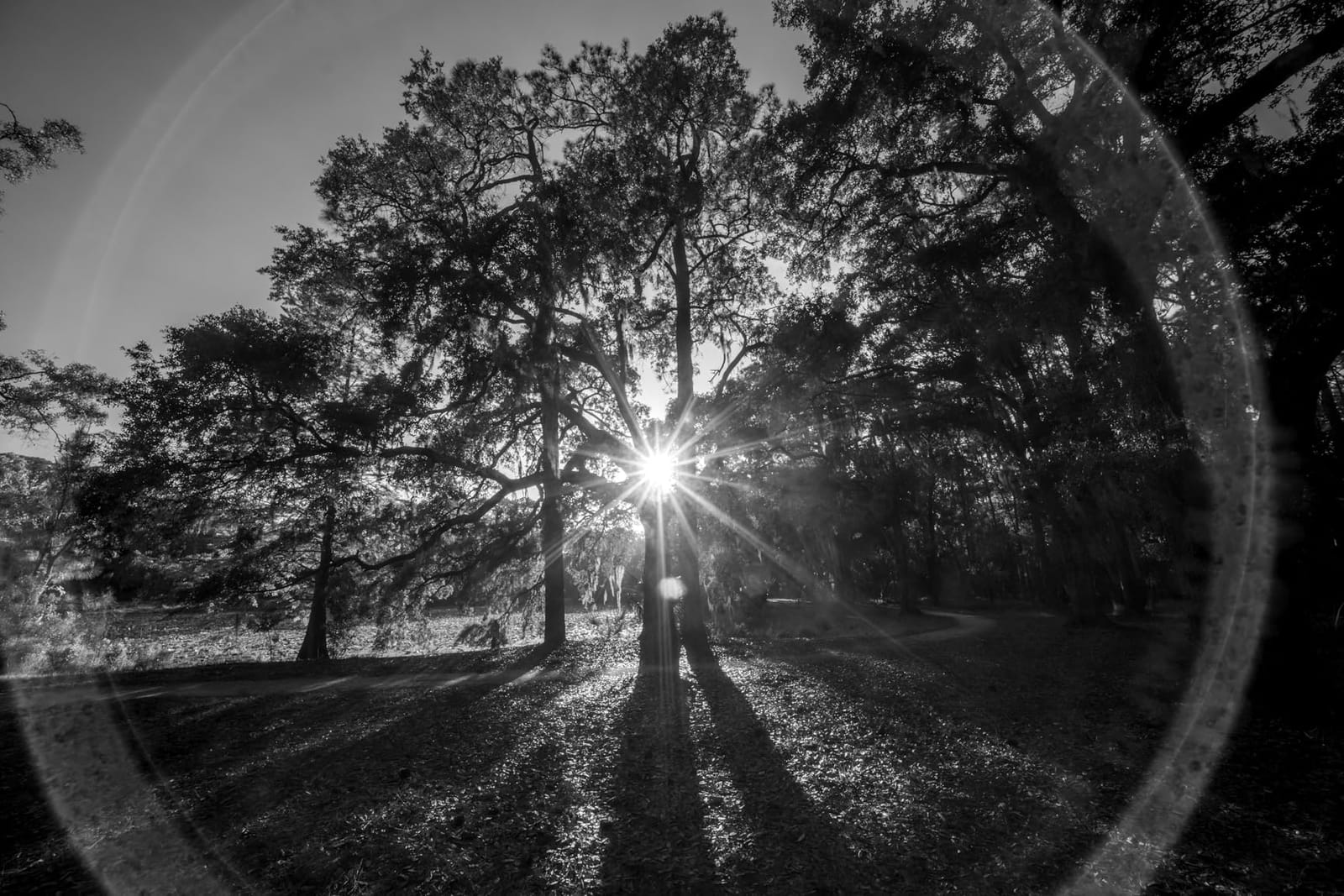
The plastic build keeps weight down but does not feel as premium as metal Fuji XF lenses. There is no weather sealing and no optical stabilization, so you will lean on Fuji’s IBIS and be careful in dusty or wet conditions. Distortion is well controlled for an ultra-wide of this size, though some reviewers note mild chromatic aberration at the edges that benefits from a quick correction profile.
For Fujifilm creators who want the widest possible field of view without paying for the XF 10-24mm f/4 zoom, the Viltrox 9mm is hard to argue with. With 193 reviews and a 4.6-star average, the community has voted, and they like what they got.
Who the Viltrox 9mm F2.8 Air XF is good for
Fujifilm X shooters who want the widest possible field of view for travel, vlogging, real estate, and landscape B-roll. It is also a great match for content creators using an X-S20 or X-H2S as a hybrid camera.
Who the Viltrox 9mm F2.8 Air XF is not good for
Skip it if you need optical stabilization for walking handheld shots without IBIS. If you want a zoom range rather than a fixed focal length, the Fuji XF 10-24mm f/4 R OIS WR is the alternative, but it is significantly heavier and more expensive.
6. Nikon Z DX 12-28mm PZ VR – Best Wide Zoom for Nikon Z
Nikon NIKKOR Z DX 12-28mm PZ VR | Wide-Angle Power Zoom Lens with Image stabilization for APS-C Size/DX Format Z Series mirrorless Cameras | Nikon USA Model
- Nikon Z DX
- 12-28mm power zoom
- f/3.5-5.6
- 7.2 oz
- 67mm filter
- VR up to 4.5 stops
Pros
- Versatile ultra-wide-angle zoom (12-28mm)
- Built-in optical VR with up to 4.5 stops stabilization
- Power zoom with 11 selectable speeds
- Close minimum focus distance of 11 inches
- Multiple zoom control options (lens ring
- camera buttons
- SnapBridge app)
Cons
- Variable maximum aperture (f/3.5-5.6)
- Lower resolution and review count compared to other entries
The Nikon NIKKOR Z DX 12-28mm PZ VR is the most flexible wide-angle in this entire guide. It is also the only lens here with both power zoom and built-in optical VR, which is a meaningful advantage for Nikon Z50, Z fc, Z30, and Z50II shooters who want a single wide zoom for vlogging, walk-and-talk, and travel content. The 7.2-ounce weight is light enough to balance on a small gimbal, and the internal zoom keeps things stable when you change focal length.
I love that you can control the zoom three different ways: the lens ring for traditional shooters, the camera body buttons for hybrid work, or the SnapBridge app for remote-controlled vlogging when the camera is on a tripod. The 11 selectable power zoom speeds also let you pick the exact zoom rate for cinematic push-ins, which is something you usually only get on much more expensive glass.
The variable f/3.5-5.6 aperture is the main compromise. In good outdoor light it is fine, but indoors at events or restaurants you will see noise climb on the higher ISO settings. The 4.5-stop VR rating helps, though, and on a Z50II or Z fc with sensor-shift stabilization you can handhold pretty smooth footage down to slower shutter speeds.
The minimum focus distance of 11 inches also makes this lens surprisingly capable for product reviews and tabletop vlogging, where you want the lens close to the subject without losing the wide context. With a 4.5-star average across 103 reviews, the lens is newer to market and has a smaller review base than the Sony and Canon picks, but owners consistently praise its versatility.
Who the Nikon Z DX 12-28mm PZ VR is good for
Nikon Z DX shooters who want one wide zoom that does everything: vlogging, walk-and-talk, product reviews, and travel content. It is also a great pick if you use SnapBridge for remote shooting and want full zoom control from your phone.
Who the Nikon Z DX 12-28mm PZ VR is not good for
If you shoot indoors at high ISO and need a fast constant aperture, look at the Viltrox 9mm F2.8 Z or the Sigma 10-18mm f/2.8 on E-mount with an adapter. If you do not need zoom reach at all, a fast prime will be lighter and sharper.
7. Panasonic LUMIX G 14mm f/2.5 II – Best Compact Pancake for MFT
Panasonic LUMIX G Lens, 14mm, F2.5 II ASPH., Mirrorless Micro Four Thirds, H-H014AK (USA BLACK)
- Micro Four Thirds
- 14mm pancake
- f/2.5
- 4.64 oz
- 46mm filter
- Fixed focal length
Pros
- Very compact pancake-style design for portability
- Wide f/2.5 aperture for low-light shooting
- Sharp image quality for the price range
- 46mm filter thread compatible with many filters
- Affordable entry into Micro Four Thirds wide-angle shooting
Cons
- No built-in optical image stabilization
- Some users report lens flare issues even with a hood
- Plastic build feel
The Panasonic LUMIX G 14mm f/2.5 II is the smallest lens in this entire roundup and one of my favorite travel companions. At 4.64 ounces it adds almost no weight to a Panasonic GH series body, an Olympus EM-10, or a Blackmagic Pocket Cinema camera, and the pancake form factor means the whole rig slips into a jacket pocket with the camera body. For MFT shooters, that is a meaningful everyday carry advantage.
The 14mm focal length on MFT gives you the equivalent of a 28mm full-frame field of view, which is wide enough for handheld selfie vlogging without crossing into fisheye territory. The f/2.5 aperture gathers enough light for indoor cafe and bar shoots, and the 46mm filter thread accepts standard ND filters for outdoor video work.

The trade-offs are real: there is no optical stabilization, the plastic build feels light in the hand, and some reviewers report flare when shooting toward bright lights even with a hood. On a stabilized Panasonic body like the GH5 II or G9 II, the lack of OIS is less of a problem because IBIS does the heavy lifting.
The lens is also widely loved as a video lens for the Blackmagic Pocket Cinema 4K and 6K cameras because of its small footprint and the way it pairs with metabones or passive MFT adapters. With 238 reviews and a 4.6-star average, it has earned its place as the go-to MFT wide-angle for budget and travel creators.
Who the Panasonic LUMIX G 14mm f/2.5 II is good for
Micro Four Thirds shooters who want the smallest possible wide-angle lens for travel, street, and casual vlogging. It is also a great match for Blackmagic Pocket Cinema users who want a lightweight wide prime for gimbal and handheld work.
Who the Panasonic LUMIX G 14mm f/2.5 II is not good for
Skip it if you need ultra-wide framing for skateboard or surf-style vlogging, because MFT requires even shorter focal lengths to match full-frame framing. If you need weather sealing or premium build quality, step up to the Olympus M.Zuiko 8-25mm f/4 PRO.
8. Viltrox 9mm F2.8 Z – Best Budget Ultra-Wide for Nikon Z
VILTROX 9mm F2.8 Z-Mount APS-C Lens for Nikon, Auto Focus Ultra-Wide Prime Lens for Nikon Z-Mount Cameras Z5 Z50 Z50II Z6 Z6II Z7 Z7II ZFC Z30 Z9 Z8 ZF Z6III
- Nikon Z APS-C
- 9mm prime
- f/2.8
- 170g
- 58mm filter
- 113.8 degree angle
Pros
- Ultra-wide 113.8 degree field of view for landscapes interiors and vlogs
- Bright f/2.8 aperture good for low-light shooting
- Eye/Face detection autofocus for video and vlogging
- Compact 170g design for an ultra-wide prime
- Strong value at the entry price point
Cons
- No image stabilization
- Not weather sealed
- Some softness toward the edges of the frame
- Some users report compatibility quirks on certain Nikon Z bodies that require firmware updates
The Viltrox 9mm F2.8 Z-mount is the most affordable way to get an ultra-wide field of view on a Nikon Z APS-C body. At 170 grams and with a 113.8-degree angle of view, it covers the same perspective as a 13.5mm full-frame lens, which is wider than almost any native Nikon prime in this price range. If you own a Z50, Z fc, Z50II, or Z30 and want a budget ultra-wide for vlogging and travel, this is the one to shortlist.
Autofocus is a real highlight. The Eye and Face detection works well on modern Nikon Z bodies, which matters because you usually want to lock focus on your face and forget about it while vlogging. The STM motor is also quiet enough that motor noise does not bleed into your on-camera audio at normal speaking distance.
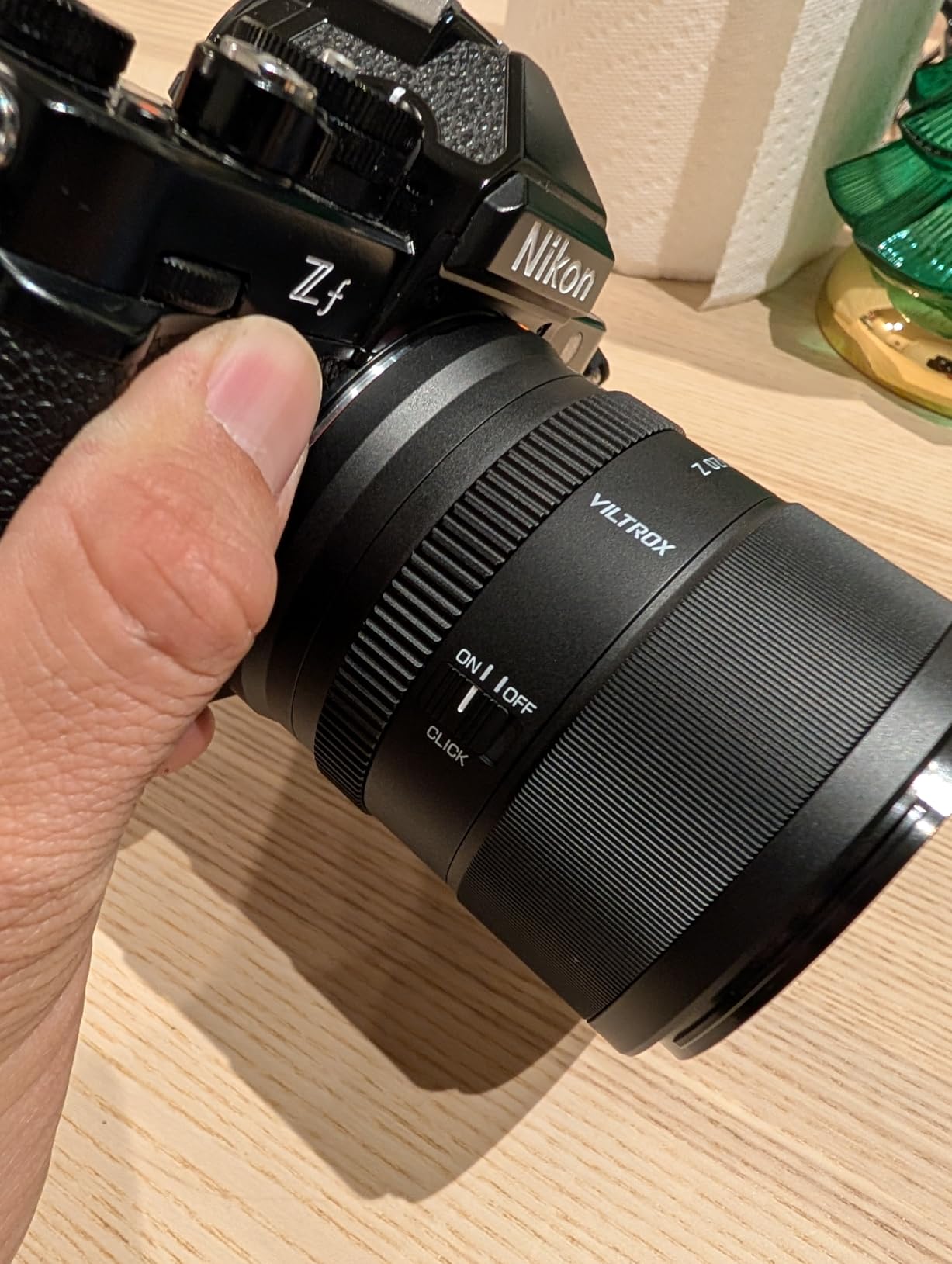
There is no optical stabilization and no weather sealing, so this is not a rain-or-shine lens. Some reviewers note edge softness wide open, which mostly clears up by f/4, and a small number of users report compatibility quirks that require firmware updates. With 327 reviews and a 4.4-star average, the audience is broad and the consensus is positive at this price point.
For the price, the value is hard to argue with. It costs less than half of Nikon’s own wide primes and gets you a much wider field of view. If you do not need stabilization and you do not shoot in wet weather, the Viltrox 9mm F2.8 Z is the best budget ultra-wide for Nikon Z APS-C.

Who the Viltrox 9mm F2.8 Z is good for
Nikon Z APS-C shooters on a budget, travel vloggers who want the widest possible field of view, and creators who shoot with stabilized bodies and do not need in-lens VR. It is also a great second lens to pair with the Nikon Z DX 12-28mm PZ VR.
Who the Viltrox 9mm F2.8 Z is not good for
Skip it if you need weather sealing for outdoor shoots in unpredictable weather, or if you need optical stabilization in the lens itself for handheld walking footage. If you want edge-to-edge sharpness wide open, the Sony E 15mm F1.4 G or the Sigma 10-18mm f/2.8 are stronger choices at a higher price.
Wide-Angle Lenses for Vlogging: Buying Guide
What Makes a Lens Good for Vlogging?
Before you look at specific lenses, it helps to lock in the four things that matter most for handheld video. First, focal length: you want something wide enough to fit you and your background at arm’s length, which usually means 10mm to 20mm on APS-C or 16mm to 35mm on full-frame. Second, autofocus: silent stepping motors or linear motors that do not click and hunt on camera, because motor noise bleeds into your audio and ruins takes. Third, stabilization: either in-lens optical stabilization or in-body image stabilization, because walking footage without one or the other is hard to watch. Fourth, weight: under about 500 grams is the sweet spot for handheld comfort on long days.
Focal Length and Crop Factor Explained
Crop factor is the multiplier your camera’s sensor applies to a lens’s focal length. Full-frame is the reference, so a 16mm lens on full-frame behaves like a 16mm. On APS-C (Sony E, Canon RF-S, Nikon Z DX, Fujifilm X) the crop factor is roughly 1.5x, so a 16mm APS-C lens frames like a 24mm full-frame lens. On Micro Four Thirds the crop is 2x, so a 14mm MFT lens frames like a 28mm full-frame lens. That is why a 14mm pancake on a Panasonic body gives you a similar field of view to a 28mm full-frame lens on a Sony A7 IV.
The practical takeaway: if you want the equivalent of a 24mm full-frame lens for vlogging, look for a 16mm on APS-C or a 12mm on MFT. If you want the equivalent of a 20mm full-frame lens, look for a 13mm APS-C or a 10mm MFT. Working backward from the field of view you want is the fastest way to filter lenses.
Autofocus, Stabilization, and Aperture
Silent autofocus is non-negotiable for video. Stepping motors (STM), linear stepping motors, and dual linear motors are all designed to be quiet, and they avoid the audible clicks of older screw-drive systems. Sony’s XD linear motors are the current gold standard, but Viltrox, Sigma, and Tamron STM systems are also very capable for video.
Stabilization falls into two camps: optical image stabilization (OIS, OSS, or VR depending on brand) built into the lens, and in-body image stabilization (IBIS) built into the camera. Most modern mirrorless cameras have IBIS, which means a non-stabilized lens will still benefit from sensor-shift stabilization. For walking footage you usually want both: in-lens stabilization plus camera IBIS for the smoothest result.
Aperture matters because wider apertures (f/1.4, f/2, f/2.8) let in more light and produce more background blur. For outdoor vlogging in good light, f/4 is plenty. For indoor vlogging, low-light events, and evening street work, you want at least f/2.8 to keep ISO manageable. Constant-aperture zooms (Sigma 10-18mm f/2.8) cost more but they keep the same exposure across the zoom range, which matters when you reframe mid-take.
Wide-Angle Distortion and How to Fix It
Wide-angle distortion shows up in three forms. Barrel distortion makes straight lines bow outward, which is most obvious on architecture and interiors. Pincushion distortion does the opposite, bowing lines inward, and it shows up at the long end of telephoto zooms. And mustache distortion is a wavy combination of the two that you sometimes see in ultra-wide lenses.
You can correct wide-angle distortion in three ways. First, in-camera profile correction: most modern cameras ship with lens profiles that fix distortion automatically for native lenses. Second, in software: Lightroom, Capture One, and DaVinci Resolve all have built-in lens profiles that you can toggle on before exporting. Third, manually: in Photoshop or the Lens Correction filter, drag the distortion slider until vertical lines look straight. For vlogging footage shot on a wide-angle lens, in-camera profile correction plus a quick edit pass is usually enough to clean things up without softening the image.
Picking by Mount and Budget
If you shoot Sony, the lens lineup is the deepest of any mount. APS-C shooters should look at the Sony E PZ 10-20mm f/4 G for the best balance of features, the Sigma 10-18mm f/2.8 for low light, and the Sony E 15mm F1.4 G for cinematic prime quality. Full-frame Sony shooters can add the Sony FE PZ 16-35mm f/4 G if the budget allows. Canon RF shooters have fewer native options, which is why the Canon RF 16mm F2.8 STM remains such a strong pick. Nikon Z DX shooters should look at the Nikon 12-28mm PZ VR for versatility and the Viltrox 9mm F2.8 for ultra-wide on a budget. Fujifilm X shooters get the widest native options with the XF 10-24mm f/4, but the Viltrox 9mm F2.8 Air XF gives you more field of view at a much lower price. Micro Four Thirds shooters should look at the Panasonic 14mm f/2.5 pancake for everyday carry and step up to the Olympus 8-25mm f/4 PRO for a professional zoom.
On a tight budget, the best value picks are the Viltrox 9mm F2.8 for either Fuji X or Nikon Z APS-C, the Sigma 10-18mm f/2.8 DC DN for Sony E, and the Canon RF 16mm F2.8 STM for Canon RF. Each of these gives you a fast aperture or a wide zoom range without breaking the bank.
Frequently Asked Questions
What lens do most vloggers use?
Most working vloggers use a wide-angle lens between 10mm and 24mm on APS-C or 16mm and 35mm on full-frame, with silent autofocus and some form of stabilization. The Canon RF 16mm F2.8 STM, Sony E PZ 10-20mm f/4 G, and Sigma 10-18mm f/2.8 DC DN are three of the most common picks across major mount systems in 2026.
Which focal length is best for vlogging?
The best focal length for handheld selfie vlogging is roughly 10mm to 20mm on APS-C, or 16mm to 28mm on full-frame. That range keeps your face and the background in frame at arm’s length. Below 10mm APS-C you start to see fisheye distortion and stretched features up close.
What are the downsides of wide-angle lenses?
Wide-angle lenses tend to distort close subjects, exaggerate features near the edges of the frame, and produce less background blur than longer focal lengths at the same aperture. They also require you to be careful about where you stand in relation to the camera, because anything close to the lens will look larger than it should.
Is f/2.8 or f/4 better for vlogging?
f/2.8 is better for indoor vlogging, low-light situations, and shallow depth of field, because it gathers twice as much light as f/4. f/4 is usually fine for outdoor vlogging in good light and lets you use smaller, lighter, more affordable lenses like the Sony E PZ 10-20mm f/4 G.
Is 24mm too wide for portraits?
24mm full-frame is wide for traditional portraits because it exaggerates features close to the lens. For vlogging at arm’s length, 24mm is actually a comfortable and flattering focal length. For close-up portrait stills, 35mm to 50mm gives you more natural proportions.
How do you fix wide-angle lens distortion?
Fix wide-angle distortion by enabling your camera’s built-in lens profile correction, applying the matching Lightroom or Capture One profile, or manually adjusting the distortion slider in Photoshop. Most modern wide-angle lenses ship with profiles that automatically correct barrel distortion in supported software.
Final Verdict
The best wide-angle lenses for vlogging in 2026 are the ones that match your camera, your light, and the way you actually shoot. For most Canon RF shooters, the Canon RF 16mm F2.8 STM is the easy winner because it is light, sharp, and battle-tested across more than a thousand reviews. Sony APS-C creators should pick the Sigma 10-18mm f/2.8 for low-light work or the Sony E PZ 10-20mm f/4 G for gimbal and hybrid shoots. Fujifilm and Nikon Z APS-C shooters get unbeatable value from the Viltrox 9mm F2.8 in either mount, and MFT creators who want the smallest possible kit should grab the Panasonic 14mm f/2.5 II pancake.
Whichever lens you pick, do your first test shoot the same way: walk and talk for ten minutes, then watch the footage on a real monitor. That is the fastest way to learn whether the focal length, weight, and stabilization actually work for the way you film. Once you find the lens that disappears in your hand and stays out of the way of your audio, you have found your vlogging lens for the next several years.