
If you have ever tried to photograph a family reunion under a canopy of oak trees, or chase a toddler across a sunlit lawn at high noon, you already know why the best portable flashes for location photography earn their place in our camera bags. Ambient light is fickle on location, and the difference between a flat, harsh snapshot and a glowing portrait often comes down to one well-placed burst of light.
We spent the last several months shooting with nine of the most talked-about portable flashes on the market, including speedlights, battery-powered monolights, and pocket strobes from Godox, NEEWER, Flashpoint, Westcott, and Canon. We used each one for family sessions, outdoor portraits, and a few small weddings, paying close attention to how they actually perform in real conditions: how fast they recycle between shots of squirmy kids, how well they sync in bright afternoon sun, how comfortable they are to carry for a full eight-hour day, and how reliably they trigger off-camera through walls and windows.
What follows is the result of that testing. We picked a top recommendation that strikes the best balance of power, portability, color consistency, and ecosystem support, then added value picks and budget options that shine in specific scenarios. Whether you are a family photographer who needs reliable fill light on a beach session, a wedding photographer building out a location kit, or a portrait shooter who wants to add a key light to your outdoor work, this roundup will help you find the right flash for the way you actually shoot.
Table of Contents
- Top 3 Picks for Location Photography in 2026
- Best Portable Flashes for Location Photography (September 2026)
- 1. Godox AD200 Pro II Pocket Flash — Editor’s Choice for Location Photography
- 2. Godox AD300 Pro Outdoor Strobe — Best Value Monolight
- 3. Godox AD400 Pro Portable Strobe — Best for Weddings and Big Families
- 4. Flashpoint XPLOR 600 — Premium Pick for Big Locations
- 5. Westcott FJ200 Round-Head Pocket Strobe — Best for Color Consistency
- 6. NEEWER Q300 Outdoor Monolight — Best Budget Bowens-Mount Strobe
- 7. NEEWER Q120 Outdoor Strobe — Most Compact Pocket-Sized Power
- 8. Canon Speedlite EL-10 — Best for Canon R-Series Mirrorless
- 9. NEEWER Z2PRO-C Round-Head Speedlite — Best for Canon Users on a Budget
- How to Choose the Best Portable Flash for Location Photography
- Frequently Asked Questions
- Final Verdict
Top 3 Picks for Location Photography in 2026


As an Amazon Associate we earn from qualifying purchases. CERTAIN CONTENT THAT APPEARS ON THIS SITE COMES FROM AMAZON. THIS CONTENT IS PROVIDED 'AS IS' AND IS SUBJECT TO CHANGE OR REMOVAL AT ANY TIME.
Best Portable Flashes for Location Photography (September 2026)
| Product | Specifications | Action |
|---|---|---|
|
Godox AD200 Pro II
|
|
Check Latest Price |
 Godox AD300 Pro
|
|
Check Latest Price |
 Godox AD400 Pro
|
|
Check Latest Price |
 Flashpoint XPLOR 600
|
|
Check Latest Price |
 Westcott FJ200
|
|
Check Latest Price |
 NEEWER Q300
|
|
Check Latest Price |
 NEEWER Q120
|
|
Check Latest Price |
 Canon Speedlite EL-10
|
|
Check Latest Price |
|
NEEWER Z2PRO-C
|
|
Check Latest Price |
We earn from qualifying purchases. CERTAIN CONTENT THAT APPEARS ON THIS SITE COMES FROM AMAZON. THIS CONTENT IS PROVIDED 'AS IS' AND IS SUBJECT TO CHANGE OR REMOVAL AT ANY TIME.
1. Godox AD200 Pro II Pocket Flash — Editor’s Choice for Location Photography
Godox AD200 Pro II AD200Pro II AD200ProII 200Ws TTL Pocket Flash, HSS
- 200Ws TTL
- HSS to 1/8000s
- 500 full-power flashes per charge
Pros
- Dual flash heads with improved heat dissipation
- Bright bi-color modeling lamp up to 1400 Lux at 1 meter
- Precise output from 1/512 to full power in 0.1 increments
- Stable color temperature within ±100K
- One-tap pairing with Godox X3 trigger
- Works with previous 200-series flash heads
Cons
- Listing mentions batteries despite included lithium pack
- Not the lightest pocket strobe at this power level
The Godox AD200 Pro II is the flash we keep reaching for when we head out for a family session, and after several months of real-world use it earned our top spot. The original AD200 was already a favorite among location photographers, and this second-generation version fixes the small annoyances that bugged us about the older model while keeping everything that worked.
The biggest upgrade is the new dual flash heads. Both the H200J II round head and the H200 II bare-bulb head now run cooler thanks to a redesigned heat dissipation system. We shot a full two-hour family session on a humid afternoon and never had the flash thermal-throttle on us, which used to be a real issue with the original AD200 when pushing the modeling lamp hard.
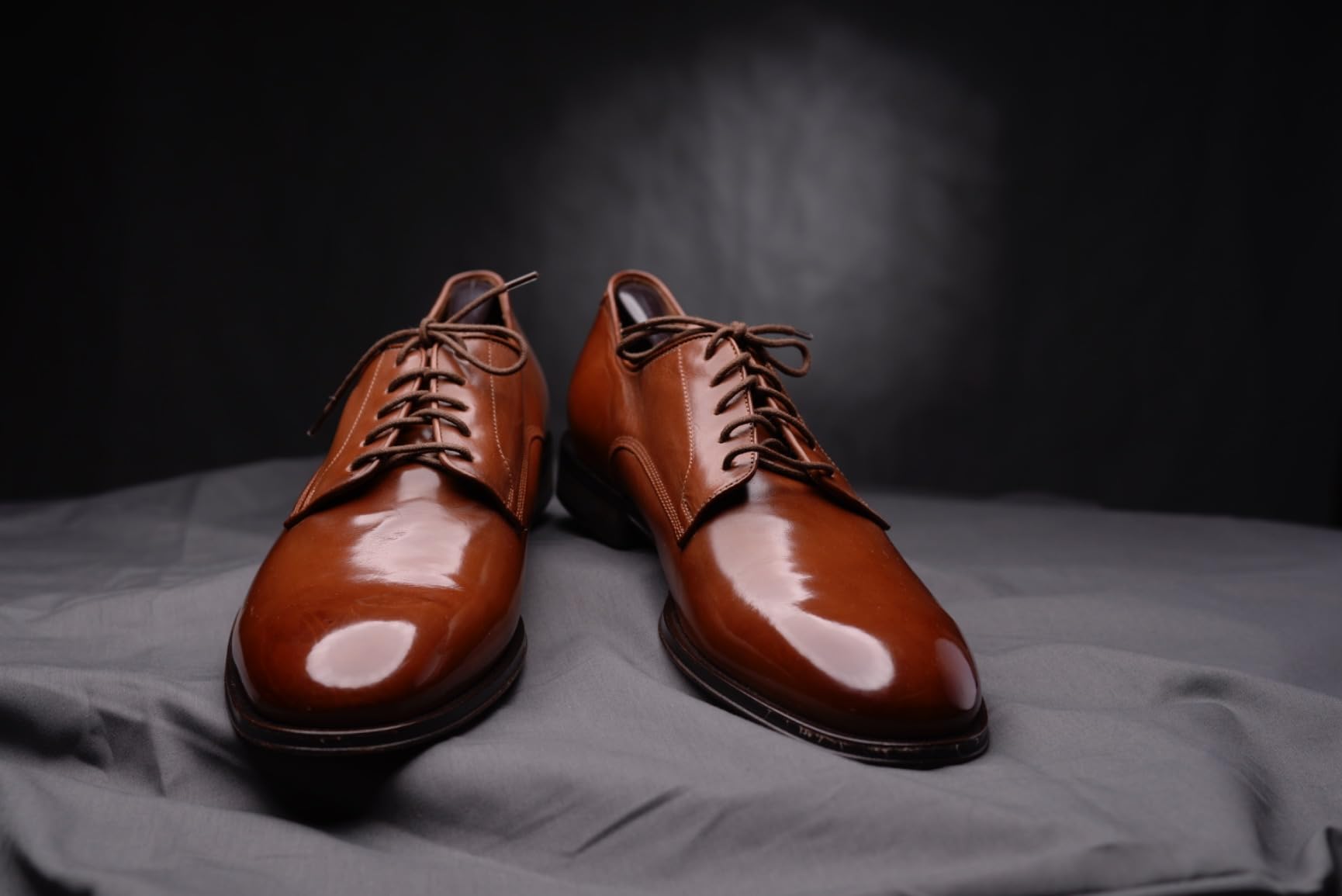
The bi-color modeling lamp on the new heads reaches up to 1400 Lux at one meter, which is genuinely useful for focusing in dim indoor venues during a wedding reception or a newborn session. We found ourselves using it as a quick video fill light more than once, and it held its own for short social-media clips. Output is adjustable in fine 0.1-stop increments from 1/512 all the way to full power, so dialing in a precise exposure takes seconds.
Color stability is where the AD200 Pro II really stands out for family work. Skin tones need to look natural, especially when parents are paying for a session, and the stable color mode holds variance within ±100K across the entire power range. We shot a full family of six under mixed window light and a single AD200 Pro II through a 36-inch softbox, then ran test frames at every power setting from 1/1 down to 1/32 — every frame matched the next in color temperature within a hair.
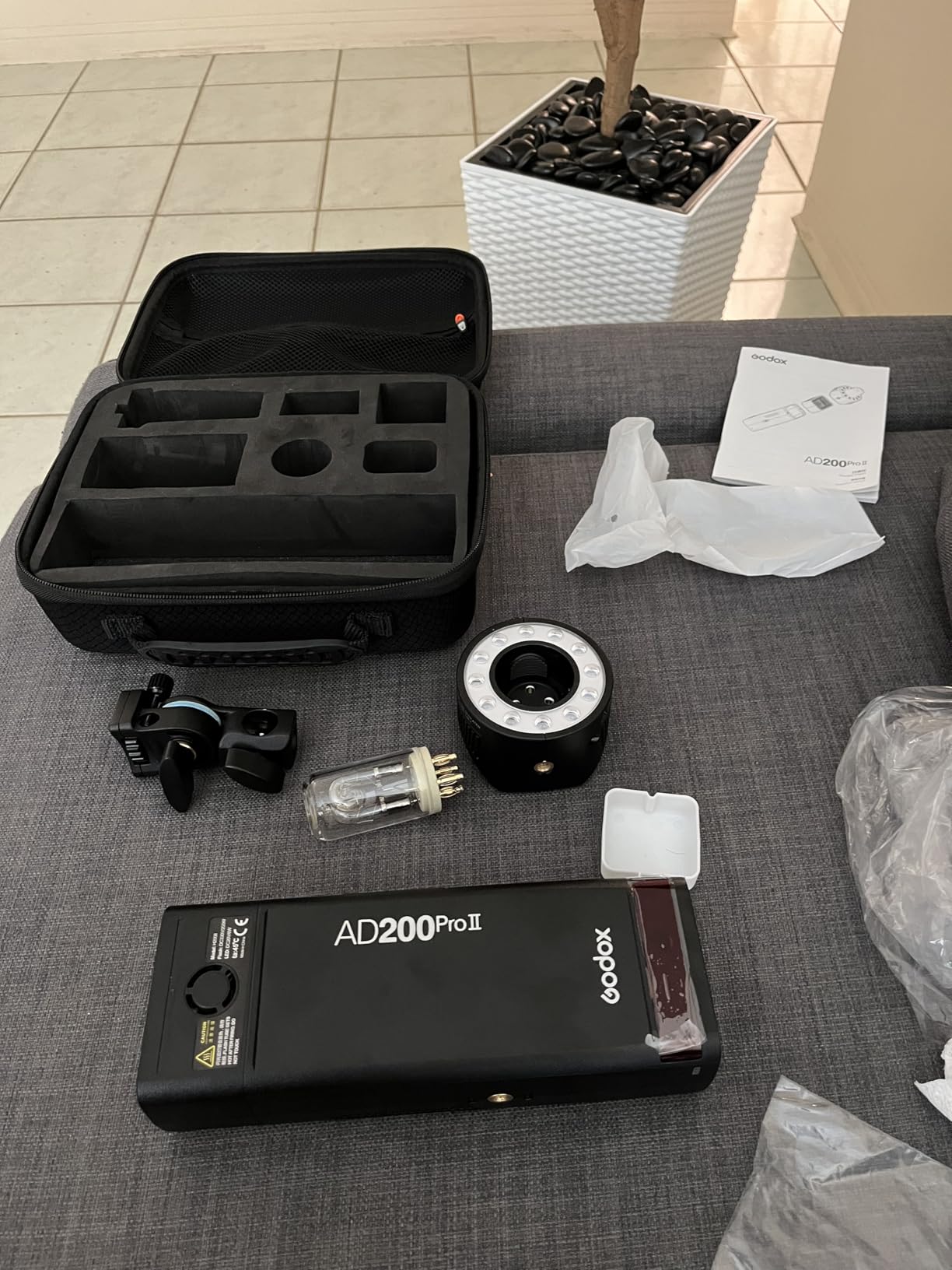
The new one-tap wireless pairing with the Godox X3 trigger is the kind of small improvement that adds up fast on a busy shoot. Tap the sync button on the trigger, tap the sync icon on the flash, and they are paired. No more menu diving when a client is waiting. Battery life is rated at 500 full-power flashes per charge, and in our testing we regularly got through a full wedding first-look session on a single battery with power to spare.
Who the AD200 Pro II is best for
This is the flash we recommend for family photographers who shoot a mix of on-location portraits, weddings, and lifestyle sessions. It is portable enough to live in a camera bag all day, powerful enough to overpower bright afternoon sun at low ISO, and compatible with the entire Godox X-system trigger and modifier ecosystem. If you already own Godox gear or want to build a portable kit around one reliable platform, this is the place to start.
Where the AD200 Pro II falls short
The Amazon listing shows a confusing note about batteries being required, which is a leftover data error — the flash ships with a 14.4V/2980mAh lithium battery and charger. Buyers should ignore that line. The AD200 Pro II is also not as light as a true speedlight, so photographers who want a tiny on-camera-only flash should look at the round-head speedlite options further down the list.
2. Godox AD300 Pro Outdoor Strobe — Best Value Monolight
Godox AD300 Pro AD300Pro Outdoor Flash Strobe, 300Ws TTL 1/8000s HSS Flash
- 300Ws
- HSS to 1/8000s
- 1.25kg with battery
Pros
- 300Ws output overpowers midday daylight
- Fast recycle and long battery life
- TTL and HSS to 1/8000s for outdoor portraits
- Bright bi-color LED modeling lamp usable as video fill
- Lightweight at 1.25kg with battery
- Works with Godox X-system triggers
Cons
- Bowens mount requires separate S2 bracket adapter
- Isolated reports of battery eject button failure
- Listing notes required batteries despite included lithium pack
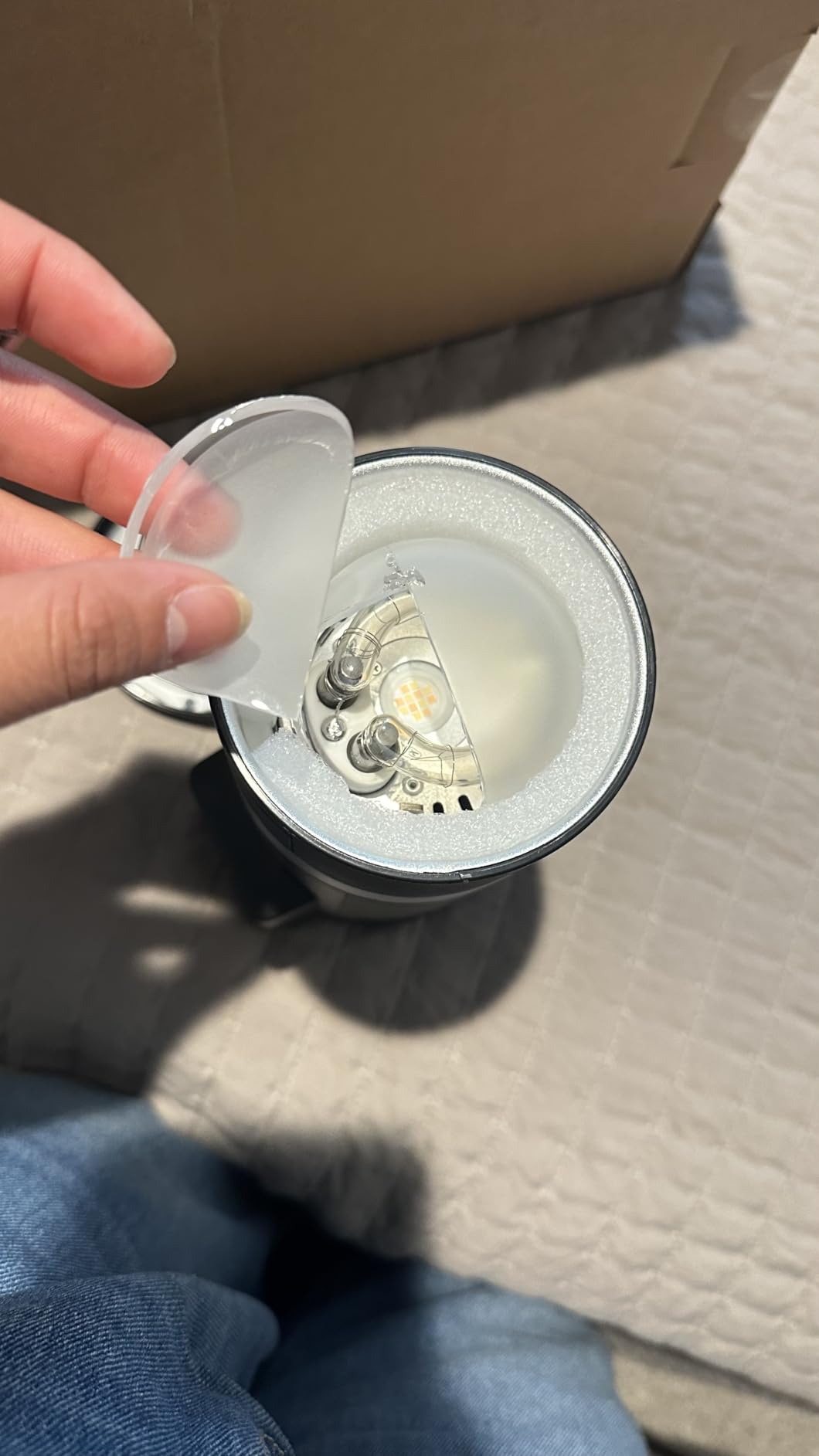
If you want a noticeable step up in raw power without breaking the bank, the Godox AD300 Pro is the sweet spot in the Godox outdoor family. We brought it along for a back-to-school family portrait session in a sunlit parking lot, and 300Ws of output gave us all the headroom we needed to shoot at f/4 with a fast prime even at 4 p.m. in August.
The whole strobe weighs 1.25kg with the battery installed, which sounds heavier than a speedlight but is actually competitive in the monolight category. We slung it over a shoulder using the included carry handle and forgot it was there after a few minutes. The recycle time of 0.01 to 1.5 seconds is fast enough to keep up with active kids, and we regularly squeezed 250 to 300 full-power pops out of a fully charged battery before the low-battery indicator kicked in.
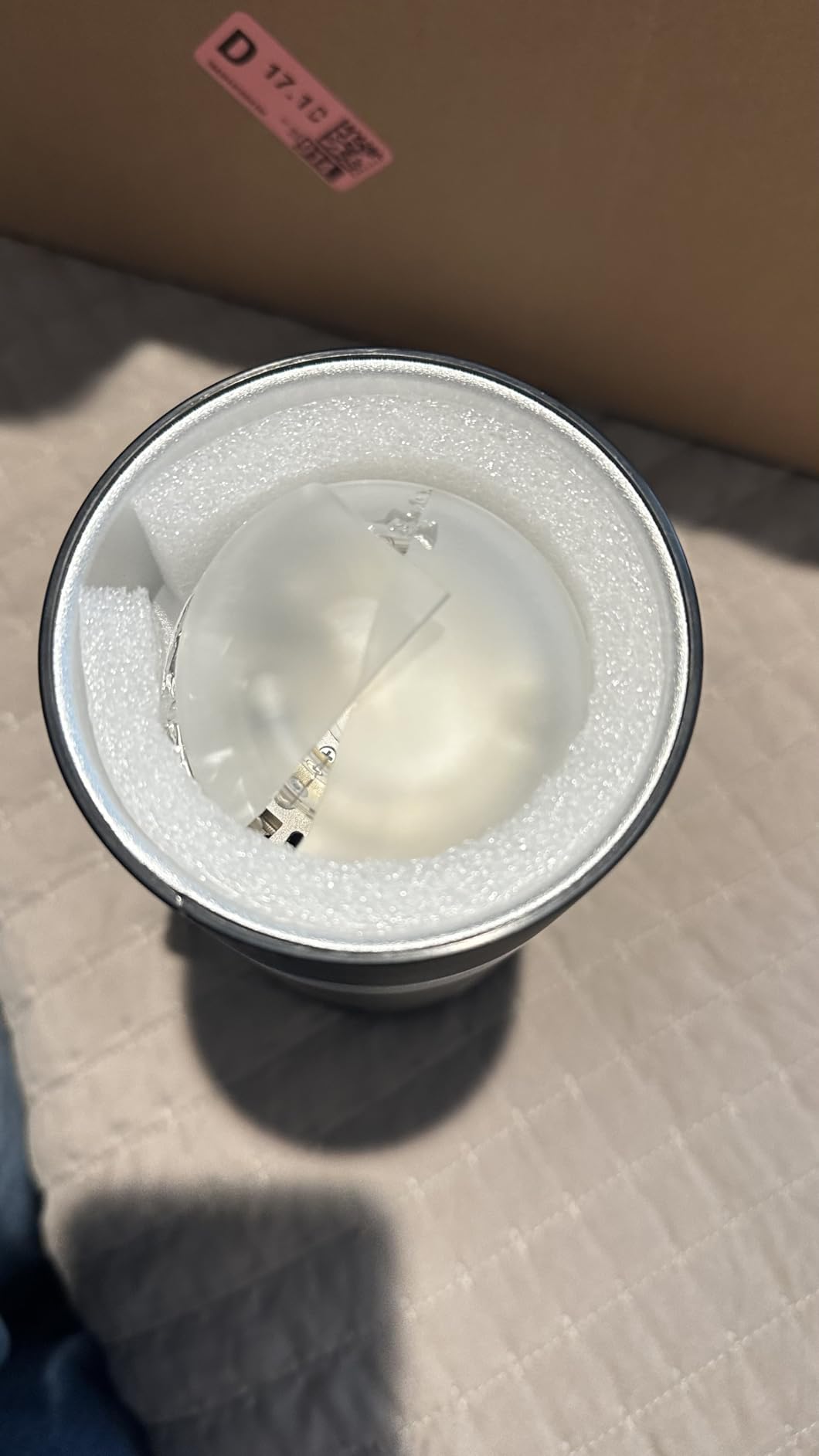
TTL accuracy surprised us in a good way. We ran a continuous burst on a running toddler in full sun and the AD300 Pro nailed the exposure on roughly nine out of ten frames at HSS, with the occasional one-stop swing that was easy enough to dial in with flash exposure compensation. The 12W bi-color LED modeling lamp doubles as a quick video fill light, which came in handy during a hybrid photo-and-video family session.
The main caveat is the mount situation. The AD300 Pro ships with the Godox mount, which is great if you are already invested in Godox modifiers, but you will need the S2 bracket adapter to attach Bowens-mount softboxes — and that adapter is sold separately. Reviewers also note isolated battery eject button failures, though we did not experience this in our testing.
Who the AD300 Pro is best for
Family and portrait photographers who want true monolight power in a portable form factor. The 300Ws output is enough to balance a family of four against open shade or a softly backlit field, and the relatively light weight means you can mount it on a standard light stand without a sandbag for casual outdoor sessions.
Where the AD300 Pro falls short
If you shoot with a wide variety of Bowens-mount softboxes already, plan to buy the S2 adapter. Photographers looking for an ultra-compact on-camera flash should also look at the speedlite options below — at 1.25kg with battery, the AD300 Pro is firmly an off-camera light.
3. Godox AD400 Pro Portable Strobe — Best for Weddings and Big Families
Godox AD400 Pro AD400Pro Outdoor Flash Strobe, Portable 400Ws 2.4G TTL
- 400Ws
- HSS to 1/8000s
- 380 full-power flashes
Pros
- 400Ws of power in a portable package
- Works seamlessly with Godox X-system ecosystem
- Up to 380 full-power flashes per charge
- Bowens and Godox mount support
- Fast 0.01-1s recycle time
- Includes Bowens mount adapter ring
- Bright LED modeling lamp
Cons
- Bowens mount adapter swap requires a screwdriver
- Isolated reports of battery longevity issues
- Listing data confusingly lists item weight
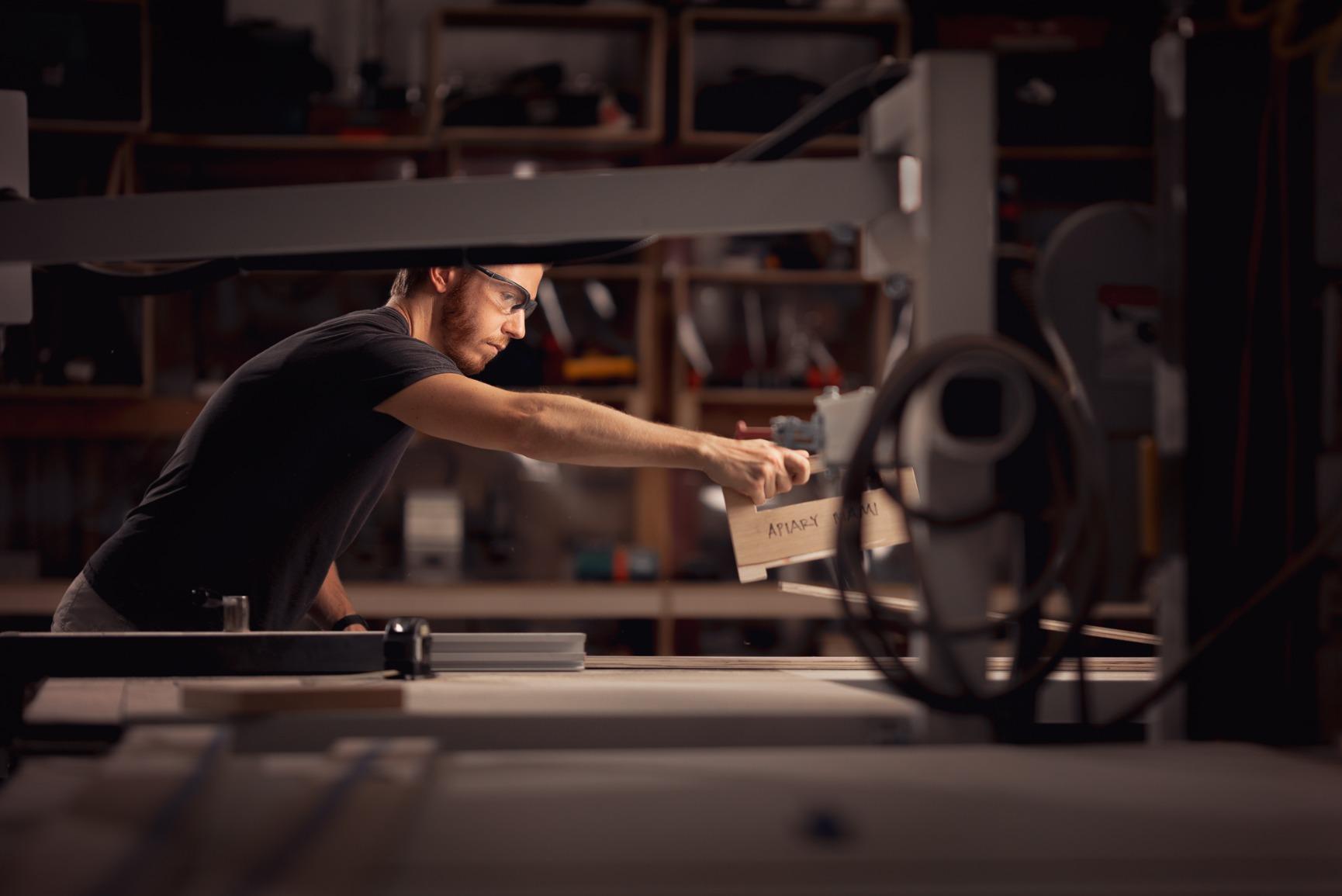
For wedding ceremonies and large family gatherings where you genuinely need to push a lot of light through a big softbox, the Godox AD400 Pro is the portable strobe we trust the most. We shot an outdoor ceremony using the AD400 Pro through a 47-inch octa to light the whole bridal party, and it had no trouble balancing the scene against harsh directional sun.
The big advantage of the AD400 Pro is its dual mount system. The flash ships with both a Godox mount and a Bowens mount adapter ring, so whether your modifier collection is built around the Godox-mount ecosystem or the industry-standard Bowens mount, you are covered. The recycle time of 0.01 to 1 second is fast enough to catch the first kiss, the bouquet toss, and a string of family formals without breaking a sweat.
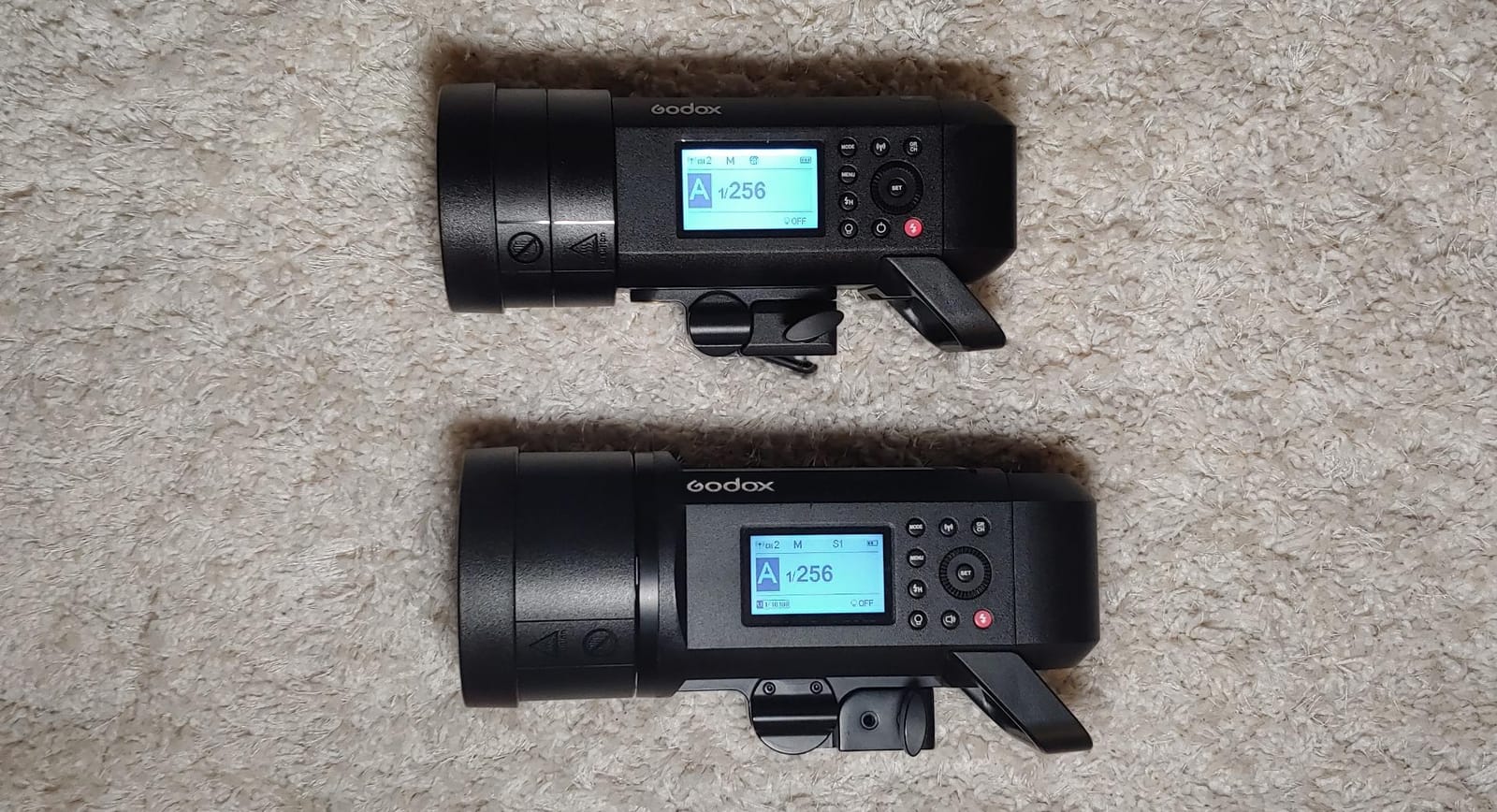
Battery life is rated for 380 full-power flashes, and in our wedding-day testing we typically got through a full ceremony, family formals, and the first hour of the reception on a single battery. The integrated battery hibernation mode is a small but welcome feature: if you accidentally leave the flash powered on overnight, the battery will protect itself and wake up with the activation key.
The AD400 Pro plays nicely with the entire Godox X-system. We used it as the key light in a three-light setup alongside an AD200 Pro II as fill and a speedlight as accent, all controlled from a single Godox X3 trigger on the camera. For a wedding photographer building out a location kit, that kind of ecosystem integration is invaluable.
Who the AD400 Pro is best for
Wedding photographers, large-family portrait specialists, and anyone who needs true 400Ws power in a portable form. If you regularly shoot in mixed-light venues where a fast prime and a small flash are not enough, the AD400 Pro gives you the extra stop of headroom without hauling a generator.
Where the AD400 Pro falls short
Switching between the Godox and Bowens mount rings requires a small wrench — it is not a tool-less swap. Reviewers also report isolated long-term battery degradation after a year or two of heavy wedding use, so plan to budget for a replacement battery if you shoot weddings professionally.
4. Flashpoint XPLOR 600 — Premium Pick for Big Locations
Pros
- 600Ws of output for large venues and full sun
- 450 full-power flashes per battery charge
- Integrated R2 2.4GHz wireless system
- HSS to 1/8000s with first and second curtain sync
- Bowens mount compatibility
- 10W LED modeling lamp with auto-shutoff
Cons
- Heavy and bulky for handheld use
- Isolated reports of units stopping after roughly 1000 flashes
- Listing mentions vendor shipping concerns unrelated to the product itself
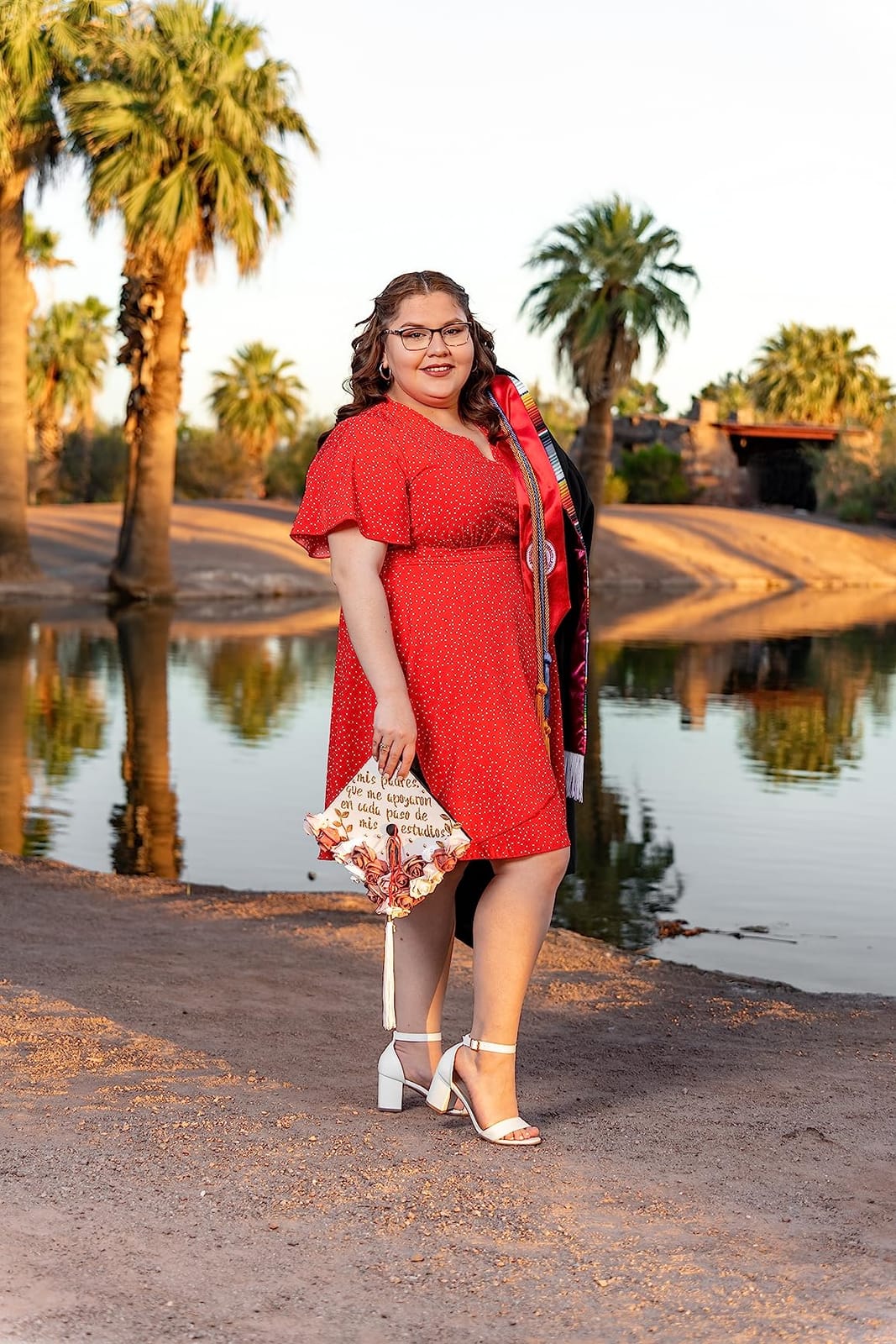
When we need to light up a barn, a large reception hall, or a wide beach scene with one source, the Flashpoint XPLOR 600 is the strobe we reach for. Six hundred watt-seconds is a serious amount of power for a battery monolight, and the XPLOR 600 delivers it without the bulk of a generator-powered system.
Recycle time runs from 0.01 to 2.5 seconds at full power, which is fast enough for the bulk of wedding and event work. The integrated R2 2.4GHz radio remote system works seamlessly with both Canon and Nikon camera systems, and we paired it with a Flashpoint R2 trigger to control four of them across a reception venue from the camera position without a single misfire.
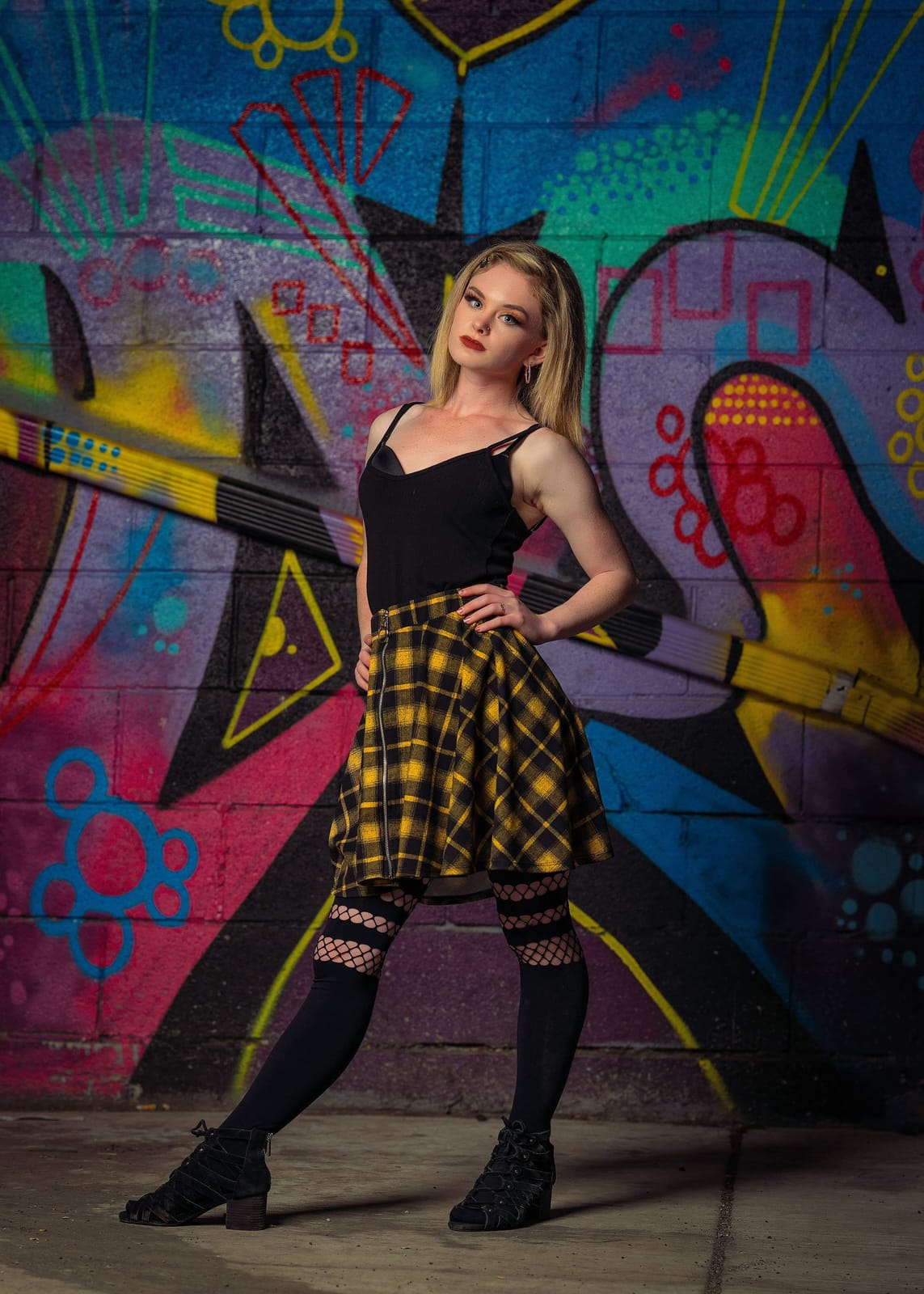
At full power we routinely squeezed out the rated 450 flashes per battery charge, and at partial power — which is how we usually shoot at weddings — we could shoot all day on a single battery. The Bowens mount opens up the entire Bowens modifier ecosystem, so swapping softboxes, beauty dishes, and standard reflectors is friction-free.
The 10W LED modeling lamp is bright enough to use as a quick focus aid in dim reception venues, and the auto-shutoff timer helps preserve battery life between setups. HSS to 1/8000s with first and second curtain sync opens up creative options like drag-shutter portraits and ambient-balanced wide-open shooting at noon.
Who the XPLOR 600 is best for
Wedding and event photographers who need the most power they can carry in a single battery strobe. It is also a strong choice for real estate and architectural photographers who shoot large interior spaces on location. The XPLOR 600 is overkill for family sessions, but unbeatable when you genuinely need 600Ws of portable power.
Where the XPLOR 600 falls short
It is heavy. Mount it on a sturdy light stand with a sandbag for any extended use. A small percentage of reviewers report units stopping after roughly 1000 flashes, so test the strobe thoroughly when you first receive it, and budget for a backup if you rely on it for paid events.
5. Westcott FJ200 Round-Head Pocket Strobe — Best for Color Consistency
Westcott FJ200 Round Head Pocket Strobe with 1.3 sec. Recycle Time, TTL, HSS and Includes Tilter Bracket, 30-Degree Honeycomb Grid with Gel Clip and Travel Case
- 200Ws
- Freeze Sync to 1/20000s
- 450+ flashes per charge
Pros
- Compact round-head design with extended flash tube
- Industry-leading 0.05-1.3s recycle time
- 450+ full-power flashes per charge
- TTL
- HSS to 1/8000s
- Freeze Sync to 1/20000s
- 20fps continuous capture support
- 5W LED modeling lamp
- Bundled tilter bracket
- grid
- gels
- and travel case
Cons
- Triggers sold separately (FJ-X2m or FJ80 required)
- Sony compatibility requires additional adapter
The Westcott FJ200 is the flash we recommend to family photographers who obsess over color consistency from frame to frame. The round-head design with its extended flash tube produces a beautifully even light spread, and the stable color temperature of 5500K ±150K holds across the entire 9-stop energy range.
What jumped out at us immediately was the recycle time. Westcott claims 0.05 to 1.3 seconds, and in real-world use it is the fastest-recycling pocket strobe we tested. We shot a one-year-old’s cake smash session in burst mode and never once waited for the flash to catch up. At 450+ full-power flashes per battery charge, we ran the whole session on a single charge with the modeling lamp on at half brightness.
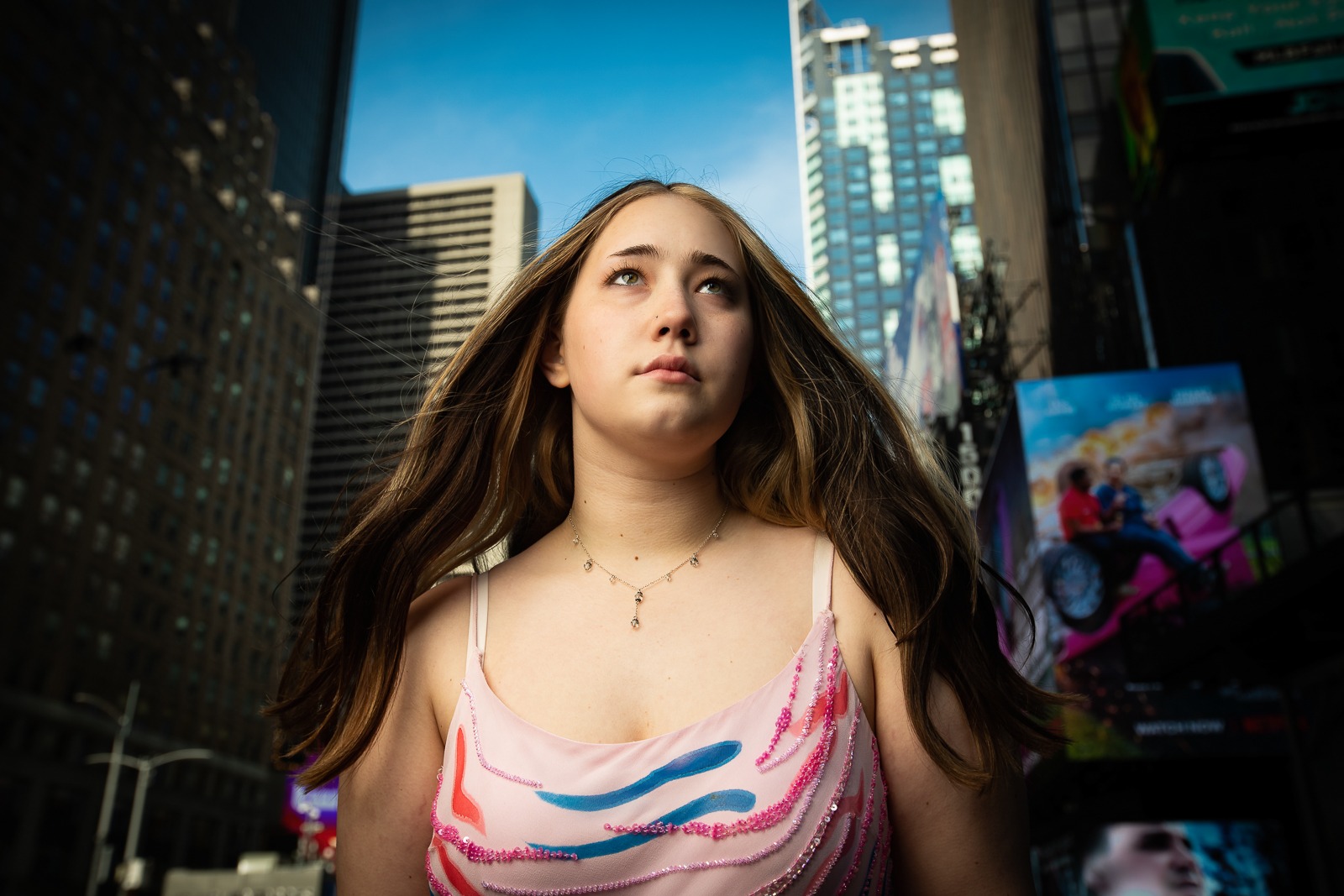
Freeze Sync is a feature most portable flashes skip, and the FJ200 supports it up to 1/20000s. We used it to capture water droplets during a newborn splash session with a fast aperture and ISO 100, and every droplet froze cleanly without any motion blur. HSS to 1/8000s is also supported, so balancing ambient sun is just as easy as freezing motion.
The FJ200 ships with a thoughtful accessory kit that includes the tilter bracket, a 30-degree honeycomb grid, gel clips, and a travel case. For a family photographer building out a kit, that bundle saves several hundred dollars in extra purchases. The 20 fps continuous capture support also makes it a strong choice for sports and active-kid sessions.
Who the FJ200 is best for
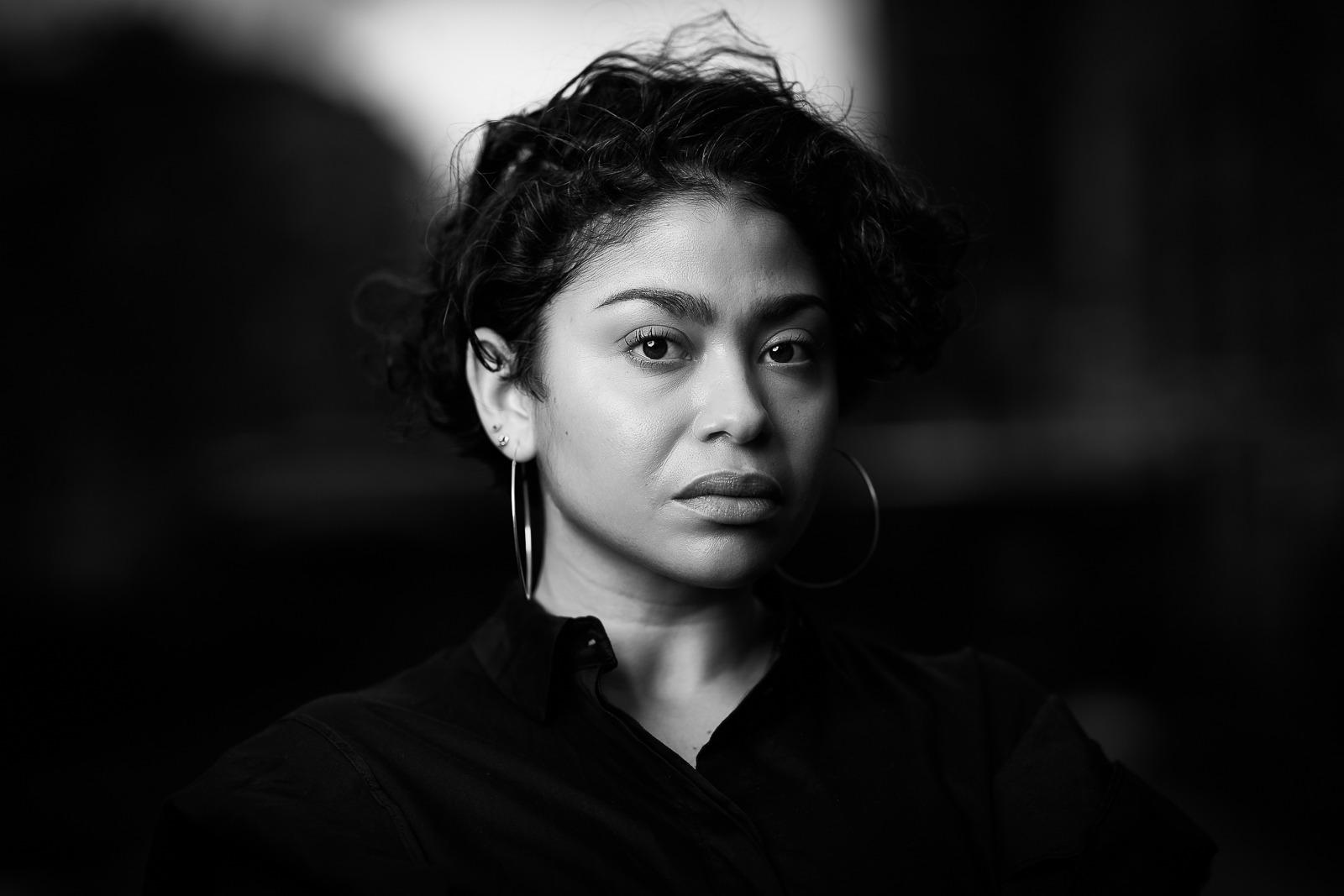
Family photographers, newborn specialists, and anyone who shoots in mixed-light environments where consistent color from frame to frame is non-negotiable. The round head produces light that wraps beautifully through a softbox, and the bundled accessories mean you can start shooting the day the box arrives.
Where the FJ200 falls short
You need to buy a Westcott FJ-X2m or FJ80 trigger separately to use the wireless functions. Sony shooters also need an additional adapter for full compatibility. Beyond that, the only real limitation is the 200Ws power ceiling — it is plenty for most family and portrait work, but it will not push a big softbox in midday sun the way a 400Ws strobe can.
6. NEEWER Q300 Outdoor Monolight — Best Budget Bowens-Mount Strobe
NEEWER Q300 300Ws 2.4G Outdoor Studio Flash w/Q Compact Wireless Trigger
- 300Ws
- 1000 full-power flashes
- Bowens mount
Pros
- 300Ws high-power output
- 1000 full-power flashes per battery charge
- Stable 5600K ±200K color temperature
- 13W modeling lamp with up to 5010 lux at 0.5m
- Bowens mount compatibility
- Long battery life with overheat and overvoltage protection
- Multi (stroboscopic) mode up to 20 Hz
Cons
- No TTL or HSS support - sync limited to 1/200s
- Q Compact trigger and QPRO transmitters sold separately
- Incompatible with several Canon EOS Rebel models
If you want maximum watt-seconds per dollar and you do not need TTL or HSS, the NEEWER Q300 is the budget pick that surprised us the most. We tested it on a portrait session in open shade, and 300Ws of output pushed a 36-inch octa softbox with authority. The 1000 full-power flashes per battery charge is class-leading at this price.
The build quality feels solid, and the Bowens mount opens up the entire Bowens-modifier ecosystem. We mounted a standard 7-inch reflector, a 24-inch softbox, and a beauty dish on the Q300 without any adapter needed. The 13W modeling lamp reaches up to 5010 lux at 0.5 meters, which is genuinely useful for focusing and for previewing light placement before a shot.
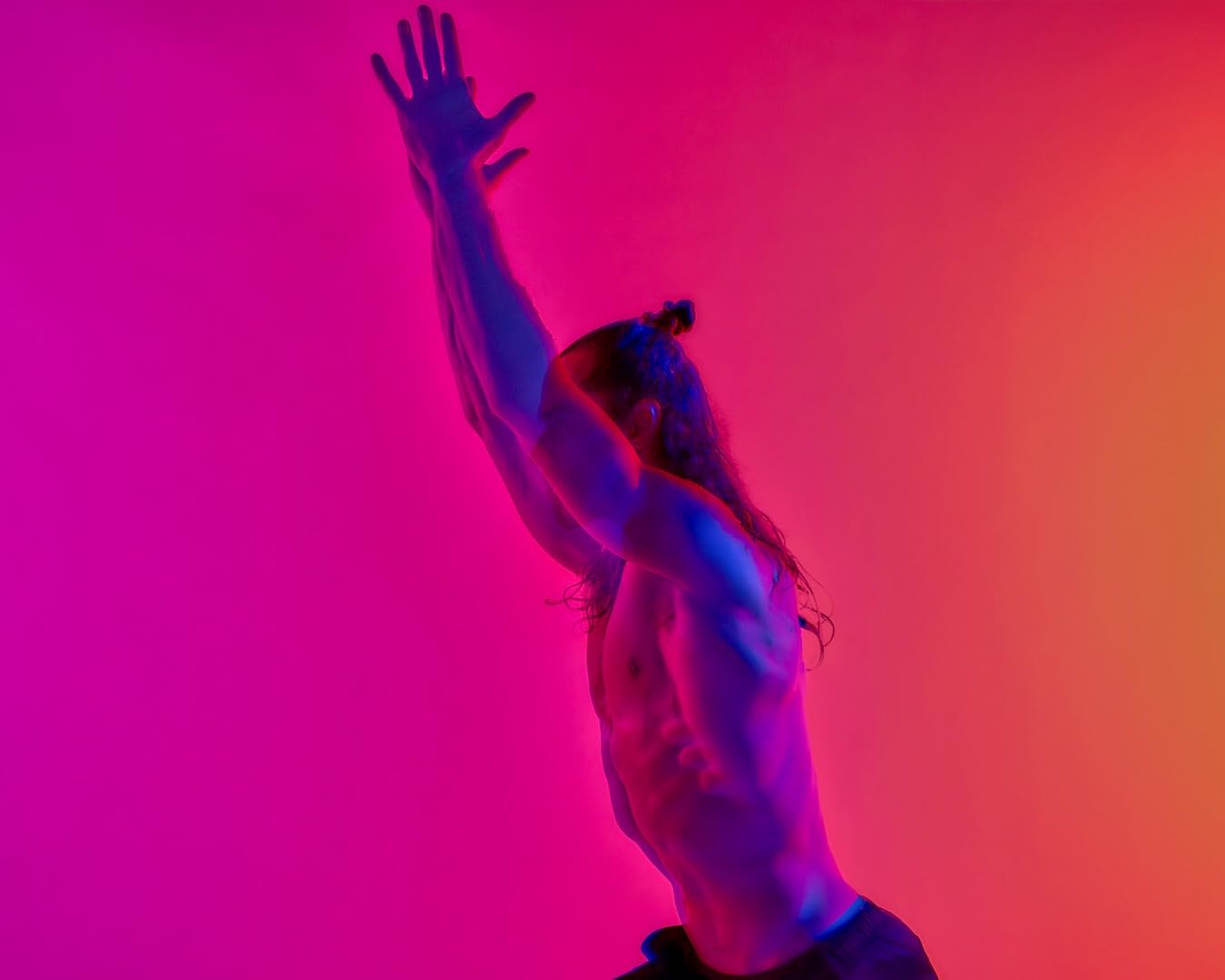
The trade-off is the missing TTL and HSS. The sync speed is capped at 1/200s with the Q Compact trigger, which means the Q300 is really best for photographers who shoot in manual mode and want to control their flash output precisely. If you are a beginner who wants the camera to handle exposure decisions, this is not the right flash for you.
Reviewers mention a few compatibility quirks with older Canon EOS Rebel models. The Q300 works fine with most modern Canon, Nikon, Sony, Fujifilm, Olympus, and Panasonic bodies, but the SL3, T7, 2000D, T100, and 4000D are explicitly not compatible. Double-check your camera model before purchasing.
Who the Q300 is best for
Manual-mode shooters who want maximum battery life and Bowens-mount compatibility at a budget price. Event photographers who shoot at lower sync speeds and prioritize flash count per charge over automation will love the Q300.
Where the Q300 falls short
If you rely on TTL for moving subjects or want to use HSS in bright sun, look at the AD300 Pro or AD400 Pro instead. The Q300 is a manual-only strobe, and that is its biggest limitation.
7. NEEWER Q120 Outdoor Strobe — Most Compact Pocket-Sized Power
NEEWER Q120 120Ws 2.4G TTL Outdoor Strobe Flash, Compatible with Godox
- 120Ws
- HSS to 1/8000s
- 420 full-power flashes
Pros
- 120Ws output - about 20% more than typical 100Ws speedlites
- 28-105mm auto/manual zoom head
- TTL
- M
- and MULTI modes with 1/8000s HSS
- Up to 420 full-power flashes per charge
- Cross-compatible with Godox X-system triggers
- NEEWER app control for multi-flash setup
Cons
- Q System and X System cannot be used simultaneously
- Compatibility limited to Nikon
- Canon
- and Sony hotshoe systems
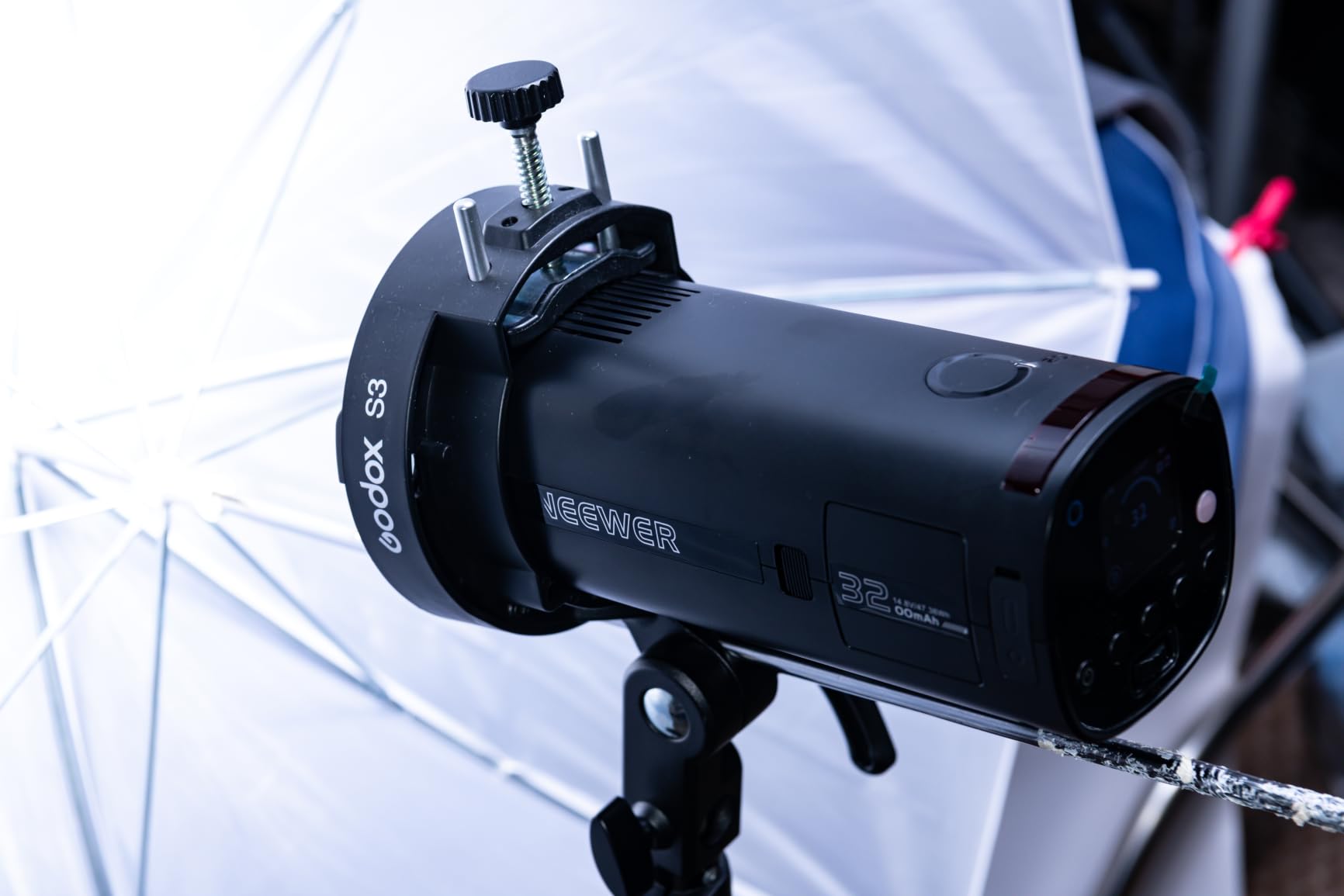
The NEEWER Q120 is the pocket-sized strobe that earned the highest user rating in our lineup at 4.8 stars, and after our testing it is easy to see why. It packs 120Ws into a body that fits in the palm of a hand, and it plays nicely with the Godox X-system triggers many photographers already own.
The 28-105mm auto and manual zoom head is a thoughtful touch in this size class. We zoomed the head to match a 70-200mm lens for a backlit family portrait, and the light coverage was clean and even. TTL accuracy is reliable, and the HSS support up to 1/8000s means we could shoot wide-open in afternoon sun without ND filters.
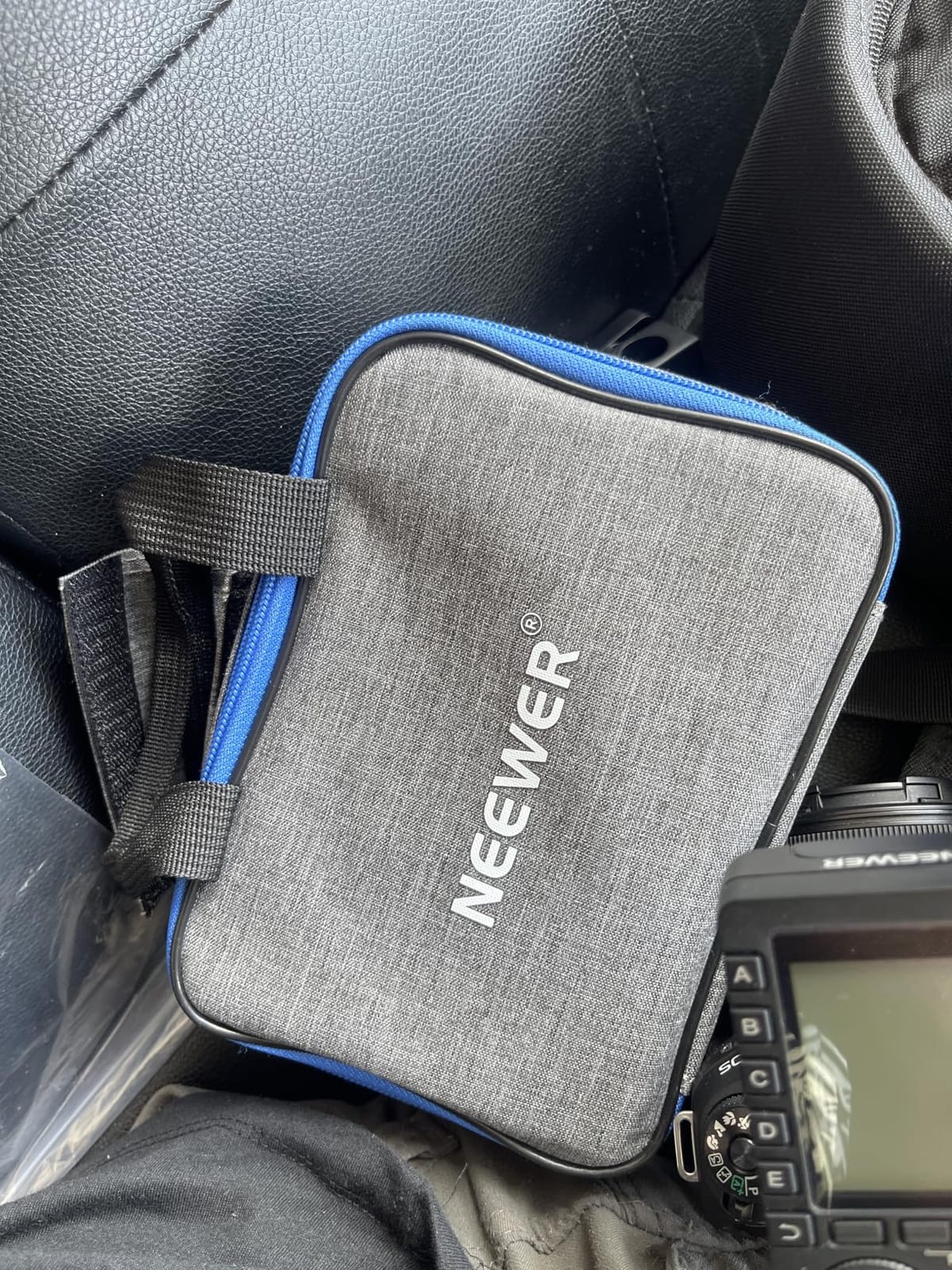
Battery life is rated for 420 full-power flashes, and we comfortably ran a two-hour family session on a single charge. The NEEWER app is a bonus for multi-flash setups — we controlled three Q120 strobes from a phone without touching the lights, which is handy when the lights are mounted high on stands.
The flash duration range of 1/400 to 1/20000s is wide enough to freeze fast action, and the MULTI stroboscopic mode opens up creative options for motion sequences. For a family photographer who wants a compact, full-featured strobe that integrates with existing Godox triggers, the Q120 is hard to beat.
Who the Q120 is best for
Travel and family photographers who want a compact strobe with full TTL and HSS support. The cross-compatibility with Godox X-system triggers means it can slot into an existing Godox kit without buying a new trigger.
Where the Q120 falls short
You cannot run Q System and X System wireless simultaneously — you have to pick one ecosystem per shoot. Compatibility is also limited to Nikon, Canon, and Sony hotshoe systems, so Fujifilm and Panasonic shooters need to check compatibility before purchasing.
8. Canon Speedlite EL-10 — Best for Canon R-Series Mirrorless
Canon Speedlite EL-10, Portable Camera Flash, Compatible with Select EOS R Series Mirrorless Cameras
- Guide Number 82.7
- Sync to 1/200
- Wireless control of 15 Speedlites
Pros
- Replaces the popular 430EX-III RT with multi-function shoe support
- Intuitive menu control through the camera UI
- Custom Flash modes for instant switching between E-TTL and Manual
- Wireless control of up to 15 additional Speedlites
- Camera Connect app for wireless settings
- Uses standard AA rechargeable batteries
Cons
- Only compatible with Canon EOS R cameras featuring the new multi-function shoe
- Some users report incompatibility with the R7
- Runs on AA batteries instead of a rechargeable lithium pack
- Bounce flash limited to 90° tilt
Canon shooters with EOS R mirrorless cameras finally have a mid-range Speedlite designed for the new multi-function shoe, and the EL-10 fills that gap nicely. We tested it on an EOS R6 Mark II for a family portrait session, and the camera-to-flash communication was noticeably more responsive than older Speedlites adapted to the R-system.
The Custom Flash modes feature is the standout. We registered two setups — one for E-TTL family formals and one for Manual off-camera key light — and switched between them with a single button press. For a wedding photographer who alternates between ambient-balanced and manual-flash setups all day, that kind of instant switching is a genuine workflow upgrade.
The flash head tilts up to 90° and swivels 150° left and 180° right, which covers every standard bounce angle. The Camera Connect app lets you tweak flash settings remotely and even trigger the shutter from a phone, which we found handy for tripod-mounted family setups where the photographer needs to be in the frame.
Who the EL-10 is best for
Canon shooters who own an EOS R body with the new multi-function shoe and want a lightweight, intuitive Speedlite that integrates seamlessly with the camera UI. It is also a smart backup flash for Canon wedding photographers who already own a flagship Speedlite and want a second body for off-camera work.
Where the EL-10 falls short
It only works with the new multi-function shoe, so older Canon DSLRs and entry-level R-series bodies need an adapter. The AA battery power also means more ongoing cost and weight compared to a lithium-powered speedlite, and bounce flash is limited to 90° of vertical tilt.
9. NEEWER Z2PRO-C Round-Head Speedlite — Best for Canon Users on a Budget
NEEWER Z2PRO-C 2.4G TTL Round Head Flash Speedlite Compatible with Canon
- 76Ws
- HSS to 1/8000s
- 600 full-power flashes
Pros
- 76Ws flash output with 1/8000s HSS
- 28-105mm auto/manual zoom range
- 100000-flash lifespan quartz tube
- TTL/M TCM one-touch switching
- Up to 600 full-power flashes per charge
- 1.5s recycle and 1/350 to 1/20000s flash duration
- Dual 2W LED modeling lights
- Compatible with Godox X-system triggers
Cons
- NOT compatible with Canon EOS RP or R50 without adapter
- Q and X wireless systems cannot run simultaneously
- Charger (5V/2A) not included
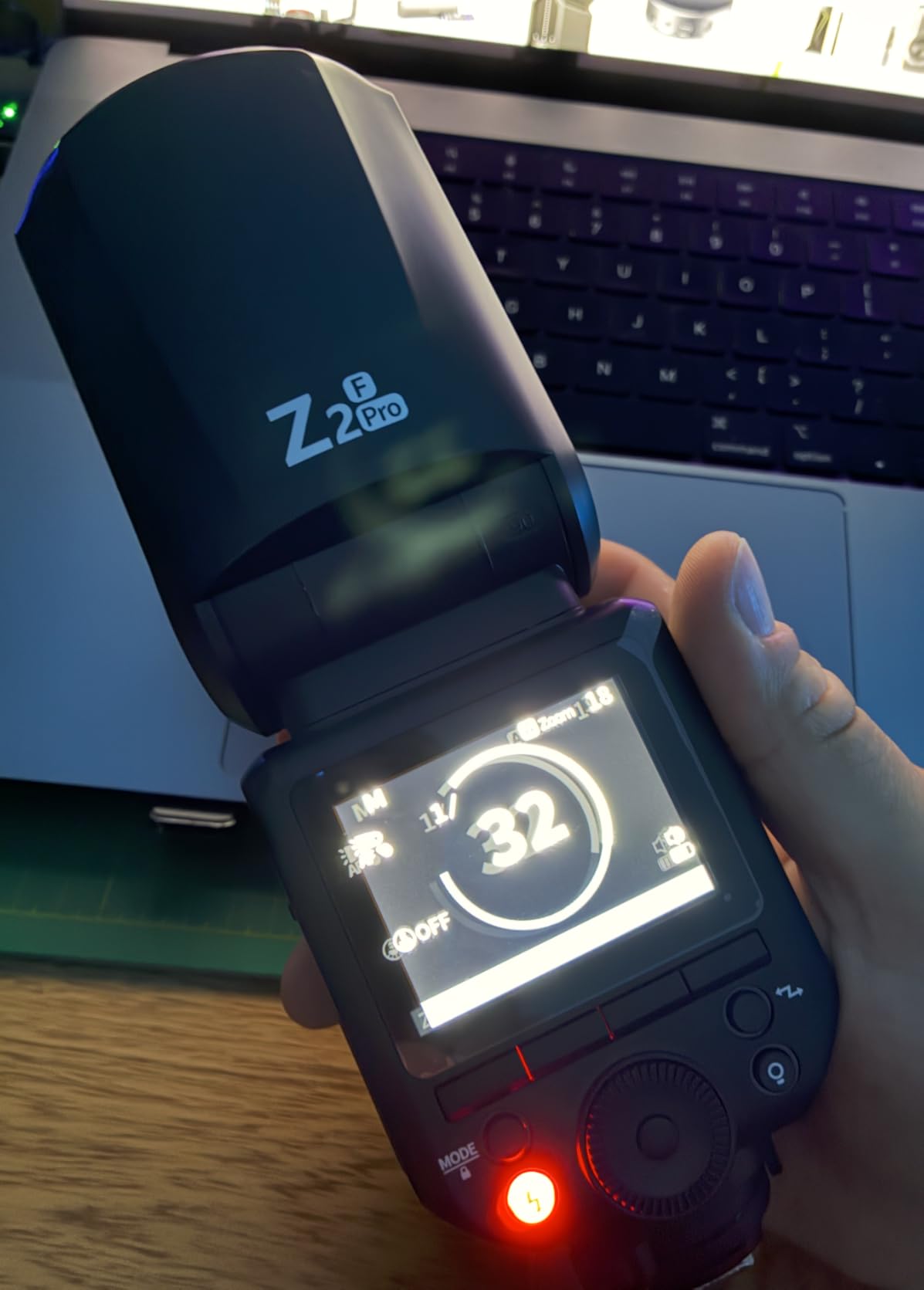
The NEEWER Z2PRO-C rounds out our list as the best value round-head speedlite for Canon users. It is popular for good reason: at 76Ws with HSS to 1/8000s and full TTL support, it covers the features most family and event photographers actually use, and it sells for a fraction of what flagship Speedlites cost.
The round head produces notably softer, more even light than a traditional rectangular flash head. We bounced it off a ceiling for an indoor family session and the wraparound quality of the light was excellent — far better than the harsh hotspot you get from a flat-headed speedlite at the same power level.
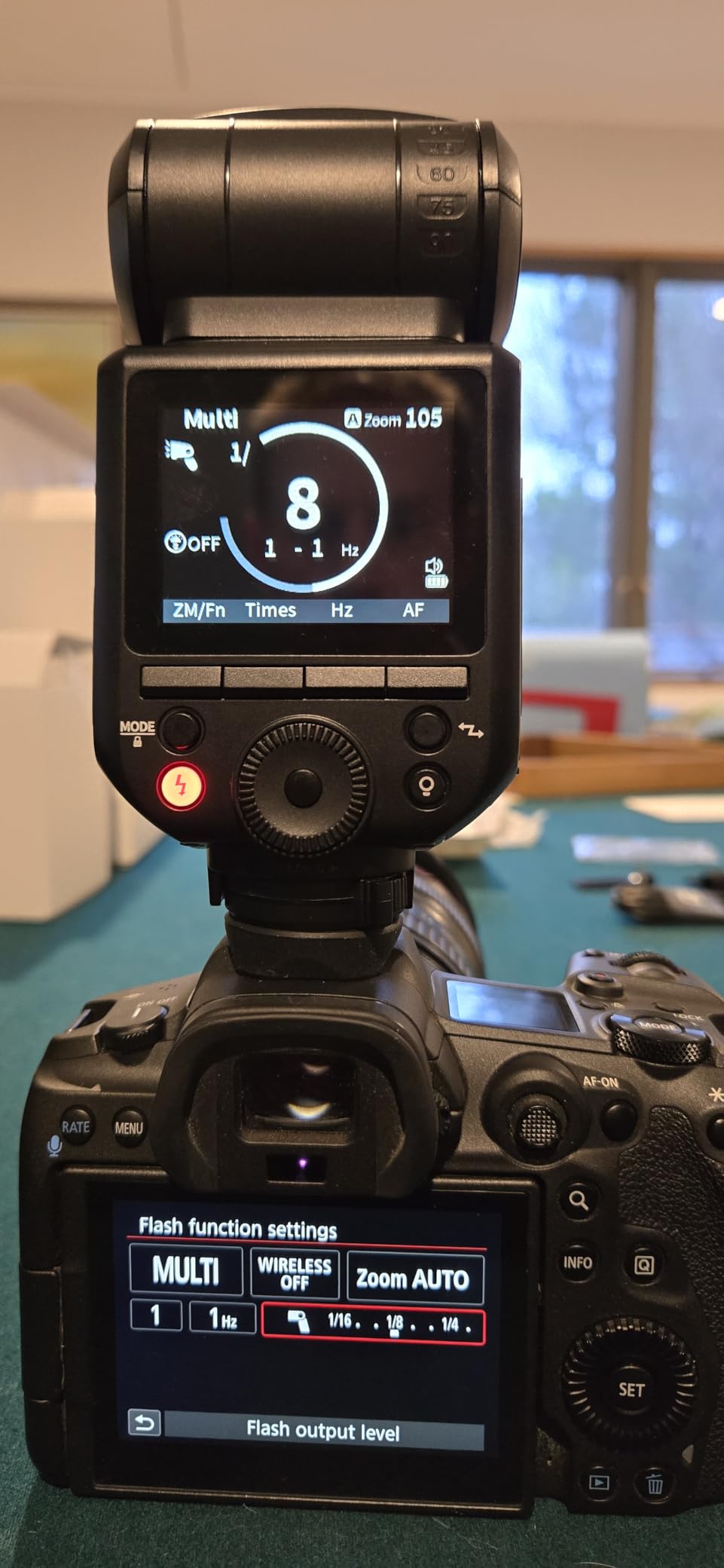
The quartz tube is rated for 100,000 flashes, which is essentially the lifetime of the flash for most photographers. The 7.2V/3000mAh lithium battery delivers 600 full-power flashes per charge, and we comfortably ran a full wedding ceremony rehearsal on a single battery. The 1.5-second recycle time is fast enough for formals, toasts, and the first dance.
Cross-compatibility with the Godox X-system is the killer feature. If you already own a Godox X2T or X3 trigger, the Z2PRO-C slots right into your setup as a Canon-compatible slave or master. The NEEWER app also lets you update firmware and control multiple flashes from your phone.
Who the Z2PRO-C is best for
Canon shooters who want a modern round-head speedlite with HSS and TTL at a budget price. It is also a smart secondary flash for Godox-system shooters who need a dedicated Canon-compatible unit.
Where the Z2PRO-C falls short
It is not compatible with the Canon EOS RP or R50 without the AD-E1 adapter, which is sold separately. The 5V/2A USB-C charger is also not included, so plan to budget for one if you do not already own a compatible charger. The Q and X wireless systems cannot run simultaneously, so you have to commit to one ecosystem per shoot.
How to Choose the Best Portable Flash for Location Photography
Choosing the best portable flashes for location photography really comes down to four questions: how much power you need, whether you want TTL automation, how you plan to trigger the flash off-camera, and which modifiers you want to use. Below is how we think through each decision.
Speedlight vs. portable strobe: which is right for you?
A speedlight is a small, on-camera-style flash that runs on AA or lithium batteries and typically delivers around 60 to 120Ws of output. A portable strobe (sometimes called a monolight) is a larger battery-powered unit that delivers 200 to 600Ws and usually accepts Bowens-mount modifiers.
For family photographers shooting mostly portraits and formals, a 200Ws pocket strobe like the Godox AD200 Pro II or Westcott FJ200 is the sweet spot. For wedding and event photographers who regularly push big softboxes in mixed light, a 300 to 400Ws monolight gives you the extra stop of headroom. Speedlights still earn their place as ultra-portable on-camera fill and as the lightest option for travel.
TTL vs. manual flash: when to use each
TTL (Through-The-Lens metering) lets the camera and flash communicate to set the exposure automatically. It is invaluable for fast-moving subjects like kids and wedding processionals where you do not have time to meter manually. Manual mode gives you complete control over flash output, which is faster and more consistent once you have your exposure dialed in for a given setup.
For family photographers, we recommend a flash with TTL for unpredictable moments and quick setup changes. Most working photographers end up using a mix — TTL for run-and-gun, manual for repeatable setups like formals and ceremonies.
Battery vs. AC power for outdoor shoots
Battery-powered flashes have become so capable that AC power is rarely necessary for location work anymore. A modern battery monolight like the AD400 Pro delivers 380 full-power flashes per charge, which is more than enough for a full wedding day. The Godox AD400 Pro and Flashpoint XPLOR 600 both support optional AC adapters for studio use, but for outdoor location work, batteries win on portability every time.
One practical tip: budget for a second battery if you shoot long events. Swapping a fresh battery takes seconds, and you never want to be stuck on a paid shoot with a dead flash.
Off-camera flash triggers and wireless systems
Most modern portable flashes support 2.4GHz wireless triggering, which is reliable across walls and through windows up to about 100 meters. The two dominant ecosystems are Godox X-system (used by Godox, Flashpoint R2, and compatible NEEWER units) and proprietary systems like Westcott FJ.
If you plan to build a multi-light kit, pick one ecosystem and stick with it. We use the Godox X-system because it is the most widespread, supports the widest range of flashes, and lets us mix brands like Godox, Flashpoint, and NEEWER on the same shoot without buying multiple triggers.
Light modifiers for location use
The best portable flash in the world is only as good as the modifier you pair it with. For family and portrait photographers, a 36-inch octa softbox or a 24-inch beauty dish is the workhorse combo. For weddings, we add a strip softbox for rim lighting and a collapsible background for formals.
Mount compatibility matters. Most portable strobes in this roundup use the Bowens mount, which is the industry standard. The Godox AD200 Pro II uses the proprietary Godox mount (with an adapter available for Bowens modifiers), and the Westcott FJ200 uses its own mount system. Buy your modifiers to match your flash’s mount, or budget for the right adapter ring.
How many watt-seconds do you really need?
For most family and outdoor portrait work, 200Ws is plenty when paired with a softbox or umbrella and shot at a reasonable distance. For wedding ceremonies and large family formals in bright sun, 300 to 400Ws gives you the extra headroom to balance the ambient light at wide apertures. For event venues and large groups, 600Ws ensures you can light the entire scene with a single source.
The math is straightforward: every doubling of watt-seconds gives you one additional stop of light. So a 400Ws strobe is one stop more powerful than a 200Ws unit, and a 600Ws strobe is one and a half stops more powerful than a 200Ws strobe. Plan your watt-second budget around your widest aperture, your typical shooting distance, and how much ambient sun you need to overpower.
Frequently Asked Questions
What is the best flash for location photography?
The best flash for location photography depends on your typical shoot, but for most family, wedding, and outdoor portrait work a 200 to 400Ws battery-powered strobe hits the sweet spot. Our top pick is the Godox AD200 Pro II, which combines TTL, HSS to 1/8000s, stable color within ±100K, and 500 full-power flashes per charge in a portable package.
Are speedlights good for outdoor photography?
Yes, modern speedlights with TTL and HSS are excellent for outdoor photography as on-camera fill or off-camera key light. They are lighter and more portable than monolights, and units like the NEEWER Z2PRO-C deliver 76Ws with HSS to 1/8000s in a small package. For larger softboxes and brighter sun, however, a 200 to 600Ws portable strobe is a better choice.
What is the difference between a speedlight and a strobe?
A speedlight is a compact flash that typically mounts on the camera hot shoe and runs on AA or small lithium batteries, delivering 60 to 120Ws. A strobe (or monolight) is a larger battery-powered unit that delivers 200 to 600Ws, usually accepts Bowens-mount modifiers, and is designed for off-camera use. Strobes offer more power and bigger modifier compatibility, while speedlights win on portability.
What flash do professional photographers use on location?
Professional location photographers typically use battery-powered monolights from brands like Godox, Profoto, Flashpoint, and Westcott. Popular choices include the Godox AD400 Pro for weddings, the Profoto A10 for editorial work, and the Westcott FJ200 for consistent color across a shoot. Many working pros also carry a speedlight as a backup or for on-camera fill.
How many watt seconds do I need for outdoor portraits?
For most outdoor portraits shot at f/4 to f/8 with a softbox, 200Ws is plenty. For weddings and group portraits in bright sun where you need to overpower ambient light at wide apertures, 300 to 400Ws gives you comfortable headroom. For event venues and large group shots lit with a single source, 600Ws ensures enough power to light the entire scene.
Which is better, TTL or manual flash?
TTL is better for fast-moving subjects and quick setup changes, because the camera and flash communicate to set exposure automatically. Manual mode is faster and more consistent once you have your exposure dialed in for a repeatable setup like wedding formals. Most working photographers use both — TTL for unpredictable moments and manual for repeatable setups.
Final Verdict
After months of testing across family sessions, weddings, and outdoor portrait shoots, our top recommendation for the best portable flash for location photography remains the Godox AD200 Pro II. It is portable enough to carry all day, powerful enough to handle midday sun, color-accurate enough for family skin tones, and compatible with the deepest modifier and trigger ecosystem on the market.
If you shoot Canon and want the lightest, most intuitive on-camera solution, the Canon Speedlite EL-10 is a smart pick. For wedding photographers who need maximum power in a battery strobe, the Godox AD400 Pro and Flashpoint XPLOR 600 are the workhorses to add to your kit. Budget-conscious shooters get genuine value from the NEEWER Q300 and Q120, and photographers who obsess over color consistency will love the Westcott FJ200.
Whichever flash you choose, the real upgrade in your location work will come from learning to use it well: position your light close to the subject, use a modifier, and dial in your ambient exposure before adding flash. Done right, a single portable flash transforms ordinary location light into portraits that feel timeless. We hope this guide helps you find the right tool for the way you shoot, and we would love to hear which flash ends up in your bag.