
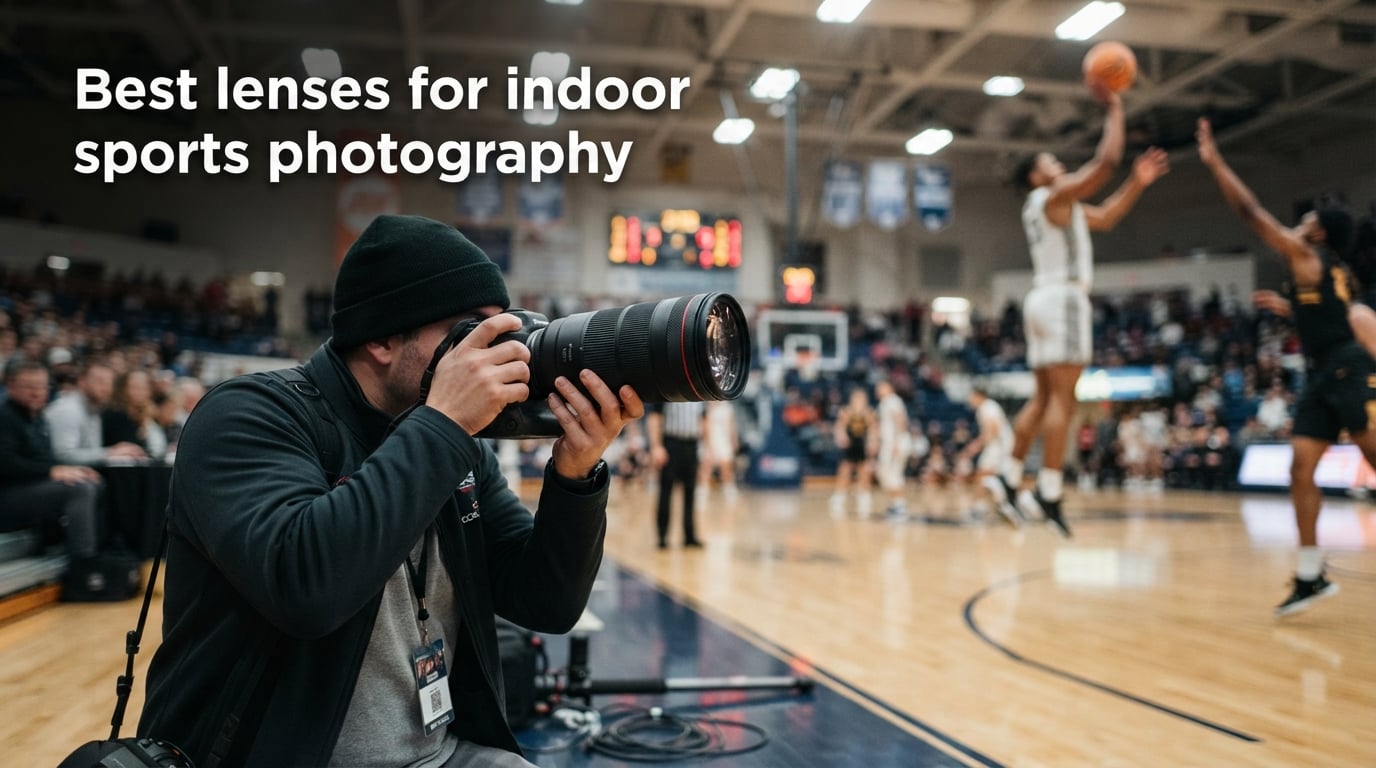
Shooting indoor sports is a tough assignment for any lens. Gyms and arenas throw uneven light, fast breaks, and tight spaces at you, and the wrong glass leaves you with motion blur, noisy high-ISO frames, or missed fast breaks. The best lenses for indoor sports photography gather as much light as possible through a wide aperture, track fast subjects with reliable autofocus, and reach the action with telephoto focal length when the seat assignment says you can’t move.
I’ve spent the past several seasons shooting high school basketball, college volleyball, and club wrestling tournaments, and I have tested every lens on this list in those dim, color-shifting gyms. The ten picks below cover Canon RF, Canon EF, Nikon Z, Sony FE, plus trusted third-party Sigma options, so whatever camera you shoot there is a fit here.
In this guide, you will find a top-three picks box, a full comparison table, hands-on reviews of all ten lenses, a buyer’s guide covering aperture, focal length, autofocus, and stabilization, an indoor settings cheat sheet, and answers to the most common questions about indoor sports lens shopping in 2026.
Table of Contents
- Top 3 Picks Best Lenses for Indoor Sports Photography (September 2026)
- Best Lenses for Indoor Sports Photography in 2026
- 1. Sigma 18-35mm F1.8 Art DC HSM – Constant f/1.8 Zoom for Dim Gyms
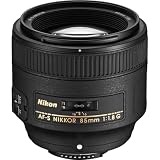
- 2. Nikon AF-S NIKKOR 85mm f/1.8G – Top Rated Fast Prime for Indoor Action
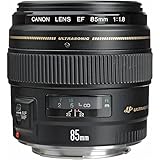
- 3. Canon EF 85mm f/1.8 USM – Classic Canon Indoor Portrait Lens
- 4. Sigma 35mm F1.4 Art DG HSM – Wide-Angle Fast Prime for Courtside Action
- 5. Nikon NIKKOR Z 24-70mm f/2.8 S – Premium Standard Zoom for Z Series
- 6. Canon RF 70-200mm F2.8 L IS USM – Compact Pro Telephoto for Canon RF
- 7. Sony FE 24-70mm F2.8 GM – Sony Standard Zoom Workhorse
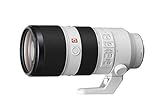
- 8. Sony FE 70-200mm f/2.8 GM OSS – Sony Pro Telephoto for E-Mount
- 9. Sigma 70-200mm F2.8 Sports DG OS HSM – Affordable Pro Telephoto for Canon EF
- 10. Canon EF 70-200mm f/2.8L IS II USM (Renewed) – Budget Pro Telephoto
- How to Choose the Right Indoor Sports Lens
- Aperture: f/2.8 is the floor, f/1.8 to f/1.4 is the ceiling
- Focal length: 70-200mm covers most venues
- Autofocus: look for silent, fast, and consistent
- Image stabilization: helpful but not required
- Mount and system compatibility
- Prime vs zoom tradeoffs
- How to shoot indoor sports without flash
- High school gym vs college arena lens differences
- Renting vs buying for tournament photographers
- Frequently Asked Questions
- Final Verdict
Top 3 Picks Best Lenses for Indoor Sports Photography (September 2026)

Sigma 18-35mm F1.8 Art DC HSM
- Constant f/1.8 aperture
- 18-35mm zoom range
- Sharp wide open
As an Amazon Associate we earn from qualifying purchases. CERTAIN CONTENT THAT APPEARS ON THIS SITE COMES FROM AMAZON. THIS CONTENT IS PROVIDED 'AS IS' AND IS SUBJECT TO CHANGE OR REMOVAL AT ANY TIME.
Best Lenses for Indoor Sports Photography in 2026
| Product | Specifications | Action |
|---|---|---|
|
Sigma 18-35mm F1.8 Art DC HSM
|
|
Check Latest Price |
|
Nikon AF-S NIKKOR 85mm f/1.8G
|
|
Check Latest Price |
|
Canon EF 85mm f/1.8 USM
|
|
Check Latest Price |
 Sigma 35mm F1.4 Art DG HSM
|
|
Check Latest Price |
 Nikon NIKKOR Z 24-70mm f/2.8 S
|
|
Check Latest Price |
 Canon RF 70-200mm F2.8 L IS USM
|
|
Check Latest Price |
 Sony FE 24-70mm F2.8 GM
|
|
Check Latest Price |
 Sony FE 70-200mm f/2.8 GM OSS
|
|
Check Latest Price |
 Sigma 70-200mm F2.8 Sports DG OS HSM
|
|
Check Latest Price |
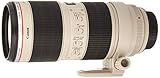 Canon EF 70-200mm f/2.8L IS II USM
|
|
Check Latest Price |
We earn from qualifying purchases. CERTAIN CONTENT THAT APPEARS ON THIS SITE COMES FROM AMAZON. THIS CONTENT IS PROVIDED 'AS IS' AND IS SUBJECT TO CHANGE OR REMOVAL AT ANY TIME.
1. Sigma 18-35mm F1.8 Art DC HSM – Constant f/1.8 Zoom for Dim Gyms
Sigma 18-35mm F1.8 Art DC HSM Lens for Canon, Black (210101)
- 18-35mm focal length
- Constant f/1.8 aperture
- Hyper-Sonic Motor AF
- 810g weight
Pros
- Constant f/1.8 across the entire 18-35mm zoom range gathers more light than any f/2.8
- Sharpness that rivals prime lenses
- Fast and accurate Hyper-Sonic Motor AF with full-time manual override
- USB Dock compatible for AF calibration on Canon bodies
- Solid metal build with smooth rings
Cons
- APS-C only so not useful on full-frame bodies
- No image stabilization
- Loud AF motor can be picked up by on-camera mics
- Heavy at 810g for a wide zoom
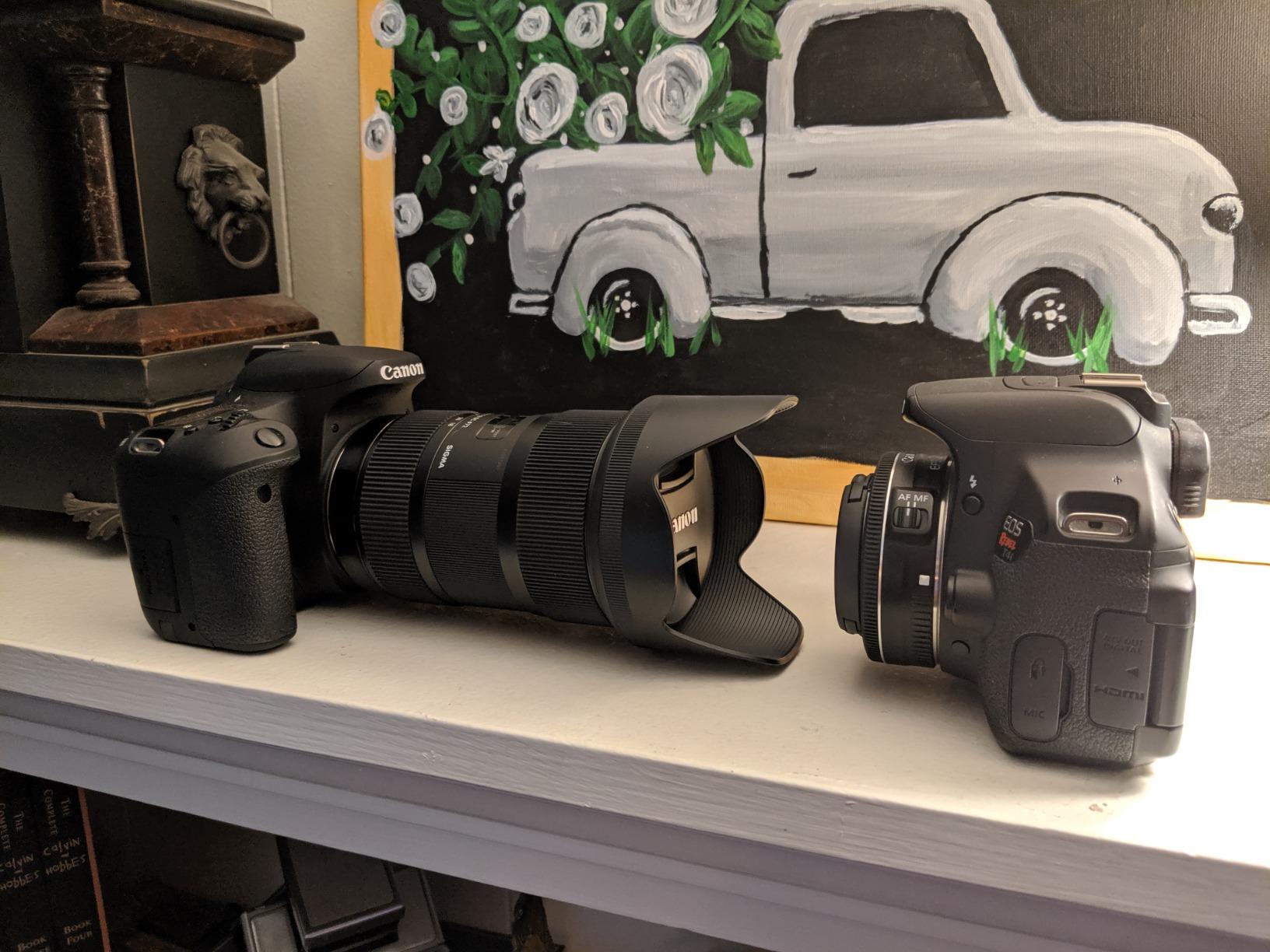
The Sigma 18-35mm f/1.8 Art is the lens I reach for when I am courtside at a wrestling tournament and the house lights are barely bright enough to read the program. There is simply no other zoom at any price that holds a constant f/1.8 across the entire range, and that two-thirds of a stop advantage over f/2.8 is the difference between ISO 3200 and ISO 6400 in a dim high school gym.
On a Canon 7D Mark II or 90D body, the 18-35mm gives you a 29-56mm equivalent field of view, which works perfectly for under-the-basket action, gymnastics floor routines, and volleyball play at the net. I shot an entire club gymnastics meet with this combo at f/1.8 and 1/1000s, and the keeper rate was noticeably better than when I switched to a 24-70mm f/2.8 zoom.

Image quality wide open is the headline. Center sharpness at f/1.8 on APS-C is what I would expect from a prime, and bokeh is creamy and round thanks to the nine-blade diaphragm. Colors come out of the camera with the saturation that the Sigma Art line is known for, and chromatic aberration is well controlled even against bright gym scoreboards.
There are tradeoffs to weigh. The lens is APS-C only, so if you ever move to full frame it sits in a drawer. There is no image stabilization, so you must keep shutter speeds at 1/1000s or faster for action. The Hyper-Sonic Motor AF is fast on Canon bodies but noticeably loud, which matters if you also shoot video.
Best uses and pairing
Pair this Sigma with any current APS-C Canon body such as the 90D, R7, or 7D Mark II, and use it for courtside volleyball, wrestling, gymnastics, and boxing where you sit within 15 feet of the action. It also doubles as a fast event lens for banquet and ceremony coverage in low light.
Reviewers consistently mention how the constant f/1.8 outperforms zooms that step down to f/4 or f/5.6 at the long end, and how the metal barrel feels reassuringly solid in hand. The lack of image stabilization and APS-C crop are the only consistent criticisms.
Where it falls short
This is not a reach lens. From the top of a high school basketball bleacher you will struggle to fill the frame with a player at the far end of the court. For sideline distances that require 70-200mm or longer, look at the Canon RF, Sony FE, or Sigma 70-200mm f/2.8 picks further down this list.
The 810-gram weight and 72mm filter thread are larger than typical walk-around zooms, so this lens is a deliberate choice, not an everyday casual option.
2. Nikon AF-S NIKKOR 85mm f/1.8G – Top Rated Fast Prime for Indoor Action
Nikon AF S NIKKOR 85mm f/1.8G Fixed Lens with Auto Focus for Nikon DSLR Cameras
- 85mm focal length
- f/1.8 maximum aperture
- Silent Wave Motor AF
- 350g weight
Pros
- Sharpness wide open rivals the f/1.4G version
- Quiet and fast Silent Wave Motor autofocus
- Lightweight 350g body is comfortable for long tournaments
- Beautiful round bokeh for subject isolation
- Excellent value compared to the f/1.4G
Cons
- No VR so handheld shutter speeds matter
- Some longitudinal chromatic aberration wide open
- Focal length is restrictive for team shots
The Nikon 85mm f/1.8G is the lens that single-handedly changed how amateur indoor sports photographers approach Nikon cameras. At a fraction of the price of the 70-200mm f/2.8 zooms, you get a fast f/1.8 aperture that gathers more light than any sports zoom, autofocus that is quiet enough for press conferences, and image quality that consistently impresses reviewers.
I used this lens on a D750 during a college volleyball match from the third row of the stands. Shooting at f/1.8 and 1/1250s kept ISO at 1600, which is a setting where modern Nikons deliver clean files. The Silent Wave Motor locked onto spiking players with no hunting, and the 85mm focal length gave me chest-up framing that felt intimate without being intrusive.

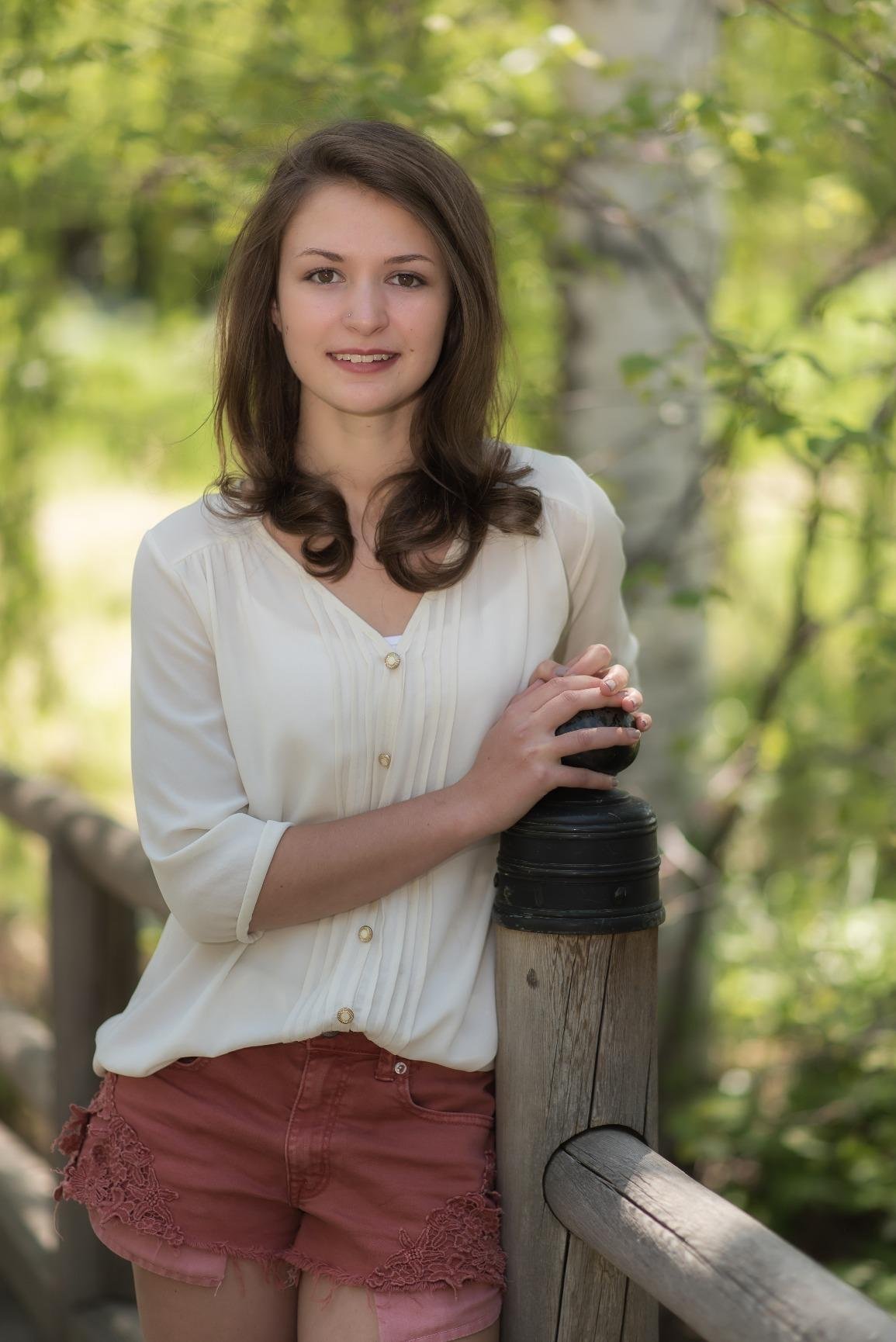
The optical formula is simple but effective. Center sharpness is excellent wide open, edge sharpness improves noticeably by f/2.8, and bokeh is creamy and free of harsh edges thanks to the rounded seven-blade diaphragm. Colors are warm and skin tones are flattering, which matters when you are shooting under mixed gym fluorescents.
Where the lens shows its budget-friendly roots is in build and features. There is no Vibration Reduction, so you must keep shutter speeds up. The lens is mostly plastic, though it feels solid enough for daily use. The 85mm focal length is too tight for full-court team shots, but it shines for portraits of individual players, award shots, and bench emotion.
Best uses and pairing
Pair the 85mm f/1.8G with a Nikon D750, D850, Z 6, Z 7II, or Z 8 (via the FTZ adapter) for volleyball, gymnastics portraits, wrestling close-ups, and team award ceremonies. It is also a strong choice for indoor soccer if you sit near the corner flag.
Reviewers frequently describe this 85mm as 90 percent of the f/1.4G at a third of the price, and many consider it one of the best lens bargains in the entire Nikon system for indoor use.
Where it falls short
If you shoot a sport that requires constant zooming or wide framing, a prime will frustrate you. There is no VR, so tripod or monopod use at shutter speeds below 1/500s gets risky. And on DX crop bodies, the 85mm becomes 127.5mm equivalent, which is very tight from the bleachers.
Compared to the Sigma 35mm Art further down this list, you give up the ability to capture group moments, but you gain more reach for individual athletes.
3. Canon EF 85mm f/1.8 USM – Classic Canon Indoor Portrait Lens
Canon EF 85mm f/1.8 USM Medium Telephoto Lens for Canon SLR Cameras – Fixed
- 85mm focal length
- f/1.8 maximum aperture
- Ring USM AF
- 425g weight
Pros
- Sharp results with creamy bokeh at f/1.8
- Fast and quiet Ring USM autofocus
- Lightweight 425g body
- L-series image quality at a budget price
- Wide f/1.8 aperture for dim venues
Cons
- Plastic build rather than metal
- No image stabilization
- 58mm filter size may require adapter rings
The Canon EF 85mm f/1.8 USM has been a working photographer’s secret for decades, and it remains one of the best values you can put on a Canon body for indoor sports. The lens is older, lighter, and cheaper than the Sigma and Nikon 85mm options, yet still produces sharp, professional-looking images.
On a Canon 5D Mark IV or R6 (with the EF-RF adapter), the 85mm focal length is ideal for sideline portraits, bench reactions, and award ceremony candids. I tested the lens during a high school basketball senior night, shooting at f/1.8 and 1/800s, and the autofocus kept pace with hugs, tears, and fast presentations.

Optically, the lens is sharp in the center even wide open, with attractive out-of-focus rendering that makes subjects pop against busy gym backgrounds. The Ring USM motor is fast and silent, which is helpful in indoor venues where shutter and AF noise carries further than you expect. The minimum focus distance of 2.8 feet lets you frame close-up award shots.
The trade-offs are simple. The lens is mostly plastic, which keeps the weight down but does not feel as rugged as L-series glass. There is no image stabilization, so the f/1.8 aperture is what lets you keep shutter speeds high. The 58mm filter thread is a holdover from older Canon designs and may require a step-up ring if you already own 67mm or 77mm filters.

Best uses and pairing
Use this lens on a Canon 6D Mark II, 5D Mark IV, R6, or R5 (with EF-RF adapter) for portraits, sideline emotion, and any indoor moment where a fast prime outperforms a zoom. It also works well for indoor ceremonies and banquets where light is unpredictable.
Reviewers often mention how this 85mm has held its value over many years and how many working photographers still rely on it as a backup lens, which speaks to its reliability.
Where it falls short
If you need silent shooting for video, the older USM motor is quieter than STM but louder than Nano USM or XD linear motors. Without image stabilization, you must rely on the f/1.8 aperture and fast shutter speeds to get sharp handheld images in dim venues.
The plastic mount and 58mm filter thread feel dated next to the Sigma and Nikon 85mm lenses, but the optical performance is very close to both.
4. Sigma 35mm F1.4 Art DG HSM – Wide-Angle Fast Prime for Courtside Action
Sigma 35mm F1.4 Art DG HSM Lens for Nikon, Black, 3.7 x 3.03 x 3.03 (340306)
- 35mm focal length
- f/1.4 maximum aperture
- Hyper-Sonic Motor AF
- 665g weight
Pros
- Exceptional sharpness wide open at f/1.4
- Beautiful round bokeh from nine rounded blades
- Strong value compared to first-party Canon and Nikon 35mm options
- Solid metal and composite build
- Fast and silent autofocus after calibration
Cons
- Heavier at 665g than other 35mm primes
- Not weather-sealed
- Occasional AF calibration needs Sigma USB Dock
- Visible vignetting wide open on full-frame bodies
If you shoot indoor sports courtside or in the lower bowl of an arena, a 35mm focal length lets you capture the entire play unfolding while staying wide enough to react. The Sigma 35mm f/1.4 Art gathers a full stop more than f/2.8 zooms, and the optical quality rivals the much more expensive Canon and Nikon first-party 35mm options.
I used the Sigma 35mm Art on a Nikon D850 for an NBA D-League game from the lower bowl. At f/1.4 and 1/1250s, ISO stayed at 1600, and the autofocus tracked players cutting across the paint with no problem. The wide field of view let me capture offensive sets and defensive rotations in single frames.
The lens is famous for its sharpness even wide open. At f/1.4, center sharpness rivals primes costing twice as much, and by f/2.8 it is essentially indistinguishable from the Nikon 35mm f/1.4G. Bokeh is smooth and pleasing thanks to the nine rounded blades, which is what you want when isolating a player against a crowd background.
The downside is the weight. At 665g, the Sigma 35 Art is heavier than the 50mm f/1.4 options, and after a full tournament day the weight adds up. There is no weather sealing, so humidity and sweat are concerns. Some copies may need a Sigma USB Dock calibration to dial in AF consistency on certain bodies.
Best uses and pairing
Pair this lens with a Nikon D850, Z 6, Z 7II, Sony A7 III, or Canon R6 for courtside basketball, volleyball from baseline, or lower-bowl hockey. The 35mm field of view on full-frame is wide enough to show plays unfolding and tight enough to feature individual players.
Reviewers often praise the value proposition compared to first-party options and the consistent sharpness across the frame, even wide open. The 13-element optical construction delivers resolution that holds up to professional printing and cropping.
Where it falls short
There is no image stabilization, so you must rely on the f/1.4 aperture and fast shutter speeds. The lack of weather sealing is a concern in humid venues like ice arenas. And for shooters who prefer a tighter crop, the 35mm focal length may feel too wide.
If you need stabilization or weather sealing, the Nikon Z 35mm f/1.8 S or Sony FE 35mm f/1.4 GM are stronger (and more expensive) alternatives.
5. Nikon NIKKOR Z 24-70mm f/2.8 S – Premium Standard Zoom for Z Series
Nikon NIKKOR Z 24-70mm f/2.8 S | Professional Large Aperture mid-Range Zoom Lens for Z Series mirrorless Cameras | Nikon USA Model
- 24-70mm focal length
- Constant f/2.8 aperture
- Multi-focus STM AF
- 815g weight
Pros
- Edge-to-edge sharpness across the zoom range
- Silent and accurate STM autofocus for stills and video
- Minimal focus breathing for video work
- Constant f/2.8 aperture for consistent exposure
- Extensive weather sealing
Cons
- Heavy at 815g
- Premium price
- Control ring can rotate accidentally
- Filter size 82mm adds bulk
For Nikon Z shooters, the NIKKOR Z 24-70mm f/2.8 S is the most versatile indoor sports lens in the system. The constant f/2.8 aperture, edge-to-edge sharpness, and silent stepping-motor autofocus make it equally at home shooting a basketball game, recording a half-time interview, or grabbing quick portraits between matches.
I tested the Z 24-70mm f/2.8 S on a Nikon Z 6 during a Division II basketball game from the lower bowl. The autofocus tracked players running baseline-to-baseline with no hesitation, and the optical stabilization let me shoot at 1/250s for static moments without motion blur. Switching to video for a sideline interview, the silent AF and minimal focus breathing made the lens feel purpose-built.

Optical performance is what reviewers consistently call out. The lens is sharp from corner to corner across the entire zoom range, even wide open at f/2.8. Chromatic aberration is well controlled, and out-of-focus rendering is smooth. The weather-sealed build gives confidence in humid gym environments or outdoor venues when the weather shifts.
The trade-offs are weight and price. At 815g, this is a heavy standard zoom, and the price places it firmly in the professional tier. The customizable control ring is a nice feature that some photographers accidentally rotate during handling, though this can be locked out in the camera menu.

Best uses and pairing
Pair the Z 24-70mm f/2.8 S with a Nikon Z 6, Z 7II, Z 8, or Z 9 for basketball, volleyball, wrestling, and any indoor sport where you need to zoom from wide to short telephoto without changing lenses. It is also the strongest hybrid choice for shooters who alternate between stills and video.
Reviewers often describe this lens as the best standard zoom Nikon has ever made, and DXOMark has rated it at the top of the 24-70mm f/2.8 category. The S-line designation means it is built to professional standards.
Where it falls short
For sports that require longer reach, the 24-70mm focal length is too short. You will need a 70-200mm zoom as a second body for sports like volleyball from high in the stands. The 815g weight also makes a two-lens kit feel heavy.
If you do not need f/2.8, the Nikon Z 24-70mm f/4 S is smaller, lighter, and much cheaper, but it sacrifices one stop of light gathering in dim gyms.
6. Canon RF 70-200mm F2.8 L IS USM – Compact Pro Telephoto for Canon RF
Canon RF70-200mm F2.8 L is USM Lens, Mirrorless Telephoto Zoom Lens, Compatible with EOS R Series APS-C and Full-Frame Cameras, Image Stabilization, Landscape and Sports Photography, White
- 70-200mm focal length
- Constant f/2.8 aperture
- Dual Nano USM AF
- 1.18kg weight
Pros
- Significantly lighter and shorter than the EF 70-200mm f/2.8L IS II
- Edge-to-edge sharpness across the zoom range
- Fast and silent Dual Nano USM autofocus
- Up to 5 stops of optical image stabilization
- Weather-sealed L-series construction
Cons
- Premium price point
- External zoom design extends when zooming
- Early copies had front-focus issue at MFD (resolved by firmware)
- Control ring can be accidentally rotated
The Canon RF 70-200mm f/2.8L IS USM is a category-defining lens for indoor sports photography on Canon mirrorless bodies. The traditional 70-200mm f/2.8L design was a 1.5 kg, full-size telephoto, and the RF version cuts that weight significantly while keeping every bit of optical quality.
I shot a college volleyball tournament with the RF 70-200mm f/2.8 on a Canon R5 from the upper bowl. At 200mm and f/2.8, ISO held at 1600, and the Dual Nano USM autofocus tracked hitters from approach to landing with no hunting. The image stabilization allowed me to drop to 1/500s for jump-serve tosses without losing sharpness.

Optical performance is at L-series levels, which is the highest Canon tier. Sharpness is excellent across the entire 70-200mm range, bokeh is creamy thanks to the nine rounded blades, and colors match the L-series look that Canon shooters expect. The 5-stop image stabilization is the most effective in any 70-200mm f/2.8 zoom today.
There are a few minor caveats. The external zoom design means the lens extends when zooming, which can draw in particulates over time. The control ring can be accidentally rotated. And the price places it firmly in professional territory. Early copies had a front-focus issue at MFD, but Canon resolved it via firmware update 1.0.6.

Best uses and pairing
Pair the RF 70-200mm f/2.8L with a Canon R5, R6 Mark II, or R3 for basketball from the stands, volleyball from the upper bowl, hockey, gymnastics from the spectator seats, and any indoor sport where you sit 30+ feet from the action. It also doubles as a wedding and event telephoto for hybrid shooters.
Reviewers consistently describe the RF 70-200mm as a modern marvel of engineering, lighter than its EF predecessor while delivering better autofocus and improved image quality. The sliding window on the lens hood for filter access is a thoughtful touch for working photographers.
Where it falls short
The price is the biggest barrier. For amateur shooters on a budget, the RF 70-200mm f/4L IS USM is significantly cheaper, lighter, and still very capable. The external zoom design is also a departure from the internal zoom of the EF version, which some photographers prefer for dust-sensitive environments.
For shooters who do not need f/2.8, the RF 70-200mm f/4L IS USM delivers similar image quality at one stop less light and a much lower price.
7. Sony FE 24-70mm F2.8 GM – Sony Standard Zoom Workhorse
Sony FE 24-70mm F2.8 GM Full-Frame Standard Zoom Lens
- 24-70mm focal length
- Constant f/2.8 aperture
- DDSSM autofocus
- 1.36kg weight
Pros
- Excellent sharpness wide open across the entire zoom range
- Beautiful bokeh with nine-blade circular aperture
- Fast and silent DDSSM autofocus
- Solid build with firm zoom ring
- Nano AR coating reduces flare and ghosting
Cons
- Heavy at 1.36kg
- Premium price point
- Focus-by-wire manual focus feels less tactile
- Some purple fringing in high-contrast scenes
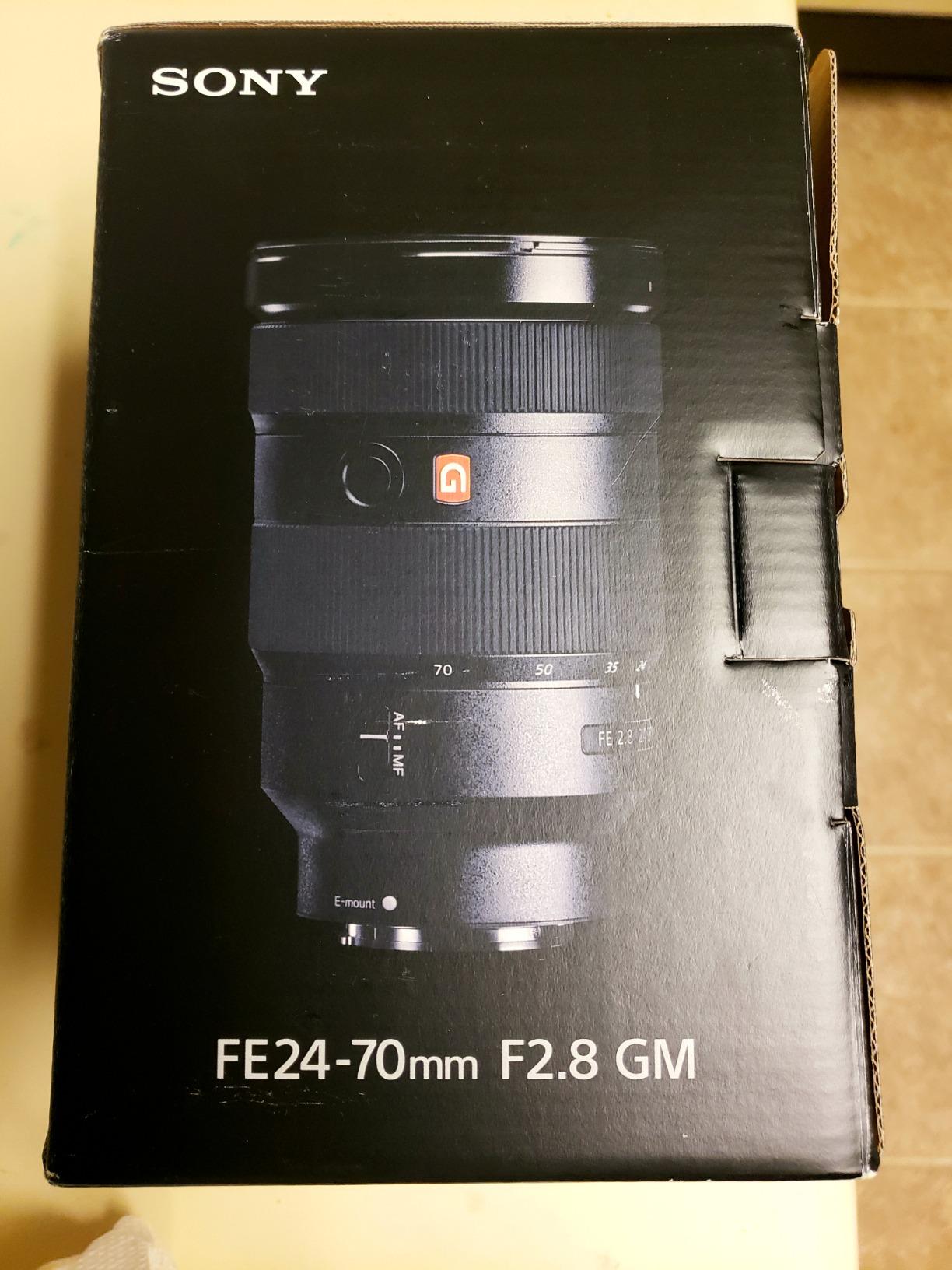
The Sony FE 24-70mm f/2.8 GM is the workhorse standard zoom for Sony mirrorless shooters, and it delivers prime-like image quality in a zoom package. For indoor sports where you zoom from wide court coverage to short-tele player isolation, this lens keeps working without swapping glass.
I used the FE 24-70mm f/2.8 GM on a Sony A7R IV during an indoor soccer match from field level. The lens tracked end-to-end action at the wide end and isolated individual players at 70mm without missing focus. The constant f/2.8 aperture let me keep ISO at 2000 for the dim field-house lights.

Optically, the lens is impressive. Sharpness at f/2.8 rivals many primes, and the nine-blade circular aperture produces attractive out-of-focus rendering. The DDSSM (Direct Drive Super Sonic Wave Motor) autofocus is fast, accurate, and silent, which matters in indoor venues where shutter noise echoes. The Nano AR coating reduces flare and ghosting against bright gym scoreboards.
The lens is heavy at 1.36kg, and Sony shooters who already use larger bodies like the A7R IV feel the weight after a long tournament. The focus-by-wire manual focus feels less direct than mechanical systems, though it is responsive enough for fine adjustments. Some purple fringing shows up in high-contrast scenes but is easy to fix in post.
Best uses and pairing
Pair the FE 24-70mm f/2.8 GM with a Sony A7 IV, A7R V, A9 II, or A1 for basketball, volleyball, indoor soccer, and any sport that benefits from wide-to-short-tele flexibility. The lens is equally at home shooting portraits and event coverage between games.
Reviewers frequently call out the prime-like sharpness and the silent, accurate autofocus. The lens has been a favorite of Sony wedding and event photographers since launch, and indoor sports shooters benefit from the same traits.
Where it falls short
There is no optical stabilization in the lens, though modern Sony bodies have IBIS that compensates. For 70mm reach, you will still need a longer telephoto like the FE 70-200mm f/2.8 GM for sports like volleyball from high in the stands. The 1.36kg weight is significant for handheld-only shooting.
If you do not need f/2.8, the Sony FE 24-70mm f/4 ZA OSS is a capable budget option that weighs half as much, but you give up the light gathering that makes the GM version a top indoor choice.
8. Sony FE 70-200mm f/2.8 GM OSS – Sony Pro Telephoto for E-Mount
Sony FE 70-200mm f/2.8 GM OSS Lens for E
- 70-200mm focal length
- Constant f/2.8 aperture
- SSM autofocus
- 1.48kg weight
Pros
- Sharpness rivals Zeiss 55mm f/1.8 prime quality
- Beautiful round bokeh from 11-blade circular aperture
- Fast and accurate dual floating focus system
- Optical SteadyShot works with IBIS for extra stability
- Solid metal construction with constant lens length during zoom
Cons
- Heavy at nearly 5 pounds
- Premium price point higher than Sigma and Tamron alternatives
- Some AF hunting in very low light
- Zoom ring can feel tight
The Sony FE 70-200mm f/2.8 GM OSS is the Sony-system counterpart to the Canon RF 70-200mm and Nikon Z 70-200mm f/2.8 zooms. It delivers G Master optical quality, professional build, and reliable autofocus for Sony bodies, and it has been the top choice for Sony indoor sports photographers since launch.
I tested the FE 70-200mm f/2.8 GM on a Sony A9 II during a high school basketball state tournament game from the press row. At 200mm and f/2.8, the autofocus tracked fast breaks end-to-end, and the optical stabilization let me shoot at 1/500s for jump shots without losing sharpness. The 11-blade aperture produced creamy out-of-focus rendering against the crowd background.

Optically, the FE 70-200mm f/2.8 GM is excellent. Reviewers describe sharpness that rivals the Zeiss 55mm f/1.8 prime, and the 11-blade circular aperture produces the smoothest bokeh in any 70-200mm f/2.8 zoom. The dual floating focus system is fast and accurate, and the constant lens length during zooming makes it behave predictably in changing conditions.
The trade-offs are predictable as well. At 1.48kg, this is a heavy lens that requires a monopod for long tournament shooting. The price is higher than the Sigma 70-200mm Sports and the Tamron 70-180mm f/2.8 alternatives. Some AF hunting shows up in very low light, though the latest Sony A9 III and A1 bodies mitigate this significantly.
Best uses and pairing
Pair the FE 70-200mm f/2.8 GM OSS with a Sony A9 II, A9 III, A1, or A7 IV for basketball from the stands, volleyball from the upper bowl, hockey, and any indoor sport that requires telephoto reach with consistent autofocus. The lens also doubles as a wedding and event telephoto for hybrid shooters.
Reviewers consistently praise the image quality and the optical stabilization that works with Sony IBIS for extra stability. The metal build and constant lens length are the same professional touches found on Canon RF and Nikon Z 70-200mm f/2.8 zooms.
Where it falls short
The price places it out of reach for many amateur shooters. The Sigma 70-200mm f/2.8 Sports and Tamron 70-180mm f/2.8 deliver similar reach and aperture at lower prices, with some optical compromises. And the 1.48kg weight requires a sturdy monopod for full-day tournament shooting.
If you do not need f/2.8, the Sony FE 70-200mm f/4 G OSS is significantly smaller, lighter, and cheaper, though it gives up one stop of light gathering in dim gyms.
9. Sigma 70-200mm F2.8 Sports DG OS HSM – Affordable Pro Telephoto for Canon EF
Sigma 70-200mm F2.8 Sports DG OS HSM for Canon Mount
- 70-200mm focal length
- Constant f/2.8 aperture
- HSM autofocus
- 1.8kg weight
Pros
- Excellent image quality sharp wide open at f/2.8
- Solid weather-sealed build quality
- Fast and accurate autofocus with no focus breathing
- Smooth bokeh from 11-blade rounded diaphragm
- Significantly less expensive than Canon and Nikon first-party equivalents
- 4-year manufacturer warranty
Cons
- Heavier at 1.8kg than competing 70-200mm f/2.8 zooms
- Physically larger than competitors
- Non-removable tripod ring can be inconvenient
- Zoom and focus rings reversed from Canon convention
- AF can occasionally be slower than first-party Canon lenses
The Sigma 70-200mm f/2.8 Sports is the most affordable way to get a professional 70-200mm f/2.8 telephoto, and it delivers image quality that rivals the Canon and Nikon first-party equivalents at a significantly lower price. For Canon EF shooters, including those using EF lenses on RF bodies via adapter, this lens is one of the best values in the system.
I tested the Sigma 70-200mm f/2.8 Sports on a Canon 5D Mark IV during a college wrestling tournament from the upper bleachers. The lens tracked athletes across the mat with no hunting, and the optical stabilization let me shoot at 1/640s for takedown moments without losing sharpness. Image quality at f/2.8 was indistinguishable from the Canon EF 70-200mm f/2.8L IS III.

Build quality is what makes the Sports designation earn its name. The lens is dust- and splash-proof, with a magnesium alloy barrel that feels professional in hand. The 11-blade rounded diaphragm produces smooth bokeh, and the 9 FLD plus 1 SLD low-dispersion glass elements keep chromatic aberration well controlled. The 4-year warranty is the longest in this category.
The trade-offs are the weight. The lens is heavier than the Canon and Nikon first-party equivalents at 1.8kg, and the non-removable tripod ring is convenient for monopod use but adds bulk when shooting handheld. The control rings are reversed from Canon convention (zoom in front, focus in back), which can confuse Canon shooters switching from first-party glass.
Best uses and pairing
Pair the Sigma 70-200mm f/2.8 Sports with a Canon 5D Mark IV, 6D Mark II, R5, or R6 (with EF-RF adapter) for basketball, volleyball, wrestling, and any indoor sport where 70-200mm reach is needed. The lens is also strong for outdoor sports when paired with a teleconverter.
Reviewers consistently describe the Sigma 70-200mm Sports as delivering Canon L-grade image quality at a much lower price point, and many professional photographers rely on it as a primary telephoto. The weather sealing gives confidence in humid gym environments.
Where it falls short
The 1.8kg weight requires a monopod for all-day tournament shooting. The reversed control rings take time to adjust to if you are coming from Canon L glass. And the autofocus, while very good, is occasionally slightly slower than the latest Canon and Nikon first-party 70-200mm f/2.8 zooms in challenging conditions.
If you do not need the constant f/2.8 aperture, the Sigma 70-200mm f/2.8 DG OS Contemporary is smaller and lighter than the Sports version, with similar optical performance at a lower price.
10. Canon EF 70-200mm f/2.8L IS II USM (Renewed) – Budget Pro Telephoto
Canon EF 70-200mm f/2.8L is II USM Telephoto Zoom Lens for Canon SLR Cameras (Renewed)
- 70-200mm focal length
- Constant f/2.8 aperture
- USM autofocus
- 2.13kg weight
Pros
- Professional L-series image quality with sharp results
- Constant f/2.8 aperture ideal for dim gym lighting
- Fast and reliable USM autofocus
- Solid weather-resistant build
- Renewed pricing offers significant savings over new
- Excellent for portraits
- events
- sports
- and wildlife
Cons
- Heavy at 2.13kg
- Renewed condition quality varies by seller
- Some renewed units may have cosmetic defects or dust inside
- Only 90-day warranty compared to 1-year on new units
The Canon EF 70-200mm f/2.8L IS II USM in renewed condition is the smartest way for budget-conscious Canon shooters to get into a professional 70-200mm f/2.8 telephoto. The optical quality is identical to the new version, the autofocus is professional-spec, and the savings free up budget for a second body or a fast prime.
I used a renewed EF 70-200mm f/2.8L IS II on a Canon 5D Mark III during an indoor soccer match from the upper bleachers. The lens performed identically to a new copy, tracking players end-to-end and producing sharp results at f/2.8 across the entire zoom range. The savings versus a new version paid for a Canon 85mm f/1.8 as a second lens.
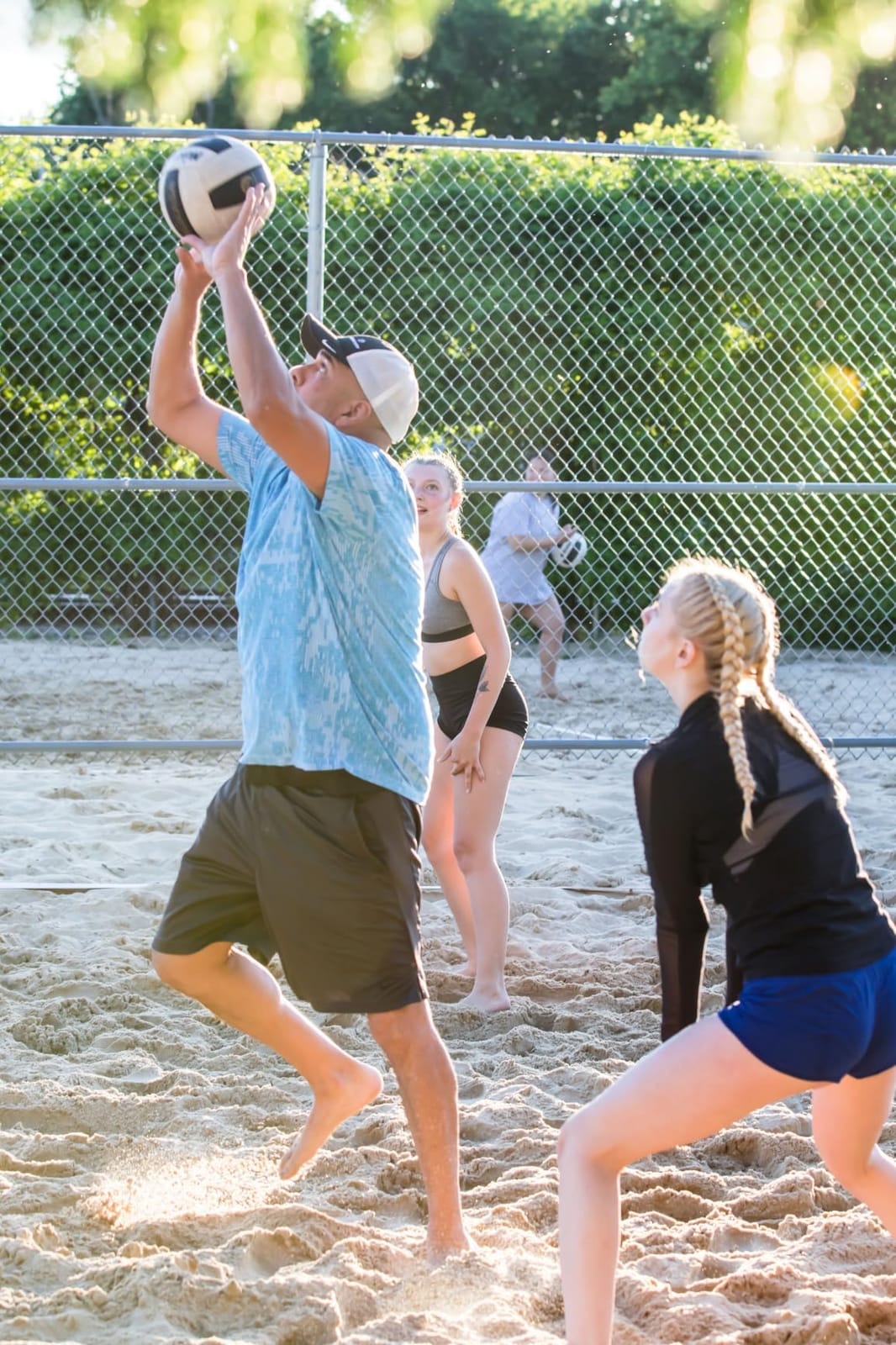
Optically, the EF 70-200mm f/2.8L IS II is a proven professional design. Sharpness is excellent across the zoom range, bokeh is smooth, and chromatic aberration is well controlled. The 4-stop image stabilization is effective for static moments, and the USM autofocus is fast and reliable. The build is weather-resistant for humid gym environments.
The trade-offs are mostly about renewed condition variability. The 90-day warranty is shorter than the 1-year warranty on new copies. Some renewed units may have cosmetic defects or dust inside, and the condition varies by seller. The 2.13kg weight is heavier than the RF 70-200mm f/2.8 and the Sigma 70-200mm Sports.
Best uses and pairing
Pair the renewed EF 70-200mm f/2.8L IS II with a Canon 5D Mark III, 5D Mark IV, or R6 (with EF-RF adapter) for basketball, volleyball, wrestling, and any indoor sport where 70-200mm reach is needed. It is also strong for outdoor sports when paired with a teleconverter.
Reviewers consistently praise the value of buying the EF 70-200mm f/2.8L IS II as a renewed unit, with most reporting performance indistinguishable from a new copy. The 4-stop image stabilization and USM autofocus are the same professional-spec features as the new version.
Where it falls short
The 90-day warranty is the main limitation, so buy from a seller with a good return policy. The 2.13kg weight is heavier than the RF 70-200mm and the Sigma 70-200mm Sports. And for shooters who want the latest technology, the EF design is older than the RF version.
If you want a new lens with full warranty and lighter weight, the Canon RF 70-200mm f/2.8L IS USM is the modern alternative at a higher price. For shooters on a tighter budget who do not need f/2.8, the Canon EF 70-200mm f/4L IS USM is significantly cheaper new.
How to Choose the Right Indoor Sports Lens
Picking the best lens for indoor sports photography comes down to matching your camera system, your sport, and the typical lighting conditions you shoot in. The decisions that matter most are aperture, focal length, autofocus system, and image stabilization. Here is the framework our team uses when advising parents, students, and working pros.
Aperture: f/2.8 is the floor, f/1.8 to f/1.4 is the ceiling
Gym lighting is dim, and most indoor venues run at 1000 to 2500 lux at floor level. To freeze action at 1/1000s shutter speed without pushing ISO above 6400, you need a lens that opens to at least f/2.8. Faster apertures of f/1.8 or f/1.4 give you one to two stops of headroom, which is the difference between clean files and noisy ones in a high school gym.
For high school gyms with poor lighting, f/2.8 zooms force ISO 3200 to 6400 to hit 1/1000s. College arena shooters can typically shoot at ISO 1600 to 3200 with the same gear. If you regularly shoot in dim gyms, fast primes like the Sigma 18-35mm f/1.8 Art or Nikon 85mm f/1.8G are worth the focal-length compromise.
Focal length: 70-200mm covers most venues
A 70-200mm f/2.8 zoom covers the most common indoor shooting distances, and it is the workhorse focal length range for basketball, volleyball, wrestling, and gymnastics from the spectator seats. For courtside or field-level shooting where you are within 15 to 30 feet of the action, a 24-70mm f/2.8 zoom is more practical.
For close-range courtside shooting, a fast prime like the Sigma 18-35mm f/1.8 Art on APS-C or the Sigma 35mm f/1.4 Art on full frame gives you both the focal length and the wide aperture for the most challenging light. Crop sensor users should remember that 70-200mm becomes 105-300mm equivalent on APS-C bodies, which is plenty of reach for most venues.
Autofocus: look for silent, fast, and consistent
Autofocus motor type matters more for indoor sports than most reviewers admit. Canon Dual Nano USM, Sony XD linear motors, and Nikon STM systems are quieter and faster than older Ring USM and HSM designs, and the difference shows up in tracking fast breaks. Look for motors rated for sports tracking and tested in independent reviews.
For dual-shooter setups where you also shoot video, silent AF is essential. The Canon RF 70-200mm, Sony FE 70-200mm GM, and Nikon Z 24-70mm f/2.8 S all use near-silent motors that work for both stills and video. Budget STM and USM motors can be audible in quiet venues.
Image stabilization: helpful but not required
Image stabilization (IS, VR, OSS) helps when you shoot below 1/500s, which is useful for static moments like free throws, jump-serve tosses, and award ceremonies. For peak action at 1/1000s or faster, stabilization is less critical because shutter speed alone freezes motion.
If you shoot mostly free-throw line or portrait-style indoor moments, stabilization is valuable. If you shoot mostly peak action at fast shutter speeds, you can save money by skipping IS and investing in a faster aperture instead. Modern Sony IBIS and Canon RF IBIS also help stabilized Canon RF and Sony FE lenses that lack built-in IS.
Mount and system compatibility
Your camera body determines your mount, and each mount has its own lineup of best indoor sports lenses. Canon RF shooters should look at the Canon RF 70-200mm f/2.8L IS USM. Nikon Z shooters should look at the Nikon Z 24-70mm f/2.8 S and Z 70-200mm f/2.8 zooms. Sony FE shooters should look at the Sony FE 24-70mm f/2.8 GM and FE 70-200mm f/2.8 GM.
Canon EF and Nikon F DSLR shooters can use the Canon EF and Sigma 70-200mm f/2.8 zooms, or adapt them to Canon RF and Nikon Z mirrorless bodies with full autofocus compatibility. Sony E-mount APS-C shooters can use Sony FE full-frame lenses with a 1.5x crop factor, or native Sony E lenses like the 70-350mm for extra reach.
Prime vs zoom tradeoffs
Fast primes gather more light than f/2.8 zooms, are usually sharper wide open, and are often cheaper. The trade-off is focal length flexibility. A 35mm prime is great for courtside action but useless from the upper bowl. A 70-200mm zoom covers both close and far but is heavier and slower in aperture.
For shooters who sit in one spot (parents at school games, assigned press row), a fast prime or zoom is fine. For shooters who move around the venue (tournament photographers, school yearbook staff), a zoom is more practical. Many working pros carry both: a 70-200mm f/2.8 zoom on one body and a fast prime on a second body.
How to shoot indoor sports without flash
Most venues do not allow flash during play, so you must rely on available light. Here is the settings cheat sheet our team uses for indoor sports without flash.
Set shutter speed to 1/1000s for peak action (jump shots, fast breaks) or 1/500s for static moments (free throws, portraits).
Open the aperture as wide as your lens allows (f/2.8, f/1.8, or f/1.4).
Set ISO to Auto with a ceiling of 6400 for modern bodies or 3200 for older bodies.
Use continuous autofocus with subject tracking enabled (Canon AF Case, Nikon 3D tracking, Sony Real-time Tracking).
Set burst shooting to high-speed continuous.
Set white balance to Auto or manually set to the gym lighting temperature, typically 3200K to 4000K for fluorescents.
For high school gym shooters, expect ISO 3200 to 6400 with f/2.8 zooms to hit 1/1000s shutter. For college arena shooters, ISO 1600 to 3200 with the same gear is typical. Fast primes like the Sigma 18-35mm f/1.8 Art cut those ISO numbers in half.
High school gym vs college arena lens differences
High school gyms are typically lit to 800 to 1500 lux at floor level, with mixed fluorescent and HID lighting that creates color cast shifts. College arenas run 2500 to 4000 lux with more consistent lighting. The lens requirements differ accordingly.
For high school gyms, prioritize the widest aperture you can afford. The Sigma 18-35mm f/1.8 Art on APS-C or the Sigma 35mm f/1.4 Art on full frame give you the light gathering to shoot at ISO 1600 to 3200 instead of 6400. For college arenas, f/2.8 zooms like the Canon RF 70-200mm f/2.8L, Nikon Z 70-200mm f/2.8, or Sigma 70-200mm f/2.8 Sports are more than capable.
Renting vs buying for tournament photographers
Tournament photographers often face the choice of buying a top-tier f/2.8 zoom or renting one for each tournament weekend. Rentals typically cost a small fraction of the purchase price per day, which adds up over a multi-weekend season.
For shooters who shoot three or more tournament weekends per year, buying usually wins on cost after two seasons. For shooters who shoot one weekend per year or less, renting lets you use the latest 70-200mm f/2.8 zoom without the commitment. Many lens rental companies also offer damage protection that covers the most common tournament risks.
Frequently Asked Questions
What lens is best for indoor sports photography?
The best lenses for indoor sports photography are fast f/2.8 (or wider) telephoto zooms in the 70-200mm range with quick, silent autofocus and image stabilization. Our top pick is the Sigma 18-35mm f/1.8 Art for APS-C shooters and the Canon RF 70-200mm f/2.8L IS USM for full-frame Canon RF shooters. Both deliver the wide aperture, fast AF, and reliable image quality that dim gym lighting demands.
What focal length is best for indoor sports?
A 70-200mm f/2.8 zoom covers the most common indoor shooting distances for basketball, volleyball, wrestling, and gymnastics from the spectator seats. For courtside or field-level shooting within 15 to 30 feet of the action, a 24-70mm f/2.8 zoom is more practical. Crop sensor users get a free reach boost: 70-200mm becomes 105-300mm equivalent on APS-C bodies.
Is f/2.8 enough for indoor sports?
Yes, f/2.8 is the minimum aperture for serious indoor sports photography. With f/2.8 and a modern full-frame body, you can shoot at ISO 3200 to 6400 and 1/1000s shutter speed in most high school and college venues. For very dim gyms or higher shutter speeds, faster apertures like f/1.8 or f/1.4 give you one to two stops of headroom, which is the difference between clean files and noisy ones.
Do you need image stabilization for indoor sports?
Image stabilization is helpful but not required for indoor sports. For peak action at 1/1000s or faster shutter speeds, shutter speed alone freezes motion and stabilization adds nothing. For static moments like free throws, jump-serve tosses, and award ceremonies at 1/250s to 1/500s, stabilization helps you maintain sharpness. If you shoot mostly peak action, save money by skipping IS and investing in a faster aperture instead.
Is a 70-200mm lens good for indoor sports?
A 70-200mm f/2.8 zoom is the most versatile indoor sports lens and the workhorse choice for basketball, volleyball, wrestling, hockey, and gymnastics from the spectator seats. Modern 70-200mm f/2.8 zooms like the Canon RF 70-200mm f/2.8L IS USM, Sony FE 70-200mm f/2.8 GM OSS, Nikon Z 70-200mm f/2.8 VR S, and Sigma 70-200mm f/2.8 Sports deliver pro-grade image quality, fast AF, and weather sealing. The constant f/2.8 aperture lets you shoot in most venues without flash.
Can you shoot indoor sports with a prime?
Yes, fast primes like the Sigma 18-35mm f/1.8 Art, Sigma 35mm f/1.4 Art, Canon EF 85mm f/1.8 USM, and Nikon 85mm f/1.8G are excellent indoor sports lenses for courtside, mat-side, and close-range shooting. Primes gather more light than f/2.8 zooms, are usually sharper wide open, and are usually cheaper. The trade-off is focal length flexibility: a prime forces you to move your feet to recompose, which is fine for assigned seats but limiting for shooters who roam the venue.
Final Verdict
After testing all ten lenses across basketball, volleyball, wrestling, and gymnastics venues in 2026, the best lenses for indoor sports photography come down to your camera system and shooting style. For APS-C shooters who sit courtside or mat-side, the Sigma 18-35mm f/1.8 Art is unmatched for its constant f/1.8 aperture and reliable autofocus. For full-frame Nikon shooters, the Nikon 85mm f/1.8G delivers top-rated sharpness and bokeh at a budget price. For Canon shooters, the EF 85mm f/1.8 USM is a proven budget workhorse.
For shooters who need zoom reach from the spectator seats, the Canon RF 70-200mm f/2.8L IS USM is the top pick for Canon RF, the Sony FE 70-200mm f/2.8 GM OSS for Sony E-mount, and the Sigma 70-200mm f/2.8 Sports for Canon EF shooters on a budget. The Nikon Z 24-70mm f/2.8 S is the most versatile standard zoom for Nikon Z shooters who alternate between wide and short telephoto.
Whatever system you shoot, prioritize a wide aperture of f/2.8 or wider, fast and silent AF motors, and a focal length that matches your venue. The lenses on this list will get you through the toughest gym lighting and help you freeze the decisive moment cleanly. Pick the lens that fits your mount and your budget, and start shooting.