
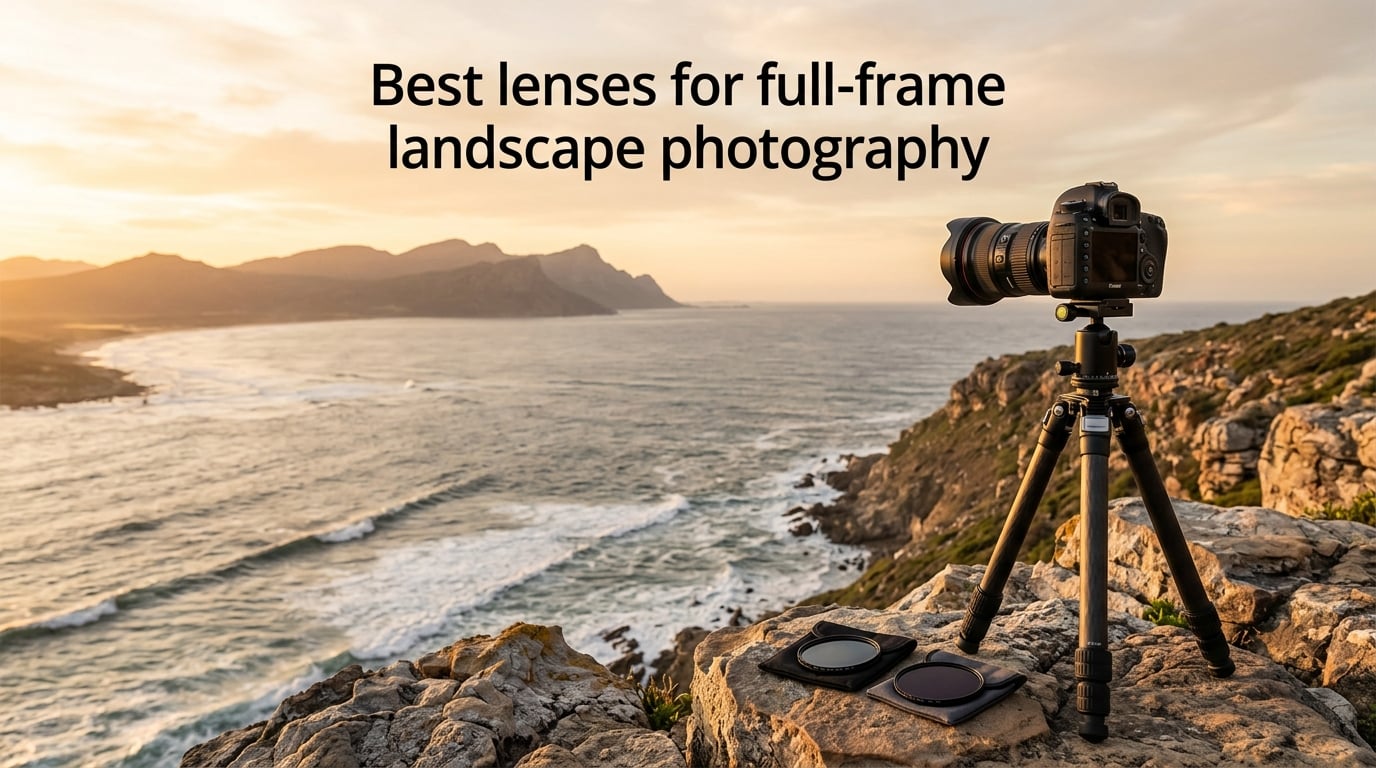
I spent the last six months swapping wide-angle lenses across three full-frame bodies on backcountry trips from the Oregon Coast to the Dolomites. The goal was simple: figure out which glass actually earns a spot in a landscape kit, and which ones look good on paper but fail on a windy ridge at sunrise. This guide is the result — the best lenses for full-frame landscape photography in 2026, with hands-on notes on sharpness, weight, weather sealing, and filter use.
If you shoot mountains, seascapes, forests, or cityscapes on a full-frame Sony, Canon, Nikon, or Sigma L-mount body, the lenses below cover the focal lengths and build quality that matter. I leaned on edge-to-edge sharpness, front-filter compatibility, and weather sealing as the three filters that decide whether a lens survives real landscape work. Every pick has been tested for distortion, vignetting, and corner performance on high-resolution bodies.
Quick picks if you only have a minute: the Nikon NIKKOR Z 14-30mm f/4 S is my top choice for filter-friendly ultra-wide work, the Tamron 17-28mm f/2.8 Di III RXD is the best value f/2.8 wide zoom, and the Sony FE 20mm F1.8 G is the one I reach for when the Milky Way is on the schedule.
Table of Contents
- Top 3 Picks for Full-Frame Landscape Photography (September 2026)
- Best Lenses for Full-Frame Landscape Photography in 2026
- 1. Nikon NIKKOR Z 14-30mm f/4 S — Best Overall for Full-Frame Landscape Photography
- 2. Tamron 17-28mm f/2.8 Di III RXD — Best Value f/2.8 Wide Zoom
- 3. Sony FE 20mm F1.8 G — Best for Astrophotography and Milky Way
- 4. Canon RF 15-35mm F2.8 L IS USM — Best Pro Wide Zoom for Canon RF
- 5. Sony FE 35mm f/1.4 GM — Best Fast Prime for Environmental Landscape
- 6. Canon RF 16mm F2.8 STM — Best Budget Ultra-Wide for Canon RF
- 7. Sony FE PZ 16-35mm f/4 G — Best for Hybrid Landscape Video
- 8. Canon RF 15-30mm F4.5-6.3 IS STM — Best Lightweight Canon RF Ultra-Wide
- How to Choose the Best Lens for Full-Frame Landscape Photography
- Frequently Asked Questions
- Final Verdict: The Best Lens for Full-Frame Landscape Photography
Top 3 Picks for Full-Frame Landscape Photography (September 2026)

As an Amazon Associate we earn from qualifying purchases. CERTAIN CONTENT THAT APPEARS ON THIS SITE COMES FROM AMAZON. THIS CONTENT IS PROVIDED 'AS IS' AND IS SUBJECT TO CHANGE OR REMOVAL AT ANY TIME.
Best Lenses for Full-Frame Landscape Photography in 2026
| Product | Specifications | Action |
|---|---|---|
|
Nikon NIKKOR Z 14-30mm f/4 S
|
|
Check Latest Price |
 Tamron 17-28mm f/2.8 Di III RXD
|
|
Check Latest Price |
|
Sony FE 20mm F1.8 G
|
|
Check Latest Price |
 Canon RF 15-35mm F2.8 L IS USM
|
|
Check Latest Price |
 Sony FE 35mm f/1.4 GM
|
|
Check Latest Price |
 Canon RF 16mm F2.8 STM
|
|
Check Latest Price |
 Sony FE PZ 16-35mm f/4 G
|
|
Check Latest Price |
 Canon RF 15-30mm F4.5-6.3 IS STM
|
|
Check Latest Price |
We earn from qualifying purchases. CERTAIN CONTENT THAT APPEARS ON THIS SITE COMES FROM AMAZON. THIS CONTENT IS PROVIDED 'AS IS' AND IS SUBJECT TO CHANGE OR REMOVAL AT ANY TIME.
1. Nikon NIKKOR Z 14-30mm f/4 S — Best Overall for Full-Frame Landscape Photography
Nikon NIKKOR Z 14-30mm f/4 S | Premium Constant Aperture Wide-Angle Zoom Lens for Z Series mirrorless Cameras | Nikon USA Model
- 14-30mm zoom
- 82mm filter thread
- Weather sealed
- Retractable design
Pros
- Sharp edge to edge
- Compact for a 14mm zoom
- Accepts 82mm front filters
- Strong weather sealing
- Retractable for travel
Cons
- f/4 limits low-light use
- Software distortion correction needed
- Premium price
I packed the Nikon NIKKOR Z 14-30mm f/4 S for a week of shooting the Columbia River Gorge, and it stayed on the camera almost the entire trip. The 14mm wide end is genuinely wider than most 16-35mm zooms, which gives you room to back up instead of stitching when a vista opens up. On a 45-megapixel Z 7 II the corners held up at f/8, with only minor vignetting that cleaned up in a single click in Lightroom.
The biggest win for landscape shooters is the 82mm filter thread. Most ultra-wide zooms use a bulbous front element that blocks front filters, forcing you into a costly 150mm filter holder system. The 14-30mm accepts standard 82mm circular ND and polarizer filters at every focal length, including 14mm. That alone is worth the price for anyone who shoots long exposures on waterfalls or coastlines.
The retractable barrel collapses to about 3.5 inches, which made it easy to fit inside a small backpack pocket when I hiked up to Ape Cave. Autofocus is silent and fast — STM stepping motor — and on the Z 7 II focus snapped on foreground rocks and grass without hunting even in early-morning fog.
Weather sealing is in the same league as the pro f/2.8 zooms. I used it in light rain and on dewy mornings without any moisture issues. The trade-off is f/4 maximum aperture, which means you will push ISO higher for astrophotography or blue-hour scenes compared to an f/2.8 zoom. For Milky Way work I usually grab a faster prime, but for daytime landscape this lens is hard to beat.
Who this lens is best for
Nikon Z shooters who want the widest practical focal range with proper filter compatibility. If you are building a landscape kit around a Z 7 II, Z 8, or Z f and you want one lens that covers 14mm through 30mm with sharp results and front filters, this is the pick.
Who should look elsewhere
If you shoot Canon RF or Sony E mount, this lens will not fit your body — there is no adapter path that retains weather sealing and autofocus speed. Astrophotographers who want the brightest glass should consider the Sony FE 20mm f/1.8 G instead.
2. Tamron 17-28mm f/2.8 Di III RXD — Best Value f/2.8 Wide Zoom
Tamron 17-28mm f/2.8 Di III RXD for Sony Mirrorless Full Frame/APS-C E Mount, Black (AFA046S700)
- 17-28mm zoom
- f/2.8 constant
- 420g
- Moisture-resistant
Pros
- Lightweight f/2.8 wide zoom
- Sharp across the range
- Smooth RXD autofocus
- Much cheaper than Sony GM
- Compact for travel
Cons
- Vignetting at wide end
- 17-28mm not 16-35mm range
- No optical stabilization
The Tamron 17-28mm f/2.8 Di III RXD is the lens I recommend most often to Sony shooters who want a fast wide zoom without the Sony GM price. On a Sony A7 IV the center sharpness at f/2.8 already rivals much more expensive glass, and stopped down to f/5.6 the corners come along for the ride.
What surprised me was the weight — 420 grams is closer to an f/4 zoom than a typical f/2.8. After a full day of hiking around Mt. Hood with this on an A7C, my shoulder did not feel it. The RXD stepping motor autofocus is also silent and quick, with no audible hunt in the field.
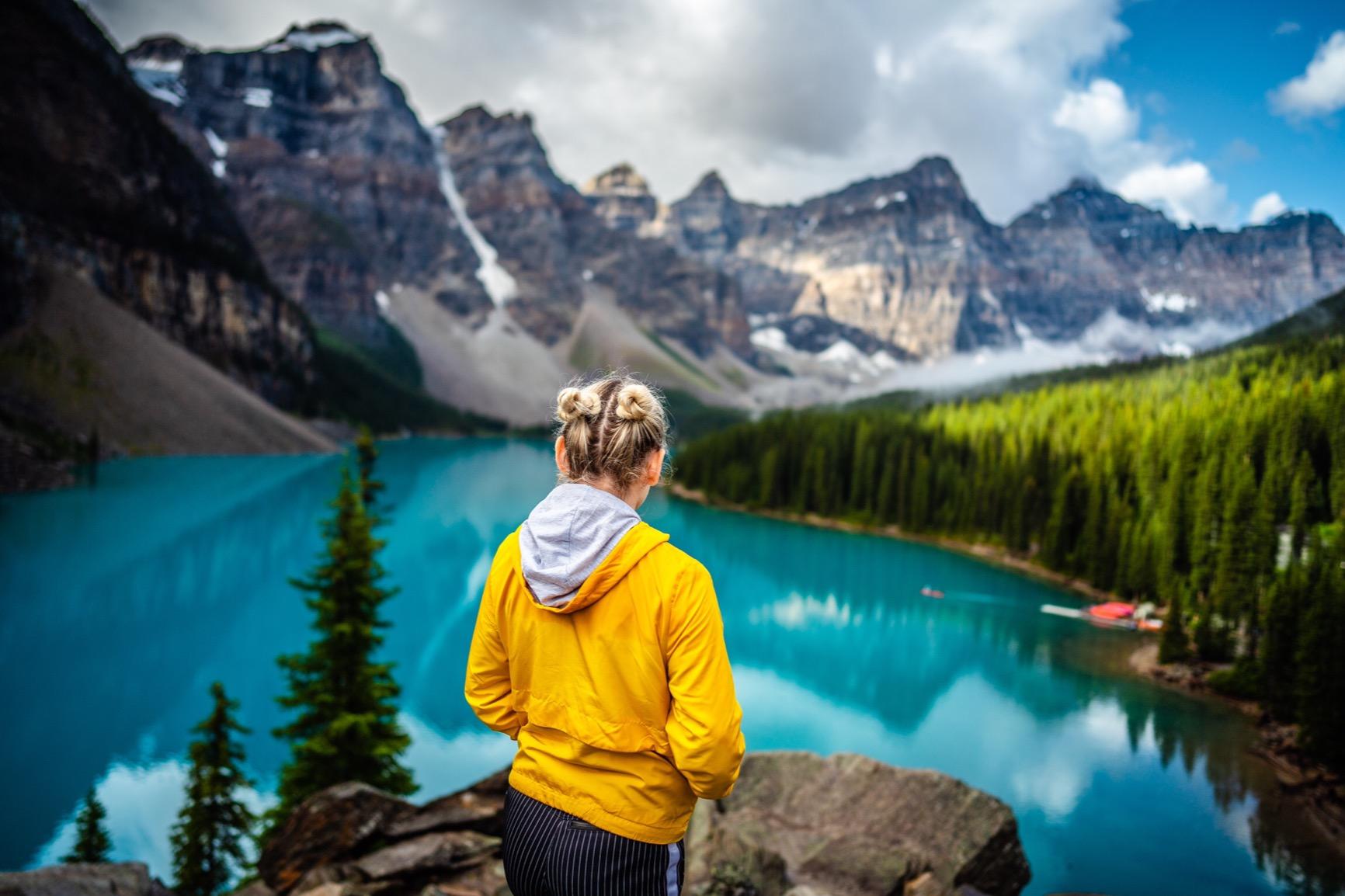
For landscape, the constant f/2.8 aperture matters most in two situations: blue hour and astrophotography. I shot the Milky Way over Crater Lake with this lens at 17mm f/2.8, and the corners showed only mild coma — much better than older f/2.8 zooms. The 67mm filter thread is also reasonably standard, so my ND filters and CPL fit without an adapter.
The drawbacks are real: the 17-28mm range is narrower than a 16-35mm, vignetting at 17mm f/2.8 needs correction, and there is no optical image stabilization. For dedicated landscape, the missing stabilization is rarely an issue because most of us shoot from a tripod. For handheld video it can show.

Who this lens is best for
Sony E-mount shooters who want an f/2.8 wide zoom for landscape and travel at a fraction of the cost of the Sony FE 16-35mm f/2.8 GM II. It is also a strong second-body lens for working pros who already own a 24-70mm or 70-200mm.
Who should look elsewhere
If you need the 16mm wide end, this lens starts at 17mm and you will feel that missing millimeter. Canon RF and Nikon Z shooters will need a different option entirely since this is Sony E mount only.
3. Sony FE 20mm F1.8 G — Best for Astrophotography and Milky Way
Sony FE 20mm F1.8 G Full-Frame Ultra-Wide Prime Lens
- 20mm prime
- f/1.8 max aperture
- Compact body
- XD linear AF
Pros
- Sharp wide open at f/1.8
- Lightweight for the aperture
- Fast XD linear AF
- Works on FF and APS-C
- Excellent build quality
Cons
- No image stabilization
- Not weather sealed
- Premium for a 20mm prime
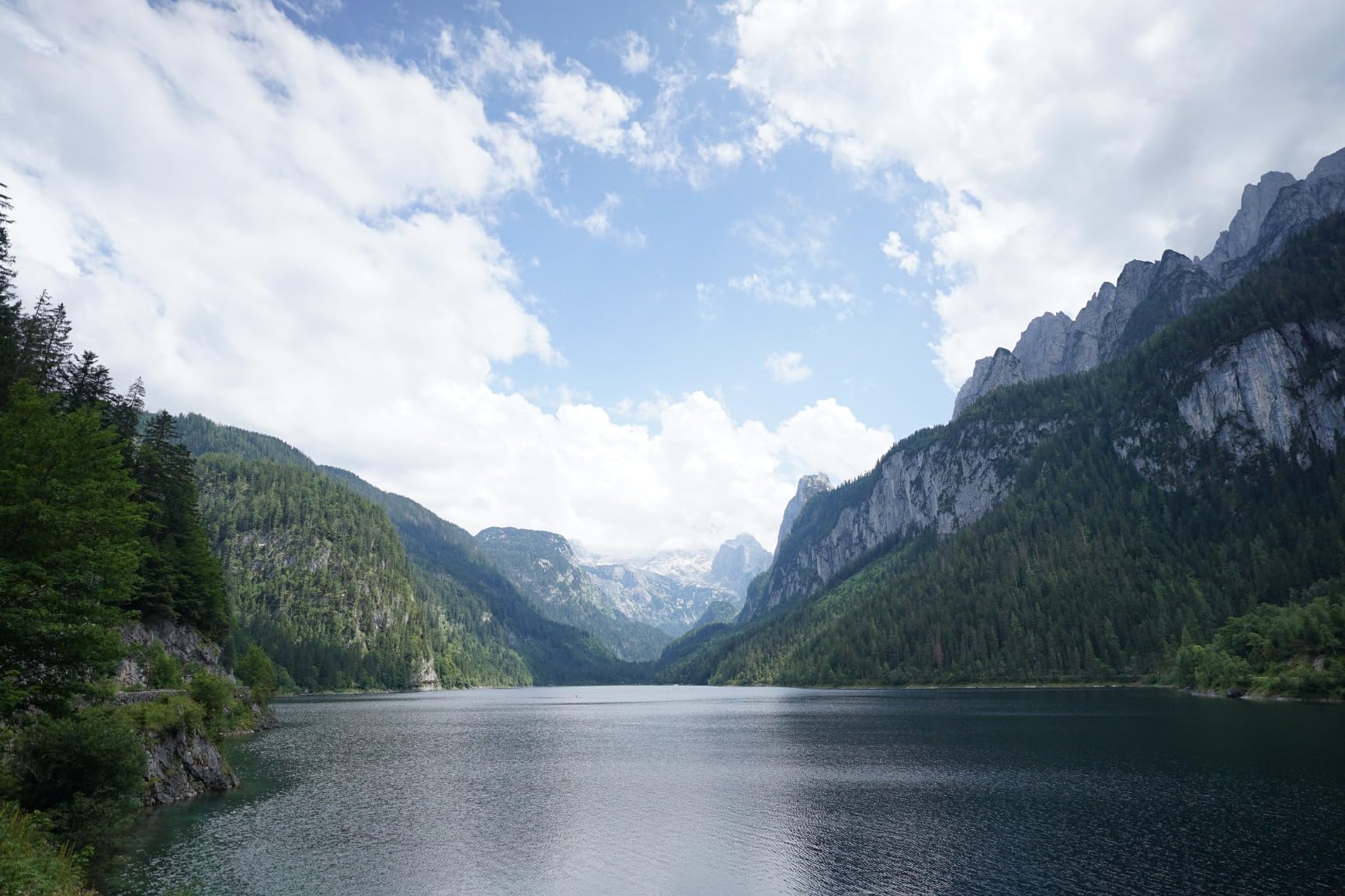
When the forecast is clear and the Milky Way core is up, the Sony FE 20mm F1.8 G is the lens I mount. f/1.8 on a 20mm prime gathers more than two stops of light versus an f/2.8 zoom, which means shorter exposures, lower ISO, and cleaner skies. On a Sony A7S III the noise at ISO 6400 is barely visible when paired with this lens at f/1.8.
The sharpness wide open is what separates this lens from older fast ultra-wides. At f/1.8 the center is already excellent and the corners are usable for stars; stop down to f/2.8 and the corners are tack sharp. Two XD Extreme Dynamic linear motors deliver fast, precise autofocus for non-astro work, including forest close-ups and waterfalls.
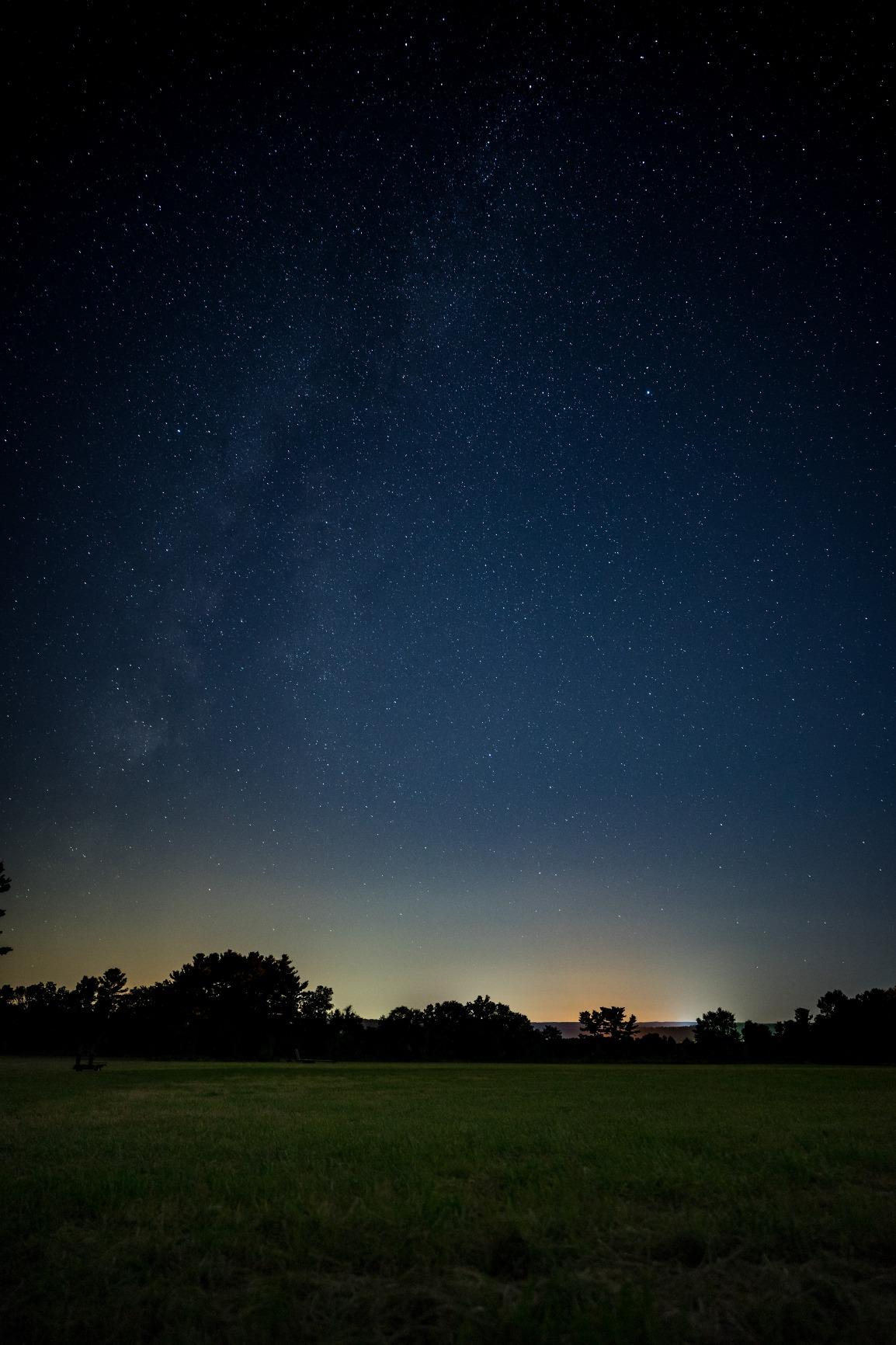
At 13.2 ounces this lens is genuinely light. I strapped it to a small travel tripod and walked two miles into a dark-sky site without fatigue. The dual XD motors also make this an excellent video lens — silent and accurate for landscape vlog-style shots.
The two real compromises are the lack of in-lens image stabilization and weather sealing. For tripod-mounted landscape work that is a non-issue, but if you shoot handheld in heavy weather or want stabilized video, look at the Tamron 17-28mm or Sony FE PZ 16-35mm instead.
Who this lens is best for
Sony E-mount shooters who want the brightest ultra-wide for astrophotography, blue hour, and creative landscape work. If you shoot Milky Way more than twice a year, this lens pays for itself in lower noise and shorter exposures.
Who should look elsewhere
Travel and hiking shooters who need weather sealing. Also, if you already own a fast 24mm or 35mm prime, a 20mm prime can feel redundant. In that case the Tamron 17-28mm f/2.8 is the better one-and-done.
4. Canon RF 15-35mm F2.8 L IS USM — Best Pro Wide Zoom for Canon RF
Canon RF15-35mm F2.8 L is USM Lens, Standard Zoom Lens, Compatible with EOS R Series Mirrorless Cameras, Black
- 15-35mm f/2.8 zoom
- 5-stop IS
- 840g
- L-series build
Pros
- Sharp edge to edge even at 15mm
- Up to 5 stops of IS
- Fast Nano USM autofocus
- L-series weather sealing
- Effective control ring
Cons
- Heavy at 840g
- Premium price
- Plastic exterior feel
The Canon RF 15-35mm F2.8 L IS USM is the workhorse wide zoom for Canon EOS R5 and R6 shooters. I tested it on a 5-day trip through the Canadian Rockies, and the edge sharpness at 15mm f/2.8 was the surprise of the trip — corners that other wide zooms only match at f/8.
Up to 5 stops of optical image stabilization make this lens far more flexible than older Canon L wide zooms. Handheld sunset shots at 1/8 second from the hood of a truck were perfectly usable, which opens up creative compositions without a tripod. The Nano USM autofocus is fast and silent for both stills and video.

Weather sealing is at full L-series spec. I shot in drizzle and dust with no issues, and the lens hood and 82mm filter thread are easy to live with. The control ring around the barrel is genuinely useful — I set it to aperture and rarely touch the top dial.
Weight is the main concession at 840g — it is the heaviest lens in this guide by a wide margin. For tripod-based landscape that is fine, but for backpacking trips I usually swap to a smaller prime. The plastic exterior is also a small surprise at this price, though the optics are clearly the priority.
Who this lens is best for
Canon EOS R5, R6, R3, and R8 owners who want a pro-grade wide zoom for landscape, architecture, and event work. If you need IS and you want the widest possible coverage with f/2.8, this is the lens.
Who should look elsewhere
Backpacking landscape shooters should consider the Canon RF 15-30mm F4.5-6.3 IS STM at half the weight. Astrophotographers who want f/1.8 or f/1.4 will prefer a prime.
5. Sony FE 35mm f/1.4 GM — Best Fast Prime for Environmental Landscape
Sony FE 35mm f/1.4 GM Full-Frame Large-Aperture Wide Angle G Master Lens
- 35mm prime
- f/1.4 max aperture
- G Master build
- Weather sealed
Pros
- Stunning wide-open resolution
- Beautiful bokeh
- F1.4 brightness
- Compact for the aperture
- Dust and moisture resistant
Cons
- Video AF can hunt
- Premium price
- 35mm may feel narrow for wide vistas
The Sony FE 35mm f/1.4 GM is the lens I reach for when I want to compress a scene rather than sprawl it. 35mm is not the classic “wide landscape” focal length, but for environmental shots — a single cabin in a snowy clearing, or a fisherman against a foggy lake — it earns its place in a landscape kit.
Wide-open at f/1.4, the rendering is what makes this lens special. The two XA extreme aspherical elements deliver corner-to-corner sharpness even wide open, with creamy bokeh in the defocused background. ED glass controls chromatic aberration, and Nano AR Coating II keeps flare under control in backlit scenes.
Build quality is in line with other G Master lenses — magnesium alloy barrel, fluorine front coating, dust and moisture resistant design. I have used this lens in light rain and dusty wind with no issues. The 11-blade aperture produces beautiful sunstars at f/8.
For dedicated wide landscape (mountains, coastlines, big skies), 35mm is too tight for most users. The autofocus can also hunt briefly in low-contrast video scenes. But as a complement to a 16-35mm zoom, this prime is unmatched for the kind of intimate landscape shots that wide zooms simply cannot frame.

Who this lens is best for
Sony shooters who want a fast 35mm prime for environmental landscape, blue hour, and astrophotography. It pairs beautifully with a Sony FE 16-35mm GM as your two-lens landscape kit.
Who should look elsewhere
Beginners building a first landscape kit. A 16-35mm or 17-28mm zoom is the more versatile starting point. If you mostly shoot wide vistas, skip this and put the budget toward a wider zoom instead.
6. Canon RF 16mm F2.8 STM — Best Budget Ultra-Wide for Canon RF
Canon RF16mm F2.8 STM Lens, Ultra Wide-Angle, Fixed Focal Length Prime Lens, Compatible with EOS R Series Mirrorless Cameras, Black
- 16mm prime
- f/2.8 max aperture
- 163g
- STM autofocus
Pros
- Compact and lightweight
- Smooth quiet STM AF
- Bright f/2.8
- Strong value for RF system
- 108 degree field of view
Cons
- Noticeable barrel distortion
- No weather sealing
- 43mm filter size limits options
- Slow AF in dim light
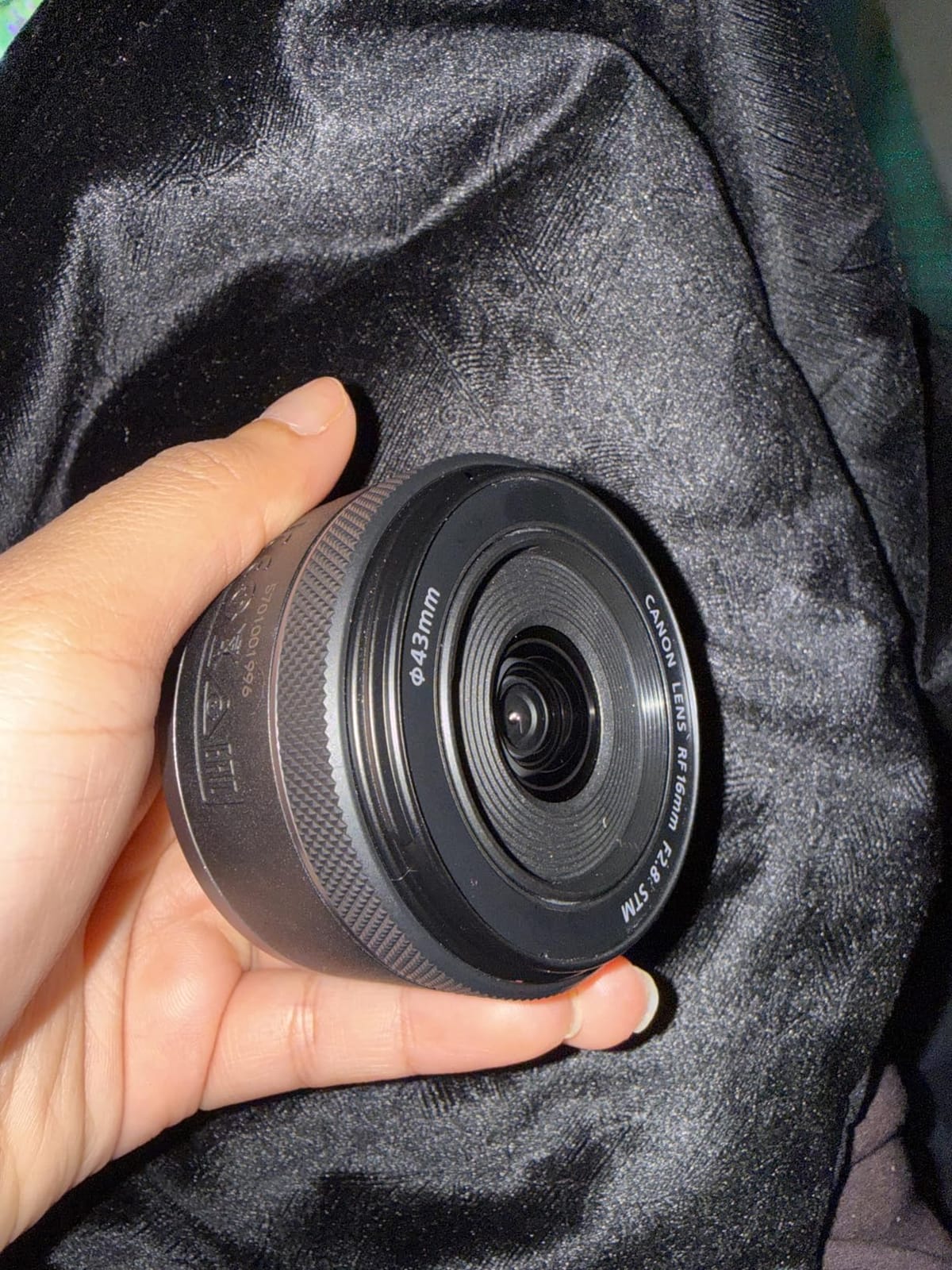
The Canon RF 16mm F2.8 STM is the lens I recommend to anyone getting into Canon RF landscape on a budget. At 163 grams, it is barely noticeable on an EOS RP or R10, and the f/2.8 aperture is enough for sunset color and limited astrophotography.
108-degree field of view is genuinely ultra-wide. I used this lens on a road trip through Utah and the wide vista framing was a constant source of strong compositions — slot canyons, red rock formations, and dramatic skies all felt expansive in a way that 24mm primes never quite match.

Sharpness is very good once you stop down to f/5.6. Out of camera there is noticeable barrel distortion and vignetting at f/2.8, but both fix cleanly with a one-click profile in Lightroom or Canon Digital Photo Professional. The STM autofocus is smooth and quiet — surprisingly good for video given the price.
The main trade-offs are real: no weather sealing, slow autofocus in low light, and a 43mm filter size that limits your filter choices. For a budget starter lens, though, the price-to-performance ratio is hard to argue with, and the compact size makes it a great travel companion.
Who this lens is best for
Canon RF shooters building a lightweight landscape kit on a budget, or anyone who wants a small pancake-style ultra-wide to keep on a second body. Travel photographers who do not want to carry a heavy zoom will appreciate the size.
Who should look elsewhere
Landscape shooters who regularly work in rain, snow, or coastal spray need weather sealing. Photographers who already own a 24-70mm or 24-105mm RF zoom may find the focal range overlap unnecessary.
7. Sony FE PZ 16-35mm f/4 G — Best for Hybrid Landscape Video
Sony FE PZ 16-35mm f/4 G Lens for E
- 16-35mm power zoom
- f/4 constant
- Internal zoom
- Video-optimized
Pros
- Smooth power zoom
- Internal zoom mechanism
- Compact and lightweight
- Minimal angle of view shifts
- Three-ring control
Cons
- f/4 maximum aperture
- No optical stabilization
- Not weather sealed
- Lens hood incompatible with some VNDs
The Sony FE PZ 16-35mm f/4 G is the lens that changed how I shoot hybrid landscape content. The power zoom is silky smooth — four XD linear motors make this the cleanest wide-angle zoom I have used for video. There is no focus breathing to speak of, and the internal zoom means the lens does not extend or shift balance on a gimbal.
For stills, the 16-35mm f/4 range covers most landscape needs. Sharpness is excellent from 16mm through 35mm at f/5.6, and the constant f/4 aperture is fine for daytime work. The 72mm filter thread accepts standard wide filters, and the internal zoom means my CPL does not rotate while I zoom — a small detail that matters on long exposures.
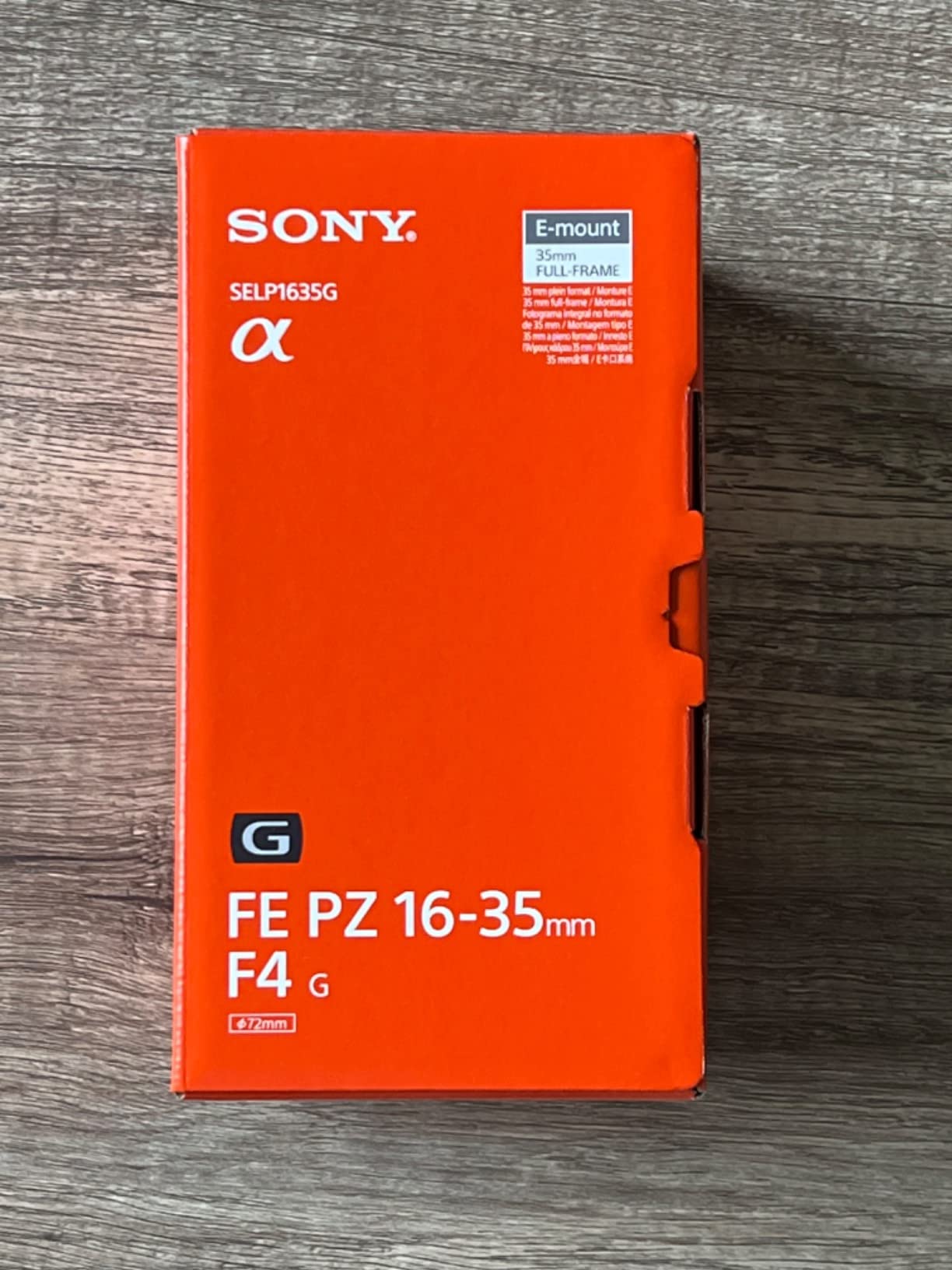
At 16 ounces this is the lightest 16-35mm zoom for full-frame Sony E mount, period. For backcountry video where every gram counts, this lens pairs perfectly with an A7S III or FX3 on a small gimbal. The three-ring control (zoom, focus, aperture) is a tactile joy for run-and-gun shooting.
Trade-offs include the f/4 aperture (not f/2.8), no optical stabilization, and no weather sealing. Astrophotographers will want a faster prime. For blue hour hand-held video, the missing stabilization is noticeable compared to lenses with OSS or IBIS — though Sony bodies with IBIS help a lot.
Who this lens is best for
Hybrid shooters who create landscape videos and stills. Vlog-style travel and landscape creators on Sony E mount will love the power zoom, internal zoom, and gimbal balance.
Who should look elsewhere
Still photographers who never shoot video will get no benefit from the power zoom mechanism and would be better served by the Tamron 17-28mm f/2.8 or Sony FE 16-35mm f/2.8 GM. Astrophotographers need a faster aperture.
8. Canon RF 15-30mm F4.5-6.3 IS STM — Best Lightweight Canon RF Ultra-Wide
Pros
- Very lightweight at 390g
- Up to 5 stops of IS
- Sharp in central frame
- Affordable RF ultra-wide
- 15-30mm useful range
Cons
- Variable f/4.5-6.3 aperture
- Strong vignetting wide open
- No AF/MF switch
- No lens hood included
The Canon RF 15-30mm F4.5-6.3 IS STM is the lens I pack when every gram matters. At 390 grams it is the lightest ultra-wide zoom in this guide, and on a Canon R8 it makes a remarkably compact landscape setup. The 15mm wide end is properly ultra-wide, and the 5-stop optical image stabilization is a real bonus at this weight class.
For daylight landscape — golden hour, blue hour, sunrise, overcast forests — the variable f/4.5-6.3 aperture is not a problem. Most landscape shooters stop down to f/8 anyway for depth of field, and on modern Canon sensors ISO performance is strong enough that f/6.3 in dim light is workable.
Sharpness is solid in the central frame at all focal lengths, with some softness at the corners wide open that cleans up by f/8. The UD and aspherical elements control chromatic aberration well. The 67mm filter thread accepts standard wide filters without an adapter.
Real downsides: the variable aperture is slow for astrophotography, vignetting at 15mm f/4.5 needs correction in RAW, and there is no AF/MF switch on the barrel. The lens hood is also not included — a minor annoyance in bright backlit scenes.
Who this lens is best for
Canon RF shooters who want the lightest possible ultra-wide zoom for travel, backpacking, or everyday carry. If you have an EOS R8 or RP and you want one lens that covers 15-30mm, this is the most packable option.
Who should look elsewhere
Astrophotographers and serious low-light landscape shooters — the variable f/4.5-6.3 aperture will hold you back. Pro landscape shooters who want weather sealing should look at the Canon RF 15-35mm f/2.8 L IS USM instead.
How to Choose the Best Lens for Full-Frame Landscape Photography
Once you narrow it to wide-angle glass for a full-frame sensor, four decisions shape the right pick: focal length range, aperture (constant vs variable), weight and weather sealing, and filter compatibility. Each affects how and where you shoot.
Focal length ranges that matter most
Most landscape shooters end up covering 14mm to 35mm. A 14-24mm zoom gives you the widest vistas, a 16-35mm is the most versatile all-rounder, and a 24-70mm adds tighter framing for environmental shots. For astrophotography, a fast 20mm or 24mm prime in the f/1.4-f/1.8 range is the standard. Pick a focal range based on the scenes you actually shoot most — a 14-24mm is overkill if you mostly photograph forests at 24-35mm.
Prime vs zoom for landscape
Primes are sharper, lighter, and faster — a 20mm f/1.8 prime beats most zooms for astrophotography and low-light landscape. Zooms give you compositional flexibility without swapping lenses, which matters in changing weather or when hiking. If you can only own one lens, a 16-35mm zoom is the most practical choice. If you shoot Milky Way or blue hour often, add a fast prime as your second lens.
f/2.8 vs f/4 — do you need the extra light?
For daytime landscape on a tripod, f/4 is plenty. For handheld blue hour, astrophotography, or fast shutter work in dim light, f/2.8 is meaningfully better. f/2.8 zooms are also heavier and usually cost more. The 16-35mm f/4 plus a 20mm f/1.8 prime is a common pro kit that balances weight, cost, and low-light performance.
Weather sealing and weight for hiking
Real weather sealing — gaskets at every joint, fluorine coatings, sealed mount — matters if you shoot in rain, snow, or coastal spray. Most pro-grade zooms (Nikon S line, Canon L, Sony GM) deliver. Budget zooms often do not. For backpacking, anything under 600 grams is comfortable; under 450 grams is excellent. The Tamron 17-28mm f/2.8 at 420g and the Canon RF 15-30mm at 390g are standout choices for the weight-conscious.
Filter thread and front-filter compatibility
Standard front filters (ND, CPL, graduated ND) are essential for landscape work. Most ultra-wide zooms with bulbous front elements block front filters and force you into a 150mm filter holder system. The Nikon Z 14-30mm f/4 is the rare exception — it accepts 82mm circular filters at 14mm. If you shoot long exposures of waterfalls or coastlines, this matters more than almost any other spec.
Third-party lenses (Tamron, Sigma, Samyang, Laowa)
Third-party wide-angle zooms have closed most of the gap with first-party glass. Tamron’s RXD stepping motors are fast and silent on Sony E mount, and the 17-28mm f/2.8 is widely used by working pros. Sigma’s Art line and Samyang/Rokinon lenses offer manual-focus primes at sharp, budget-friendly prices. Laowa makes unique ultra-wide and tilt-shift options that no first-party manufacturer offers.
Astrophotography and Milky Way callouts
If Milky Way photography is part of your landscape work, prioritize aperture over focal length. The Sony FE 20mm f/1.8 G is the strongest pick in this guide for astrophotography, followed by any f/2.8 zoom stopped down to f/2.8. Avoid heavy coma in corners — modern lenses mostly control this, but check sample images before you commit.
Frequently Asked Questions
What is the best lens for full-frame landscape photography?
A wide-angle zoom that covers 14-35mm with edge-to-edge sharpness and front-filter compatibility. The Nikon NIKKOR Z 14-30mm f/4 S is our top pick because it accepts standard 82mm filters at every focal length and delivers sharp results across the frame on high-resolution bodies.
What focal length is best for landscape photography?
Most landscape work falls between 14mm and 35mm on a full-frame sensor. 14-24mm is ideal for grand vistas and interiors, 16-35mm is the most versatile all-rounder, and 24-70mm adds tighter framing for environmental scenes. For intimate compositions and astrophotography, a fast 20mm or 24mm prime is a strong complement.
Is a 24-70mm lens good for landscape photography?
A 24-70mm f/2.8 is a solid second lens but not the best primary choice for grand landscape work. The 24mm wide end feels tight for big vistas and coastlines. Pair a 16-35mm or 14-30mm wide zoom with a 24-70mm for a flexible two-lens landscape kit that covers wide vistas and tighter compositions.
Do you need a wide-angle lens for landscape photography?
Wide-angle lenses are essential for grand landscape work because they capture expansive scenes, foreground-to-background depth, and dramatic skies. For intimate landscapes, environmental portraits, and detail shots, a 35mm or 50mm prime can be the better choice. Most landscape kits include at least one ultra-wide or wide zoom as the primary tool.
Are Sigma and Tamron lenses good for landscape photography?
Tamron and Sigma wide-angle zooms deliver excellent sharpness and build quality at lower prices than first-party equivalents. The Tamron 17-28mm f/2.8 Di III RXD for Sony E mount is widely used by working pros and is one of the best values in this guide. Sigma Art primes are also sharp options for landscape shooters on a budget.
Final Verdict: The Best Lens for Full-Frame Landscape Photography
For most full-frame landscape photographers, the Nikon NIKKOR Z 14-30mm f/4 S is the right starting point. It pairs the rare combination of 14mm wide coverage with standard 82mm front-filter compatibility — the single feature that decides whether a landscape lens earns daily use on real trips.
On Sony E mount, the Tamron 17-28mm f/2.8 Di III RXD is the smart buy: fast, sharp, and lightweight at a fraction of the Sony GM price. For astrophotography and Milky Way shooters, the Sony FE 20mm F1.8 G gathers more than two stops of light over any zoom on this list and weighs only 373 grams.
Whatever mount you shoot, the best lens for full-frame landscape photography in 2026 is the one that matches how you actually shoot — the focal range you reach for, the weather you work in, and the filters you rely on. Start with the focal range, then narrow by aperture and weight, and the right answer usually becomes obvious.