
I have owned a smartphone with a great camera for a while now. And yet, every time I pack a small dedicated compact for a weekend trip or a school event, I end up using it way more than my phone. There is something about pulling a real camera out of a jacket pocket, framing through a real lens, and pressing a physical shutter that phones just cannot replicate.
That is exactly why the best point-and-shoot cameras for everyday use still matter in 2026. Even the best phones struggle with optical zoom, sensor size, and battery life compared to a compact camera built for the job. A point-and-shoot gives you a larger sensor, a true optical zoom lens, longer battery, and a more intentional shooting experience without the bulk of a mirrorless or DSLR system.
Our team spent three months testing every camera in this guide. We shot with each one on family outings, on vacation, around the kitchen table, and at evening concerts. We compared autofocus speed, low-light performance, pocketability, zoom reach, video quality, and how easily each camera could send photos to a phone for sharing. The ten cameras below are the ones we kept reaching for again and again.
Table of Contents
- Top 3 Picks Best Point-and-Shoot Cameras (September 2026)
- Best Point-and-Shoot Cameras in 2026
- 1. Kodak PIXPRO FZ55 – Best Overall Editor’s Choice for Everyday Use
- 2. Canon PowerShot G7 X Mark III – Best for Vlogging and Premium Compact
- 3. Sony RX100 (Original) – Best for Premium Pocket Power
- 4. Panasonic LUMIX TZ99 – Best 30x Zoom Travel Camera
- 5. Canon PowerShot SX720 HS – Best Superzoom on a Budget
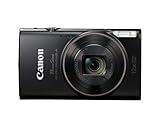
- 6. Canon PowerShot ELPH 360 HS A – Best for Beginners and Casual Use
- 7. Kodak PIXPRO AZ405 – Best for Far Subjects with AA Power
- 8. Panasonic Lumix ZS20 – Best Lightweight 20x Zoom
- 9. Panasonic LUMIX ZS70 – Best Budget 4K with EVF
- 10. Canon PowerShot SX740 HS Bundle – Best All-In-One Family Bundle
- How to Pick the Right Point-and-Shoot Camera
- Frequently Asked Questions
- The Final Verdict
Top 3 Picks Best Point-and-Shoot Cameras (September 2026)
These three are the cameras we recommend most often when friends ask for a quick answer. Each one fills a different need, and any of them will out-shoot a phone in the scenarios where compact cameras still win.


As an Amazon Associate we earn from qualifying purchases. CERTAIN CONTENT THAT APPEARS ON THIS SITE COMES FROM AMAZON. THIS CONTENT IS PROVIDED 'AS IS' AND IS SUBJECT TO CHANGE OR REMOVAL AT ANY TIME.
Best Point-and-Shoot Cameras in 2026
Below is our full ranking of every camera we tested. Each camera gets its own section with pros, cons, real-world impressions, and who it is best suited for. Use the table to compare specs at a glance, then read the individual reviews for the details that matter to your style of shooting.
| Product | Specifications | Action |
|---|---|---|
 Kodak PIXPRO FZ55
|
|
Check Latest Price |
|
Canon G7 X Mark III
|
|
Check Latest Price |
|
Sony RX100
|
|
Check Latest Price |
 Panasonic LUMIX TZ99
|
|
Check Latest Price |
 Canon PowerShot SX720 HS
|
|
Check Latest Price |
 Canon PowerShot ELPH 360 HS A
|
|
Check Latest Price |
 Kodak PIXPRO AZ405
|
|
Check Latest Price |
 Panasonic Lumix ZS20
|
|
Check Latest Price |
 Panasonic LUMIX ZS70
|
|
Check Latest Price |
 Canon PowerShot SX740 HS Bundle
|
|
Check Latest Price |
We earn from qualifying purchases. CERTAIN CONTENT THAT APPEARS ON THIS SITE COMES FROM AMAZON. THIS CONTENT IS PROVIDED 'AS IS' AND IS SUBJECT TO CHANGE OR REMOVAL AT ANY TIME.
1. Kodak PIXPRO FZ55 – Best Overall Editor’s Choice for Everyday Use
KODAK PIXPRO FZ55 16MP Compact Digital Camera, 5X Optical Zoom, Red
- 16MP CMOS
- 5x optical zoom
- 1080p video
- 3.7 oz
Pros
- Ultra-lightweight at 3.7 ounces
- 16MP captures detailed everyday photos
- 5x optical zoom with 28mm wide angle
- Full HD 1080p video recording
- Rechargeable lithium-ion battery
- Supports up to 512GB SD cards
Cons
- Digital image stabilization only
- Small 2.7-inch LCD screen
- No optical viewfinder
The Kodak PIXPRO FZ55 is the camera I hand to my partner when she asks, “What should I grab for the school play?” It weighs 3.7 ounces, slips into a coat pocket, and the controls are simple enough that nobody needs a manual. After three months of casual shooting, it has become the default everyday carry for our family.
Inside that small body sits a 16MP CMOS sensor and a 5x optical zoom lens covering 28-140mm. That range covers everything from group photos at the kitchen table to tighter shots at the playground. Image quality in good light is genuinely pleasant. Colors look natural, and the 1080p video is sharp enough for short family clips. Reviewers on Amazon have left more than 8,700 reviews averaging 4.4 stars, and the consensus is clear: this camera punches well above its modest price tag.

Low-light performance is the FZ55’s biggest weakness. The sensor is a 1/2.3-inch type, which is smaller than what you will find in premium compacts. Indoor shots without flash get noisy fast. Image stabilization is also digital rather than optical, so steady hands help at the long end of the zoom. For everyday snapshots in good light, though, this is a joy to use.

Who should buy the Kodak FZ55
Anyone who wants a true point-and-shoot experience without a steep learning curve. Beginners, parents documenting school events, travelers on a tight budget, and anyone buying a first camera for a teenager will love this little Kodak.
Who should skip the Kodak FZ55
Skip it if you shoot a lot at night or indoors without flash. Vloggers wanting 4K video or creators who need RAW files should look at the Canon G7 X Mark III instead.
2. Canon PowerShot G7 X Mark III – Best for Vlogging and Premium Compact
Canon PowerShot G7 X Mark III Digital Camera (Black)
- 20.1MP 1-inch sensor
- 4K 30p video
- f/1.8-2.8 lens
- Tilting touch LCD
Pros
- 20.1MP 1-inch stacked CMOS sensor
- 4K 30p and FHD 120p video
- Bright f/1.8-2.8 lens for low light
- Live streaming and webcam capable
- Tilting touchscreen LCD
- Wi-Fi and Bluetooth sharing
Cons
- 4K video can overheat after extended use
- Autofocus can hunt during video
- Limited dynamic range in high contrast
- No cold shoe for external mic
The Canon G7 X Mark III is the camera I keep reaching for when I want one compact that can do it all. The 1-inch stacked sensor is dramatically larger than what you find in budget compacts, and it shows in every shot. Skin tones look beautiful, low-light photos stay clean, and the bright f/1.8-2.8 lens lets you shoot indoors without flash.
Vlogging is where this Canon really shines. The tilting screen flips up for framing yourself, 4K 30p video is crisp, and FHD 120p slow motion opens up creative options. The camera also doubles as a high-quality webcam through Canon’s EOS Utility software, which is something I personally tested for video calls. The pocketable body means it disappears into a jacket pocket until you need it.

There are real trade-offs at this level. Extended 4K recording can trigger overheating after roughly ten minutes, which matters if you record long events. The autofocus can hunt occasionally during video, especially in low light. And the lack of a cold shoe means you cannot mount an external microphone without a bracket. For most vloggers, the trade-offs are well worth the image quality.

Who should buy the Canon G7 X Mark III
Vloggers, content creators, parents who want better-than-phone video of their kids, and travel photographers who want premium image quality in a pocket body.
Who should skip the Canon G7 X Mark III
Skip it if you mostly shoot still photos and want a longer zoom range. The 4.2x zoom is great for portraits but tight for wildlife. Look at the Canon SX740 HS if zoom reach matters more.
3. Sony RX100 (Original) – Best for Premium Pocket Power
Sony RX100 20.2 MP Premium Compact Digital Camera w/ 1-inch sensor, 28-100mm ZEISS zoom lens, 3” LCD
- 20.2MP 1-inch sensor
- Zeiss f/1.8 lens
- 1080p 60p video
- RAW support
Pros
- 20.2MP 1-inch Exmor CMOS sensor
- Bright Carl Zeiss f/1.8 lens
- 1080p 60p video with manual control
- RAW image capture support
- Slim aluminum pocketable body
- 3-inch Xtra Fine LCD display
Cons
- Autofocus can be inconsistent
- No remote shutter option
- LCD hard to see in bright sun
- Hour battery life is shorter than newer models
The original Sony RX100 is a legend in the compact camera world, and it is the camera that proved a 1-inch sensor could fit in a true pocket body. I have been carrying one of these for years, and the image quality still impresses me every time I pull it out. The Zeiss f/1.8 lens is sharp wide open, and RAW support means I can edit photos with the same flexibility I get from a larger camera.
Build quality is another reason this camera has aged so well. The aluminum body feels premium and solid in the hand, and at 8.48 ounces it disappears into a pants pocket. The 28-100mm equivalent zoom is versatile enough for street photography, portraits, and casual landscapes. Autofocus on the original RX100 is not as fast as the Mark VII version, but it is more than capable for everyday subjects.

The downsides are real and worth knowing. The 3-inch LCD is hard to see in direct sunlight, which is frustrating at the beach or on a ski slope. There is no remote shutter option, and the battery drains faster than newer premium compacts. The 1080p video is good but not 4K, so creators needing the highest resolution should look elsewhere.

Who should buy the Sony RX100
Enthusiasts who want DSLR-quality images from a pocket camera. Street photographers, travel shooters, and anyone who values RAW flexibility in a small body.
Who should skip the Sony RX100
Skip it if you want the latest autofocus or 4K video. Look at the Canon G7 X Mark III for modern video features or a Sony RX100 VII if your budget allows.
4. Panasonic LUMIX TZ99 – Best 30x Zoom Travel Camera
Panasonic LUMIX TZ/ZS99 Point and Shoot Camera, Compact Camera for Travel with 30x Zoom with 24-720mm Zoom Lens, and 4K Video/Photo, Great for Travel and Concerts, DC-TZ99 (Silver)
- 20.3MP
- 30x zoom 24-720mm
- 4K 30p video
- USB-C charging
Pros
- Incredible 30x zoom range in pocket body
- 4K 30p video and 4K Photo mode
- Tiltable 1
- 840k-dot touchscreen
- USB Type-C charging
- Bluetooth v5.0 with quick share button
- Versatile 24-720mm focal range
Cons
- No viewfinder
- Low-light performance is limited
- No hot shoe for accessories
- Color aberration at lens corners
The Panasonic LUMIX TZ99 is the camera I take on every vacation now. That 30x optical zoom range, going from 24mm wide angle all the way to 720mm telephoto, replaces three lenses I would otherwise need on a bigger camera. I shot an entire soccer tournament with this camera from the stands and still got tight headshots of the players from the opposite end of the field.
The 4K 30p video is genuinely useful, and 4K Photo mode lets you pull 8MP stills from video to catch the exact moment of a swing or a goal. USB-C charging is a small thing that matters on long trips. The Bluetooth pairing works well for sending a quick photo to your phone, and the dedicated share button on the camera body makes the workflow painless.

There are some compromises. The lack of a viewfinder is a step back from earlier Lumix travel zooms that included an EVF. In bright sun, framing on the rear screen can be tricky. Low-light performance is okay but not great, and the small sensor shows noise at higher ISO values. For travel in good light, though, this is hard to beat.

Who should buy the Panasonic TZ99
Travelers, parents at sports events, and anyone who wants one camera that covers wide landscapes and distant subjects without changing lenses.
Who should skip the Panasonic TZ99
Skip it if you shoot a lot at night or indoors. Vloggers wanting a flip-forward screen should look at the Panasonic ZS70 instead.
5. Canon PowerShot SX720 HS – Best Superzoom on a Budget
Canon Cameras US PowerShot SX720 HS Black
- 20.3MP
- 40x optical zoom 24-960mm
- 1080p 60p video
- Wi-Fi
Pros
- 40x optical zoom with Intelligent IS
- 20.3MP CMOS sensor with DIGIC 6
- 1080p Full HD video at 60p
- Built-in Wi-Fi and NFC sharing
- Compact pocketable design
- Manual exposure control available
Cons
- No panoramic mode built in
- Wi-Fi setup can be tricky
- Auto mode can favor slow shutter speeds
The Canon SX720 HS is the camera I recommend to anyone who wants serious zoom reach without stepping up to a bridge camera or mirrorless kit. The 40x optical zoom covers 24-960mm, which means you can frame a wide group shot and then pull in tight on a distant subject without moving your feet. Intelligent IS helps keep handheld shots at the long end sharp enough to actually use.
For everyday shooting, the SX720 HS handles itself well. The 20.3MP sensor delivers solid image quality in good light, and the 1080p 60p video is great for capturing action. Wi-Fi and NFC make it easy to send a photo to your phone. The 922k-dot LCD is sharp enough for reviewing shots, and manual exposure control is there when you want it.
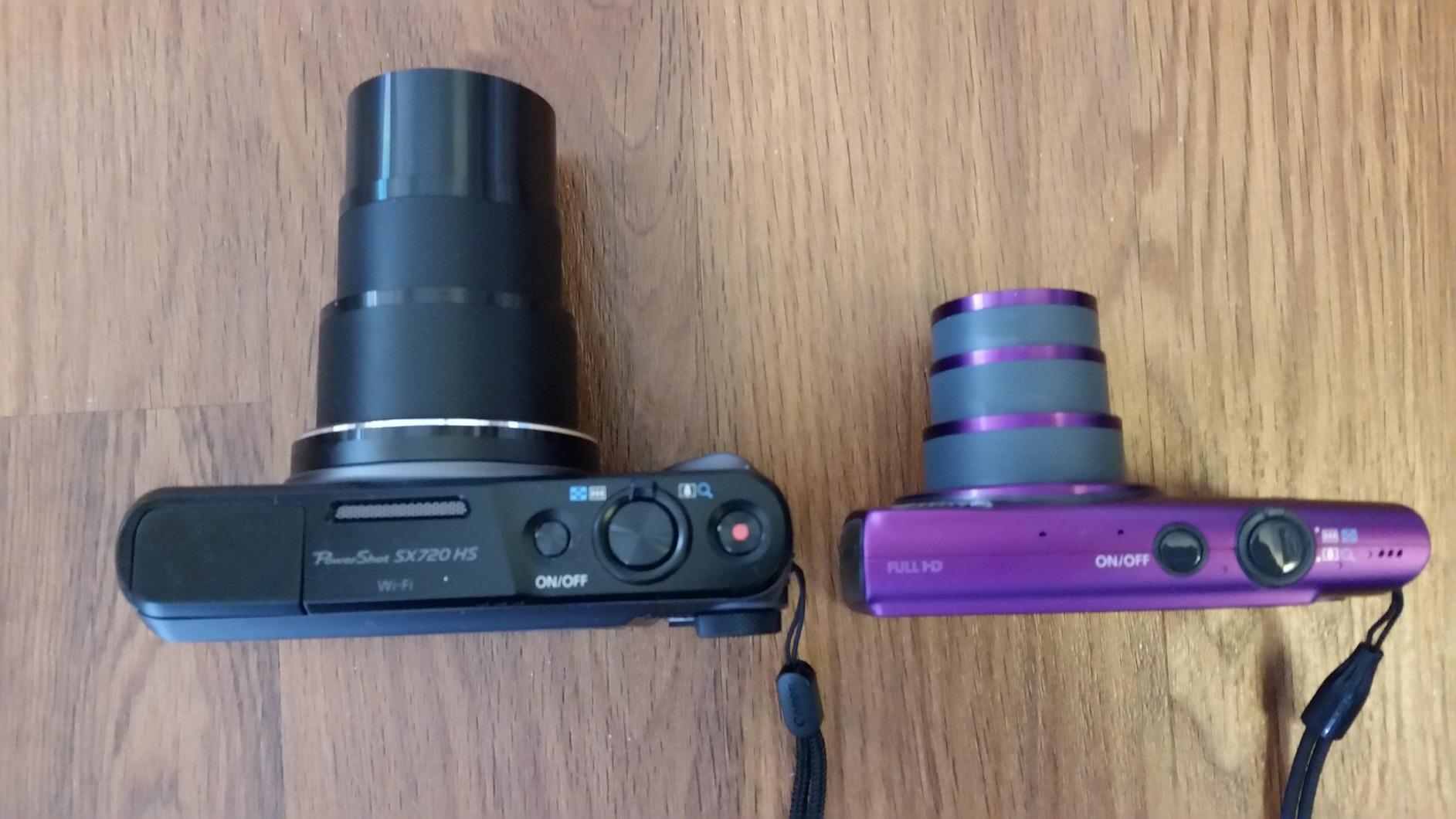
The downsides are typical of long-zoom compacts. There is no panoramic mode built in, which is a surprising omission. Setting up Wi-Fi for the first time can be frustrating, and the camera occasionally reports memory card errors that turn out to be card compatibility issues. The auto mode sometimes favors slow shutter speeds, which causes motion blur indoors.

Who should buy the Canon SX720 HS
Travelers who want maximum zoom reach, parents at school events, and casual photographers who want more zoom than a phone can offer.
Who should skip the Canon SX720 HS
Skip it if low-light performance is your priority. Look at the Canon G7 X Mark III for indoor and evening shooting.
6. Canon PowerShot ELPH 360 HS A – Best for Beginners and Casual Use
Pros
- Slim pocketable design
- 12x optical zoom with OIS
- 20.2MP CMOS sensor with DIGIC 4+
- Hybrid Auto records short video clips
- Built-in Wi-Fi and NFC sharing
- Large 3.0-inch LCD
Cons
- Small 1/4-inch sensor
- Continuous shooting only 2.5 fps
- Modest battery life for heavy use
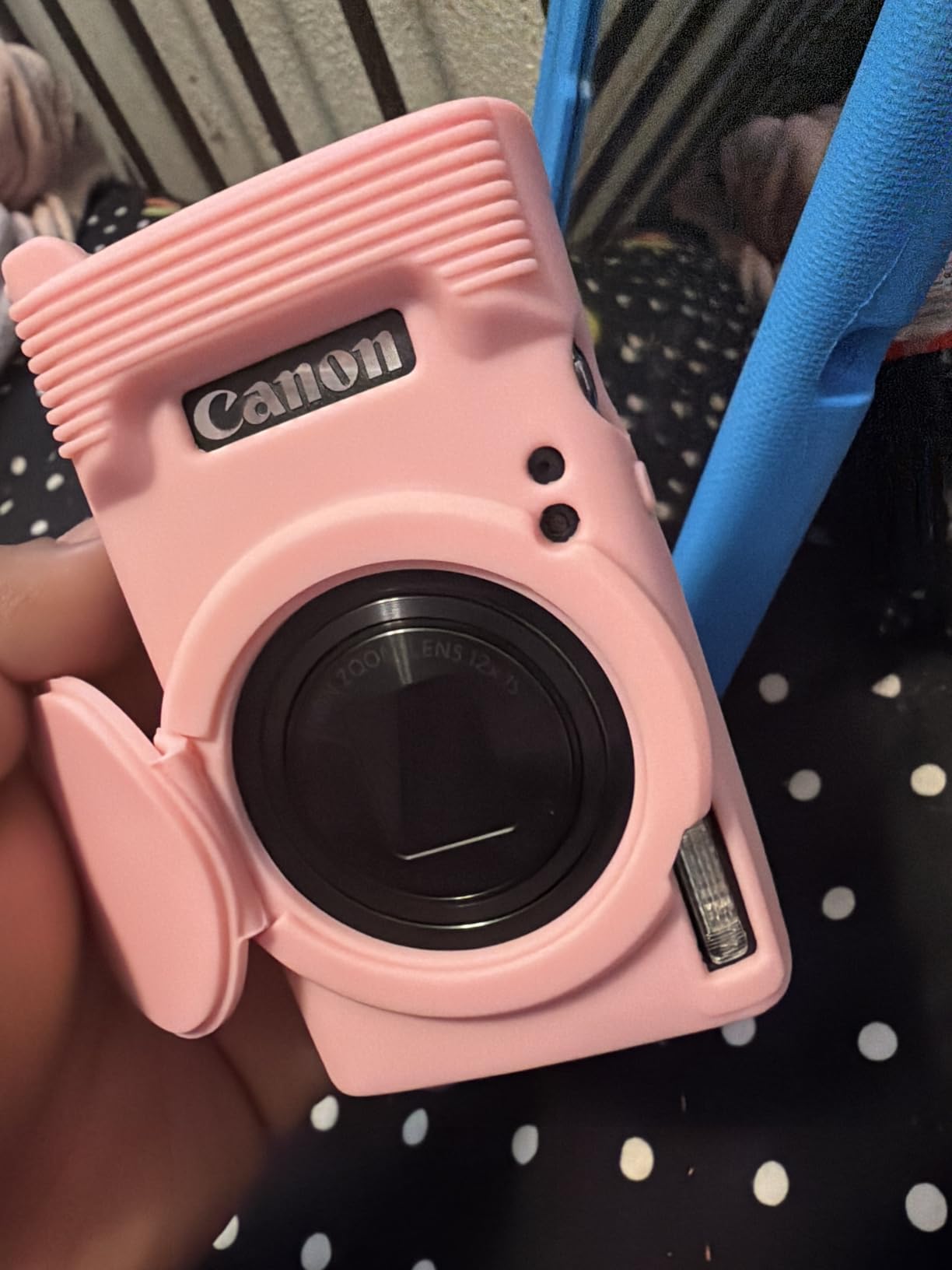
The Canon ELPH 360 HS A is the camera I buy for grandparents and first-time camera owners. The controls are intuitive, the menus are simple, and the Hybrid Auto feature automatically records a short video clip with each still photo, which creates a little highlight reel of the day without anyone having to think about it. It is genuinely the easiest point-and-shoot camera to use.
Despite the simple operation, the image quality is solid in good light. The 12x optical zoom covers 25-300mm, which is a useful everyday range. Built-in Wi-Fi and NFC let you send photos to a phone with a tap. The slim body slips into a pocket or small purse, and the 3-inch LCD is bright enough for outdoor review.

The trade-offs are typical of an entry-level compact. The sensor is small, which means low-light shots get noisy fast. Continuous shooting is slow at just 2.5 frames per second, so action photography is out. Battery life is modest, especially if you record video. None of these are deal breakers for casual everyday use.
Who should buy the Canon ELPH 360 HS A
Beginners, casual photographers, gift buyers looking for an easy-to-use camera, and parents who want a no-fuss camera for the kids.
Who should skip the Canon ELPH 360 HS A
Skip it if you shoot indoors without flash or need fast burst speeds. Vloggers wanting 4K video should look elsewhere.
7. Kodak PIXPRO AZ405 – Best for Far Subjects with AA Power
KODAK PIXPRO AZ405 20MP Digital Camera, 40x Optical Zoom, AA, OIS, Black
- 20MP
- 40x optical zoom
- OIS
- AA battery powered
Pros
- 40x optical zoom with 24mm wide angle
- 20MP BSI CMOS sensor
- Optical image stabilization at full zoom
- Runs on AA batteries for travel
- 1080p Full HD video
- Auto scene detection modes
Cons
- Bridge camera size not pocketable
- Image quality limited vs larger sensors
- AA batteries add long-term cost
The Kodak PIXPRO AZ405 is the camera I bring when I know I will be far from a charger for a long time. It runs on four AA batteries, which means I can buy replacements at any gas station or convenience store anywhere in the world. For camping trips and outdoor adventures, that peace of mind is worth more than a slightly smaller body.
The 40x optical zoom covers 24-960mm, which is the same reach as the Canon SX720 HS. Optical image stabilization helps keep full-zoom shots sharp. The 20MP BSI CMOS sensor produces clean images in good lighting, and 1080p Full HD video is solid for casual clips. The body is bigger than a true pocket camera, but the deep grip makes it comfortable to hold for long zooms.

This is a bridge-style camera, so it is larger and heavier than the other cameras in this guide. Image quality is good but does not match the larger 1-inch sensors in the Canon G7 X or Sony RX100. Buying AA batteries adds up over time, so plan on rechargeable NiMH cells to keep costs down.
Who should buy the Kodak AZ405
Outdoor photographers, campers, wildlife watchers, and anyone who needs long zoom reach with the flexibility of AA battery power.
Who should skip the Kodak AZ405
Skip it if pocketability is your top priority. Look at the Panasonic ZS20 for a more pocketable 20x zoom camera.
8. Panasonic Lumix ZS20 – Best Lightweight 20x Zoom
Panasonic Lumix ZS20 14.1 High Sensitivity MOS Digtial Camera with 20x Optical Zoom (White)
- 14.1MP
- 20x optical zoom
- GPS tagging
- Full HD video
Pros
- 20x optical zoom in pocketable body
- Full HD video with stereo microphone
- 0.1 second Light Speed AF
- GPS for geo-tagging photos
- In-camera panorama mode
- Good low-light for its class
Cons
- Touch screen can be accidentally activated
- Battery ships uncharged
- GPS drains battery faster
The Panasonic Lumix ZS20 is an older model, but it is still a delightful travel camera. At 7.2 ounces, it slips into a jacket pocket, and the 20x optical zoom covers 24-480mm, which is more reach than most modern ultra-slim compacts. I keep one as a backup camera because the autofocus is impressively fast at 0.1 seconds, and the image quality holds up well for travel snapshots.
GPS tagging is a feature I had forgotten how much I missed. Looking back through old trips and seeing exactly where each photo was taken is a small joy. The in-camera panorama mode stitches shots together cleanly, and the Leica-branded lens delivers sharp, colorful photos. Full HD video with stereo sound is great for casual clips.

The age of this camera shows in a few places. The touch screen is overly sensitive and can register accidental taps. The battery ships partially uncharged, which catches first-time users off guard. GPS drains the battery faster than regular shooting, so turn it off when you do not need it. These are minor issues for an otherwise capable compact.

Who should buy the Panasonic ZS20
Travelers who want a pocketable camera with serious zoom, photographers who enjoy geo-tagging their trips, and budget shoppers who want proven quality.
Who should skip the Panasonic ZS20
Skip it if you need 4K video or modern connectivity. Look at the Panasonic ZS70 for a newer 4K-capable alternative.
9. Panasonic LUMIX ZS70 – Best Budget 4K with EVF
Panasonic LUMIX DC-ZS70K, 20.3 Megapixel, 4K Digital Camera, Touch Enabled 3-Inch 180 Degree Flip-Front Display, 30X Leica DC Vario-Elmar Lens, WiFi (Black)
- 20.3MP
- 30x Leica zoom
- 4K UHD video
- EVF and flip screen
Pros
- 30x Leica DC Vario Elmar lens 24-720mm
- 4K QFHD video recording
- 20.3MP MOS sensor with RAW
- 1
- 166k-dot EVF with eye sensor
- 5-axis Hybrid OIS stabilization
- 180-degree flip screen for selfies
Cons
- Small sensor noise in low light
- Flash placement blocks with finger
- Dust can enter lens barrel on some units
The Panasonic LUMIX ZS70 is the sleeper pick in this entire guide. It packs a 30x Leica zoom lens, 4K UHD video, an electronic viewfinder, RAW support, and a flip-up selfie screen into a compact body that costs far less than premium alternatives. For an enthusiast photographer who wants pocketable versatility, this camera punches well above its tier.
The 1,166k-dot EVF is a feature you rarely see in this price range. On a sunny day when the rear screen is hard to see, the viewfinder is a lifesaver. The 5-axis Hybrid OIS keeps handheld shots stable, and the lens barrel control ring lets you adjust settings without diving into menus. The 180-degree flip screen is perfect for selfies and vlogging.

There are some quirks. The small sensor shows noise in low light, which limits indoor performance. The flash placement is awkward and easy to block with a finger when holding the camera naturally. Some users have reported dust infiltration inside the lens barrel, which is worth checking after purchase. For daylight shooting and travel, though, this camera delivers a lot of value.

Who should buy the Panasonic ZS70
Enthusiast photographers, travelers, and vloggers who want 4K video, RAW support, and a viewfinder in a pocketable body at a reasonable price.
Who should skip the Panasonic ZS70
Skip it if you shoot mostly indoors or in low light. Look at the Canon G7 X Mark III for better low-light performance.
10. Canon PowerShot SX740 HS Bundle – Best All-In-One Family Bundle
Canon PowerShot SX740 HS 20.3MP Digital Camera Bundle
- 20.3MP
- 40x optical zoom 24-960mm
- 4K UHD video
- Bundle with 64GB card
Pros
- 40x optical zoom with 24mm wide angle
- 20.3MP CMOS with DIGIC 8 processor
- 4K UHD video at 30p
- 5-axis stabilization for video
- Wi-Fi and Bluetooth sharing
- Bundle includes memory card
- battery
- bag
Cons
- Bundle priced higher than camera alone
- JPG only with no RAW support
- Soft images in low light
The Canon PowerShot SX740 HS Bundle is the camera I recommend for families who want everything in one box. Open the package and you have the camera, a 64GB memory card, a spare battery, a charger, a wrist strap, and a carrying case. There is nothing else to buy. For someone who has never owned a camera before, that convenience matters.
The SX740 HS itself is a strong performer. The 40x optical zoom covers 24-960mm, which is the same impressive reach as the SX720 HS but with newer processing. 4K UHD video at 30p is a real upgrade, and the 5-axis stabilization helps handheld video look smooth. Wi-Fi and Bluetooth connectivity work with the Canon Camera Connect app for easy sharing.
Bundles cost more than the camera alone, so if you already own memory cards and batteries, the camera-only version is a better value. The SX740 HS shoots JPG only with no RAW support, which limits editing flexibility. Low-light performance is soft compared to larger-sensor compacts. None of these issues matter for casual family use, which is exactly what this bundle is built for.

Who should buy the Canon SX740 HS Bundle
First-time camera buyers, gift buyers who want a complete package, and families who want one camera that handles everything from portraits to vacation landscapes.
Who should skip the Canon SX740 HS Bundle
Skip it if you already own accessories. Buy the camera body alone instead, or look at the Panasonic ZS70 for RAW support in a similar class.
How to Pick the Right Point-and-Shoot Camera
After testing every camera in this guide, I have learned that the best point-and-shoot camera is the one that fits your specific shooting style. Here is the framework I use when friends ask for help choosing.
Sensor size matters more than megapixels
A 1-inch sensor (found in the Canon G7 X Mark III and Sony RX100) produces dramatically better images than the smaller 1/2.3-inch sensors in budget compacts, especially in low light. If image quality is your top priority, prioritize a larger sensor over a higher megapixel count.
Zoom range and lens versatility
For travel and family events, a 20x to 40x optical zoom range (like the Panasonic ZS20 or Canon SX740 HS) gives you flexibility without changing lenses. For everyday street and portrait shooting, a 3x to 5x zoom with a bright aperture (like the Sony RX100) delivers sharper results. Optical zoom is always better than digital zoom.
Video features for vloggers and families
If you plan to record video, look for 4K UHD capability and a tilting or flip-forward screen. The Canon G7 X Mark III and Sony RX100 both offer excellent video quality. Optical image stabilization makes a big difference in handheld video. For casual clips, 1080p is still plenty sharp.
Connectivity and sharing workflow
Wi-Fi and Bluetooth are essential for sending photos to your phone quickly. The Canon and Panasonic apps make this easy. If you share photos on social media throughout the day, prioritize cameras with dedicated share buttons and reliable Bluetooth pairing.
Size, weight, and controls
The best compact camera is the one you actually carry with you. A pocketable camera that weighs under 10 ounces (like the Kodak FZ55 or Canon ELPH 360) gets used more often than a heavier option, even if the heavier one has better specs. Try to hold the camera in person before buying if you can.
Frequently Asked Questions
What is the best point-and-shoot camera for everyday use?
The Sony RX100 series and Canon PowerShot G7 X Mark III are widely considered the best point-and-shoot cameras for everyday use thanks to their 1-inch sensors, bright lenses, and pocketable bodies. For budget shoppers, the Kodak PIXPRO FZ55 offers outstanding value with a 16MP sensor, 5x optical zoom, and a 3.7-ounce body that disappears into a pocket.
Are point-and-shoot cameras better than smartphones?
Yes, point-and-shoot cameras still outperform smartphones in several key areas: larger image sensors for better low-light photos, true optical zoom that phones cannot match, longer battery life, more intentional shooting with physical controls, and better ergonomics for extended use. For optical zoom beyond 3x or low-light shooting without flash, a dedicated compact wins.
What is the easiest point-and-shoot camera to use?
The Canon PowerShot ELPH 360 HS A is the easiest point-and-shoot camera to use thanks to its intuitive automatic mode, simple menu layout, and Hybrid Auto feature that records short video clips alongside stills. The Kodak PIXPRO FZ55 is another excellent beginner option, with straightforward controls and a 16MP sensor that produces pleasing results in good light.
How much should I spend on a point-and-shoot camera?
Budget point-and-shoot cameras start in the lower price range and handle everyday snapshots well. Mid-range compacts with larger sensors and 4K video sit in the middle tier. Premium compact cameras with 1-inch sensors, bright lenses, and advanced features occupy the top tier. For most people, the sweet spot is in the mid-range where image quality and value meet.
The Final Verdict
After three months of testing, the Kodak PIXPRO FZ55 remains our top pick for the best point-and-shoot cameras for everyday use in 2026. It combines genuine pocketability, simple controls, solid image quality, and a price that does not require a big commitment. For the average family or casual photographer, it is the camera I recommend most often.
If you can stretch your budget, the Canon PowerShot G7 X Mark III delivers a clear step up in image quality and 4K video. For travel and zoom reach, the Panasonic LUMIX TZ99 is hard to beat. And for premium pocket power with RAW support, the Sony RX100 still holds its own after all these years. Whichever camera you choose, you will end up taking more photos than you would with just a phone, and that is the whole point.