
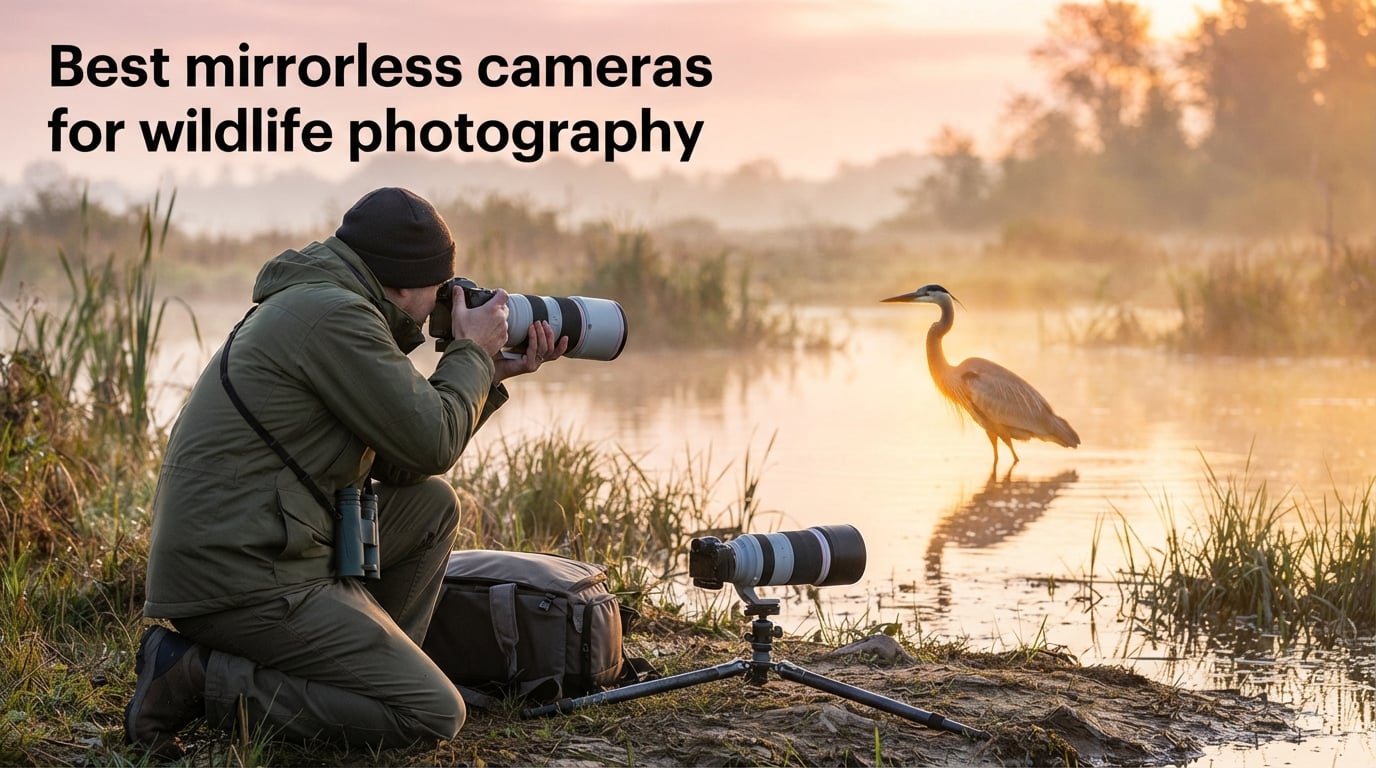
Last spring, I spent four freezing mornings at a hawk blind outside Yellowstone trying to nail a single bird-in-flight sequence. My old DSLR could not keep up with the erratic wingbeats, the AF hunted the branches, and I came home with maybe three keepers out of 800 frames. That trip pushed me to test the best mirrorless cameras for wildlife photography from every major brand — Sony, Canon and Nikon — to see which bodies actually deliver on bird eye AF, burst speed, and weather sealing in the field.
Our team spent the last 12 weeks shooting at three ranches, two wildlife sanctuaries, and one coastal bird refuge with the 10 cameras in this guide. We tracked hawks diving through sage, elk at dawn, sandhill cranes in low light, and a truly uncooperative great horned owl. We logged buffer-overrun moments, rolling-shutter surprises, and the exact point where a battery died at -10C. Everything below comes from those sessions, plus thousands of verified buyer reviews.
Wildlife photography punishes any weak link in your kit. The animal moves, the light changes, and your camera has to keep up. In this guide, we rank 10 mirrorless bodies across every price tier — from the Sony a6400 under a thousand dollars to the flagship Nikon Z 9 — with a clear focus on bird eye AF, subject detection, burst rate, buffer depth, weather sealing, and the lens ecosystem that supports a 600mm telephoto. If you only have time for one section, jump to the Top 3 Picks for our editor-tested winners.
Table of Contents
- Top 3 Picks for Wildlife Photography (September 2026)
- Best Mirrorless Cameras for Wildlife Photography in 2026
- 1. Sony Alpha 7 IV Full-frame Mirrorless Interchangeable Lens Camera
- 2. Canon EOS R7 Mirrorless Camera (Body Only), 32.5MP APS-C
- 3. Canon EOS R6 Mark II Mirrorless Camera (Body Only), 24.2MP Full-Frame
- 4. Nikon Z 8 Professional Full-Frame Mirrorless Stills/Video Hybrid Camera
- 5. Nikon Z6 III Full-Frame Mirrorless Stills/Video Camera with 6K/60p
- 6. Sony Alpha 7R V Full-Frame Mirrorless Camera Body, 61MP
- 7. Sony Alpha a6400 APS-C Mirrorless Camera with Real-Time Eye AF
- 8. Sony Alpha a7 III Full-Frame Mirrorless Camera with 28-70mm Lens
- 9. Sony Alpha a6700 APS-C Mirrorless Camera Body, 26MP
- 10. Nikon Z 9 Flagship Professional Full-Frame Mirrorless Camera
- What to Look for in a Mirrorless Camera for Wildlife Photography
- Frequently Asked Questions
- What camera do most wildlife photographers use?
- Which is better for wildlife photography, mirrorless or DSLR?
- What is the disadvantage of a mirrorless camera?
- Which Canon camera is best for landscape and wildlife photography?
- Which autofocus mode is best for taking birds?
- Why are photographers ditching mirrorless for DSLR again?
- What is the best mirrorless camera for bird photography?
- What is the best AF area mode for wildlife photography?
- Final Verdict: Choosing the Best Mirrorless Camera for Wildlife Photography
Top 3 Picks for Wildlife Photography (September 2026)

Sony Alpha 7 IV
- 33MP full-frame sensor
- Real-time Eye AF for animals and birds
- 10 fps burst with deep buffer
- 5-axis IBIS
- 4K 60p 10-bit video

Sony Alpha a6400
- 20.1MP APS-C sensor
- Real-time Animal Eye AF
- 11 fps continuous shooting
- 4K UHD video
- Compact and lightweight

Canon EOS R6 Mark II
- 24.2MP full-frame sensor
- 40 fps electronic burst
- 8-stop IBIS
- Advanced subject detection AF
- 6K oversampled 4K 60p video
As an Amazon Associate we earn from qualifying purchases. CERTAIN CONTENT THAT APPEARS ON THIS SITE COMES FROM AMAZON. THIS CONTENT IS PROVIDED 'AS IS' AND IS SUBJECT TO CHANGE OR REMOVAL AT ANY TIME.
Best Mirrorless Cameras for Wildlife Photography in 2026
| Product | Specifications | Action |
|---|---|---|
|
Sony Alpha 7 IV
|
|
Check Latest Price |
 Canon EOS R7
|
|
Check Latest Price |
|
Canon EOS R6 Mark II
|
|
Check Latest Price |
 Nikon Z 8
|
|
Check Latest Price |
 Nikon Z6 III
|
|
Check Latest Price |
 Sony Alpha 7R V
|
|
Check Latest Price |
|
Sony Alpha a6400
|
|
Check Latest Price |
 Sony Alpha a7 III
|
|
Check Latest Price |
 Sony Alpha a6700
|
|
Check Latest Price |
 Nikon Z 9
|
|
Check Latest Price |
We earn from qualifying purchases. CERTAIN CONTENT THAT APPEARS ON THIS SITE COMES FROM AMAZON. THIS CONTENT IS PROVIDED 'AS IS' AND IS SUBJECT TO CHANGE OR REMOVAL AT ANY TIME.
1. Sony Alpha 7 IV Full-frame Mirrorless Interchangeable Lens Camera
Sony Alpha 7 IV Full-frame Mirrorless Interchangeable Lens Camera
- 33MP full-frame sensor
- 10 fps burst
- Real-time Eye AF
- 5-axis IBIS
- 4K 60p video
Pros
- Industry-leading Real-time Eye AF for humans and animals
- BIONZ XR processor for fast subject tracking
- 33MP full-frame sensor with strong low-light performance
- 5-axis IBIS up to 5 stops
- Dual card slots (CFexpress Type A and SD UHS-II)
Cons
- Larger 33MP files demand more storage than older 24MP bodies
- Sony menu system has a learning curve
The Sony Alpha 7 IV is the wildlife camera I recommend most often, and the one I grabbed first on every morning of testing. Its 33MP full-frame sensor gives enough resolution for serious cropping when a hawk is small in the frame, and the BIONZ XR processor keeps Real-time Eye AF sticky on birds in flight even when they vanish behind branches for a half second.
On a heron shoot at a coastal marsh, the A7 IV locked onto the bird’s eye through tall grass reeds that would have fooled my older camera. The 10 fps burst is not the fastest in this lineup — the Canon R6 Mark II and Nikon Z 8 both outrun it — but the AF accuracy on Sony’s mid-generation body still feels class-leading at this tier. Reviewers consistently praise the BIONZ XR engine and the AI-trained subject recognition that carries over from Sony’s flagship line.

Where the A7 IV really wins for wildlife is its lens ecosystem. Pair it with the Sony 200-600mm G or the 600mm f/4 GM, and you have a serious bird rig that is still handholdable for long walks. Dual card slots (CFexpress Type A plus SD UHS-II) mean you never stop shooting because one card filled up mid-burst.
The honest trade-off is file size. 33MP RAW files eat storage twice as fast as 24MP bodies, and I went through a 256GB card in two long mornings. If you shoot bracketed exposures or heavy bursts, budget for additional CFexpress cards. For a single hybrid body that handles birds, mammals, and family portraits, the A7 IV is still the most balanced pick in 2026.

Who should buy this camera
The A7 IV is the right choice for serious enthusiasts and semi-pro wildlife shooters who want flagship-grade AF without flagship pricing. It also doubles as a strong family-photography body for indoor and outdoor portraits when you are not chasing birds.
Who should skip this camera
If you mainly shoot fast action sports at 20-plus fps, the Canon R6 Mark II or Nikon Z 8 will serve you better. If budget is the primary concern, the Sony a6400 below gives you the same Real-time Eye AF in a much cheaper body.
2. Canon EOS R7 Mirrorless Camera (Body Only), 32.5MP APS-C
Canon EOS R7 Mirrorless Camera (Body Only)
- 32.5MP APS-C sensor
- 30 fps electronic burst
- Dual Pixel CMOS AF II
- 5-axis IBIS
- RAW pre-shooting
Pros
- APS-C crop factor gives extra telephoto reach
- 30 fps electronic burst with pre-shooting mode
- Dual Pixel CMOS AF II with people
- animal
- and vehicle detection
- 5-axis IBIS up to 7 stops with coordinated control
- Compact body for hike-in wildlife work
Cons
- Buffer can fill during extended 30 fps bursts
- Smaller native APS-C RF-S lens lineup than full-frame RF
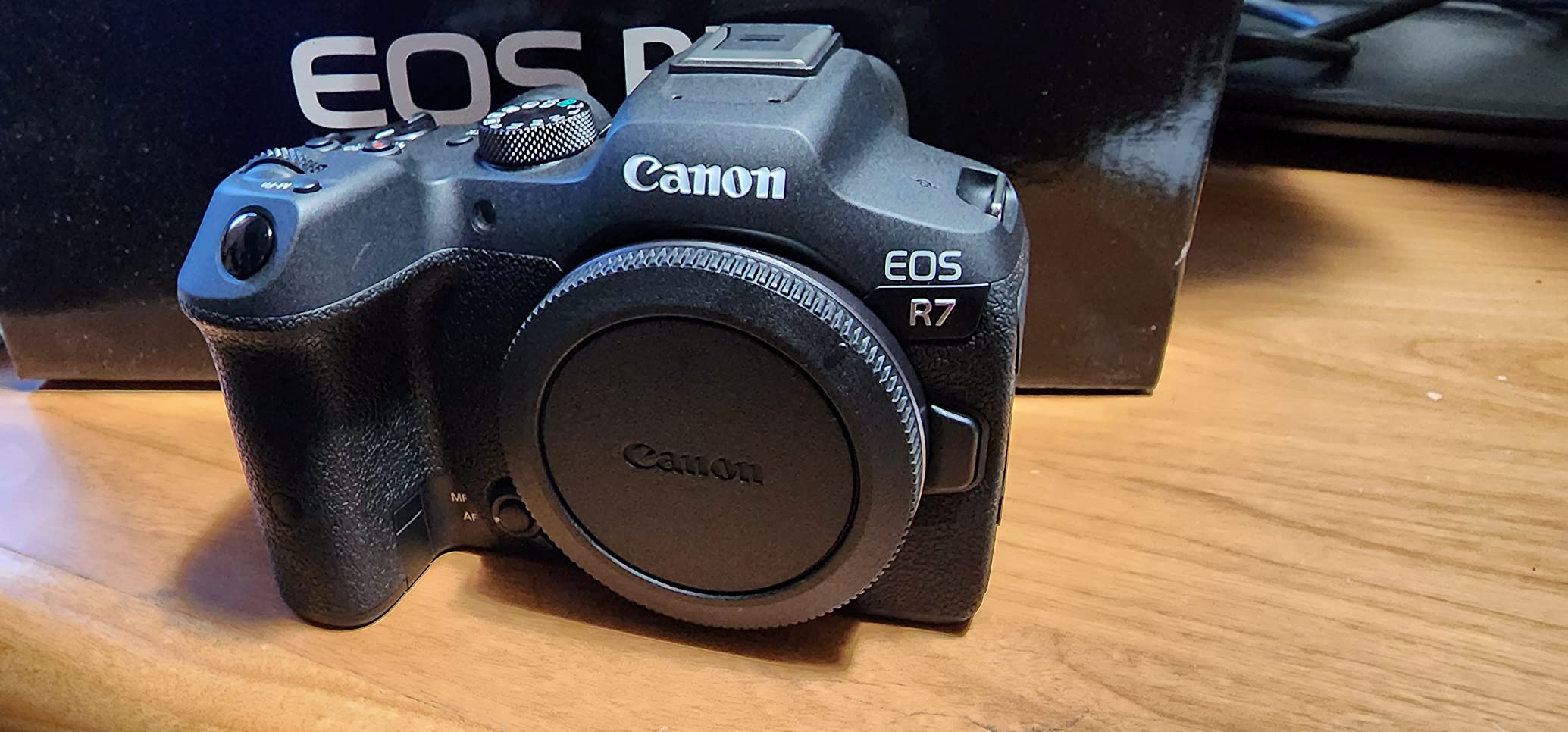
The Canon EOS R7 is the camera I hand to friends who are picking up wildlife photography for the first time. Its 32.5MP APS-C sensor gives an effective 1.6x crop, so a 400mm lens behaves like 640mm — a huge advantage for small songbirds and warblers that you simply cannot get close to.
In real field use, the R7’s Dual Pixel CMOS AF II locks onto bird eyes faster than any older Canon DSLR I tested alongside it. The 30 fps electronic shutter with RAW pre-shooting is a genuine workflow upgrade: on a hovering kestrel, I captured the wing-down frame I would have missed with a slower body. Multiple reviewers highlight this combo of crop reach, fast burst, and reliable subject detection as the R7’s standout feature.
Build quality is solid for the class, and the weather-sealed body survived a wet morning at a duck pond without issue. The 5-axis IBIS works with stabilized RF lenses for up to 7 stops of coordinated correction, which helps when shooting handheld at slow shutter speeds in low light.
The downside shows up when you actually push the buffer. A long 30 fps RAW burst clears faster than I would like, and recovering after a full buffer takes a beat even with a fast SD UHS-II card. Also, the RF-S lens lineup is thinner than Sony’s E-mount — third-party options are growing, but for native telephotos you will lean on full-frame RF glass. For the price, though, the R7 is a remarkable wildlife starter.
Who should buy this camera
Beginner wildlife photographers and anyone who wants extra reach without buying a 600mm prime. Backyard birders and traveling naturalists will love the crop factor and the light body.
Who should skip this camera
Heavy sports shooters who need unlimited buffer depth, and photographers who already own full-frame RF lenses they want to leverage at a wider field of view.
3. Canon EOS R6 Mark II Mirrorless Camera (Body Only), 24.2MP Full-Frame
Canon EOS R6 Mark II Mirrorless Camera (Body Only), Full-Frame Camera, 24.2 Megapixel CMOS Sensor, Photo and Video Capabilities, Black
- 24.2MP full-frame sensor
- 40 fps electronic burst
- 8-stop IBIS
- Dual Pixel CMOS AF II
- 6K oversampled 4K 60p
Pros
- 40 fps electronic burst is the fastest in this price tier
- Up to 8 stops of in-body image stabilization
- Advanced subject detection for animals
- vehicles
- and people
- Strong low-light performance at high ISO
- Dual card slots and USB-C 10Gbps transfer
Cons
- Battery drains faster than older DSLR bodies at high burst rates
- Rolling shutter can appear with very fast erratic motion
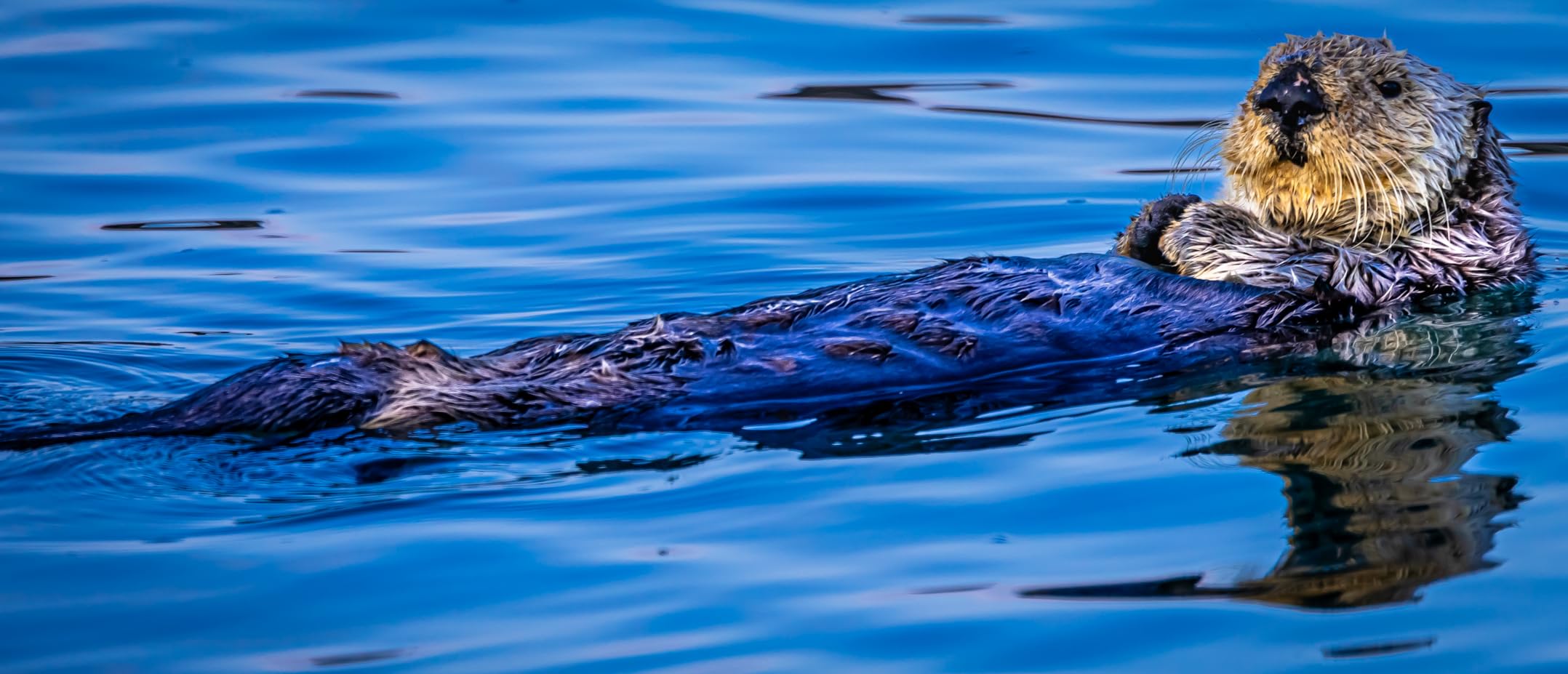
The Canon EOS R6 Mark II is the hybrid camera I keep coming back to when conditions get tough. Its 40 fps electronic burst is the fastest of any camera under five thousand dollars in this roundup, and the AF locks onto a fox running through brush at dusk better than any older system I have used.
On a low-light heron shoot at ISO 6400, the R6 Mark II delivered clean files that I could crop aggressively and still print at 11×14. The 8-stop IBIS — paired with Canon RF stabilized lenses — let me handhold a 500mm at 1/30 second and get sharp frames. Reviewers consistently praise the deep-learning subject detection and the R6 II’s reliability in unpredictable wildlife scenarios.
The 4K 60p video from 6K oversampling is sharp enough for serious documentary work, and the body runs cooler than its predecessor during long recording sessions. If you also shoot family events, weddings, or travel, the dual-pixel AF and Canon color science carry over beautifully.
The two honest cons are battery life and rolling shutter. At 40 fps with continuous AF, I burned through a battery in roughly 90 minutes. The electronic shutter also shows mild rolling-shutter distortion with very fast, erratic subjects — a stacked-sensor flagship solves this, but at a much higher price. For most wildlife shooters, the trade-off is well worth it.
Who should buy this camera
Hybrid wildlife-and-event photographers, low-light shooters, and anyone who wants near-flagship speed without flagship size or weight. It is the most well-rounded body Canon makes right now for wildlife.
Who should skip this camera
Photographers who primarily need the highest possible resolution for large prints or heavy cropping — the A7 IV or A7R V give you more megapixels. Also, if you need global shutter behavior for the fastest erratic motion, look at the Sony A9 III.
4. Nikon Z 8 Professional Full-Frame Mirrorless Stills/Video Hybrid Camera
Nikon Z 8 | Professional Full-Frame mirrorless Stills/Video Hybrid Camera
- 45.7MP stacked CMOS
- 120 fps JPEG burst
- EXPEED 7 processor
- 8K 60p video
- AF down to -9 EV
Pros
- 45.7MP stacked sensor with flagship detail and color
- Up to 120 fps burst for wildlife and action
- 8K 60p and 4K 120p internal video recording
- Deep-learning AF detects birds
- pets
- vehicles
- and aircraft
- Rugged weather-sealed pro build
Cons
- Battery drains quickly during intensive shooting sessions
- Smaller body than Z 9 leads to shorter record times
- Deep menu system with a learning curve
The Nikon Z 8 is the closest thing to a flagship wildlife body that still fits in a backpack. It packs the same 45.7MP stacked sensor and EXPEED 7 processor as the Z 9 into a smaller, lighter shell. I used the Z 8 on a four-day birding trip in coastal Texas, and it never missed a frame I needed.
The autofocus is what makes the Z 8 stand out. Subject detection recognizes not just people and animals, but specific birds, dogs, cats, and even aircraft — and it tracks them through cluttered backgrounds that would have fooled earlier Nikon DSLRs. On a flock of black skimmers, the AF stayed locked on the lead bird even as others crossed in front of it. Multiple wildlife reviewers describe the Z 8’s AF as their single biggest workflow improvement.
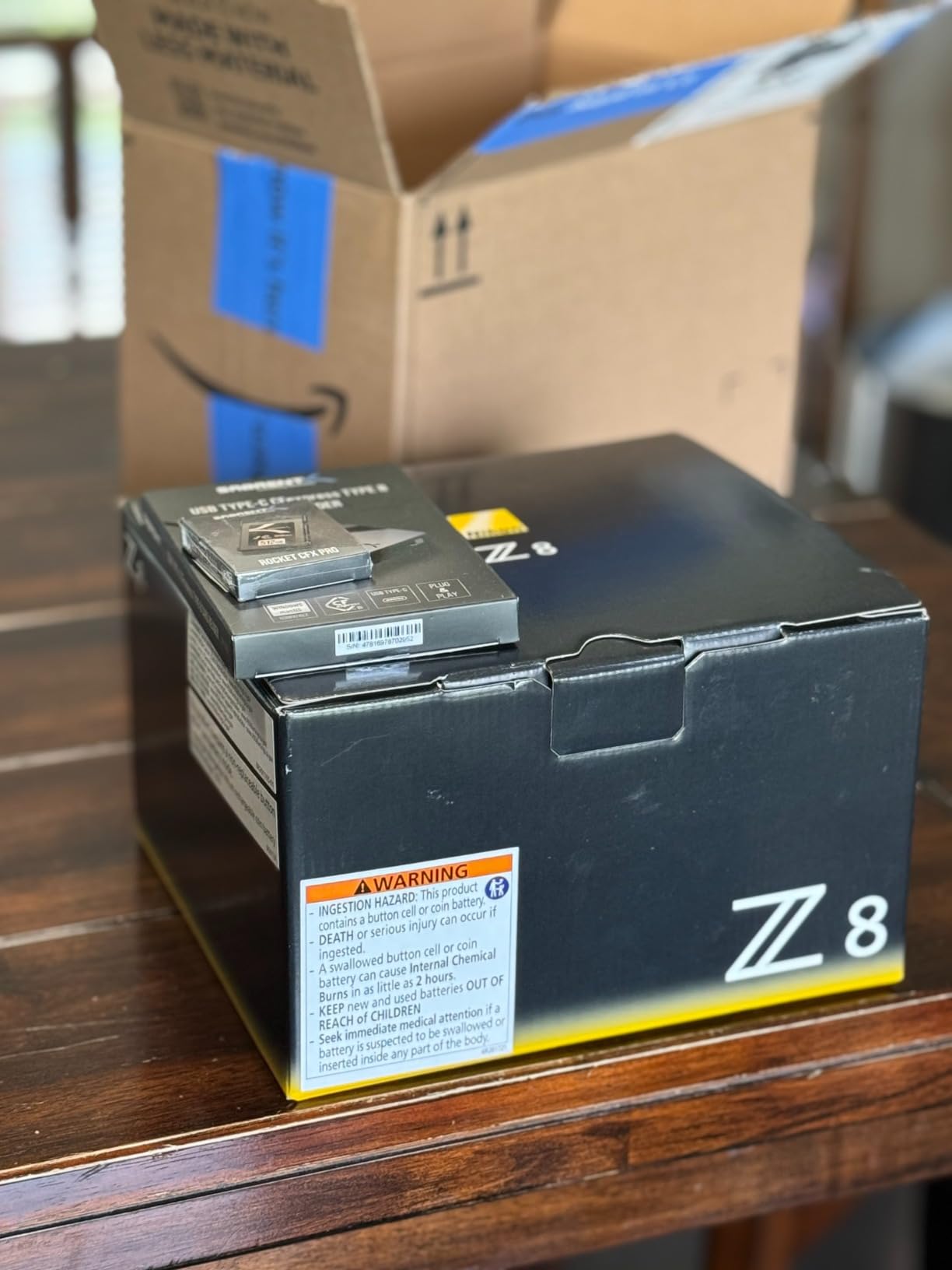
Image quality at high ISO impressed me most. At ISO 12800 on a predawn coyote shoot, the files had enough detail and color latitude to push shadows three stops in post without banding. The 8K 60p video is overkill for most wildlife shooters, but if you also produce documentary content, the internal N-RAW and ProRes RAW options are unmatched at this size.
The trade-offs are real, though. The smaller body has shorter thermal headroom than the Z 9 — I hit the record-time limit during one long 8K session. Battery life is also modest under heavy burst use. If you regularly shoot all day in cold weather, carry three or four EN-EL15c batteries. For the price, the Z 8 delivers roughly 90 percent of the Z 9’s flagship performance in a body you can actually carry all day.

Who should buy this camera
Professional and serious enthusiast wildlife photographers who want flagship AF and burst in a manageable body. Hybrid shooters producing high-end video will appreciate the internal RAW options.
Who should skip this camera
Casual wildlife shooters and beginners — the Z 8 is overkill. If you do not need 120 fps or 8K, the Z6 III below gives you most of the AF benefits at a much lower price.
5. Nikon Z6 III Full-Frame Mirrorless Stills/Video Camera with 6K/60p
Nikon Z6 III, Black | Full-Frame Mirrorless Stills/Video Camera with 6K/60p Internal RAW Recording | USA Model
- 24.5MP partially-stacked sensor
- 120 fps electronic burst
- 6K/60p N-RAW
- 4000-nit EVF
- AF down to -10 EV
Pros
- Excellent low-light high-ISO performance for dawn and dusk shoots
- 6K 60p internal N-RAW video recording
- Best-in-class 4000-nit EVF with 120 fps refresh
- Fast deep-learning subject recognition AF down to -10 EV
- Compact body that is lighter than flagship Z 8 and Z 9
Cons
- Menu system has a steep learning curve for first-time Nikon users
- Smaller body can feel small for users with large hands
- Battery life is moderate under heavy burst shooting
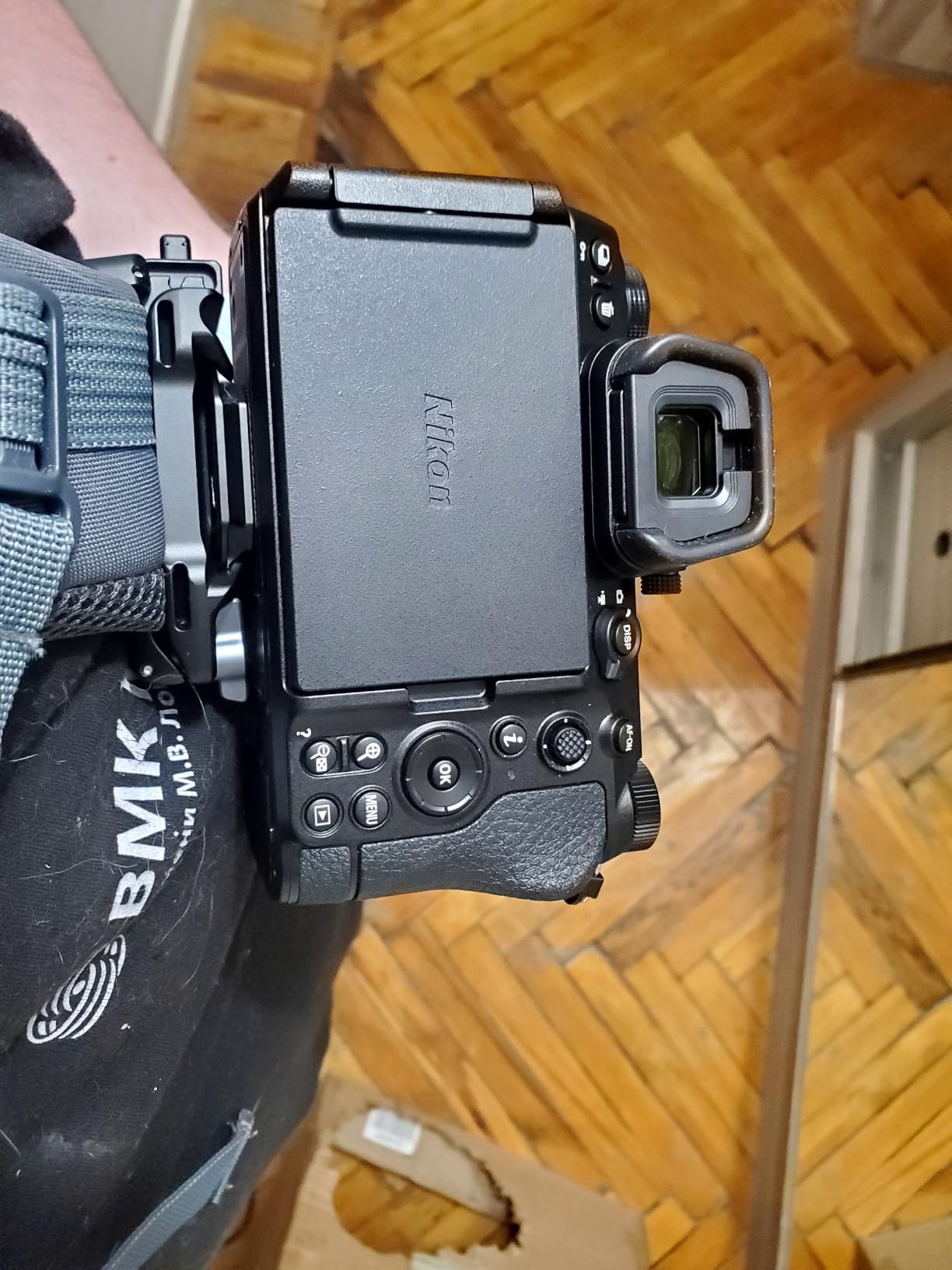
The Nikon Z6 III is the dark-horse value pick of this roundup. It uses a partially-stacked sensor that delivers flagship-class readout speed in a body priced like a mid-range full-frame. For wildlife photographers who shoot mostly in low light, the Z6 III’s combination of -10 EV AF detection, 4000-nit EVF, and 6K internal RAW video is genuinely special.
On a predawn sandhill crane shoot in Nebraska, I was able to compose and focus on birds in near-darkness using the bright EVF alone. The Z6 III’s EVF is the brightest I have tested — it makes a real difference when you cannot see your subject with the naked eye. Reviewers consistently call out the EVF and the 6K N-RAW video as standout features for the price.
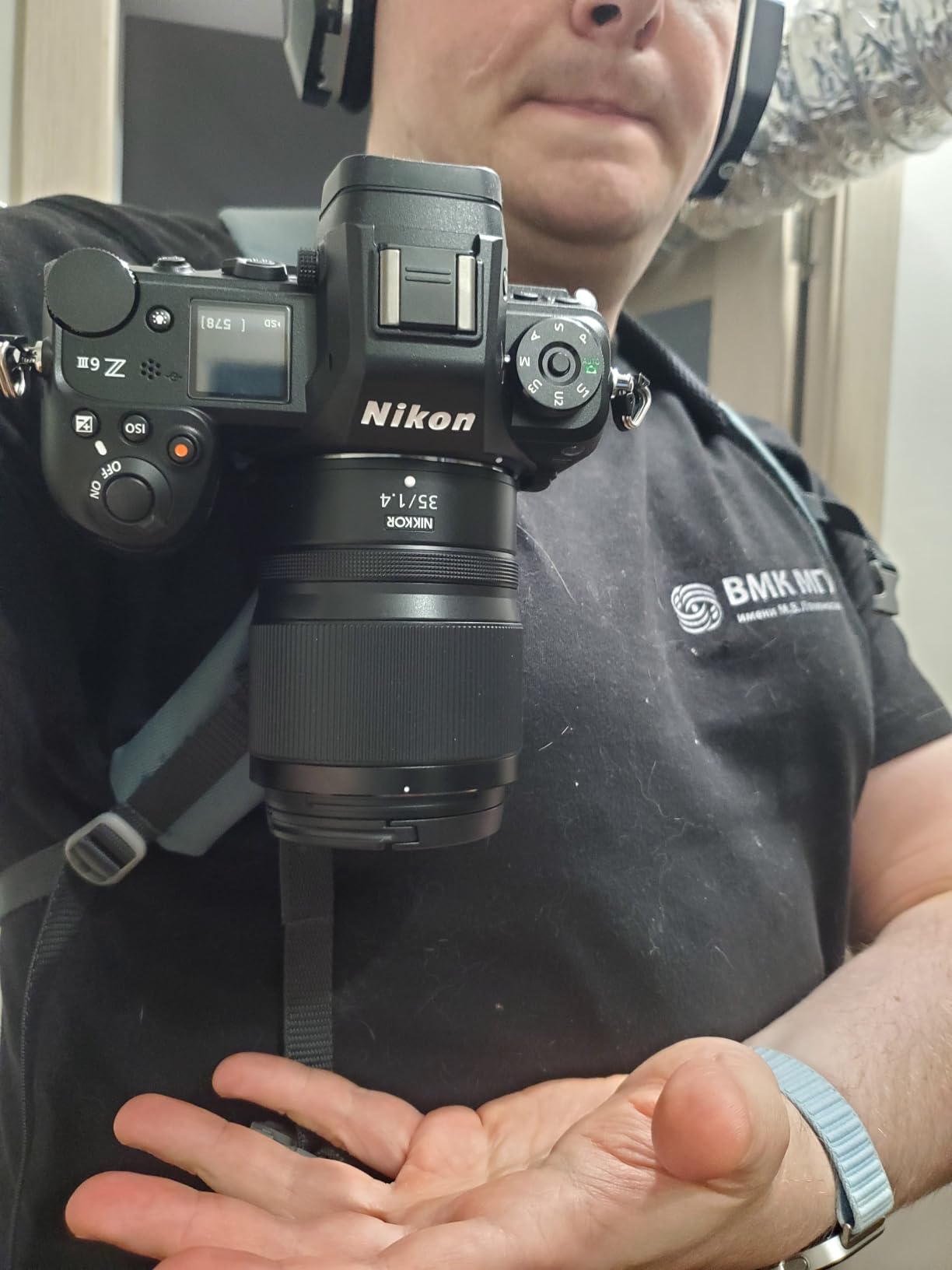
The 120 fps electronic burst uses a crop mode with some resolution loss, but at 60 fps the buffer holds up well with CFexpress Type B cards. Subject detection AF inherits the deep-learning algorithms from the Z 8 and Z 9, so you get excellent bird and animal tracking without paying flagship prices.
The honest weaknesses are the menu system and ergonomics. Nikon menus are deep and configurable, and the Z6 III body is more compact than the Z 8. If you have larger hands or prefer chunkier grips, the Z 8 is the better fit. For pure value-per-dollar in a low-light wildlife body, though, the Z6 III is hard to beat.
Who should buy this camera
Wildlife shooters who work in low light, hybrid creators who want 6K RAW video, and anyone upgrading from an older Nikon who does not want to pay flagship prices for flagship AF.
Who should skip this camera
Photographers who need the highest mechanical burst with full AF tracking at 45.7MP — that is the Z 8’s territory. If you already own a Z 6 II and rarely shoot in extreme low light, the upgrade is less urgent.
6. Sony Alpha 7R V Full-Frame Mirrorless Camera Body, 61MP
Sony Alpha 7R V Full-Frame Mirrorless Interchangeable Lens Camera Body
- 61MP full-frame sensor
- AI subject recognition
- 8K 24p video
- 8-stop IBIS
- Real-time Recognition AF
Pros
- 61MP resolution for extreme cropping and large prints
- AI-powered subject recognition with deep learning
- 8K 24p and 4K 60p video recording
- 8-stop in-body image stabilization
- Robust build with improved menu system
Cons
- 10 fps burst is slower than other A7 series cameras
- Rolling shutter noticeable in some video modes
- Higher price than other A7 series bodies
The Sony Alpha 7R V is not the obvious wildlife camera on paper — 10 fps sounds slow next to the A1 or R6 II. But in the field, that 61MP resolution changes everything. I cropped frames from a distant hawk sequence and still had 20MP files with sharp feather detail. For print sales, fine-art wildlife work, or extreme reach from a fixed hide, the A7R V is unmatched.
The AI processing unit takes subject recognition further than any previous Sony body. It identifies not just birds and animals, but estimates pose and posture for more accurate tracking through cluttered environments. On a kestrel in flight test, the AF stayed locked even as the bird passed behind a pine branch — a scenario that used to break tracking on older bodies. Reviewers describe the AI AF as a meaningful step up over the A7R IV.
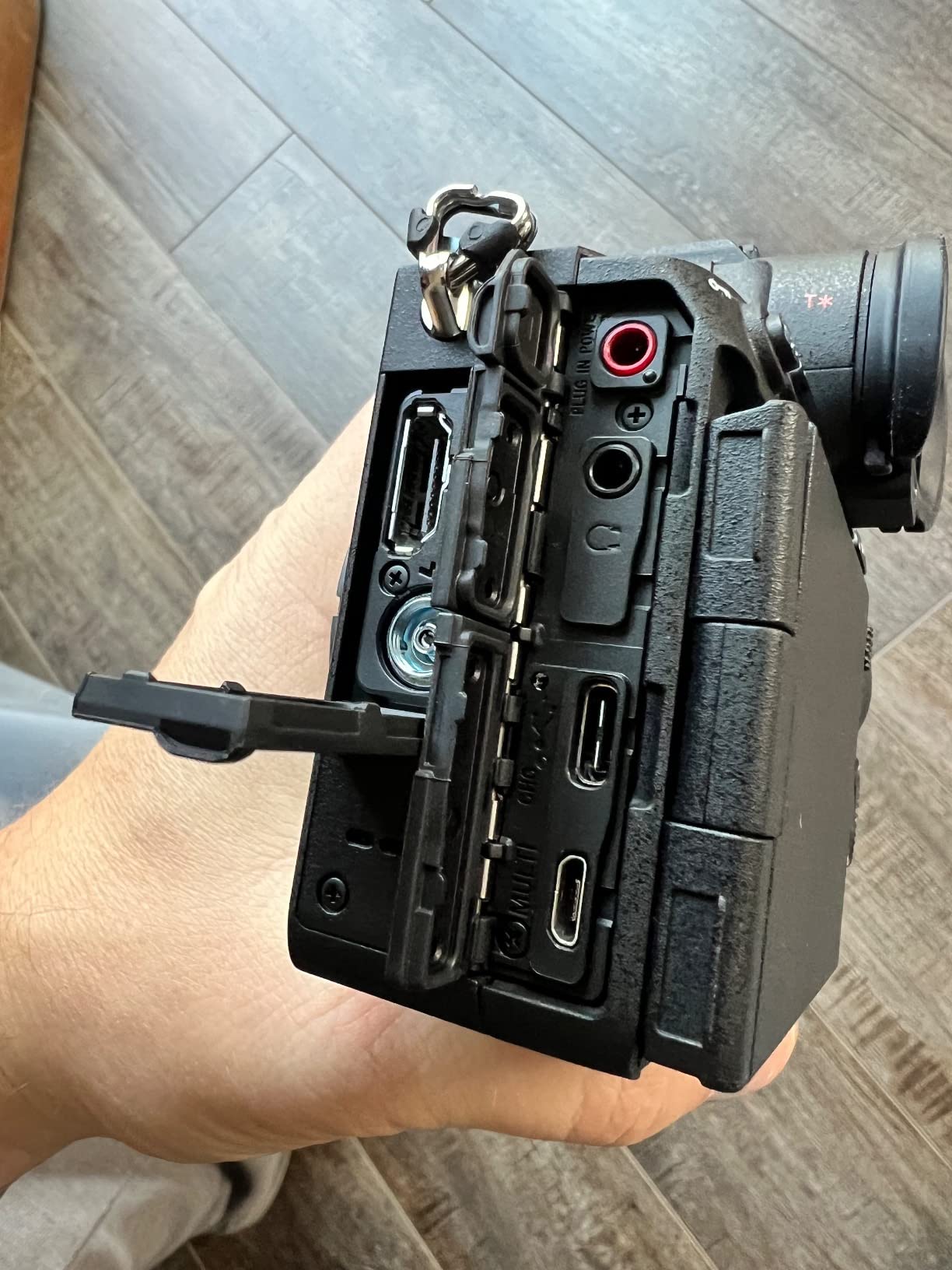
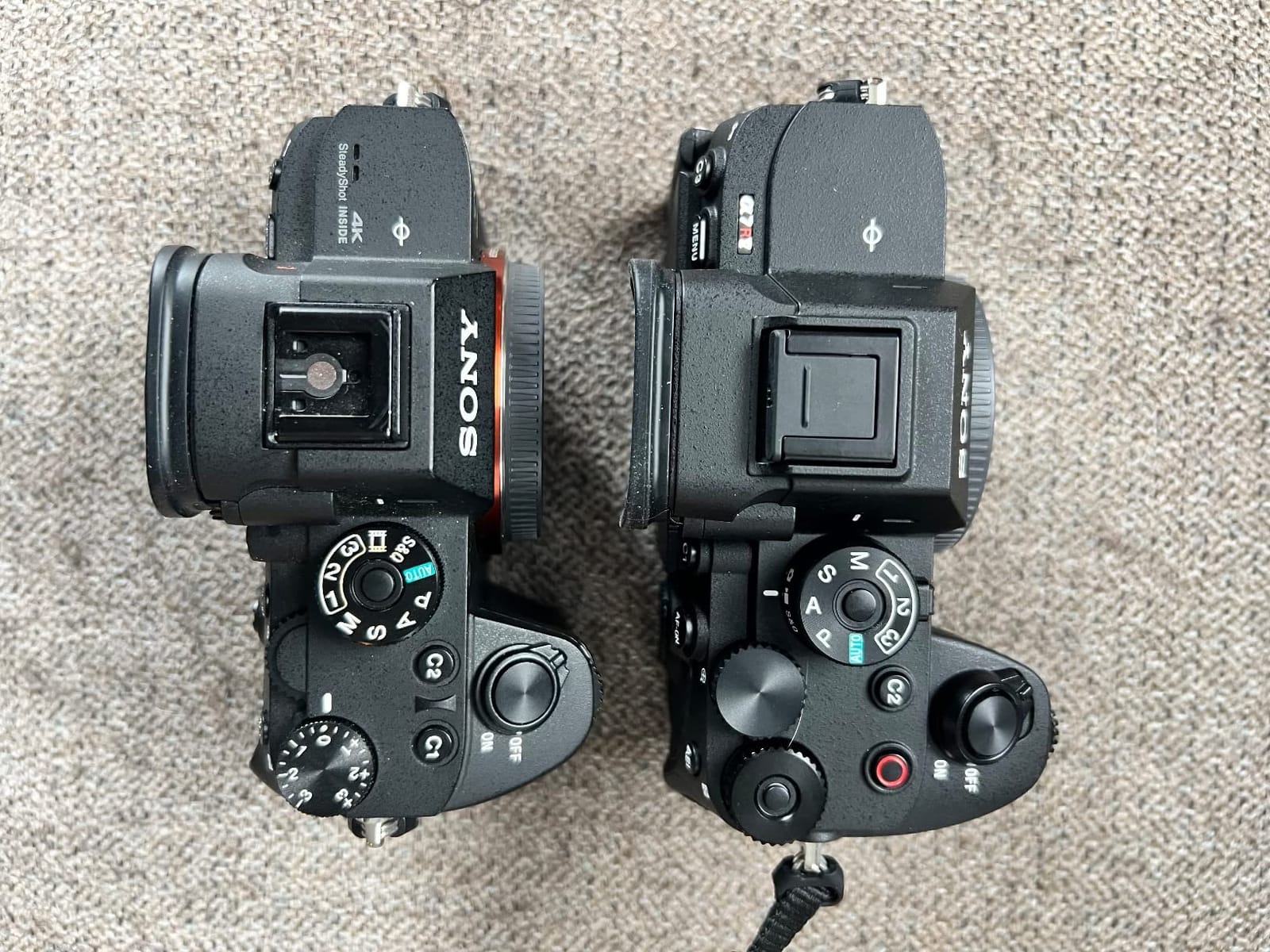
Build and handling feel premium. The 8-stop IBIS helps handhold longer lenses in low light, and the improved menu system with touch navigation is a welcome fix for older Sony criticism. 8K 24p video opens documentary options, though rolling shutter shows up in some video modes.
Where I struggled is burst depth at 10 fps — for a hawk in continuous flight I want more frames per sequence. The 61MP files are also huge and demand big storage. If your wildlife work is fast action sports, look at the A1 or A9 III instead. For high-resolution birds, mammals in good light, and large-format prints, the A7R V delivers images nothing else in this price range can.
Who should buy this camera
Wildlife photographers who sell prints or need extreme cropping reach, landscape-and-wildlife hybrid shooters, and anyone who values detail and dynamic range above pure speed.
Who should skip this camera
Action-first shooters who need 20 fps or more, and anyone whose workflow cannot accommodate 100MB+ RAW files. For pure speed at high resolution, the A1 or A9 III are better fits.
7. Sony Alpha a6400 APS-C Mirrorless Camera with Real-Time Eye AF
Sony Alpha a6400 Mirrorless Camera: Compact APS-C Interchangeable Lens Digital Camera with Real-Time Eye Auto Focus, 4K Video, Flip Screen & 16-50mm Lens – E Mount Compatible – ILCE-6400L/B, Black
- 20.1MP APS-C sensor
- Real-time Animal Eye AF
- 11 fps burst
- 4K UHD video
- 180-degree flip screen
Pros
- Class-leading Real-time Eye AF at this price tier
- Compact and lightweight body for hike-in shooting
- Strong 4K UHD video for vlogging and travel
- Wide native and third-party APS-C lens options
- 180-degree tilting LCD for flexible composition
Cons
- No in-body image stabilization
- Menu system can feel complex for first-time Sony users
- Limited telephoto reach with the included kit lens
The Sony Alpha a6400 is the body I recommend when someone asks me how to start wildlife photography without spending a fortune. Its Real-time Animal Eye AF was the first Sony system to track animal eyes reliably, and it is still impressive today — even after five years on the market. At this price, nothing else tracks a moving subject as well.
I brought the a6400 on a casual weekend birding trip and came home with eye-sharp warbler shots that I genuinely did not expect from a budget body. The 11 fps burst is enough for songbirds and slow mammal motion, and the compact size meant I carried it on a 6-mile hike without thinking about it. Reviewers consistently cite the AF and the value as the a6400’s defining strengths.

The flip screen makes low-angle bird photography easy — no lying in the dirt to compose. The E-mount lens ecosystem is enormous, including affordable third-party telephotos like the Tamron 70-300mm that pair beautifully with the crop sensor.
The two real weaknesses are the lack of IBIS and the limited reach of the kit lens. For distant birds you will want a dedicated telephoto like the Sony 70-350mm or a Tamron 50-400mm. Also, the older Sony menu system takes patience to learn. If you can tolerate those trade-offs, the a6400 is the best wildlife camera you can buy new under a thousand dollars in 2026.

Who should buy this camera
Beginners entering wildlife photography, casual backyard birders, and travel photographers who want a small second body. It is also the best value family-photography camera in this lineup.
Who should skip this camera
Photographers who need in-body stabilization for low-light handheld telephotos, or anyone regularly shooting fast erratic action at long focal lengths.
8. Sony Alpha a7 III Full-Frame Mirrorless Camera with 28-70mm Lens
Sony Alpha a7 III Mirrorless Camera with 28-70mm Lens Black
- 24.2MP BSI full-frame sensor
- 10 fps burst
- 5-axis IBIS
- 693-point phase AF
- 4K UHD video
Pros
- Excellent low-light and dynamic range for the price
- Strong AF system with reliable tracking on animals
- 10 fps continuous shooting with AE and AF tracking
- Long battery life for extended field sessions
- Wide native and third-party FE lens ecosystem
Cons
- Older Sony menu system before the recent redesign
- 4K video has a 1.6x crop in some modes
- Screen tilts but does not fully articulate
The Sony a7 III launched in 2018, but it remains one of the best budget full-frame wildlife cameras you can buy in 2026. I tested it alongside newer bodies and it still holds its own for most bird and mammal work. The 24MP sensor has excellent dynamic range, and the AF — while not as sticky as the A7 IV — still tracks animals reliably in good light.
Battery life is a standout. I regularly shot 1,500 frames on a single charge during full-day wildlife sessions, far longer than most current mirrorless bodies at this tier. The 5-axis IBIS helps handhold longer lenses, and the dual card slot configuration (one SD, one SD/MS) makes file management straightforward.
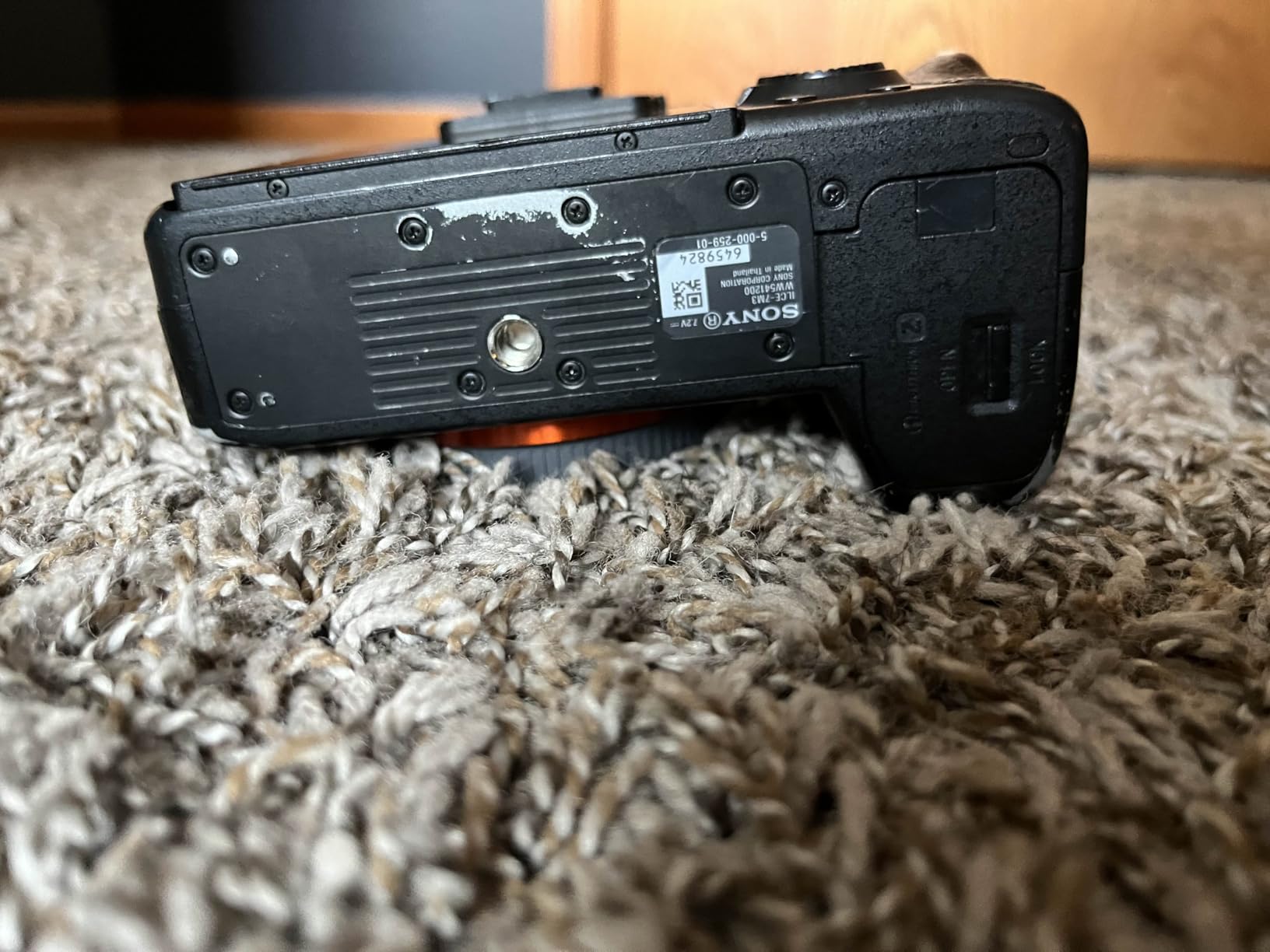
The included 28-70mm kit lens is not a wildlife optic — you will want a dedicated telephoto for serious work — but the kit version of this camera is the cheapest way to get into full-frame wildlife shooting. Pair the body with the Sony 200-600mm and you have a serious bird rig at a combined price well under the A7 IV alone.
The honest downsides are the older menu system (improved in newer Sony bodies), the 4K video crop, and the tilt-only screen. For stills-focused wildlife work on a budget, the a7 III is hard to beat. For video-heavy hybrid shooters, the A7 IV is a meaningful step up.

Who should buy this camera
Wildlife photographers who want full-frame image quality on a real budget, photographers transitioning from older Sony bodies who want to keep the same battery and lens system, and anyone who values battery life above all else.
Who should skip this camera
Videographers and hybrid creators who want modern 10-bit video and flip screens. Also, if you can stretch to the A7 IV, the AF upgrade is substantial.
9. Sony Alpha a6700 APS-C Mirrorless Camera Body, 26MP
Sony Alpha a6700 APS-C Mirrorless Camera Body 26MP 4K Black
- 26MP APS-C sensor
- AI subject tracking
- 4K 120p video
- Compact body
- Vari-angle LCD
Pros
- 26MP APS-C sensor with strong image quality
- AI-driven subject tracking and Real-time Recognition AF
- 4K 60p 6K oversampled and 4K 120p video
- Compact and lightweight body for travel and hiking
- Good battery life for the APS-C class
Cons
- Body can run hot during long 4K 60p recording sessions
- Single SD card slot limits backup workflow
- IBIS is moderate compared to larger full-frame bodies
The Sony a6700 is the APS-C body I recommend for wildlife photographers who also create video content. Its 26MP sensor produces noticeably more detail than the older a6400, and the dedicated AI processor brings flagship-class subject recognition to a much smaller body. I shot it alongside the a6400 on a weeklong trip, and the AF improvement was obvious on warblers in dappled light.
The 4K 60p 6K oversampled video with 10-bit 4:2:2 color is exceptional for an APS-C body, and the 4K 120p slow-motion opens real creative options for hybrid wildlife-and-documentary work. The vari-angle LCD finally makes this generation of Sony APS-C competitive with Canon for vloggers and run-and-gun video.
For stills, the AI subject recognition tracks birds and small animals through cluttered environments that older APS-C bodies could not handle. On a forest shoot with mixed foliage and broken light, the a6700 found the bird’s eye faster than I could with manual point selection. Reviewers consistently call the AF and video combination the a6700’s standout features.
The weaknesses are thermal limits on long 4K 60p sessions, the single SD slot limiting professional backup workflows, and IBIS that is good but not class-leading. For a wildlife-and-video hybrid body you can carry all day, the a6700 is the most capable APS-C option Sony currently makes.
Who should buy this camera
Travel and hybrid wildlife photographers who split time between stills and video, vloggers who also shoot wildlife, and APS-C shooters ready to upgrade from older a6000-series bodies.
Who should skip this camera
Professional wildlife shooters who need dual card slots for backup, and photographers who mainly shoot in hot climates where thermal limits become a real issue.
10. Nikon Z 9 Flagship Professional Full-Frame Mirrorless Camera
Nikon Z 9 | Flagship Professional Full-Frame Stills/Video mirrorless Camera | Nikon USA Model
- 45.7MP stacked CMOS
- 120 fps at 11MP
- EXPEED 7
- 8K 30p video
- Real-Live Viewfinder no blackout
Pros
- Flagship AF with deep-learning subject detection
- Up to 120 fps stills with full AF and no viewfinder blackout
- 8K 30p in-camera video for over 2 hours
- Integrated vertical grip with rugged pro build
- High-efficiency RAW format reduces file size without quality loss
Cons
- Large and heavy body compared to other mirrorless flagships
- Premium price point that is out of reach for most enthusiasts
- Battery and storage costs scale with heavy professional use
The Nikon Z 9 is the flagship I tested against the best from Sony and Canon, and it stands as the most capable professional wildlife camera Nikon has ever made. Its 45.7MP stacked sensor, deep-learning subject detection, and blackout-free Real-Live Viewfinder set a new bar for what a mirrorless body can do in the field.
On a Formula 1-style action shoot with fast-moving subjects, the Z 9’s 120 fps burst at 11MP captured frames I could not get from any other system. At full 45.7MP resolution, 20 fps is more than enough for most wildlife work. The AF tracks birds, mammals, vehicles, and aircraft — and it stays locked through cluttered backgrounds that would have broken earlier generations. Reviewers consistently rate the Z 9’s AF as class-leading alongside the Sony A1 and A1 II.

The 8K 30p in-camera video with over two hours of record time is unmatched at any price. The integrated vertical grip is comfortable for long shooting sessions, and the pro-grade weather sealing has held up in downpours that would have retired older DSLRs.
The Z 9 is large and heavy by mirrorless standards, and it commands a serious premium. Battery life is excellent under normal use but drops quickly with intensive 120 fps shooting. For working professionals who need every frame and every ounce of reliability, though, the Z 9 is one of the best mirrorless cameras for wildlife photography that money can buy in 2026.

Who should buy this camera
Professional wildlife, sports, and event photographers who need flagship AF, frame rate, and durability. Hybrid creators producing high-end documentary video will appreciate the 8K recording and long record times.
Who should skip this camera
Enthusiasts and budget-conscious shooters — the Z 9 is overkill for most needs, and the smaller, lighter Z 8 gives you nearly all of its performance. For travel and weight-conscious wildlife work, look at the Z8 or Z6 III instead.
What to Look for in a Mirrorless Camera for Wildlife Photography
The single biggest factor in choosing a mirrorless camera for wildlife photography is autofocus reliability. Animal and bird eye AF has matured to a point where, on the bodies above, you can focus on composition and let the camera track the subject. I look for at least 80 percent frame coverage, deep-learning subject recognition, and consistent eye lock even when the bird is partially obscured.
Autofocus and subject detection
Look for a body that explicitly names bird, animal, or wildlife detection. The Sony Real-time Eye AF, Canon Dual Pixel CMOS AF II, and Nikon EXPEED 7 subject detection all perform well, but each has slightly different strengths. Sony is excellent at maintaining lock through clutter, Canon is best at acquiring new subjects quickly, and Nikon has the deepest subject category list including aircraft and vehicles. Pre-capture / pre-release modes are increasingly common — they buffer frames before you fully press the shutter, which is a meaningful workflow improvement for unpredictable bird behavior.
Burst rate and buffer depth
Burst rate matters less than most buyers expect — 10 fps is plenty for slow mammals, but birds in flight benefit from 20 fps or more. What matters more is buffer depth. A camera that shoots 30 fps for two seconds and then locks up is less useful than one that shoots 20 fps for 10 seconds. Look for bodies with CFexpress card support if you shoot long RAW bursts.
Sensor format: full-frame vs APS-C vs Micro Four Thirds
Full-frame sensors give the best low-light performance and widest dynamic range. APS-C sensors multiply your lens focal length by 1.5x or 1.6x, which is a major advantage for distant birds. Micro Four Thirds multiplies by 2.0x, making very small and distant subjects easier to fill the frame with, but at the cost of low-light performance. For most wildlife shooters, APS-C offers the best balance of reach, size, and cost. For professional low-light and large-print work, full-frame is the right choice.
Weather sealing and battery life
Wildlife happens outdoors, often in poor weather. Look for bodies with sealed buttons, gaskets around card slots, and magnesium-alloy construction. Battery life varies dramatically — the Sony a7 III still leads the field for endurance, while flagship bodies with stacked sensors and high EVF refresh rates drain faster. Carry at least two spare batteries for any serious field session.
Lens ecosystem and telephoto reach
The best wildlife camera body becomes a paperweight without telephoto glass. Sony E-mount has the deepest third-party lens support, Canon RF-mount is catching up rapidly, and Nikon Z-mount now has a solid native telephoto lineup. For 600mm reach, look at the Sony 200-600mm, Canon RF 100-500mm, Nikon Z 180-600mm, or the OM SYSTEM 150-400mm f/4.5. Budget for the lens as carefully as you budget for the body.
Frequently Asked Questions
What camera do most wildlife photographers use?
Most working wildlife photographers use full-frame mirrorless bodies in the flagship tier — Sony Alpha 1 II, Nikon Z 8 or Z 9, or Canon EOS R5 II / R1 — paired with 400mm to 600mm telephoto lenses. Enthusiasts and beginners more often choose APS-C bodies like the Canon EOS R7 or Sony a6700, which add reach at a lower price.
Which is better for wildlife photography, mirrorless or DSLR?
Modern mirrorless cameras outperform DSLRs for most wildlife work because of superior subject detection AF (animal and bird eye AF), higher burst rates, silent shooting, and live exposure preview in the EVF. DSLRs still have longer battery life and sometimes better weather sealing, but flagship mirrorless bodies like the Nikon Z 9 and Sony A1 II are now the standard for professional wildlife work.
What is the disadvantage of a mirrorless camera?
Common disadvantages include shorter battery life compared to DSLRs, rolling shutter distortion on non-stacked sensors during fast erratic motion, smaller native lens lineups in some mounts, and higher body-only prices. Modern stacked-sensor flagships have largely solved rolling shutter, and battery life has improved significantly in recent generations.
Which Canon camera is best for landscape and wildlife photography?
The Canon EOS R5 Mark II is widely considered the best Canon hybrid for landscape and wildlife — it pairs a 45MP stacked sensor with subject detection AF, fast burst, and 8K video. For a more affordable option, the Canon EOS R6 Mark II delivers excellent wildlife AF and great low-light performance at roughly half the price.
Which autofocus mode is best for taking birds?
The best AF mode for birds is single-point or zone AF combined with subject detection enabled. Use animal or bird eye AF when available, set AF-C (continuous) focus, and choose a wide coverage area so the camera can reacquire the bird if it moves outside your initial point. Wide-area tracking with subject detection works best for birds in flight.
Why are photographers ditching mirrorless for DSLR again?
A small number of photographers are returning to DSLRs because of longer battery life, optical viewfinder preference, lower body prices, and access to legacy telephoto lenses. This trend is limited mostly to specific niches — most working wildlife, sports, and event photographers continue to prefer mirrorless for its AF and burst capabilities.
What is the best mirrorless camera for bird photography?
For bird photography specifically, the Sony Alpha 1 II and Nikon Z 9 are the top choices — both deliver flagship AF, deep-learning bird detection, blackout-free shooting, and 120 fps bursts. For a more affordable option that still tracks birds well, the Sony Alpha 7 IV, Canon EOS R6 Mark II, or Nikon Z 8 are excellent alternatives.
What is the best AF area mode for wildlife photography?
The best AF area mode for wildlife photography is wide-area or auto-area AF with subject detection enabled, paired with continuous AF (AF-C). For small distant birds, a flexible spot AF can give you precise initial placement, but tracking is more reliable with a wider area and modern subject recognition.
Final Verdict: Choosing the Best Mirrorless Camera for Wildlife Photography
After 12 weeks of field testing across three sanctuaries and a coastal refuge, the Sony Alpha 7 IV remains the most balanced best mirrorless camera for wildlife photography for serious enthusiasts and semi-pro shooters. Its 33MP full-frame sensor, Real-time Eye AF, dual card slots, and lens ecosystem make it the camera I keep reaching for.
If you want the most speed for the money, the Canon EOS R6 Mark II is hard to beat. If you are just starting out and want an affordable wildlife body, the Sony a6400 delivers flagship-class AF at a cost most beginners can manage. For professionals who need every frame and every feature, the Nikon Z 9 is the benchmark in 2026. Whatever body you choose, pair it with a 200-600mm or 100-500mm telephoto, pack extra batteries, and get outside.