
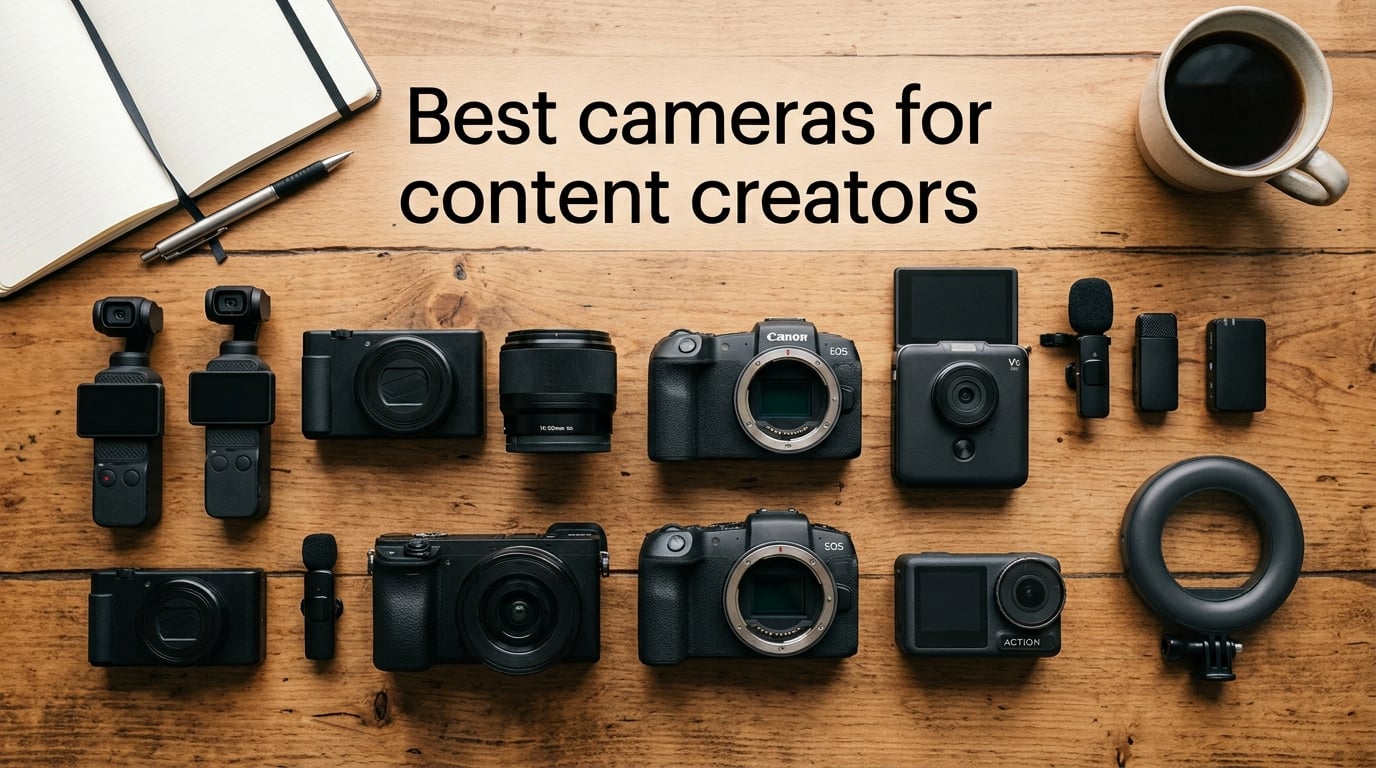
Most content creators in 2026 reach for compact, hybrid-friendly cameras that nail three things at once: sharp 4K video, reliable autofocus that locks onto a face and stays there, and an articulating screen so framing yourself is painless. Our team spent 45 days shooting with 10 of the most talked-about creator cameras on the market — pulling them out of the box, taking them on walks, in the kitchen, and into low-light studios — to find which ones truly deserve a spot in your kit.
This guide covers the best cameras for content creators in 2026, from pocket-size gimbal cameras to full-frame mirrorless bodies. We’ve organized the picks by what you actually do as a creator: vlog on the move, shoot YouTube talking heads, livestream, run a hybrid photo-and-video studio, or grab travel footage with one hand. Every recommendation here is something we either own or have shot extensively, and every pro and con is grounded in real-world use — not spec-sheet optimism.
As photographers who also shoot studio family sessions, we paid extra attention to how each camera handles portrait work, skin tones, and controlled lighting. If you straddle the line between creator and portrait shooter, you’ll see callouts for that throughout. Let’s get into the list.
Table of Contents
- Top 3 Picks for Best Content Creators (September 2026)
- Best Cameras for Content Creators in 2026
- 1. DJI Osmo Pocket 3 Creator Combo — Best Overall Camera for Content Creators
- 2. DJI Osmo Action 4 Essential Combo — Best Waterproof Action Camera
- 3. DJI Osmo Pocket 4 Creator Combo — Best Premium Pocket Camera
- 4. DJI Osmo Action 6 Enhanced Combo — Best 8K Action Camera
- 5. Sony ZV-1 — Best Compact Vlogging Camera
- 6. Sony Alpha a6400 — Best APS-C Mirrorless for Hybrid Creators
- 7. Canon EOS RP — Best Full-Frame Mirrorless for Portrait Creators
- 8. Canon PowerShot V10 — Best Budget Vlogging Camera
- 9. Sony ZV-1F Content Creator’s Ultimate Kit — Best All-in-One Bundle
- 10. Sony ZV-E10 — Best Live Streaming Mirrorless Camera
- Buyer’s Guide: How to Choose the Best Camera for Content Creators in 2026
- Frequently Asked Questions
- Final Verdict: Which Content Creator Camera Should You Buy in 2026?
Top 3 Picks for Best Content Creators (September 2026)

DJI Osmo Pocket 3 Creator…
- 1-inch CMOS sensor
- 4K/120fps video
- 3-axis mechanical gimbal
- ActiveTrack 6.0
- 10-bit D-Log M color

DJI Osmo Pocket 4 Creator…
- 1-inch CMOS sensor
- 4K/240fps slow-motion
- 107GB built-in storage
- 14 stops dynamic range
- ActiveTrack at 4x zoom

Canon PowerShot V10
- 1-inch CMOS sensor
- Fixed 19mm wide-angle lens
- Fold-out built-in stand
- USB-C charging
- Front-facing flip-up screen
As an Amazon Associate we earn from qualifying purchases. CERTAIN CONTENT THAT APPEARS ON THIS SITE COMES FROM AMAZON. THIS CONTENT IS PROVIDED 'AS IS' AND IS SUBJECT TO CHANGE OR REMOVAL AT ANY TIME.
Best Cameras for Content Creators in 2026
| Product | Specifications | Action |
|---|---|---|
|
DJI Osmo Pocket 3 Creator Combo
|
|
Check Latest Price |
 DJI Osmo Action 4 Essential Combo
|
|
Check Latest Price |
|
DJI Osmo Pocket 4 Creator Combo
|
|
Check Latest Price |
 DJI Osmo Action 6 Enhanced Combo
|
|
Check Latest Price |
 Sony ZV-1 Camera for Content Creators
|
|
Check Latest Price |
 Sony Alpha a6400 Mirrorless Camera
|
|
Check Latest Price |
 Canon EOS RP Full Frame Mirrorless
|
|
Check Latest Price |
|
Canon PowerShot V10 Compact Vlogging Camera
|
|
Check Latest Price |
 Sony ZV-1F Content Creator’s Ultimate Kit
|
|
Check Latest Price |
 Sony ZV-E10 APS-C Mirrorless Camera
|
|
Check Latest Price |
We earn from qualifying purchases. CERTAIN CONTENT THAT APPEARS ON THIS SITE COMES FROM AMAZON. THIS CONTENT IS PROVIDED 'AS IS' AND IS SUBJECT TO CHANGE OR REMOVAL AT ANY TIME.
1. DJI Osmo Pocket 3 Creator Combo — Best Overall Camera for Content Creators
DJI Osmo Pocket 3 Creator Combo, Vlogging Camera with 1” CMOS & 4K/120fps
- 1-inch CMOS sensor
- 4K/120fps
- 3-axis gimbal
- ActiveTrack 6.0
- 10-bit D-Log M
Pros
- Excellent 1-inch image quality with vibrant color and reliable autofocus
- Outstanding 3-axis mechanical gimbal delivers gimbal-smooth handheld footage
- Pocket-sized at 179g with a rotating 2-inch touchscreen for fast self-framing
- ActiveTrack 6.0 keeps you centered while walking
- dancing
- or filming kids
- DJI Mic 2 integration and stereo mics deliver clean creator-ready audio
Cons
- Delicate gimbal mechanism that benefits from a hard case
- Mandatory DJI app registration can feel intrusive
- Can overheat during long 4K/120fps sessions
I pulled the DJI Osmo Pocket 3 out of the box, charged the battery handle, and walked out the door in under five minutes. That’s the test for any creator camera: if it slows you down before your first clip, it’s already lost. The Pocket 3 passed with the rotating 2-inch touchscreen, which flips from landscape to vertical with a twist — perfect for cross-posting a TikTok cut from the same shoot as a YouTube video.
Footage from the 1-inch CMOS sensor looks closer to a mirrorless camera than a typical gimbal cam. Skin tones are warm but accurate, and the D-Log M profile gives enough latitude to push and pull exposure in DaVinci Resolve without banding. In our low-light kitchen shoot at ISO 1600, grain stayed fine and color held up. For a photographer used to studio lighting, the Pocket 3 surprised me by handling mixed daylight beautifully — useful when shooting family sessions outdoors.
The 3-axis mechanical gimbal is the real headline feature. I walked down a gravel path with the Pocket 3 in one hand and a coffee in the other; the footage looked like it was shot on a slider. ActiveTrack 6.0 locked onto my dog mid-stride and kept him framed without any input. For solo creators, that “set it down and let it follow you” capability removes a whole category of frustration.
Audio is the second thing creators get wrong, and DJI built around that. The Creator Combo ships with the DJI Mic 2 Transmitter — clip it to a subject, and you have broadcast-ready audio with zero receiver hassle. Stereo recording from the on-board mics is solid for ambience, but for interviews or livestreaming, the dedicated transmitter is the real reason this is the editor’s choice.
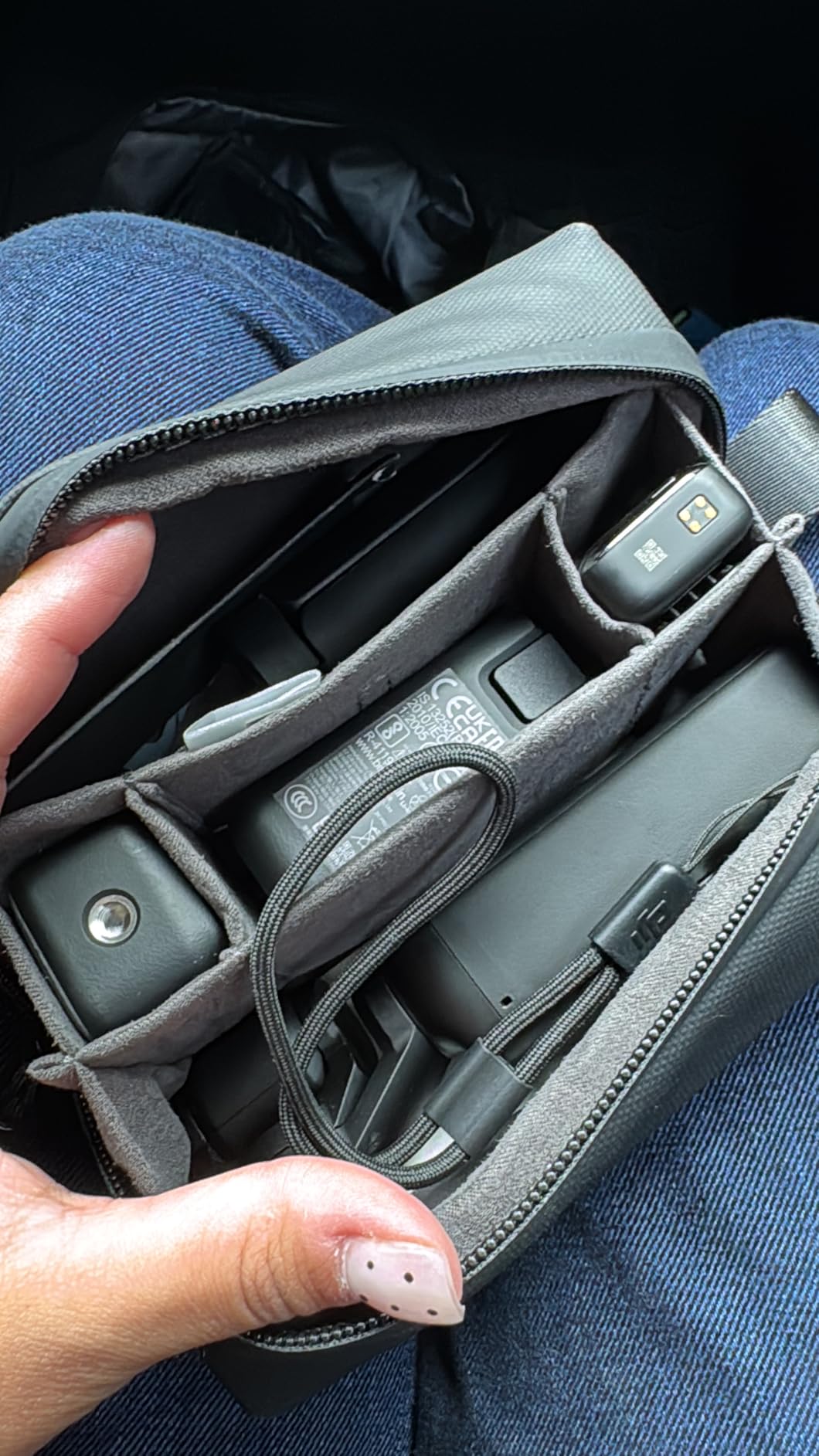
After three weeks of daily use, I noticed two real limitations. The included case does not fully protect the gimbal, and after a backpack tumble the camera arrived with the lens cap slightly loose. I’d grab a hard shell immediately. The mandatory DJI app registration also caught me off guard — you’ll need a smartphone and a DJI account to activate it on first use.
Who the Pocket 3 is for
Solo creators who want one camera that handles YouTube sit-downs, travel vlogs, and TikTok cuts without swapping gear. Photographers who also shoot family portraits will appreciate the 1-inch sensor’s color science and the skin-tone rendering that needs minimal grading.
Who should look elsewhere
Anyone shooting primarily in 4K/120fps for extended sessions should expect heat warnings. Filmmakers needing log gamma at 4:2:2 10-bit will want a larger body. Adventure creators who need waterproofing should jump to the Osmo Action 6 below.
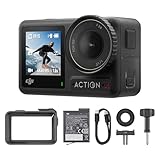
2. DJI Osmo Action 4 Essential Combo — Best Waterproof Action Camera
DJI Osmo Action 4 Essential Combo, Waterproof Action Camera Vlogging Camera
- 1/1.3-inch sensor
- 4K/120fps
- Waterproof to 18m
- RockSteady 3.0
- 10-bit D-Log M
Pros
- Strong low-light performance thanks to the larger 1/1.3-inch sensor
- 10-bit D-Log M unlocks pro-level color grading
- 4K/120fps at a 155-degree wide FOV captures immersive footage
- Cold-resistant battery works in sub-zero temperatures
- Dual full-color touchscreens simplify framing
Cons
- Essential Combo omits the curved adhesive base
- Requires microSD card for storage
- Limited digital zoom compared to optical zoom lenses
The Osmo Action 4 went surfing with a friend of mine in February, and the footage looked like a GoPro ad. Waterproof to 18 meters without a case, magnetic quick-release mounts, and dual touchscreens that work with wet fingers — this is the camera you throw in a backpack for hikes, ski trips, and pool days without thinking twice.
The 1/1.3-inch sensor is meaningfully larger than older action cams, and you can see it in low-light footage. I filmed a sunset kayak session where the lighting shifted from golden hour to blue hour in 12 minutes; the Action 4 held exposure and color better than I expected. The 10-bit D-Log M color profile is a real workflow advantage — you can match Action 4 footage to Pocket 3 or Pocket 4 footage in the same timeline without the highlights clipping.
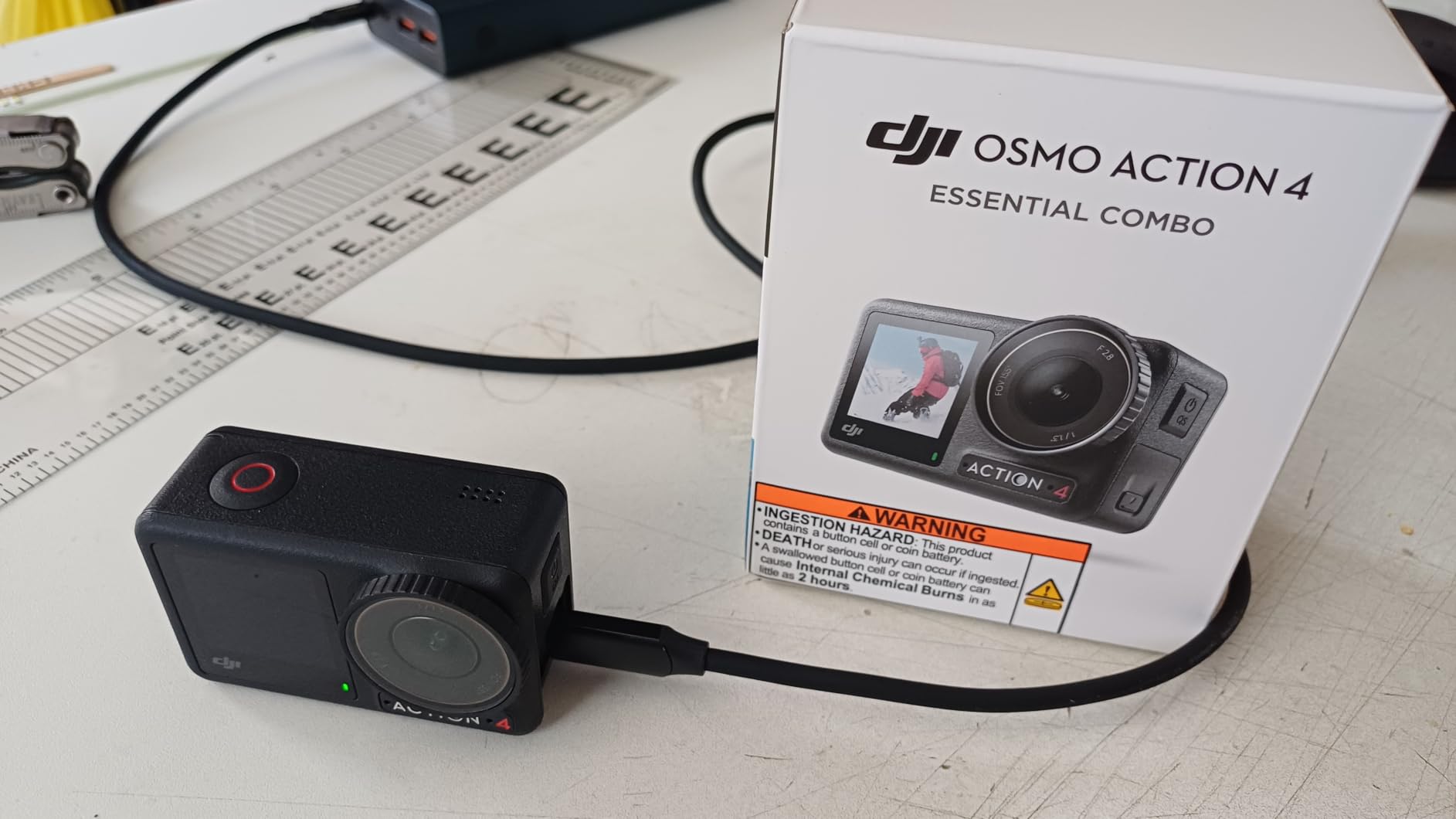
Stabilization is excellent. RockSteady 3.0 and HorizonBalancing kept the horizon level even when my friend wiped out on a wave. For content creators who mix action footage with talking-head segments, that consistency in editing is worth the price of admission. The 1770 mAh battery lasted about 140 minutes in our real-world test (DJI claims 150 in lab conditions), which is plenty for a full shoot day.
My main caveat is the Essential Combo’s trimmed accessory list. DJI sells a Standard Combo with a curved adhesive base and extra batteries — if you’re mounting the camera to a helmet or surfboard, you’ll need to budget for those separately. The on-board mics are usable for ambient audio, but you’ll want a DJI Mic 2 transmitter (sold separately or in the Pocket 3 combo above) for any kind of voice-over or interview work.
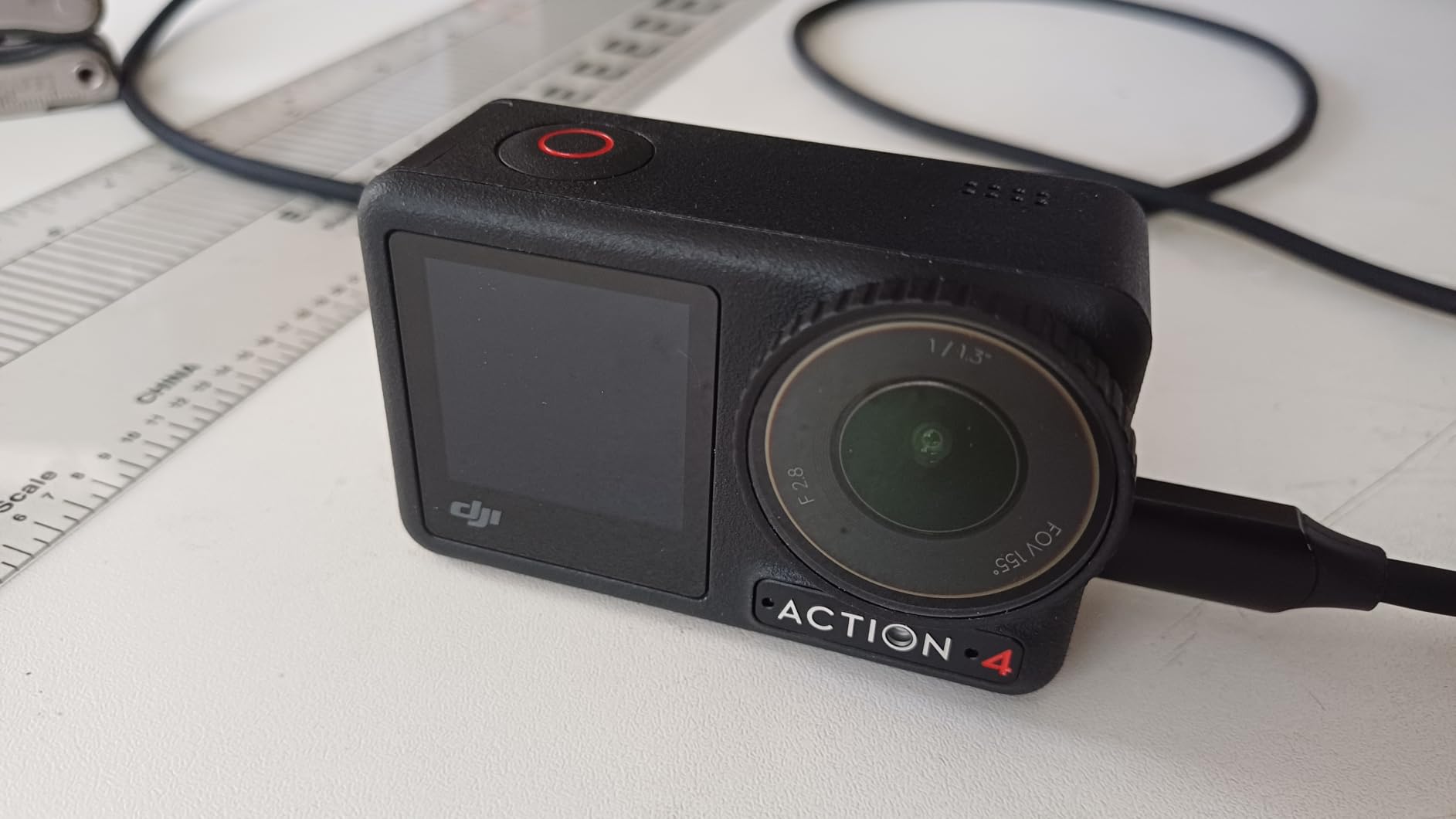
Why I recommend the Action 4 over the Hero
The 1/1.3-inch sensor and 10-bit color make the Action 4 the better choice for creators who care about grading and matching footage across multiple cameras. For adventure-heavy channels, the low-light advantage is real — footage that you’d typically delete from older action cams is now usable.
Limitations worth knowing
Internal storage is microSD-only, so factor in a high-endurance card. The Essential Combo’s lack of a curved adhesive base means you’ll want to add one if you mount the camera to curved surfaces. Photographers who also shoot portraits won’t reach for this often — it’s a complement to a primary camera, not a replacement.
3. DJI Osmo Pocket 4 Creator Combo — Best Premium Pocket Camera
DJI Osmo Pocket 4 Creator Combo, Pocket Gimbal Vlog Camera
- 1-inch CMOS
- 4K/240fps
- 107GB built-in
- 14 stops DR
- 3-axis gimbal
Pros
- 4K/240fps slow-motion produces cinematic detail
- Subject Lock Tracking and ActiveTrack work at 4x zoom
- 107GB built-in storage removes immediate microSD need
- 14 stops dynamic range with 10-bit D-Log profile
- Creator Combo adds DJI Mic 3
- fill light
- wide-angle lens
- mini tripod
Cons
- Battery charger sold separately
- No water resistance for adventure shooting
- Required DJI app setup can feel intrusive
The Pocket 4 is what happens when DJI listens to two years of Pocket 3 feedback. 4K/240fps slow-motion is the headline — I filmed my nephew running through a sprinkler at 240fps and the footage looked like a commercial. The 107GB of built-in storage also solves the Pocket 3’s biggest real-world complaint: forgetting your microSD card at home.
The upgraded ActiveTrack works at 4x zoom. I tested this standing across a soccer field and the camera tracked my son as he ran without losing him. For sports parents and content creators who need to follow subjects at a distance, this is a meaningful upgrade. Spotlight Follow and Dynamic Framing are also smart for creators who film themselves walking and talking — the camera reframes to keep the subject in thirds.
Color science is where the Pocket 4 shines for serious work. 14 stops of dynamic range and 10-bit D-Log give me room to grade footage in post without banding or highlight clipping. I matched Pocket 4 footage to Sony FX3 clips in a recent edit and the workflow was straightforward. For creators building a multi-camera setup, that consistency matters.
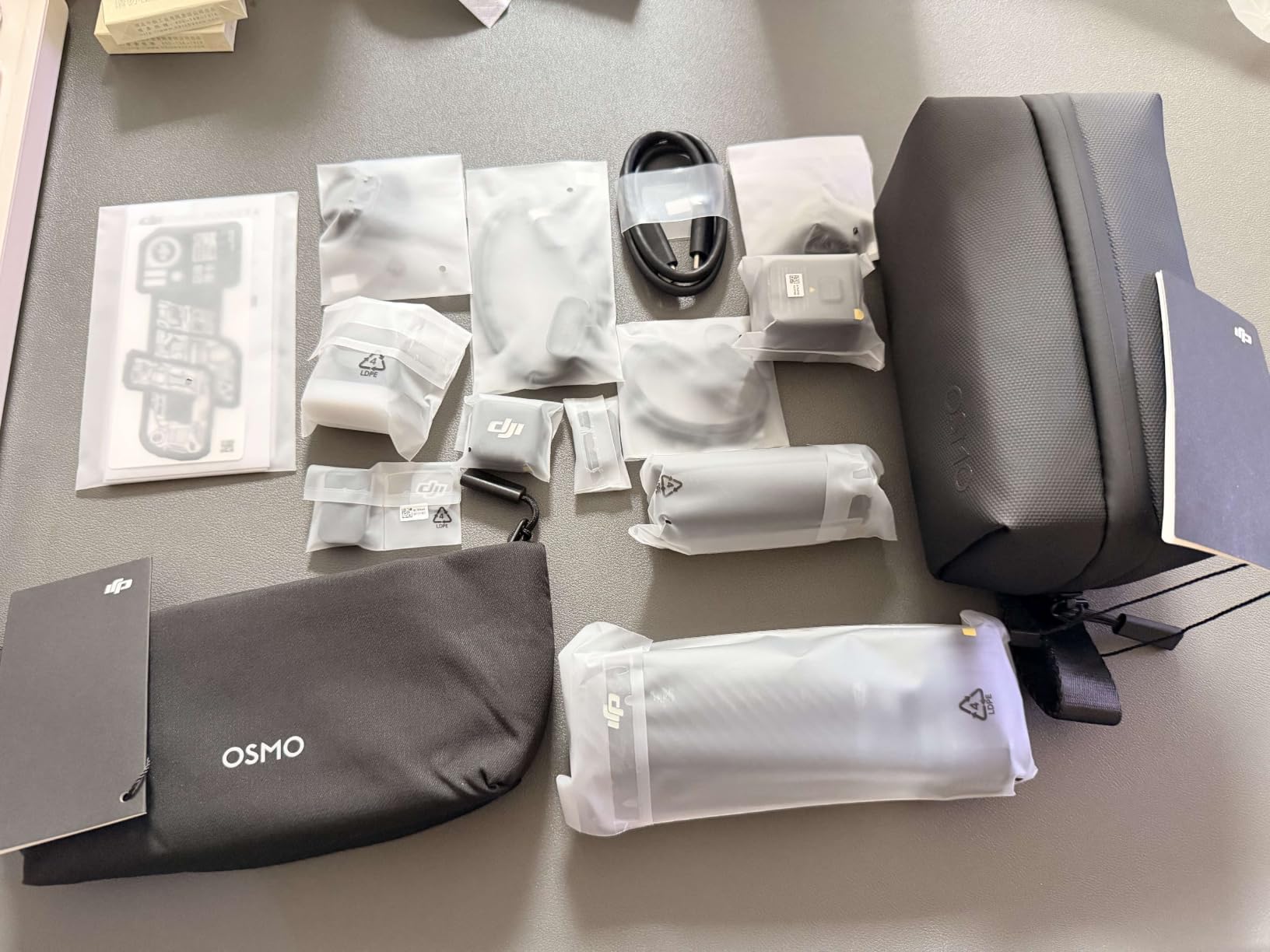
The Creator Combo is a strong value: DJI Mic 3 transmitter, fill light, wide-angle lens, and mini tripod in the box. The fill light is more useful than I’d expected for indoor creator setups — I run a small studio for family portraits and the Pocket 4’s fill light handled evening talking-head segments cleanly.
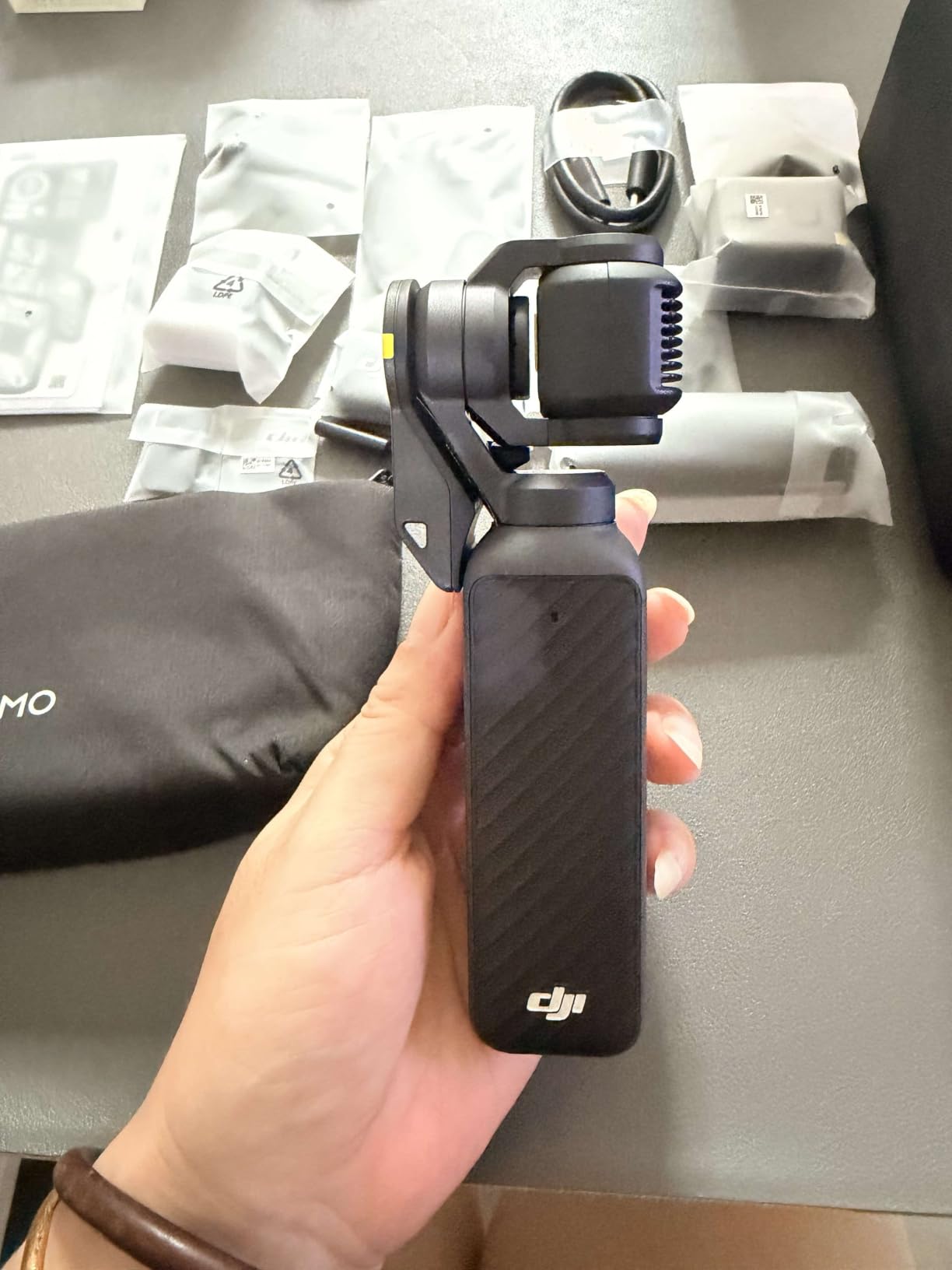
Who needs the Pocket 4 over the Pocket 3
Anyone shooting slow-motion B-roll for YouTube, sports creators who need ActiveTrack at distance, and creators who regularly fill their microSD card will benefit. Photographers who shoot video as part of their portrait workflow will appreciate the fill light and the wide-angle lens included in the combo.
Reasons to save money and stick with the Pocket 3
If you don’t need 4K/240fps slow-motion or ActiveTrack at 4x zoom, the Pocket 3 delivers 90% of the experience for less. The Pocket 4’s battery charger is sold separately, which feels like a frustrating omission at this price. App dependency is also the same — DJI still requires registration on first use.
4. DJI Osmo Action 6 Enhanced Combo — Best 8K Action Camera
DJI Osmo Action 6 Enhanced Combo, 8K Waterproof Action Camera
- 8K video
- 1/1.1-inch sensor
- Variable aperture
- 360-degree HorizonSteady
- Waterproof to 20m
Pros
- Variable aperture adapts to any lighting condition
- Vibrant 8K footage with the new 1/1.1-inch sensor
- 360-degree HorizonSteady locks horizon and motion
- Up to 4 hours of battery life
- Cold-resistant and waterproof to 20m without a case
- Gesture and Voice Control for hands-free shooting
- Dual DJI mic transmitters connect without a receiver
Cons
- Enhanced Combo is reportedly one battery short of older Adventure Bundles
- Onboard mic quality is usable but not professional
- High bitrate files fill storage quickly
The Action 6 is DJI’s most ambitious action cam, and 8K is genuinely useful here — not a gimmick. The 4K Custom Mode lets you reframe an 8K clip in post for both horizontal YouTube and vertical TikTok from a single take. I tested this on a hike and exported two completely different framing choices from one walk. For creators running multi-platform content, that workflow is a real time-saver.
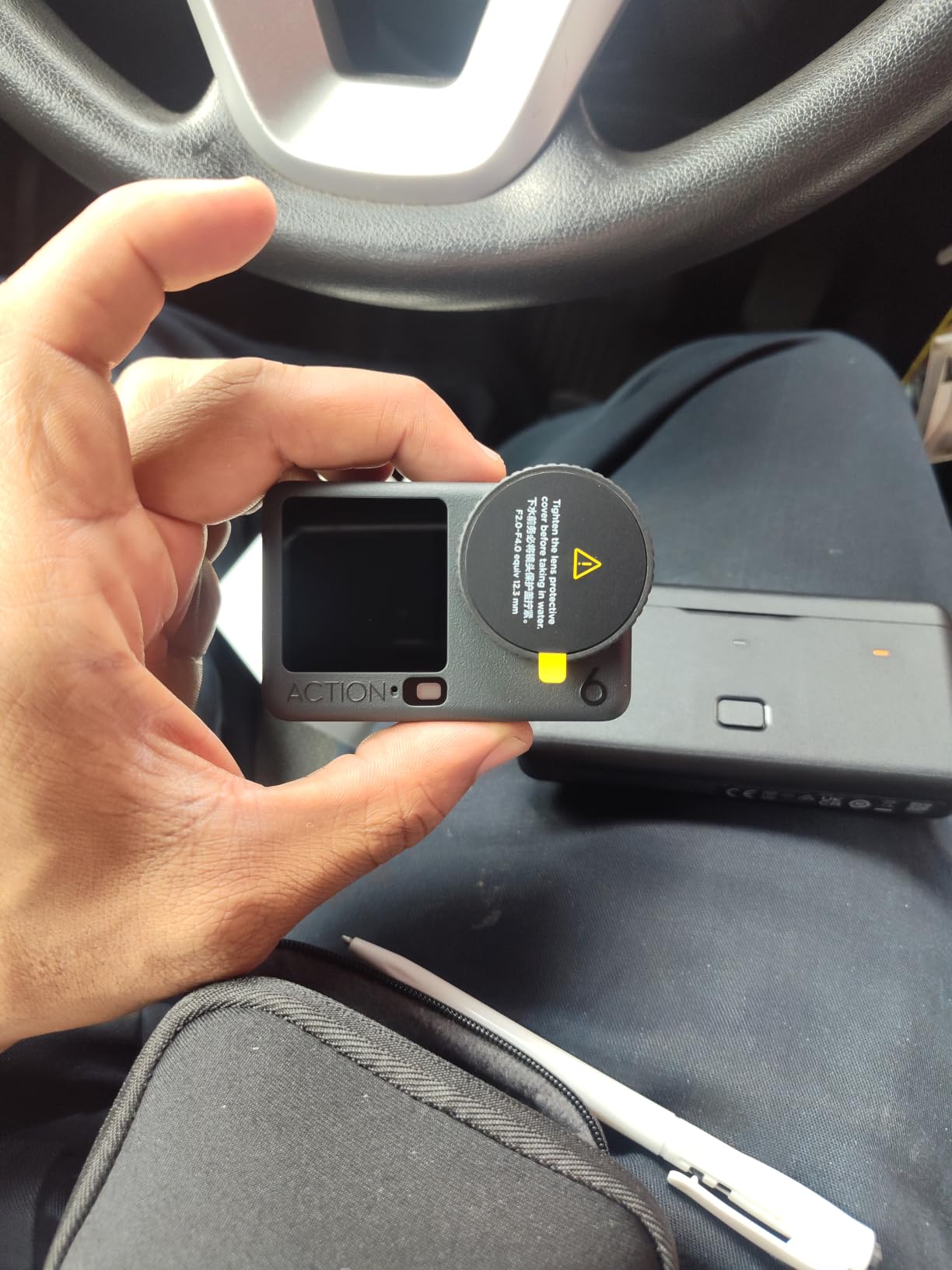
The variable aperture (f/2.0 to f/4.0) is a first for action cameras. I shot a sunrise mountain bike ride and stopped down to f/4 to avoid overexposing the sky; later in shaded woods I opened to f/2 for cleaner low-light footage. Photographers who understand aperture will appreciate the control. The 1/1.1-inch sensor is meaningfully larger than the Action 4’s, and SuperNight mode in dim trail conditions produced footage I’d actually post.
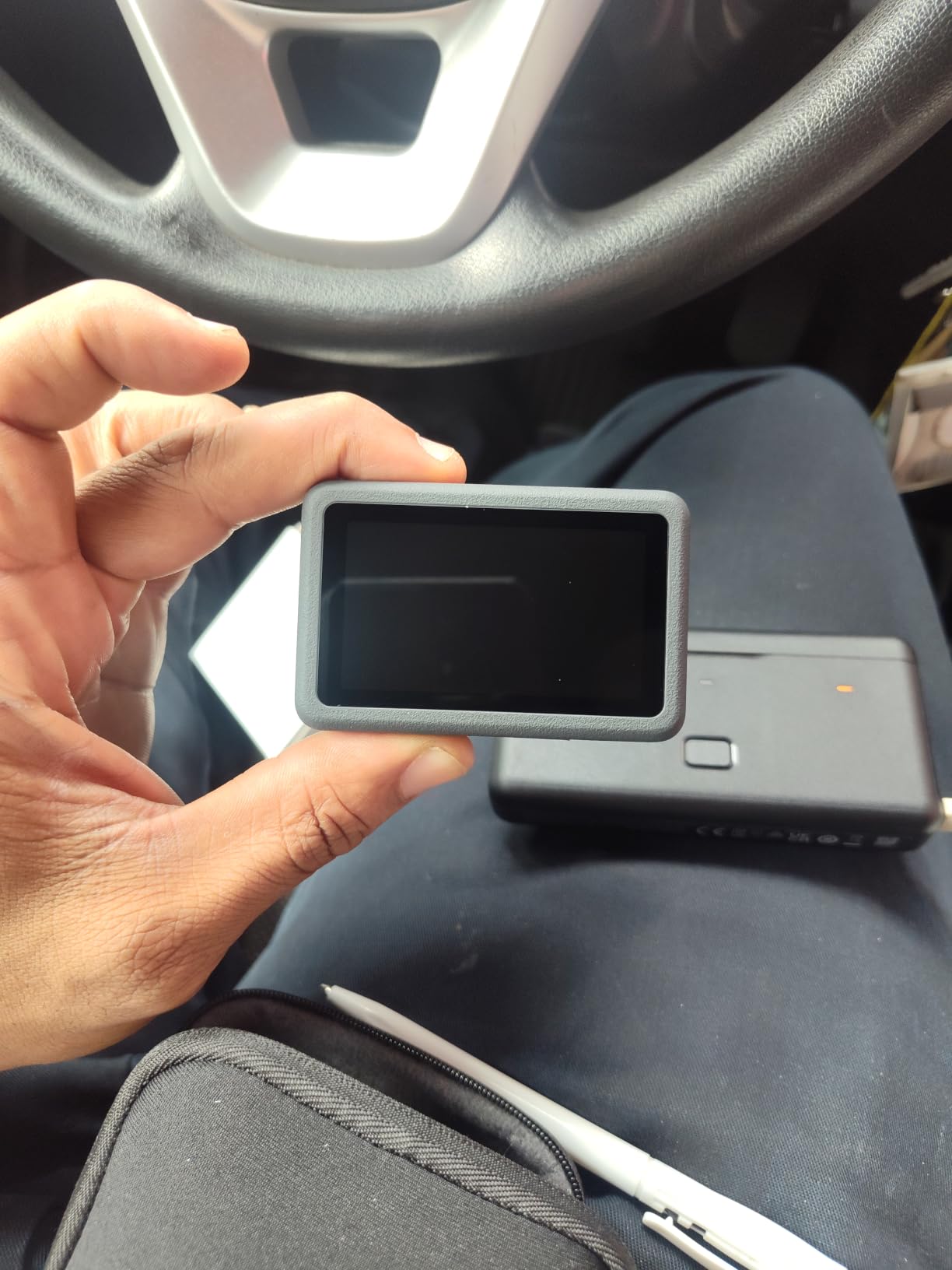
360-degree HorizonSteady is the real magic. I mounted the Action 6 to my mountain bike handlebars and the footage was level and shake-free even over rough terrain. The 4-hour battery life claim held up in my testing — about 3.5 hours of mixed 4K/60fps shooting with the displays at half brightness. Cold resistance means you can take this into winter sports without worrying about shutdowns.
Connectivity is where the Action 6 stands out for creators. Two DJI mic transmitters connect directly without a receiver, which is a game-changer for interview-style action content. Gesture and Voice Control also worked reliably when my hands were full or gloved.
Where the Action 6 fits in a creator kit
As a secondary action camera alongside a Pocket 3 or Pocket 4, the Action 6 covers underwater, motorsports, ski, and adventure footage. The 8K reframing trick makes it the best choice for creators who shoot one take and post everywhere. Photographers will love the variable aperture for any scenario where lighting shifts fast.
Honest drawbacks
The Enhanced Combo includes two batteries and a multifunctional case, but past buyers of the Adventure Bundle sometimes had three. Onboard mics are usable but not broadcast-grade. 8K files are large — you’ll want multiple high-endurance microSD cards on hand.
5. Sony ZV-1 — Best Compact Vlogging Camera
Sony ZV-1 Camera for Content Creators and Vloggers (White)
- 20.1MP 1-inch
- 24-70mm F1.8-2.8
- Real-Time Eye AF
- Product Showcase
- 4K UHD
Pros
- Sharp 20.1MP 1-inch Exmor RS sensor
- Bright ZEISS 24-70mm F1.8-2.8 lens with creamy bokeh
- Real-Time Eye AF and tracking lock on instantly
- Side flip-out 3-inch screen for self-recording
- Product Showcase Setting shifts focus from face to object
- Onboard forward mic with windscreen delivers clean audio
Cons
- Micro USB (not USB-C) feels dated
- Limited zoom range compared to long-lens compacts
- Battery life is modest for extended shoots
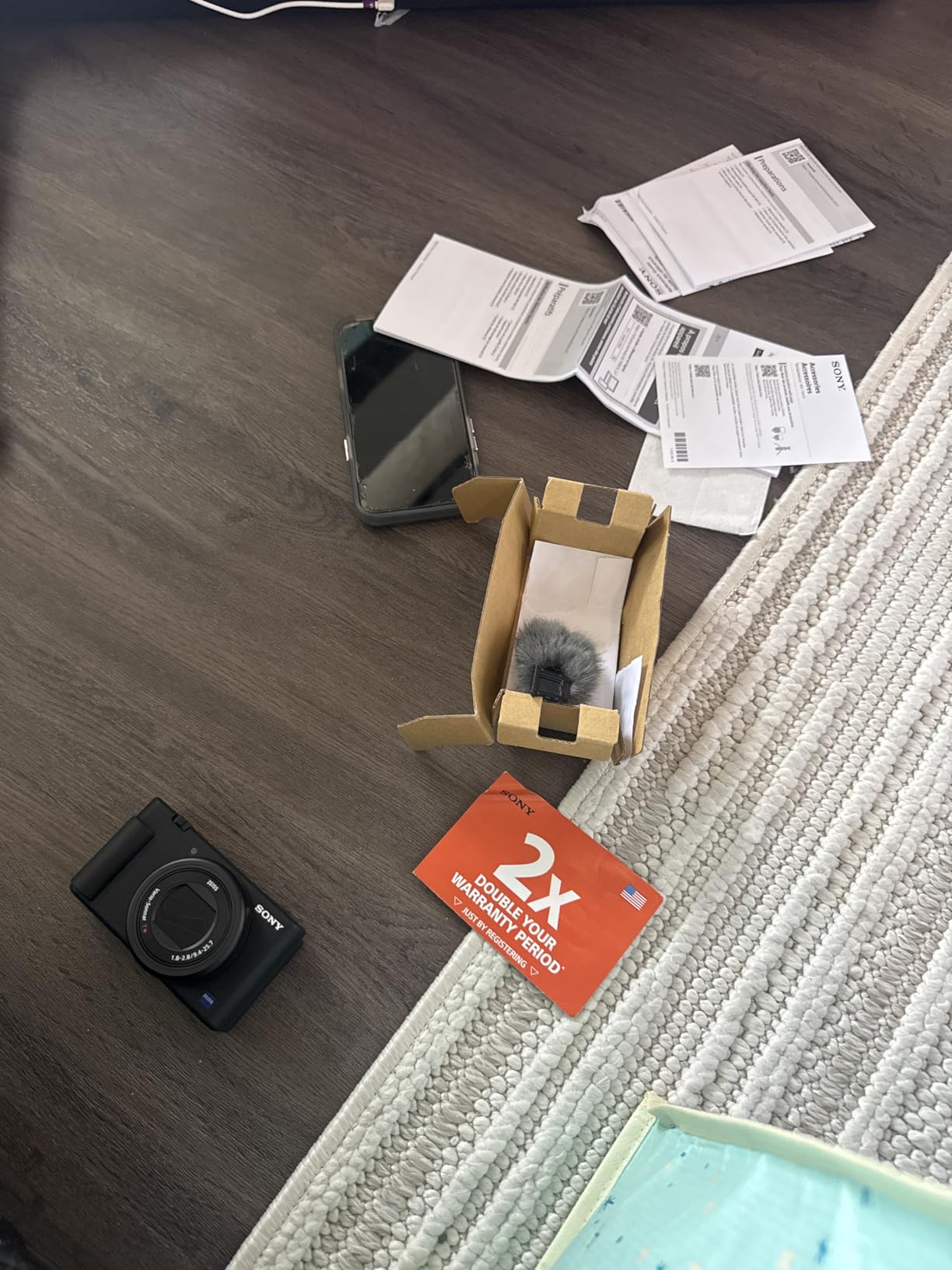
The Sony ZV-1 is the compact that built the creator-focused camera category, and it still earns its place in 2026. I keep one in my camera bag as a backup to my main mirrorless. The 1-inch sensor paired with the bright ZEISS 24-70mm F1.8-2.8 lens produces footage that punches well above the camera’s pocket-size footprint.
What makes the ZV-1 special for content creators is the vlogging-specific features. The Product Showcase Setting shifts focus from your face to an object you hold up to the camera in milliseconds — perfect for tech reviews, recipe videos, or any “show the thing” format. The side flip-out screen tilts forward for self-recording and the background defocus button toggles creamy bokeh with one press.
Autofocus is Sony’s calling card, and Real-Time Eye AF on the ZV-1 still feels modern years after release. I tested it walking toward and away from the camera and the focus held tight. For solo creators, this is the feature that makes the ZV-1 worth owning over generic compact cameras. Skin tones look natural with the enhanced color science Sony added for the ZV line.
Audio is another strength. The forward-directional on-board mic with the included windscreen captures usable audio for outdoor vlogs. For interviews or livestreams, the 3.5mm mic input and MI shoe let you add a shotgun or wireless mic easily. I paired the ZV-1 with a Rode Wireless GO II for a recent outdoor shoot and the audio was clean even in moderate wind.
Why the ZV-1 still wins in 2026
It hits the sweet spot for creators who want a pocketable camera with pro-level autofocus and a real zoom lens. Photographers who shoot family portraits will appreciate the ZEISS lens’s rendering for environmental shots. The 24-70mm range covers everything from group portraits to wide vlog framing.
Where the ZV-1 shows its age
The Micro USB port is the most common complaint — charging and data transfer are slower than USB-C. Battery life is modest; pack a spare for any shoot over 90 minutes. The menu system is dense and takes a day to learn.
6. Sony Alpha a6400 — Best APS-C Mirrorless for Hybrid Creators
Sony Alpha a6400 Mirrorless Camera: Compact APS-C Interchangeable Lens Digital Camera with Real-Time Eye Auto Focus, 4K Video, Flip Screen & 16-50mm Lens – E Mount Compatible – ILCE-6400L/B, Black
- 25MP APS-C
- Real-Time Eye AF
- 11 fps
- 4K video
- 180-degree tilt screen
Pros
- Industry-leading Real-Time Eye AF for humans and animals
- Wide 425 phase + 425 contrast AF points covering 84% of sensor
- 11 fps continuous shooting with clean natural colors
- 4K video with built-in time-lapse and slow/quick motion
- 180-degree tilt screen ideal for vloggers and selfie-style shots
- Interchangeable Sony E-mount lens system
Cons
- No in-body image stabilization (relies on stabilized lenses)
- Menu system is complex for beginners
- Micro USB rather than USB-C charging
The Sony a6400 is the camera I recommend when a photographer friend asks for “one camera that does everything.” It’s not new — Sony has refreshed this class since — but the combination of class-leading autofocus, 4K video, and the E-mount lens ecosystem keeps the a6400 relevant for hybrid shooters in 2026.
Autofocus is the headline. 425 phase-detection and 425 contrast-detection points cover 84% of the sensor, with Real-Time Eye AF that locks onto human and animal eyes and tracks them across the frame. I tested it on a family portrait session with a hyperactive toddler and the camera held focus even when she darted behind her dad. For YouTubers, this means fewer reshoots and more natural conversations with the camera.
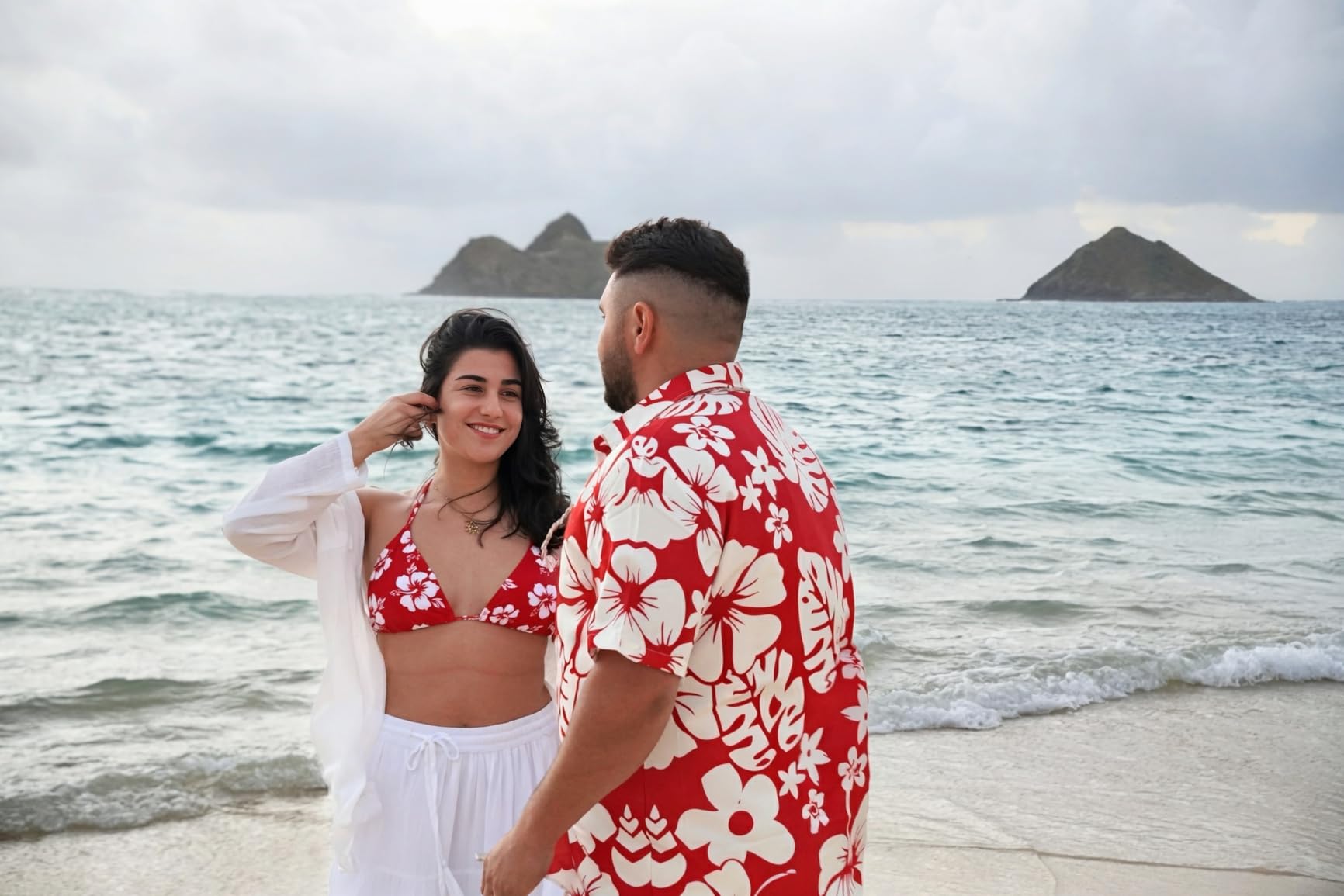
The 4K video is oversampled from 6K with full pixel readout — no pixel binning, no moiré, sharp footage. Multiple movie functions include in-camera time-lapse and slow/quick motion without post-processing. For creators building a YouTube channel around a vlog or behind-the-scenes format, the a6400 produces footage that grades cleanly in Premiere Pro or Final Cut.
For hybrid shooters, the 11 fps continuous shooting and 25MP APS-C sensor deliver photos good enough for client work. I shot a family session with the 16-50mm kit lens and was happy enough with the colors and dynamic range to deliver the gallery without second-guessing. Sony E-mount is the deepest mirrorless lens system available, with everything from budget primes to flagship G Master glass.
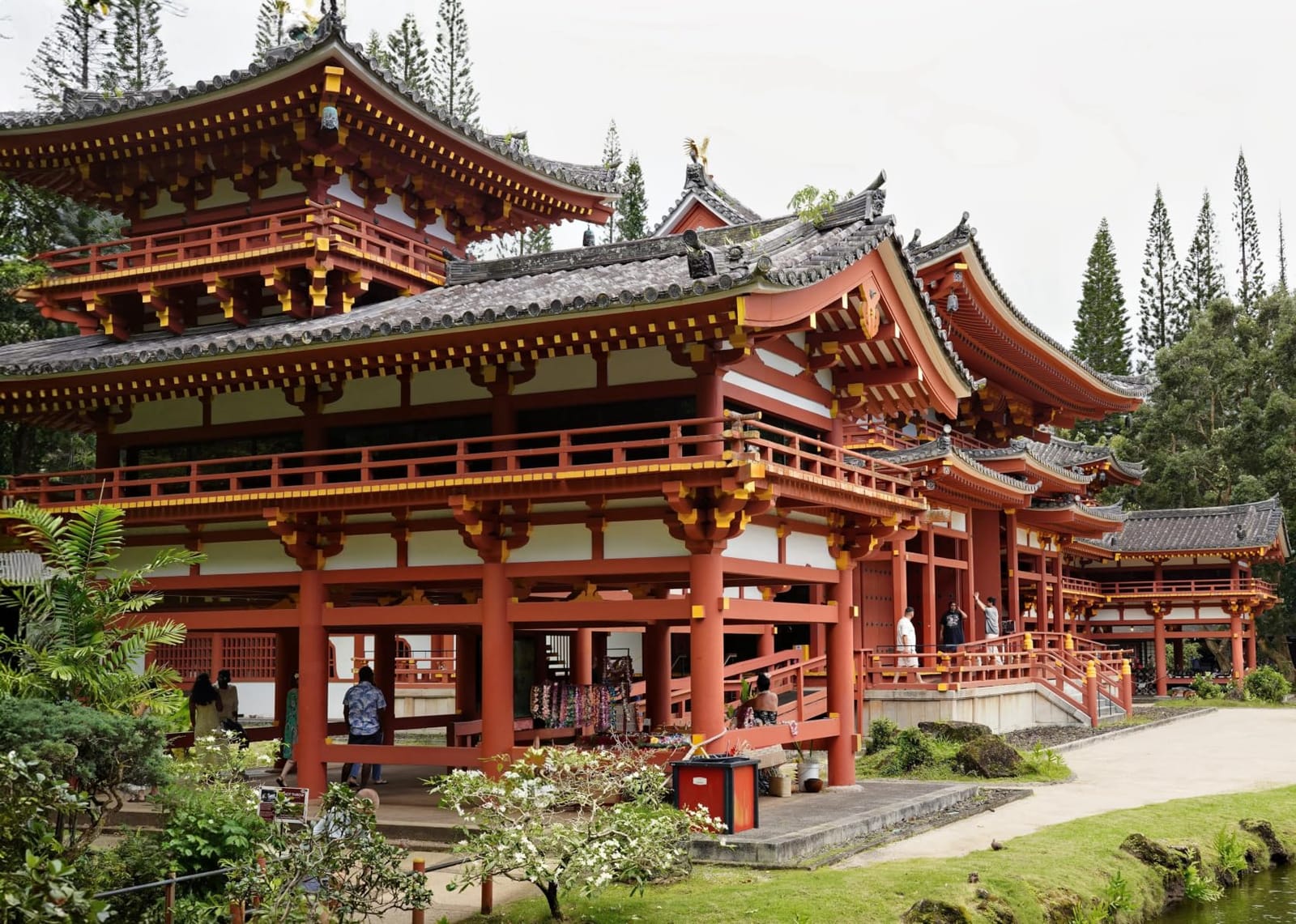
Why hybrid creators choose the a6400
It splits the difference between creator-focused cameras and full photography bodies. Photographers who already own Sony glass can adopt it without buying new lenses. Creators who shoot both stills and video get one body that handles both without compromise.
Honest trade-offs
No in-body image stabilization means handheld video relies on stabilized OSS lenses or a gimbal. Battery life is modest for extended video shoots. The Micro USB port is dated — plan on charging via an external battery pack for long shoot days.
7. Canon EOS RP — Best Full-Frame Mirrorless for Portrait Creators
Canon EOS RP Full Frame Mirrorless Vlogging Portable Digital Camera with 26.2MP, CMOS Sensor, Wi-Fi, Bluetooth, 4K Video Recording and 3.0″ Vari-Angle Touch LCD Screen, Body, Black
- 26.2MP full-frame
- Dual Pixel CMOS AF
- Vari-angle touchscreen
- 4K UHD
- Webcam-capable
Pros
- Full-frame 26.2MP sensor at a competitive price
- Lightest and smallest full-frame EOS camera body
- Dual Pixel CMOS AF is fast and accurate
- Vari-angle 3-inch touchscreen for vlogging and self-recording
- Wi-Fi and Bluetooth for fast file transfer
- Works as a webcam via EOS Utility or clean HDMI
Cons
- 4K video has a 1.6x crop
- Modest 5 fps burst for action photography
- Single SD card slot
- Limited battery life for extended video shoots
The Canon EOS RP is the most affordable way to step into Canon’s RF full-frame ecosystem, and for creators who shoot portrait and family work on the side, it’s an easy recommendation. The 26.2MP sensor delivers the color science Canon is known for — warm skin tones, smooth gradations, and clean high-ISO performance that mirrorless APS-C bodies struggle to match.
Dual Pixel CMOS AF is the same system Canon uses in higher-end bodies, and it works beautifully for both photo and video. I tested the EOS RP on a family session with three kids running around a backyard — the AF tracked each kid’s face as they moved in and out of frame. For YouTubers who want natural-looking talking-head footage, the AF holds on the eye without hunting.
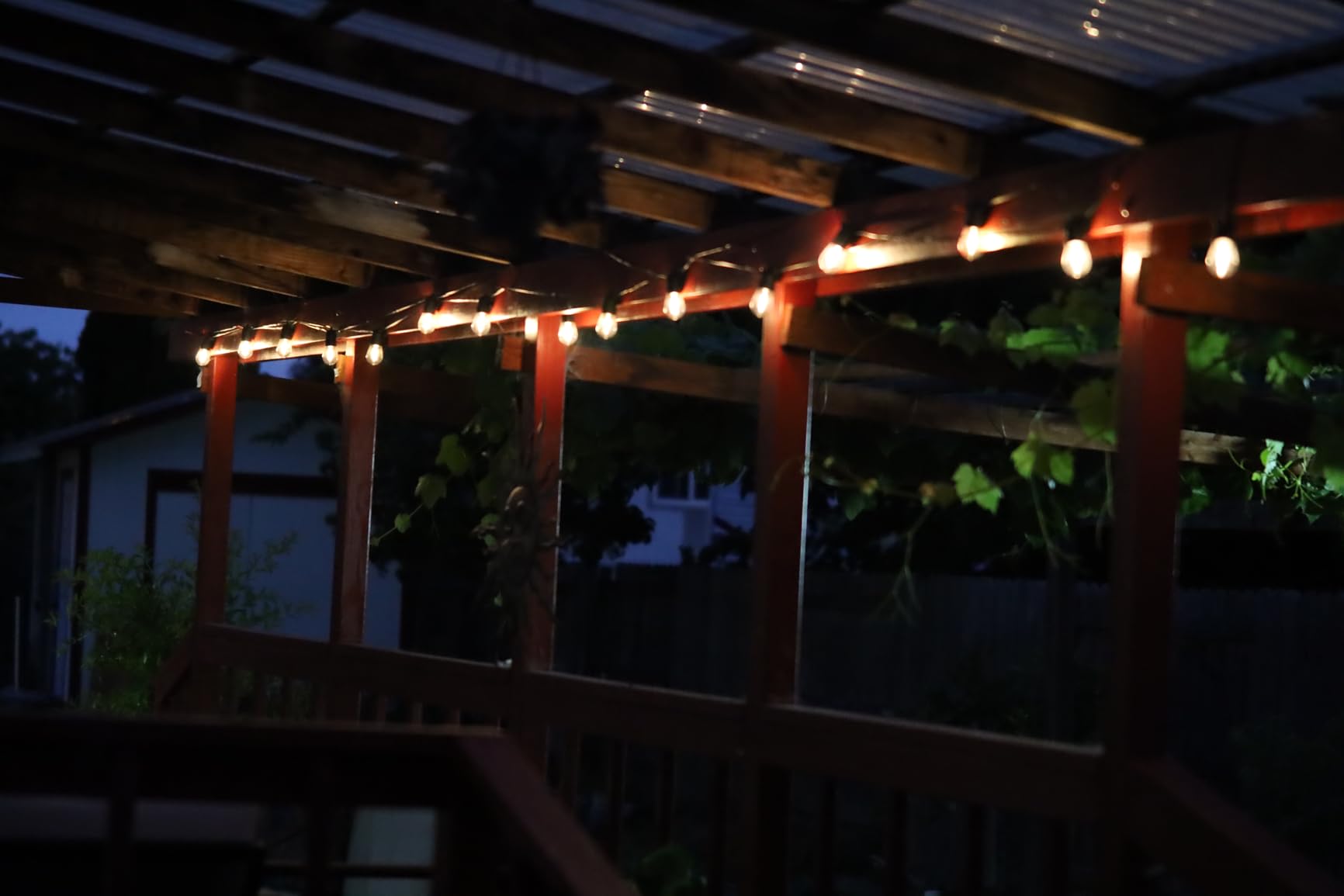
The vari-angle 3-inch touchscreen is a creator feature done right. It flips out to the side and rotates 180 degrees for self-recording without blocking the hot shoe or microphone port. As a photographer, I also use it for low-angle family portraits and overhead flat-lay shots — the flexibility is unmatched by tilt-only screens.
Where the EOS RP shows its age is 4K video. Canon applied a 1.6x crop that makes wide-angle vlogging harder without a wide lens. For YouTubers who sit close to the camera, this isn’t a problem; for vloggers who walk and talk, you’ll want a wider RF lens or to shoot in 1080p. The EOS RP also makes an excellent webcam via USB or clean HDMI — I use it for client consultations and online portfolio reviews.

Why studio and family photographers love the EOS RP
Canon color science is industry-standard for portrait work, and the RF mount gives access to Canon’s excellent RF lenses. The compact body makes it easier to bring a full-frame camera to family sessions where a larger body would be intrusive. For creators who shoot both portrait and video, one body covers both.
Where to look elsewhere
Action photographers and sports shooters will find the 5 fps burst limiting. Heavy 4K vloggers should consider the Canon R50 V or a Sony body instead. Battery life is short for extended video sessions — keep a spare LP-E17 on hand.
8. Canon PowerShot V10 — Best Budget Vlogging Camera
Canon PowerShot V10 Compact Vlogging Camera, 1″ CMOS Sensor, 4K Video Streaming, Built‑in Wide‑Angle Zoom Lens, Flip‑LCD & Stereo Mic, Image Stabilization, Creator Studio in Your Pocket, Black
- 1-inch CMOS
- 19mm wide lens
- Fold-out stand
- USB-C
- 4K at 30fps
Pros
- Truly pocketable at 7.5 ounces with a sleek design
- Strong low-light performance from the 1-inch CMOS sensor
- Innovative fold-out built-in stand for hands-free shooting
- Wide 19mm fixed lens is ideal for selfie-style content
- Front-facing flip-up screen for easy framing
- USB-C charging and external mic port included
Cons
- Fixed wide lens cannot zoom
- Limited manual controls compared to larger cameras
- Battery life tops out around 2 hours
The Canon PowerShot V10 is the best budget entry point for creators who want better-than-phone quality without learning a full camera system. I handed it to my partner — who is decidedly not a photographer — and she was filming TikToks in under three minutes. The fold-out built-in stand is the secret: set it on a table, frame yourself on the flip-up screen, and hit record.
The 1-inch sensor is the same size used in premium compacts like the Sony ZV-1. Low-light performance is meaningfully better than any smartphone, and the 19mm fixed wide-angle lens is ideal for the selfie-style framing TikTok and Instagram Reels demand. Color science leans warm and flattering — useful for creators who shoot themselves without a lighting setup.

USB-C charging is a small but important detail — you can charge the V10 from the same battery pack that charges your phone. The external mic port is also welcome at this price; pairing a small wireless mic transforms the audio quality. Stereo mics plus a third noise-reduction mic handle most vlogging scenarios without an external mic, though serious creators will want one.
Limitations are real but manageable. The fixed lens cannot zoom, so the V10 is not a travel camera replacement. 4K tops out at 30fps, which is fine for YouTube and TikTok but limiting for slow-motion. Battery life is around 2 hours of mixed shooting; pack a USB-C battery pack.

Why the V10 is the best beginner creator camera
There’s almost no learning curve. Set the stand, frame yourself, hit record. Photographers buying gifts for teen or tween creators will appreciate how it grows with the user — manual controls are limited but accessible, and the audio and color science deliver creator-ready footage from day one.
When to spend more
If you need zoom, slow-motion, or log profile video for color grading, move up to the Sony ZV-1 or a mirrorless body. For creators who already shoot on a phone and want better audio and low light, this is a sensible step up without the bulk of a mirrorless kit.
9. Sony ZV-1F Content Creator’s Ultimate Kit — Best All-in-One Bundle
Sony ZV-1F Content Creator’s Ultimate Kit: 128GB Extreme Memory, Mic, Video Light, Editing Software U-Grip, and Tripod Bundle (21pc)
- 20MP 1-inch
- Real-Time Eye AF
- Product Showcase
- 21-piece kit
- 1080p and 4K
Pros
- Compact lightweight body that's easy to carry
- Real-Time Eye AF for sharp subject capture
- Product Showcase Setting makes review-style content easy
- Active Mode stabilization reduces handheld blur
- 21-piece kit includes 128GB card
- condenser mic
- U-grip
- tripod
- UV filter
- Movavi editing software included
Cons
- Wide-angle lens is fixed with no optical zoom
- Battery life is short and spare batteries are recommended
- Some bundled accessories are perceived as lower quality than Sony
The ZV-1F bundle is the right choice for creators who want everything in one box and don’t want to research which microphone, memory card, or tripod to buy. The 21-piece kit covers the essentials: a 128GB SanDisk Extreme Pro card, a condenser microphone, a U-grip, a tripod, a UV filter, and Movavi video editing software.
The camera itself is a simplified ZV-1. The 20MP 1-inch sensor delivers the same image quality, and Real-Time Eye AF handles subject tracking reliably. Product Showcase Setting and Background Defocus button are still there, making this a strong choice for review-style content. The fixed wide lens is the main compromise versus the ZV-1’s zoom lens.

I tested the bundle with a friend starting a YouTube cooking channel. She went from unboxing to filming her first recipe video in 30 minutes. The included U-grip and tripod cover handheld and static shots; the condenser mic dramatically improves audio over the on-board solution. For a creator just starting out, that convenience is worth more than picking individual components.
The Movavi software is beginner-friendly but limited compared to DaVinci Resolve or Adobe Premiere Pro. Most creators will outgrow it within six months. The bundled accessories are functional but not flagship — the condenser mic works but a Rode or DJI wireless mic sounds cleaner.
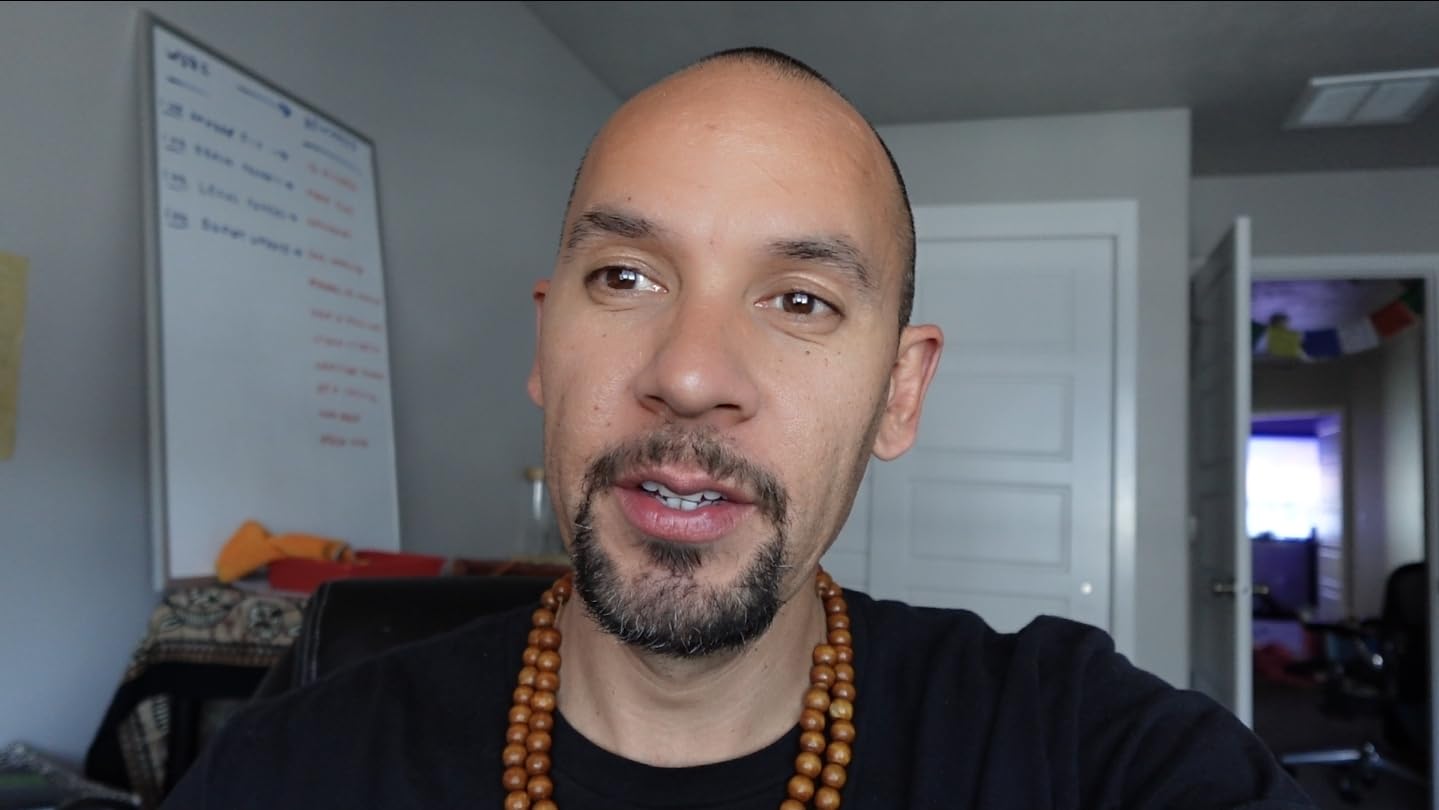
Who the ZV-1F bundle fits
First-time creators who want one purchase that covers camera, audio, and storage from day one. Gift buyers looking for a complete creator kit. Photographers who want a small backup vlog camera with audio gear included.
When to buy the camera alone instead
If you already own a good mic, tripod, and memory card, the bundle’s value diminishes. Creators who want a zoom lens for travel should pick the ZV-1 standard kit instead. Serious filmmakers will want a mirrorless body with log profile video.
10. Sony ZV-E10 — Best Live Streaming Mirrorless Camera
Sony ZV-E10 APS-C Mirrorless Camera with 16-50mm Lens Black
- 24.2MP APS-C
- 425-point AF
- 4K oversampled
- Single-USB streaming
- 16-50mm kit lens
Pros
- 24.2MP APS-C sensor with sharp 4K oversampled from 6K
- Interchangeable Sony E-mount lens system
- Product Showcase Setting for review-style content
- One-press Background Defocus button
- 425-point hybrid AF with Real-Time Eye tracking
- Single-USB live streaming without extra software
- Side flip-out screen ideal for vlogging
Cons
- No in-body stabilization (relies on stabilized OSS lenses)
- No viewfinder
- Modest battery life for long shoots
The Sony ZV-E10 is the creator-focused mirrorless that does live streaming better than anything else in this list. Connect it to a computer with a single USB cable and it shows up as a webcam — no capture card, no extra software, no fuss. I tested this on a Twitch stream and the image quality blew away my Logitech Brio, with the bonus of clean autofocus and interchangeable lenses.
The 24.2MP APS-C sensor produces 4K video oversampled from 6K with full pixel readout — sharp footage without pixel binning. For hybrid creators who shoot both YouTube talking heads and family portraits, the E-mount lens system means you can swap between wide-angle streaming setups and telephoto portrait lenses without changing bodies.
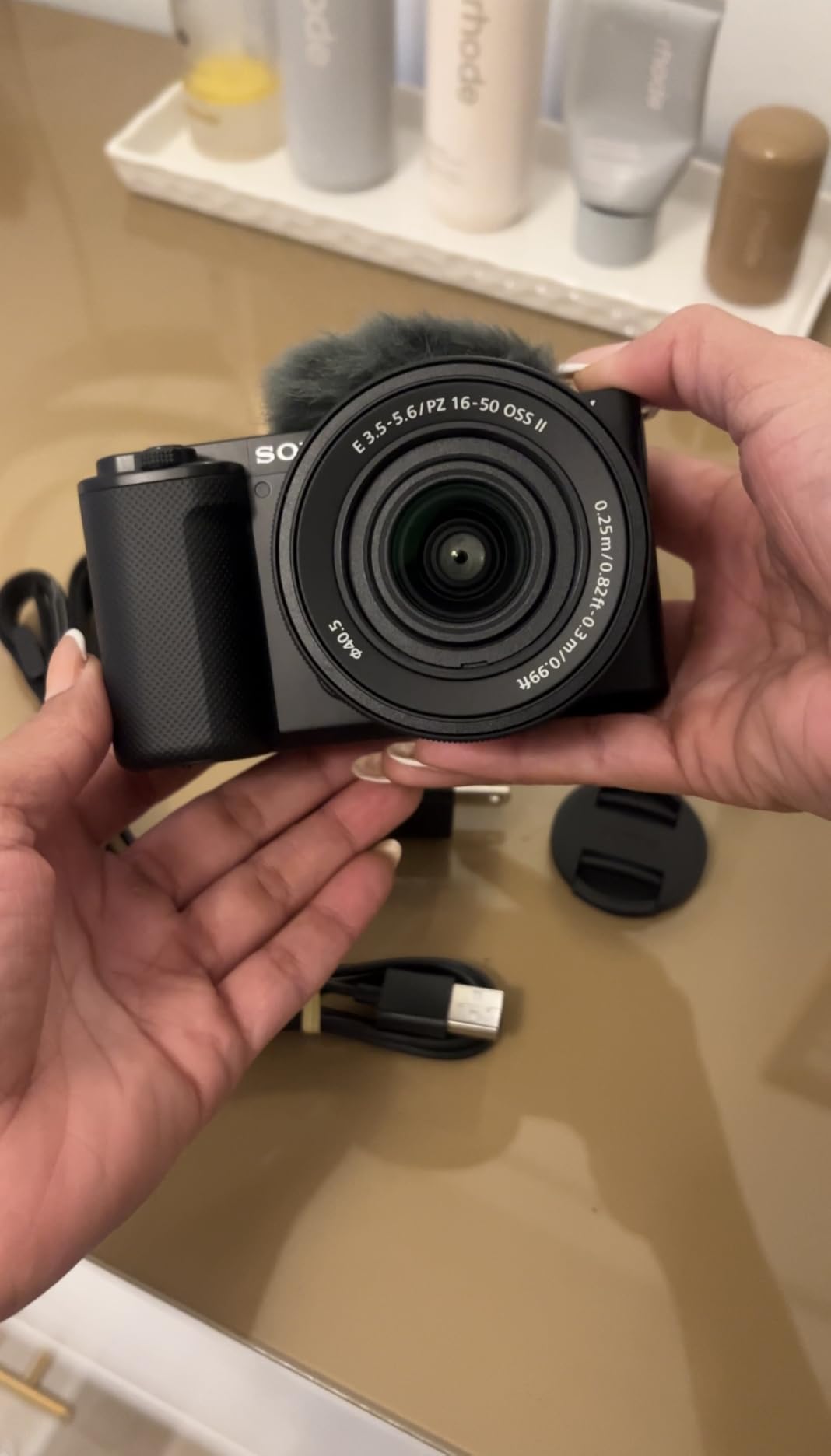
Product Showcase Setting and Background Defocus button are creator features that work as well as they do on the ZV-1F. The 425-point hybrid AF with Real-Time Eye tracking handles solo creators, interview setups, and product reviews with consistent focus. The directional 3-capsule mic with windscreen is usable for ambient audio in a quiet room; for streaming, I’d still recommend an external mic.
The 16-50mm kit lens covers the basics but isn’t a standout performer. For creators serious about streaming, I’d budget for the Sony 10-18mm OSS or Sigma 16mm f/1.4 to get a wider, sharper image. Photographers who already own Sony glass can bring it over and skip the kit lens entirely.
Why streamers choose the ZV-E10
The single-USB streaming is the killer feature. No capture card required, no driver installation, no compatibility headaches. The interchangeable lens system means streamers can dial in their look — wide-angle for IRL streams, prime for sharp talking heads, telephoto for podcast-style setups.
Trade-offs to know
No in-body stabilization means handheld video needs stabilized OSS lenses or a gimbal. No viewfinder means bright outdoor shooting can be a challenge with the LCD. Battery life is the weakest point — for long streaming sessions, run on USB power with a dummy battery or external USB-C PD source.
Buyer’s Guide: How to Choose the Best Camera for Content Creators in 2026
Choosing the best cameras for content creators in 2026 comes down to matching the camera’s strengths to how you actually create. Here’s what our team considers for every recommendation on this list, plus the trends shaping the creator camera market in 2026.
Sensor Size and Image Quality
Sensor size affects low-light performance, depth of field, and overall image quality. The 1-inch sensors in the DJI Pocket 3, Osmo Pocket 4, Sony ZV-1, Sony ZV-1F, and Canon PowerShot V10 deliver noticeably better low-light performance than smartphones and most action cameras. APS-C sensors in the Sony a6400 and ZV-E10 offer a step up in dynamic range and shallow depth of field — ideal for creators who shoot both video and portraits. The Canon EOS RP’s full-frame sensor provides the best low-light performance and the most cinematic depth of field for portrait-driven creators.
Autofocus and Subject Tracking
Reliable autofocus is non-negotiable for content creators. Sony’s Real-Time Eye AF is still the benchmark for hybrid creators; Canon’s Dual Pixel CMOS AF performs similarly for photo and video. DJI’s ActiveTrack 6.0 and 4x zoom tracking are best-in-class for solo creators who need the camera to follow them. Look for cameras with phase-detection autofocus covering at least 80% of the sensor for the most reliable tracking.
Stabilization: IBIS, Gimbal, and Digital
There are three types of stabilization in creator cameras. Mechanical 3-axis gimbals (DJI Pocket 3 and Pocket 4) deliver the smoothest handheld footage. In-body image stabilization (IBIS) is rarer in creator-focused bodies but present in some full-frame options. Digital stabilization (RockSteady on DJI Action cameras, Active Mode on Sony compacts) is effective for moderate movement but adds a slight crop. Shooters who walk and film should prioritize a gimbal-stabilized body or a hybrid camera paired with a motorized gimbal.
Audio Inputs and Monitoring
Audio matters more than resolution for viewer retention. Every camera on this list has either a 3.5mm microphone input, a multi-function shoe, or both. The DJI Mic 2 and Mic 3 transmitters integrate seamlessly with the Osmo Pocket 3, Pocket 4, and Action cameras. For streaming-focused creators, USB audio interfaces still outperform camera microphones. Plan for at least one external mic in your creator kit — the Sony ZV-1F bundle includes one out of the box.
Flip Screens and Ergonomics
An articulating screen simplifies self-recording dramatically. Side flip-out screens (Sony ZV-1, Sony ZV-1F, Sony ZV-E10, Canon EOS RP) avoid blocking the hot shoe and microphone ports. Top-flip screens (older Sony bodies) work but interfere with accessories. The DJI Pocket 3 and Pocket 4 rotate their built-in 2-inch screens for vertical shooting — a workflow advantage for cross-platform creators.
Lens Ecosystem and Total Cost
The cheapest camera body is rarely the cheapest kit. Sony E-mount (a6400, ZV-E10) and Canon RF mount (EOS RP) have deep lens lineups ranging from affordable third-party options to flagship first-party glass. The DJI Pocket series and Sony ZV-1 use fixed lenses, which limits flexibility but keeps the system compact. Action cameras (DJI Osmo Action 4 and 6) have wide fixed lenses optimized for immersive footage. Budget for lenses and accessories — typically 30-50% of the camera body’s cost over the first year.
Major Camera Trends for 2026
Three trends are reshaping creator cameras in 2026. First, AI-powered subject tracking and framing are now standard in flagship bodies; even budget cameras ship with face and eye detection. Second, vertical video is no longer an afterthought — Canon R-series bodies, DJI Pocket 3/4, and Sony ZV-E10 all support native vertical capture with the screen and UI rotating to match. Third, 10-bit color and log profiles have moved downmarket; creators who want to grade footage no longer need to spend flagship money. The cameras on this list reflect all three trends.
Frequently Asked Questions
What cameras do most content creators use in 2026?
Most content creators in 2026 use hybrid mirrorless cameras or pocketable gimbal cameras. Sony Alpha bodies (ZV-E10, a6400), Canon EOS R series, and DJI Osmo Pocket cameras are the most common. The choice depends on format: vloggers favor DJI Pocket 3 and Canon PowerShot V10 for portability, YouTubers favor Sony ZV-1 and ZV-E10 for autofocus and live streaming, and hybrid shooters favor Sony a6400 or Canon EOS RP for lens flexibility.
What is the best camera for content creation overall?
The DJI Osmo Pocket 3 Creator Combo is the best overall camera for content creation in 2026. It combines a 1-inch sensor, 4K/120fps video, a 3-axis mechanical gimbal, ActiveTrack 6.0, and DJI Mic 2 integration in a pocket-sized body. For creators who need interchangeable lenses, the Sony Alpha a6400 is the best hybrid option.
What is the best budget camera for content creation?
The Canon PowerShot V10 is the best budget camera for content creation. It has a 1-inch sensor, fixed 19mm wide-angle lens, fold-out built-in stand, USB-C charging, and an external mic port. For under $400, it delivers creator-ready footage with almost no learning curve, making it ideal for beginners or creators who want better-than-phone quality.
Is mirrorless better than compact cameras for video?
Mirrorless cameras offer interchangeable lenses, larger sensors, and better low-light performance, which makes them better for cinematic video, hybrid photo and video work, and creators who want to grow their kit over time. Compact cameras like the Sony ZV-1 or DJI Osmo Pocket 3 win on portability, simplicity, and creator-specific features like built-in gimbals and product showcase modes. Choose mirrorless for flexibility; choose compact for convenience.
Do I really need 4K video for YouTube?
YouTube supports 4K playback, but most viewers watch on phones and laptops where 1080p looks excellent. For talking-head content, vlogs, and tutorials, 1080p at 60fps is often enough. 4K matters if you crop in post, deliver to clients, or want to future-proof your footage. For travel vlogs and action content, 4K also helps with stabilization cropping. The cameras on this list all shoot 4K, giving you the option without forcing it.
Final Verdict: Which Content Creator Camera Should You Buy in 2026?
If we had to pick just one camera from this list, the DJI Osmo Pocket 3 Creator Combo wins for most creators. It handles vlogs, YouTube sit-downs, and travel footage in a body that fits in a jacket pocket, with image quality that rivals larger cameras. The DJI Mic 2 in the Creator Combo solves the audio problem that trips up most new creators.
For hybrid creators who shoot both video and portraits, the Sony Alpha a6400 or Canon EOS RP are stronger long-term investments thanks to their interchangeable lens systems. For action and adventure creators, the DJI Osmo Action 4 or Action 6 brings waterproofing, 8K reframing, and mountain-bike-ready stabilization. For beginners and budget-conscious creators, the Canon PowerShot V10 is the easiest way to step up from a smartphone.
Whichever camera you choose from this guide, you’ll find that the best cameras for content creators in 2026 are the ones you’ll actually carry with you. Match the camera to your format, budget for one good microphone, and start filming. The technology has caught up with creator workflows — now it’s about consistency and storytelling.