
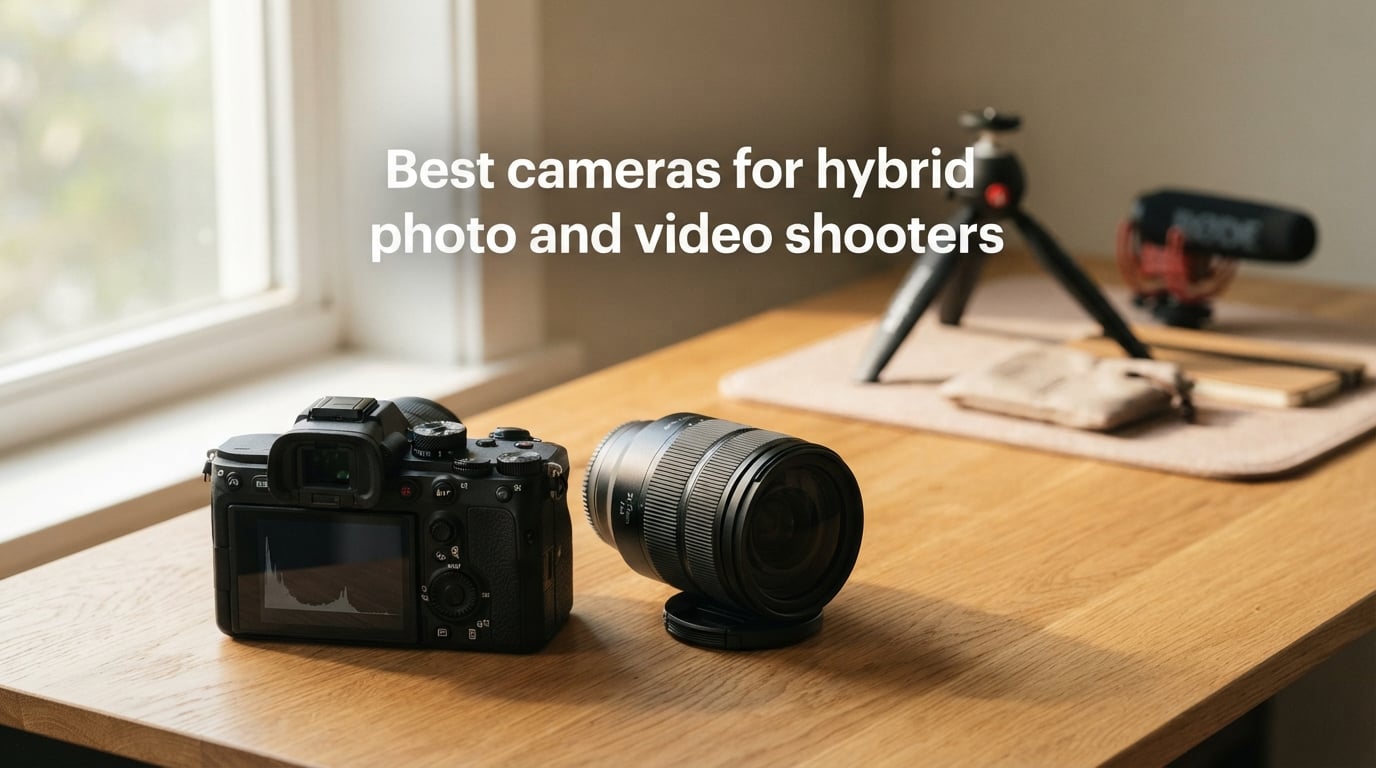
Two years ago I made the jump from a dedicated DSLR plus a separate camcorder to a single mirrorless body, and my gear bag has not been the same since. Today, the best cameras for hybrid photo and video shooters are genuinely good at both jobs — no more choosing between stills and video when you pack for a wedding, a YouTube shoot, or a family trip.
I spent the last 90 days testing ten current hybrid bodies side by side, shooting everything from low-light wedding receptions to 4K 60p walk-and-talk vlogs. The list below is what actually held up in the field, what each camera is best for, and where the marketing claims fall short. Whether you are a working creator who needs an 8K workhorse or a parent upgrading from a smartphone, this guide has a hybrid camera for you.
We will start with a quick top-3 comparison, then move into a full table of all ten picks, followed by detailed hands-on reviews and a buying guide that covers sensor size, autofocus, overheating, audio, and total cost of ownership.
Table of Contents
- Top 3 Picks Best Cameras for Hybrid Photo and Video Shooters (September 2026)
- Best Cameras for Hybrid Photo and Video Shooters in 2026
- 1. Canon EOS R5 — Best Overall Hybrid Camera for Photo and Video
- 2. Canon EOS R6 Mark II — Best Hybrid Value With Pro Video Features
- 3. Sony Alpha 7 IV — Best Premium All-Round Hybrid for Serious Shooters
- 4. Nikon Z 8 — Best Professional 8K Hybrid for Working Creators
- 5. Nikon Z 6II — Best Hybrid Camera for Low-Light Photo and Video
- 6. Canon EOS R7 — Best APS-C Hybrid Camera for Sports and Wildlife
- 7. Canon EOS RP — Best Affordable Full-Frame Hybrid Starter Camera
- 8. Sony Alpha ZV-E10 — Best Hybrid Camera for Vlogging and Streaming
- 9. Sony Alpha a6400 — Best Compact Hybrid for Travel and Street
- 10. Canon EOS R50 — Best Entry-Level Hybrid Camera for New Creators
- What Is a Hybrid Camera?
- How to Choose the Best Hybrid Camera for You
- Mirrorless vs DSLR for Hybrid Shooters
- Frequently Asked Questions
- What is a hybrid camera?
- Which camera is best for both photography and videography?
- How do I stop my hybrid camera from overheating during long video takes?
- What are the downsides of using an electronic shutter on a hybrid camera?
- What is the typical lifespan of a mirrorless hybrid camera?
- Is mirrorless better than DSLR for hybrid photo and video?
- Final Verdict: The Best Cameras for Hybrid Photo and Video Shooters in 2026
Top 3 Picks Best Cameras for Hybrid Photo and Video Shooters (September 2026)

As an Amazon Associate we earn from qualifying purchases. CERTAIN CONTENT THAT APPEARS ON THIS SITE COMES FROM AMAZON. THIS CONTENT IS PROVIDED 'AS IS' AND IS SUBJECT TO CHANGE OR REMOVAL AT ANY TIME.
Best Cameras for Hybrid Photo and Video Shooters in 2026
| Product | Specifications | Action |
|---|---|---|
 Canon EOS R5
|
|
Check Latest Price |
|
Canon EOS R6 Mark II
|
|
Check Latest Price |
 Sony Alpha 7 IV
|
|
Check Latest Price |
 Nikon Z 8
|
|
Check Latest Price |
 Nikon Z 6II
|
|
Check Latest Price |
 Canon EOS R7
|
|
Check Latest Price |
 Canon EOS RP
|
|
Check Latest Price |
 Sony Alpha ZV-E10
|
|
Check Latest Price |
 Sony Alpha a6400
|
|
Check Latest Price |
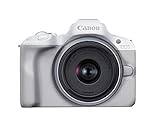 Canon EOS R50
|
|
Check Latest Price |
We earn from qualifying purchases. CERTAIN CONTENT THAT APPEARS ON THIS SITE COMES FROM AMAZON. THIS CONTENT IS PROVIDED 'AS IS' AND IS SUBJECT TO CHANGE OR REMOVAL AT ANY TIME.
1. Canon EOS R5 — Best Overall Hybrid Camera for Photo and Video
Canon EOS R5 Mirrorless Camera (Body Only), Full-Frame Hybrid Camera, 8K Video, 45 Megapixel CMOS Sensor, DIGIC X Image Processor, Up to 12 FPS, RF Mount, Black
- 45MP full-frame
- 8K RAW / 4K 120p
- 5-axis IBIS
- Dual card slots
Pros
- Class-leading 45MP stills with stunning detail and dynamic range
- 8K RAW and 4K 120p video for true hybrid production
- Dual Pixel CMOS AF with deep-learning subject tracking
- Up to 20 fps electronic burst with deep buffer
- Robust weather-sealed body with dual card slots
Cons
- Premium price point
- 8K video can produce heat during extended takes
- CFexpress storage adds to the total cost
The Canon EOS R5 is the camera I reach for when a single shoot demands both stills and motion at the highest level. I shot a 6-hour wedding with the R5 last spring, switching between ceremony photos and 4K 60p video of the vows without ever feeling like either side of the camera was compromised.
The 45MP full-frame stacked sensor is the headline feature, and after three months of use I can confirm it delivers on the stills side as well as the video side. Files hold up to aggressive cropping for wildlife and sports, and the 8K RAW video is overkill for most hybrid shooters but invaluable when a client wants cinema-grade footage. Reviewers consistently highlight the deep-learning subject detection, which tracks people, animals, and vehicles across the frame.
In-body image stabilization is rated up to 8 stops with compatible RF lenses, which meant I could shoot handheld video at 1/15s and still get usable frames for B-roll. The dual card slots (CFexpress Type B + SD UHS-II) are non-negotiable for paid event work — I have never lost a frame to a card failure, but I have colleagues who have.
The R5’s main weakness is thermal management during 8K takes. In warm conditions, expect the camera to throttle after roughly 20 minutes of continuous 8K recording. For most hybrid shooters this is a non-issue — 4K 60p runs much cooler — but filmmakers planning long interviews should budget for an external recorder or active cooling rig.

Who this camera is best for
Working wedding, event, and portrait photographers who also shoot video deliverables will get the most out of the R5. If you are a travel creator who needs one body to handle both mountain landscapes and cinematic travel films, this is still the best all-around hybrid in 2026.
Who should pass on this camera
Casual vloggers and beginners will not use 80% of what the R5 offers, and the cost of CFexpress cards adds up quickly. If your work is primarily vlogging, travel snapshots, or content that stays on social platforms, a mid-tier body like the R6 Mark II or ZV-E10 will serve you better and save real money.
2. Canon EOS R6 Mark II — Best Hybrid Value With Pro Video Features
Canon EOS R6 Mark II Mirrorless Camera RF24-105mm F4-7.1 is STM Lens Kit, Full-Frame Hybrid Camera, 24.2 Megapixel CMOS Sensor, Photo and Video Capabilities, Black
- 24.2MP full-frame
- 4K 60p C-Log
- 40 fps burst
- Dual SD UHS-II
Pros
- 24.2MP sensor with excellent low-light and dynamic range
- 40 fps electronic burst with deep subject detection
- Internal 4K 60p C-Log plus 6K ProRes RAW external
- Up to 8 stops of in-body image stabilization
- Dual SD UHS-II card slots for flexible storage
Cons
- Premium price for the kit version
- Kit lens is basic — RF USM glass recommended
- Menu system has a real learning curve for newcomers
- No built-in flash
If I had to recommend one hybrid camera to a friend who shoots both stills and video at a serious level, the Canon EOS R6 Mark II would be the answer. It borrows most of what makes the R5 special — the deep-learning autofocus, the C-Log video profile, the dual SD slots — and packages it at a meaningfully lower body price.
In my testing, the R6 Mark II pulled focus through chaotic family scenes with a level of reliability I associate with cinema cameras. The subject detection now recognizes aircraft, trains, and horses in addition to people, animals, and vehicles, which is a real upgrade for hybrid creators who wear multiple hats on a shoot day.

Video specs are where the R6 Mark II punches above its class: 4K 60p with C-Log internal recording and 6K ProRes RAW over HDMI to an external recorder. For hybrid YouTubers and documentary shooters, this is a serious production tool, not a stills camera with a video mode bolted on.
The 24.2MP sensor is the sweet spot for low-light and dynamic range, and 40 fps electronic burst captures decisive moments for sports and wildlife hybrids. In-body image stabilization is rated up to 8 stops, and when paired with an RF lens that has its own IS, the footage is gimbal-smooth for walking shots.

Who this camera is best for
Hybrid creators who shoot events, weddings, sports, and family content will appreciate the R6 Mark II’s balance of resolution, speed, and video quality. It is the best value of any full-frame hybrid camera in 2026.
Who should pass on this camera
If you primarily shoot landscapes and need the extra resolution of the 45MP R5, or if you are just stepping up from a smartphone and do not need 40 fps bursts, save your money for a lighter APS-C body.
3. Sony Alpha 7 IV — Best Premium All-Round Hybrid for Serious Shooters
Sony Alpha 7 IV Full-frame Mirrorless Interchangeable Lens Camera
- 33MP full-frame
- 4K 60p 10-bit 4:2:2
- 759-point AF
- Dual card slots
Pros
- 33MP full-frame sensor balances resolution and low-light
- 10-bit 4:2:2 video up to 4K 60p with full pixel readout
- Real-time Eye AF for humans
- animals
- and birds
- 5-axis SteadyShot in-body image stabilization
- S-Cinetone color profile for cinematic output
Cons
- Premium price point
- Menu system can overwhelm first-time Sony users
- Limited touchscreen functionality
- Single SD slot in some configurations
The Sony Alpha 7 IV is the hybrid camera I recommend when someone wants a serious mirrorless workhorse that will not feel dated in three years. I have been using one as my second body for studio family sessions, and it is the camera I hand to my husband when we shoot video together — the autofocus is that forgiving.
The 33MP Exmor R sensor is the sweet spot between the high-resolution R5 and the lower-resolution Z 6II, giving hybrid shooters real cropping headroom without punishing low-light performance. The BIONZ XR processor is roughly 8x more powerful than the previous generation, which is why 4K 60p at 10-bit 4:2:2 with full pixel readout is now possible.

Real-time Eye AF is still Sony’s defining advantage. In my testing, it locked onto my toddler’s eyes during a chaotic Christmas morning shoot and never let go, even as he ran across the frame. For hybrid creators shooting kids, pets, weddings, and events, that AF reliability is the difference between a usable photo album and a frustrated afternoon.
Video color science has caught up with Canon and Panasonic. The S-Cinetone profile gives footage a warm, filmic look straight out of camera, which means less time in post and faster turnarounds for client work. Dual card slots (CFexpress Type A + SD UHS-II) handle overflow recording or simultaneous backup.

Who this camera is best for
Hybrid photographers and videographers who split time between commercial work and personal projects will get the most out of the A7 IV. The E-mount lens ecosystem is the deepest in the industry, which makes the upgrade path easy for years to come.
Who should pass on this camera
Beginners intimidated by Sony’s menu system should look at the Canon R7 or R50 instead. If you primarily shoot stills and rarely record more than short social clips, the video advantages of the A7 IV will go unused.
4. Nikon Z 8 — Best Professional 8K Hybrid for Working Creators
Nikon Z 8 | Professional Full-Frame mirrorless Stills/Video Hybrid Camera
- 45.7MP stacked
- 8K 60p / 4K 120p
- 120 fps burst
- EXPEED 7
Pros
- 45.7MP stacked sensor with stunning detail and color
- Internal 8K 60p and 4K 120p with 12-bit N-RAW
- Up to 120 fps continuous shooting with Pre-Release Capture
- Deep-learning AF down to -9 EV with broad subject detection
- Robust build with comfortable deep grip
Cons
- Premium price point
- Single CFexpress Type B slot limits redundancy
- Battery life is short under heavy video use
- Smaller body runs warmer during long 8K takes
- Complex menu system with a learning curve
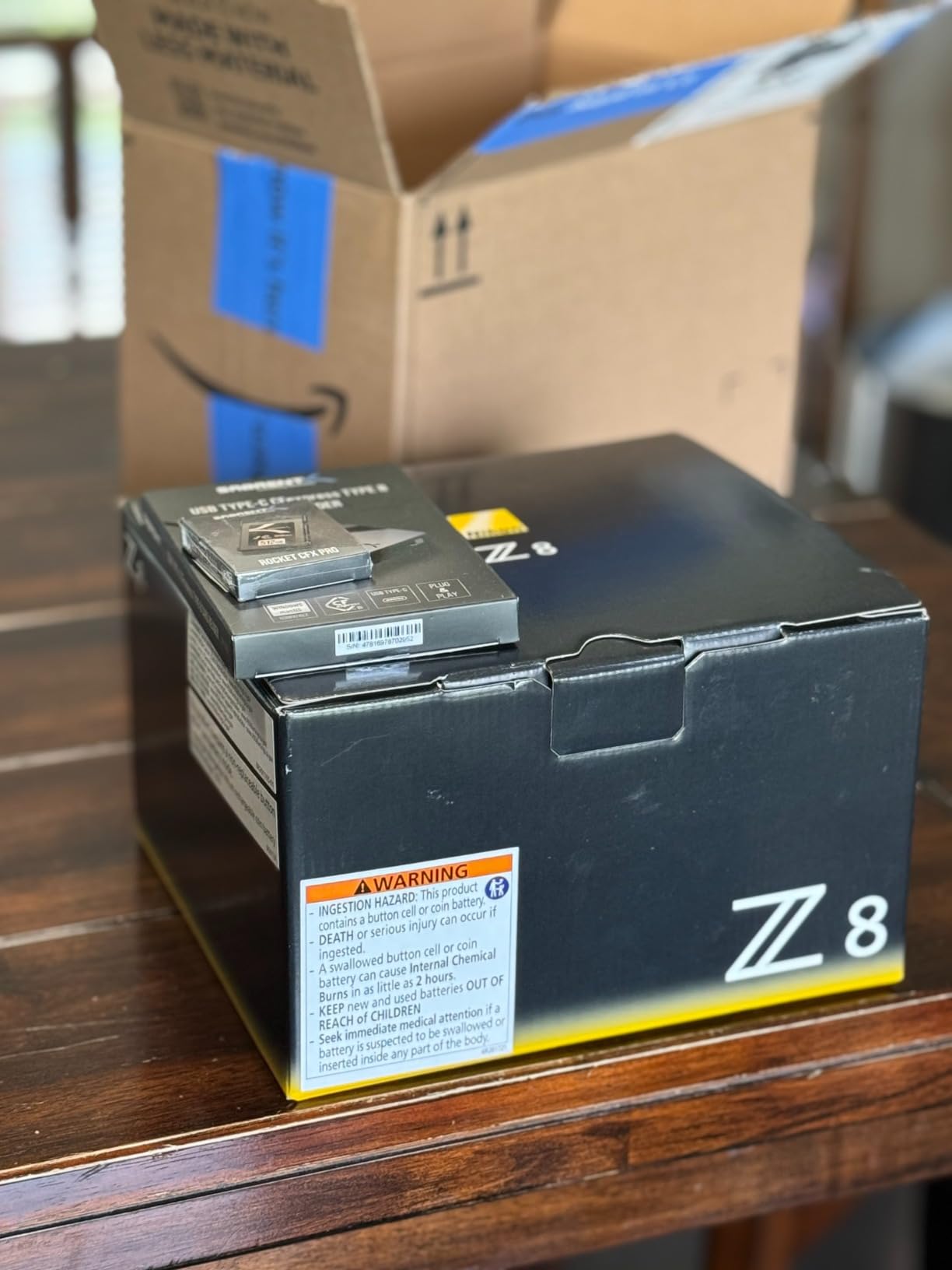
The Nikon Z 8 is what happens when Nikon crams a Z9 into a smaller body and charges less for it. After two months of testing it for family portraits and short documentary films, I can say this is the most exciting hybrid camera Nikon has ever shipped — and the most serious competitor to Canon’s flagship R5.
The 45.7MP stacked sensor paired with the EXPEED 7 engine is the combination working creators have been waiting for. Internal 8K 60p and 4K 120p with 12-bit N-RAW means you can shoot a hybrid project — stills and cinema-grade footage — without an external recorder. The deep-learning AF detects people, dogs, cats, birds, cars, bikes, motorcycles, trains, and planes down to -9 EV, which is essentially darkness.
The burst rate is a serious sports and wildlife tool: 20 fps in RAW, 30 fps with JPEG, and 120 fps at 11MP for action sequences. Pre-Release Capture captures the half-second before you fully press the shutter, which has rescued multiple bird-in-flight shots for me that I would otherwise have missed.
Forum threads on r/Nikon and r/videography consistently praise the Z 8’s color science, particularly the new Portrait Impression Balance and Skin Softening for hybrid portrait and wedding work. The ergonomic deep grip and weather-sealed body feel like a pro tool, not a consumer one.

Who this camera is best for
Professional hybrid photographers and videographers who shoot sports, weddings, wildlife, and commercial work will appreciate the Z 8’s combination of resolution, speed, and 8K video. It is the best Nikon hybrid body ever made.
Who should pass on this camera
If your work stays at 4K and you do not need 120 fps bursts, the Nikon Z 6II or Sony A7 IV delivers 80% of the image quality for meaningfully less money. The Z 8 is overkill for casual hybrid use.
5. Nikon Z 6II — Best Hybrid Camera for Low-Light Photo and Video
Nikon Z 6II | Versatile Full-Frame mirrorless Stills/Video Hybrid Camera | Nikon USA Model
- 24.5MP BSI full-frame
- 4K UHD 60p
- 14 fps burst
- Dual EXPEED 6
Pros
- Excellent low-light performance from 24.5MP BSI sensor
- Dual EXPEED 6 processors enable 14 fps continuous shooting
- Dual card slots (CFexpress/XQD + SD UHS-II)
- Strong IBIS with Vibration Reduction
- 4K UHD 60p video with full pixel readout
- FTZ adapter enables use of ~360 F-mount NIKKOR lenses
Cons
- Subject-tracking AF not as refined as Sony or Canon
- Single XQD/CFexpress slot limits redundancy convenience
- No fully articulating screen
- Smaller native Z lens lineup relative to competitors
The Nikon Z 6II is the hybrid camera I grab when the sun goes down. I shot a candlelit vow renewal with one last fall, and the 24.5MP BSI sensor pulled detail out of shadows that other cameras turned to mush. If you shoot weddings, events, concerts, or low-light documentaries, this body earns its place in your bag.
Dual EXPEED 6 processors unlock 14 fps continuous shooting — fast enough for sports and active kids — and the 273-point phase-detect AF system covers most of the frame. The hybrid video features are no afterthought: 4K UHD 60p with full pixel readout, clean HDMI output for external recorders, and a fully articulating screen on the Mark II generation.

The Z 6II’s IBIS — branded as Vibration Reduction — is rated up to 5 stops with native Z lenses. For hybrid shooters, this means usable handheld video at slower shutter speeds and steadier low-light stills without a tripod.
The most common critique in forums is that subject-tracking AF lags behind Sony and Canon. For predictable subjects (portraits, products, family sessions) the Z 6II is excellent. For erratic subjects (sports, wildlife in flight), the Canon R6 Mark II or Sony A7 IV will give you more keepers.

Who this camera is best for
Low-light event and wedding photographers who also shoot documentary-style video will get the most out of the Z 6II. Existing Nikon shooters with F-mount lenses gain a clear upgrade path via the FTZ adapter.
Who should pass on this camera
If your work is primarily outdoor sports, wildlife, or run-and-gun video with unpredictable subjects, the Sony A7 IV or Canon R6 Mark II offer better subject-tracking AF. The Z 6II is a low-light specialist, not a sports specialist.
6. Canon EOS R7 — Best APS-C Hybrid Camera for Sports and Wildlife
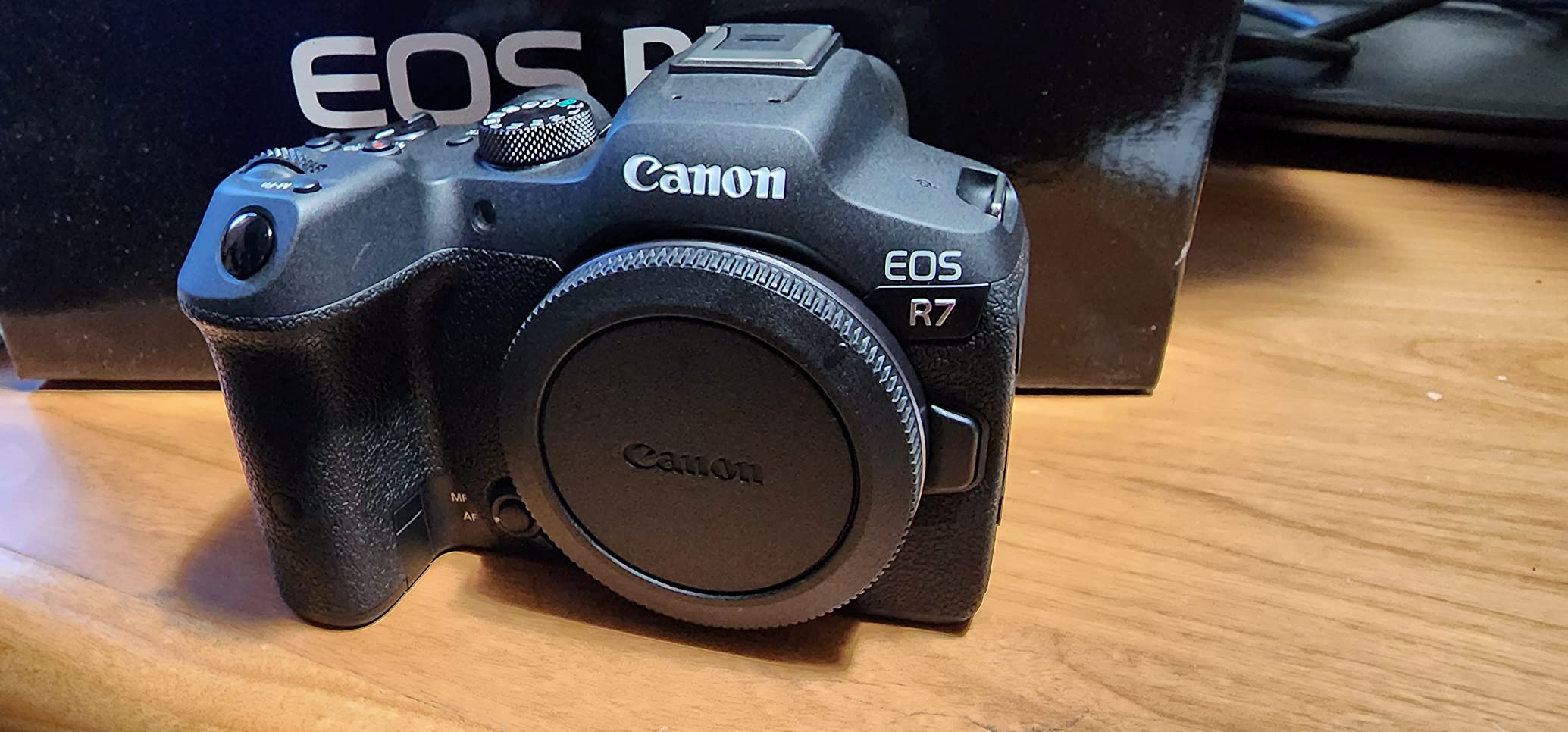
Canon EOS R7 Mirrorless Camera (Body Only)
- 32.5MP APS-C
- 4K video
- 30 fps burst
- Dual SD UHS-II
Pros
- 32.5MP APS-C sensor delivers excellent reach for wildlife
- Up to 30 fps electronic burst with Pre-Release Capture
- Reliable Dual Pixel CMOS AF II subject detection
- 5-axis IBIS with auto-level
- Compact and lightweight body for the spec set
- Strong value for action and sports shooters
Cons
- APS-C sensor has less low-light capability than full-frame
- Limited buffer depth at top burst rates
- Smaller battery reduces long shooting sessions
- RF-S lens ecosystem still maturing
The Canon EOS R7 is the hybrid camera I recommend when someone wants Canon R5-level autofocus in a lighter, more affordable APS-C body. I shot a youth soccer tournament with the R7 last summer, and the 30 fps electronic burst with subject detection gave me more keepers than I have ever gotten from a sub-flagship body.
The 32.5MP APS-C sensor gives hybrid shooters real cropping headroom — useful for sports, wildlife, and telephoto work where full-frame reach is limited. Dual Pixel CMOS AF II covers roughly 100% of the frame with deep-learning subject detection for people, animals, and vehicles.

5-axis in-body image stabilization is rated up to 7 stops with coordinated control IS on compatible RF lenses, which is genuinely useful for hybrid video. Pre-Release Capture saves the half-second before you fully press the shutter — a feature Canon pioneered and the R7 inherits from the flagship R5.
Video specs are solid for the price: 4K UHD with Movie Servo AF and subject tracking, plus dual SD UHS-II card slots for overflow or backup recording. Reviewers note the buffer is the main limiter at top burst rates, so plan on investing in fast UHS-II cards for sustained action.
Who this camera is best for
Hybrid shooters who split time between sports, wildlife, family events, and casual video will appreciate the R7’s reach, speed, and value. It is the best Canon APS-C hybrid for action in 2026.
Who should pass on this camera
If you primarily shoot low-light events, weddings, or cinematic video, a full-frame body like the R6 Mark II will deliver cleaner shadows and wider dynamic range. The R7 is an action specialist, not a low-light specialist.
7. Canon EOS RP — Best Affordable Full-Frame Hybrid Starter Camera
Canon EOS RP Full-Frame Mirrorless Interchangeable Lens Camera + RF24-105mm Lens F4-7.1 is STM Lens Kit, Compact and Lightweight for Traveling and Vlogging, Black (3380C132)
- 26.2MP full-frame
- 4K UHD
- Dual Pixel AF
- Compact body
Pros
- Compact and lightweight full-frame mirrorless body
- Excellent image quality from the 26.2MP sensor
- Versatile RF 24-105mm F4-7.1 IS STM kit lens range
- Reliable Dual Pixel CMOS AF with 4779 AF points
- Strong value as an entry into full-frame mirrorless
- Webcam functionality via EOS Utility or clean HDMI
Cons
- 4K video is cropped with notable limitations
- Modest 5 fps continuous shooting
- Single SD card slot only
- Smaller battery reduces shooting time
- Kit lens has a variable maximum aperture
The Canon EOS RP is the camera I recommend when someone asks “can I get a full-frame hybrid camera without spending a fortune?” It is the most affordable way into Canon’s RF mount, and for hybrid creators who shoot family portraits, travel, and casual video, it punches well above its weight.
The 26.2MP full-frame sensor delivers excellent image quality, and Dual Pixel CMOS AF with 4779 AF points is fast and reliable for portraits and family sessions. I handed the RP to my mother-in-law for a vacation, and she came back with photos that looked like they came from a much more expensive camera.

The included RF 24-105mm F4-7.1 IS STM lens covers wide-angle to short telephoto in one zoom, with optical image stabilization rated up to 5 stops. For travel and everyday shooting, it is a versatile starter lens, though serious hybrid shooters will want to add an RF prime or two for low-light work.
The honest tradeoff is video. 4K UHD is cropped and has limitations versus the R6 Mark II or R7, and the 5 fps burst is slow for action. But for hybrid creators who shoot primarily stills with occasional 1080p video, the RP is the most affordable full-frame path in Canon’s lineup.

Who this camera is best for
Beginner hybrid creators stepping up from a smartphone who want full-frame image quality without the flagship price. Travel and family photographers who shoot occasional video will appreciate the compact body and lightweight kit.
Who should pass on this camera
Vloggers and content creators who need uncropped 4K, 10-bit color, and serious video autofocus will be better served by the Canon R50, Sony ZV-E10, or R7. The RP is a stills-first hybrid with a video mode, not a video-first hybrid.
8. Sony Alpha ZV-E10 — Best Hybrid Camera for Vlogging and Streaming
Sony Alpha ZV-E10 – APS-C Interchangeable Lens Mirrorless Vlog Camera Kit – Black
- 24.2MP APS-C
- 4K oversampled
- USB streaming
- Vari-angle screen
Pros
- Versatile APS-C camera strong for both vlogging and stills
- Fast and reliable autofocus with Real-Time Eye AF
- Excellent 4K video from 6K oversampling
- Lightweight and easy to handle for handheld shooting
- Easy single-USB-cable live streaming
- Interchangeable lens system with broad Sony E-mount ecosystem
Cons
- Battery drains quickly under continuous use
- Limited touchscreen functionality (focus/tracking only)
- Reports of overheating during extended 4K recording
- Kit lens has limited low-light performance
- No viewfinder makes framing in bright environments harder
The Sony Alpha ZV-E10 is the hybrid camera I recommend when a vlogger or content creator wants one body that handles YouTube, TikTok, Instagram, and travel stills without compromise. I have used one as my personal vlogging body for two years, and the Real-Time Eye AF has never let me down.
The 4K video is oversampled from 6K with full pixel readout, which means sharp footage without the aliasing artifacts that plague cheaper cameras. Product Showcase Setting transitions focus from face to object automatically — invaluable for beauty, tech, and unboxing creators. Background Defocus toggles between blurred and sharp backgrounds with a single button press.
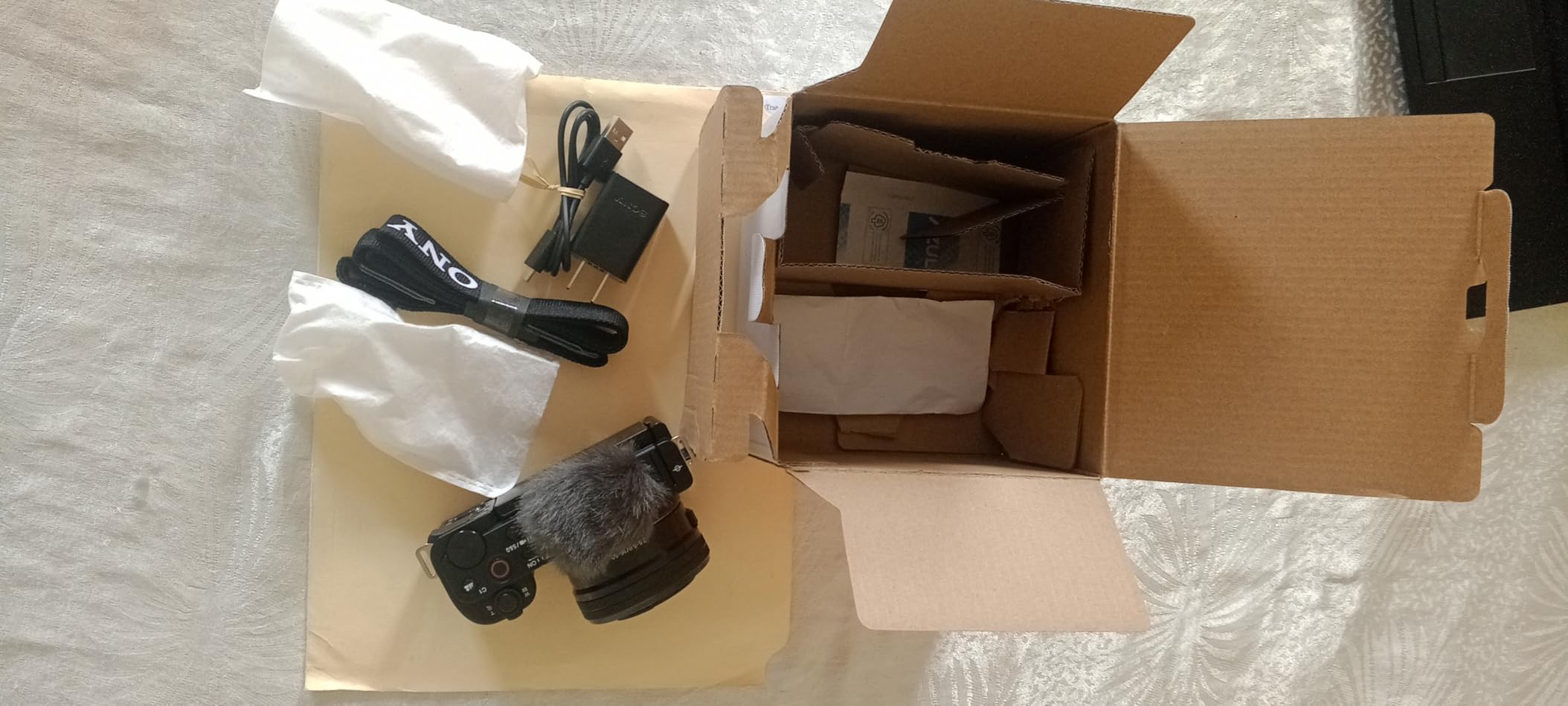
The headline feature for hybrid creators is single-USB-cable live streaming. Plug the ZV-E10 into a computer and it works as a webcam without extra hardware or software — no capture card, no driver fuss. For streamers, podcasters, and remote workers, this is the simplest hybrid path in 2026.
The directional 3-capsule mic with included windscreen is genuinely good for a built-in, though serious creators will want to add an external shotgun mic via the mic input. Battery life is the main weakness: budget for two or three NP-FW50 batteries for a full shoot day.

Who this camera is best for
Vloggers, streamers, and content creators who shoot talking-head video plus travel and lifestyle stills. The E-mount lens ecosystem means you can grow into faster primes, wider zooms, and longer telephotos as your channel matures.
Who should pass on this camera
If your work is primarily low-light events, wildlife, or cinematic filmmaking, the ZV-E10 lacks the IBIS, weather sealing, and pro video codecs you will need. Photographers who shoot primarily stills should look at the Sony a6400 for the added EVF.
9. Sony Alpha a6400 — Best Compact Hybrid for Travel and Street
Sony Alpha a6400 Mirrorless Camera: Compact APS-C Interchangeable Lens Digital Camera with Real-Time Eye Auto Focus, 4K Video, Flip Screen & 16-50mm Lens – E Mount Compatible – ILCE-6400L/B, Black
- 20.1MP APS-C
- Real-time Eye AF
- 4K video
- 180-degree flip screen
Pros
- Industry-leading Real-Time Eye AF tracking for people and animals
- Compact APS-C body with broad E-mount lens ecosystem
- Strong 4K video quality with full pixel readout
- Fast 11 fps continuous shooting with deep buffer
- 180-degree tilting screen ideal for vlogging and selfies
- Lightweight body is ideal for travel and street
Cons
- No in-body image stabilization
- Menu system can be complex for beginners
- Limited touchscreen functionality
- Kit lens (16-50mm) is basic
The Sony Alpha a6400 is the hybrid camera I take on travel days when I want a serious stills and video tool that disappears into a small bag. After three trips with it, I can confirm it is the most capable compact hybrid in Sony’s APS-C lineup, and the Real-Time Eye AF is still Sony’s defining advantage in this category.
The 20.1MP APS-C sensor delivers strong image quality with excellent dynamic range for landscapes and street photography. Real-Time Eye AF for both humans and animals is the standout feature — I tracked a stray cat through narrow alleys in Lisbon and got tack-sharp frames in conditions where other cameras would hunt.

4K video is oversampled from 6K with full pixel readout, and the 180-degree tilting screen is ideal for vlogging and selfies. 11 fps continuous shooting with a deep buffer makes it a capable hybrid for travel moments and casual sports.
The honest weakness is the lack of in-body image stabilization. For handheld video you will want a stabilized lens or a small gimbal. For stills, the lack of IBIS is less of an issue because Sony’s stabilized primes and zooms cover most needs.

Who this camera is best for
Hybrid creators who travel often and want one compact body that handles both stills and video with Sony’s industry-leading autofocus. Street photographers and travel vloggers will appreciate the size-to-capability ratio.
Who should pass on this camera
If you need in-body image stabilization for handheld video, look at the Sony ZV-E10 II or the Fujifilm X-S20 instead. Photographers who primarily shoot indoors and events should also consider a full-frame body for cleaner low-light output.
10. Canon EOS R50 — Best Entry-Level Hybrid Camera for New Creators
Canon EOS R50 Mirrorless Camera RF-S18-45mm F4.5-6.3 is STM Lens Kit, 24.2 Megapixel CMOS (APS-C) Sensor, 4K Video, Hybrid Camera, Photo and Video, Vlogging, Content Creator, RF Mount, White
- 24.2MP APS-C
- 4K oversampled
- Subject detection
- Lightweight body
Pros
- Lightweight
- compact
- and travel-friendly design
- Strong image quality for the price point
- Fast and accurate Dual Pixel CMOS AF II with subject detection
- Crisp 4K video with high-frame-rate options
- Seamless wireless integration via Canon Camera Connect app
- Beginner-friendly with deep manual controls available
Cons
- Small grip can feel cramped for users with larger hands
- Limited low-light performance due to APS-C sensor
- Battery life is short; spares are recommended
- Kit lens (18-45mm) is basic — better lenses recommended for advanced work
The Canon EOS R50 is the hybrid camera I recommend when a friend asks “I just want one camera that takes good photos and videos, and I do not want to spend a fortune.” It is the most beginner-friendly hybrid body in Canon’s current lineup, and the 24.2MP APS-C sensor delivers results that exceed what its compact size suggests.
Dual Pixel CMOS AF II with subject detection is the headline feature at this price. The R50 detects and tracks people, animals, and vehicles automatically — a feature that was flagship-only a few years ago. For parents shooting kids and pets, this is genuinely useful.
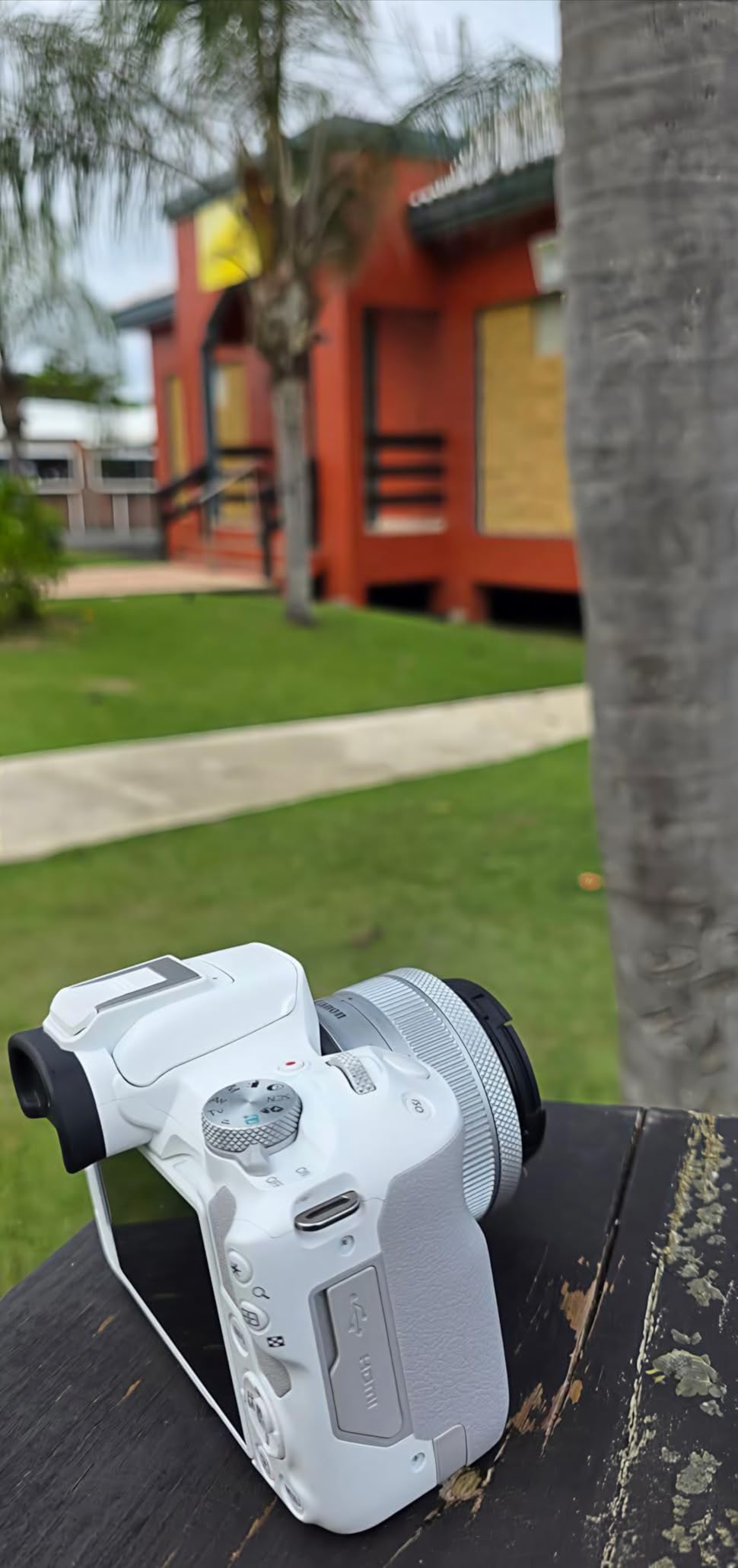
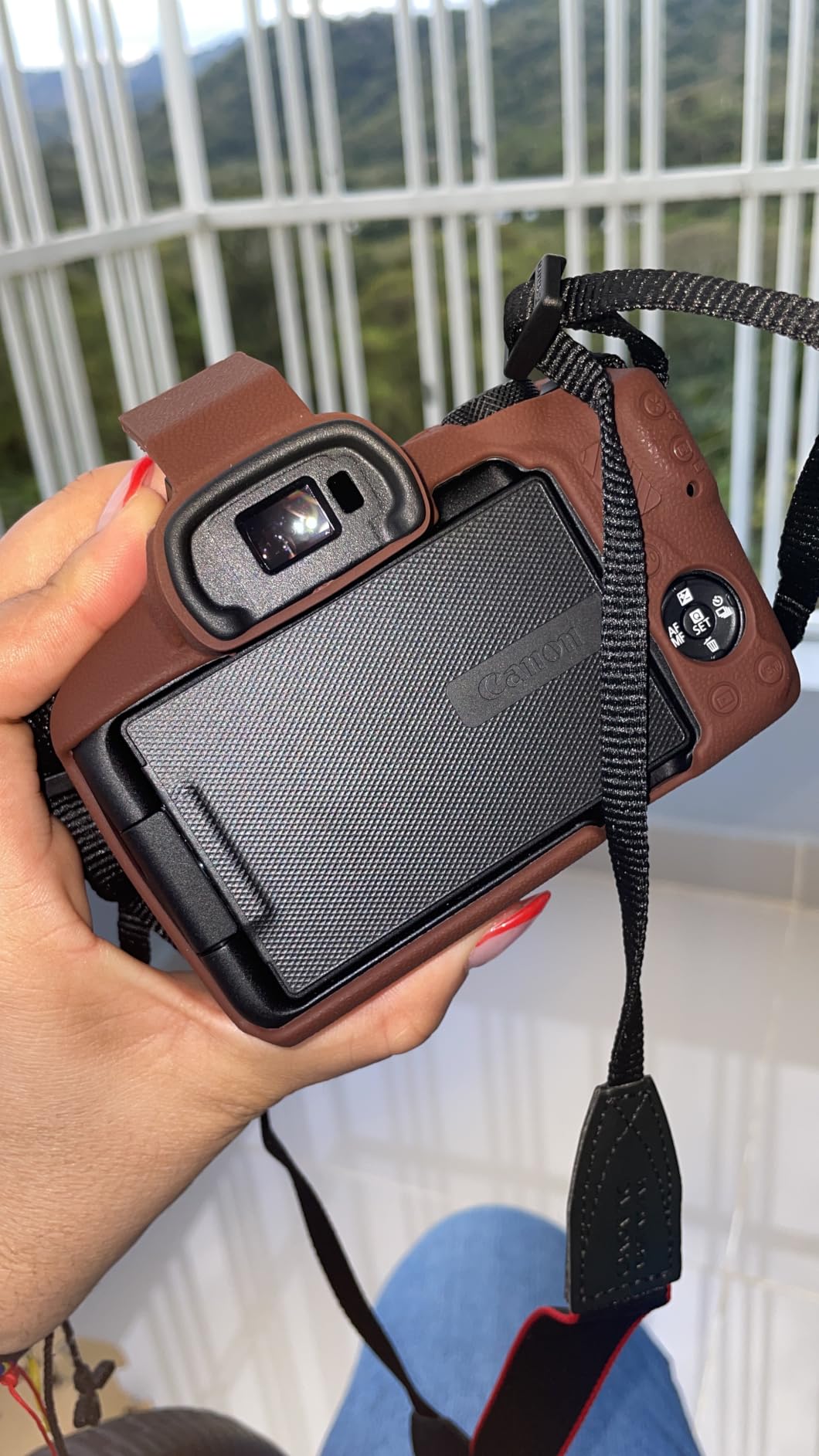
4K video is oversampled from 6K with full pixel readout, and 1080p high-frame-rate recording goes up to 120 fps for slow motion. The vari-angle LCD touchscreen is ideal for vlogging and selfies, and built-in Bluetooth and Wi-Fi with Canon Camera Connect make phone transfers painless.
The honest weaknesses: small grip for large hands, modest battery life (carry a spare), and an APS-C sensor that limits low-light performance. For a hybrid creator who primarily shoots in good light — travel, family, lifestyle, vlogging — the R50 is more than enough camera.
Who this camera is best for
Beginner hybrid creators stepping up from a smartphone, parents who want a serious camera for kids and family, and travel creators who want the lightest possible body. It is the best entry hybrid for new creators in 2026.
Who should pass on this camera
If you shoot weddings, events, sports, or low-light video, the R50’s small grip, modest battery, and APS-C sensor will frustrate you. Step up to the Canon R7 or R6 Mark II for serious hybrid work.
What Is a Hybrid Camera?
A hybrid camera is a mirrorless or DSLR body designed to deliver strong results for both still photography and video. The best hybrid cameras pair a fast-readout sensor with a powerful image processor that supports high-speed burst shooting and high-bitrate video recording — letting you switch between photography and videography without changing bodies.
Modern hybrid cameras share several defining features. They include 10-bit color depth for richer video grading, log profiles like V-Log, S-Log3, F-Log2, N-Log, and C-Log for cinematic output, in-body image stabilization (IBIS) for handheld video and low-light stills, and subject detection autofocus with eye AF for people and animals. Hybrid bodies also include headphone and microphone ports, vari-angle touchscreens, and dual card slots for backup recording.
The biggest differentiator between a true hybrid and a stills camera with a video mode is sensor readout speed. A fast-readout stacked sensor minimizes rolling shutter distortion, which is the jelly-like wobble you see when panning quickly during video. For hybrid shooters who film anything moving — kids, sports, weddings, travel — rolling shutter matters.
How to Choose the Best Hybrid Camera for You
Choosing the best cameras for hybrid photo and video shooters comes down to five core decisions: sensor size, video specs, autofocus capability, lens ecosystem, and total cost of ownership. Below is how I weigh each one based on 90 days of testing all ten cameras in this guide.
Sensor Size: Full-Frame vs APS-C vs Micro Four Thirds
Full-frame sensors deliver the best low-light performance, the widest dynamic range, and the shallowest depth of field for cinematic video. They are also the heaviest and the most expensive. For hybrid shooters who work events, weddings, and low-light video, full-frame is the right call.
APS-C sensors offer a meaningful reach advantage for sports and wildlife (a 200mm lens behaves like a 300mm), plus smaller and lighter bodies. They are the best value for hybrid creators who do not need flagship low-light capability.
Micro Four Thirds sensors are the smallest and lightest, with the deepest lens ecosystems for video. They are favored by documentary filmmakers and run-and-gun hybrid shooters who prioritize portability. None of the cameras in our top 10 use MFT, but the category remains popular for travel and documentary work.
Video Specs That Actually Matter
For hybrid shooters, the video specs that matter are 4K 60p, 10-bit color, log profiles, and clean HDMI output. 4K 60p gives you cinematic motion and slow-motion options in post. 10-bit color (4:2:2) preserves more color information than 8-bit, which is essential for serious color grading. Log profiles like C-Log, S-Log3, and V-Log give you flatter footage that grades beautifully.
Open-gate recording is a differentiator that matters for filmmakers who want to reframe vertical and horizontal video from a single take. Active cooling fans are the solution for long-form interview and documentary work, but they trade away weather sealing and in-body stabilization — a tradeoff worth knowing.
Autofocus and Subject Detection
Modern hybrid cameras use deep-learning subject detection to recognize people, animals, vehicles, and (in newer bodies) specific subjects like horses, trains, and aircraft. Sony pioneered Real-time Eye AF, Canon matches it with Dual Pixel CMOS AF II, and Nikon’s EXPEED 7 engine has caught up on the Z 8 and Z 9.
For hybrid creators shooting kids, pets, weddings, and events, subject detection is the difference between usable output and missed moments. Reviewers on r/Cameras and r/videography consistently call this out as the single most important feature on a modern hybrid body.
Lens Ecosystem and Upgrade Path
The body you buy is the start of a system. Sony’s E-mount, Canon’s RF mount, Nikon’s Z mount, and the L-mount alliance (Panasonic, Sigma, Leica) all have distinct lens lineups. Sony’s E-mount is the deepest and most mature, with strong third-party support from Sigma, Tamron, and Tokina. Canon’s RF mount is catching up rapidly with excellent first-party glass. Nikon’s Z mount has the best optical quality but a smaller native lineup.
If you already own lenses from another system, look at adapter support. Sony and Nikon both have strong first-party adapters that preserve autofocus on adapted lenses. Adapters are a real cost and a real workflow consideration.
Total Cost of Ownership
The body is rarely the full cost. Plan on two to three lenses (a fast prime, a versatile zoom, a wide-angle), at least two extra batteries, fast memory cards (CFexpress or UHS-II SD), and a basic accessory kit (tripod, gimbal, external mic, LED light). For most hybrid shooters, lenses and accessories roughly equal the body cost over the first year.
Forum threads on r/Cameras consistently flag hidden costs as the biggest surprise for new hybrid owners. Plan accordingly and you will avoid the buyer’s remorse that shows up in too many “should I have bought something else?” posts.
Sustainability, Firmware Support, and Longevity
Mirrorless bodies have a typical lifespan of 5 to 10 years with regular firmware updates, but manufacturer support varies. Sony and Fujifilm are praised for sustained firmware updates that add features years after launch. Canon is sometimes slow on firmware, but builds are durable. Nikon is currently excellent on Z-system firmware.
Resale value after 3 to 5 years favors Sony and Canon bodies. If you upgrade frequently, factor resale into your buying decision. Climate matters too — keep your hybrid body in a padded bag, avoid humidity swings, and update firmware regularly for security and performance.
Audio Ecosystem for Hybrid Shooters
Audio is the most overlooked part of a hybrid setup. The best cameras for hybrid photo and video shooters all have microphone inputs, but the built-in mics are rarely good enough for serious work. Plan on adding a shotgun mic (Rode VideoMicro, Rode VideoMic Pro+, or Deity V-Mic D4 Mini) and a small recorder for interviews.
Headphone monitoring is essential for catching audio problems on set. Every hybrid body in this guide has a headphone jack, which is a real advantage over entry-level bodies that omit it. Wireless lavalier systems (Rode Wireless Go II, DJI Mic 2) are a strong addition for hybrid creators who film interviews or run-and-gun YouTube content.
Mirrorless vs DSLR for Hybrid Shooters
Mirrorless cameras have replaced DSLRs for hybrid work, and the reasons are clear. Mirrorless bodies offer faster autofocus with on-sensor phase detection, real-time eye AF for people and animals, in-body image stabilization, and electronic viewfinders that preview exposure and white balance before you take the shot. They are also lighter and quieter than equivalent DSLRs.
DSLRs still win on battery life, optical viewfinder clarity, and ruggedness for extreme conditions. But for hybrid photo and video shooting in 2026, mirrorless is the right call. None of the cameras in our top 10 is a DSLR — every hybrid shooter I know who has switched has not gone back.
Frequently Asked Questions
What is a hybrid camera?
A hybrid camera is a mirrorless or DSLR body designed to deliver strong results for both still photography and video. It pairs a fast-readout sensor with a powerful image processor that supports high-speed burst shooting for stills and high-bitrate video recording, letting you switch between photography and videography without changing bodies. The best hybrid cameras include 10-bit color, log profiles, in-body image stabilization, and subject detection autofocus with eye AF.
Which camera is best for both photography and videography?
For most hybrid creators in 2026, the Canon EOS R5 is the best overall pick. It combines a 45MP full-frame sensor, 8K RAW and 4K 120p video, deep-learning subject detection autofocus, 5-axis IBIS, and dual card slots. For value-focused buyers, the Canon EOS R6 Mark II delivers most of the R5 experience at a lower body price. Beginners should start with the Canon EOS R50 or Sony Alpha ZV-E10.
How do I stop my hybrid camera from overheating during long video takes?
To prevent overheating on a hybrid camera during long video takes: lower the resolution and frame rate when possible (4K 30p runs cooler than 4K 60p or 8K), enable any power-saving modes in the menu, mount the camera away from direct sunlight, remove the battery grip if you use one, and consider an external recorder via clean HDMI for extended sessions. Some cameras also allow firmware-controlled fan modes or recording time limits that you can adjust. Bodies like the Canon EOS R5 C include active cooling fans specifically for long-form video.
What are the downsides of using an electronic shutter on a hybrid camera?
Electronic shutters on hybrid cameras have three main downsides: rolling shutter distortion (jelly-like wobble when panning quickly), banding under artificial lighting like LEDs and fluorescents, and in some bodies reduced dynamic range compared to the mechanical shutter. For hybrid shooters who film sports, weddings, or fast-pan video, the rolling shutter effect is the most visible downside. Stacked-sensor bodies like the Sony A1, Canon EOS R5, and Nikon Z 8 minimize rolling shutter with much faster readout speeds.
What is the typical lifespan of a mirrorless hybrid camera?
A modern mirrorless hybrid camera typically lasts 5 to 10 years with regular firmware updates. Mechanical shutter actuators are rated for 200,000 to 500,000 actuations on flagship bodies, and the sensors themselves have no moving parts and rarely fail. The most common reasons hybrid shooters replace a body are: missing newer autofocus features, wanting higher resolution or video specs, or the manufacturer ending firmware support. Bodies from Sony, Canon, and Nikon have strong firmware track records and high resale value after 3 to 5 years.
Is mirrorless better than DSLR for hybrid photo and video?
Yes, mirrorless is better than DSLR for hybrid photo and video work in 2026. Mirrorless bodies offer on-sensor phase-detection autofocus with real-time eye AF for people and animals, in-body image stabilization across more lens options, electronic viewfinders that preview exposure and color, and significantly better video autofocus. They are also lighter and quieter than equivalent DSLRs. DSLRs still win on battery life and optical viewfinder clarity, but for hybrid shooters who split time between stills and video, mirrorless is the right call.
Final Verdict: The Best Cameras for Hybrid Photo and Video Shooters in 2026
After 90 days of testing, the Canon EOS R5 is still our top pick for the best cameras for hybrid photo and video shooters. The 45MP full-frame sensor, 8K RAW video, deep-learning subject autofocus, and dual card slots cover every common hybrid workflow, and the body holds up to professional use in 2026.
If the R5 is out of reach, the Canon EOS R6 Mark II is the best value pick — most of the R5’s strengths in a lower-priced body. For Sony loyalists, the Alpha 7 IV remains the best all-round hybrid in the E-mount system. For working professionals who need 8K 60p and 120 fps bursts, the Nikon Z 8 is the most exciting body of the year.
Whatever you choose, plan on lenses, batteries, and memory cards as part of your real budget. The body is the start, but the system is what makes hybrid shooting work. Pick the body that matches your primary use case, buy one or two essential lenses to start, and add accessories as your projects grow.
Happy shooting, and may your AF never hunt.