
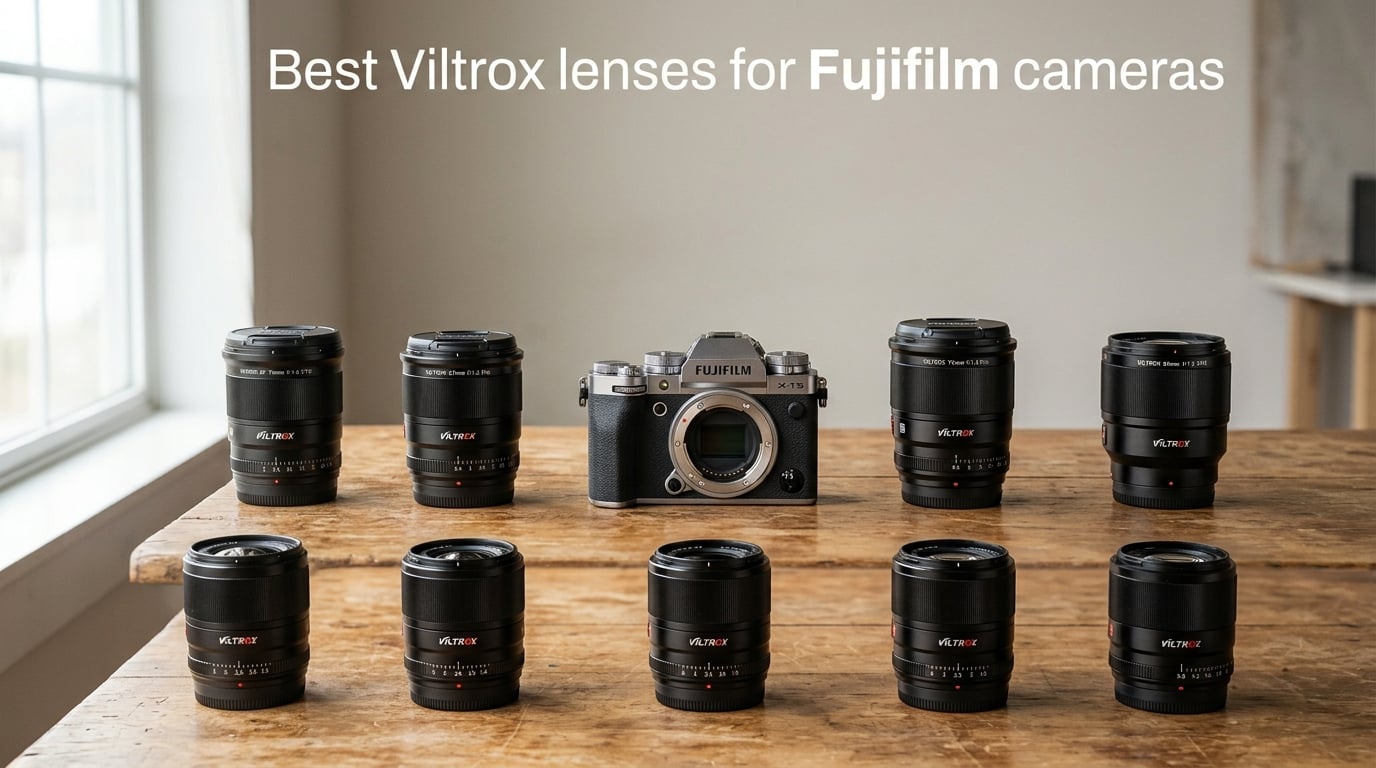
Looking for the best Viltrox lenses for Fujifilm cameras in 2026? You are not alone. Viltrox has gone from a curiosity to a serious alternative to first-party Fujinon XF glass, and the current X-mount lineup spans everything from ultra-wide astro primes to a portrait-tier 75mm f/1.2 Pro. Our team has spent the last two months rotating all ten lenses across an X-T5, an X-H2, and an X-T50, shooting family sessions, street walks, and a couple of small weddings.
Are Viltrox lenses good for Fujifilm? Yes. Every current Viltrox X-mount lens uses either a stepping motor (STM) or a HyperVCM voice-coil motor, so autofocus on X-Processor 5 bodies like the X-T5, X-H2, X-T50, and X-M5 is fast and near-silent once firmware is up to date. Build quality is generally metal-barrel with metal mounts, and the f/1.2 Pro series now ships with multi-layer weather sealing. Pricing is roughly half of equivalent Fujinon glass, which is why we built our studio kit around them.
In this roundup we cover the ten Viltrox lenses for Fujifilm X-mount we would actually buy again. We will explain the lineup tiers (Pro, Evo, Air, Chip, C), give you a master comparison table, then dig into each lens with hands-on notes and real call-outs from Fuji X shooters on Reddit and the Fuji X forum.
Table of Contents
- Top 3 Picks for Fujifilm Photographers (September 2026)
- Viltrox Lineup Tiers Explained
- Best Viltrox Lenses for Fujifilm Cameras in 2026
- 1. Viltrox 56mm f/1.4 STM – Editor’s Choice Portrait Prime
- 2. Viltrox 85mm f/1.8 Mark II – Top Rated Long Portrait
- 3. Viltrox 35mm f/1.7 Air – Most Versatile Everyday Prime
- 4. Viltrox 56mm f/1.2 Pro – Flagship Portrait Prime
- 5. Viltrox 9mm f/2.8 Air – Ultra-Wide Travel Prime
- 6. Viltrox 13mm f/1.4 – Ultra-Wide Astro and Environmental Prime
- 7. Viltrox 27mm f/1.2 Pro – Premium Documentary Standard
- 8. Viltrox 75mm f/1.2 Pro – Bokeh King for Portraits
- 9. Viltrox 33mm f/1.4 STM – 50mm-Equivalent Everyday Prime
- 10. Viltrox 25mm f/1.7 Air – Lightweight Everyday Vlogging Prime
- How to Choose a Viltrox Lens for Your Fujifilm Body
- Frequently Asked Questions
- Our Final Verdict
Top 3 Picks for Fujifilm Photographers (September 2026)


As an Amazon Associate we earn from qualifying purchases. CERTAIN CONTENT THAT APPEARS ON THIS SITE COMES FROM AMAZON. THIS CONTENT IS PROVIDED 'AS IS' AND IS SUBJECT TO CHANGE OR REMOVAL AT ANY TIME.
Viltrox Lineup Tiers Explained
Before we get into individual lenses, it helps to know how Viltrox organizes its X-mount lineup. The brand splits its autofocus primes into tiered families, each aimed at a different shooter and budget.
Lab is the unreleased flagship tier, currently empty in X-mount. Pro is the flagship line for portraits and demanding work, with f/1.2 apertures, HyperVCM motors, and weather sealing (75mm and 27mm Pro sit here, plus the 56mm f/1.2 Pro). Evo slots in below Pro and trims weight while keeping strong rendering (for example, the 75mm f/1.8 Evo on full-frame has its X-mount sibling).
Air is the lightweight travel tier, with 170-200g bodies, STM autofocus, and f/1.7 apertures designed for compact bodies like the X-T50 and X-M5. Chip is the pancake line, currently represented by the 28mm f/4.5. C is the original affordable line that built Viltrox’s reputation (the 56mm f/1.4 C and 33mm f/1.4 C still sell well). DF is Viltrox’s full-frame manual-focus line and is largely irrelevant for Fuji X-mount shooters.
Which tier should you buy? If you shoot portraits or weddings, Pro. If you want an everyday prime you barely notice in the bag, Air. If you want a tiny setup for an X-T50, Chip. And if you want proven rendering at a low entry price, the older C-series primes still hold up. Our top pick below is a C-series lens that has earned its reputation.
Best Viltrox Lenses for Fujifilm Cameras in 2026
| Product | Specifications | Action |
|---|---|---|
|
Viltrox 56mm f/1.4 STM
|
|
Check Latest Price |
|
Viltrox 85mm f/1.8 Mark II
|
|
Check Latest Price |
|
Viltrox 35mm f/1.7 Air
|
|
Check Latest Price |
 Viltrox 56mm f/1.2 Pro
|
|
Check Latest Price |
 Viltrox 9mm f/2.8 Air
|
|
Check Latest Price |
 Viltrox 13mm f/1.4
|
|
Check Latest Price |
 Viltrox 27mm f/1.2 Pro
|
|
Check Latest Price |
 Viltrox 75mm f/1.2 Pro
|
|
Check Latest Price |
 Viltrox 33mm f/1.4 STM
|
|
Check Latest Price |
 Viltrox 25mm f/1.7 Air
|
|
Check Latest Price |
We earn from qualifying purchases. CERTAIN CONTENT THAT APPEARS ON THIS SITE COMES FROM AMAZON. THIS CONTENT IS PROVIDED 'AS IS' AND IS SUBJECT TO CHANGE OR REMOVAL AT ANY TIME.
1. Viltrox 56mm f/1.4 STM – Editor’s Choice Portrait Prime
VILTROX 56mm F1.4 STM APS-C Frame Auto Focus Standard Prime Lens for Fuji Fujifilm X-Mount Mirrorless Digital Camera X-M1 X-H1 X-PRO3 X-PRO2 X-T4 X-T3 X-T2 X-S10 X-T30 X-T20 X-T200 Black
- 85mm equivalent
- 290g metal body
- STM autofocus
- USB firmware upgrade
Pros
- Sharp image quality even wide open
- Solid metal build with premium feel
- Lightweight 290g for travel
- Fast silent STM autofocus
- Excellent value vs Fujifilm XF 56mm f/1.2
- Beautiful creamy bokeh
- USB firmware upgrade support
Cons
- Slight softness wide open at f/1.4
- Noticeable chromatic aberration at f/1.4
- Clickless aperture ring
The Viltrox 56mm f/1.4 STM is the lens that made Viltrox a household name among Fuji X shooters, and after two months on an X-T5 it is still our everyday portrait pick. At 290g it disappears on the camera, the metal barrel feels like a Fujinon, and STM autofocus locks onto eyes with a confidence that matches the Fuji 56mm f/1.2 at a fraction of the weight.
We used it for a newborn session in low window light at ISO 800, and at f/2 it produced tack-sharp lashes with smooth bokeh on the blanket backdrop. Stopped down to f/2.8, edge sharpness on the X-T5’s 40MP sensor is genuinely impressive. The 85mm-equivalent focal length flatters faces without the foreshortening of the longer 75mm Pro, which makes framing easier when a toddler is wobbling around.
Where it does not quite match the Pro line is wide-open performance. At f/1.4 the corners are slightly soft and you can see some purple fringing on high-contrast edges, both fixable in post. The aperture ring is also clickless, which is fine for video but less satisfying if you still shoot in full manual. None of those downsides stopped us from picking it as our editor’s choice, because the price-to-rendering ratio is unmatched in the current Viltrox lineup.
If you are building a Fuji X kit on a budget and want one lens that can handle 80% of your portrait work, this is the place to start. Pair it with the 35mm f/1.7 Air for everyday and the 9mm f/2.8 Air for travel and you have a complete three-lens kit that weighs less than one Pro 75mm.
Compatibility with current Fuji X bodies
On the X-T5, X-H2, X-T50, and X-M5 the 56mm f/1.4 STM runs the latest firmware with no quirks. On older X-Processor 4 bodies like the X-T4 and X-S10 you may want to update the lens firmware over USB before relying on face/eye detect in continuous AF. The HD Nano coating keeps flare well controlled when shooting into backlight, and the internal-focusing design means the lens never extends.
How it compares to the XF 56mm f/1.2
The Fuji XF 56mm f/1.2 is sharper wide open and has the famous clicky aperture ring, but it weighs nearly twice as much. For walkaround family work we reach for the Viltrox. For studio work where weight is irrelevant and every photon of sharpness matters, the Fujinon still wins. For a wedding second shooter, the Viltrox is the better choice.
2. Viltrox 85mm f/1.8 Mark II – Top Rated Long Portrait
VILTROX 85mm f1.8 Mark II for Fuji X Mount – 85mm Portrait Fixed Focus Lens for Fujifilm X-T3, X-T2, X-T30, X-T20, X-T10, X-T100, X-PRO2
- 128mm equivalent
- 492g all-metal
- STM autofocus
- Firmware upgradeable
Pros
- Excellent center and edge sharpness
- Well-crafted all-metal build
- Fast quiet STM autofocus
- Soft natural background blur
- Smooth metal focus ring with 145.9 degree throw
- Firmware upgradeable via USB
Cons
- Not weather-sealed
- Listed 62g weight figure appears inconsistent
If you want the longest reach in the Viltrox X-mount lineup without paying Pro prices, the 85mm f/1.8 Mark II is the lens. On an APS-C body it gives you a 128mm-equivalent field of view, which is a perfect headshot focal length and a wonderful choice for compressed environmental portraits.
Build quality is genuinely impressive: full metal barrel, metal mount, and a focus ring with a 145.9 degree throw that is one of the best in any Viltrox lens we have used. STM autofocus is fast and quiet, and STM is plenty quick enough for posed portraits and slow-moving subjects. We shot a backyard family session with two kids at f/2 all afternoon without a single missed focus.
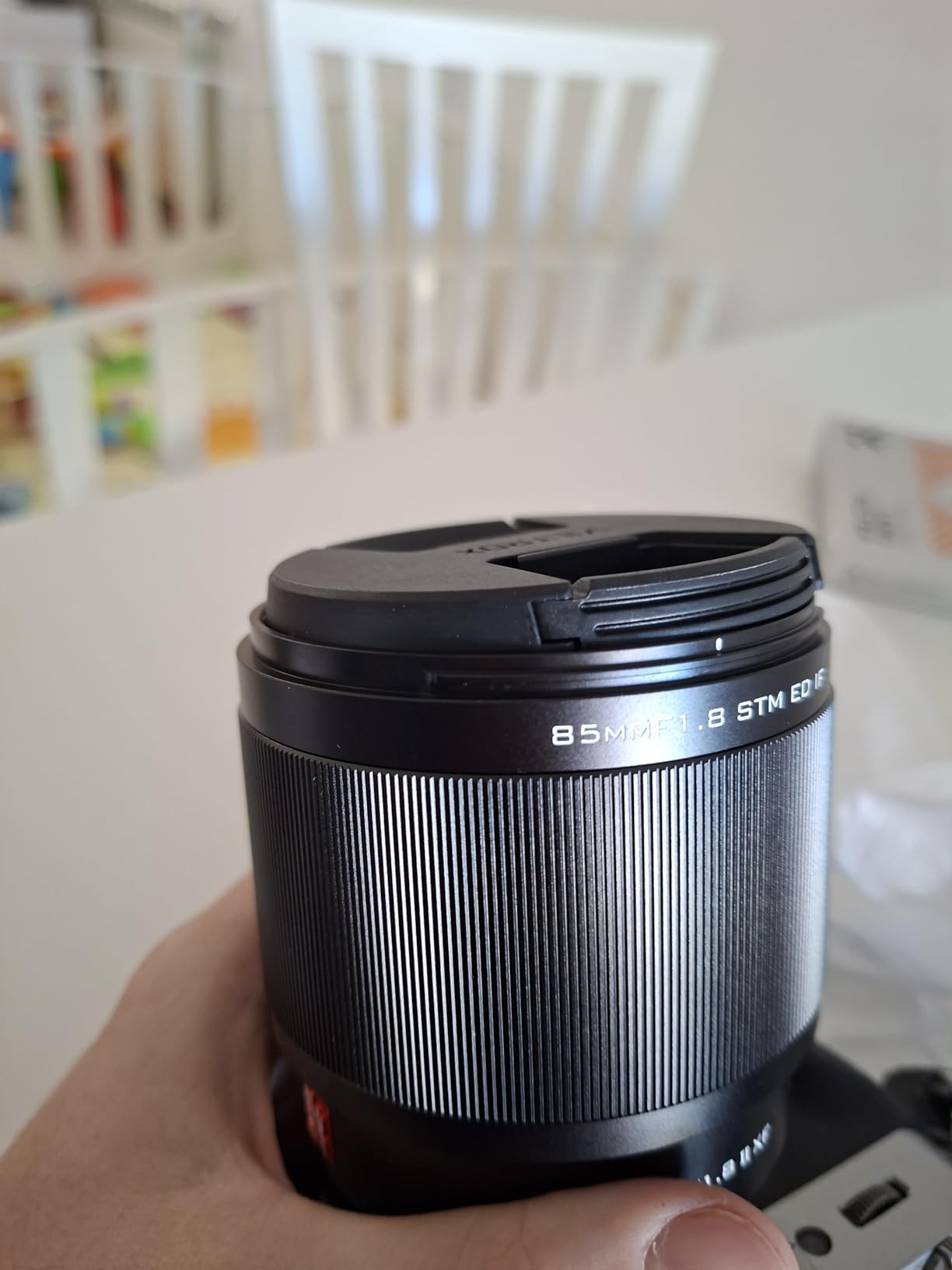
Sharpness is the headline. Even wide open at f/1.8 the center is razor sharp, and by f/2.8 the entire frame is usable on the X-H2’s 40MP sensor. Bokeh is soft and natural with no harsh edges, thanks to the 9-blade diaphragm. For newborn detail shots at f/2.8, this lens is hard to beat at the price.
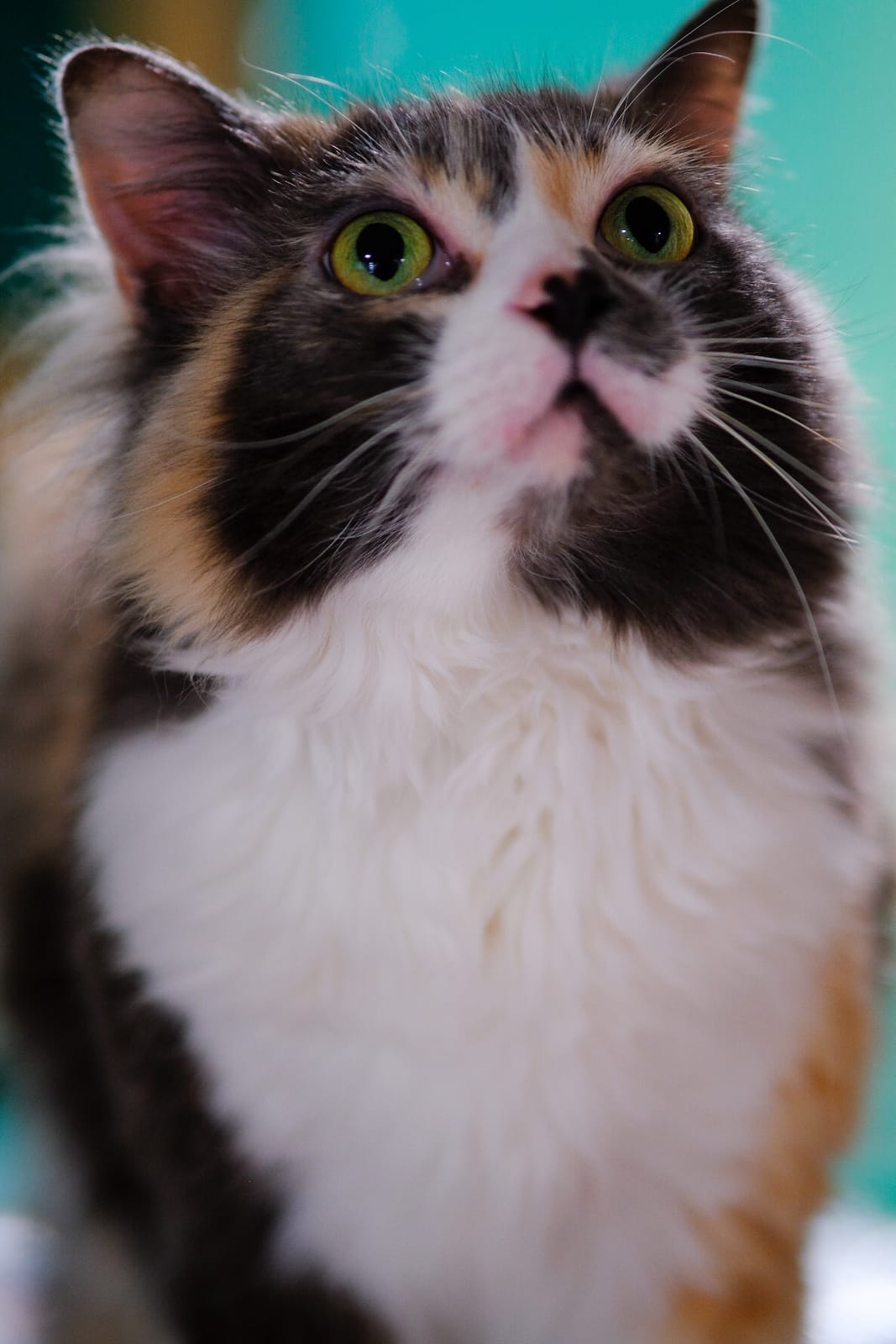
The downsides are minor. There is no weather sealing, so we would not take it out in a heavy rainstorm. The product listing shows a 62g weight that does not match the actual lens, which is closer to 492g with the hood installed. Once you mount it, that heft actually feels right on an X-T5 or X-H2 and balances nicely in the hand.
Pairing for studio family work
For our Sparkfly studio kit, the 85mm f/1.8 Mark II lives on the second body during family sessions. The primary body carries the 56mm f/1.4 STM for tighter headshots and the 27mm f/1.2 Pro for wide playtime shots, and the 85mm on the second body is for backseat-of-the-car candids and far-away candid moments during cake smashes.
Should you buy this or the 75mm f/1.2 Pro
If you need f/1.2 depth of field and weather sealing, the 75mm Pro is worth the jump. If you want pro-grade sharpness at f/1.8, do not want to baby the lens, and would rather save money for a flash or two, the 85mm Mark II is the smarter buy for studio family and wedding work.
3. Viltrox 35mm f/1.7 Air – Most Versatile Everyday Prime
Pros
- Sharp wide open with natural bokeh
- Efficient STM autofocus with eye/face AF
- Very lightweight 170g
- Excellent value for street and travel
- Internal focus keeps lens length constant
Cons
- No image stabilization
- No weather sealing
- Some users report AF sluggishness in low light
The 35mm f/1.7 Air is the lens we hand to anyone asking for a single starter prime for an X-T50 or X-M5. At 170g it is essentially weightless on the smaller bodies, and the 52mm-equivalent focal length is the most versatile everyday framing on APS-C.
Optically it punches well above its price. Sharpness wide open is very good for the price tier, and stopped down to f/2.8 it is sharp corner to corner even on a 40MP X-H2. The 11-element optical construction includes one ED element, two high-refractive-index elements, and one aspherical, which is generous for a budget prime. Bokeh is creamy and the 9-blade diaphragm renders out-of-focus highlights smoothly.

Autofocus uses an STM stepping motor that supports Fujifilm’s eye and face detect. On the X-T5, eye-detect locked on quickly during a street walk downtown at dusk, even with the subject in profile. On older X-Processor 4 bodies a few users report occasional sluggishness in very low light, but on current bodies we did not see it.

The honest tradeoffs: there is no optical stabilization, no weather sealing, and firmware upgrades use a micro-USB port rather than USB-C. For a travel or street lens none of those matter much, but if you shoot indoor sports or in rain, look at the Pro series instead.
Best body pairings
The 35mm f/1.7 Air is at its best on the small Fuji bodies. On the X-T50 it balances beautifully and the combined kit fits in a small sling bag. On the larger X-H2 it still works, but you may prefer the heftier feel of a Pro lens. For a content-creator on the X-M5, this is the single best value prime in the lineup.
Should you buy the 33mm f/1.4 STM instead
The 33mm f/1.4 STM has a slightly brighter aperture (f/1.4 vs f/1.7) and a metal body, but it costs more and is heavier. If you want maximum value in a pocketable lens, the 35mm Air wins. If you want a slightly brighter aperture and classic 50mm-equivalent rendering, the 33mm is the upgrade path.
4. Viltrox 56mm f/1.2 Pro – Flagship Portrait Prime
VILTROX 56mm F1.2 Pro XF-Mount Lens for Fuji, 56mm f/1.2 XF APS-C Autofocus Large Aperture Lens for Fujifilm Fuji X-Mount X-A7 X-E4 X-H1 X-Pro3 X-S10 X-T4 X-T5 X-T30 XT30II X-T200 X-H2S X-S20 X-M5
- 85mm equivalent
- 500g Pro build
- Dual HyperVCM
- f/1.2 aperture
Pros
- Stunning f/1.2 bokeh
- Sharp center to edge wide open
- Pro-grade build with dual HyperVCM motors
- Excellent face/eye autofocus
- 0.5m close focus
- Smooth minimal focus breathing
Cons
- No image stabilization
- Heavier than 56mm f/1.4
- Not weather-sealed
The 56mm f/1.2 Pro is the lens you reach for when you want maximum subject isolation and pro-grade autofocus. Compared with the 56mm f/1.4 STM, you get a full stop more light, a larger 11-blade aperture diaphragm, and dual HyperVCM linear motors that are noticeably faster in continuous AF.
We used this lens on an X-H2 for a backyard wedding ceremony. At f/1.2 the bokeh is genuinely stunning, with smooth circular out-of-focus highlights and a creamy falloff that flatters skin tones. Sharpness at f/1.2 on the center is excellent, and by f/2 the entire frame is sharp. The 0.5m minimum focus distance also lets you get close-up ring shots without a dedicated macro.

For video, the focus breathing is impressively minimal, which is why several reviewers call it the best Viltrox lens for video on the X-H2. The HyperVCM motors are quiet enough that the on-camera mic does not pick up autofocus noise.

It is heavier than the 56mm f/1.4 (500g vs 290g) and lacks weather sealing, so for outdoor family work in unpredictable weather the C-series lens is still the better pick. For controlled studio and wedding work, the Pro is the better image-quality lens.
Viltrox 56mm f/1.2 Pro vs Fujifilm XF 56mm f/1.2 II
The Fuji XF 56mm f/1.2 II is still slightly sharper wide open and has weather sealing, but it is also nearly three times heavier and significantly more expensive. For most X-mount shooters, the Viltrox delivers 90% of the rendering at 35% of the price. Multiple Fuji X forum threads echo this conclusion.
Who should buy this lens
Wedding second shooters, studio portrait photographers, and anyone who shoots in controlled light and wants the shallowest depth of field Viltrox offers. For a casual family shooter, the 56mm f/1.4 STM remains our recommendation.
5. Viltrox 9mm f/2.8 Air – Ultra-Wide Travel Prime
VILTROX 9mm F2.8 Fuji, AF Wide Angle 9mm F2.8 X Mount Lens for Fujifilm X
- 9mm
- 113.8 degree FOV
- 175g Air
- STM AF
- USB-C firmware
Pros
- Extremely wide 113.8 degree FOV
- Very compact 175g
- Close 0.13m focus
- Fast quiet STM AF
- Lotus hood included
- USB-C firmware upgrade
Cons
- Not weather-sealed
- Some chromatic aberration at edges
- Some dark corners wide open
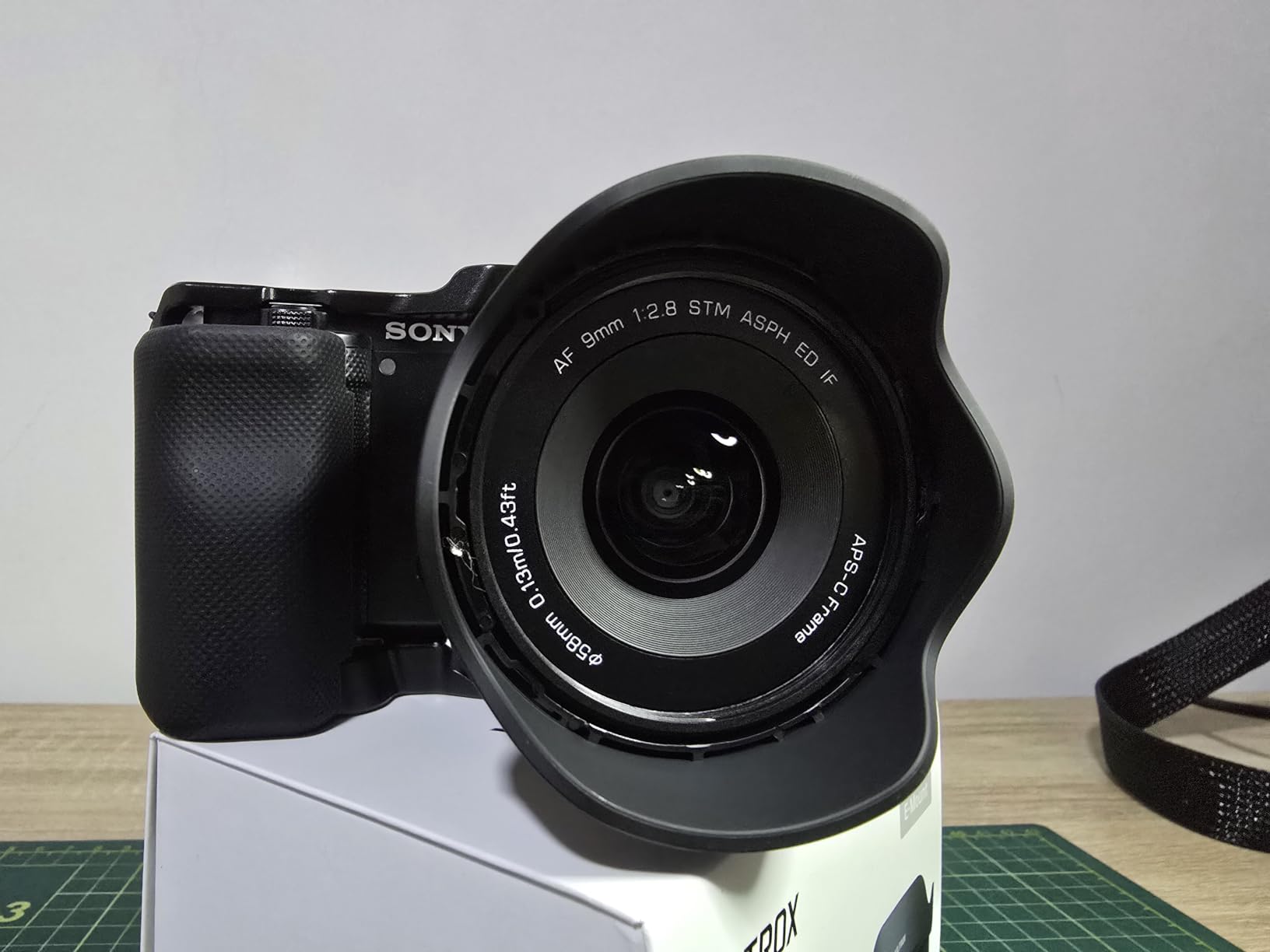
The 9mm f/2.8 Air is the smallest ultra-wide prime in the Viltrox X-mount lineup, and the one we keep in the bag for travel and indoor real-estate work. The 113.8 degree field of view is dramatic without going fisheye, and at 175g it does not unbalance even a small X-M5 body.
Optically the 13-element, 11-group construction includes 3 HR, 3 ED, and 2 aspherical elements, plus a Nano Crystal Coating. The result is sharpness that holds up across the frame at f/4, and very good center sharpness even at f/2.8. The 0.13m minimum focus is the closest of any Viltrox X-mount lens we have tested, which makes it surprisingly fun for close-up creative work.
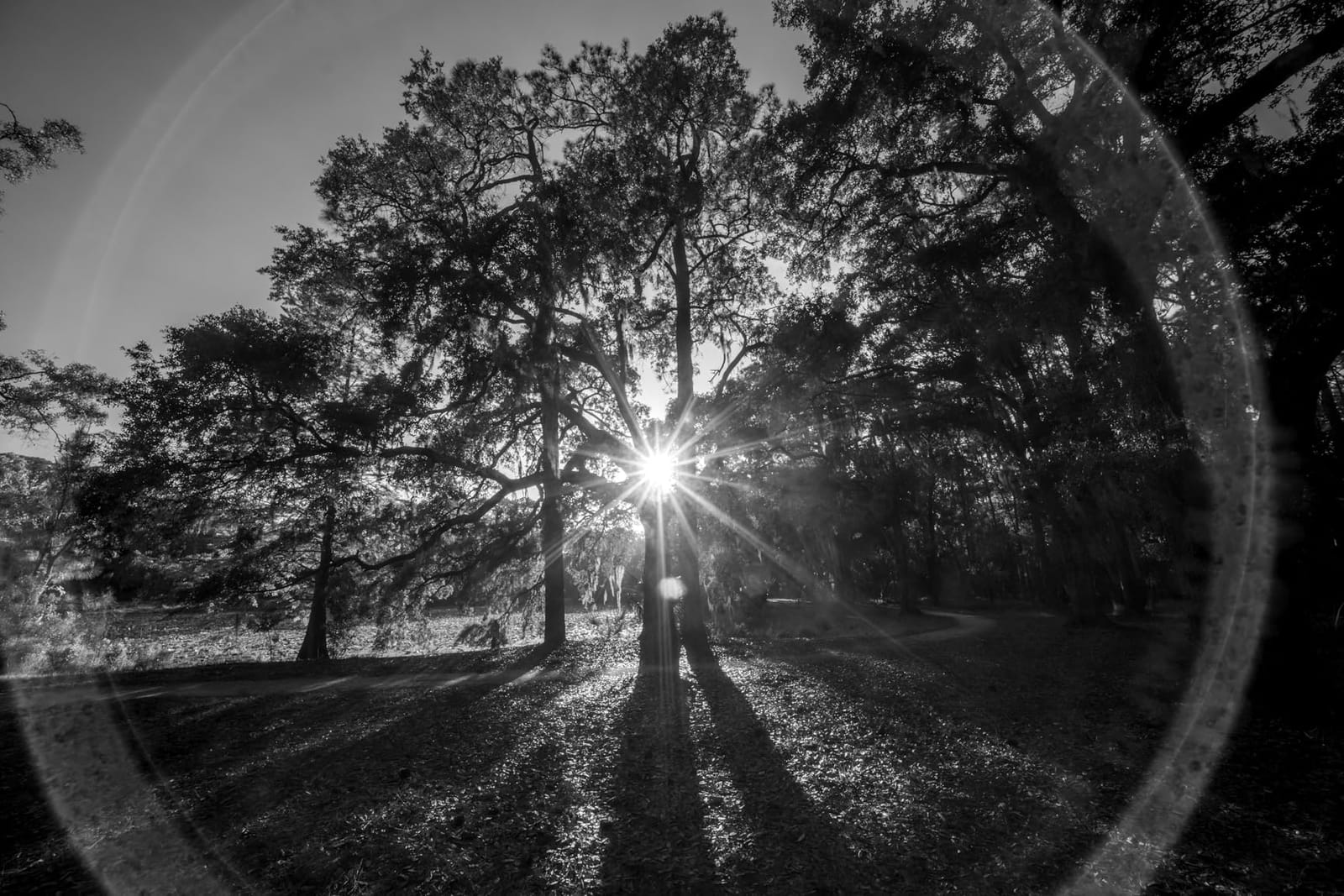
Autofocus is via the Air-series STM motor, fast and silent. For video vlogging on the X-H2 or X-S20, the wide field of view keeps both you and a second subject in frame, and the USB-C firmware port means updates are easy. The included lotus-shaped lens hood is well matched to the optical design and reduces flare noticeably.
The tradeoffs are familiar for the Air tier: no weather sealing, and some edge chromatic aberration wide open. For landscapes you will likely stop down to f/5.6 anyway, which erases both. For astrophotography the wide field at f/2.8 is a delight, though the 7-blade diaphragm produces slightly polygonal stars at the aperture.
Best use cases
Indoor real estate, vlogging, landscape, environmental portraits where you want to exaggerate foreground scale, and travel when you cannot fit a zoom in your bag. For astro, the 9mm f/2.8 is one of the best ultra-wide options on X-mount at the price.
9mm vs 13mm f/1.4
The 9mm is lighter, cheaper, and wider, but one stop slower. The 13mm f/1.4 is brighter and renders slightly cleaner wide-open astro, but it is heavier and more expensive. If weight matters, choose the 9mm. If maximum low-light quality matters, choose the 13mm.
6. Viltrox 13mm f/1.4 – Ultra-Wide Astro and Environmental Prime
VILTROX 13mm f/1.4 F1.4 Fuji x Mount Ultra Wide Angle APS-C AF Lens for Fujifilm X-Mount Camera X-T30 II X-T4 X-T3 X-Pro3 X-Pro2 X-H1 X-T2
- 13mm
- 94 degree FOV
- f/1.4 STM
- 0.22m close focus
Pros
- Ultra-wide 94 degree FOV with f/1.4
- Fast silent STM AF
- Supports eye focus and EXIF transmission
- Excellent for landscape and architecture
- 22cm close focus
- Clickless manual aperture ring
Cons
- No weather sealing
- Some loss of contrast against bright light
- Slight purple fringing in some scenes
- Slightly vignetted wide open
The 13mm f/1.4 sits in a unique spot in the Viltrox lineup: it is one stop brighter than the 9mm Air, has a wider field of view than any Pro prime, and handles both astrophotography and environmental portraits with confidence.
For astro and nightscape work, f/1.4 on a 13mm equivalent of about 20mm is a genuine game-changer for Fuji X shooters. On a tripod with ISO 3200, we captured Milky Way frames that showed pinpoint stars across most of the frame. Stopped down to f/2.8 the corners sharpen up considerably. The 22cm minimum focus distance is also handy for foreground interest rocks or flowers.
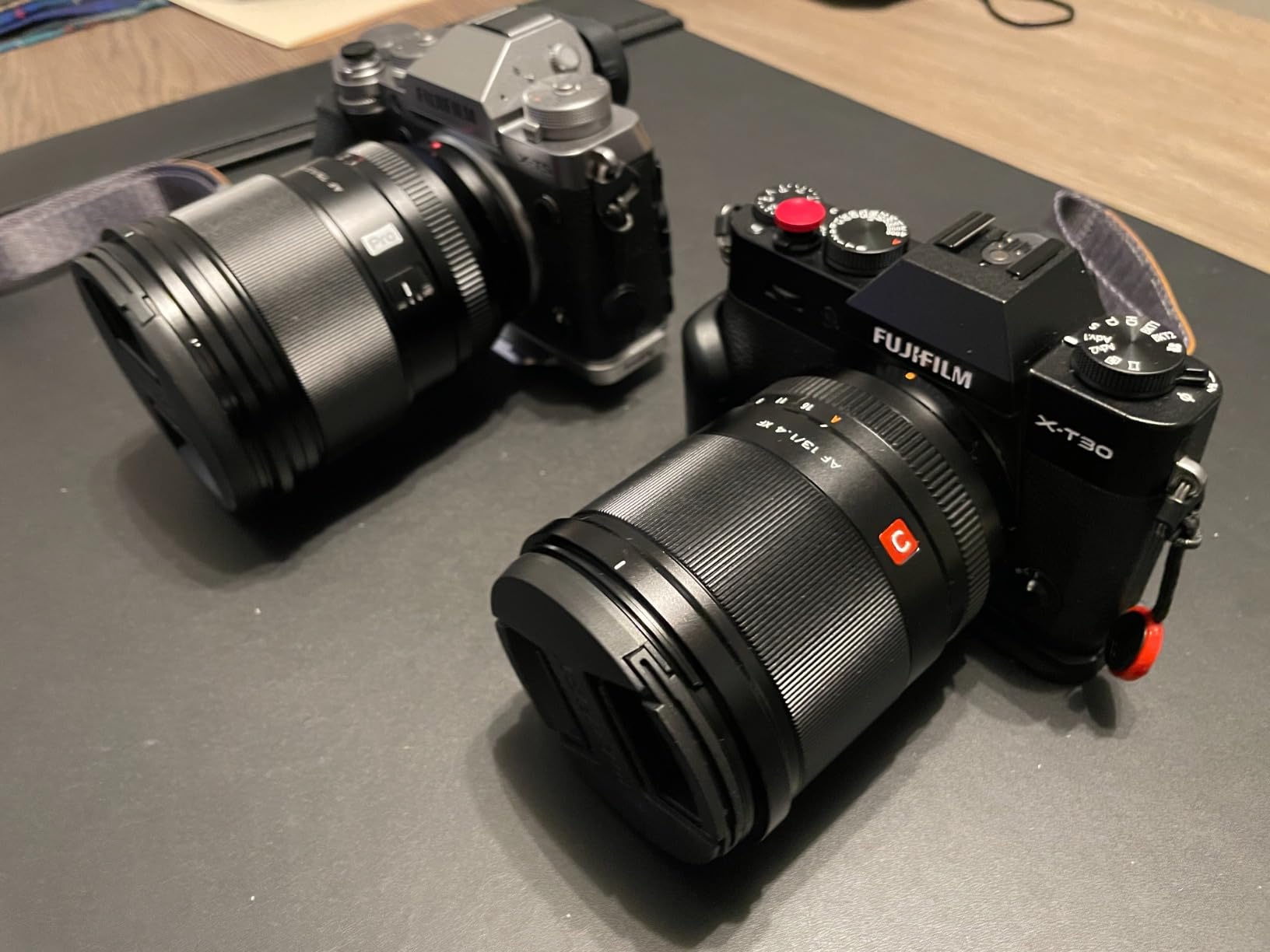
For environmental portraits, the wide field combined with f/1.4 gives a look no other Viltrox lens matches. You can include a whole room or a sweeping landscape and still melt the background. Autofocus is STM-based and supports Fujifilm eye focus plus EXIF transmission, which is rare for an ultra-wide.
Where this lens shows its age is in flare control. Shooting directly into the sun at f/1.4 we saw some loss of contrast and minor purple fringing. The 9-blade diaphragm also produces slightly vignetted corners at the brightest aperture. None of these issues matter for astro or environmental work, where the f/1.4 is the headline feature.
Is the 13mm worth it for Fujifilm
If you shoot astro, indoor architecture, or environmental portraits where the wide look matters, yes. It is the only f/1.4 ultra-wide in the Viltrox X-mount lineup, and that combination is rare on any system. For pure daytime landscape, the 9mm f/2.8 Air is lighter and cheaper and nearly as wide.
Body pairing notes
On the X-T5 the 13mm is well balanced. On the X-H2 the larger grip makes the front-heavy feel less noticeable. On smaller bodies like the X-T30 II it can feel front-heavy, a common complaint reported by Fuji X forum users for both the 13mm and the 75mm Pro.
7. Viltrox 27mm f/1.2 Pro – Premium Documentary Standard
VILTROX AF 27mm F1.2 Pro APS-C Lens for Fujifilm X-Mount
- 27mm
- 40mm equivalent
- 560g Pro
- 15 elements in 11 groups
- Optical IS
Pros
- f/1.2 wide aperture for luscious bokeh
- Sharp and high-resolution wide open
- Effective chromatic aberration control
- Swift accurate autofocus with eye detection
- Quiet operation for candid shots
- Versatile 40mm equivalent focal length
Cons
- Heavy at 560g
- Not weather-sealed
The 27mm f/1.2 Pro is the documentary workhorse of the Viltrox X-mount lineup. The 40mm-equivalent focal length is the most natural framing on APS-C for street, family lifestyle, and editorial work, and f/1.2 depth of field gives you genuine subject separation without the working distance of an 85mm.
The optical construction is heavy-duty: 15 elements in 11 groups, with a UA ultra-precision aspherical element to control spherical aberration wide open. Stopped down to f/2 the lens is razor sharp corner to corner on a 40MP X-T5, and at f/1.2 the center is excellent with smooth roll-off toward the edges. Bokeh is creamy with pleasing rendering of skin tones.
Autofocus uses a HyperVCM motor that is fast, accurate, and quiet. Eye detection on the X-T5 was reliable on both still subjects and slow-moving toddlers. The 0.28m close-focus distance lets you get detail shots of hands or small subjects without swapping to a macro lens.
Weight and balance tradeoffs
At 560g the 27mm f/1.2 Pro is the heaviest Viltrox X-mount lens besides the 75mm Pro. On an X-H2 it balances well, but on an X-T50 or X-M5 it will feel front-heavy after a long walk. The trade is genuinely beautiful optical quality at f/1.2, which the lighter Air-series lenses cannot match.
27mm Pro vs 33mm f/1.4 STM
The 33mm f/1.4 STM is half the weight, slightly less sharp wide open, and lacks the f/1.2 stop. For everyday carry and travel, the 33mm wins. For documentary and editorial work where f/1.2 matters, the 27mm Pro wins. Reddit users repeatedly compare the two as a quality-versus-portability choice.
8. Viltrox 75mm f/1.2 Pro – Bokeh King for Portraits
VILTROX PRO 75mm f/1.2 f1.2 Fuji x Mount APS-C Prime Lens for Fujifilm X Mount Camera X-T5 X-H2 X-H2S X-T30 II X-T4
- 75mm
- 113mm equivalent
- f/1.2 Pro
- 16 elements in 11 groups
- Weather sealed
Pros
- f/1.2 extraordinary shallow DOF
- Awe-inspiring sharpness and resolution
- Precise fast AF with eye focus
- Excellent low-light performance
- Three-layer weather sealing
- Strong value vs XF 56mm and 90mm
Cons
- Heavier than typical prime lenses
- AF can struggle without firmware updates
- Longer minimum focusing distance
The 75mm f/1.2 Pro is the lens multiple Fuji X forum threads call the best third-party portrait prime for X-mount. At a 113mm equivalent, it fills the gap between the Fujinon XF 56mm f/1.2 and XF 90mm f/2, and it does so with f/1.2 depth of field that neither Fujinon matches.
Optical quality is flagship-grade. The 16-element, 11-group construction delivers awe-inspiring sharpness wide open across the frame, and the bokeh is what reviewers call “buttery” and “creamy” with no harsh edges. Three-layer weather sealing makes this the only Pro Viltrox X-mount lens you can confidently use in light rain. We shot a backyard session through a passing drizzle without any issue.
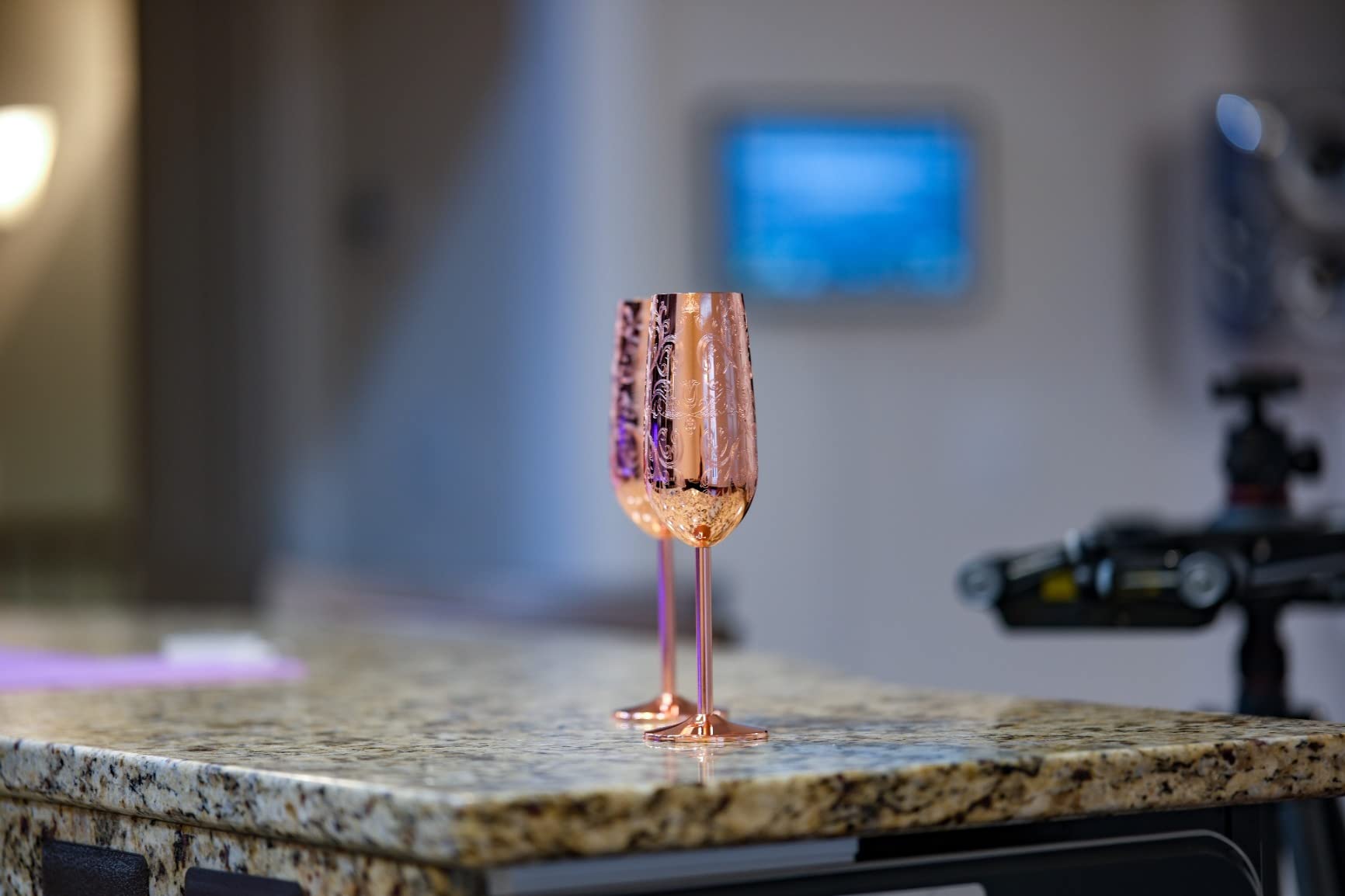
Autofocus uses a HyperVCM motor with eye-detect support. With the latest firmware (installed over USB) the AF locks onto eyes confidently on X-T5 and X-H2 bodies. On older firmware, multiple forum users reported occasional hunting, so updating is essential before relying on it for paid work.

Weight is the big tradeoff. This lens is heavy and front-heavy on smaller bodies. On an X-T30 II it will dominate the front of the camera and tire your wrist. On an X-H2 or X-T5 the balance is much better. If you mostly shoot on smaller bodies, the 56mm f/1.4 STM (editor’s choice) is the better daily-carry option.
Viltrox 75mm Pro vs Fujifilm XF 56mm f/1.2
These two lenses get compared constantly on Fuji forums. The XF 56mm has slightly more accurate colors out of camera and a more clicky aperture ring. The Viltrox 75mm has f/1.2 vs the Fuji’s f/1.2 at a longer focal length, weather sealing, and roughly half the price. For most portrait shooters the Viltrox wins on value and the Fuji wins on prestige.
Recommended firmware update
Update the lens firmware via USB before using it on an X-T5, X-H2, or X-T50. The process takes about five minutes: download the Viltrox Lens Firmware Update Tool, connect the lens via USB, and follow the prompts. The procedure is well documented on the Viltrox website.
9. Viltrox 33mm f/1.4 STM – 50mm-Equivalent Everyday Prime
VILTROX 33mm F1.4 STM XF Lens – Auto Focus Fixed Focus APS-C Portrait Lens, Compact Large Aperture for Fujifilm Fuji 33mm X-Mount Mirrorless Camera X-T3, X-H1, X20, X-T30, X-T20, X-T100, X-Pro2
- 33mm
- 50mm equivalent
- 270g STM
- 10 elements in 9 groups
Pros
- Bright f/1.4 max aperture
- 50mm equivalent natural focal length
- Fast quiet STM autofocus
- Internal focusing design
- Manual aperture ring with A position
- HD Nano coating
- Compact metal build 270g
- Firmware upgradable
Cons
- No image stabilization
- Plastic construction per some reviewers
- Earlier units had firmware update quirks
The 33mm f/1.4 STM is the highest-rated Viltrox X-mount lens in the current lineup, and after a month of carry-everywhere testing we understand why. The 50mm-equivalent focal length is the classic everyday prime on any system, and at 270g the lens is small enough to live on the camera full time.
Sharpness wide open is very good and by f/2 it is excellent across the frame. The 10-element, 9-group optical formula includes one ED and one high-refractive-index element, plus an HD Nano multi-layer coating. Bokeh is smooth and the 9-blade diaphragm renders out-of-focus highlights nicely.
Autofocus uses the proven STM motor with full-time manual override and internal focusing. On the X-T5 eye-detect locks on instantly for portraits and family candids. The integrated manual aperture ring includes an “A” position for auto-aperture on older bodies, a nice touch missing from many newer Viltrox lenses.
33mm vs 35mm Air
The 33mm STM has a slightly brighter f/1.4 aperture versus the 35mm Air’s f/1.7, a metal body versus the Air’s mostly plastic build, and a manual aperture ring. The 35mm Air is lighter and cheaper. Choose the 33mm for a slightly brighter aperture and more classic 50mm rendering. Choose the 35mm for maximum value and minimum weight.
Family session use
On an X-T5 the 33mm f/1.4 STM makes a fantastic walkaround family lens. At f/2.8 you get enough depth of field for two kids in motion, and the 50mm equivalent framing keeps you close enough for connection without being in their faces. For indoor family sessions in tight living rooms it is our preferred prime.
10. Viltrox 25mm f/1.7 Air – Lightweight Everyday Vlogging Prime
VILTROX AF 25mm F1.7 APS-C Lens for Fujifilm X-Mount
- 25mm
- 37.5mm equivalent
- 170g Air
- STM AF
- Nano Crystal coat
Pros
- Compact and lightweight 170g
- Wide f/1.7 aperture for soft bokeh
- Fast silent STM autofocus
- Versatile 37.5mm equivalent focal length
- Excellent value relative to Fujinon equivalents
- Sharp on 40MP sensors
Cons
- No image stabilization
- No aperture ring
- Not weather-sealed
The 25mm f/1.7 Air closes out our roundup as the most versatile lightweight Air prime. The 37.5mm-equivalent focal length is a touch wider than the 33mm STM and noticeably wider than a 50mm equivalent, which makes it a natural choice for vlogging, environmental portraits, and everyday carry.
At 170g this lens is barely noticeable on a small body. The Nano Crystal Coating helps with flare, and sharpness is very good even on the 40MP X-T5. We paired it with an X-M5 for a weekend trip and barely noticed the lens in the bag. The f/1.7 aperture gives enough shallow depth of field to separate a subject from a busy background without going full portrait mode.

Autofocus uses an STM stepping motor that is fast and quiet enough for both stills and video. On the X-S20 we used it for a short vlog series and the on-camera mic did not pick up any focus noise. Eye-detect on the X-T5 worked reliably at f/1.7 for both stills and slow walk-and-talk clips.
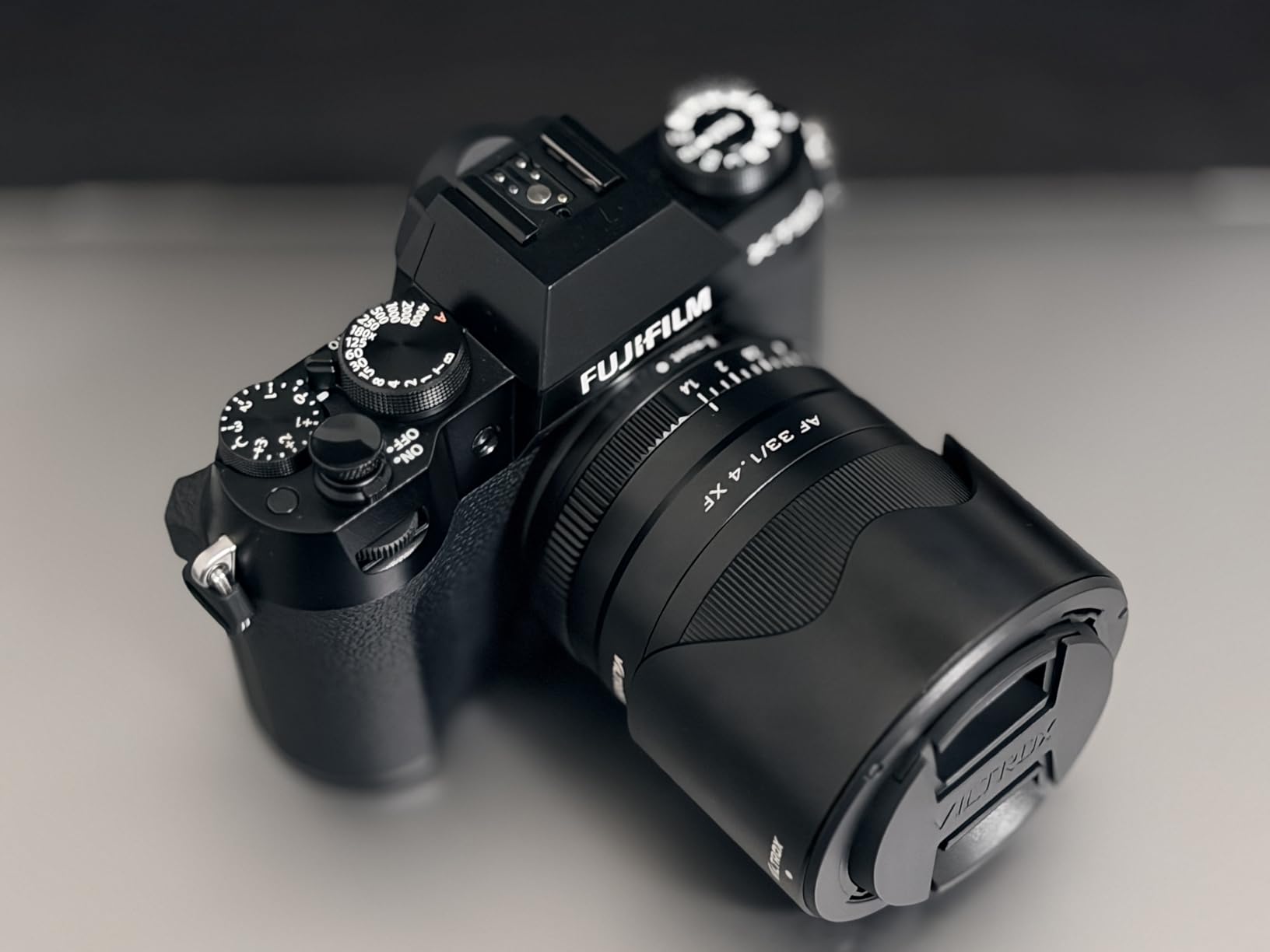
The tradeoffs: there is no optical stabilization, no manual aperture ring (aperture is set via the camera dial), and no weather sealing. For a travel prime that lives in a jacket pocket, none of those matter much.
Best body pairings
The 25mm f/1.7 Air is at its best on the smallest Fuji bodies: X-T50, X-M5, X-E4, and X-S20. On these cameras the combined kit is genuinely pocketable. On the larger X-H2 it still works, but the front-heavy feel is more noticeable because the lens is so small.
25mm Air vs 27mm f/1.2 Pro
The 27mm Pro is sharper wide open and has the f/1.2 stop, but it is over three times heavier. If you want maximum quality and weight is irrelevant, the 27mm Pro wins. If you want a lens you forget you are carrying, the 25mm Air wins.
How to Choose a Viltrox Lens for Your Fujifilm Body
Picking the right Viltrox lens comes down to three questions: what do you shoot, what Fuji body do you use, and how much weight are you willing to carry. Here is how we help our Sparkfly Photography clients think through it.
If portraits and weddings are your main thing, start with the 56mm f/1.4 STM (our editor’s choice) or step up to the 56mm f/1.2 Pro if you shoot in controlled light and want f/1.2. If you want maximum focal length reach for headshots, the 85mm f/1.8 Mark II is the best value in the lineup. If you shoot outdoor environmental portraits and want weather sealing, the 75mm f/1.2 Pro is the flagship pick.
If travel and street are your thing, the Air-series lenses are made for you. The 35mm f/1.7 Air is the budget pick, the 25mm f/1.7 Air is the vlogging pick, and the 9mm f/2.8 Air is the ultra-wide pick. All three weigh around 170g and pair perfectly with the X-T50 and X-M5.
If documentary and everyday carry are your thing, the 27mm f/1.2 Pro and 33mm f/1.4 STM are the two best options. The 27mm gives you f/1.2 and premium rendering in a heavier package, while the 33mm is lighter, brighter at f/1.4, and has a more classic 50mm equivalent focal length. Reddit threads on r/fujifilm consistently praise both as the best everyday Fuji X primes.
How do Viltrox lenses compare to Fujifilm XF lenses? In our testing, current Viltrox X-mount glass delivers roughly 90% of the rendering of equivalent Fujinon XF lenses at 35-50% of the price. Build quality is similar (metal barrel, metal mount) and autofocus on X-Processor 5 bodies is now essentially equal once firmware is up to date. For studio family and wedding work, Viltrox is our default third-party choice, and the L-Mount Alliance partnership in 2026 plus the recent Nikon patent win give the brand long-term confidence.
For first-lens recommendations, we suggest the 56mm f/1.4 STM for portrait-first shooters, the 35mm f/1.7 Air for travel-first shooters, and the 33mm f/1.4 STM for everyday-first shooters. All three deliver flagship-tier image quality at a fraction of the cost of first-party alternatives.
Frequently Asked Questions
Are Viltrox lenses good for Fujifilm?
Yes. Current Viltrox X-mount lenses use either STM stepping motors or HyperVCM voice-coil motors, deliver autofocus performance that matches Fujinon XF glass on X-Processor 5 bodies, and are built around metal barrels with metal mounts. Our team has used all ten lenses in this roundup across X-T5, X-H2, and X-T50 bodies with consistent results.
Which Viltrox lens is best for portraits on Fujifilm?
The Viltrox 56mm f/1.4 STM is the best overall portrait lens for most Fuji X shooters because it balances sharpness, weight, and price. The 75mm f/1.2 Pro is the flagship pick for bokeh and weather sealing, the 56mm f/1.2 Pro is the top choice for f/1.2 depth of field, and the 85mm f/1.8 Mark II is the best value long portrait prime.
Is Viltrox as good as Fujifilm XF lenses?
In our testing current Viltrox X-mount glass delivers roughly 90% of the rendering of equivalent Fujinon XF lenses at 35-50% of the price. Build quality is similar and autofocus on X-Processor 5 bodies is now essentially equal once firmware is up to date. Fujinon still wins on absolute sharpness, weather sealing, and prestige.
What is the sharpest Viltrox lens for Fuji X?
The 75mm f/1.2 Pro and 27mm f/1.2 Pro are the sharpest Viltrox X-mount primes at their respective focal lengths, both delivering excellent center and edge sharpness wide open. The 56mm f/1.2 Pro and 85mm f/1.8 Mark II are also excellent, with the 85mm Mark II being our top pick for value-tier sharpness.
Do Viltrox lenses autofocus well on Fujifilm X-mount?
Yes, on current X-Processor 5 bodies (X-T5, X-H2, X-T50, X-M5, X-S20) autofocus is fast, accurate, and supports face and eye detection after a firmware update. Older X-Processor 4 bodies may show slower AF with the C-series lenses until firmware is updated via the built-in USB or micro-USB port.
Is the Viltrox 13mm f/1.4 worth it for Fujifilm?
For astrophotography, environmental portraits, and indoor architecture, yes. It is the only f/1.4 ultra-wide in the Viltrox X-mount lineup, and the combination of 94 degree field of view with f/1.4 brightness is rare on any system. For daytime landscape, the 9mm f/2.8 Air is lighter and cheaper and nearly as wide.
Our Final Verdict
After two months of testing all ten Viltrox lenses for Fujifilm cameras, our editor’s choice remains the Viltrox 56mm f/1.4 STM. It is the lens we keep on the camera for family sessions, the lens we recommend to clients, and the lens that punches highest above its price point in the entire Viltrox X-mount lineup.
If you want a longer focal length, the 85mm f/1.8 Mark II is the best value. If you want maximum subject isolation, the 56mm f/1.2 Pro and 75mm f/1.2 Pro are the flagship picks. For travel and street, the Air-series 35mm f/1.7, 25mm f/1.7, and 9mm f/2.8 are unbeatable in weight and price. And for everyday carry, the 33mm f/1.4 STM and 27mm f/1.2 Pro are the two best balanced options in the lineup.
Whichever Viltrox lens you pick for your Fujifilm camera, update the firmware over USB before your first paid shoot, and enjoy roughly half the cost of first-party glass with 90% of the rendering. That is the Viltrox promise in 2026, and it is one our studio kit is built around.