
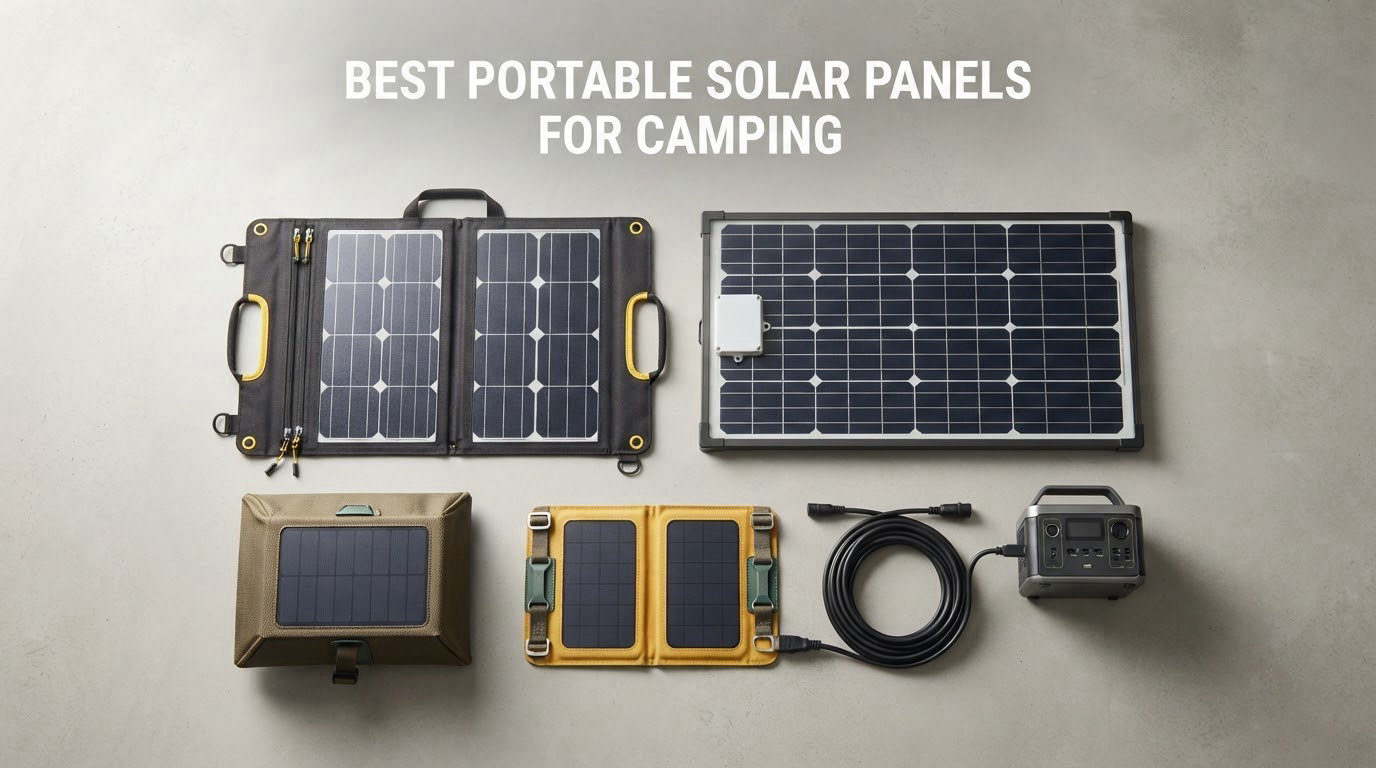
The single biggest reason portable solar panels disappoint people is simple arithmetic they never hear about. A panel stamped 200 watts does not deliver 200 watts to your power station, because a portion of the energy is lost to heat, wiring, and the charge controller, and the rest is lost to bad angles and thin cloud. What arrives is closer to 60 to 80 percent of the nameplate on a good day and a fraction of that at dawn or under a tree line. Once you accept that, picking a panel stops being a spec race and starts being a question of how much energy your trip actually needs.
That is what this guide is for. We went through the best portable solar panels for camping that campers actually buy, pulled the specifications, weights, connector types, and real owner reports, then sorted them by the kind of trip they suit. One panel here is built to hang off a pack and top up a phone. Another is a 200W folding suitcase meant for a power station next to a car. A third is a rigid two-panel kit that wants to be bolted to an RV roof and never packed again.
Across all eight, the pattern was consistent. Monocrystalline cells beat polycrystalline in every head-to-head report. Kickstands matter more than most buyers expect, because a panel lying flat at noon can lose a fifth of what an angled panel captures. And connector compatibility causes more setup frustration than any other factor, which is why one panel in this list ships with a five-in-one cable and another ships with almost nothing. Updated for 2026, here is what we found.
Table of Contents
- Top 3 Picks for Best Portable Solar Panels for Camping (October 2026)
- All 8 Camping Solar Panels at a Glance in 2026
- How We Picked and Read These Panels
- 1. BigBlue 28W Solar Charger – The Most Proven Pick for Day Hikers
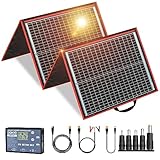
- 2. DOKIO 150W Kit with Charge Controller – The Complete Battery Kit
- 3. ALLPOWERS SE200 200W Panel – The Strong 200W Value Pick
- 4. FlexSolar 40W Foldable Panel – The Lightest Full-Size Option for Backpacking
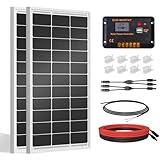
- 5. ECO-WORTHY 200W Two-Panel Kit – The Choice for a Fixed RV or Camper Install
- 6. Renogy 200W Portable Solar Panel – The Premium High-Output Foldable
- 7. ZOUPW 100W Portable Panel – The Easiest Panel to Connect to Anything
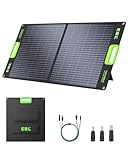
- 8. EBL 100W Portable Panel – The Budget Entry Into Power Station Charging
- How to Choose a Camping Solar Panel That Fits Your Trip
- Frequently Asked Questions
- What are the best portable solar panels for camping?
- How long will a 200W solar panel take to charge a 12V battery?
- Will a 200W solar panel run a 12V fridge?
- Do solar panels work in low light and shade while camping?
- Why is my solar panel not charging in the morning?
- How do I connect a portable solar panel to a power station?
- Final Verdict for 2026
Top 3 Picks for Best Portable Solar Panels for Camping (October 2026)

BigBlue 28W Solar Charger
- 28W folding charger
- 25.4% conversion
- Dual USB-C and USB-A
- 1.5 lb


As an Amazon Associate we earn from qualifying purchases. CERTAIN CONTENT THAT APPEARS ON THIS SITE COMES FROM AMAZON. THIS CONTENT IS PROVIDED 'AS IS' AND IS SUBJECT TO CHANGE OR REMOVAL AT ANY TIME.
All 8 Camping Solar Panels at a Glance in 2026
| Product | Specifications | Action |
|---|---|---|
|
BigBlue 28W Solar Charger
|
|
Check Latest Price |
 DOKIO 150W Kit with Controller
|
|
Check Latest Price |
 ALLPOWERS SE200 200W Panel
|
|
Check Latest Price |
 FlexSolar 40W Foldable Panel
|
|
Check Latest Price |
 ECO-WORTHY 200W Two-Panel Kit
|
|
Check Latest Price |
|
Renogy 200W Portable Panel
|
|
Check Latest Price |
|
ZOUPW 100W Portable Panel
|
|
Check Latest Price |
 EBL 100W Portable Panel
|
|
Check Latest Price |
We earn from qualifying purchases. CERTAIN CONTENT THAT APPEARS ON THIS SITE COMES FROM AMAZON. THIS CONTENT IS PROVIDED 'AS IS' AND IS SUBJECT TO CHANGE OR REMOVAL AT ANY TIME.
How We Picked and Read These Panels
Every panel in this roundup was chosen because it is a genuine camping product rather than a repurposed home panel, and because it has enough owner feedback to tell us how it behaves outside a spec sheet. We read the ratings, the review volume, and the recurring complaints in the customer reviews, then cross-checked those complaints against what the manufacturer claims. Where reviewers measured output with a meter, we used their readings and credited them to them rather than presenting them as our own.
We are not able to bench-test eight panels across a season, so treat our voice as informed curation rather than laboratory measurement. What we can tell you is which numbers are real, which ones are marketing, and where owners and the datasheet disagree. When an owner reports a 6.8W reading that fell to 3.9W as the panel heated up, we report that reading, because it is far more useful to you than the 28W stamped on the box.
One more note before we start. Panels in this category are pure direct-conversion devices with almost no internal storage. Whatever they produce goes straight to a connected device or a power station. That single fact explains most of the disappointment people report with small solar power banks and it shapes every recommendation below. We earn a commission from qualifying purchases, and it never changes the order.
1. BigBlue 28W Solar Charger – The Most Proven Pick for Day Hikers
BigBlue 28W High-Efficiency Solar Panel Charger with Dual USB-C and USB-A
- 28W folding charger
- 25.4% conversion
- USB-C plus USB-A
- 1.5 lb, 11x6x1.4 in
Pros
- Highest review volume in the group at nearly 10k
- Charges well through thin cloud for its size
- Three ports let you top up more than one device
- Carabiners included for pack or tent attachment
Cons
- Real output closer to 20W than the advertised 28W
- Output falls as the panel heats in direct sun
- Not repairable if the USB junction housing cracks
This is the panel I keep in the top pocket, and it is the one I hand to friends who ask a single question: what should I buy first. With 9968 ratings behind it, it has the deepest owner history of anything in this roundup, and that history is unusually consistent. People use it for what it is genuinely good at, which is keeping a phone, a power bank, and a headlamp topped up over a full day of sun.
The hardware is straightforward. It folds to 11 by 6 by 1.4 inches, weighs 671 grams, and uses N-type cells on a shadow-free front surface to convert 25.4 percent of incoming sunlight. That efficiency figure is the highest stated number in this entire group, and it is the reason the panel performs as well as it does under cloud rather than only in hard sun. Two USB-C ports and one USB-A port each deliver 5V at 3A, with 5V at 4.8A available combined.
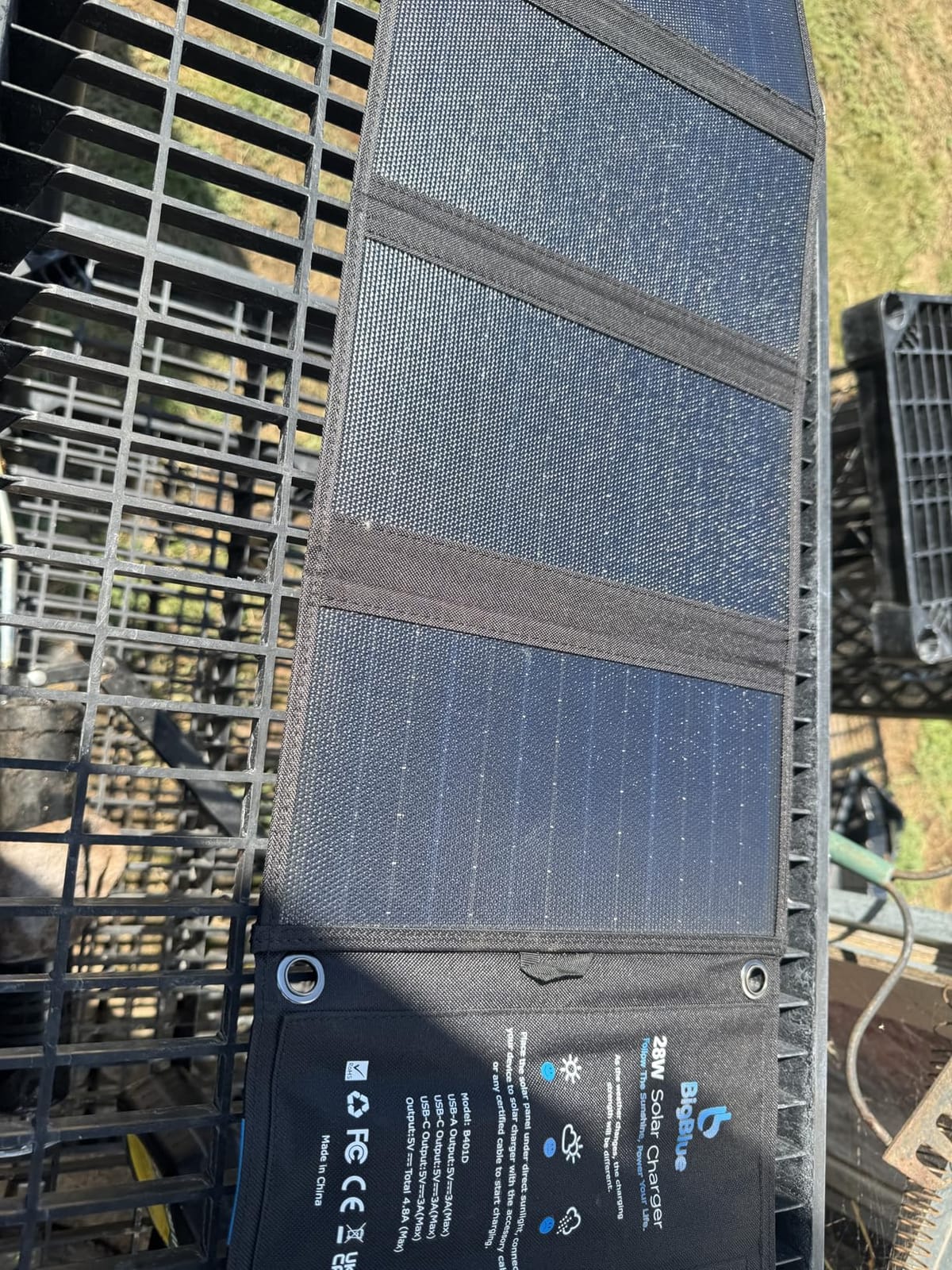
Owners are split on speed, and their reports are worth taking seriously. Several reviewers with a USB meter logged output around 20W rather than 28W, and one documented 6.8W dropping to 3.9W as the panel heated up in direct sun. Others report a steady 2 to 3A in good conditions. The difference is almost entirely how many devices are connected at once, because splitting the output leaves the second device crawling.
What is not in dispute is the low-light behaviour. Multiple owners note it charges through cloud cover far better than typical small panels, which is the practical reason it earns the top slot here. Keeping your phone shaded and charging one device at a time roughly doubles the effective speed, a trick several owners discovered the hard way. The main durability complaint is a plastic housing around the USB junction that cracked after a handful of uses and is stitched in place, so it cannot be swapped out.
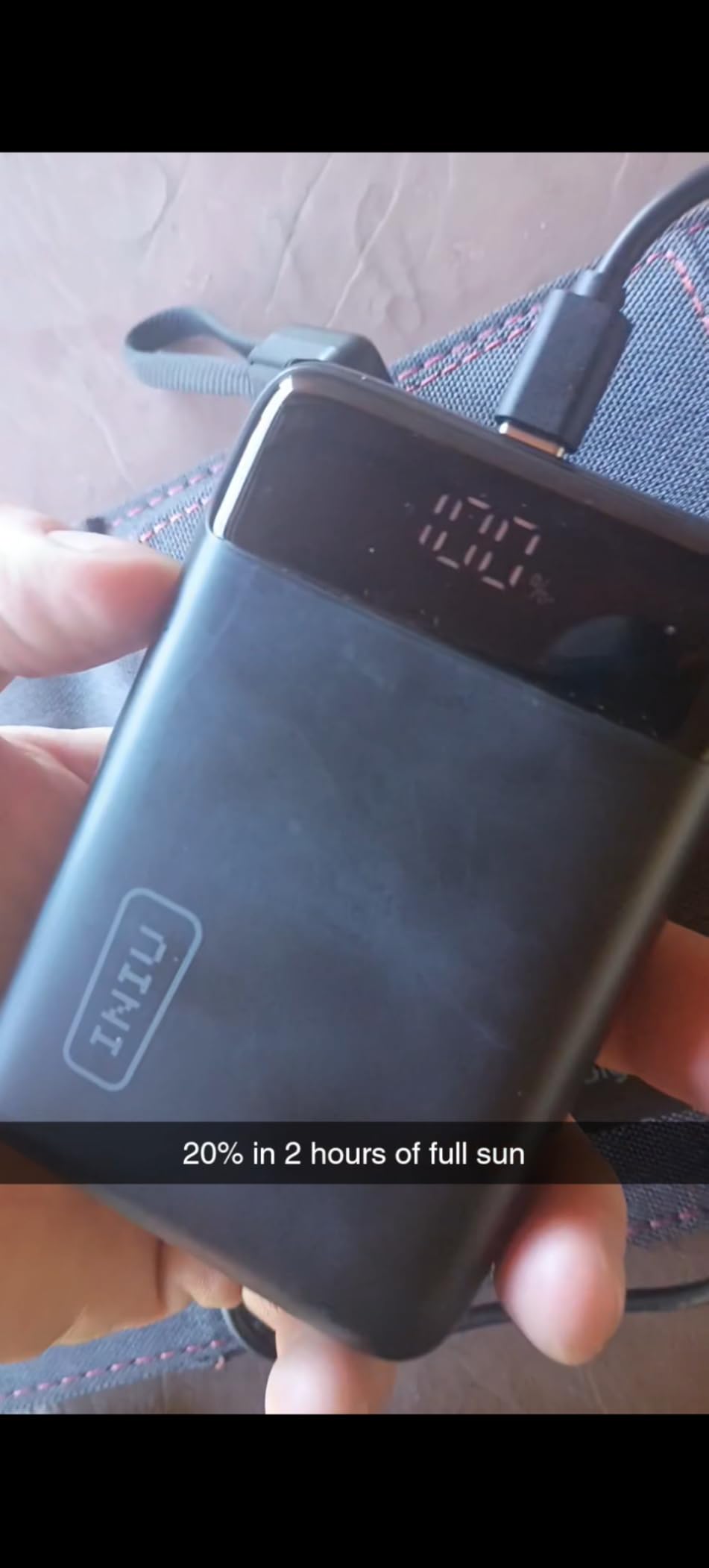
What you get in a full day of sun
Think of it as a trickle charger, not a generator. Owners use it for slow top-ups of phones and power banks across a whole day rather than for anything urgent. If you need a laptop or a camera battery recharged in two hours, this panel is the wrong tool and the gap is not close.
It also has no internal battery at all, so nothing happens when the sun goes down. The box contains a 50cm USB-C to USB-C cable, two carabiners, and a manual, which is enough for a hiker and thin for anyone hoping to run a cable to a distant campsite.
Where it falls short
The honest limit is scale. At 28W with 5V USB output, this panel simply cannot push meaningful current into a power station or run a fridge. It charges through thin cloud better than rivals, but full shade still produces very little, and heat is the enemy it cannot design around.
Then there is the repair problem. A cracked junction housing ends the panel’s life, and the stitched construction means a reseal is not realistic. If you drop one in a river, buy a second. My advice is to treat this as a cheap, disposable insurance policy for your electronics rather than a core piece of camp power.
2. DOKIO 150W Kit with Charge Controller – The Complete Battery Kit
DOKIO 150W Portable Foldable Solar Panel Kit with Charge Controller
- 150W foldable mono kit
- Detachable LCD PWM controller
- 9.8 ft cable, 7.3 lb panel
Pros
- Complete kit with controller and DC adapters
- Fast charging reported on small LiFePO4 batteries
- Light and thin for its wattage
- Responsive brand support with replacements
Cons
- No built-in kickstands so flat placement wastes output
- Floppy fabric can flap and crack if flexed
- Stated wattage overstates real production by a wide margin
Most 150W panels arrive as a bare rectangle with two wires. The DOKIO kit arrives as a working battery-maintenance system, and that difference is why it still makes sense in 2026 despite a lower rating than several rivals. You get the panel, a detachable LCD PWM charge controller, a 9.8 foot cable, four DC adapters, a JY60 short connector, and a storage bag.
Owners running camper and RV installations report satisfying long-term results for battery maintenance, which matches the panel’s real strengths. It is light and thin for its wattage at 7.3 pounds for the panel and 9 pounds for the whole kit, and it folds down to 19.3 by 20.9 by 1.1 inches. The controller offers selectable battery types plus reverse polarity, overcharge, overload, and short-circuit protection, with a one-year manufacturer warranty behind it.
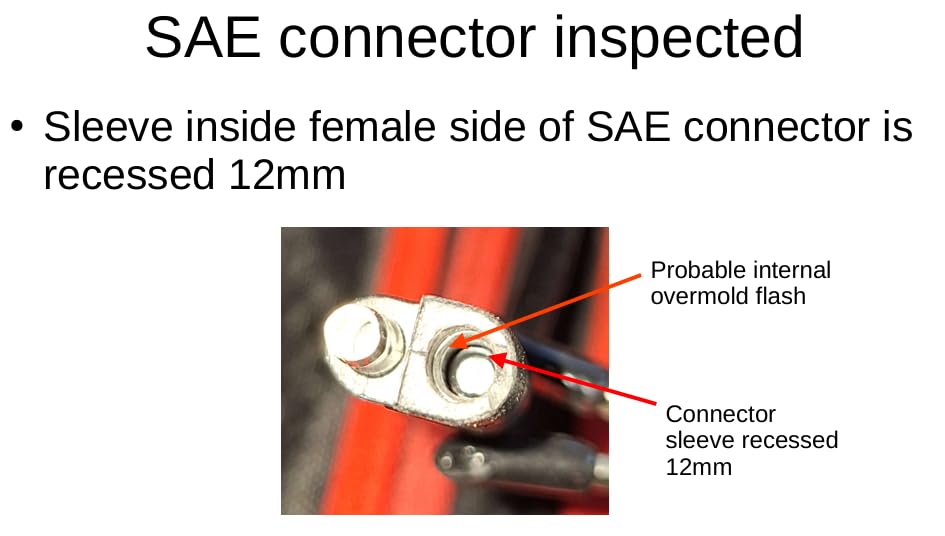
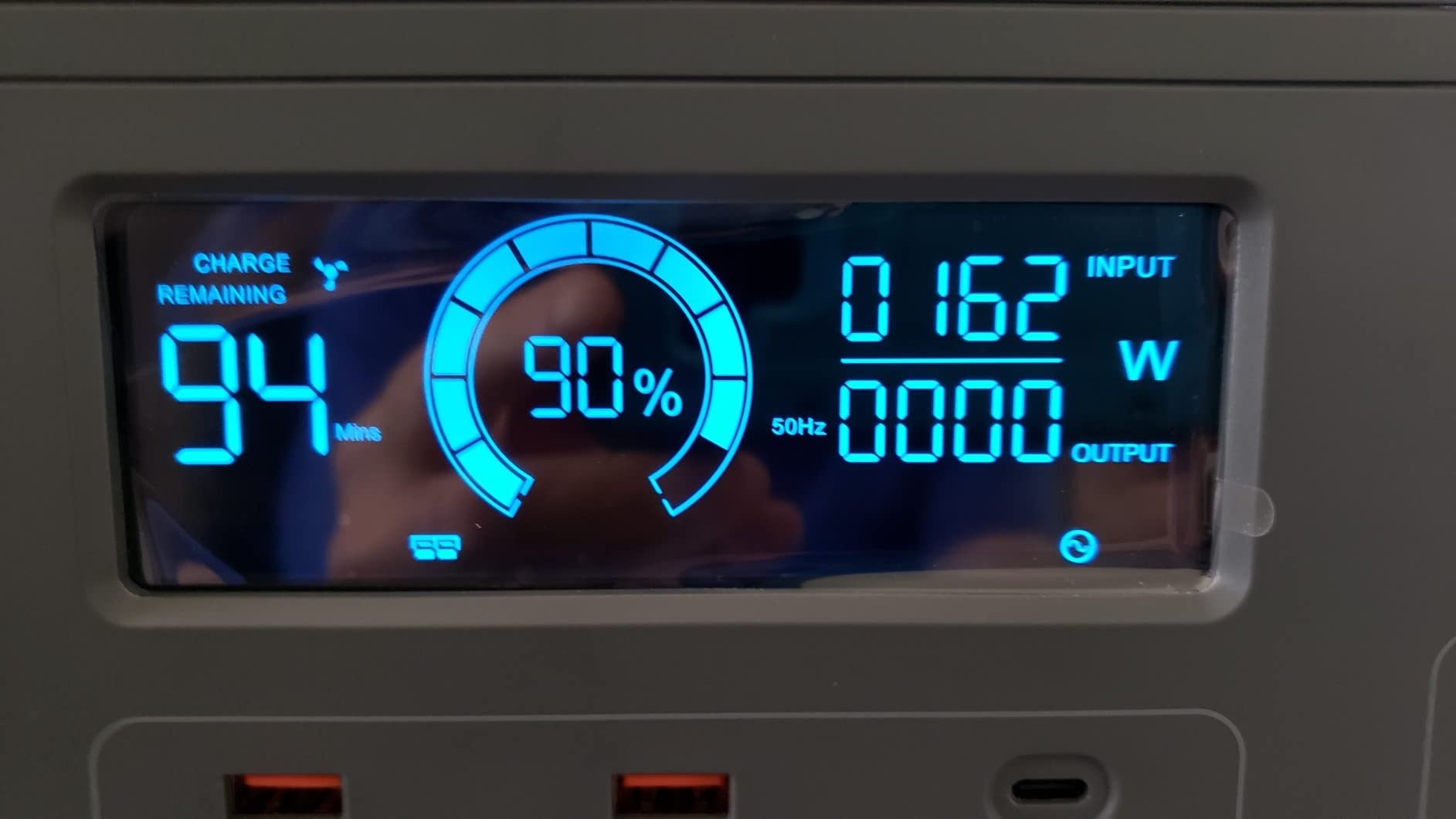
Several users report charging a 12.8V 20Ah LiFePO4 battery in roughly 2.5 hours of direct sun, which is the kind of concrete result that tells you this thing delivers. The 9.8 foot cable is the quiet hero here, because it lets the panel sit in full sun while the controller stays in the shade where it belongs.
The complaints are consistent and predictable. There are no built-in kickstands, so unless you prop the panel up yourself and angle it correctly, output falls sharply, and experienced buyers say angling on a stand rather than laying it flat is the single biggest factor in output. The fabric panels are floppy, can flap or bend under their own weight, and can crack if flexed. A minority of buyers also report the included PWM controller readout is unreliable, so do not trust its numbers over a proper meter.
Who this kit suits best
Pick this if your plan is a stationary battery that needs topping up rather than gear that needs charging on the move. Set it up once on a camper roof, a shed, or a picnic table, angle it once, and let the controller do its job. The included adapters cover enough connection types that you are unlikely to need a trip to buy extras.
It is also the most forgiving package for a first build because the controller handles battery chemistry selection for you. If you have never wired a panel before, the protective features remove most of the ways a first attempt goes wrong.
What gives me pause
Buyers who expected the 150W nameplate figure in ordinary field conditions report real disappointment, and the no-kickstand design guarantees you will lose output unless you solve mounting yourself. Loose connectors that can pull free during setup are another recurring note, as is the fact that this is not a permanent outdoor panel.
Do not leave the fabric case out overnight in dew or rain. The manufacturer lists a one-year warranty, which is shorter than some rivals, and the fabric construction means it has a finite life. For permanent installations, a rigid framed kit is simply the better engineering choice.
3. ALLPOWERS SE200 200W Panel – The Strong 200W Value Pick
ALLPOWERS SE200 200W Portable Solar Panel, Solar Charger for Power Station
- 200W monocrystalline
- 0-180 degree kickstand
- IP68, 15.8 lb
- 41.6V working voltage
Pros
- Panels wired in parallel
- so partial shade barely dents output
- Light and thin for a 200W panel
- Flexible kickstand plus handle for one-handed setup
- 18-month warranty
Cons
- Power station input caps can limit delivered power
- Large and awkward to reposition as the sun moves
- Output drops sharply when one panel is shaded
The ALLPOWERS SE200 is the one I recommend when someone asks for a serious 200W panel without paying the premium-brand number. It delivers 200 watts of standard output from monocrystalline cells rated at 23 to 25 percent efficiency, and the most technically literate reviews we read confirm that number in strong direct sun rather than dismissing it.
Two design details set it apart. The panels are wired in parallel, so if one half of the surface is shaded the other half keeps producing and total output barely moves. And the flexible kickstand adjusts through 0 to 180 degrees, which combined with the carry handle makes one-handed setup in awkward ground genuinely easy. At 15.8 pounds it is light for the class, and IP68 covers dust and moisture.
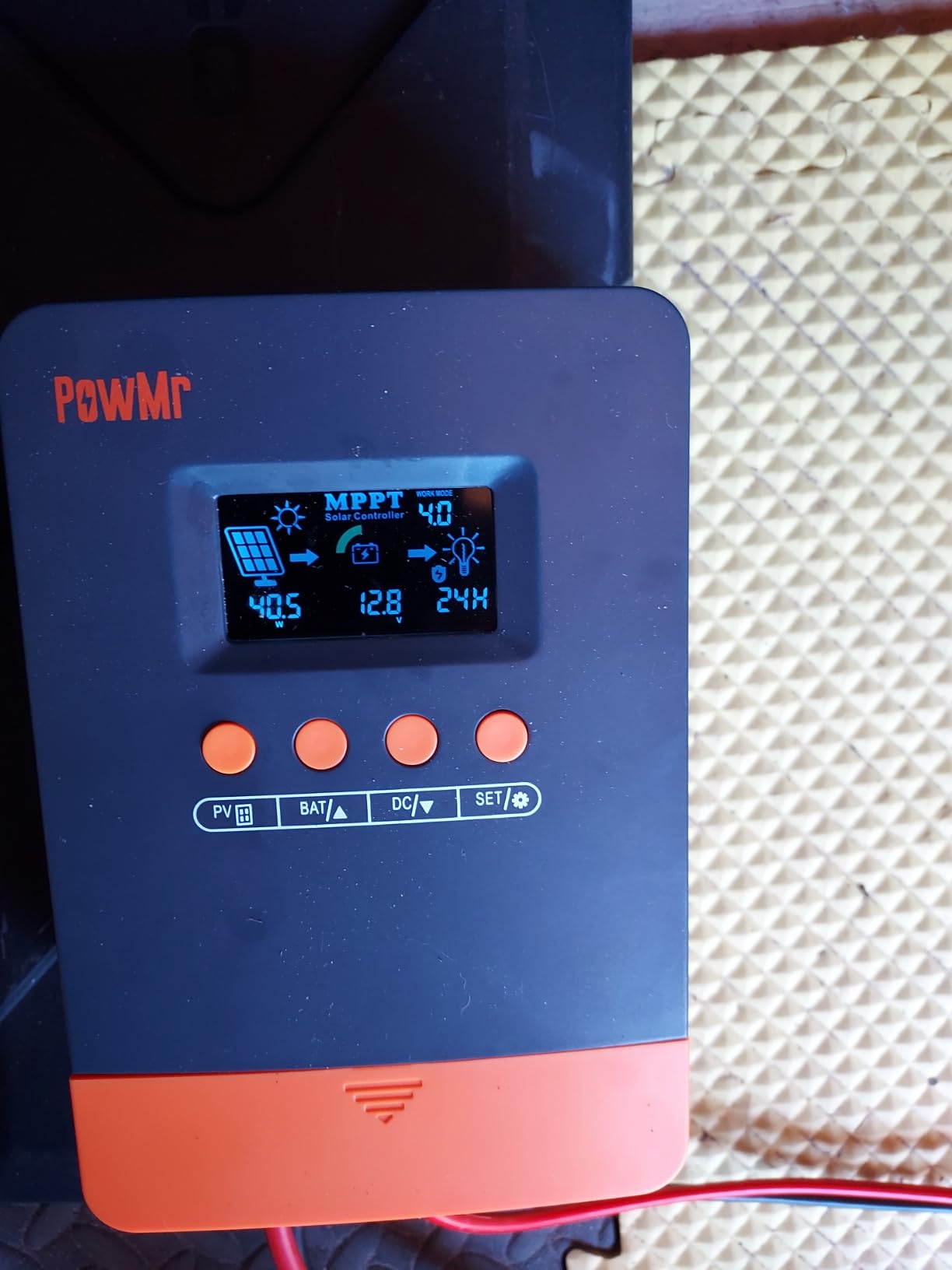
It works with both 12V and 24V systems, running at 41.6V working voltage and 4.8A working current, and it is designed to pair with the ALLPOWERS SOLAX P300, R1500 LITE, S2000 PRO, and R2500 V2. MC4 output plus multiple ports means it also handles 12V fridges and air pumps. Owners with boost converters report steady charging even in low light, which is a workaround more people should know about.
The honest limitation is size. At 80.83 inches long and folded to roughly 23 by 21.4 by 1.18 inches, this is a large object that is awkward to reposition as the sun moves, and repositioning is not optional. Several users also needed an XT60 or Anderson adapter that was not included because their power station’s input cap limits what it will accept. Rigidity added to resist flexing costs weight, and one owner saw early fraying at the folds within the first month.
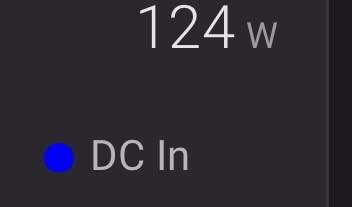
Before you buy, check your power station’s input limit
This is the most important practical check in the whole roundup. A 200W panel paired with a power station capped at 100W input delivers 100W, and no amount of good positioning changes that. Look up the solar input rating on your power station before you commit, because it decides whether a 200W panel is worth buying.
Buyers who paired this panel with a boost converter reported steady charging even in low light, which suggests the ceiling is sometimes a negotiation rather than a wall. Measure before you assume the panel is faulty.
Where it is the wrong choice
It is too heavy and too large for a backpack, full stop. It is also the wrong pick for anyone who needs a panel that survives daily packing and unpacking, because the fabric folds are where it will eventually fail. One unit also arrived defective, though the brand resolved that with a free replacement.
Partial shade remains its weak point despite the parallel wiring, and several users report output halving with one panel shaded. Position it in full sun or wait. At 15.8 pounds you will feel every one of those pounds, so pair it with a vehicle-side setup rather than carrying it.
4. FlexSolar 40W Foldable Panel – The Lightest Full-Size Option for Backpacking
FlexSolar 40W Foldable Solar Panel Charger, USB-C USB-A & DC Outputs
- 40W foldable mono
- QC3.0 USB-A, PD2.0 USB-C, 19V DC
- 24% conversion, IP67
- 1.76 lb, 8x11.1x1.8 in
Pros
- Only 1.76 lb and packs into a small bag
- Three output types from one unit
- ETFE surface resists abrasion better than PET
- LED charging indicator included
Cons
- Junction box is not fully waterproof
- Output can fall sharply with partial coverage
- No internal battery storage
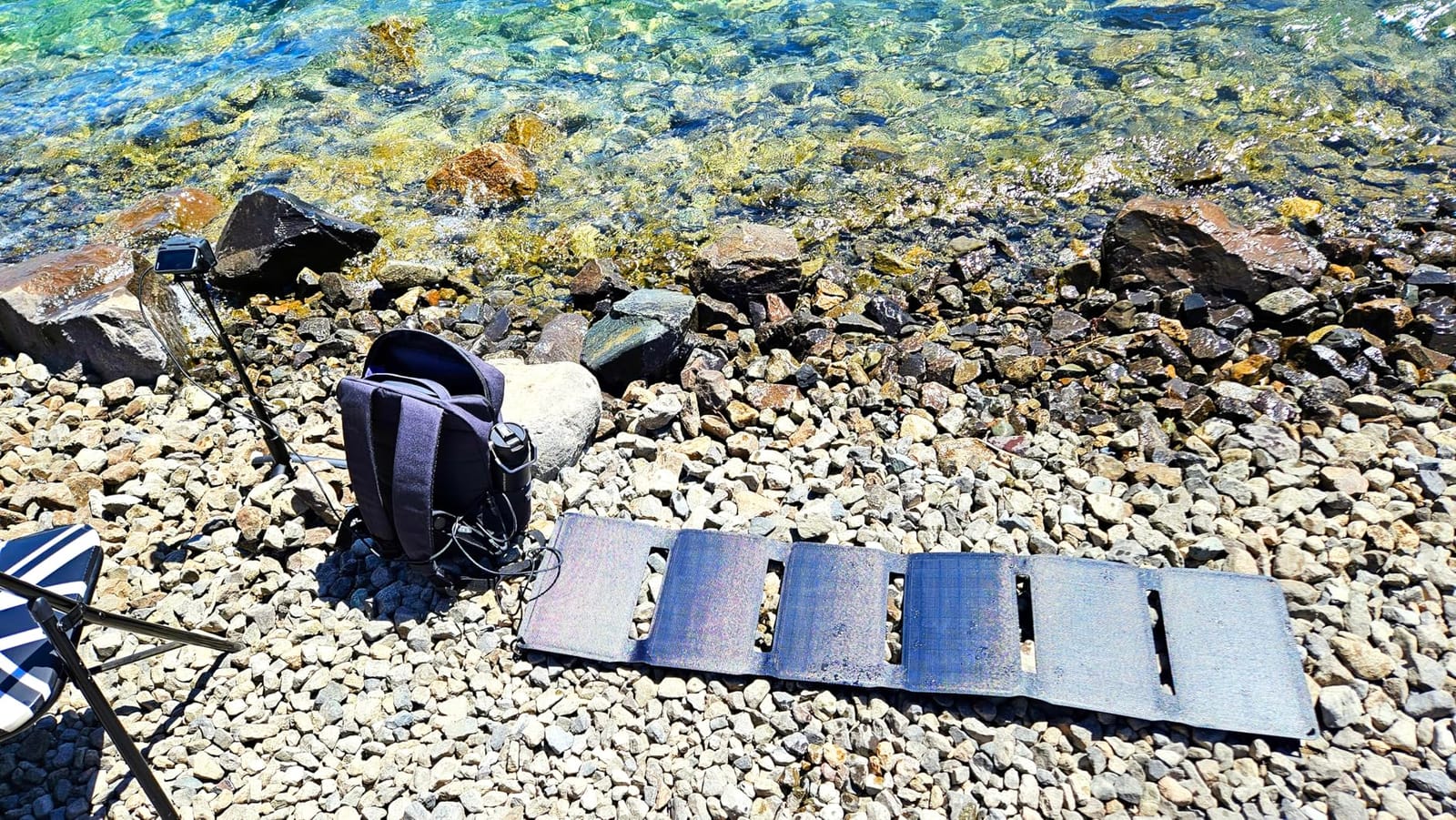
At 1.76 pounds the FlexSolar 40W is one of the two lightest panels in this roundup, and it has far more surface area than the 1.5 pound BigBlue 28W it sits next to. It folds to 8.0 by 11.1 by 1.8 inches, includes two carabiners, and adds roughly nothing to a pack. For anyone walking in with a battery bank and no vehicle, that combination is what actually matters.
The output flexibility is unusual at this weight. You get QC3.0 USB-A and PD2.0 USB-C ports at 18W max each, plus a 19V DC port at 40W max for powering small power stations directly. The cells are 24 percent efficient monocrystalline under an ETFE laminate, which resists abrasion better than the standard PET surfaces used on cheaper panels, and the whole thing carries an IP67 dustproof and waterproof rating.
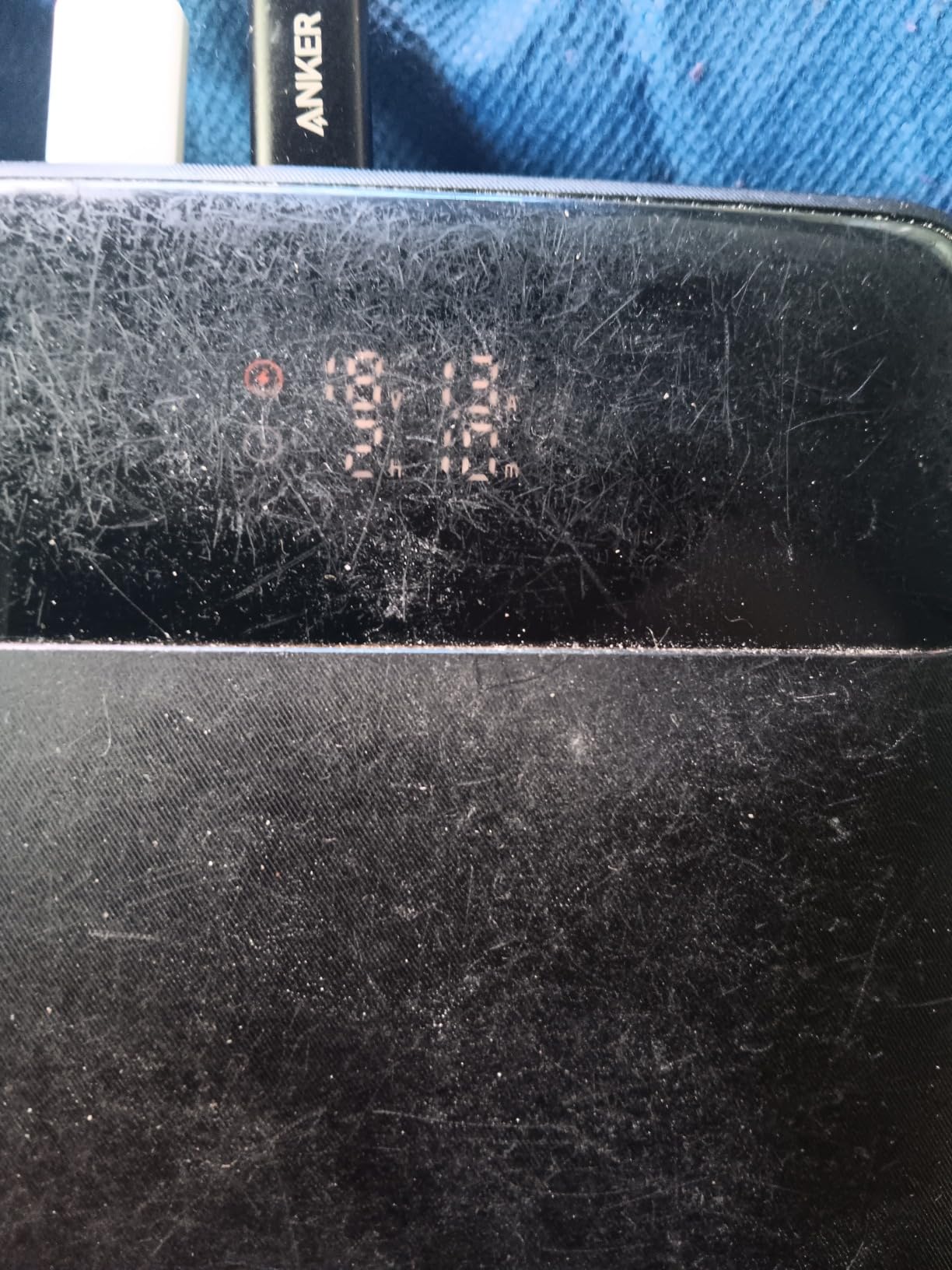
With a 4.4 average and 70 percent five-star ratings, this is one of the better-reviewed panels here, and the sentiment centres on portability and build rather than raw power. Buyers treat it as a top-up device for phones, power banks, and tablets. The listing carries an integrated IC that auto-detects devices and adds overcurrent, overheat, and short-circuit protection, plus an LED indicator that shows charging status.
The caveat that appears most often is angle and shade. Performance depends on angling the panel at roughly 45 degrees into direct sun and avoiding any partial coverage, and the manufacturer puts output loss from partial coverage as high as 70 percent. The junction box is also not fully waterproof, so the panel should be stored indoors during heavy rain, and it is not submersible beyond about 30 minutes.
How it fits a pack weight budget
Think in grams per watt rather than panel size. This one runs about 20 grams per watt, which is the kind of figure that lets you carry real charging capacity instead of a token panel. Add a modest power bank and the whole solar subsystem stays inside a pound and a half.
The 19V DC port is the underrated feature for backpackers. It means you can feed a small power station directly without an adapter, which is exactly the step where most portable setups fall apart at 2am in the rain.
Where you will feel the limit
Forty watts will not run a fridge, a CPAP machine overnight, or a laptop through a working day. It is a maintenance device for small electronics, and treating it as anything larger produces exactly the disappointment that fuels bad reviews.
The smart load distribution also performs best with a single port in use, so multi-device charging slows everything down. And because there is no internal storage, once the sun goes down you have whatever the bank held at sunset. Pack a second bank if your trip runs past sunset.
5. ECO-WORTHY 200W Two-Panel Kit – The Choice for a Fixed RV or Camper Install
ECO-WORTHY 200 Watts 12 Volt/24 Volt Solar Panel Kit with High Efficiency Monocrystalline Solar Panel and 30A PWM Charge Controller for RV, Camper, Vehicle, Caravan and Other Off Grid Applications
- Two 100W rigid mono panels
- 30A PWM controller included
- 21.5% efficiency
- 31.6 lb total, IP65 box
Pros
- Aluminum frames rated 2400Pa wind and 5400Pa snow
- Complete kit with brackets cables and controller
- Pre-drilled cabling makes series or parallel simple
Cons
- 31.6 lb total is far from portable
- Needs permanent mounting rather than pack-and-go
- PWM controller is less efficient than MPPT at low panel voltage
Nothing here is portable, and that is the point. The ECO-WORTHY kit is a fixed installation for RVs, campers, boats, and sheds, and it earns a 4.6 with 79 percent five-star reviews for doing one job with hardware that outlasts foldable fabric. If your solar is going on a roof or a rack and staying there, this is the strongest build in the group.
You get two 100W monocrystalline panels in corrosion-resistant aluminum alloy frames, rated for 2400Pa wind and 5400Pa snow load, with an IP65 junction box for full electrical protection. Cells reach up to 21.5 percent efficiency and the listing cites around 800Wh of daily output under four hours of full sunshine. The whole package is 31.6 pounds.
Everything needed is in the box: two sets of Z mounting brackets, a 30A PWM charge controller, 16.4 foot 10AWG cables, MC4 connectors, and a 4.92 foot tray cable. Pre-drilled plug-and-play cabling makes either a 24V series or 12V parallel setup straightforward, and the one-year warranty comes with 24/7 tech support.
Owners point to build durability, complete kit contents, and straightforward installation as the main reasons for the score. That is exactly the profile of a panel you install once and forget. The main efficiency caveat is that a PWM controller is less efficient than an MPPT alternative when panel voltage is low, so in long overcast stretches you will see that gap in your charge rate.
When rigid panels beat folding ones
Rigid glass and aluminum outlast fabric every time, and they hold alignment better, so they produce more consistently once mounted. If your panel spends its life in one spot under load, the 31.6 pounds are a non-issue because you never lift it after installation day.
The two-panel configuration also gives you flexibility you cannot get from a single folding unit. Run them in parallel for 12V at higher current, or in series for 24V charging. Both arrangements are pre-wired for it, which removes the most common install mistake.
Where this is the wrong buy
If your camping is car camping with a hatch you close every morning, this kit is a non-starter at 31.6 pounds and it requires permanent mounting hardware rather than pack-and-go use. The manufacturer also advises against leaving the fabric-covered setup exposed long term.
One more honest note on sizing. A fixed 200W array like this one still only works alongside a battery and an inverter that can convert it. This is generation capacity, not usable power, and pairing it with anything less than a proper inverter will disappoint you on the first cloudy afternoon.
6. Renogy 200W Portable Solar Panel – The Premium High-Output Foldable
Renogy 200W Portable Solar Panel for Power Stations, 25% Efficiency
- 25% N-type cell efficiency
- 13.89 lb quad-fold
- USB-C PD 45W plus MC4
- IP65, UL 61730
Pros
- Highest stated efficiency in the group at 25 percent
- Lightest 200W foldable here at 13.89 lb
- Magnetic closure is fast and snag-free
- Four kickstands with three-angle adjustment
- Two-year material and workmanship warranty
Cons
- Highest price of the folding panels compared
- 21.6V maximum limits some 24V-input stations
- IP65 covers splashes but not sustained direct rain
The Renogy 200W is the most refined folding panel here and the one I would put on a vehicle roof rack for a serious multi-day trip. It carries 25 percent efficiency using 16BB N-type cells, which puts it near the top of the stated conversion figures in this group, and at 13.89 pounds it is the lightest 200W foldable we looked at. The brand is the most recognised name on the list, and it backs the panel with a two-year material and workmanship warranty and UL 61730 certification.
The physical design is the story. It is a quad-fold that closes with magnets rather than Velcro or snaps, which means it opens one-handed and does not snag on gear in a pack. Four kickstands adjust to 40, 50, and 60 degrees, reinforced grommets and ground studs add wind stability, and it folds to 23.72 by 22.99 by 1.97 inches with a built-in accessory pouch. Positioning accuracy at three fixed angles is a real advantage over a single-position stand.
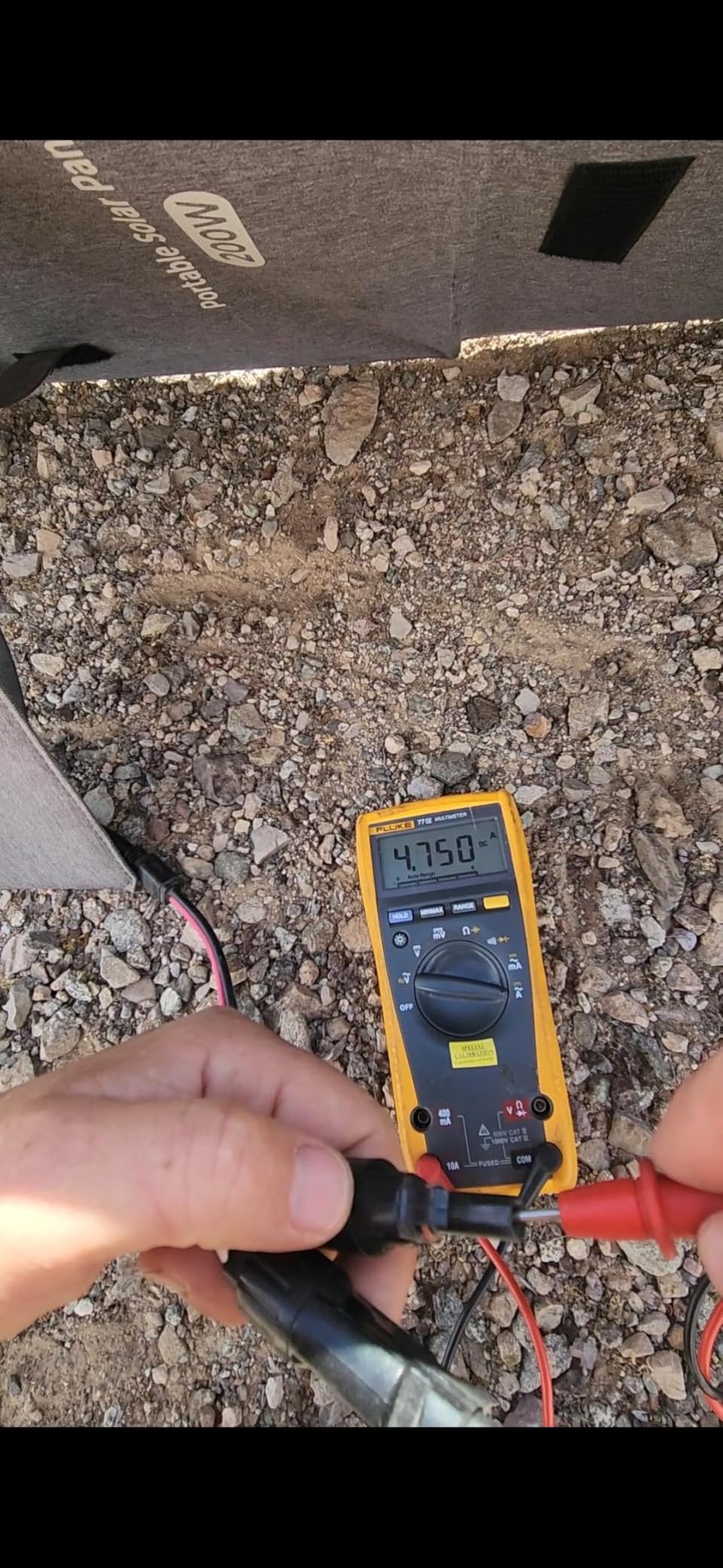
It also charges three devices at once through USB-C Power Delivery at 45W plus two USB-A ports, while still offering MC4 for power stations and 12V AGM, LiFePO4, and deep cycle batteries. That dual-output design is rare and genuinely useful, because you can run a direct device charge while the station tops up.
The trade-offs are real. This is the highest price point among the folding panels here, and the 21.6V maximum voltage limits compatibility with some 24V-input power stations, so verify your station’s input window first. The IP65 rating covers dust and splashes but not sustained direct rain. Finally, charge rate is capped by the input limit of whatever power station you connect, which is the single most common source of confusion in this category.
Why 25 percent efficiency matters in the field
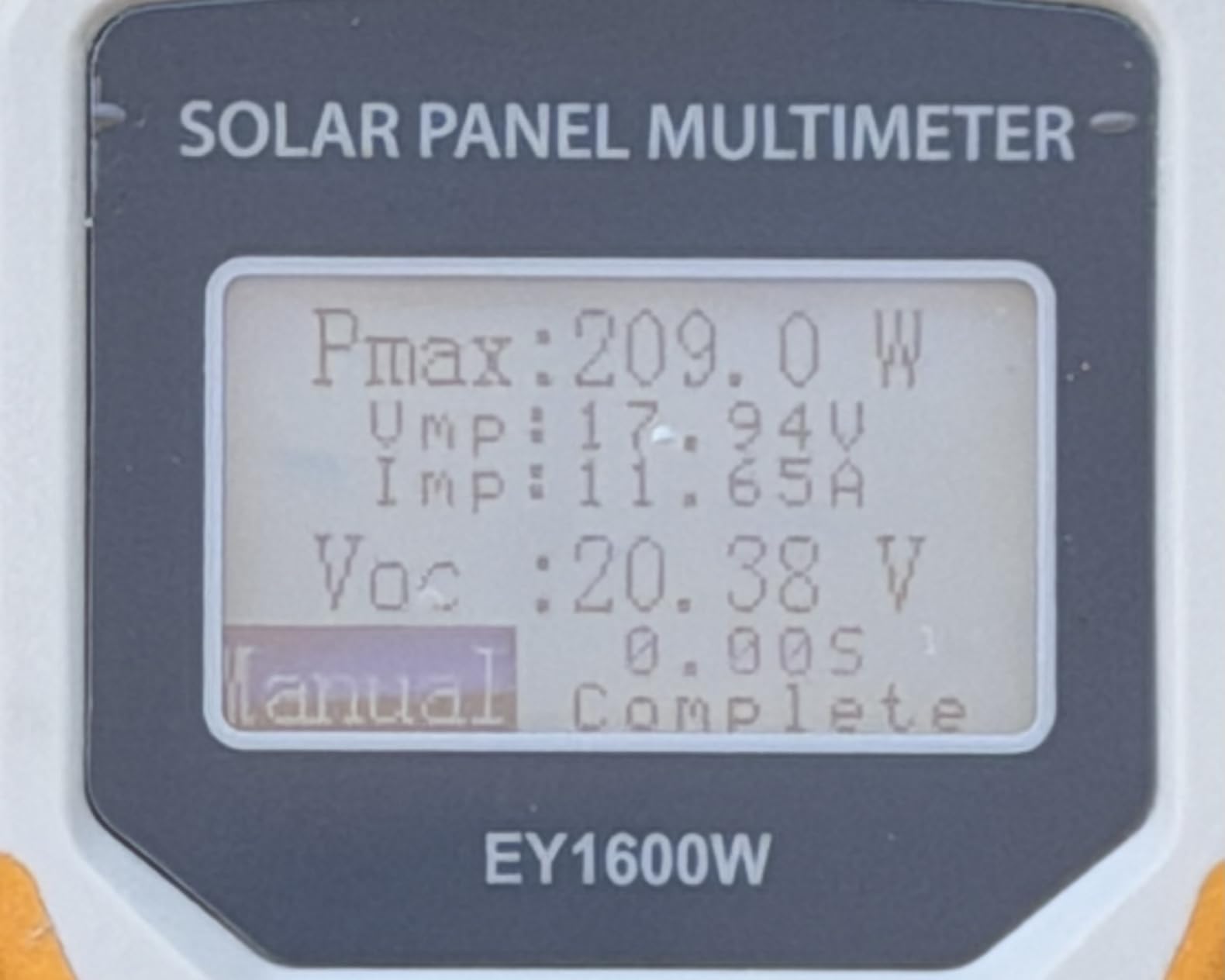
Higher conversion efficiency is the difference between a panel that still works at four in the afternoon and one that has effectively stopped. When a fixed wattage is spread over less surface area, the same sunlight produces more usable current, and a 25 percent panel simply keeps working longer into the afternoon than a 20 percent one of the same size.
This is the panel to buy if your trip is autumn, shoulder season, or high latitude, where the sun is low and short. It is also the safest choice for someone who wants a panel that still performs when the day does not go to plan.
What to watch before checkout
Check the 21.6V ceiling against your power station’s solar input range first, because this is a dealbreaker for some 24V systems and the fix is not obvious. Then consider whether you will actually leave it outside overnight, because the IP65 rating does not promise that.
If your budget is the deciding factor, an equivalent 200W from a lesser brand will deliver broadly similar watts for noticeably less. You are paying here for the lighter frame, the magnetic closure, the three-angle kickstands, and a two-year warranty, all of which are worth having on a panel that gets handled a lot.
7. ZOUPW 100W Portable Panel – The Easiest Panel to Connect to Anything
ZOUPW 100W Portable Solar Panel for Power Station,23.5% Efficiency Mono Foldable Solar Charger for Jackery 300/Ecoflow River/Anker/Bluetti,IP67 Waterproof for Camping RV Off-Grid Emergency Power
- 23.5% Grade A+ mono
- 5-in-1 cable, 10 ft
- IP67 ETFE with zipped pocket
- 9.48 lb, dual kickstands
Pros
- Five-in-one cable covers XT60 Anderson DC7909 and DC5521
- IP67 ETFE with a zipped controller pocket
- Two 45 degree kickstands capture more light than flat placement
- Built-in controller adds USB-C PD and two USB-A
Cons
- Power station input caps still limit delivered power
- Heavier than other 100W fabric foldables
- Only a 12-month manufacturer warranty
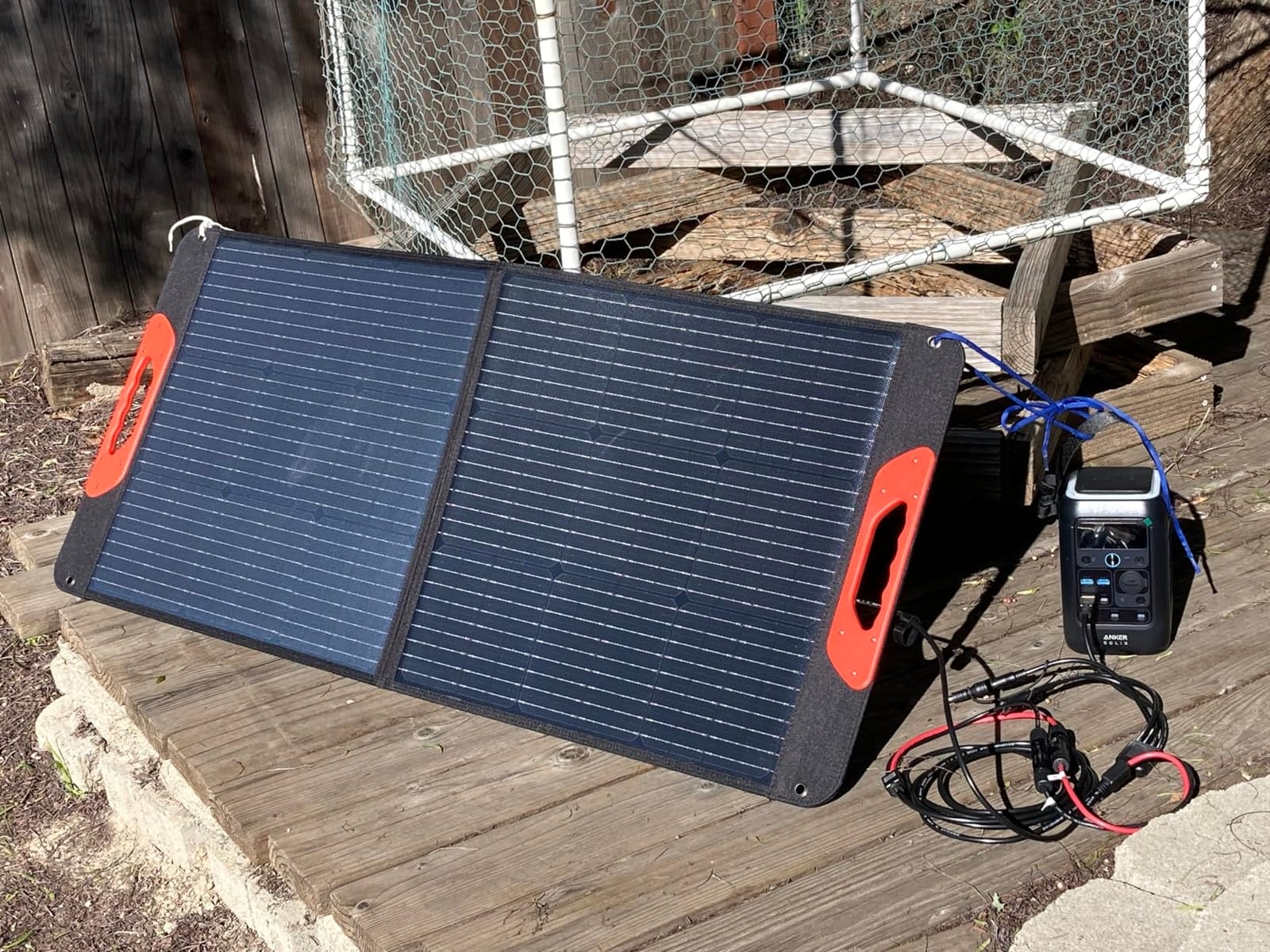
Connector mismatch is the number one practical failure point in the whole category, and the ZOUPW 100W solves it better than anything else we looked at. Its 5-in-1 cable covers DC8020, XT60, Anderson, DC7909 and 8mm, and DC5521 on a 10 foot run, so it plugs into essentially any portable power station without you buying an adapter first. If you have been browsing stations and panels in different brands, start here.
The cells are Grade A+ monocrystalline at 23.5 percent efficiency, which the listing credits with better low-light performance than polycrystalline alternatives. Two adjustable kickstands at 45 degrees capture up to 25 percent more light than laying the panel flat, and that is one of the larger kickstand gains in this roundup. It folds to 24.13 by 21.06 by 1.77 inches at 9.48 pounds with a magnetic carry handle.
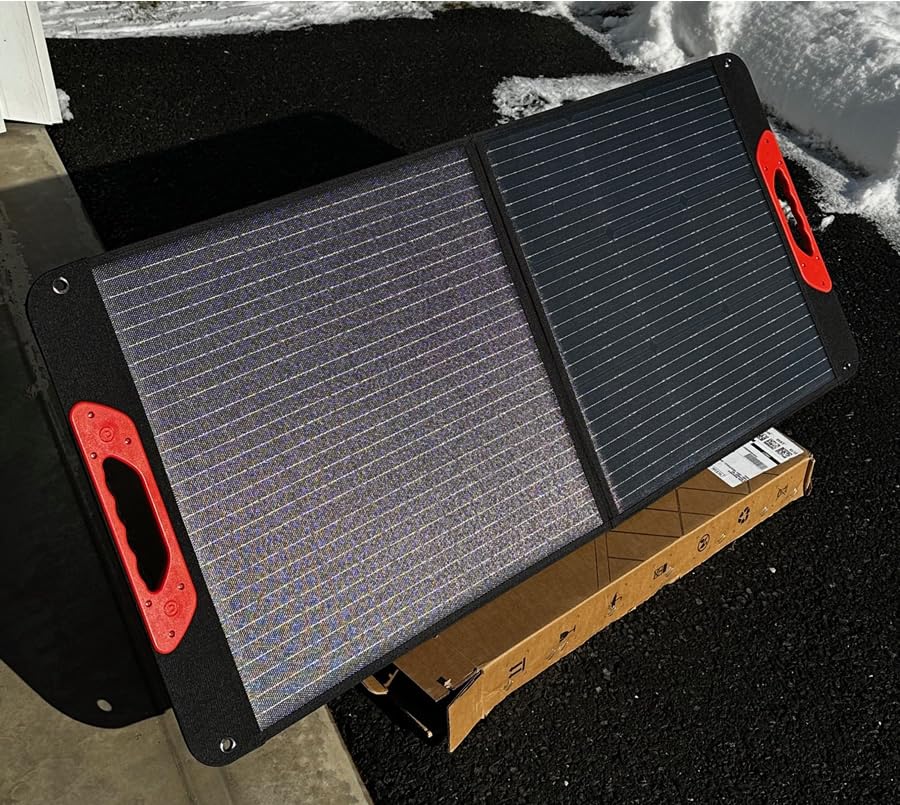
Weatherproofing is genuinely good here. The IP67 rating covers the ETFE lamination, and a zippered pocket protects the built-in controller and cables from moisture, which is the failure point that ends most portable panels early. The built-in controller adds USB-C PD at 15V and 3A plus two USB-A ports including QC3.0, along with overcurrent and short-circuit protection, and the upper temperature rating is listed at 158 degrees F.
Owners rate it at 4.6 with 77 percent five-star ratings, matching the Renogy’s profile on a much smaller review base of 711. The repeated caveat is that charging speed is still governed by the power station’s own input ceiling, so a 60W-limit station only draws 60W no matter what the panel can produce. At 9.48 pounds it is heavier than other 100W fabric foldables, and the warranty is 12 months.
What the 5-in-1 cable actually saves you
It saves a specific, recurring failure: arriving at camp with a panel that terminates in MC4 and a station that wants something else. The usual fix is a second shopping trip or a night of a dead battery, and users describe that exact frustration more than almost anything else in the category.
With a 10 foot cable you also get placement freedom, which means the panel can sit in full sun while the power station stays in the shade of the vehicle. On a hot day that difference is not cosmetic, because a shaded station also charges faster.
When to pick something else
If you are running 24V systems, verify the 24.3V maximum voltage against your equipment first. And if your priority is carrying weight rather than connection simplicity, a lighter 100W option exists, as you will see in the next review.
Shade resistance helps but no obstruction is free. A tree branch across one panel section still reduces output, and the 25 percent kickstand gain assumes direct sun at the correct angle. Plan to move the panel rather than expecting it to work where you first put it.
8. EBL 100W Portable Panel – The Budget Entry Into Power Station Charging
EBL Solar Panel 100W Portable Solar Panel for 300/500/1000 Power Station
- 100W monocrystalline at 23 percent
- Two 45 degree kickstands
- IP65 ETFE
- MC4 plus Anderson cable
Pros
- Owners report 65-85W real output in full sun
- Rigid plastic frame resists wind flopping
- Magnetic handle and clasp hold panels shut in transit
- Adapters for Anderson and DC5521 included
Cons
- Not waterproof and the maker advises against rain
- Included cable is only about 6 ft
- Output collapses to 1-2W in cloud or light shade
The EBL 100W is one of the most affordable credible routes into power-station charging in this group, and the real-world numbers are better than the ticket suggests. Owners report 65 to 85W in full sun, with one logging a steady 81 to 83W. That is a genuine fraction of the 100W nameplate, not a rounding error, which puts it well ahead of the small folding panels in the same bracket.
Two kickstands at 45 degrees capture about 20 percent more light than flat placement, and the rigid plastic framing means it does not flop over in wind the way soft fabric panels do. Construction is ETFE laminated with an IP65 water resistance rating, and a smart IC provides overcharging, overheating, and short-circuit protection. The magnetic handle and clasp are strong enough that panels will not unfold in transit, which matters more than it sounds.
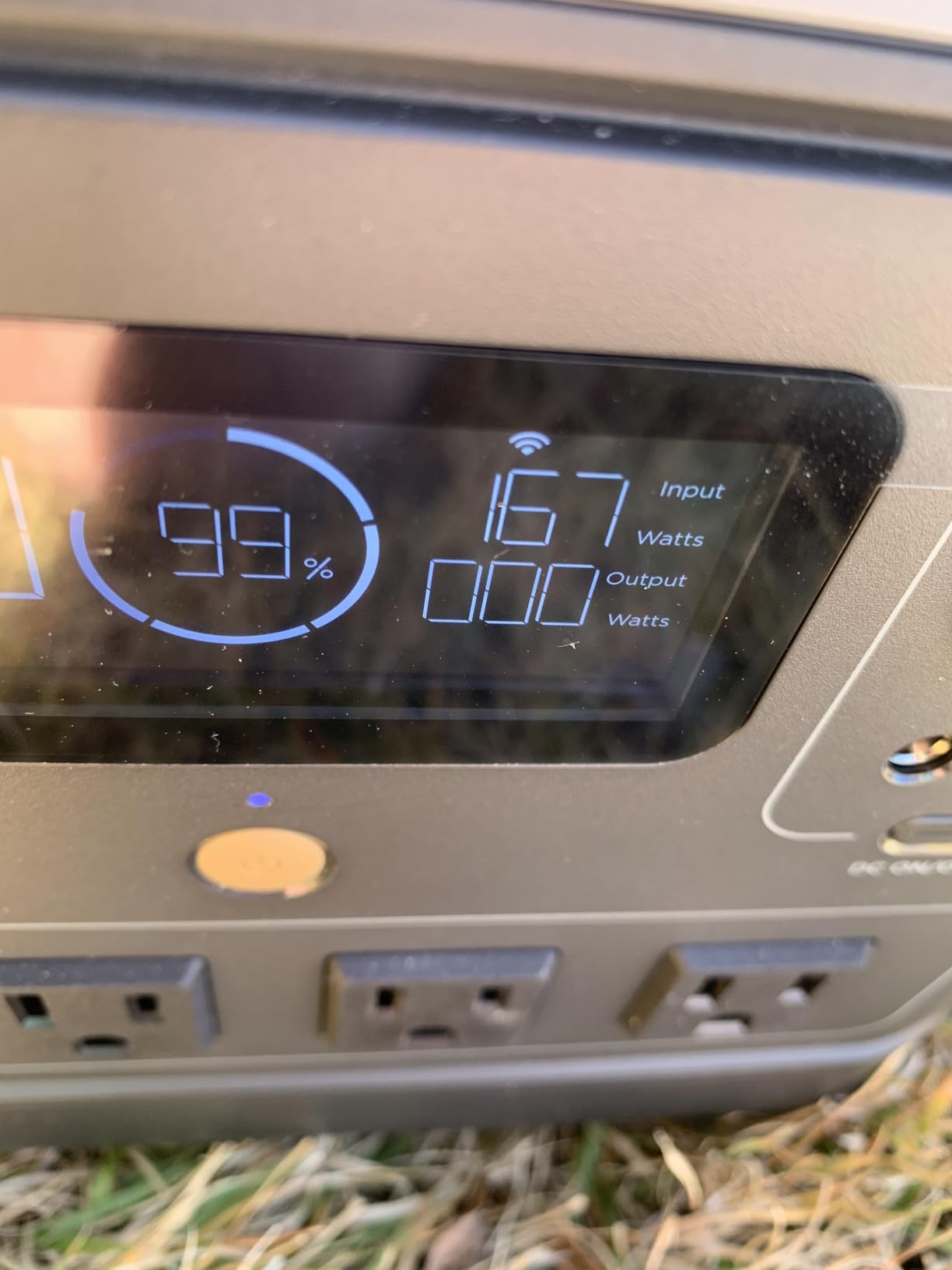
Connectivity is the strongest part of the package. It ships with an MC4 to Anderson cable, an MC4 to DC5521 cable, and three barrel adapters, so it covers a wide range of stations out of the box. Several owners bought a second unit to run in series, and customer service has replaced defective units quickly, including one shipped after a bad review.
Reviewers split between those pleased with output for the money and those disappointed it falls short of the nameplate in real conditions. The panel earns its keep for solo campers, CPAP battery top-ups, and small-fridge duty. Build quality is described as adequate rather than premium, with the frame holding up well over a year of travel, and one buyer needed an extra DC7909 to DC8020 adapter for a Jackery 300.
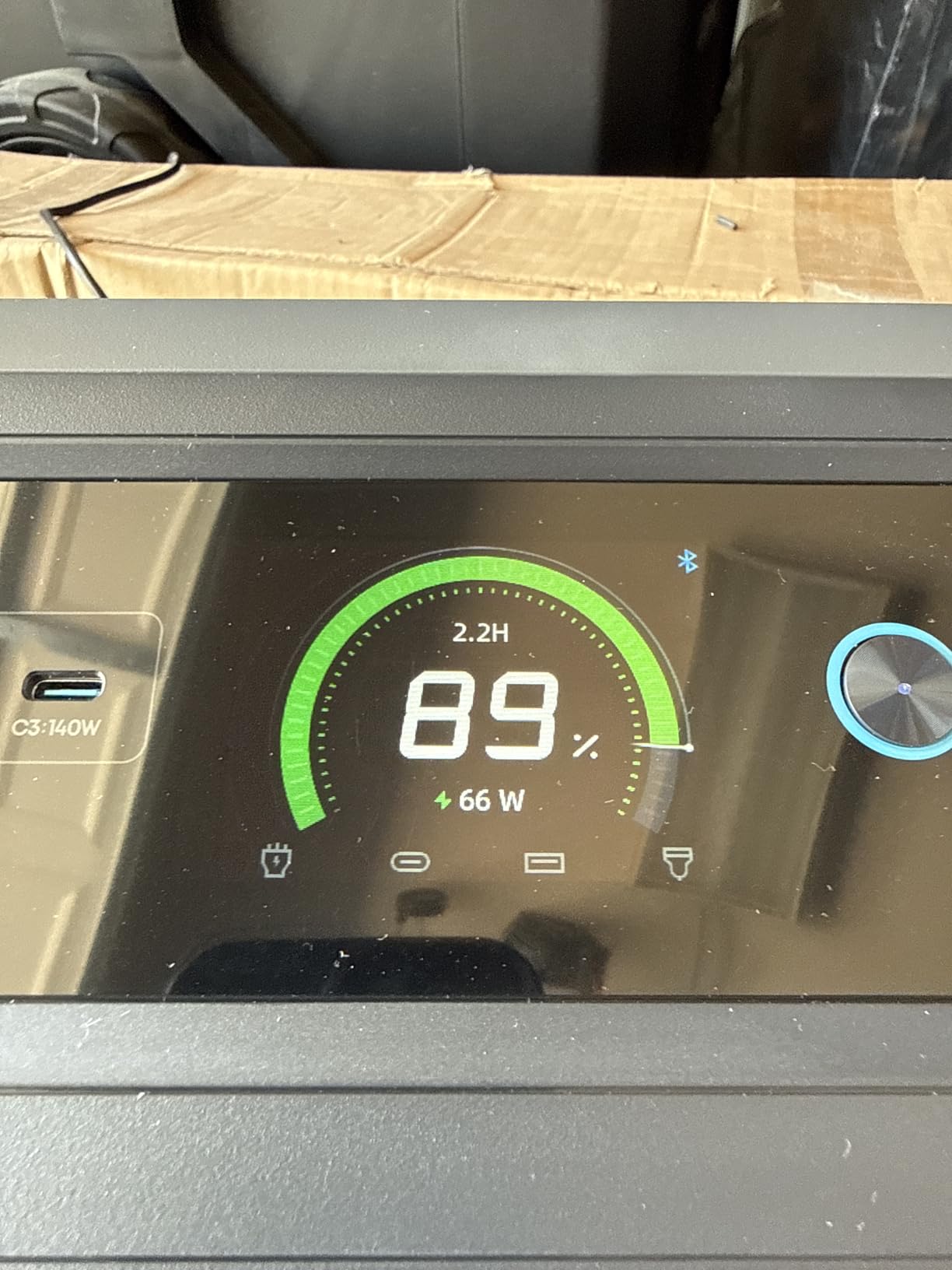
What 65 to 85W actually buys you
Enough to run a CPAP battery top-up, keep a small fridge cycling, and maintain a phone and laptop over a day of sun. It is not enough to recharge a large power station from empty, and pretending otherwise is how people end up disappointed with a perfectly good panel.
The realistic use is a power station you treat as a buffer rather than a reservoir. Draw a little, let the panel replace it, and the setup stays stable indefinitely. Owners report exactly this pattern working well for solo campers.
Where the compromises bite
Water resistance is the headline concern. This panel is not waterproof and the manufacturer advises against leaving it in direct rain, which rules it out for wet climates and for anyone who forgets gear outside. The included cable is also only about 6 feet, limiting how far you can place it from the power station.
Cloud performance is the other limit, with output collapsing to 1 to 2W in cloud or light shade. Fabric edges are less durable than rigid framed panels and can flex out of shape over time. If you need a short cable, plan to buy a longer one, because you will want the panel in the sun and the station in the shade.
How to Choose a Camping Solar Panel That Fits Your Trip
Start with energy needs, not panel wattage. A panel produces watts, a battery stores watt-hours, and your devices draw watt-hours. Forum users sizing panels repeatedly add about 20 percent for conversion losses, which is the number that turns a spec sheet into a realistic expectation. Everything below follows from that one adjustment.
Match the panel to the trip type
For day hiking and backpacking, 28W to 40W is the realistic band. That covers phones, headlamps, and power banks, and it is the only size range that stays under about 2 pounds. Anything above 60W becomes a second carry item, not a panel.
For weekend car camping, 80W to 120W is the sweet spot. This is enough to maintain a 500Wh to 1000Wh power station, run lights, a fan, and a laptop, and it still folds into a car boot without ceremony. Weekend setups with a 12V fridge, fan, lights, and a laptop typically land between 600 and 1200Wh per day.
For power stations and fridges on longer trips, 150W to 220W is where you want to be. Beyond that, for multi-day or RV use, you are looking at 300W and up, and at that point you should be sizing for a battery you already own rather than shopping for a panel first.
Work out your charge time before you buy
A 200W panel yields roughly 160W after conversion losses. A 100Ah 12V battery holds 1200Wh, so refilling it from empty takes about 7.5 hours of peak sun, which in practice means a full clear day and a good battery. Double the panel or double the battery and you halve the time. That is the entire sizing formula.
Run the same math for a 400W panel and it is about 3.8 peak sun hours for the same battery, before losses. The number that matters is peak sun hours, not calendar hours, so any honest estimate assumes you are not counting an overcast morning.
Understand watts versus watt-hours
This is the most misunderstood pair in the category. Watts describe how fast energy arrives, watt-hours describe how much energy you have. A 200W panel is a filling rate, not a tank. A fridge cycling at 40W for eight hours uses 320Wh, and no panel delivers that directly without a battery in between.
Marketing blurs this constantly, and it is why a 200W panel paired with a 1000Wh station sounds like a week of power when it is closer to a day. Check the watt-hour figure on your station and match it to your daily load, not to the panel.
Why monocrystalline and efficiency percentage matter
Monocrystalline cells convert more of the same sunlight into electricity than polycrystalline ones, and every panel in this roundup uses them. The practical effect shows up at the edges of the day, when a polycrystalline panel is effectively finished and a monocrystalline one at 23 to 25 percent is still pushing current.
Efficiency percentage is a proxy for how compact the panel is. A higher number means more watts per square metre, which is why the 25 percent Renogy and the 24 percent FlexSolar perform well at 28W and 40W while still being backpackable. If your trip has short days or low sun, prioritise efficiency over raw wattage.
Kickstands, sun angle, and repositioning
A panel lying flat at noon can lose a fifth of what the same panel captures at the right angle, and the numbers in this roundup range from about 20 percent more light at 45 degrees up to 25 percent. Always use the kickstand, always point the surface at the sun, and never leave a panel in the shade of your own vehicle or a tree.
Then move it. Repositioning every one to two hours is the cheapest performance upgrade available, and it is the single biggest factor experienced buyers cite. Set a phone alarm, because you will not remember otherwise, and watch the wattage climb as the panel catches up with the arc of the sun.
Connector compatibility and what ships in the box
MC4 is the common standard for panel-to-power-station connections, but some stations use XT30, Anderson, or a proprietary barrel. The ZOUPW ships a cable covering all of them, the EBL includes Anderson and DC5521 adapters, and the ALLPOWERS and Renogy rely on MC4 alone. Check your station’s input type and voltage window before ordering, and note that a 21.6V panel will not feed a 24V-only input.
Also check the cable length in the box, because a 6 foot lead is not enough to put the panel in full sun and the station in the shade. Cable and case omissions are a top complaint category in this category, and several users here report missing or too-short leads.
Durability, weather ratings, and who this is not for
IP67 panels tolerate immersion briefly and handle rain and dust well. IP65 and IP44 cover splashes, dust, and light rain but not sustained direct exposure. The BigBlue’s IP44 and the EBL’s caution against rain are worth taking seriously if your forecast is wet, and the FlexSolar’s junction box is not fully waterproof even though its panel surface is.
This roundup is not for full-time RVers. Serious off-grid living needs on the order of 1000W of solar paired with a large inverter, and one camper running a 27 cubic foot fridge needs at least that plus a true sine wave inverter. It is also not for anyone expecting a small panel with a built-in battery to replace a power station, because those integrated mini panels are close to decorative in real sun.
Finally, skip all of this if you camp at sites with electrical hookups. And do not expect a panel to charge in the morning. Low sun angle at dawn produces a fraction of rated output, often 10 to 30W on a 100W panel, which is normal behaviour and not a fault. Wait for the sun to climb, then move the panel.
Frequently Asked Questions
What are the best portable solar panels for camping?
The best portable solar panels for camping divide into three groups. Day hikers want 28W to 40W folding USB panels, such as the BigBlue 28W or the FlexSolar 40W, both under 2 pounds. Car campers want 80W to 120W monocrystalline panels with kickstands and MC4 output, such as the ZOUPW 100W or EBL 100W. Anyone running a power station or fridge on a multi-day trip wants 150W to 220W, such as the Renogy 200W or ALLPOWERS SE200.
How long will a 200W solar panel take to charge a 12V battery?
A 200W panel delivers roughly 160W after conversion losses, so refilling a 100Ah 12V battery with 1200Wh takes about 7.5 peak sun hours. In the field that means one long, clear day rather than a few hours. Forum users sizing panels typically add about 20 percent for conversion losses, and the same battery takes roughly 3.8 peak sun hours from a 400W panel.
Will a 200W solar panel run a 12V fridge?
Yes, but only with a battery in between and only in good sun. A typical 12V fridge draws 40W to 50W while running, so a 200W panel can supply the average draw across four to six peak sun hours. Plan on a 100Ah or larger battery as a buffer, and do not expect it to work in overcast conditions or overnight without stored charge.
Do solar panels work in low light and shade while camping?
Partly. Monocrystalline cells with efficiency above 22 percent and an adjustable kickstand produce usable current in thin cloud and partial shade, and the BigBlue 28W is reported by owners to charge through thin cloud unusually well. Full shade produces almost nothing, and even partial coverage can cut output by 50 percent or more, so shade resistance is a mitigation rather than a solution.
Why is my solar panel not charging in the morning?
Because of sun angle, not because it is broken. A 100W panel at dawn or dusk often delivers only 10 to 30W, and many charge controllers will not wake up below a threshold voltage. Wait until the sun is well above the horizon, angle the panel toward it, and expect the rating to be met only around midday.
How do I connect a portable solar panel to a power station?
Match the connector first. MC4 is the most common panel output, while some stations use XT30, Anderson, or proprietary barrel plugs, and you also need the voltage window to overlap. The ZOUPW 100W ships a 5-in-1 cable covering DC8020, XT60, Anderson, DC7909, and DC5521, which removes the guesswork. Check your station solar input watt cap too, because it limits what a larger panel can deliver.
Final Verdict for 2026
The BigBlue 28W is our pick for most people because it has the deepest owner history in this group and behaves well when the sun is weak. For real power-station charging on a vehicle trip, the Renogy 200W gives you the most watts per pound and the most refined build. Pick the ZOUPW 100W if connector compatibility is your biggest worry, and the EBL 100W if you want the most usable watts for the least money.
Whichever one you choose, the habits matter as much as the hardware. Angle the panel, move it every couple of hours, and size your battery for the loads you actually run. If you are still deciding, start with the 200W foldable class and expand from there. Those are the best portable solar panels for camping in 2026 because they leave the most room for the trip to surprise you.