
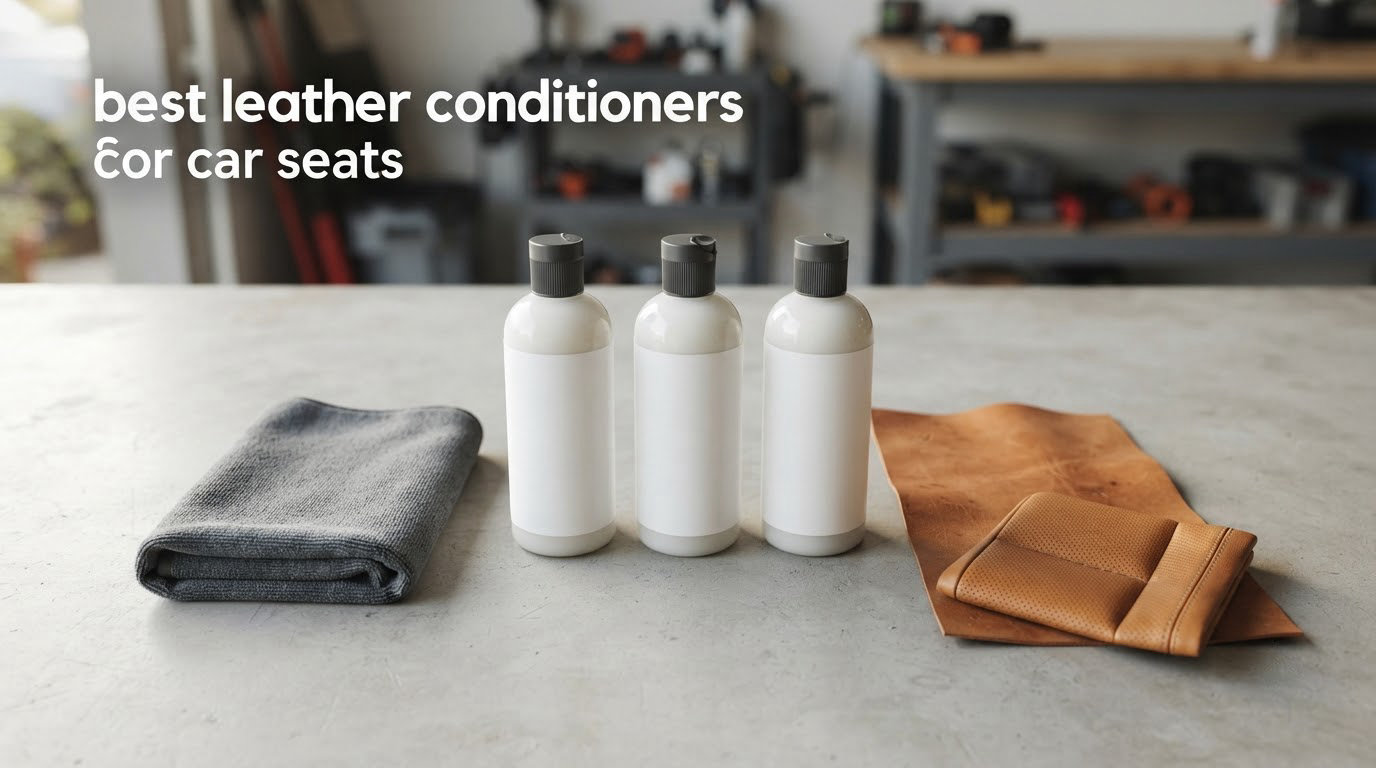
Car leather does not fail all at once. It goes stiff, then pale, then it cracks along the bolster folds, and by the time you notice the damage the cheapest fix is already gone. The best leather conditioners for car seats put back the oils that heat, UV rays and daily friction have stripped out, and they do it without leaving the greasy shine that makes a clean interior look worse than an untreated one.
We spent weeks working through the conditioners on the market, comparing what each one actually claims, how owners describe the finish, and how much of the bottle you need per seat. The short version: pick a pH-balanced formula for a car seat rather than a boot cream, spray it onto a microfiber cloth instead of the leather when the seats are perforated, and buff hard enough that your hand does not slip on the bolster when you are done.
Automotive leather is not furniture leather. Almost every factory seat is finished with a sealed clear coat, which is a thin plastic layer over the hide. Conditioner molecules have to migrate through that coat to replenish the oils underneath, and that is exactly why a cheap household cream can sit on the surface and never reach the grain. In 2026, the ten options below cover every situation we could find: routine maintenance, sun-bleached interiors, perforated sport seats, badly cracked leather, and synthetic upholstery that should never see an oil-based product at all.
Table of Contents
- Top 3 Best Leather Conditioners for Car Seats (October 2026)
- All 10 Leather Conditioners at a Glance in 2026
- 1. Leather Honey Leather Conditioner – the Bottle Owners Reorder Most
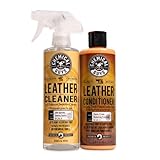
- 2. Chemical Guys Leather Cleaner and Conditioner Kit – Clean First, Then Condition
- 3. Bick 4 Leather Conditioner and Cleaner – the No-Darkening Guarantee
- 4. Weiman Leather Cleaner Conditioner and Protector – UV Protection Built In
- 5. Leather CPR Cleaner and Conditioner – One Bottle for Worn Leather
- 6. Chemical Guys Vintage Series Leather Conditioner – the Deep Cream
- 7. Lexol All Leather Conditioner – the Fast-Absorbing Daily Driver Choice
- 8. Armor All Leather Cleaner Spray with Beeswax – the Five-Minute Refresh
- 9. Meguiar’s Gold Class Leather Conditioner – Maintenance With Aloe
- 10. Armor All Leather Conditioner Gel – Thick Gel, Unscented Finish
- How to Choose the Right Leather Conditioner for Car Seats
- Frequently Asked Questions
- The Leather Conditioner I Would Buy First
Top 3 Best Leather Conditioners for Car Seats (October 2026)

Leather Honey Leather Condi…
- Unscented and pH balanced
- One application lasts about six months
- Safe on every color including white
- No silicone or solvents
Chemical Guys Leather Clean…
- Two-bottle clean then condition system
- pH-balanced for natural and sealed leather
- Helps prevent cracks fading and drying

Bick 4 Leather Conditioner…
- Will not darken light or colored leather
- Wax-free so pores stay breathable
- One-step wipe on wipe off
As an Amazon Associate we earn from qualifying purchases. CERTAIN CONTENT THAT APPEARS ON THIS SITE COMES FROM AMAZON. THIS CONTENT IS PROVIDED 'AS IS' AND IS SUBJECT TO CHANGE OR REMOVAL AT ANY TIME.
All 10 Leather Conditioners at a Glance in 2026
| Product | Specifications | Action |
|---|---|---|
|
Leather Honey Leather Conditioner
|
|
Check Latest Price |
|
Chemical Guys Leather Cleaner and Conditioner Kit
|
|
Check Latest Price |
|
Bick 4 Leather Conditioner and Cleaner
|
|
Check Latest Price |
 Weiman Leather Cleaner Conditioner and Protector
|
|
Check Latest Price |
 Leather CPR Cleaner and Conditioner
|
|
Check Latest Price |
 Chemical Guys Vintage Series Leather Conditioner Cream
|
|
Check Latest Price |
 Lexol All Leather Conditioner
|
|
Check Latest Price |
 Armor All Leather Cleaner Spray with Beeswax
|
|
Check Latest Price |
 Meguiar’s Gold Class Leather Conditioner Spray
|
|
Check Latest Price |
 Armor All Leather Conditioner Gel
|
|
Check Latest Price |
We earn from qualifying purchases. CERTAIN CONTENT THAT APPEARS ON THIS SITE COMES FROM AMAZON. THIS CONTENT IS PROVIDED 'AS IS' AND IS SUBJECT TO CHANGE OR REMOVAL AT ANY TIME.
1. Leather Honey Leather Conditioner – the Bottle Owners Reorder Most
Leather Honey Leather Conditioner – Non-Toxic & Made in the USA Since 1968
- 8 fl oz liquid
- Unscented and pH balanced
- Safe on white leather
- No silicone or solvents
Pros
- Restores dry and cracked leather to a supple finish
- One application lasts about six months
- Unscented and non-toxic
- safe around pets
- Safe on every color including white
- No sticky or greasy film after buffing
Cons
- Thick consistency takes real effort to spread evenly
- Needs hours of soak time before buffing
- Not intended for suede
- faux leather or vinyl
This is the one that sits at number one in Automotive Upholstery Care Products with more than 68k ratings behind it, and the volume of feedback is itself useful information. Owners applying it to faded, creased seats describe the color coming back over a day or two rather than immediately, which matches the honey-thick texture and the slow absorption you get from it.
The formula is water-repellant, non-sticky and fragrance-free, and it carries no silicone, no solvents and no animal products. That combination matters in a car, because a silicone-heavy product is exactly what leaves that fake gloss behind after a few coats. It is pH balanced and free of PFAS chemicals, and it is safe on every color of leather, including white, without darkening it.
Our single biggest caution with this product is technique, not formula. Because the consistency is thick, people who dump it on a pad and start scrubbing end up with uneven coverage, and people who wipe it off too early end up with a film. The instructions on the label point to a longer soak than most people expect, and reviewers consistently say to let it sit for hours before the buff-off.
That slow window is exactly what makes it a good fit for a weekend morning in the driveway rather than a five-minute garage touch-up. If you want a maintenance product you can apply in the same amount of time it takes to make coffee, skip to the spray options further down.
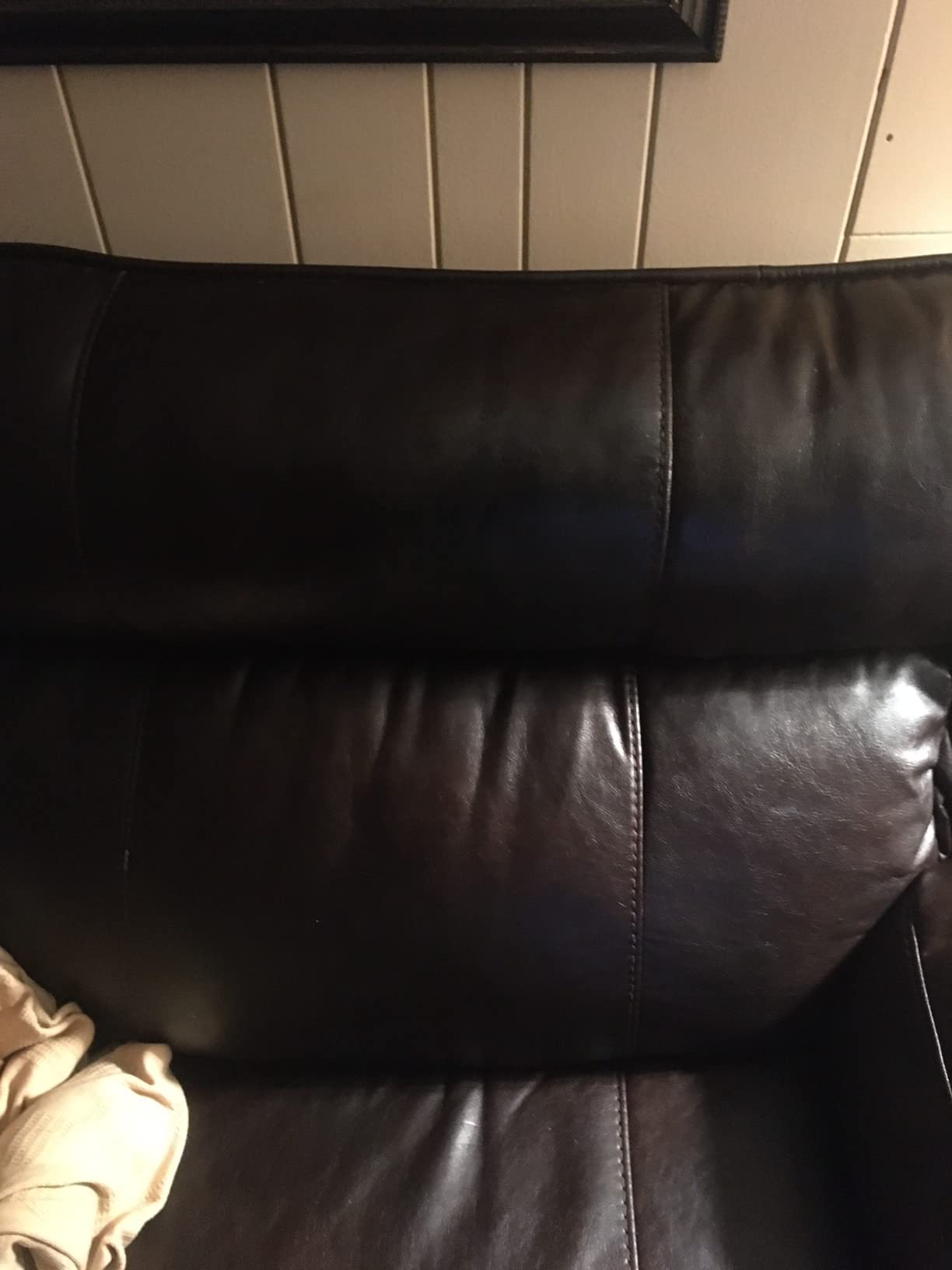
Who this works best for
This is the choice for someone with faded, sun-worn or visibly dried leather who wants a slow, honest restoration over several applications rather than a shine that fades in a week. The six-month protection claim per application means two treatments a year is realistic for a daily driver.
It is also the safest pick if you have white, cream or light tan seats and are nervous about darkening. Detailers on r/Detailing treat it as the default whenever color shift is a worry.
Who should pass on it
Skip it if your interior is synthetic leather, pleather or vinyl. The label is specific about genuine leather only, and there is no reason to push an oil-based cream onto a coated synthetic surface where it will just sit.
Also skip it for suede and nubuck, and skip it if you need results tonight. If your schedule is a quick Saturday wipe-down, the faster absorbing products will suit you better.
2. Chemical Guys Leather Cleaner and Conditioner Kit – Clean First, Then Condition
Chemical Guys, Leather Cleaner & Conditioner Kit for Cars & Home, 2 x 16 oz
- 2 x 16 oz bottles
- Cleaner plus conditioner
- pH-balanced for sealed leather
- Leather scent
Pros
- Two-step system covers cleaning and conditioning
- Streak-free finish with a new-leather scent
- Shifts years of embedded oils out of bolsters
- Safe on red
- black and colored leather
- Useful beyond the car
Cons
- Cleaner needs real scrubbing on heavy soil
- Bottle does not state that the cleaner can be diluted
- Can feel slick if excess is not buffed off
Confusion between cleaner and conditioner is the most common mistake we see in car leather care, and this kit is the direct answer to it. One 16 oz bottle lifts the dirt out of the grain, the second 16 oz bottle puts the moisture back, and the whole thing costs less than a single professional interior detail.
Both formulas are pH balanced and are listed as safe on natural, synthetic and sealed leather, so the same kit works whether your seats are full-grain hide or factory-coated pleather. The conditioner is formulated to help prevent cracks, fading and drying while preserving the original finish, which is the right goal for a seat you plan to keep for years.
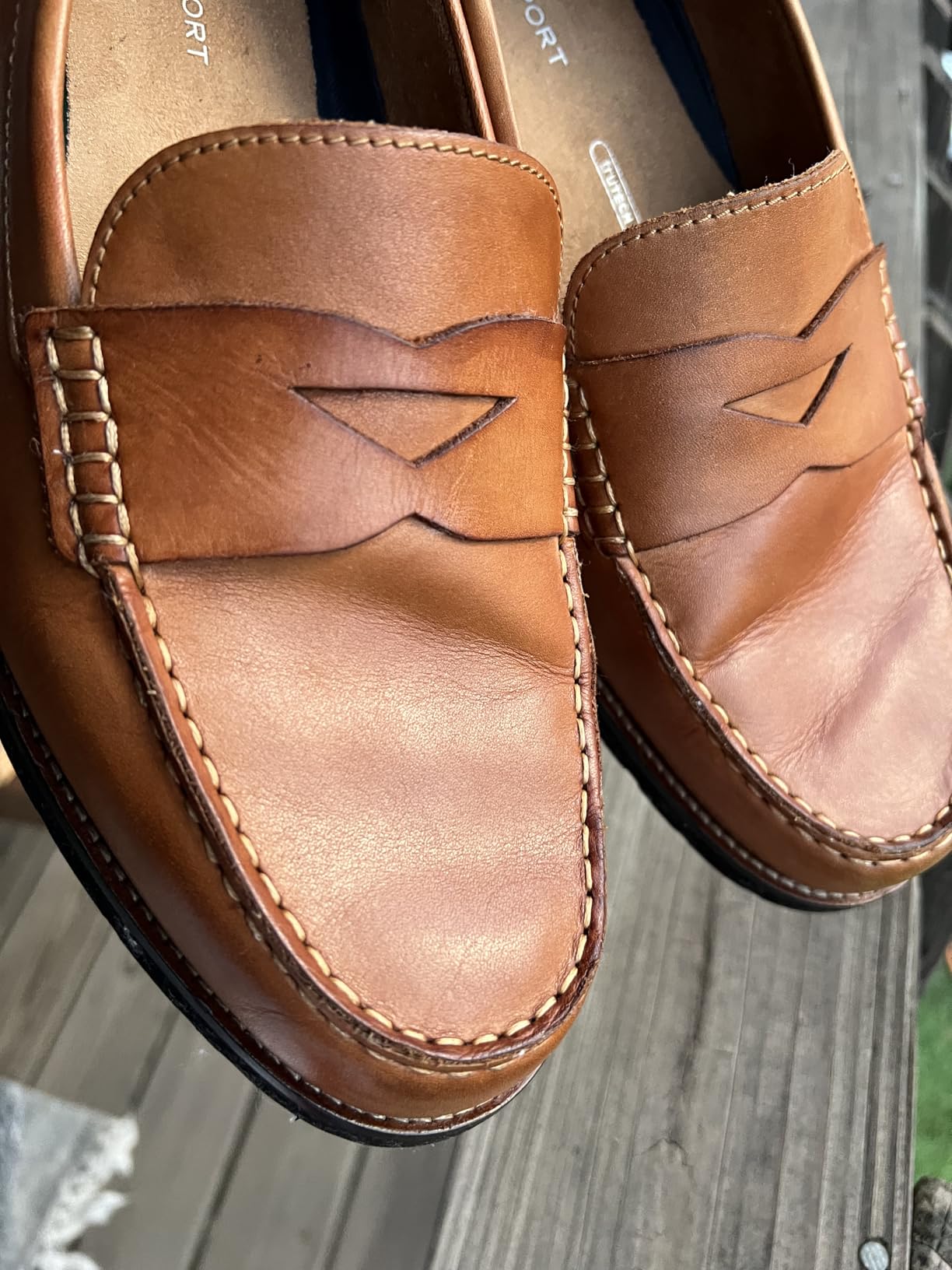
The honest weakness is the cleaning step. On a neglected interior with years of body oils ground into the driver’s bolster, the cleaner needs a stiff brush and genuine elbow grease, and reviewers who expected a spray-and-wipe job are disappointed. A second complaint is that the bottle never tells you the cleaner is dilutable, which several buyers discover only after using it at full strength.
Application advice that repeats across reviews is simple: put the cleaner on a microfiber towel rather than on the seat itself, work one section at a time, and use the conditioner sparingly. The scent is a pleasant new-leather smell that fades within a day, which matters more than you would think in a closed cabin.
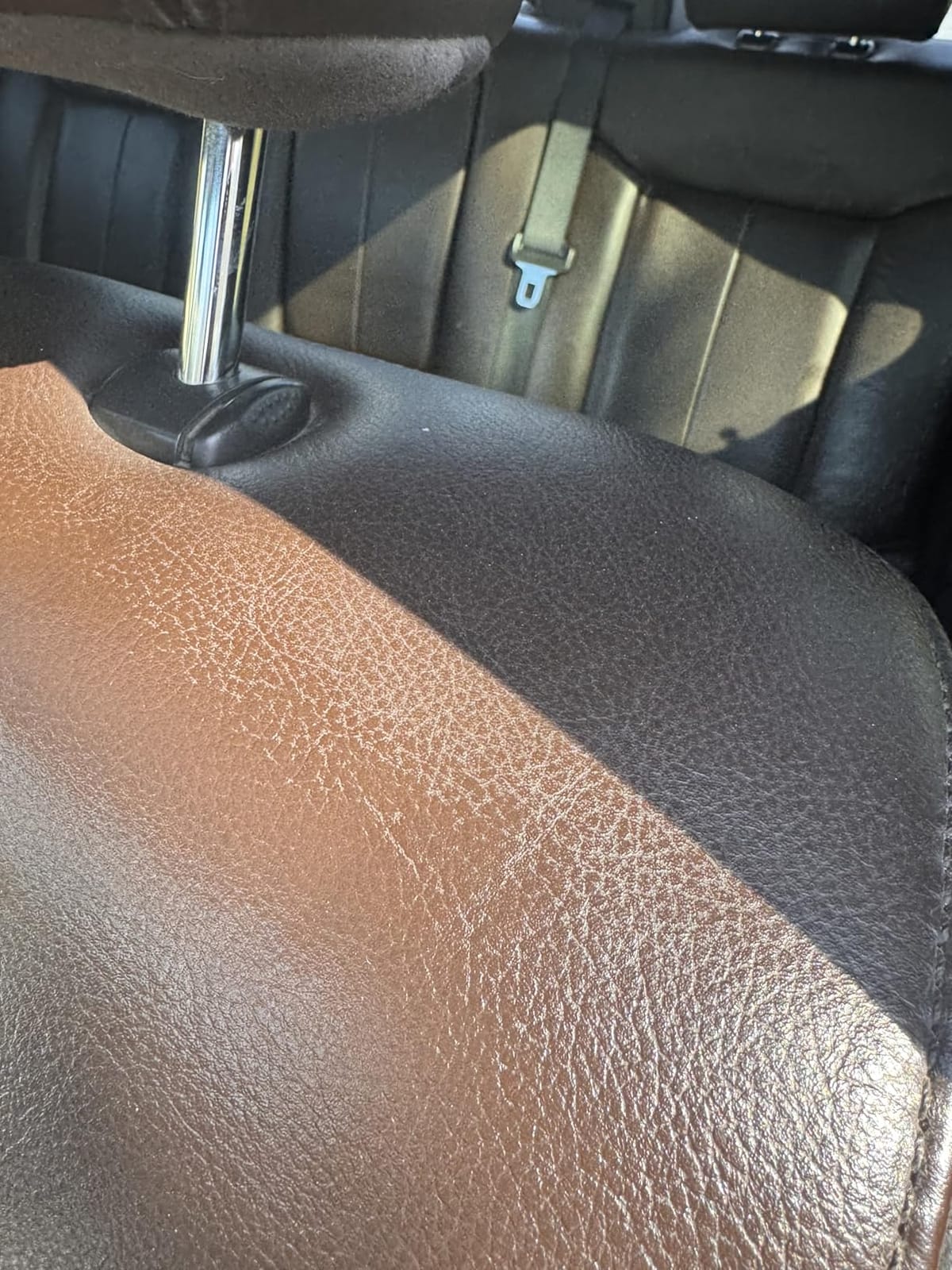
Who this works best for
Start here if the seats are dirty as well as dry. Nothing else on this list removes embedded grime and body oils in the same pass, and a conditioner applied over trapped dirt just seals it in place.
It is also the best value for households with a couch, a set of boots and a car that all need the same treatment, since the formulas are marketed well beyond automotive interiors.
Who should pass on it
Pass if your seats are in genuinely good shape and you only need a routine top-up. Buying two bottles to do a maintenance job is more product than the task requires, and the conditioner alone would be the smarter purchase.
Pass if you dislike scented interiors. On r/Detailing, Chemical Guys opinions split sharply between owners who rate the kit highly and those who say the conditioner alone felt like wiping water on the seat.
3. Bick 4 Leather Conditioner and Cleaner – the No-Darkening Guarantee
Bick 4 Leather Conditioner & Cleaner, Won’t Darken Boots, Couch, Bags 8 oz
- 8 fl oz
- Won't darken leather
- Wax-free and breathable
- One-step application
Pros
- Does not darken light
- colored or vintage leather
- Wax-free so no gummy residue
- Absorbs quickly and leaves leather supple
- Lifts light surface dirt and scuffs too
- Works on exotics
- saddles and car seats
Cons
- Watery consistency in the smaller 2 oz bottle
- Not built for heavy grime
- Not recommended for suede or split leather
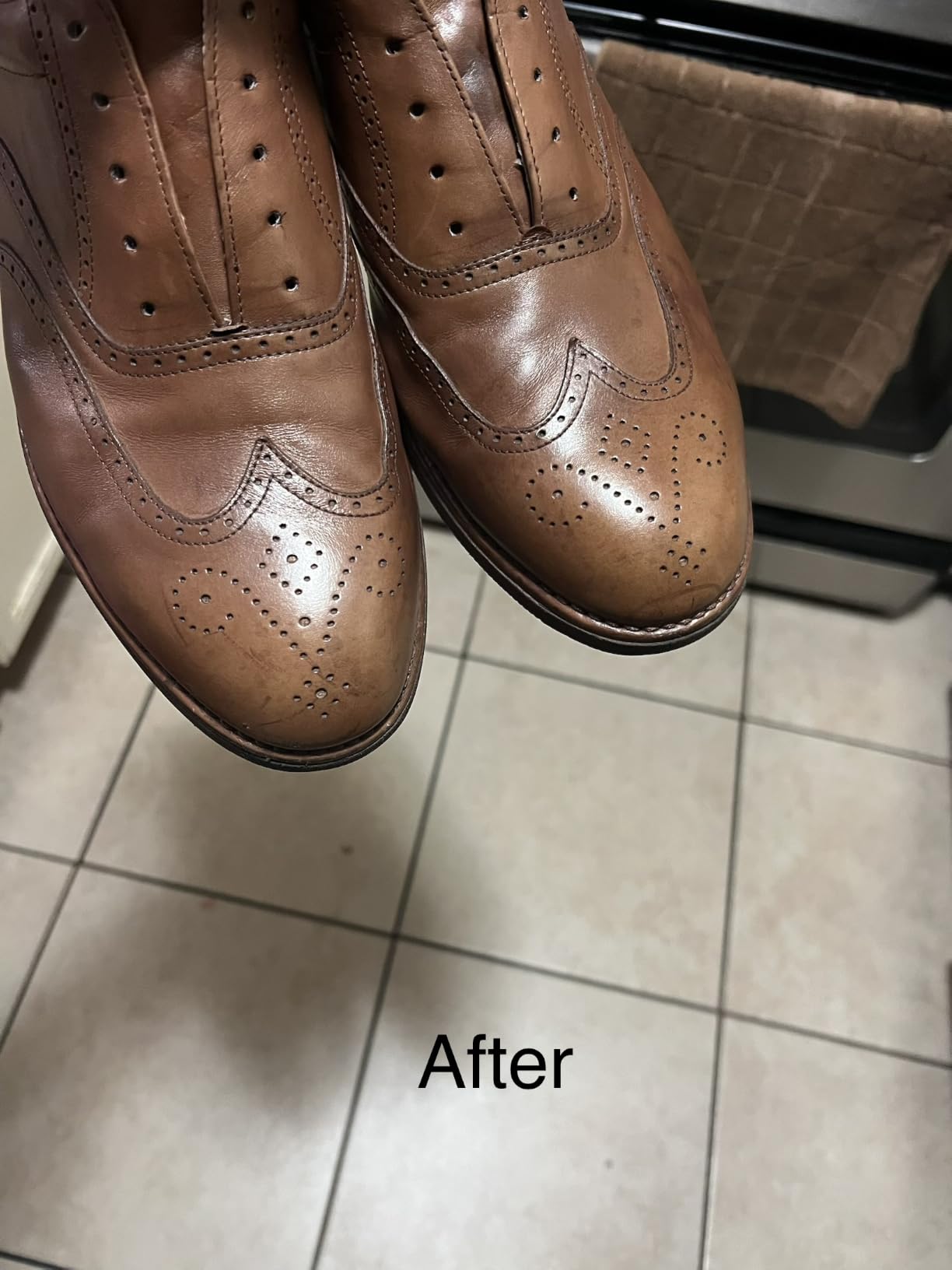
Bick 4 carries the highest average rating in this group at 4.7 across more than 23k ratings, and the reason is unusually specific: the formula is wax-free and it will not darken leather, even light, colored or vintage hides. For a car seat that is the pair of properties people care about most.
Wax is the reason many conditioners leave a tacky, gummy feel that attracts dust and makes seats slippery in a car. Because this one contains none of it, the leather pores stay open and breathable, and it can be used on exotic leathers, saddles, tack, furniture and car interiors alike. It has been in use since 1882, which tells you something about how well the formula tolerates time.
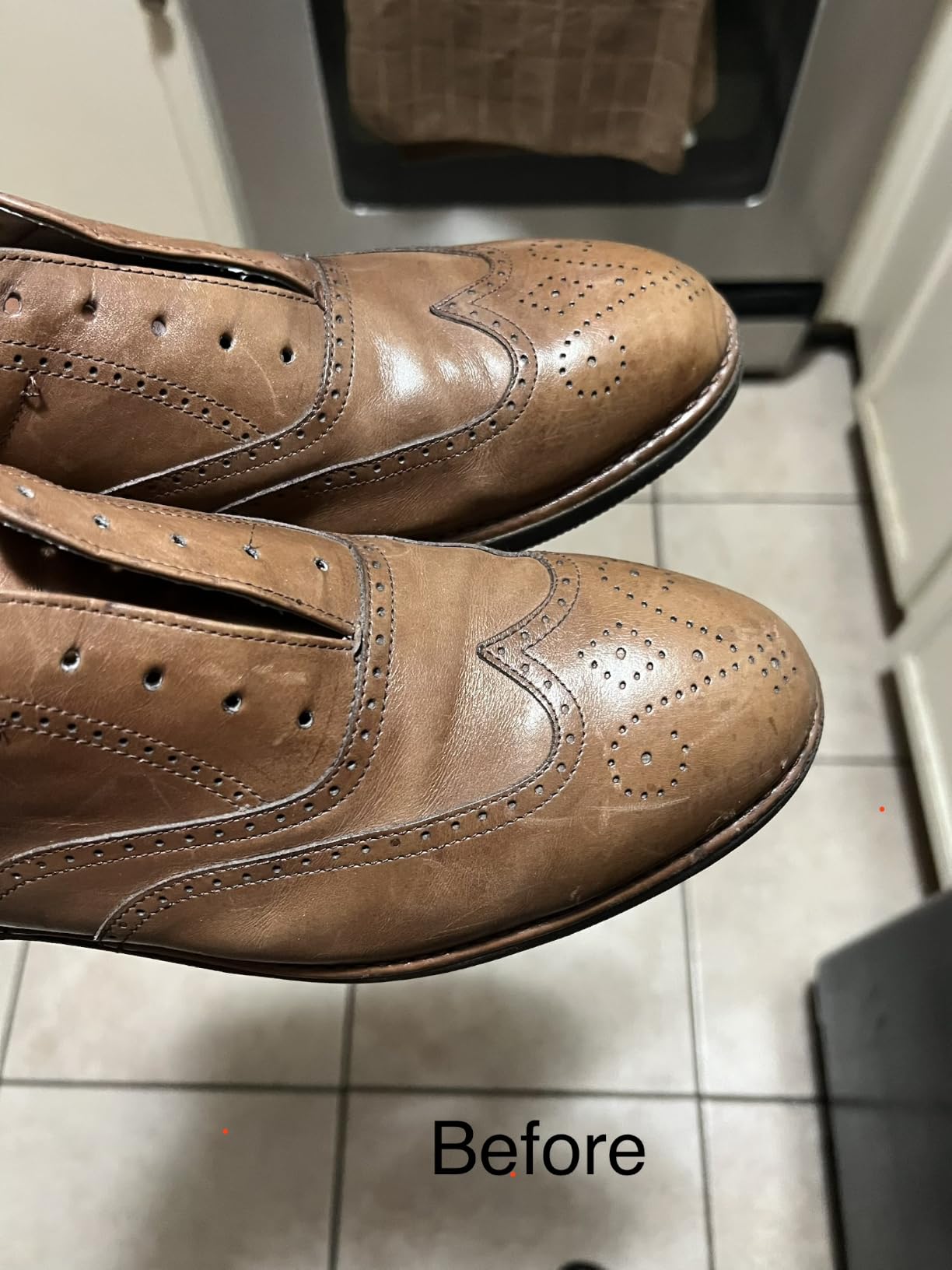
It is genuinely a one-step product. The conditioner also lifts light surface dirt and scuffs as it works, so a wipe-on, wipe-off pass handles the ordinary weekly grime of a daily driver without a separate cleaner. The bottle is 8 fl oz, and a lot of the review base comes from vintage handbag and boot owners who finish the work with a horsehair brush to bring up a deeper sheen.
The one recurring complaint is texture. Some buyers want a thicker cream and find this one thin, and a few report an especially watery consistency in the 2 oz size. It is also not a deep cleaner, so stubborn buildup still needs a dedicated product first.
Who this works best for
This is the pick for light, cream, tan or white seats, and for anyone who has been burned by a conditioner that darkened their interior. The no-darkening property is the whole reason to buy it.
It also suits owners of exotic hides, where a heavier wax formula would be unwelcome. One wipe handles cleaning, conditioning and a light polish at the same time.
Who should pass on it
Pass if your seats are suede or split leather, which the product is not recommended for. Pass if you are restoring leather that is genuinely cracked or torn, because a thin non-wax cream is a maintenance tool rather than a repair kit.
Pass if you need heavy grime removal. Use a dedicated cleaner first and come back to this for the finish.
4. Weiman Leather Cleaner Conditioner and Protector – UV Protection Built In
Weiman Leather Cleaner, Conditioner & Protector, Car Interior & Furniture
- Trigger spray
- 6 natural oils plus sunscreen
- One-step clean condition protect
- No greasy residue
Pros
- Single bottle handles clean
- condition and protect
- No sticky film so you can sit right after wiping
- UV protectant slows fading and cracking
- Buffs to a natural subtle sheen
- Also works on faux leather
Cons
- Better for maintenance than heavy restoration
- Very dry or worn leather needs repeat applications
If your car lives in a hot, sunny state and the driver’s seat has gone pale on top, UV protection is the feature that matters, and this is where Weiman separates itself. The formula pairs six natural oils with UVX-15 sunscreen in a single trigger spray, so the protection and the conditioning go on together.
It cleans, conditions and protects in one step, removing dirt, oils, grime and residue while restoring suppleness. Reviewers consistently note that you can sit on the seats as soon as you have wiped them down, which is a genuine advantage in a car you drive daily rather than a weekend project car.
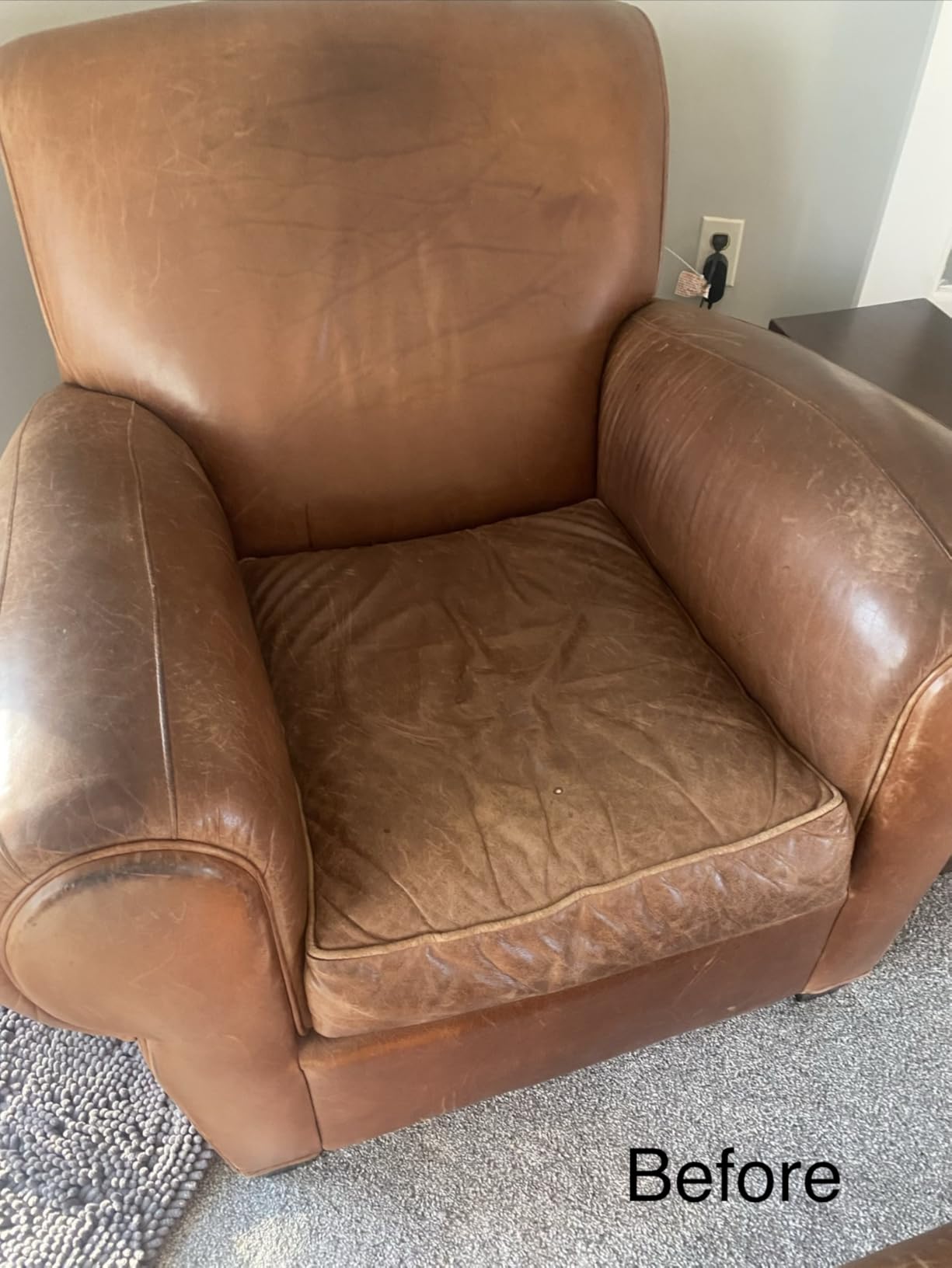
The finish is worth mentioning because it is the number one complaint about conditioners generally. This one buffs to a natural, subtle sheen rather than a fake gloss, and it is listed as suitable for faux leather too, which widens the audience considerably for anyone with a mixed interior.
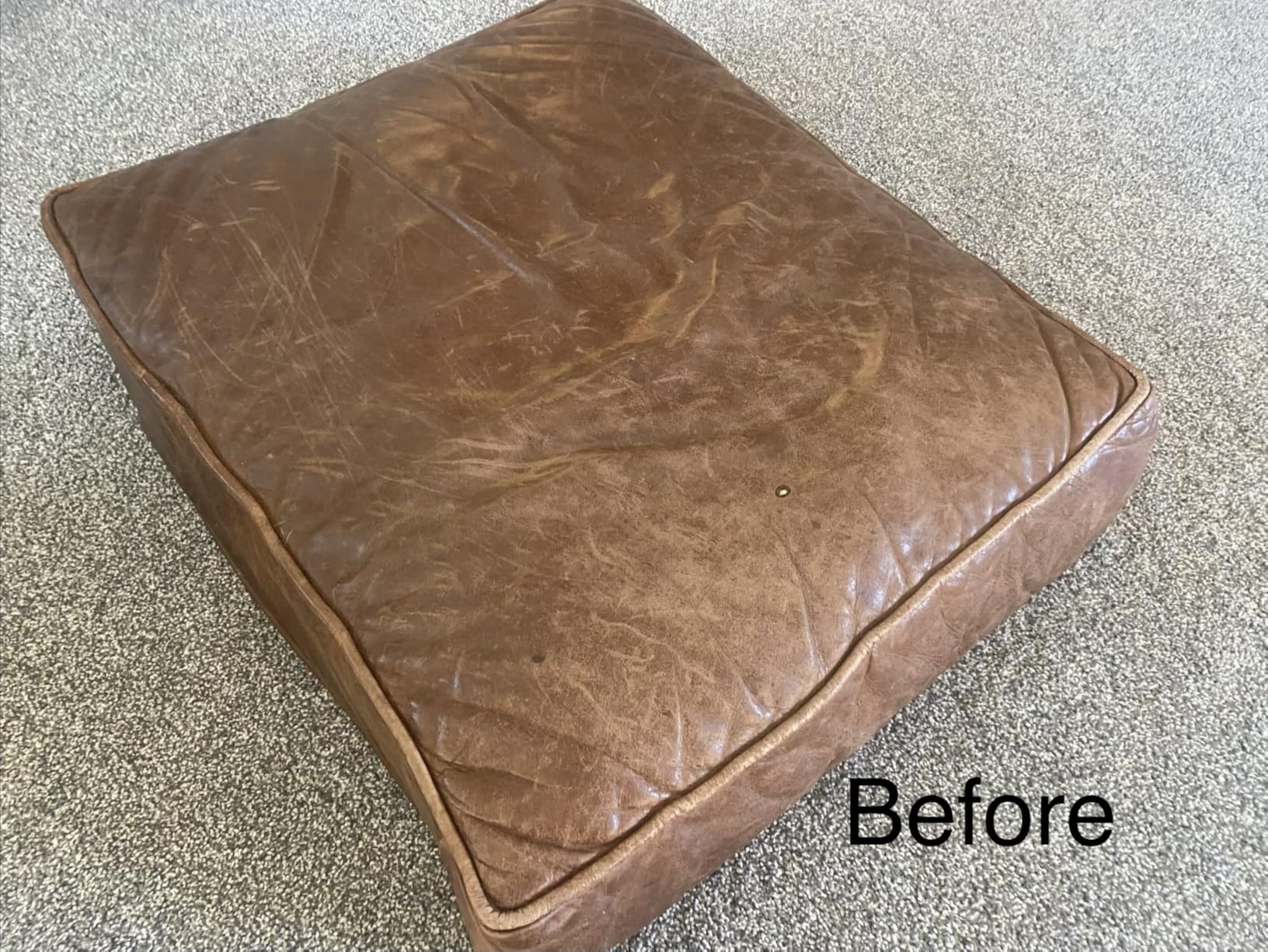
Where it falls short is severity. Owners of deeply worn or cracked surfaces report needing several applications, and the honest description of this product is a maintenance tool with UV protection built in, not a restoration cream. If the leather has micro-cracks already, work something heavier into it first.
Who this works best for
Best for sun-exposed interiors, cars parked outside, and vehicles in hot climates where UV damage is the main enemy. It ranks first in Leather Care Products with more than 11k ratings behind it.
It is also the practical pick for mixed interiors, since faux leather and vinyl are within scope, and for anyone who wants a job finished in a single pass with one bottle and one microfiber cloth.
Who should pass on it
Pass if your seats are badly cracked or faded and you need visible change in one session. It hydrates and protects, but it does not rebuild the hide.
Pass if you prefer a cream you can work in deliberately. A trigger spray is fast but gives you less control over coverage than an applicator pad.
5. Leather CPR Cleaner and Conditioner – One Bottle for Worn Leather
Leather CPR Cleaner and Conditioner 18oz. Bring Leather Back To Life on Furniture, Car Seats, Handbags, Jackets, Boots, Saddles, Purses & Shoes. Restores Shine, Softness & Color to Real Leather
- 18 fl oz
- Cleans and conditions in one step
- Water-based and pH balanced
- No rinsing or buffing
Pros
- Single step saves buying separate products
- Dims fine cracks
- scratches and faded areas
- Works on black
- brown
- red
- blue and light leather
- Dries to a matte finish with no buffing
- 18 oz covers a full interior
Cons
- Worn surfaces may need two or three applications
- Leather scratched through will still show bare patches
- Can feel slightly tacky if overworked
This is the one to reach for when the question is how to make leather car seats look new again. It is a water-based, non-toxic, pH balanced formula with a USPTO registered recipe, and it cleans and conditions in a single 18 oz bottle with no rinsing and no buffing step at the end.
Reviewers restoring worn interiors report that it dims fine cracks, scratches and faded areas while keeping the color intact across black, brown, red, blue and light leather. It dries to a natural matte finish rather than a plastic shine, which is the correct look for a car seat that is driven in and does not need to look show-room new.
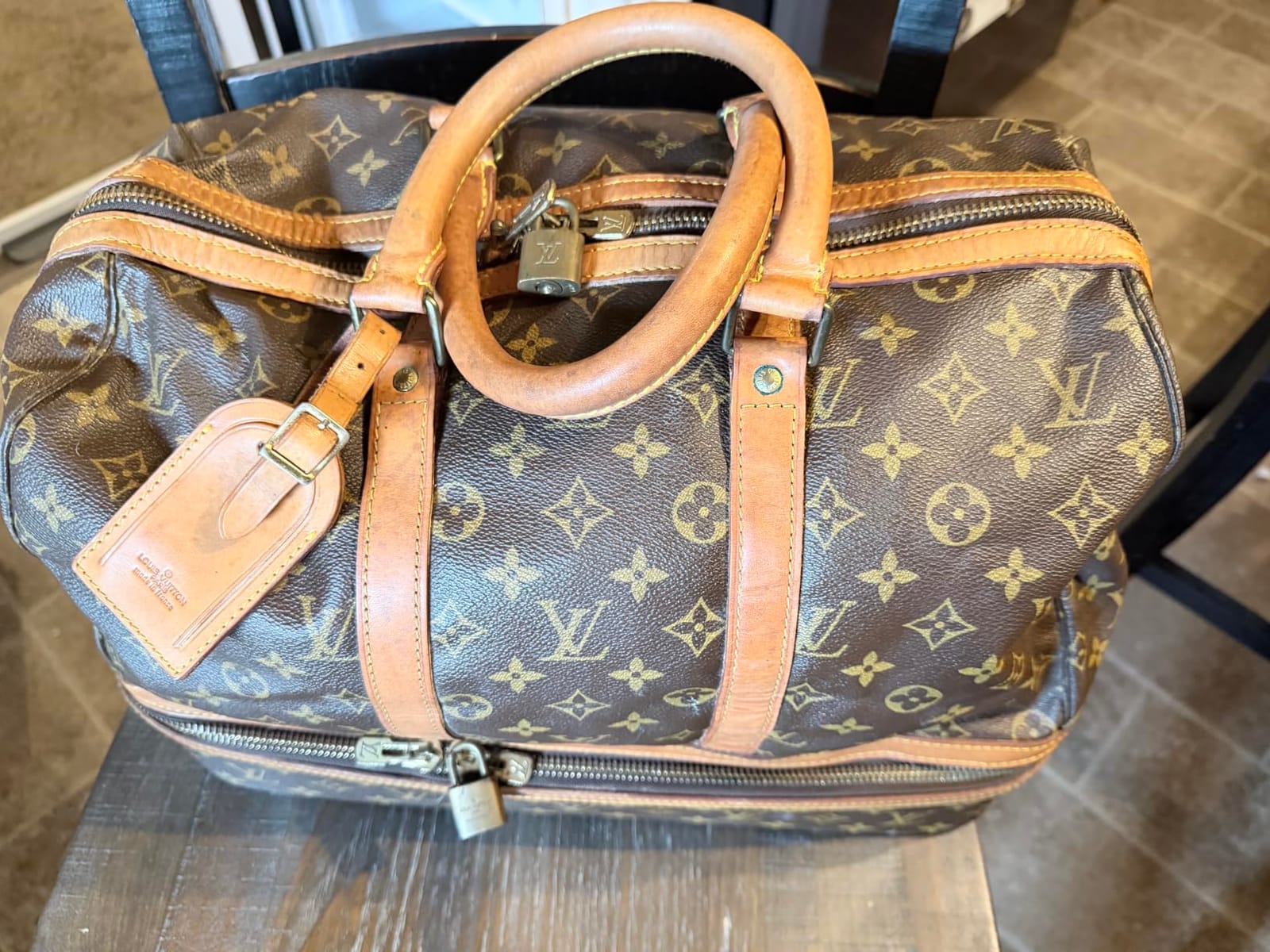
It is also listed as safe for fine furniture, car seats, steering wheels and dashboards, so you can carry the same bottle around the whole cabin. Speed is a real feature here: a full couch takes about 15 minutes, so a set of front seats is a short evening’s work.
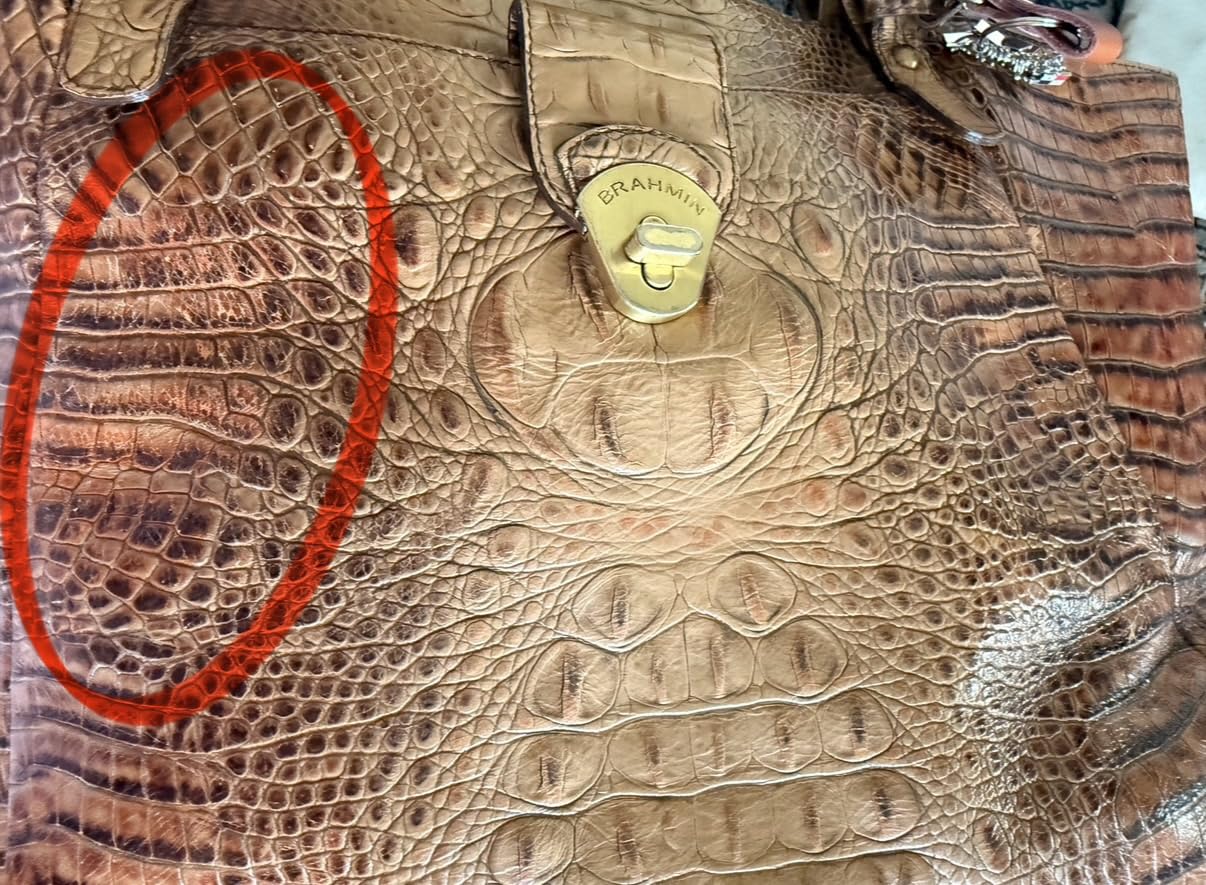
What it will not do is reverse real damage. Leather that is scratched through to bare patches still shows those patches, and heavily worn surfaces can need two or three applications before you see a change. Reviewers also note that working it in by hand before wiping with a microfiber cloth hydrates better in a single pass, and that results tend to improve by the next day.
Who this works best for
Best for older vehicles and neglected interiors, where the leather is dull, dry and starting to craze but still fundamentally intact. The single-step, no-buff routine suits people who do not want a multi-product routine.
It is a good companion to a used-car purchase, since the matte finish hides variation rather than exaggerating it, and the 18 oz size means one bottle covers more than just the front seats.
Who should pass on it
Pass for suede and nubuck, which it is not intended for. Pass if you want a high-gloss show-car finish, because the whole point of this formula is a natural matte look.
If you are prone to overworking product, note the reports of a slightly tacky feel when it is worked in heavily. Use it thin and wipe it down properly.
6. Chemical Guys Vintage Series Leather Conditioner – the Deep Cream
Chemical Guys, Vintage Series Leather Conditioner for Car Interiors, 16 oz
- 16 fl oz cream
- Penetrates the pores
- Restores flexibility
- Safe on vinyl and synthetic
Pros
- Deep cream that restores softness and flexibility
- No greasy residue or slick feel once buffed
- Works on natural
- synthetic
- faux and pleather
- Enhances color without a plastic shine
- Simple microfiber application
Cons
- Conditioner only
- so it does not replace a cleaner
- Cream consistency needs a proper buff-off
Most conditioners in this group are liquids and sprays, which makes this 16 fl oz cream the different option. It is a thick formula designed to penetrate the leather pores and restore softness and flexibility, and at a 4.7 rating with more than 6k reviews it holds up against everything else here.
What makes it unusually versatile is the surface list: natural, synthetic, faux and pleather, plus vinyl, and both OEM and aftermarket leather. That is the widest compatibility range on our list, which matters if your cabin mixes a leather seat with a vinyl door panel and a plastic dash.
It leaves no greasy residue or slick feel after buffing, and it helps prevent cracking, fading and premature aging. The color enhancement is real but restrained. Reviewers pair it with the matching Chemical Guys leather cleaner and describe it as the step that actually leaves the seats soft rather than merely clean.
The caveat is the one that applies to every cream. Because the consistency is thick, it needs a full buff-off with a clean microfiber cloth or you will be left with a visible film, and since this is a conditioner only, it does not lift heavy buildup. Clean first if the seats are dirty, or buy the two-bottle kit instead.

Who this works best for
Best for dried, stiff seats that drink conditioner up rather than sitting on it, and for anyone who prefers to work product in deliberately with an applicator pad instead of spraying and wiping.
It is the safest choice on this list for mixed-material cabins, and for synthetic or faux leather owners who have been warned off oil-based products elsewhere.
Who should pass on it
Pass if you want a one-bottle solution for dirty leather. This is the conditioning half of a two-step routine, and pairing it with nothing else means grime stays where it is.
Pass if you are in a hurry. A cream needs working time and a proper buff-off, and a spray is simply faster for a quick refresh.
7. Lexol All Leather Conditioner – the Fast-Absorbing Daily Driver Choice
Lexol All Leather Conditioner for Car Seats, Furniture, Jackets, 16.9 Oz
- 16.9 fl oz
- Fine oil droplets absorb fast
- Step two of a two-part system
- No greasy residue
Pros
- Absorbs fast with no greasy residue after a day
- Restores suppleness to dried-out seats
- Does not change color
- only deepens with moisture
- Pleasant leathery scent
- Longest-lasting softness owners report trying
Cons
- Some users see brief stickiness right after application
- Can streak on very dry or uneven leather if not worked in
- Some reviewers find it only adequate for the price
Lexol is designed as step two of a clean-then-condition system, which matters for anyone who wants a predictable routine rather than a one-off rescue. The formula uses fine oil droplets that absorb quickly into finished leather, restoring flexibility and helping prevent cracking without leaving a greasy residue behind.
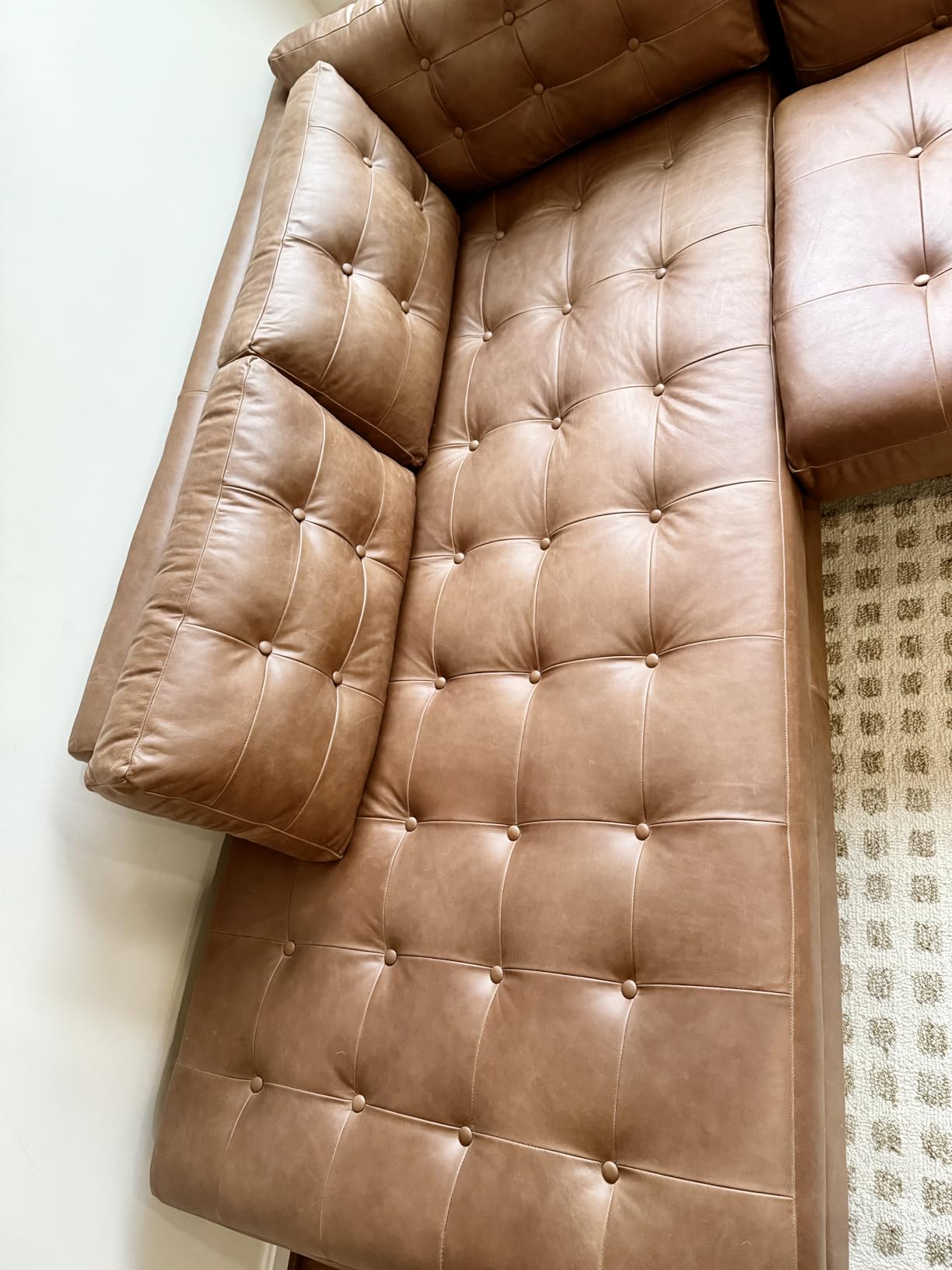
Owners rate it highly for two reasons in particular. It does not change the color of the leather, it only deepens it with moisture, and the softness lasts longer than with most other conditioners they have tried. The scent is a light leathery smell rather than a perfume.
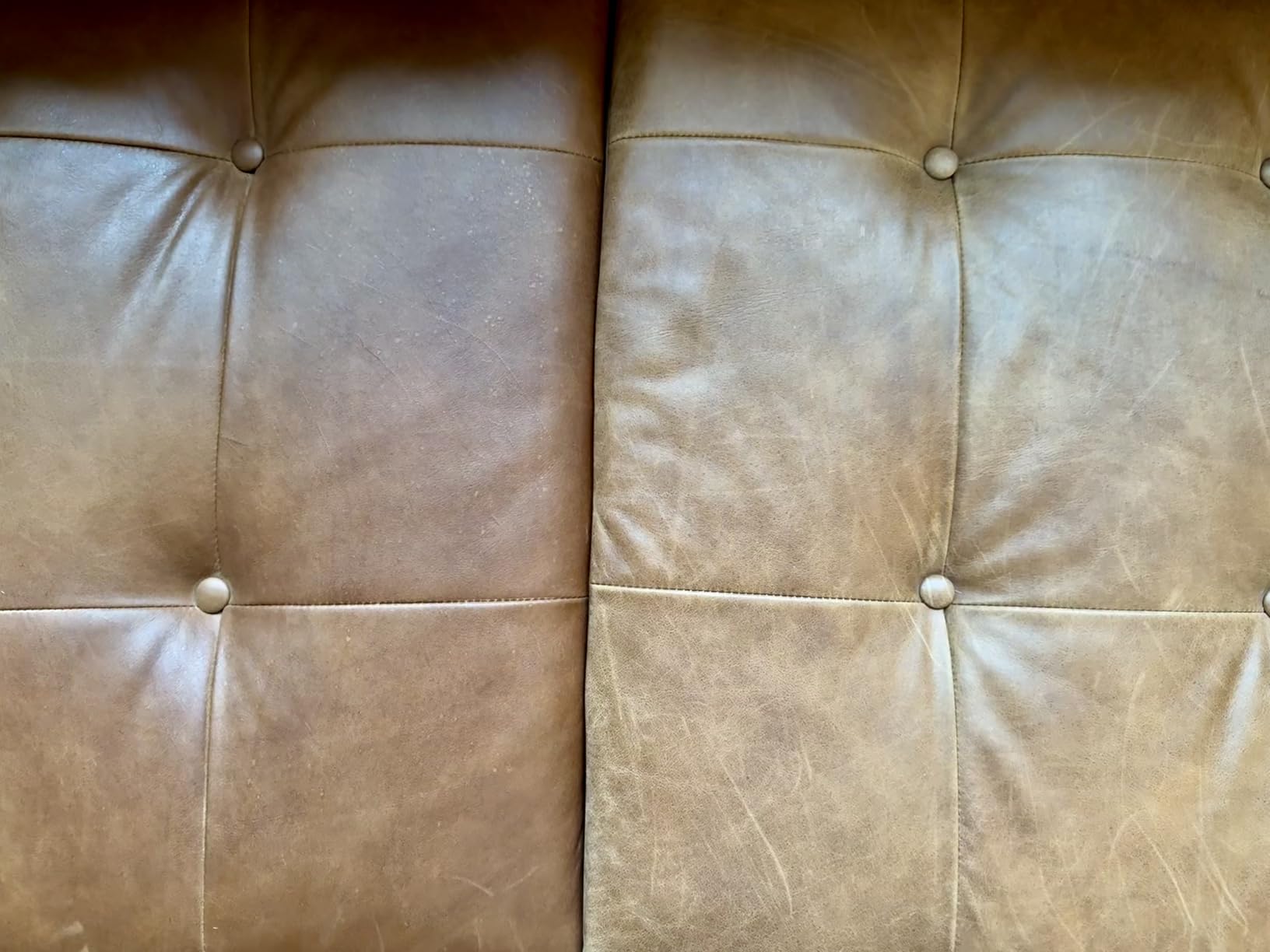
On r/Detailing and r/Porsche, the recurring description of Lexol is close to zero shine, pH balanced, does exactly what it says, and it is the go-to for daily maintenance. The same threads warn that very thirsty leather needs a thicker coat and more working time, or you will see streaking across uneven or dried-out surfaces.
There are a few complaints about brief stickiness immediately after application, which resolves as the oil settles, and a small number of reviewers who consider it only adequate for the price. At 16.9 oz it is a good size for seats, door panels and a steering wheel in the same session.
Who this works best for
Best for owners with a straightforward schedule. If you condition every three to six months and want the result to be a natural matte finish with no shine and no tack, this behaves exactly as advertised.
It suits leather that is in decent shape and needs maintaining rather than rescuing, and it is safe for car seats, interiors, furniture, shoes, jackets, handbags and baseball gloves.
Who should pass on it
Pass if your seats are badly cracked or faded and you want a visible transformation. This is a maintenance product, and if you need restoration you want a cream or a rejuvenator instead.
Pass if you want a one-bottle clean and condition job, since Lexol is the conditioning step and expects a cleaner to run before it.
8. Armor All Leather Cleaner Spray with Beeswax – the Five-Minute Refresh
Armor All Car Leather Cleaner Spray with Beeswax, 16 Fl Oz
- 16 fl oz spray
- Real beeswax formula
- Cleans and conditions in one pass
- Residue free
Pros
- Cleans and conditions in a single application
- Fast to apply and easy to buff out
- Scent is widely called the best-smelling of the group
- Lathers for even coverage
- Good value for uses per bottle
Cons
- Can streak on dashboards and door panels
- Not a deep cleaner for embedded stains
- Some find it priced above competing products
This is the fastest route to a clean-looking interior, and real beeswax blended into the spray is the reason it works. The formula cleans dirt and soil out of the grain, conditions to restore supple feel, and protects against drying, aging and cracking, all in one pass with no repeat coats.
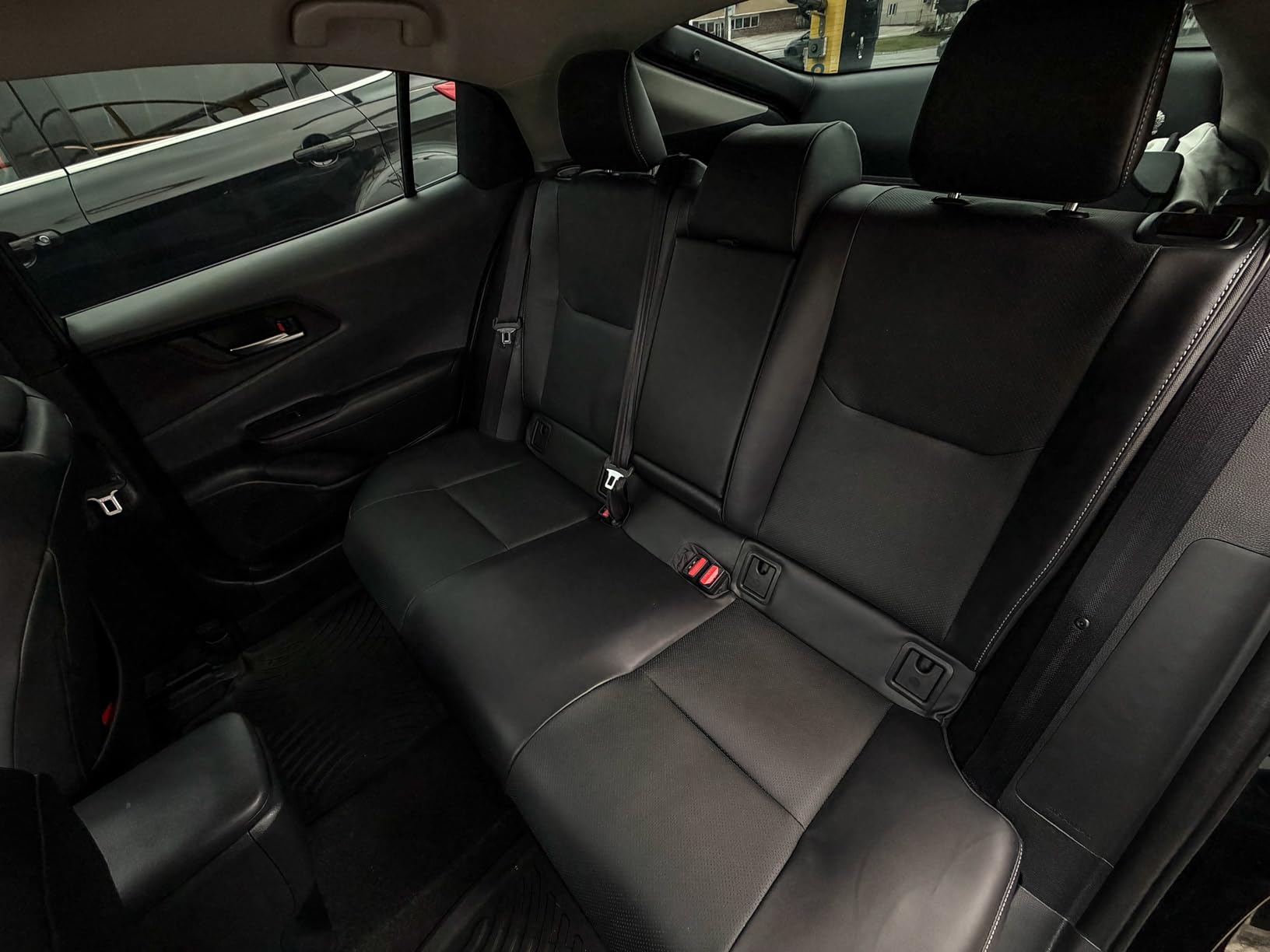
The lather is the underrated part. It spreads across a whole seat evenly, which matters on a perforated sport seat or a large bolster where a thin spray can miss spots. Detailers and everyday owners both use it the same way, with a wax applicator and two passes over the whole seat.
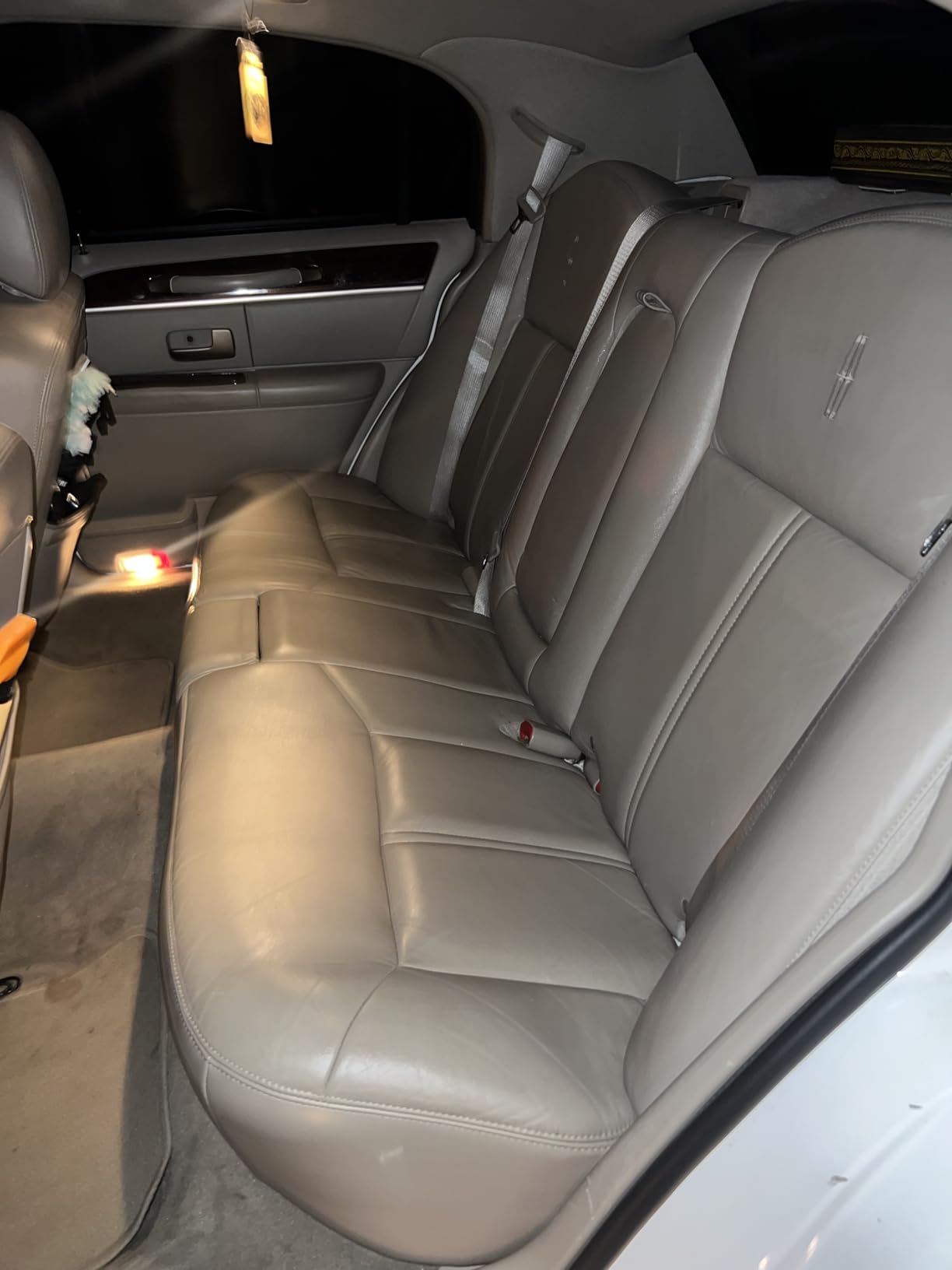
Two complaints show up consistently. It can streak on dashboards and door panels, which is a plastic-surface problem rather than a leather one, and it is a shallow cleaner, so stubborn embedded stains will not shift no matter how long you scrub. Scent is a plus for most buyers and a dealbreaker for a few.
Think of it as the weekly or monthly refresh that keeps leather from reaching the stiff stage in the first place, not as a rescue product. It works on cars, trucks, motorcycles, furniture and shoes, which makes it a sensible glovebox staple alongside a heavier cream.
Who this works best for
Best for quick maintenance between deeper conditioning sessions, and for people who want their car to look and smell fresh without spending an evening on it. The scent is the most commonly praised feature on the list.
It also works as a pre-treatment refresh before a long drive or a car show, and on mixed surfaces beyond the seats themselves.
Who should pass on it
Pass if your dashboard and door panels are hard plastic you care about, because the wax can streak. Pass if the leather has micro-cracks, because a beeswax spray maintains rather than restores.
Pass if you dislike fragrance in your cabin. If you are sensitive to smells, go for the unscented gel or a non-toxic unscented formula instead.
9. Meguiar’s Gold Class Leather Conditioner – Maintenance With Aloe
Meguiar’s Gold Class Leather Conditioner Spray, 16 Oz
- 16 fl oz spray
- Aloe and moisturizing oils
- UV protection
- No residue or gloss
Pros
- Easy spray-and-wipe with even coverage
- Natural refreshed look rather than gloss
- Seats feel soft but not slippery
- No buildup after repeated monthly use
- Works on furniture and handbags too
Cons
- More maintenance than heavy restoration
- Neglected leather may need several applications
- Scent does not suit everyone
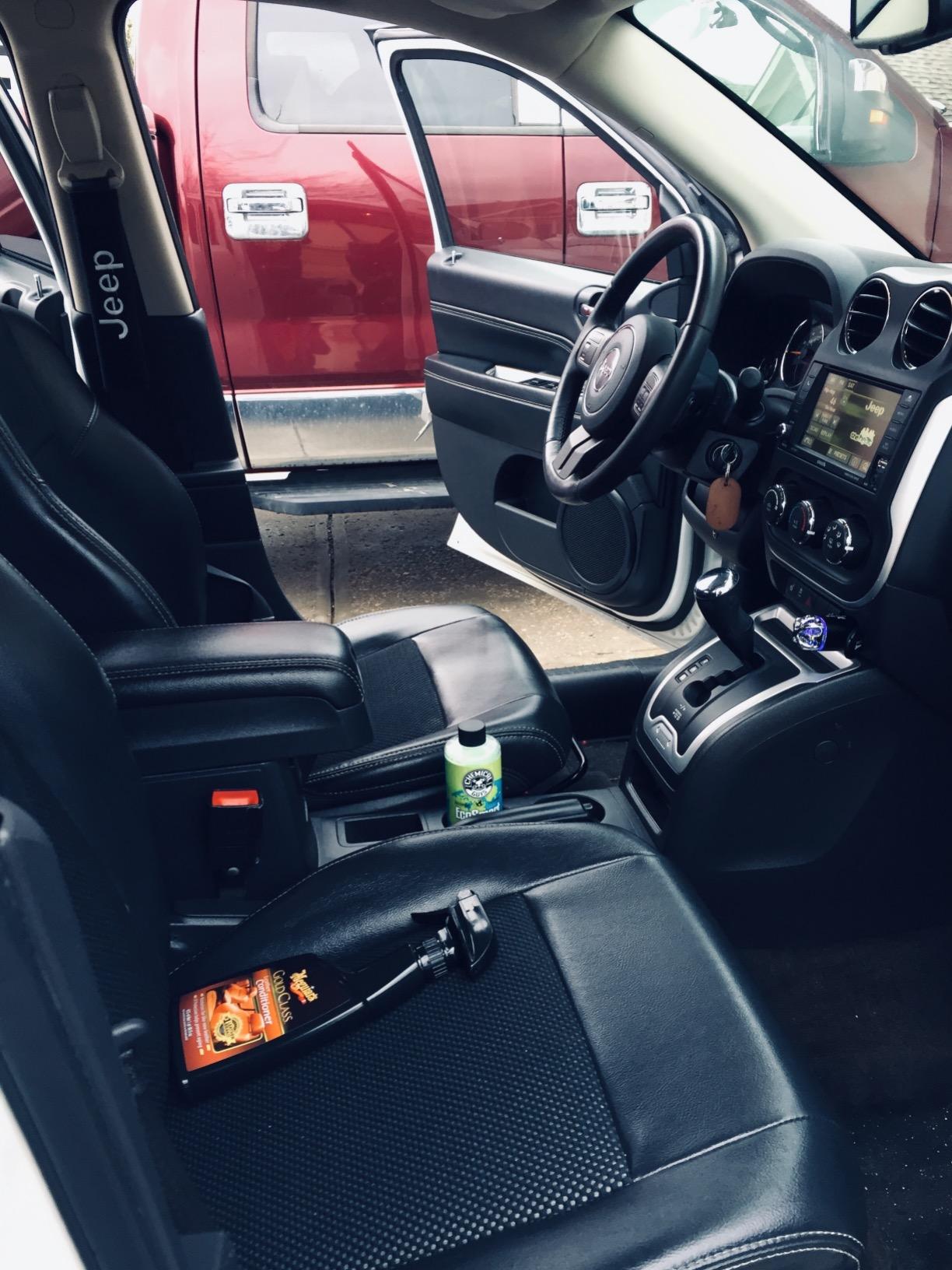
Aloe and moisturizing oils are the active ingredients here, and the goal is prevention rather than rescue. It helps keep leather from drying, cracking and fading, includes UV protection for interiors sitting in direct sunlight, and works into the grain without leaving residue or an artificial gloss.
That residue-free finish is what makes it a sensible match for heated and ventilated seats. Heated elements run warm enough to drive off a light conditioner and bake anything thicker into the surface, so the product that leaves nothing behind is the product that will still feel right a month later. Apply it with a dedicated applicator to keep overspray off the seat controls.
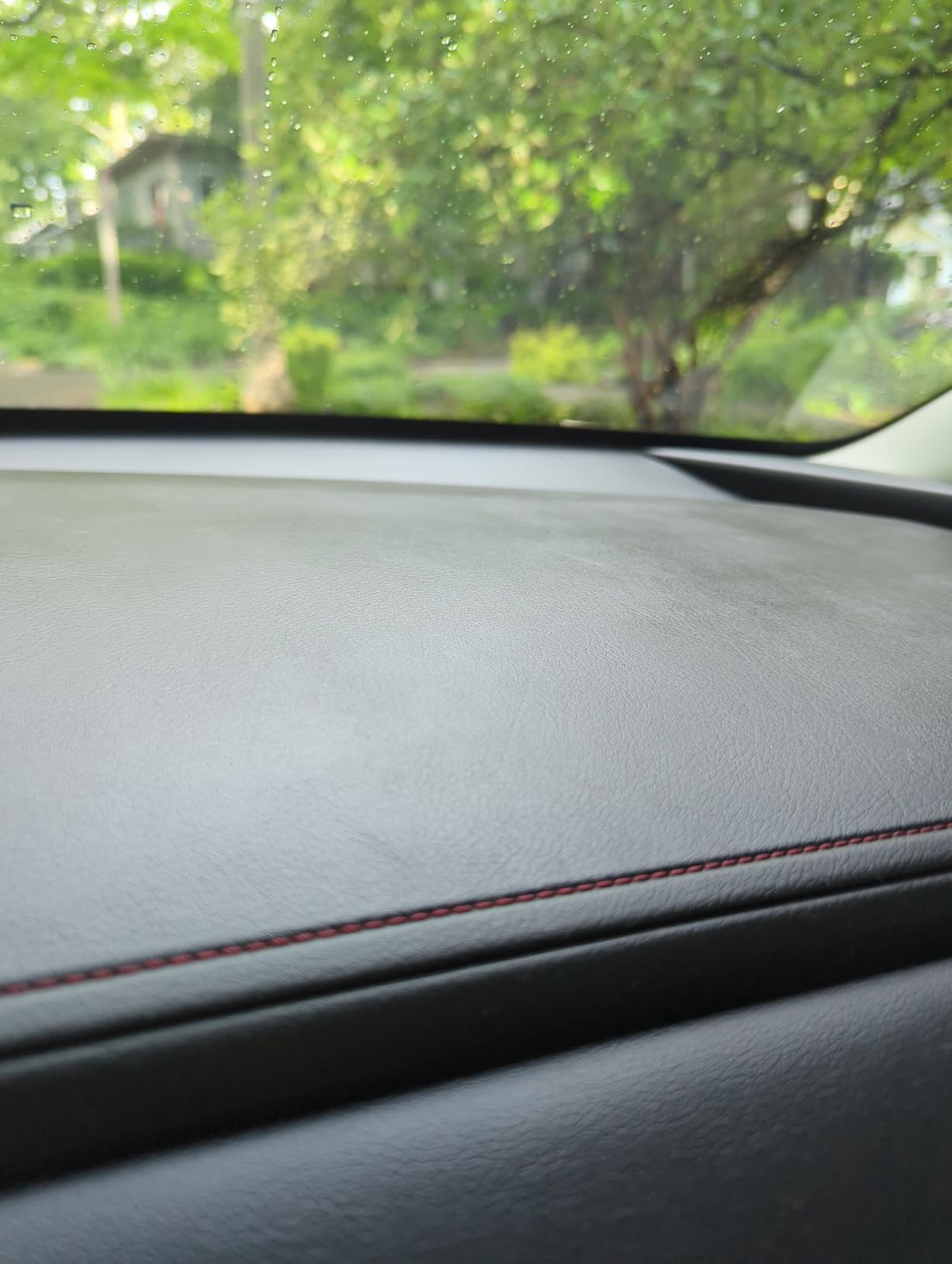
Reviewers like the natural, refreshed look and the fact that the seats feel soft without being slippery or coated. Applying it monthly produces no buildup, which is exactly what you want from a maintenance product you will use repeatedly for years.
It is designed to follow Meguiar’s Gold Class Leather and Vinyl Cleaner, so like Lexol it is the second step of a system. On r/Detailing the feedback is consistent: the apple-adjacent aloe scent is pleasant, but the conditioning is mild enough that leather which has already been neglected needs a separate, heavier product first.
Who this works best for
Best for regular monthly upkeep, for heated and ventilated seats, and for anyone who hates a glossy finish on their interior. It leaves a natural look and no slippery feel, both of which matter in a car that gets driven in all weathers.
It is also a good choice if you want one product for seats, a leather chair and a handbag, since it is not limited to automotive use.
Who should pass on it
Pass for severe fading, cracking or neglect. It is a maintenance conditioner, and multiple applications are recommended for leather that has been left untreated, which means you are doing the slow path on purpose.
Pass if the aloe scent bothers you. Scents are personal, and this one is the most polarizing aroma on the list.
10. Armor All Leather Conditioner Gel – Thick Gel, Unscented Finish
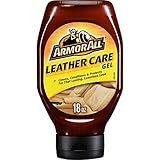
Armor All Car Leather Conditioner Gel, Interior Cleaner for Cars, Trucks and Motorcycles, 18 Fl Oz
- 18 fl oz gel
- Cleans conditions protects in one step
- Unscented
- Residue free
Pros
- Thick gel spreads easily across a seat
- One bottle covers many seats and couches
- Deep natural glow rather than a plastic shine
- Not sticky or oily
- Unscented and dries non-slippery
Cons
- Squeeze bottle is stiff and easy to over-squeeze
- Scent can linger on hands without gloves
- No fragrance for those who like a scented cabin
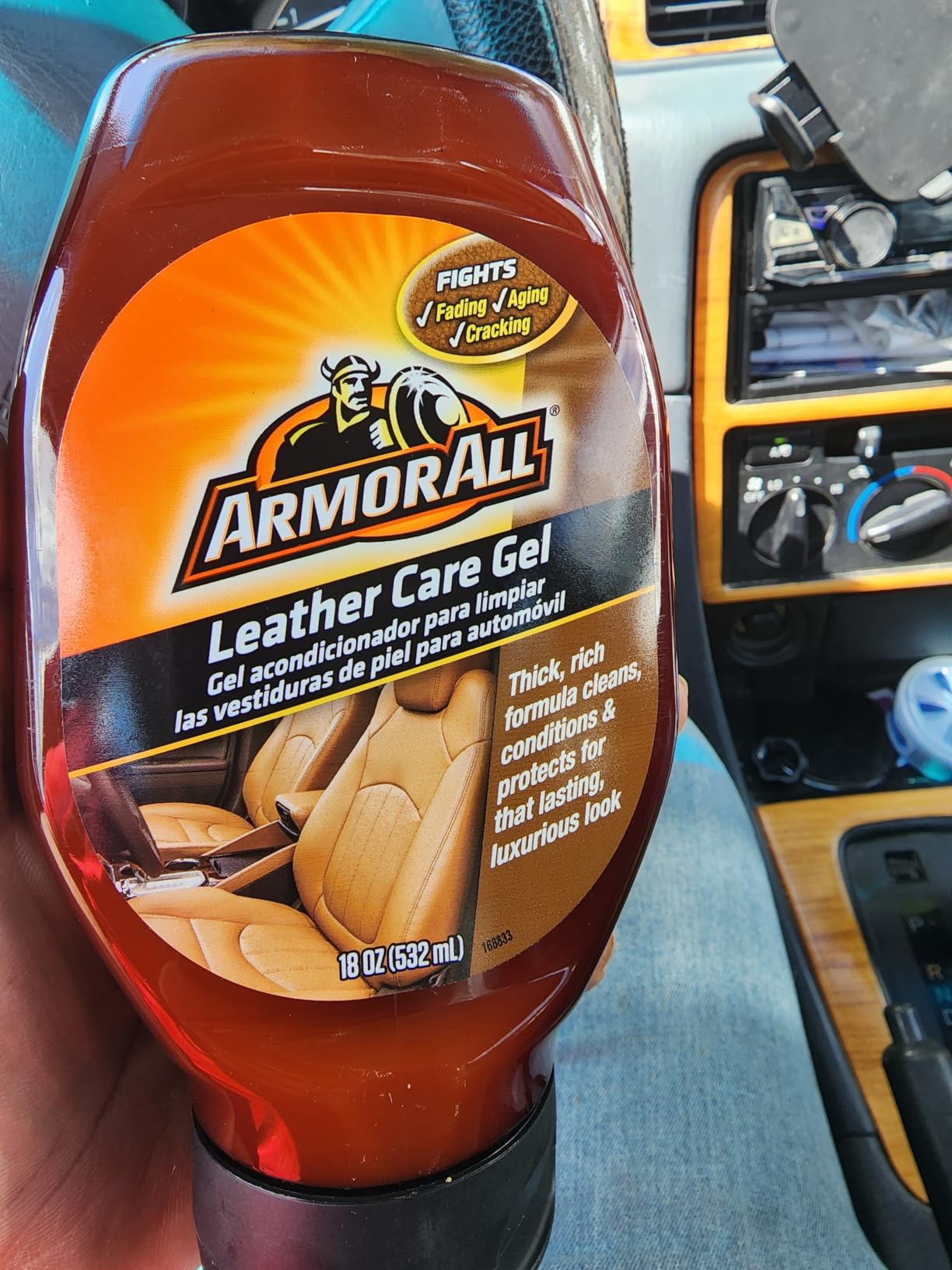
The gel format is the reason this one stands apart, and it earns a 4.7 rating across more than 3.8k reviews. An advanced gel formula penetrates the grain to lift dirt and soil while cleaning, conditioning and protecting in one application, and the thick consistency spreads across a seat far more evenly than a thin spray.
Blocking agents in the formula help shield against spills, stains, cracking, fading and discoloration, and it dries without a slippery feel. The 18 oz bottle is generous, and owners report it lasting through multiple seats and even furniture before needing a refill.
It is unscented, which makes it the straightforward answer to the most common forum complaint about leather care, that the cabin smells like chemicals for days after treatment. The finish reviewers describe is a deep, natural-looking glow rather than a plastic shine.
Application tip that repeats across reviews: poke a small hole in the inner seal rather than removing it, and start with a light squeeze, because the gel dispenses faster than you expect from a stiff bottle. Wear gloves if you dislike the scent clinging to your hands, and note that the unscented nature divides opinion, with some owners preferring a fragrance.
Who this works best for
Best for anyone who wants no fragrance in the cabin, and for car interiors that see spills regularly, since the blocking agents are aimed at exactly that problem. It is also good for families where a scented product is unwelcome around passengers.
The gel texture makes it a good match for large bolsters and seat bases where a spray would need several passes to cover evenly.
Who should pass on it
Pass if you like a scented interior, because unscented does nothing for the cabin smell the way a beeswax spray does. Pass if you want to save time, since gel takes deliberate application rather than a quick spray.
If you are restoring genuinely cracked leather, this is a maintenance product. Pair it with something restorative rather than expecting it to rebuild dry hide.
How to Choose the Right Leather Conditioner for Car Seats
The first question is not which bottle is best, it is what your seats are made of. Factory car leather carries a sealed clear coat, and a conditioner designed for bare furniture hide can behave differently on that plastic surface. Synthetic and faux leather have no pores to hydrate at all, so they need a product that is explicitly listed as safe for them.
Here is how we would decide. If your seats are perforated, spray onto a microfiber cloth rather than the seat, because liquid sprayed directly into ventilation holes pools and clogs them. If the leather is faded, stiff or showing micro-cracks, you need a cream or a heavier formula with real working time. If the seats are simply dusty and in good condition, a light spray every few months will keep them there.
Black and dark seats bring their own worry, which is darkening. Bick 4 and Meguiar’s are the two most frequently recommended by owners who were nervous about color shift, while anything with a heavy oil or wax base is worth testing on an out-of-sight bolster first. Test any product on a hidden section, wait a day, and look at it in daylight before you commit to the whole seat.
Finish matters more than most people expect. Matte or natural finishes suit a car that gets driven; high gloss reads as plastic and gathers dust. That complaint about greasy, shiny residue is the single most repeated one in car care forums, and the fix is technique rather than product. Use less than you think, work it in, and buff until a dry hand does not slip on the surface.
Frequency is straightforward. Condition every three months in a hot, sunny climate, every four to five months in a temperate one, and every six months in a cold climate where the interior stays dry. Signs it is time include a stiff or dry feel to the touch, visible fading on the sun-facing bolsters, and the first hairline cracks appearing along the fold lines.
Two habits prevent most of the problems people complain about. Never put a foam-backed seat cover on over freshly conditioned leather, because the trapped moisture and the cover’s own chemicals can cause a reaction that no conditioner can fix. And keep a pH-balanced cleaner in the loop, because conditioner applied over trapped grime seals the dirt in rather than lifting it.
Lastly, stay away from Dawn dish soap, vinegar, lemon juice, toothpaste and undiluted saddle soap on a car seat. These are household and tack products, and the acids and surfactants will strip the factory clear coat, leaving you with a surface that is permanently more prone to cracking than the one you started with.
Frequently Asked Questions
What is the best leather conditioner for automotive leather?
A pH-balanced formula that is listed as safe on sealed leather is the safest choice for a factory car seat. Leather Honey is the strongest all-round option, while the Chemical Guys two-bottle kit is better if the seats are dirty as well as dry, because it cleans first. Always test on a hidden bolster before treating the whole seat.
Should you put leather conditioner on your car seats?
Yes. Factory leather loses its natural oils through heat, UV exposure and daily friction, and once it goes stiff the micro-cracks follow. Conditioning every three to six months, depending on climate, keeps the hide supple and slows cracking. Skip suede and nubuck, and use a product labelled safe for synthetic leather if your seats are coated vinyl.
How often should I condition leather car seats?
Every three months in a hot sunny climate, every four to five months in a temperate one, and every six months in a cold dry climate. Signs it is time include a stiff or dry feel, fading on the sun-facing bolster, and hairline cracks along the fold lines. If the seats still feel supple, you do not need another coat yet.
Will leather conditioner make my seats greasy?
Only if you use too much or skip the buff-off. The number one complaint in car care forums is a tacky, shiny film, and it comes from excess product rather than the formula. Use less than you think, work it in with a microfiber applicator, and buff until a dry hand does not slip on the surface. Wax-free formulas such as Bick 4 avoid the problem entirely.
Can I use Dawn dish soap on my leather car seats?
No. Dawn is a strong anionic detergent and it will strip the factory clear coat that protects automotive leather, leaving the surface more vulnerable to cracking than before. The same applies to vinegar, lemon juice and toothpaste. Use a pH-balanced leather cleaner instead, ideally sprayed onto a microfiber cloth rather than directly onto the seat.
The Leather Conditioner I Would Buy First
After working through all ten, the best leather conditioners for car seats come down to what your leather is telling you. Leather Honey is the pick for faded or dried seats that need real restoration time. Bick 4 is the one to buy if you are worried about darkening light or colored leather. The Chemical Guys kit is the correct answer when the seats are dirty as well as dry, and Lexol or Meguiar’s cover routine maintenance on a schedule.
Whichever one you choose in 2026, the results come down to the same three things: work less product in than feels right, spray onto a cloth rather than onto perforated leather, and buff until the surface is dry to the touch. Check the latest details for the products above, and give any new conditioner a test patch on a hidden bolster first.