
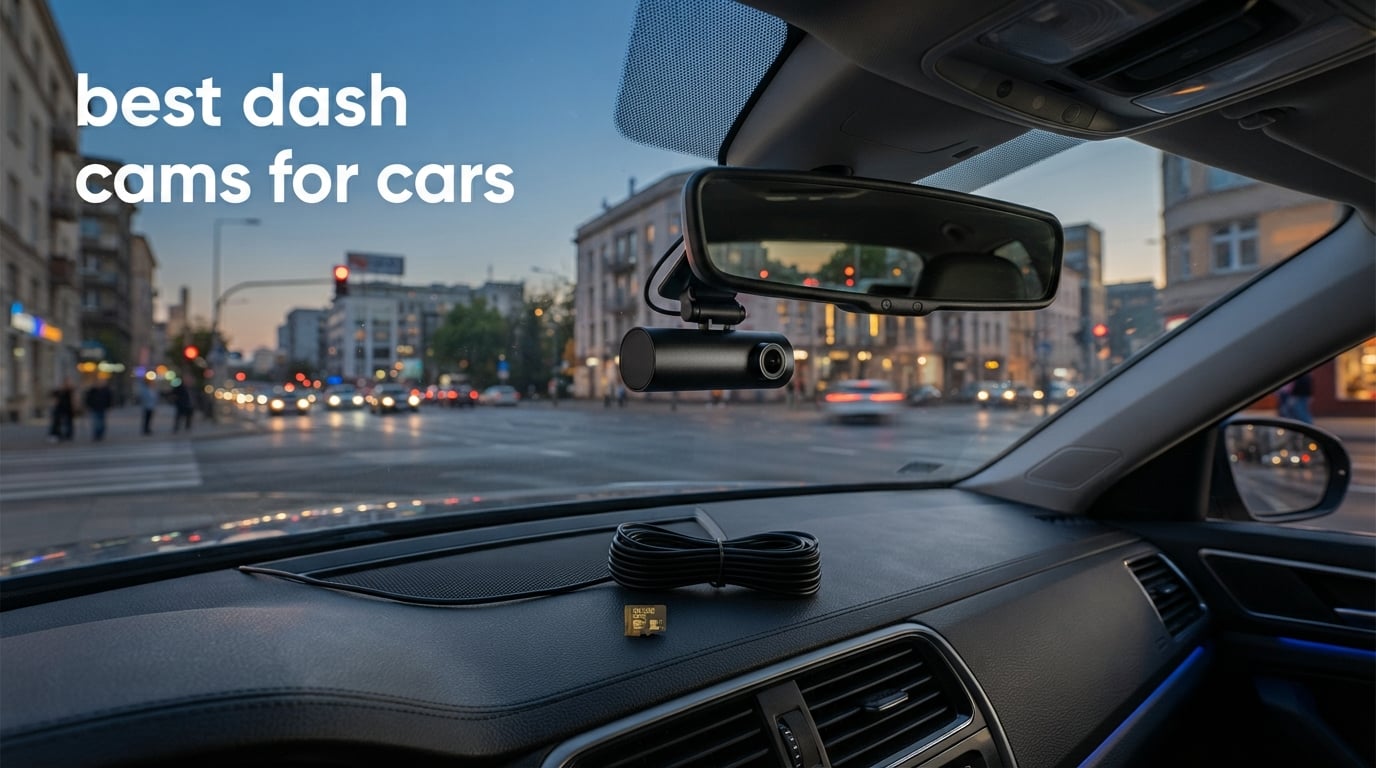
Short answer: the REDTIGER F7NP is the best dash cam for most cars in 2026. It records native 4K at the front and 1080p at the rear from dual STARVIS 2 sensors, ships with a 128GB card, and carries more owner ratings than every other camera we looked at. If you drive for a living, look at the REDTIGER F17 three-channel instead.
We spent weeks comparing 12 dash cams across the categories that actually decide whether footage survives an insurance adjuster: how the sensor behaves at night, how many channels record at once, what happens when the car is parked, and how long the card holds before it loops. Every pick below has published specifications and enough owner feedback for us to see the recurring complaints rather than the marketing copy.
Two things shaped the list. First, the sensor matters more than the resolution printed on the box. Second, most of the “4K” claims you meet on marketplace listings are not native 4K, which is exactly the trap owners complain about in r/Dashcam: “There’s a lot of fake 4K res dash cams on amazon now.” We flagged every upscaled resolution in the write-ups below rather than repeating the label.
When we name a limitation, it comes from the owner feedback attached to that specific model rather than from a spec sheet comparison. Ratings and review counts are taken from live listings at the time of writing.
Table of Contents
- Top 3 Picks for Best Dash Cams for Cars (October 2026)
- All 12 Dash Cams Compared Side by Side in 2026
- 1. REDTIGER F7NP 4K Front and Rear – the Most Owner-Rated Camera in the List
- 2. ROVE R2-4K Dual Dash Cam – the Highest Average Rating Here
- 3. WOLFBOX G840S 12-inch Mirror Dash Cam – a Screen You Can Actually Check
- 4. IIWEY N6 4-Channel 360 Degree Cam – Coverage in Every Direction
- 5. REDTIGER F17 4K 3-Channel – the Rideshare Workhorse
- 6. Vantrue N5S 4-Channel 360 Degree – the Flagship Multi-Sensor Setup
- 7. ROVE R3 3-Channel Dash Cam – the Fastest App Transfers Here
- 8. WOLFBOX G930 10-inch Mirror – the Compact Mirror Option
- 9. VIOFO A229 Pro 4K Front and Rear – Native 4K with a CPL Filter
- 10. Vantrue N2X Front and Inside – No Rear Wiring Needed
- 11. Garmin Dash Cam Mini 3 – the One Nobody Notices
- 12. Affver A4 Front and Rear – the Lowest-Cost 4K Front and Rear Kit
- How to Choose a Dash Cam: Coverage First, Then Power, Then Sensor
- Front-only, front and rear, or three-channel
- Supercapacitor, internal battery, or an auxiliary pack
- Parking mode: time-lapse, buffered, or radar
- How to spot a fake or upscaled 4K listing
- Storage: how much card you actually need
- Installation: 12V socket or hardwire
- What footage is worth in an insurance claim
- Frequently Asked Questions
- What is the #1 dash cam?
- Are there dashcams without wires?
- Will dashcam parking mode drain the car battery?
- Is there a dash cam with parking mode that doesn’t require hardwiring?
- Which is better for a dash cam, a supercapacitor or a battery?
- How do I tell if a 4K dash cam is really 4K?
- Does your insurance go down if you have a dash cam?
- What SD card should I use for a dash cam?
- The Best Dash Cam for Cars in 2026: Final Verdict
Top 3 Picks for Best Dash Cams for Cars (October 2026)
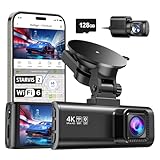
REDTIGER F7NP 4K Front Rear
- Native 4K front with STARVIS 2 sensor
- 5.8GHz WiFi with 20MB/s transfers
- Supercapacitor for parked-car heat
- 128GB card included

ROVE R2-4K Dual Dash Cam
- Highest average rating in the list
- Built-in GPS with speed and compass
- Supports microSD up to 1TB
- Free 128GB card included

WOLFBOX G840S 12in Mirror
- 12-inch touch display over your mirror
- 4K front plus 1080p rear
- 5.8GHz WiFi with GPS antenna
- Parking monitor and reverse guides
As an Amazon Associate we earn from qualifying purchases. CERTAIN CONTENT THAT APPEARS ON THIS SITE COMES FROM AMAZON. THIS CONTENT IS PROVIDED 'AS IS' AND IS SUBJECT TO CHANGE OR REMOVAL AT ANY TIME.
All 12 Dash Cams Compared Side by Side in 2026
| Product | Specifications | Action |
|---|---|---|
|
REDTIGER F7NP 4K Front and Rear
|
|
Check Latest Price |
|
ROVE R2-4K Dual Dash Cam
|
|
Check Latest Price |
|
WOLFBOX G840S 12-inch Mirror Dash Cam
|
|
Check Latest Price |
 IIWEY N6 4-Channel 360 Degree Cam
|
|
Check Latest Price |
 REDTIGER F17 4K 3-Channel Dash Cam
|
|
Check Latest Price |
 Vantrue N5S 4-Channel 360 Degree Dash Cam
|
|
Check Latest Price |
 ROVE R3 3-Channel Dash Cam
|
|
Check Latest Price |
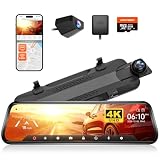 WOLFBOX G930 10-inch Mirror Camera
|
|
Check Latest Price |
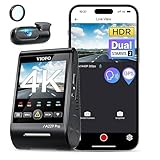 VIOFO A229 Pro 4K Front and Rear
|
|
Check Latest Price |
 Vantrue N2X Front and Inside Cam
|
|
Check Latest Price |
 Garmin Dash Cam Mini 3
|
|
Check Latest Price |
 Affver A4 4K Front and Rear
|
|
Check Latest Price |
We earn from qualifying purchases. CERTAIN CONTENT THAT APPEARS ON THIS SITE COMES FROM AMAZON. THIS CONTENT IS PROVIDED 'AS IS' AND IS SUBJECT TO CHANGE OR REMOVAL AT ANY TIME.
1. REDTIGER F7NP 4K Front and Rear – the Most Owner-Rated Camera in the List
REDTIGER F7NP 4K Dash Cam Front Rear, STARVIS 2 Sensor, Free Card Included
- 4K front plus 1080p rear
- STARVIS 2 sensor at F1.5
- 170 degree front lens
- 5.8GHz WiFi app control
Pros
- Native 4K front and 1080p rear from a STARVIS 2 sensor
- Supercapacitor holds up in a parked car in summer
- Free 128GB card means it works out of the box
- 5.8GHz WiFi pulls clips at up to 20MB/s
- Over 25000 owner ratings to learn from
Cons
- Parking mode needs a hardwire kit bought separately
- 3-inch screen is small for menu navigation
- Rear cable can be tight on large SUVs
This is the camera we would put in our own car first. We spent the bulk of our comparison time on the F7NP because the owner feedback volume behind it is large enough to be meaningful, and that feedback is unusually consistent: people like the picture, and they like that a card is already in the box.
Both cameras use a STARVIS 2 sensor with an F1.5 aperture and a six-layer lens. The front records at 2160p across a 170 degree field of view and the rear at 1080p, and WDR plus HDR handle the sunrise and sunset transitions that ruin cheap footage. The max aperture is what matters at night, and F1.5 is a genuinely wide opening rather than a marketing number.
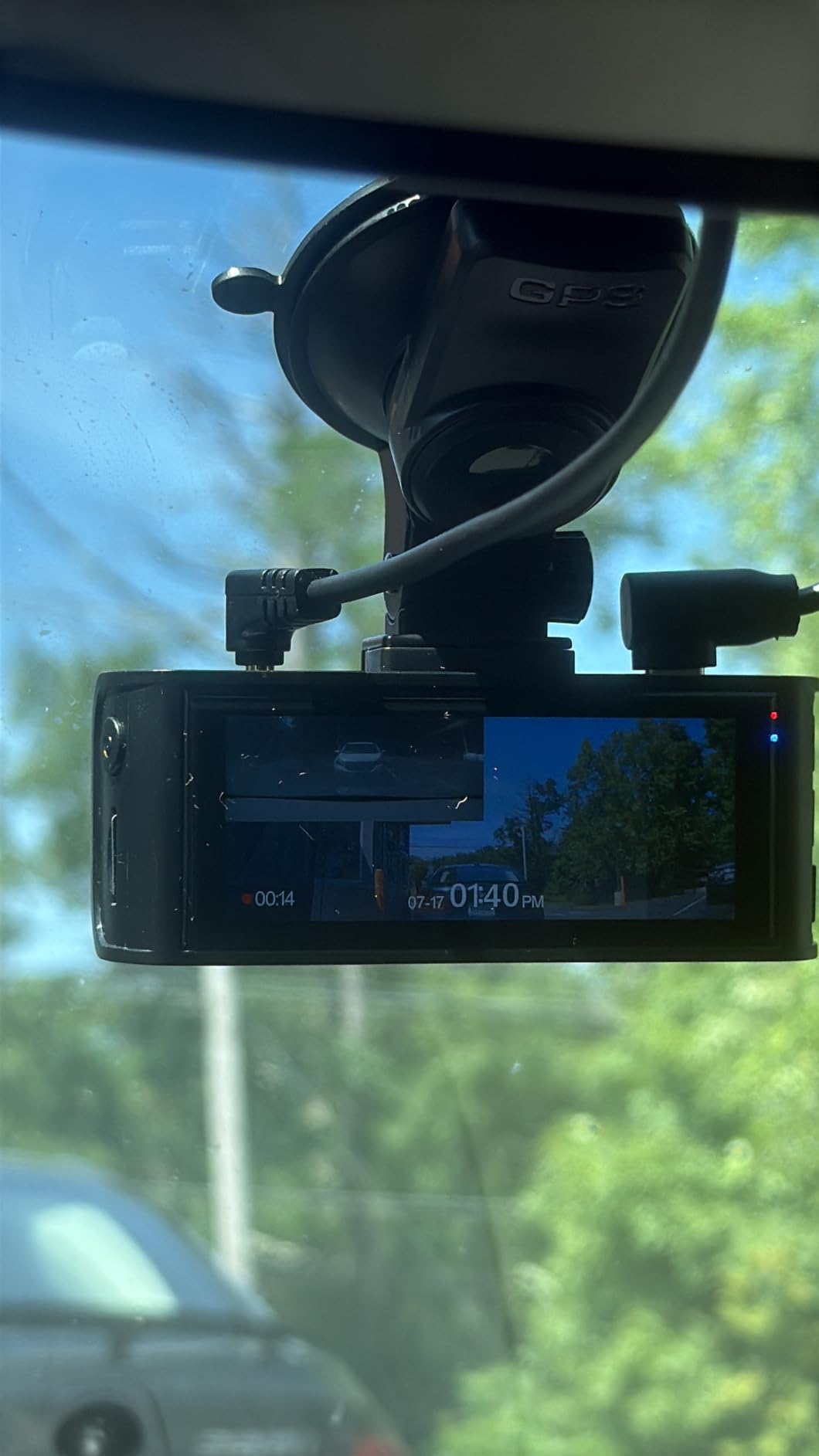
Connectivity is where the F7NP pulls ahead of most of the field. The built-in 5.8GHz WiFi supports transfers up to 20MB/s through the Redtiger Cam app, which matters more than it sounds. Pulling a 4K clip over 2.4GHz can take minutes; at 20MB/s you can grab a night incident on your phone while standing at the car.
The power design is a real strength in hot climates. Instead of a lithium cell that can swell in a car sitting in summer sun, this model uses a supercapacitor rated for a long parked-car deployment. The 18-month manufacturer warranty is also longer than the one-year terms common at this level.
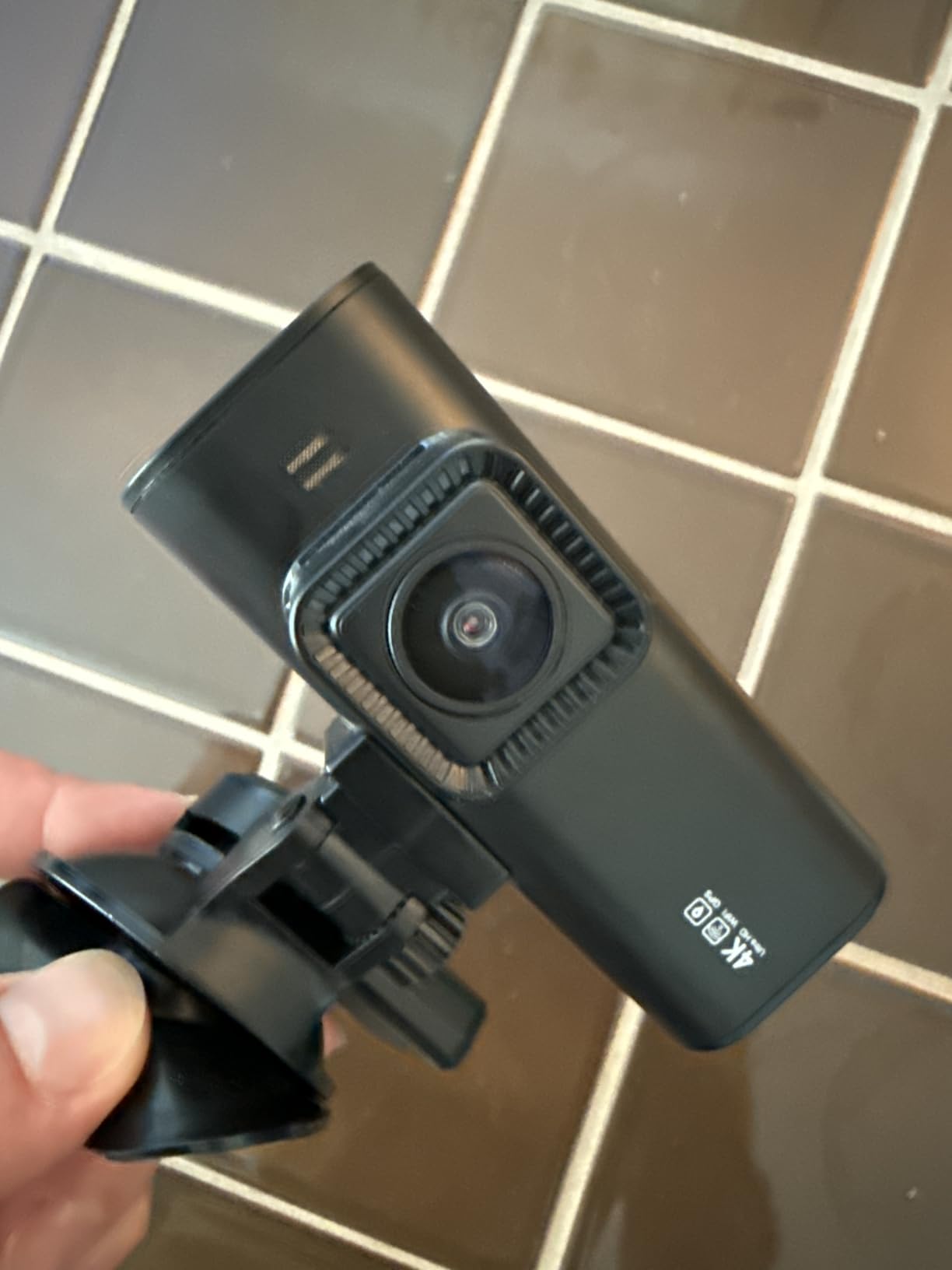
What to check before you buy it
Budget for the hardwire kit. Parking mode on the F7NP is a 24/7 feature but the kit is not in the box, and a dozen owner reviews describe that as the most common surprise. Card support runs to 512GB, and a 128GB card is included, so the storage side needs no extra spend.
The 3-inch LCD is genuinely small. It is fine for confirming the camera is live and for checking the angle after mounting, but you will do all menu work in the app.
Who should look elsewhere
If you drive rideshare or delivery full time, the two-channel F7NP does not record the cabin, and a three-channel model will serve you better. The short rear cable is also worth checking against your vehicle before you commit, because owners on larger SUVs report tightness behind the headliner.
If you need the smallest possible footprint, the Garmin Mini 3 in this list disappears where this one does not.
2. ROVE R2-4K Dual Dash Cam – the Highest Average Rating Here
ROVE R2-4K Dual Dash Cam Front and Rear, STARVIS 2 Sensor, Free 128GB Card
- Native 2.5K front upscaled to 4K
- STARVIS 2 IMX675 at F1.5
- Built-in GPS
- 1TB card support
Pros
- Best average rating of all 12 cameras we compared
- Built-in GPS stamps speed route and compass
- 1TB card support is the joint highest here
- Free 128GB ROVE PRO card in the box
- 5.8GHz dual-band WiFi at up to 20MB/s
Cons
- Front 4K mode is upscaled from 2.5K
- Parking mode requires a hardwire kit
- 3-inch screen is small for settings
The ROVE R2-4K is the only camera in this list where the front 4K mode is not native, and the manufacturer says so. The native resolution is 1440p and the 2160p setting is upscaled. We think that matters less than the rating spread suggests, because the underlying STARVIS 2 IMX675 sensor with an F1.5 aperture is a good low-light sensor and the 2.5K native mode is where the image quality lives.
What makes this one stand out is storage. Maximum card support is 1TB, and the listing is explicit that the 4K mode is upscaled rather than vague about it. That kind of plain disclosure is rare in this category and it is why we are comfortable ranking it highly.
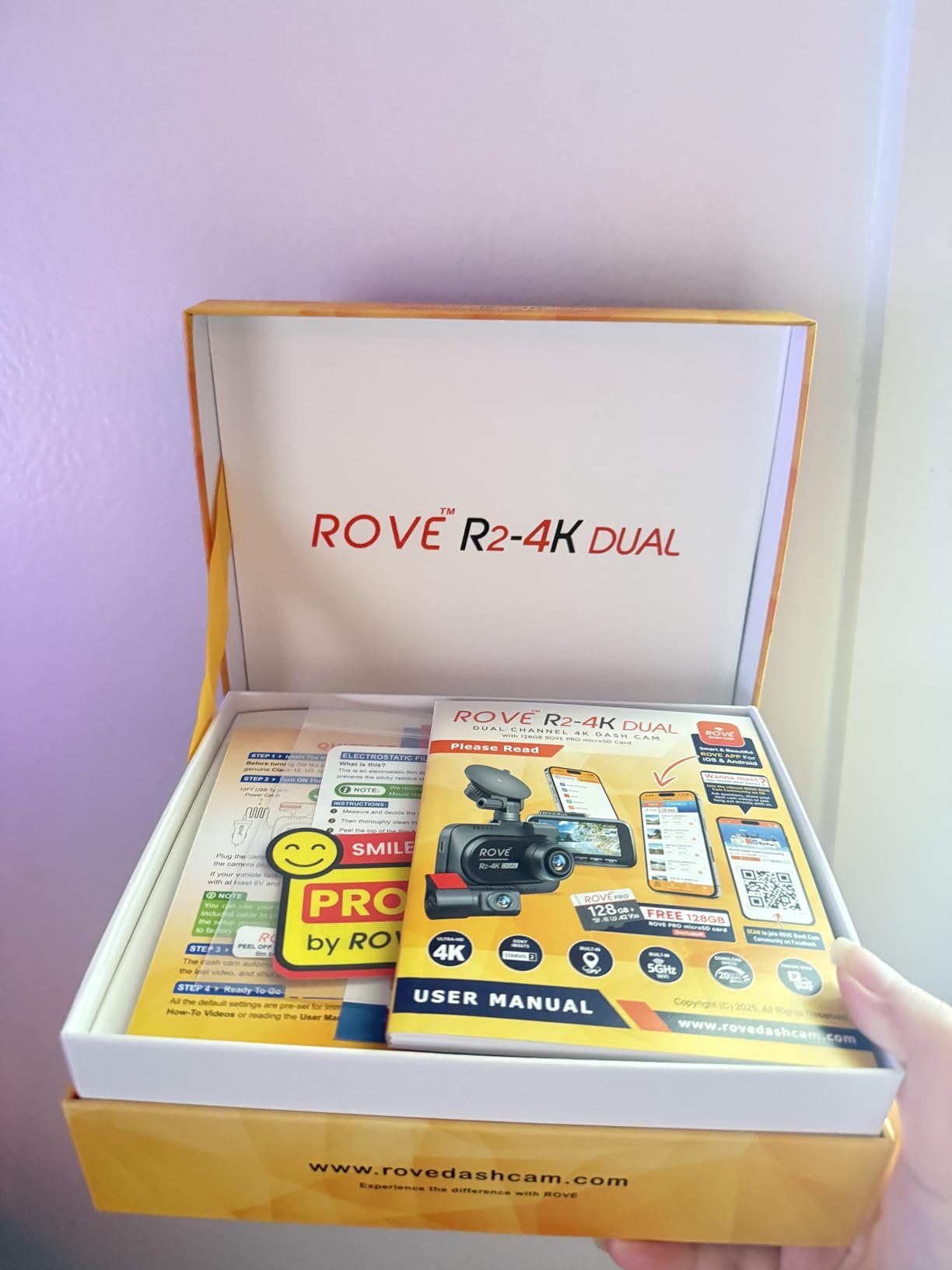
GPS is built in rather than a bolt-on antenna, so speed, route and compass direction are stamped on the footage without extra wiring. A 3-inch IPS screen shows the status, and the G-sensor locks clips automatically on impact. Loop recording and over-the-air firmware updates are both supported.
Reviewers describe clear front and rear footage, fast app transfers, and an installation most people finish in an evening. The dual-band 5.8GHz and 2.4GHz WiFi also means the app connects reliably on longer clips than a single-band unit.
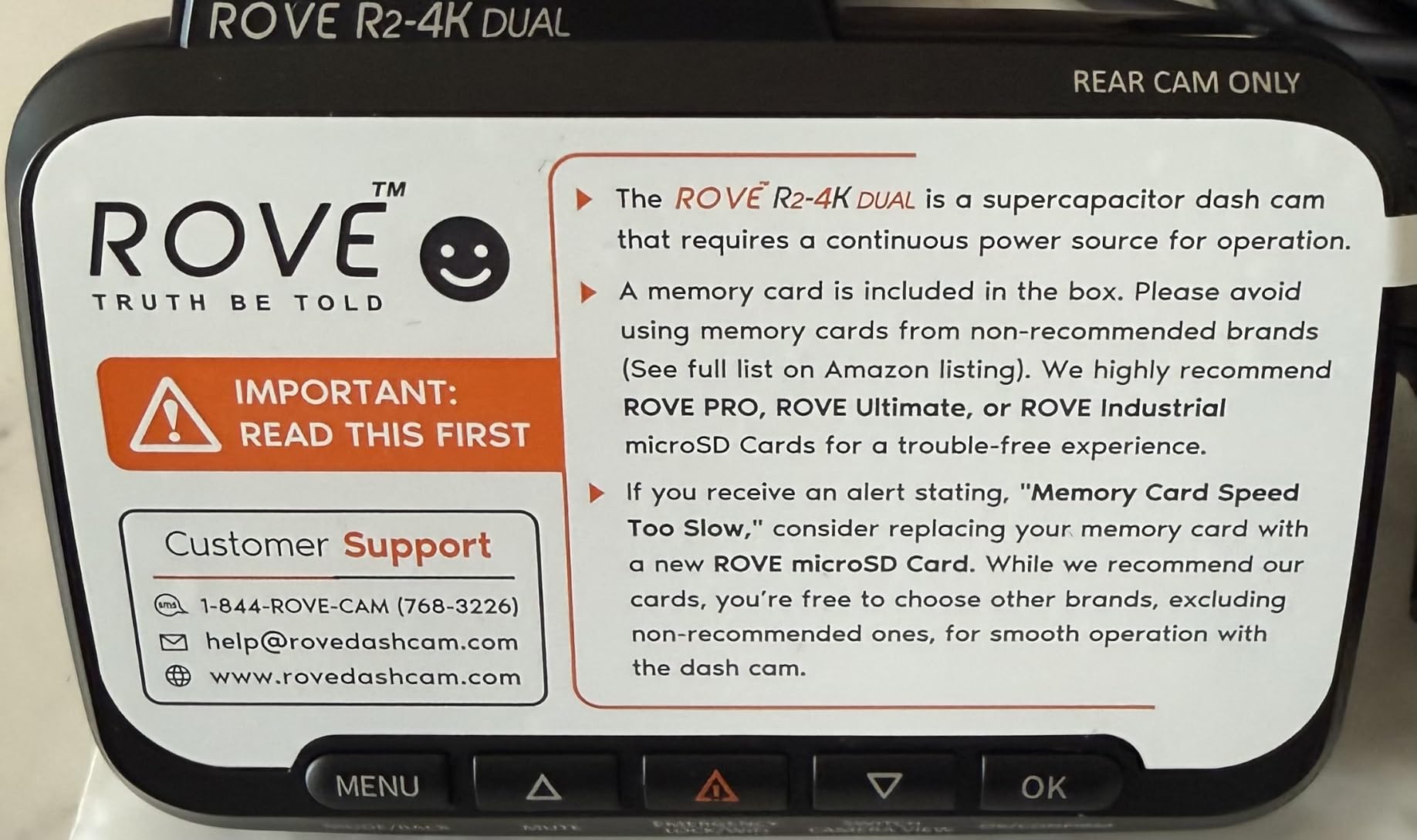
What to check before you buy it
Decide whether native resolution or label resolution matters to you. If you plan to crop and zoom into a plate number after an incident, the native 2.5K file gives you more real detail than an upscaled 4K one. If you only ever view clips on a phone, the difference shrinks to almost nothing.
Three parking modes are available, but the hardwire kit is not included. The 3-inch screen is small, so plan to do your settings work in the app over the dual-band WiFi.
Who should look elsewhere
Anyone wanting a true native 4K front sensor should look at the REDTIGER F7NP at number one or the VIOFO A229 Pro at number nine. Ridershare drivers who need the cabin recorded need a three-channel unit instead.
3. WOLFBOX G840S 12-inch Mirror Dash Cam – a Screen You Can Actually Check
WOLFBOX G840S 12″ 4K Mirror Dash Cam Backup Camera with 32GB Card and GPS
- 12-inch IPS touch mirror
- 4K front and 1080p rear
- 170 and 140 degree lenses
- External GPS antenna
Pros
- Largest display area in this roundup at 12 inches
- Clips over your existing mirror so the windshield stays clear
- Rear view shows adjustable reverse guide lines
- Support reported as responsive and solution-oriented
- 5.8GHz WiFi with an external GPS antenna
Cons
- Rear camera flares heavily from headlights at night
- On-screen file navigation is slow with no fast-forward
- App can create duplicate media library entries
- 12-inch body can clash with sun visors
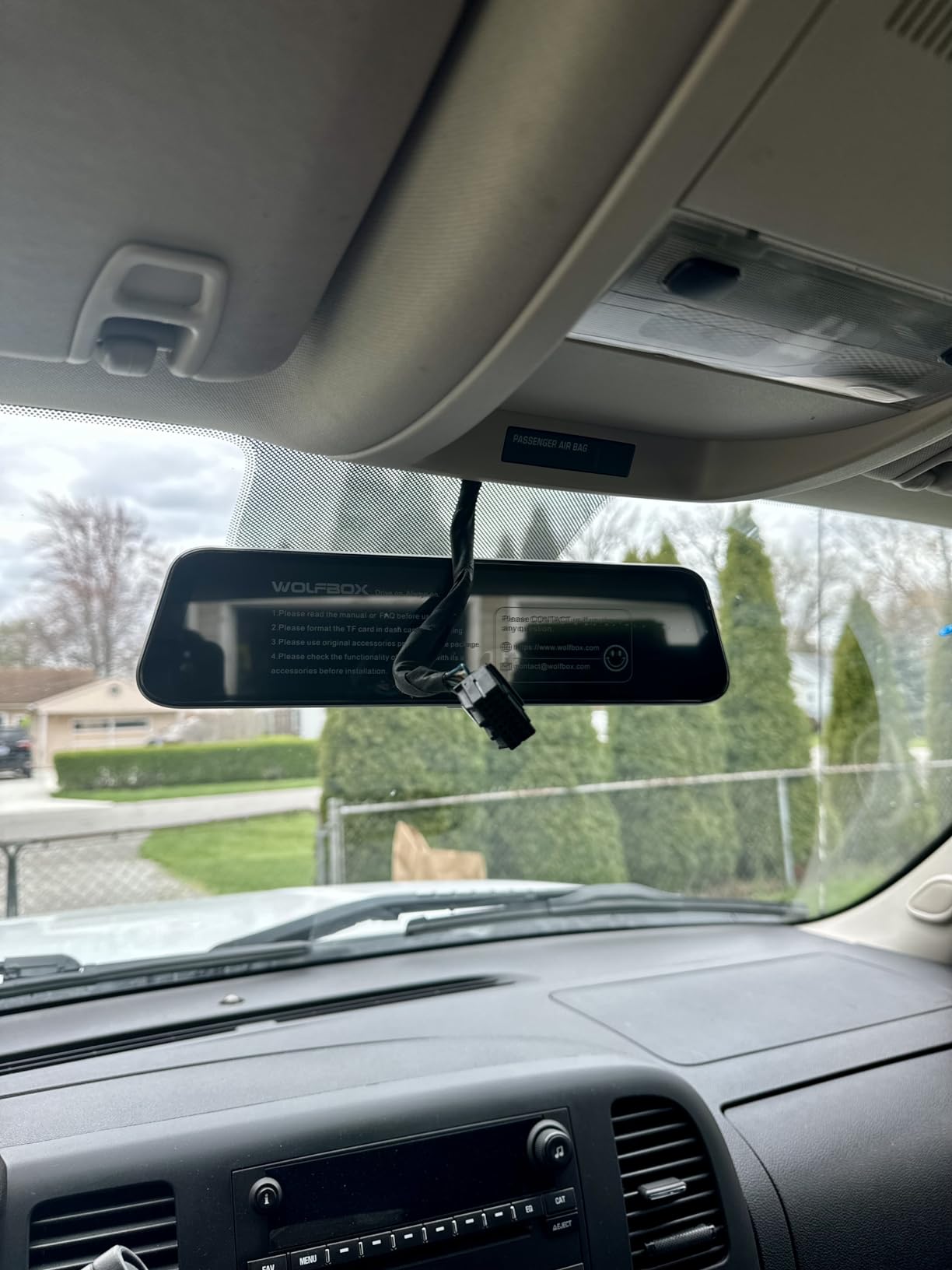
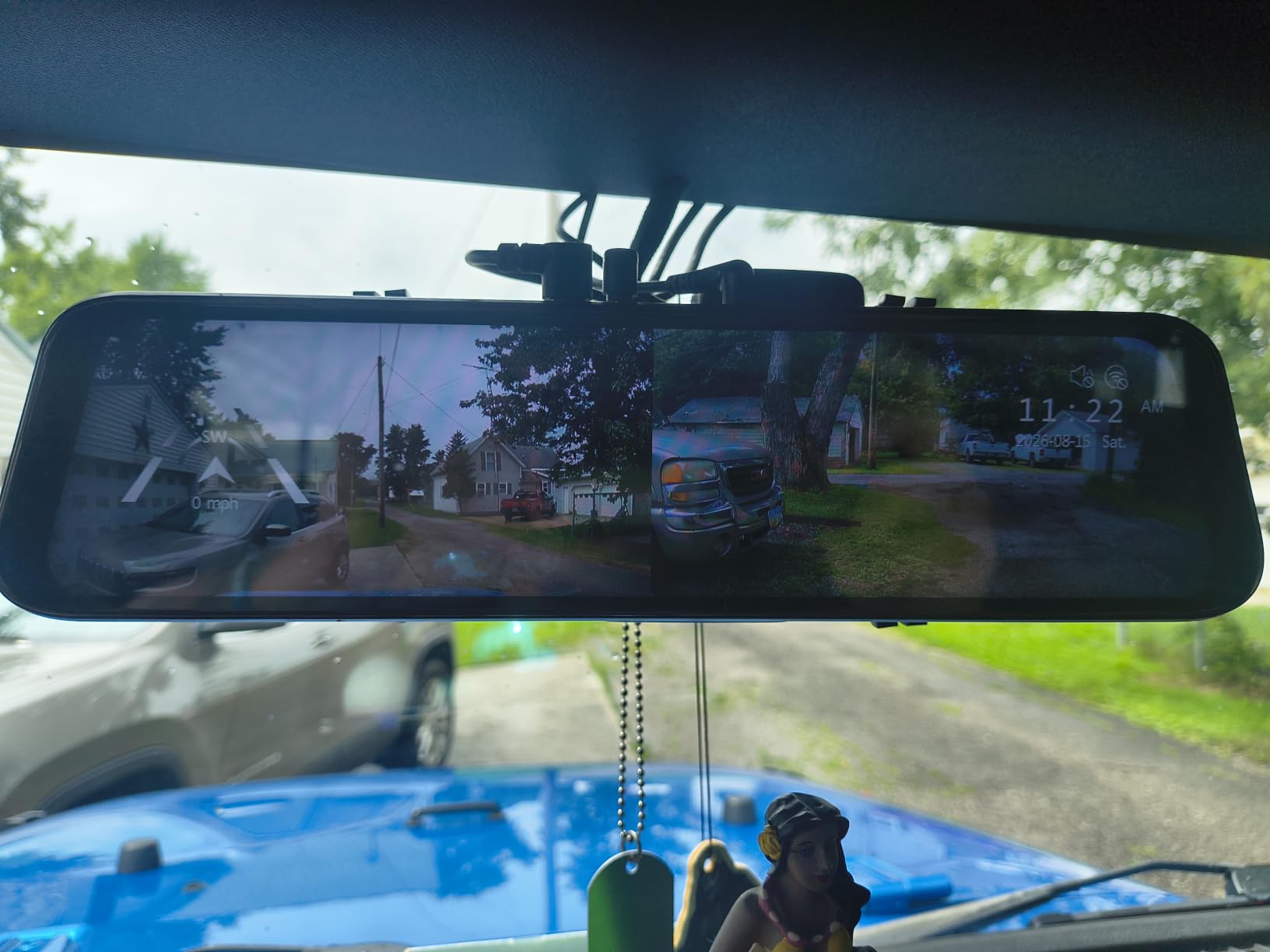
The G840S answers a question most roundups ignore. A hidden mini camera records well and then does nothing for you when you want to check the angle. A 12-inch mirror with a touch display lets you confirm framing, review a clip at the curb, and see both channels side by side without touching a phone.
The front camera records 4K UHD through a 170 degree lens and the rear records 1080p at 140 degrees. The body is a 830 gram clip-on unit that straps over your factory mirror, and it slides up and down so you can set the height. Support is one of the more commonly praised things in the owner feedback for this model.
Split-screen front and rear monitoring is the feature daily drivers mention most. When a cyclist drifts out of your blind spot at an intersection, you can scrub between the two channels instead of guessing which file to open. The low-reflectivity LCD with WDR and HDR is a sensible pairing with a screen-based design.
This is a car and truck unit, and the category placement reflects that. It sits in the in-mirror video player category rather than the compact on-dash one, which tells you the priority is display rather than concealment.
What to check before you buy it
Look at your sun visors before you order. A 12-inch body is wider than a standard mirror, and owners on certain vehicles report the visors hitting it. Measure rather than assume.
The rear channel is the weak point at night. Owners describe heavy flare from headlights behind you, so if your risk is a rear-end claim at night, put more weight on the front channel. The bundled rear cable is also short for large trucks and SUVs.
Who should look elsewhere
Anyone who wants the camera to disappear will find a 12-inch mirror conspicuous. The 10-inch WOLFBOX G930 at number eight solves visor clearance and costs less, and the Garmin Mini 3 at number eleven is the opposite extreme.
4. IIWEY N6 4-Channel 360 Degree Cam – Coverage in Every Direction
IIWEY N6 360° Dash Cam 4 Channel, Free 128GB Card, 8 IR Lights Night Vision
- Four simultaneous channels
- 2K front and rear, 1080p sides
- 8 IR lights for cabin
- 170 degree front lens
Pros
- True four-channel coverage of front rear and both sides
- Infrared lighting on the interior channels
- 128GB card included for immediate use
- 5.8GHz WiFi 6 at roughly 20MB/s
- Suction cup holds firmly in hot cabins
Cons
- No built-in battery so parking mode needs a hardwire kit
- Card reportedly needs frequent reformatting
- Timestamps can reset after a reformat
- IR imagery is not to every taste
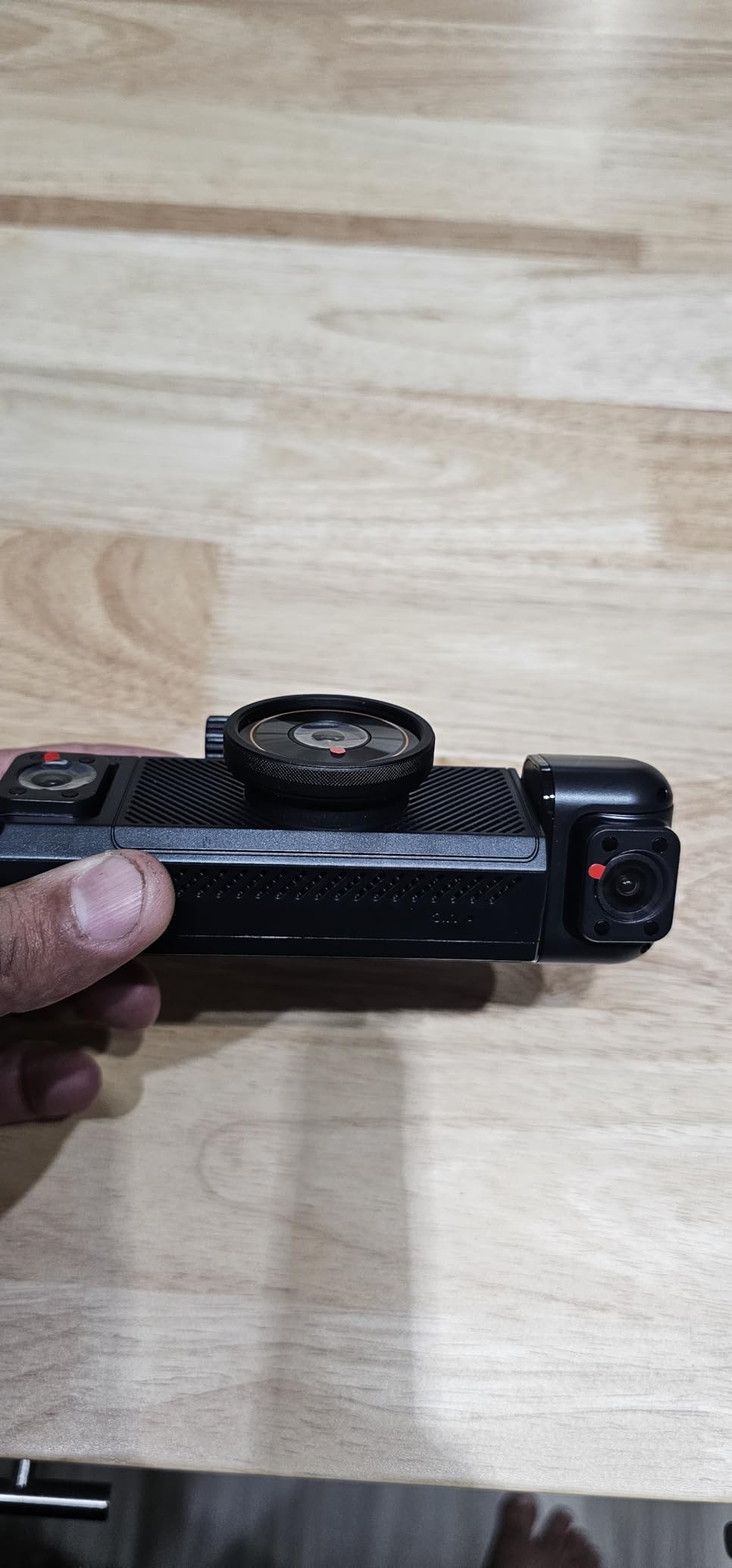
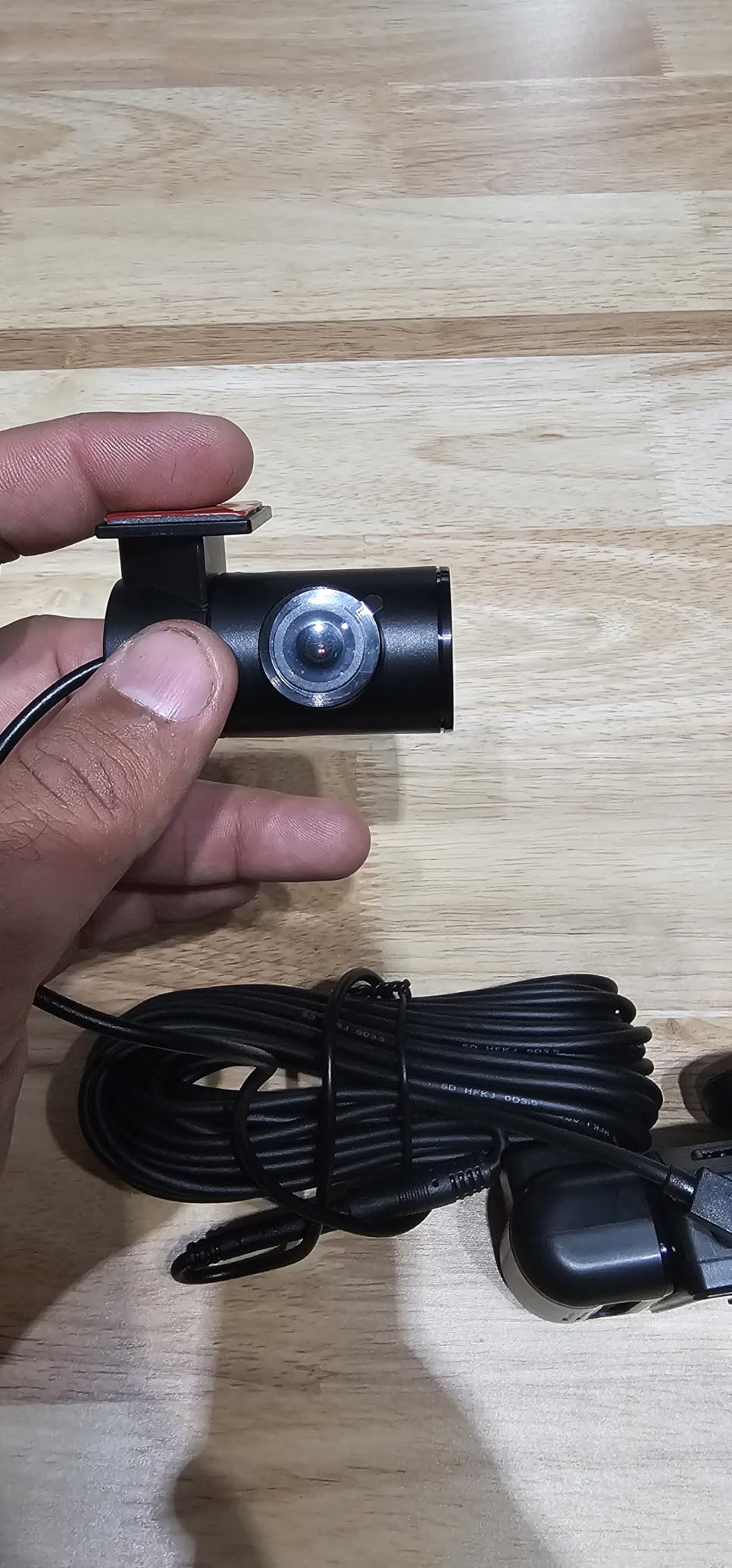
Most multi-camera systems in this roundup cover front, rear and cabin. The N6 adds two adjustable side cameras, which is the coverage profile owners in high-theft areas ask for because it catches someone walking along the passenger side. For a vehicle parked on a residential street, that is the channel that matters.
Recording runs at 2K for the front and rear and 1080p for the two side channels at 30fps, with a 170 degree field of view on the front and rear and 150 degrees on the sides. Eight infrared LEDs light the interior channels in darkness, which is what makes a cabin view usable at night rather than a black rectangle.
WiFi 6 on 5.8GHz with a 2.4GHz fallback means transfers reach roughly 20MB/s when the signal is clean. Built-in GPS logs route and speed. A 128GB card is included, which is unusual for a four-channel unit and removes the most common first-week frustration.
The parking specification is a 48-hour time-lapse mode with impact detection, which is one of the longer windows we saw. That duration is only realistic with a hardwire kit and a correctly set voltage cutoff, so treat it as a capability rather than a promise.
What to check before you buy it
This is a fully wired unit with no internal battery, so parking mode requires a hardwire kit bought separately. Four channels also fill a card quickly, and maximum supported capacity is 256GB rather than the 512GB or 1TB available on some rivals.
Owners report needing to reformat the card periodically and that timestamps sometimes reset afterwards. Set a reminder to check the date after a format, because a dash cam with a wrong clock weakens the evidentiary value of the footage.
Who should look elsewhere
If the infrared look is not for you, the REDTIGER F17 at number five records a cabin channel without IR washout at a lower channel count. Fleets that want long-term reliability may prefer the Vantrue N5S, which has a supercapacitor rated across a wider temperature range.
5. REDTIGER F17 4K 3-Channel – the Rideshare Workhorse
REDTIGER F17 4K 3CH Dash Cam, STARVIS 2 Sensor HDR, 64GB Card, 5.8GHz WiFi
- 4K front plus 1080p rear and cabin
- STARVIS 2 IMX675 with HDR
- 4 IR lights for cabin
- Both 4K and 2.5K recording layouts
Pros
- Three channels cover front rear and cabin at once
- Adjustable G-sensor sensitivity stops bump-triggered locks
- WDR and HDR handle sunrise and sunset
- Screen saver and mute options cut distraction
- 64GB card plus 18-month warranty included
Cons
- WiFi defaults to off at every power-up
- App pairing needs Bluetooth disabled on the phone
- No touchscreen and no voice control
- Supplied rear cable can be short on large SUVs
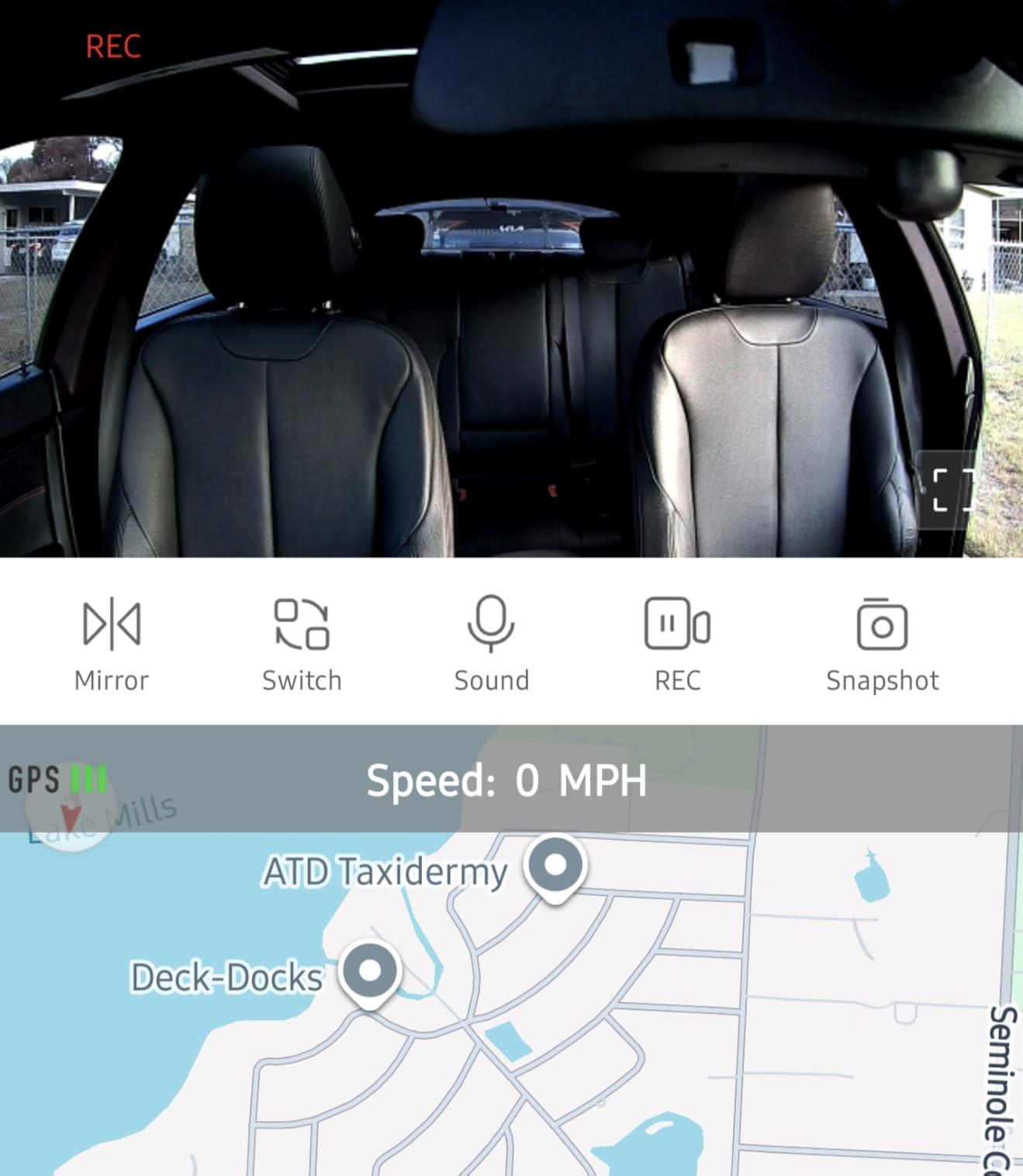
The advice that circulates in the owner community for rideshare drivers is blunt: “If you’re an uber driver, please please get the interior camera, learning the hard way.” The F17 is the most direct answer to that in this list without moving up to a four-channel system. It records 4K at the front and 1080p at both the rear and the cabin at the same time.
The sensor is a STARVIS 2 IMX675 with WDR and HDR, and the fields of view are 150 degrees at the front, 160 degrees in the cabin and 155 degrees at the rear. Four infrared lights support in-cabin night recording. You can also switch the layout to 2.5K three-channel, which is a sensible way to fit more driving hours onto a card.
One setting is worth knowing before you finish the install. The G-sensor sensitivity is adjustable, so you can stop the unit auto-locking a clip every time you cross a speed bump. On a default setting, a rideshift on rough city roads can bury the clips that matter under a long string of locked files.
The screen saver and mute options are small features with real value for someone who spends eight hours a day in the car with the unit in their sightline.
What to check before you buy it
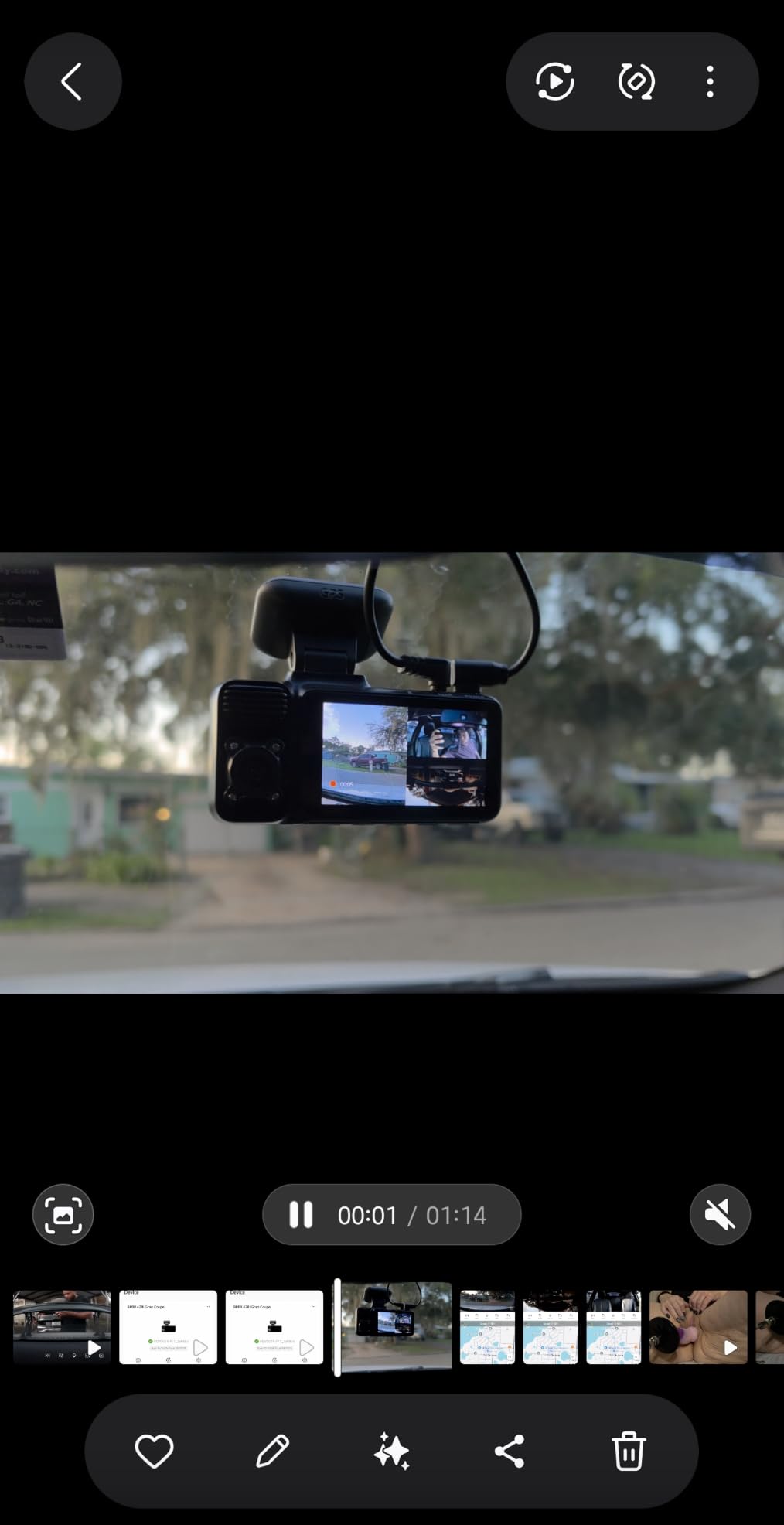
WiFi switches off at every power-up and has to be re-enabled by holding a button, and the app refuses to pair while your phone’s Bluetooth is on. Both are the most-cited annoyances in the owner feedback, and both are workarounds rather than faults.
Only 64GB is included, which fills quickly at three channels. Maximum supported capacity is not listed as high as the 1TB available on the ROVE and Vantrue units. The instructions also leave time zone and daylight saving settings unexplained.
Who should look elsewhere
If you want a touchscreen rather than buttons, the ROVE R3 at number seven is the same three-channel layout with a 3-inch IPS panel and faster transfers. If you need two side channels, the IIWEY N6 covers more ground.
6. Vantrue N5S 4-Channel 360 Degree – the Flagship Multi-Sensor Setup
Vantrue N5S 4 Channel 360 Degree 2.7K Dash Cam
- 2.7K front plus 1080p and 1440p channels
- STARVIS 2 on all four cameras
- Buffered parking with 10s pre-recording
- microSD up to 1TB
Pros
- All four cameras use STARVIS 2 sensors
- 2.5K IMX675 rear plus IMX662 cabin channel
- Buffered parking keeps 10 seconds before an event
- 1TB support gives roughly 40 hours of four-channel video
- Supercapacitor rated from -4F to 140F
- Voice control in five languages
Cons
- Most expensive camera in this roundup
- Hardwire kit mount and extended cable sold separately
- Vantrue-branded card recommendation adds cost
- Heaviest and largest install footprint of the four-channel units
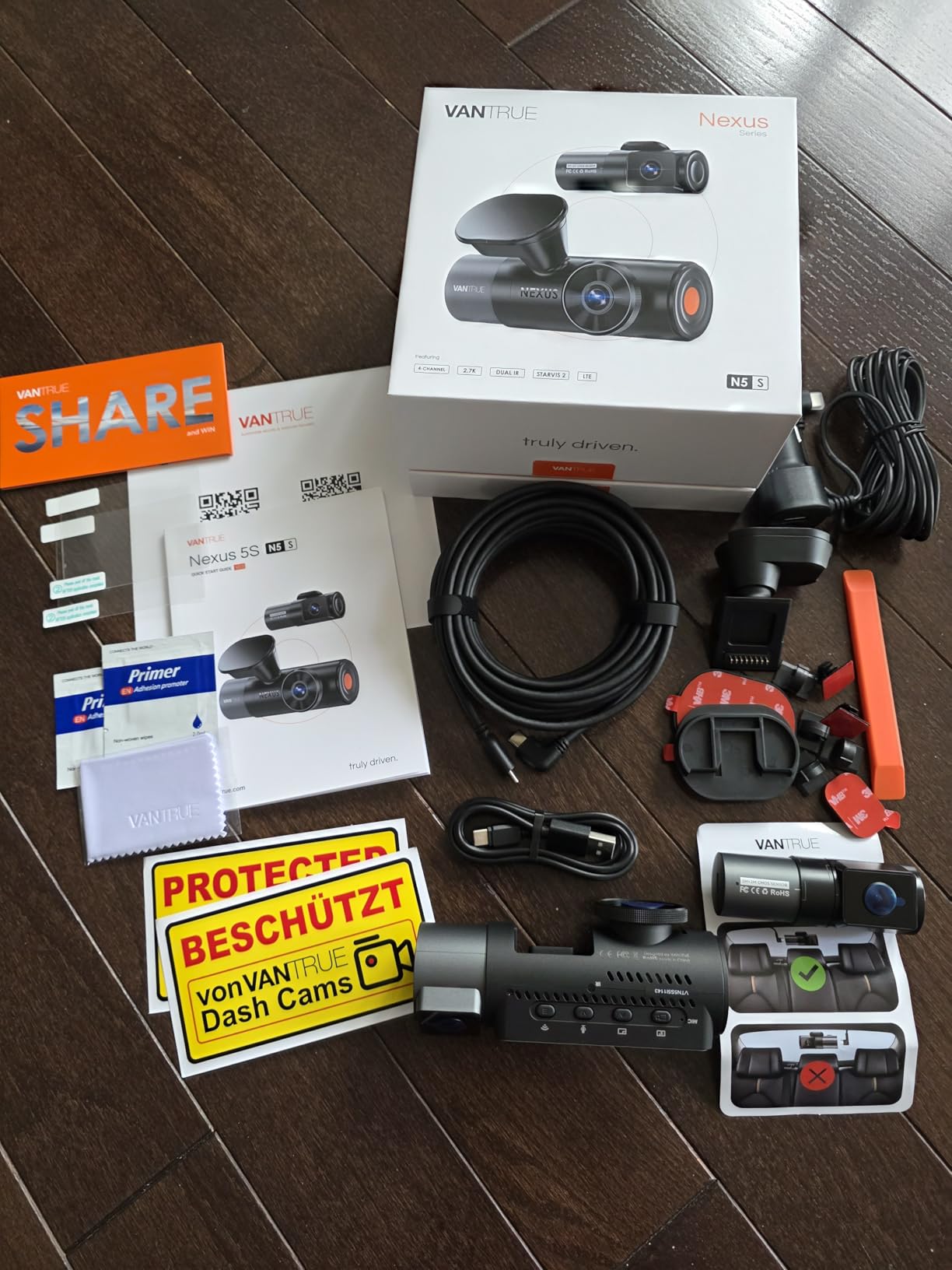
The N5S is the one to buy if you want the widest channel coverage without going to a mirror-style unit. It records 2.7K at the front and three additional channels, with a STARVIS 2 sensor behind each camera. The rear uses an IMX675 and the cabin channel an IMX662, so nothing in the frame is running on a compromised sensor.
Parking mode is buffered rather than time-lapse only, and it saves 10 seconds before the trigger. That pre-recording buffer is the difference between catching a plate and catching a car pulling away, and it is a genuinely better design for a claim you might have to make days later.
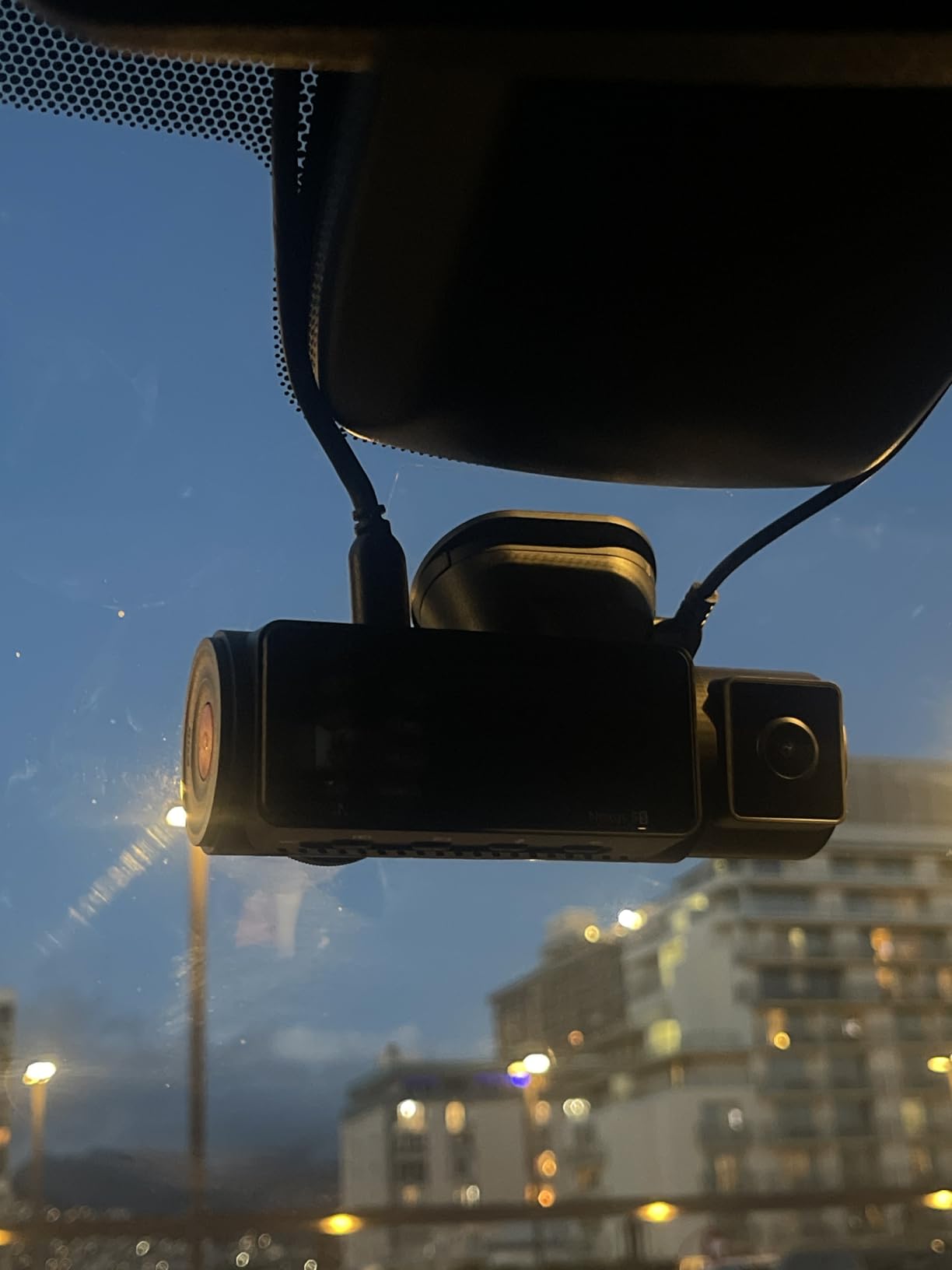
Storage is the practical strength. A 1TB card holds roughly 40 hours of four-channel video, which turns a multi-week claim window into a realistic one. The supercapacitor is rated from -4F to 140F, which is a wider envelope than most cameras here and matters for cold-climate owners.
Voice control covers five languages, and the unit is heavy at 230 grams with a large body. That footprint is the trade-off: you need a clean area of windshield and a little care with cable routing.
What to check before you buy it
This is the highest-priced camera we reviewed, and the accessories are separate. The hardwire kit, the suction mount and an extended rear cable are all bought on their own, and the brand steers buyers toward its own memory card, which adds to the total.
Its average rating sits below the ROVE R2-4K and the F7NP, mostly on value rather than image quality. If price is the deciding factor rather than channel count, the three-channel units in this list get you most of the way for noticeably less.
Who should look elsewhere
Anyone doing occasional driving does not need four channels or a 1TB card. The ROVE R3 at number seven gives you front, cabin and rear with a touchscreen and faster app transfers for considerably less.
7. ROVE R3 3-Channel Dash Cam – the Fastest App Transfers Here
ROVE R3 3 Channel Dash Cam Front and Rear with Cabin, 3in IPS Touch Screen
- 3-inch IPS touchscreen
- 1440p front plus 1080p cabin and rear
- 5.8GHz WiFi at up to 30MB/s
- Quad-mode GPS
Pros
- Touchscreen with a single power button is easy to operate
- WiFi transfers up to 30MB/s the fastest in this roundup
- Quad-mode GPS locks quickly and stamps speed
- Four hidden IR LEDs light the cabin channel
- Support reported to ship replacement units quickly
Cons
- No memory card included
- Update the firmware out of the box to fix early bugs
- Rear camera is not waterproof and must stay inside the car
- App WiFi pairing can be slow
- Some owners reformat cards or see shutdowns
The R3 is the most pleasant unit here to configure. A 3-inch IPS touchscreen with one power button replaces the menu-hunting that button-driven dash cams force on you, and it is the first thing owners mention as a reason they stopped fighting their camera.
It records 1440p at the front alongside 1080p cabin and 1080p rear channels at 30fps. The headline number is transfer speed: 5.8GHz WiFi at up to 30MB/s makes this the fastest app workflow of the twelve, which matters if you review footage on your phone rather than on a computer.
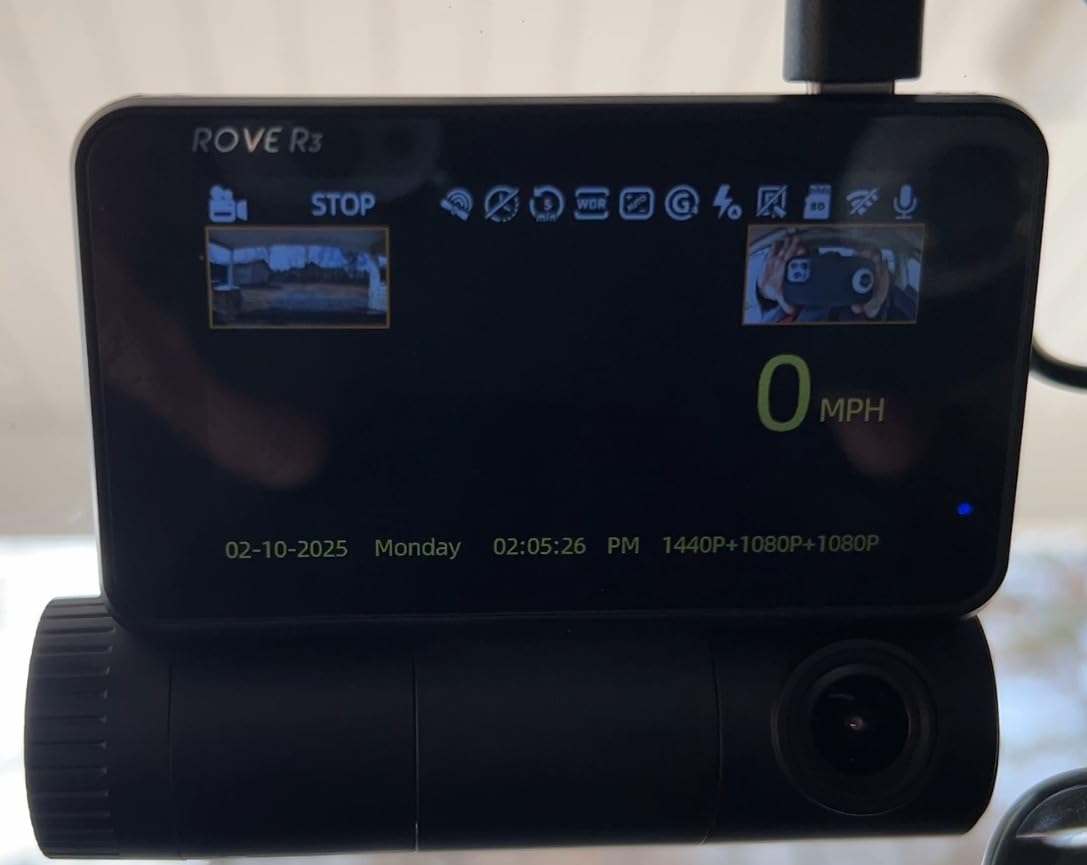
Four hidden infrared LEDs sit around the cabin lens so the interior view is usable after dark without the washed-out look of a strong IR emitter. Quad-mode GPS acquires quickly and stamps speed, compass and route onto the video, which is exactly the metadata an insurer or police report benefits from.
Supercapacitor power and over-the-air firmware updates round out a solid feature set for a three-channel system.
What to check before you buy it
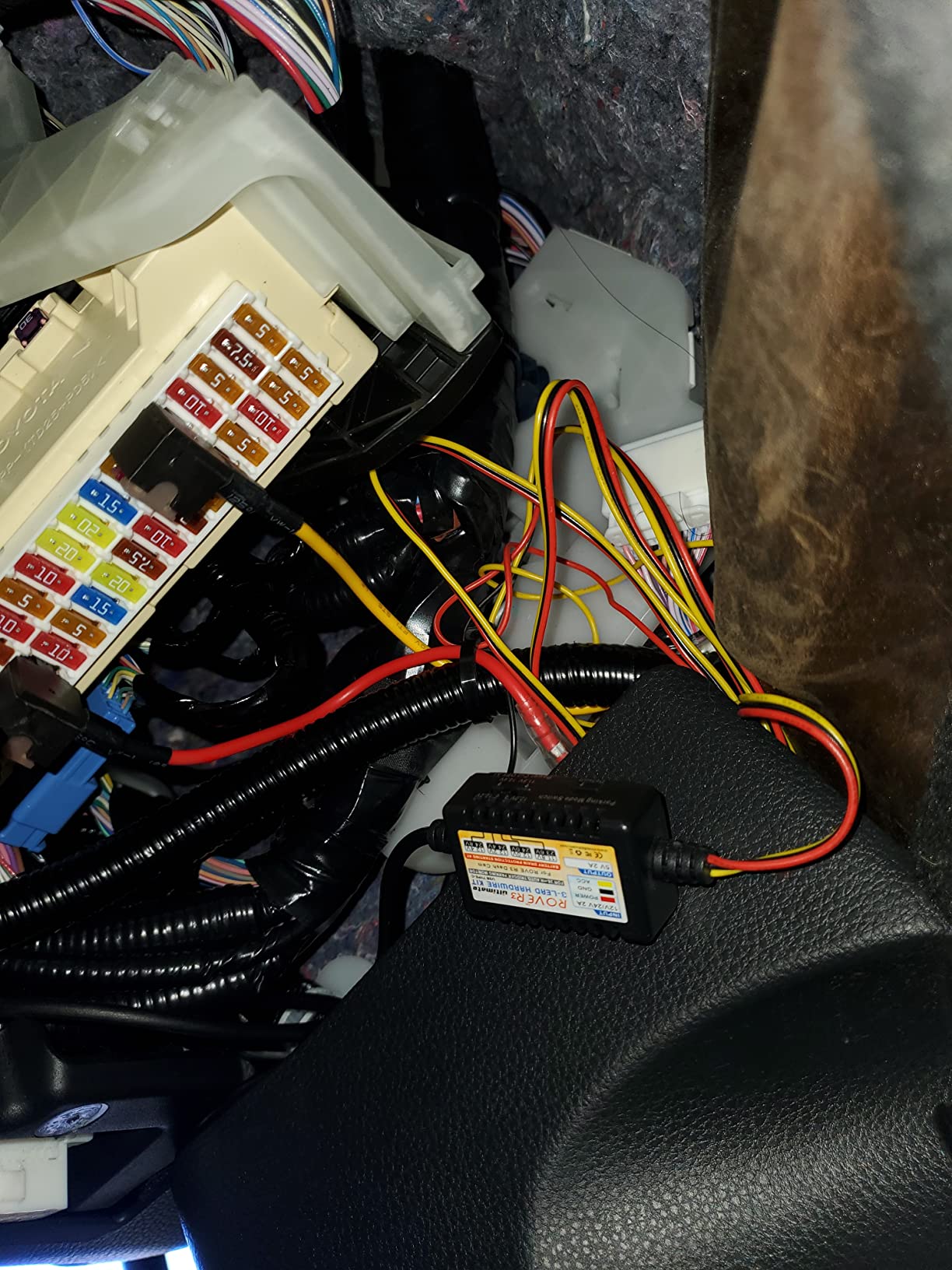
No card is included, so add a high-endurance microSD to your order from the start. Owners also advise running the firmware update immediately, because early units had bugs that the update resolved.
The rear camera is not waterproof and has to be mounted inside the vehicle, which rules it out for truck-bed or exterior mounting. App WiFi can be slow or fail to pair, and a few owners report needing to reformat cards or dealing with the occasional shutdown.
Who should look elsewhere
If you need a rear camera that can survive an exterior mount, or you want two side channels for parking protection, look at the Vantrue N5S. Budget buyers who want the same three-channel layout with a card in the box can consider the REDTIGER F17.
8. WOLFBOX G930 10-inch Mirror – the Compact Mirror Option
WOLFBOX G930 10” 4K Rear View Mirror Camera with 64GB Card,5.8GHz WiFi
- 10-inch touch mirror display
- 4K front and 1080p rear
- 64GB card included
- GPS speed and direction
Pros
- 10-inch size fits vehicles with sun visor clearance problems
- 4K front and 1080p rear with WDR and 6-glass lens
- 64GB card covers roughly six hours of dual-channel video
- Swipe between front rear and split-screen views
- Buyers frequently praise support and free replacements
Cons
- No anti-glare coating so daylight glare is pronounced
- Rear camera flares badly behind you at night
- Bundled 20ft cable is short for trucks
- G-sensor default puts a lock icon on the display
- Included card can cause playback artifacts
The G930 exists because the 12-inch mirror has a problem: it does not fit everywhere. At 10 inches and 9.66 inch diagonal, this model clears sun visors in vehicles where a larger body does not, and owners single out Jeep fitment as a reason they bought it.
The cameras are a 4K front and 1080p rear with WDR and a 6-glass lens. A 64GB card is included, which owners estimate covers roughly six hours of dual-channel video before looping. The sliding and swiping display control lets you move between front, rear and split-screen without menus.
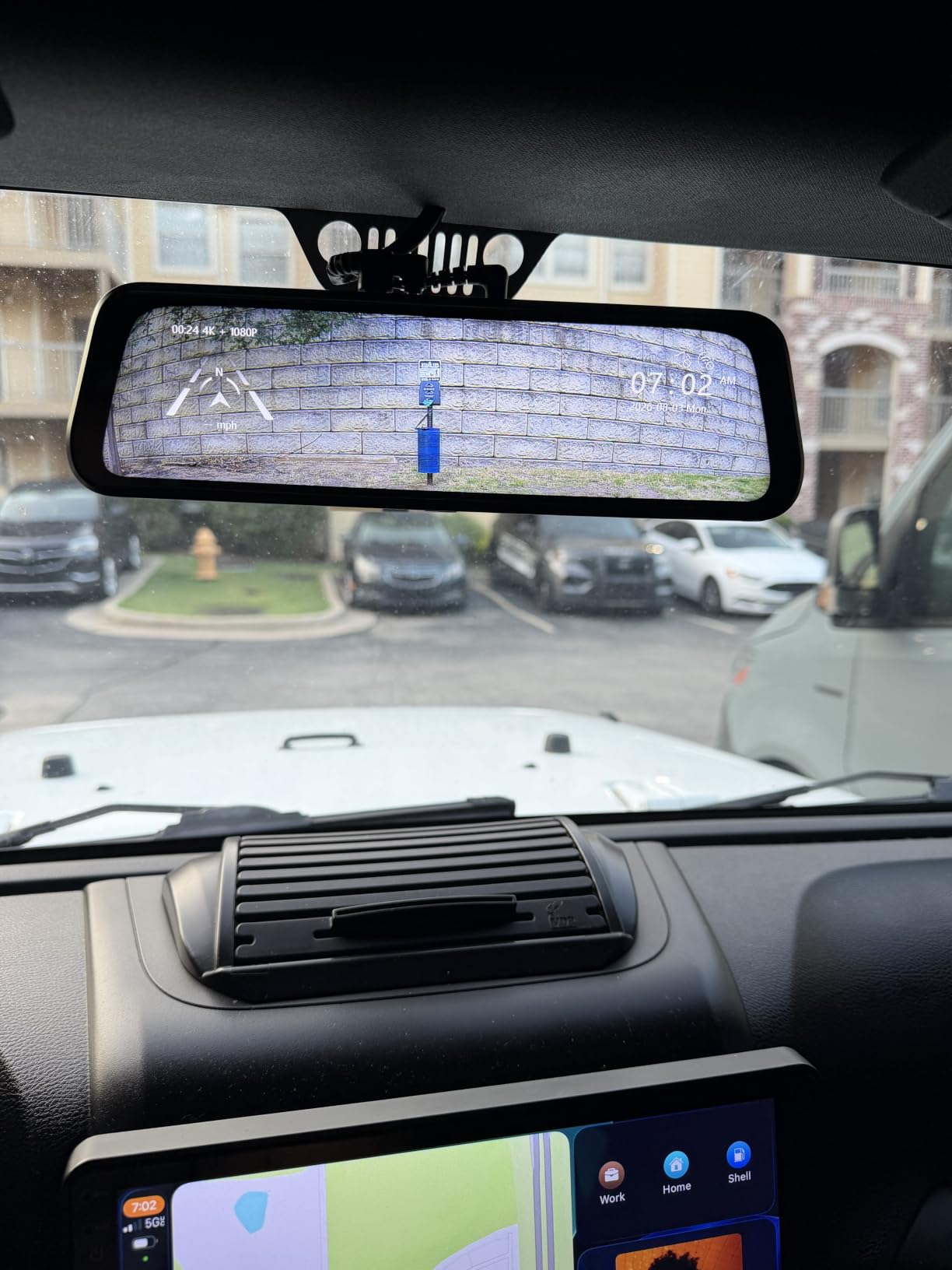
A built-in GPS antenna shows real-time speed and direction, and the low-reflectivity LCD is a sensible match to the display-forward design. Support quality comes up repeatedly in the owner feedback, including reports of free replacement units.
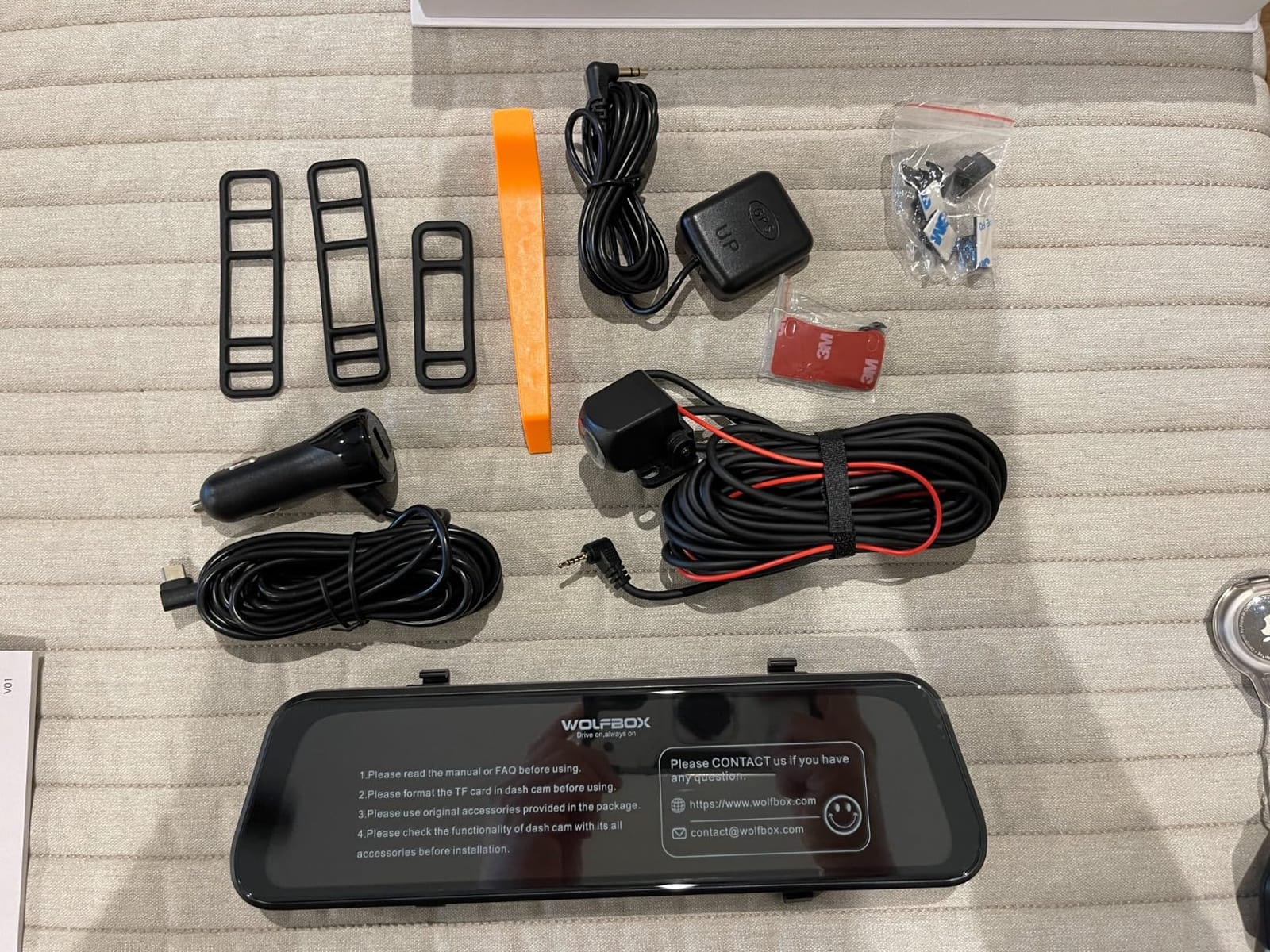
This is the mirror-style option to pick if you want the screen and the 4K front sensor without paying for the largest display on the market.
What to check before you buy it
There is no anti-glare coating on the mirror surface, so daytime glare is the most common complaint. If you drive toward low sun, this is worth weighing heavily.
The rear camera flares badly behind you at night and dims in bright conditions, and the bundled 20 foot cable is too short for many trucks when routed properly. The default G-sensor sensitivity also stamps a lock icon over the display, and the included card can produce playback artifacts, so bring your own high-endurance card if you can.
Who should look elsewhere
If you want the mirror gone entirely, the Garmin Mini 3 mounts almost invisibly. If you want a cabin channel instead of a rear one, the Vantrue N2X covers front and inside with no rear cable to route.
9. VIOFO A229 Pro 4K Front and Rear – Native 4K with a CPL Filter
VIOFO A229 Pro 4K HDR Dash Cam Front and Rear, Dual STARVIS 2 Sensors
- Native 4K IMX678 front and 2K rear
- Dual STARVIS 2 sensors
- CPL filter pre-fitted
- Buffered parking mode
Pros
- Only two-channel unit here with true native 4K front
- CPL anti-glare filter cuts windshield reflections
- Buffered mode stores 15 seconds before and 30 after
- Quad-mode GPS covers four satellite systems
- 12 voice commands plus spoken status
- Supercapacitor rated from 5F to 149F
Cons
- No microSD card included
- Hardwire kit not included
- Small 2.4 inch screen
- Sticker-based mount rather than a suction cup
The A229 Pro is the enthusiast pick in this roundup, and the reason is the sensor pair. The front uses an IMX678 for native 4K 2160p and the rear an IMX675 for 2K 1440p, both STARVIS 2, both with HDR. No upscaling anywhere in the chain, which is the opposite of what we found on the ROVE R2-4K.
The CPL anti-glare filter arrives pre-fitted to the front lens. That single accessory does more for daytime plate readability across a windshield than any software setting we have seen, and it is the detail that separates this camera from cheaper units in the same class.
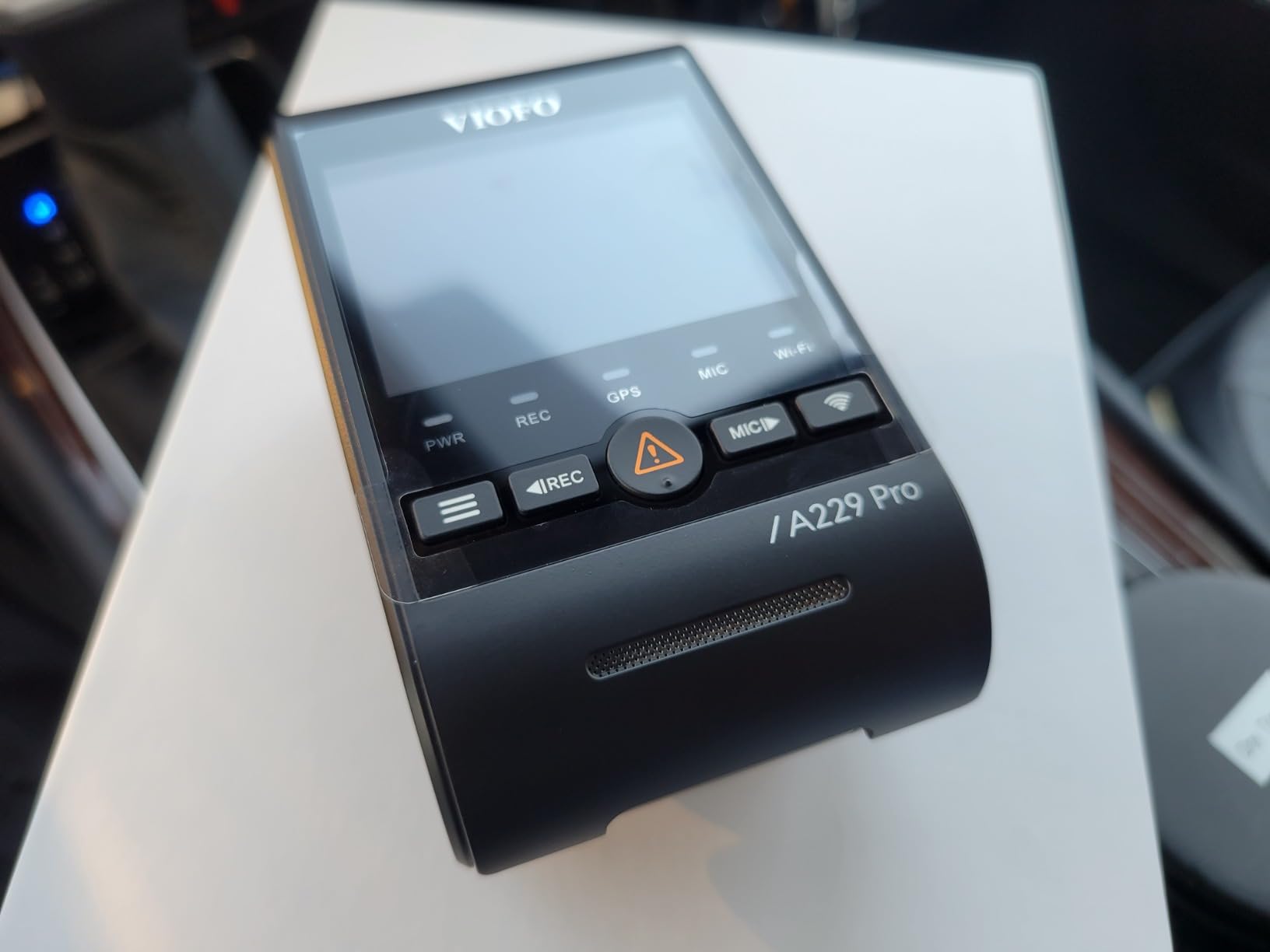
Buffered parking mode stores 15 seconds before and 30 seconds after an event, which is the longest pre-event buffer in this list. Quad-mode GPS covers GPS, BEIDOU, GALILEO and GLONASS, and 12 voice commands handle start, stop and lock operations without touching the unit.
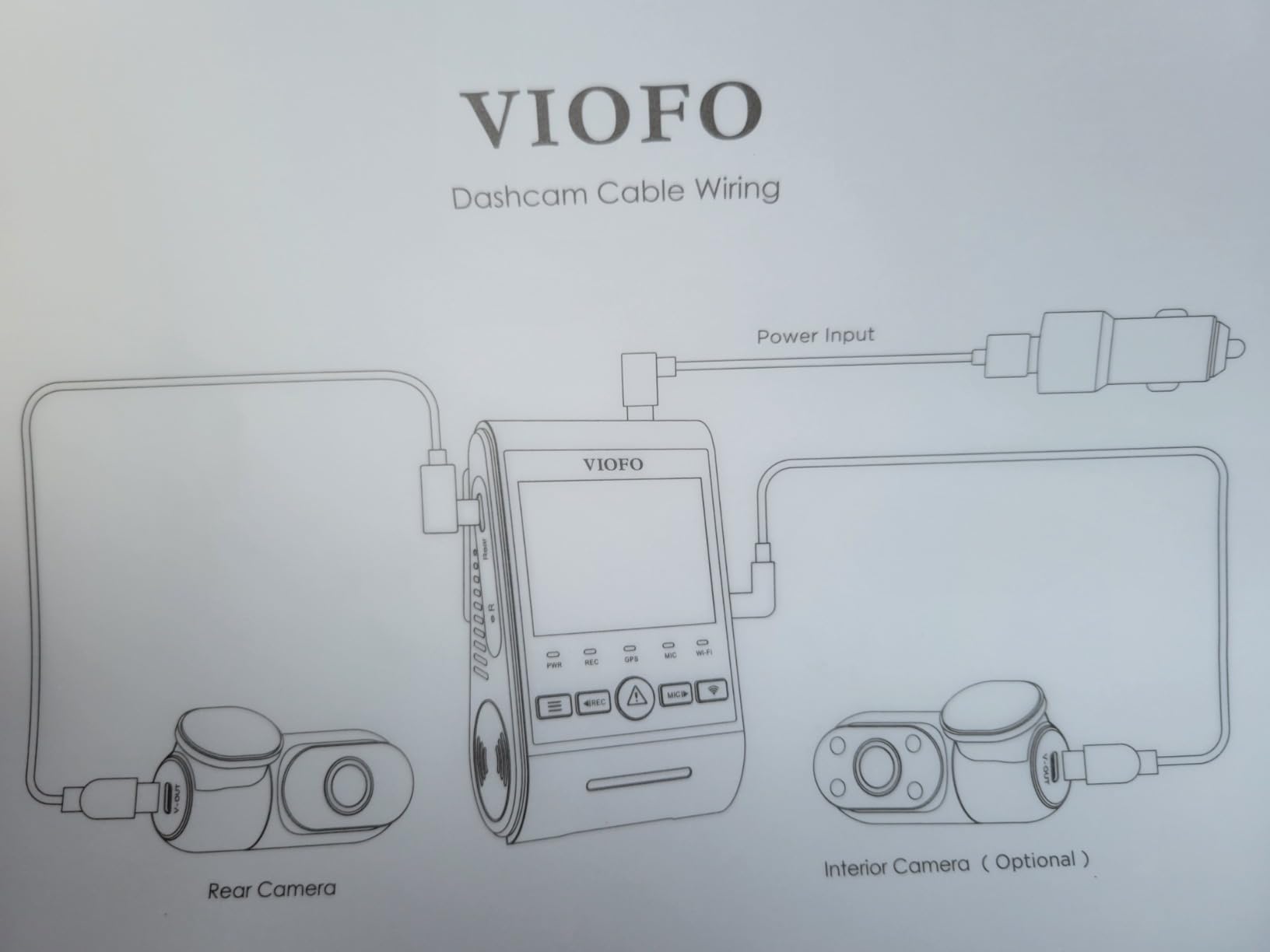
The 6 meter rear cable is longer than the bundle on most rivals, with 8 and 10 meter options if your vehicle needs it. The warranty is 18 months with a further 6 months on registration, plus lifetime technical support.
What to check before you buy it
Neither a memory card nor a hardwire kit is included, so budget for both. The 2.4 inch screen is the smallest here, and the mount is a static windshield sticker rather than a suction cup, which means repositioning means peeling and reapplying.
Brand support is the real question here. One r/Dashcam owner who recommended this brand wrote that “their units have been glitchy and the customer service makes you want to tear your hair out.” That is a single owner’s experience, not a measured fault rate, but it is worth factoring in if you want a warranty you can lean on.
Who should look elsewhere
If you want the resolution without the support risk, the REDTIGER F7NP is a native 4K front with far more owner history behind it. If you want a touchscreen, the ROVE R3 is easier to live with daily.
10. Vantrue N2X Front and Inside – No Rear Wiring Needed
Vantrue N2X 2.7K Dash Cam Front and Inside, STARVIS 2 PlatePix Car Camera
- 1944p front plus 1080p cabin
- STARVIS 2 IMX675 with dual HDR
- Front also records 1440p at 60fps
- Magnetic tool-free mount
Pros
- Front and inside dual recording with no rear cable
- Front camera records 1440p at 60fps for smoother footage
- Four IR LEDs and a 45 degree rotatable cabin lens
- Tool-free magnetic mount makes repositioning easy
- Voice control and 5G WiFi with GPS
Cons
- Needs a 12V DC source so USB ports will not power it
- App downloads can disconnect over WiFi
- Audio has noticeable static and weak in-cabin voices
- Parking mode needs a separate hardwire kit
The N2X solves one specific problem very well: covering the cabin without running a cable to the back of the car. If you drive rideshare, teach a new driver, or simply want to see what is happening behind you after a tap on a cross-traffic camera, front and inside is the coverage that earns its keep.
The front records 1944p alongside a 1080p interior channel, and the front can also drop to 1440p at 60fps when you want smoother footage of fast movement. The STARVIS 2 IMX675 sensor with dual HDR is the same low-light performer Vantrue uses in its higher-tier units, with a 158 degree front field of view and 165 degrees inside.
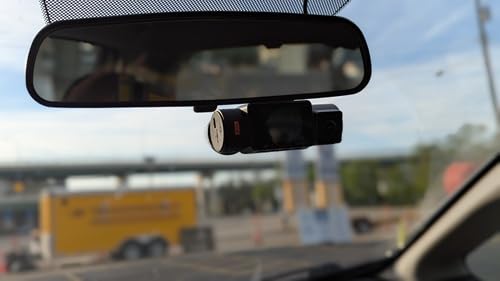
Four infrared LEDs and a 45 degree rotatable cabin lens let you aim the interior camera at the driver, the rear seat, or the door. The magnetic mount is tool-free, so pulling the unit for a road trip or repositioning it takes seconds and leaves no adhesive mark.
That installation simplicity is the quiet win. There is no rear wiring, no second mount to place, and the supercapacitor is rated from -4F to 158F for hot and cold climates.
What to check before you buy it
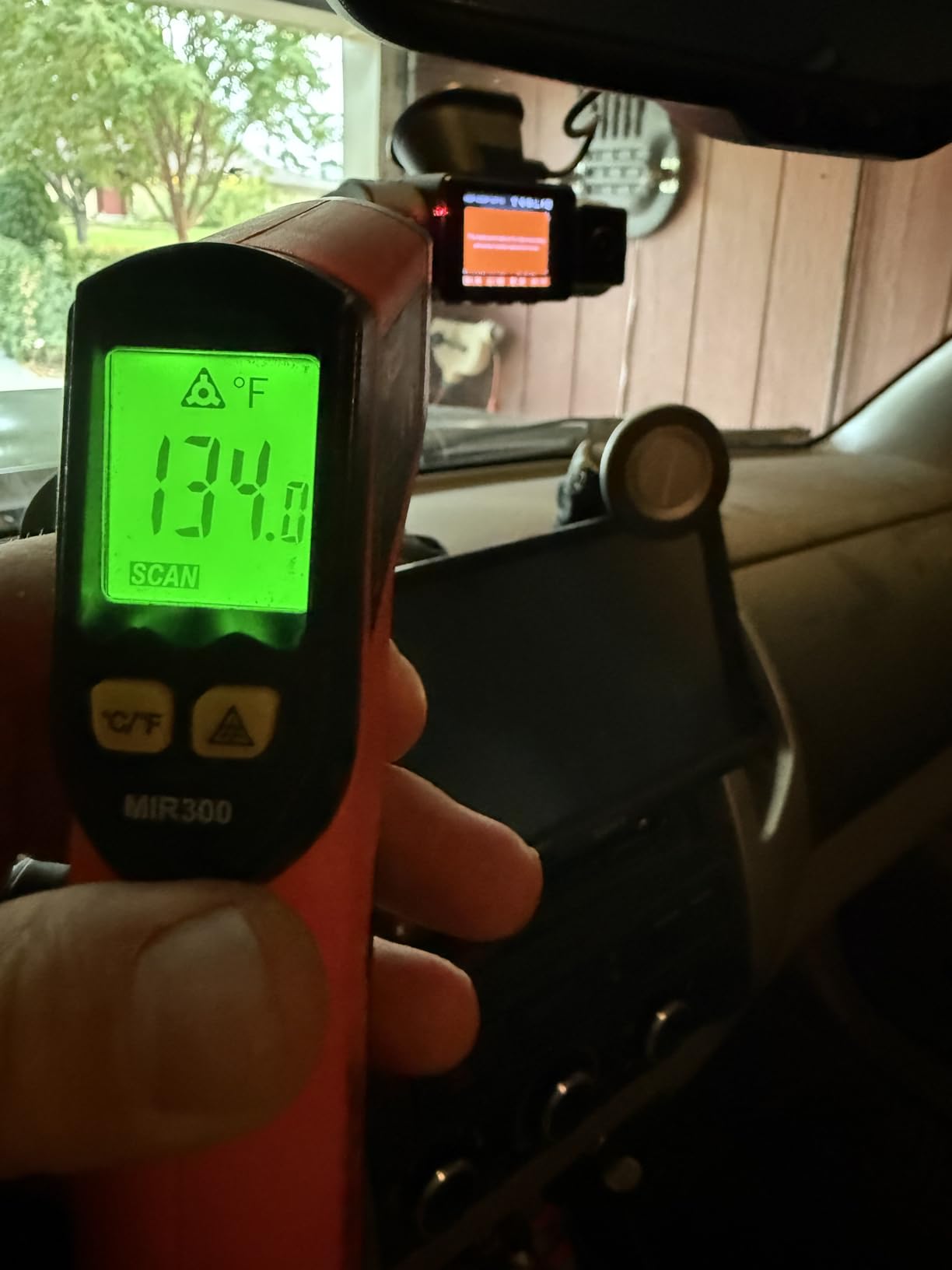
Power is the main constraint. It needs a 12V DC source, so USB ports will not run it and you are relying on the cigarette lighter or a hardwire kit. It also runs warm and draws power when parked unless it is hardwired.
Audio quality is the other limitation. Owners report noticeable static and weak in-cabin voices, which matters if you are recording passenger conversations. App downloads can also drop over WiFi.
Who should look elsewhere
Anyone who needs the rear window covered wants a two-channel or three-channel unit instead. The ROVE R3 records front, cabin and rear with a touchscreen and faster app transfers, and the REDTIGER F17 does the same three-channel layout with a card included.
11. Garmin Dash Cam Mini 3 – the One Nobody Notices
Garmin Dash Cam™ Mini 3, Ultracompact 1080p HD Dash Cam
- Key-sized 1080p body at 1.1 ounces
- 140 degree field of view
- Built-in Clarity polarizer
- Voice control in six languages
Pros
- Key-sized body mounts almost invisibly
- Built-in polarizer reduces windshield glare
- Voice control for saving clips in six languages
- App syncs clips from up to four Garmin cameras
- Designed for direct sunlight and hot interiors
Cons
- Live view parking guard and remote access need a paid Vault subscription
- 1080p only with no rear camera in this unit
- No built-in screen for reviewing footage
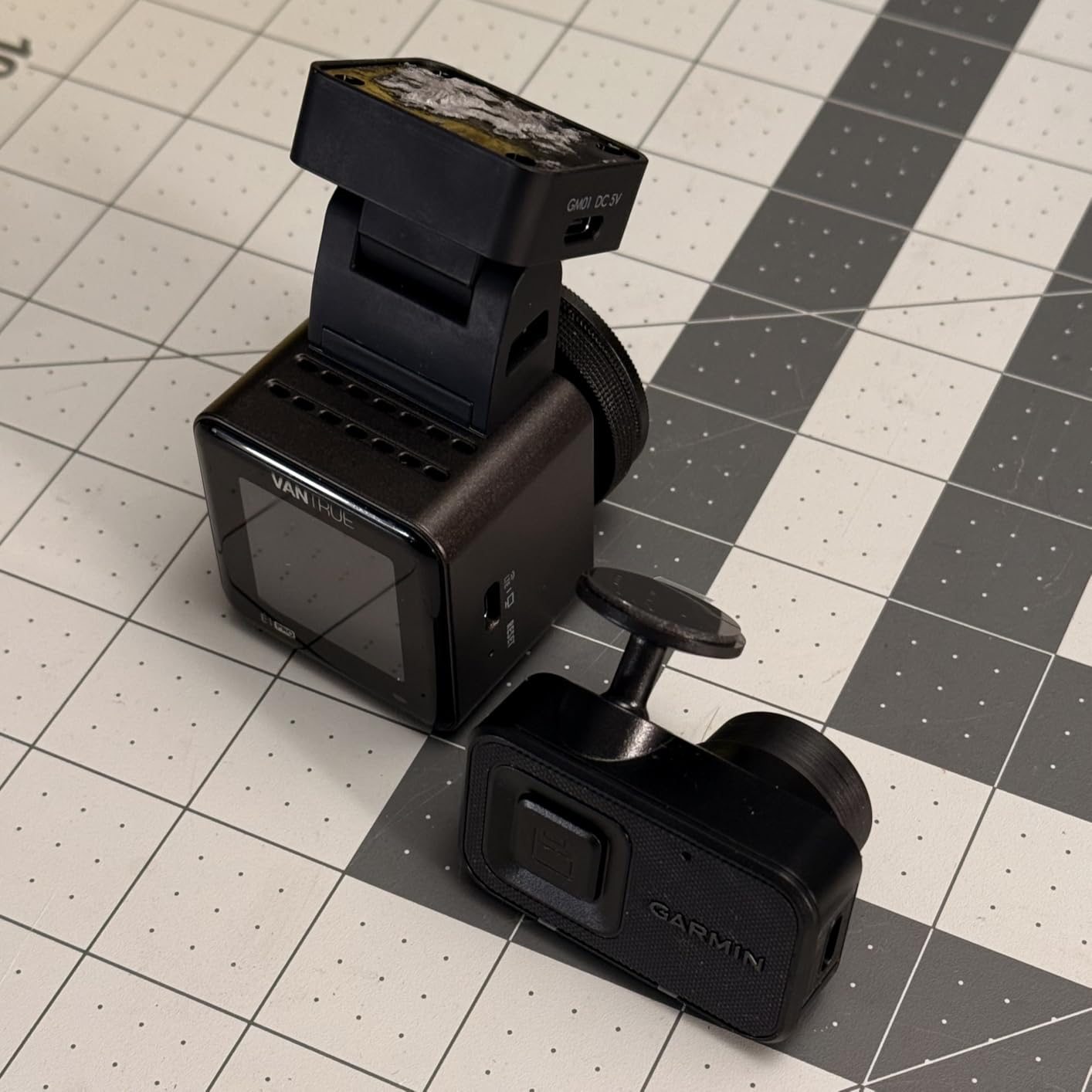
Sometimes the right dash cam is the one nobody can see. The Mini 3 weighs 1.1 ounces and measures 2 by 0.8 by 1.3 inches, which is about the size of a key fob. On a windshield it reads as a small accessory rather than a camera, and that matters if you share a vehicle, dislike a visible mount, or want nothing blocking the view out.
The image quality is 1080p at 24fps through a 140 degree field of view, which is not where this camera wins. The built-in Garmin Clarity polarizer is the reason it is on the list at all, because it reduces the windshield reflections that make cheap footage look washed out in daylight.
Voice control handles saving clips and toggling audio in six languages, and the app can pull synchronized video from up to four Garmin cameras at once. If you eventually want rear coverage, that multi-cam sync is the feature that makes a second Mini a sensible addition rather than a separate project.
Automatic incident detection saves clips with the date and time already attached, and the design is built to sit in direct sunlight.
What to check before you buy it
Read the feature list carefully before you assume parking coverage. Parking guard, live view and remote access all require a paid Garmin Vault subscription, which is the model most owner complaints centre on. Continuous driving recording needs no subscription.
There is no rear camera in this unit and no built-in screen, so reviewing footage means the app every time. 1080p is also the lowest resolution here.
Who should look elsewhere
If your priority is evidence quality rather than concealment, 1080p will not resolve a plate at distance. For claims and night plate reading, the VIOFO A229 Pro or REDTIGER F7NP are the right tier.
12. Affver A4 Front and Rear – the Lowest-Cost 4K Front and Rear Kit
Affver 4K+2.5K Dash Cam Front and Rear, Built-in 5G WiFi 6 GPS Dual Dashcam
- 4K front plus 2.5K rear
- 3.59-inch IPS screen
- 5GHz WiFi 6 and GPS
- F1.5 aperture with 6-layer lens
Pros
- Lowest-cost kit here with genuine 4K front and 2.5K rear
- 3.59-inch IPS screen is larger than most rivals at this tier
- 64GB card and installation tools included
- Built-in GPS logs route speed and coordinates
- F1.5 aperture with 6-layer lens and WDR
Cons
- Cigarette-lighter power means parking mode can drain the car battery
- 10MB/s transfers are slower than 20-30MB/s rivals
- Max card capacity is 256GB below premium units
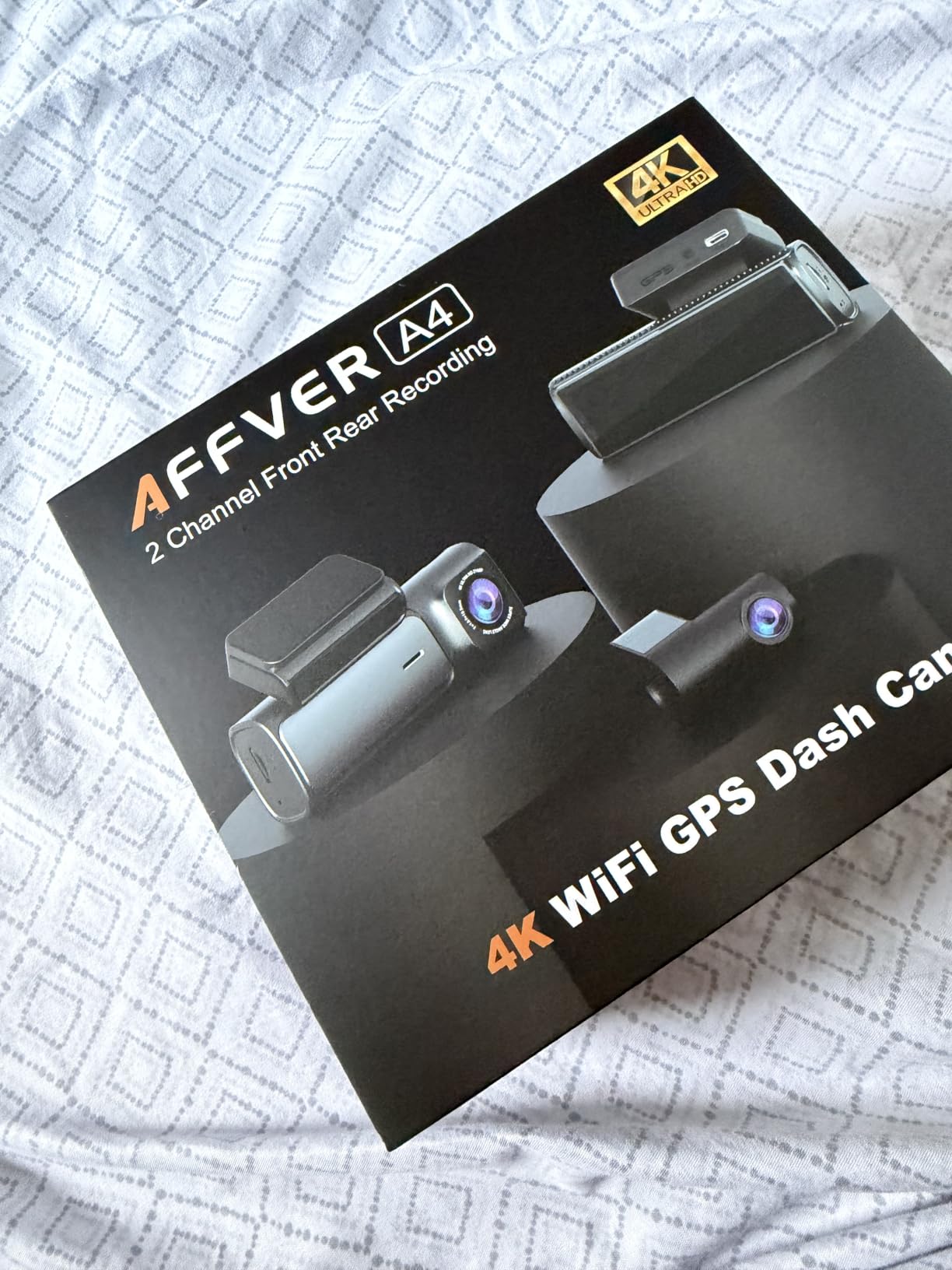
The A4 exists to make front and rear 4K-class coverage available at the bottom of the market. It records 4K at 30fps through a 160 degree front lens and 2.5K at 25fps through a 155 degree rear lens, with F1.5 apertures, 6-layer lenses and WDR for low light.
Two details separate it from the very cheapest kits. The 3.59 inch IPS screen is larger than most competitors manage at this level, and a 64GB card plus the mounting tools are in the box. Built-in GPS logs route, speed and coordinates, which many budget units leave out entirely.
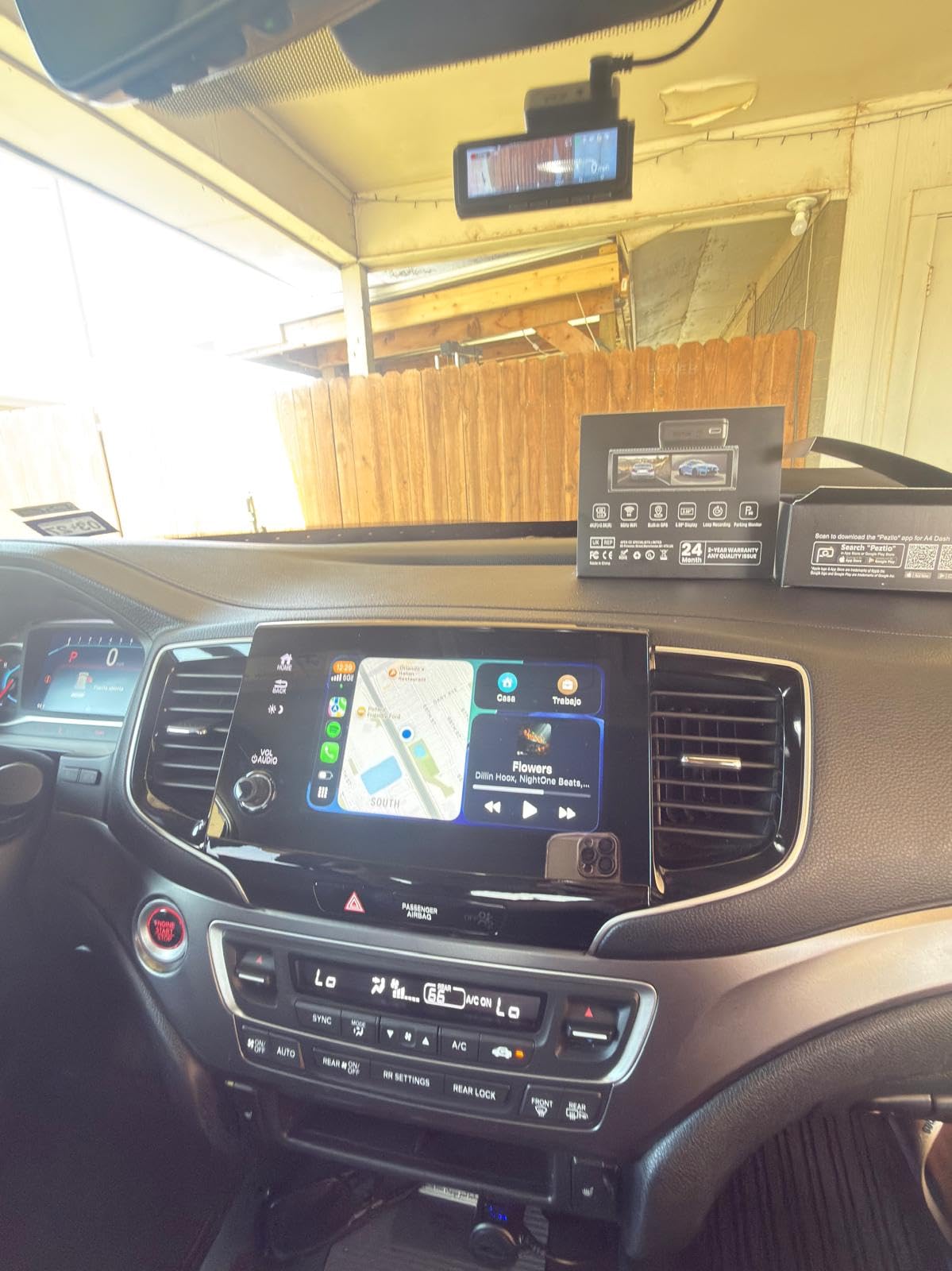
The warranty is 24 months, longer than most of the list, and a dual-USB car charger is included. A low-profile body keeps it out of the driver’s sightline without resorting to the key-sized approach of the Mini 3.
WiFi 6 on 5GHz with app control reaches about 10MB/s, which is quick enough to pull a clip to your phone at the kerb.
What to check before you buy it
Power is the real caution. It runs from the cigarette lighter, so leaving parking mode enabled on a socket can drain the vehicle battery over a long stop. Set a short parking window or hardwire it with a kit that has a voltage cutoff.
Transfer speed is the slowest here at 10MB/s, and maximum card capacity is 256GB, below the 512GB and 1TB limits of the premium units. That storage ceiling is the most likely reason you would outgrow this camera.
Who should look elsewhere
If you plan to run parking mode for days, buy a hardwire kit and consider a supercapacitor model such as the REDTIGER F7NP. If you need a cabin channel, the ROVE R3 or REDTIGER F17 cover it with better transfer speeds.
How to Choose a Dash Cam: Coverage First, Then Power, Then Sensor
Pick the channel layout before you pick a brand. Everything else in this guide is secondary to matching the camera to what actually happens on your drives, and a two-channel model with a good sensor will beat a four-channel model with poor ones every time.
Front-only, front and rear, or three-channel
Front-only suits a second car, a learner driver, or anyone who mainly wants a record of what is ahead. It is the cheapest way to get a dash cam in the car this month, and the Garmin Mini 3 is the cleanest example.
Front and rear is the sensible default for an insurance-driven purchase. Rear-end and cross-traffic claims are the most common disputes, and they can only be settled with footage of the back of the car. The REDTIGER F7NP and ROVE R2-4K both sit in this group.
Three-channel adds the cabin. Rideshare and delivery drivers want it, parents of new drivers want it, and anyone who parks near a motorcycle wants the side view. The community advice is consistent on this point, and the REDTIGER F17 and ROVE R3 cover it without moving to a four-channel system.
Four-channel systems add adjustable side cameras, which is the coverage profile that helps most in a high-theft street-parking situation. The IIWEY N6 and Vantrue N5S are the two we compared, and they are the most expensive units here.
Supercapacitor, internal battery, or an auxiliary pack
This is the single most important durability question, and owners have strong opinions about it. A recommendation thread in r/dashcams puts it plainly: “A super capacitor will handle the extreme heat better than a battery.” A parked car in summer can exceed the safe charging temperature of a lithium cell, and swelling batteries are the leading failure mode in this category.
A supercapacitor is the right choice for long parking deployments. Seven of the twelve cameras in this roundup use one, including both REDTIGER models, both ROVE models, the Vantrue N5S and N2X, and the VIOFO A229 Pro. The Vantrue N5S is rated from -4F to 140F and the N2X from -4F to 158F, so cold-climate owners have published figures to check against.
An internal battery, such as the lithium manganese dioxide cell in the Garmin Mini 3, is fine for a camera that spends its life in the 12V socket. It is a poor choice for anything that stays parked and recording for days.
An auxiliary battery pack is the answer when you want multi-day parking mode without touching the car battery. It is a separate accessory, adds meaningful cost and installation work, and is the one category in this market with almost no editorial coverage. If your street has a break-in problem and you park outside regularly, it is worth the research.
Parking mode: time-lapse, buffered, or radar
Time-lapse parking mode records a frame every second or so. It runs cool, fills a card slowly, and produces a jerky clip that is fine as evidence of a shape moving but poor for reading a plate. The IIWEY N6 offers a 48-hour time-lapse window.
Buffered parking mode is the more useful default. It records continuously at low rate and keeps a rolling buffer, so when motion triggers it, you already have the seconds before the event. The Vantrue N5S keeps 10 seconds, and the VIOFO A229 Pro keeps 15 seconds before and 30 after.
Radar-based parking mode is a different mechanism entirely: a radar sensor wakes the camera only when something is genuinely approaching, which cuts power draw and false triggers dramatically. It is a better answer for long parking windows, though it is available on fewer cameras than the other two modes.
Whatever mode you pick, set the voltage cutoff on your hardwire kit. Parking mode will not flatten a healthy car battery if it shuts down at the right threshold, and every unit here needs a hardwire kit that is usually sold separately.
How to spot a fake or upscaled 4K listing
This is the top purchase fear in the dash cam community, and it is justified. Six checks will tell you more than the listing title.
First, read the resolution field rather than the headline. The ROVE R2-4K lists “1440p (Native)” alongside “2160p (Upscaled)”, which is the honest version. A listing that only ever says 4K is telling you nothing.
Second, look for a named sensor. Sony STARVIS 2, and specific part numbers like IMX675 or IMX678, are real specifications you can verify. A vague “8-megapixel CMOS” is not.
Third, check the aperture. An F1.5 opening is a genuine low-light specification. Anything at F2.0 or wider-numbered will struggle at night regardless of the resolution claim.
Fourth, look for sample night footage from actual owners, not the manufacturer. Owners in r/Dashcam treat this as the only real proof and they credit third-party video testing over spec sheets for exactly this reason.
Fifth, check whether the brand sells the car directly or through a specialist. Owners recommend buying from a specialist dash cam store so a salesperson can darken a room and show you the difference between sensors in person.
Sixth, read the reviews for the words upscaled, interpolated or fake. When a category has this many lookalike listings, the pattern shows up in reviews quickly.
Storage: how much card you actually need
Buy a high-endurance card, not the cheapest card in the drawer. Constant write cycles destroy consumer-grade cards, and the error messages owners report most often are card-related. Vantrue steering buyers toward its own branded card, which is a reasonable shortcut if you are not sure what to pick.
Sizing is straightforward. One channel at 4K fills a 256GB card quickly; a three-channel system at 1080p will run many hours on the same card. The ROVE R2-4K and Vantrue N5S accept cards up to 1TB, which on the N5S works out to roughly 40 hours of four-channel video.
Maximum capacity varies more than any other spec: 256GB on the IIWEY N6, WOLFBOX G930 and Affver A4, 512GB on the F7NP, ROVE R3, VIOFO A229 Pro and Vantrue N2X, and 1TB on the ROVE R2-4K and Vantrue N5S. If you plan to run parking mode for a week, buy the larger card.
Format the card in the camera rather than on your computer, and recheck the date and time after every format. A dash cam with the wrong clock is much weaker evidence.
Installation: 12V socket or hardwire
A 12V socket install takes about ten minutes and needs no tools. It is reversible, which is the argument for it. The limitation is that parking mode on socket power can drain your car battery, and the Affver A4 is the clearest example of that risk.
Hardwiring gives you continuous parking mode and a cleaner install with no visible cable to the lighter. It requires a fuse-box connection, an add-a-fuse adapter, and cable routing along the headliner and down the A-pillar. Airbag wiring runs through the A-pillar on most vehicles, so this is the step where people damage their cars.
Route cables along the factory headliner channel, not across the A-pillar trim, and keep the cable clear of the curtain airbag. Many owners also report that a bad mount leaves blind spots that a careful test drive in the parking lot would have caught: “you need to get it right and test then retest or else you’ll be leaving blind spots on purpose.”
Finally, check your own car first. Newer vehicles with a factory camera or camera-based monitoring system may already cover some of the ground, though most factory systems record on a cycle or store footage locally, which leaves gaps in a specific incident window. A dash cam with continuous loop recording and GPS stamping still adds something.
What footage is worth in an insurance claim
Here is the honest answer to the question owners ask most: a dash cam does not reliably reduce your premium, and any seller who implies otherwise is selling you something. What it does is provide independent third-party proof of fault, which adjusters and police routinely use to settle contested claims faster than two conflicting accounts alone.
That is why GPS stamps, an accurate clock and an unbroken loop matter more than headline resolution. A clip that clearly shows the other vehicle running the light, with speed and location data attached, settles a disagreement that usually goes to the person with better evidence. What a dash cam does not do is prevent the claim, prove who was at fault in every case, or guarantee a specific outcome with your insurer.
Footage quality follows from the sensor, the lighting and the card. A supercapacitor keeps the camera alive in a hot parked car, a high-endurance card keeps the file intact, and a wide aperture keeps plates readable after dark. Resolution is the last item on that list, not the first.
Frequently Asked Questions
What is the #1 dash cam?
The REDTIGER F7NP is our top overall pick for most cars. It records native 4K at the front and 1080p at the rear from dual STARVIS 2 sensors, includes a 128GB card, and has the largest owner rating base of any camera we compared. For the sharpest front sensor, the VIOFO A229 Pro is the enthusiast option.
Are there dashcams without wires?
Yes. A 12V socket install needs no tools at all and takes about ten minutes, but parking mode on socket power can drain your car battery over a long stop. Hardwiring is the only reliable way to get continuous parking coverage, and it requires a fuse-box connection, an add-a-fuse adapter, and careful cable routing that avoids the curtain airbag wiring in the A-pillar.
Will dashcam parking mode drain the car battery?
It can, if the hardwire kit has no voltage cutoff set correctly. A healthy car battery will survive a night of parking mode with a properly configured cutoff, but a poorly configured kit can leave you stranded. Set the cutoff before you enable parking mode, and consider an auxiliary battery pack if you need multi-day coverage without touching the car battery at all.
Is there a dash cam with parking mode that doesn’t require hardwiring?
The Garmin Dash Cam Mini 3 is the closest option, because its parking guard records without a hardwire kit, but parking guard notifications and remote access require a paid Garmin Vault subscription. Everything else in our roundup that offers 24/7 parking mode needs a hardwire kit, which is sold separately for most models. The VIOFO A229 Pro and Vantrue N5S both use buffered parking mode once hardwired.
Which is better for a dash cam, a supercapacitor or a battery?
A supercapacitor, for anything that records while the car is parked. A parked car in summer can exceed the safe charging temperature of a lithium cell, and swelling batteries are the leading failure mode in this category. A recommendation thread in r/dashcams notes that a super capacitor handles extreme heat better than a battery. An internal battery is fine only for a camera that lives in the 12V socket.
How do I tell if a 4K dash cam is really 4K?
Read the resolution field in the specifications rather than the listing title. A model that lists a native resolution alongside an upscaled one is being honest; a listing that only ever says 4K is telling you nothing. Look for a named sensor such as Sony STARVIS 2 with a part number, check the aperture for an F1.5 opening, and read owner reviews for the words upscaled or interpolated.
Does your insurance go down if you have a dash cam?
Not reliably, and no seller should tell you otherwise. What a dash cam provides is independent third-party proof of fault, which adjusters and police routinely use to settle contested claims faster than two conflicting driver accounts alone. Accurate GPS stamps and a correct clock matter more for that purpose than headline resolution.
What SD card should I use for a dash cam?
Use a high-endurance microSD card rather than the cheapest card you own. Constant write cycles destroy consumer-grade cards, and the card-related error messages owners report most often come from that. Check the maximum capacity each camera supports, which ranges from 256GB on some models to 1TB on the ROVE R2-4K and Vantrue N5S, and format the card inside the camera rather than on your computer.
The Best Dash Cam for Cars in 2026: Final Verdict
The REDTIGER F7NP is the best dash cam for most cars in 2026. Native 4K front, 1080p rear, a supercapacitor that survives a hot parked car, an included 128GB card, and more owner history behind it than anything else we compared. It wins on the combination of sensor quality, practicality and evidence value rather than on any single headline spec.
Buy the ROVE R2-4K if you want the best owner rating and 1TB card support. Buy the WOLFBOX G840S if you want to see your footage without a phone. Buy the REDTIGER F17 or ROVE R3 if you need the cabin. Buy the VIOFO A229 Pro if native 4K and a CPL filter matter more to you than support responsiveness.
Whatever you choose, add a high-endurance microSD card, set the hardwire kit voltage cutoff, and mount it high enough on the glass that you are not recording your own bonnet.