
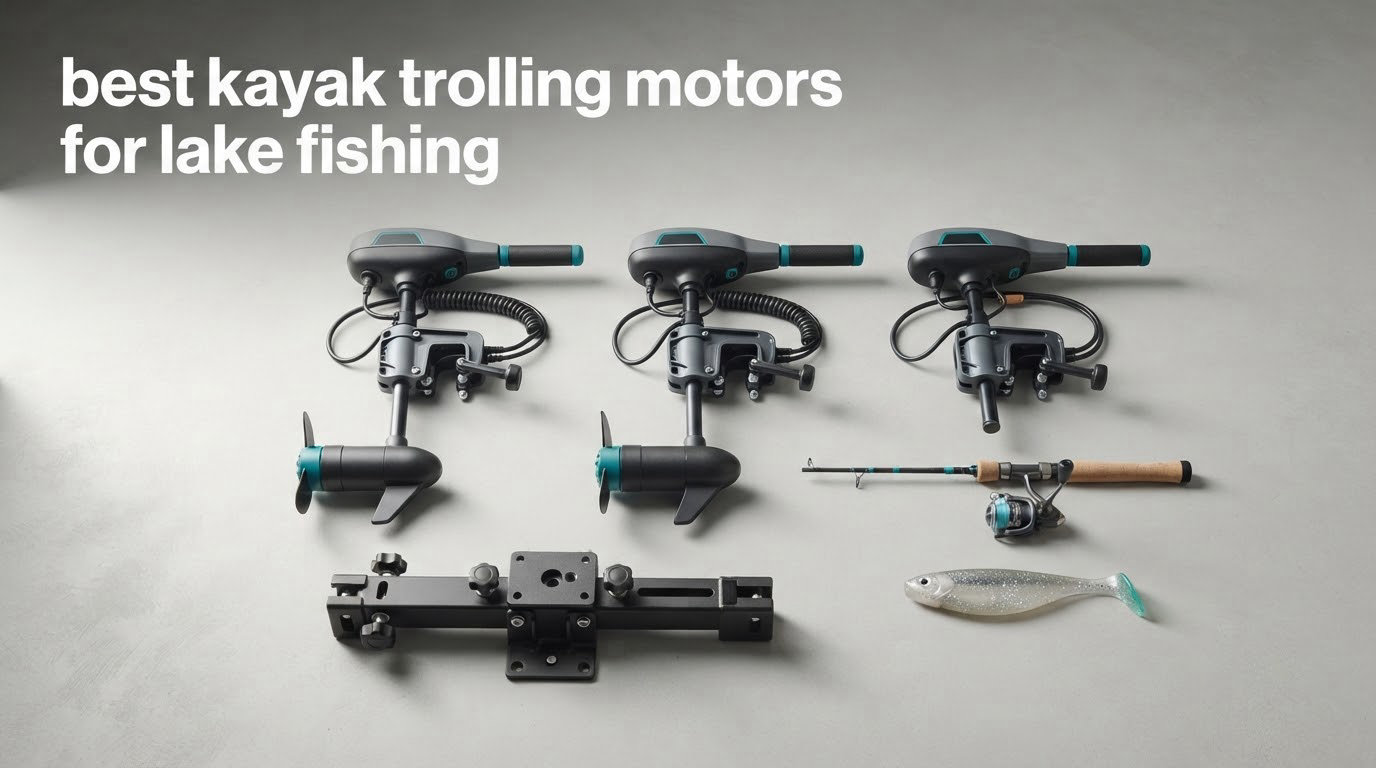
Paddling a fishing kayak for six hours is a different sport than paddling one for twenty minutes. On open lake water, a steady breeze and any current at all will push you off a spot in the time it takes to land a fish, and the constant work of correcting your position is what ends most trips early. If you have already bought the kayak and you are choosing among the best kayak trolling motors for lake fishing in 2026, the good news is that the decision comes down to a handful of numbers you can check in an afternoon.
What follows is a comparison of ten 12-volt electric trolling motors that anglers actually fit to small craft, judged on the four things that decide whether a day on a lake goes well: thrust, how you steer it, how the battery behaves, and whether the whole thing fits in your hull without a drilling project. I have leaned on the manufacturer specifications and the owner review patterns rather than brochure language, and every block tells you who should skip the motor.
One thing to say up front. A trolling motor is not a required piece of kayak equipment, and plenty of experienced anglers never install one. If you launch within paddling distance of your spots, work water under five acres, or fish a lake that bans motors outright, the honest answer is that paddling is quieter, lighter, and cheaper. The motor earns its place when you want to reach structure a mile off the ramp and hold it while you fish it in a breeze.
Table of Contents
- Top 3 Best Kayak Trolling Motors for Lake Fishing (October 2026)
- All 10 Kayak Trolling Motors at a Glance in 2026
- 1. Newport NV-Series 55 lb Thrust Transom Mount – Best Overall
- 2. Minn Kota Endura C2 30 lb Thrust – Best Value
- 3. Minn Kota Edge 45 Bow Mount – Most Versatile With Foot Pedal
- 4. Minn Kota Endura Max 55 lb Thrust – Best for All-Day Runtime
- 5. AQUOS Haswing 65 lb Brushless – Best Lightweight Thrust
- 6. Haswing Cayman 48 Bow Mount 55 lb – Best for Big Water
- 7. INTEX 40 lb Transom Trolling Motor – Best for Inflatable Craft
- 8. PEXMOR 26 lb 8 Speed Transom Motor – Best for First-Time Kayak Owners
- 9. Haswing Cayman B 54 in Bow Mount 55 lb – Best for Deep Reach
- 10. AQUOS Haswing 48 in Bow Mount 55 lb – Best for Shore Control
- What Size Trolling Motor Is Best for a Kayak?
- How Fast Does a Kayak Actually Go With 55 lb of Thrust?
- Battery, Breaker and Mount: The Parts Not in the Box
- Mounting a Motor on a Kayak With No Motor Tray
- GPS Spot-Lock or Plain Cruise Control?
- Wind, Current and Noise on Open Water
- Maintenance, Off-Season Storage and Rules to Check First
- Frequently Asked Questions
- The Best Kayak Trolling Motors for Lake Fishing in 2026
Top 3 Best Kayak Trolling Motors for Lake Fishing (October 2026)
Before the full list, here is the short version. The Newport NV-Series is the motor I would put in a hull first because it pairs real thrust with the largest review base in the group. The Minn Kota Endura C2 is the one to buy if you want a proven name and a light carry weight. The Minn Kota Edge is the pick if you want your hands off the tiller.


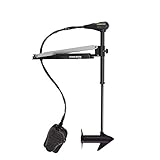
Minn Kota Edge 45 Bow Mount
- 45 lb thrust
- 36 inch shaft
- cable-steer foot pedal
- 18 lb motor
As an Amazon Associate we earn from qualifying purchases. CERTAIN CONTENT THAT APPEARS ON THIS SITE COMES FROM AMAZON. THIS CONTENT IS PROVIDED 'AS IS' AND IS SUBJECT TO CHANGE OR REMOVAL AT ANY TIME.
All 10 Kayak Trolling Motors at a Glance in 2026
Every motor below runs on 12 volts, steers with either a telescoping tiller or a wireless controller, and needs a deep-cycle marine battery and an inline circuit breaker that are almost never included. The thrust column is the number to sort by first.
| Product | Specifications | Action |
|---|---|---|
|
Newport NV-Series 55 lb Thrust Transom Mount
|
|
Check Latest Price |
|
Minn Kota Endura C2 30 lb Thrust
|
|
Check Latest Price |
|
Minn Kota Edge 45 lb Bow Mount Foot Pedal
|
|
Check Latest Price |
 Haswing Cayman 48 Bow Mount 55 lb
|
|
Check Latest Price |
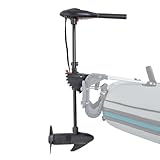 INTEX 40 lb Transom Trolling Motor
|
|
Check Latest Price |
 PEXMOR 26 lb 8 Speed Transom Motor
|
|
Check Latest Price |
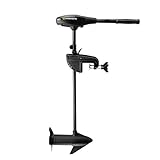 Minn Kota Endura Max 55 lb Thrust
|
|
Check Latest Price |
 AQUOS Haswing 65 lb Brushless
|
|
Check Latest Price |
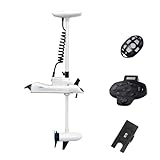 Haswing Cayman B 54 in Bow Mount 55 lb
|
|
Check Latest Price |
 AQUOS Haswing 48 in Bow Mount 55 lb
|
|
Check Latest Price |
We earn from qualifying purchases. CERTAIN CONTENT THAT APPEARS ON THIS SITE COMES FROM AMAZON. THIS CONTENT IS PROVIDED 'AS IS' AND IS SUBJECT TO CHANGE OR REMOVAL AT ANY TIME.
1. Newport NV-Series 55 lb Thrust Transom Mount – Best Overall
Newport NV-Series 55lb Thrust Saltwater Transom Mounted Trolling Electric Trolling Motor w/ LED Battery Indicator & 30″ Shaft (23M1000203)
- 55 lb thrust
- 30 inch shaft
- 8 speeds
- 23.2 lb unit
- 50 amp max draw
Pros
- Quiet and cool running for all-day trolling
- 5-LED battery meter and telescoping tiller
- mount locks in angle height and direction
- three-blade prop gives strong low-end pull
Cons
- Trolling-only top speed of roughly 4 mph
- Tiller steering needs a hand at all times
- Battery and inline breaker sold separately
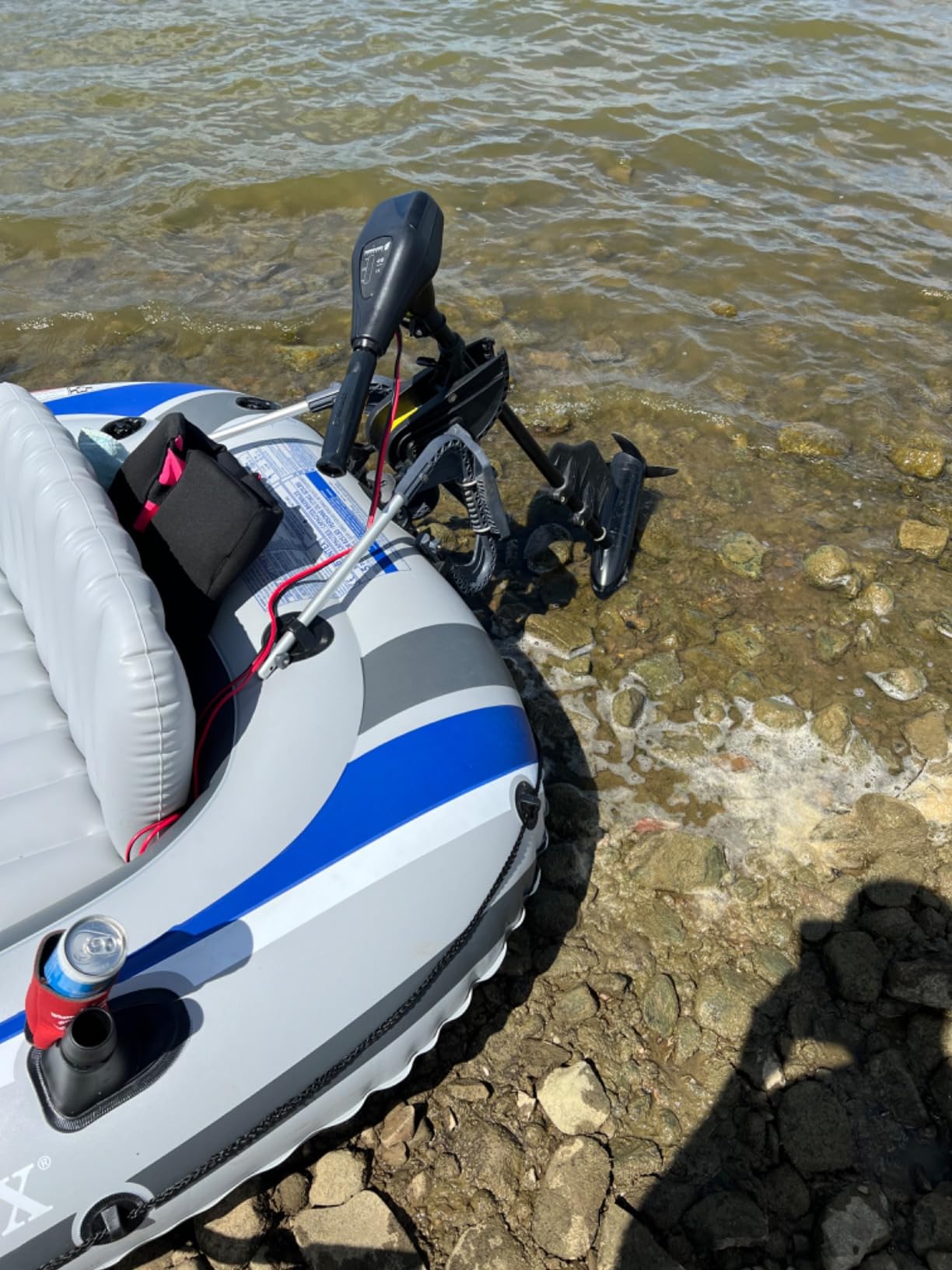
This is the motor I keep coming back to for flat water. The NV-Series puts out 55 pounds of thrust on a 30 inch shaft, and 23.2 pounds of motor weight is light enough to lift into a kayak solo from a tailgate. It carries a five-LED battery meter on the head and a six-inch telescoping tiller, so you can see state of charge without turning around.
The number that matters most is the review base. With 3374 ratings averaging 4.5 stars, this is the most thoroughly owner-tested motor in the group, which means the failure patterns are well known rather than mysterious. Owners consistently describe it as quiet, cool-running, and capable of trolling a full day. One angler on r/kayakfishing pairs this motor with a 100Ah battery and reports it lasts all day on decent-sized lakes, which matches our sizing advice below.

It does need a 12-volt deep-cycle battery, and the maker suggests 50Ah or more. Maximum draw is 52 amps, and a 50 amp circuit breaker is included in the box. On our reading of the spec sheet, that is the one motor here where the electrical side is documented clearly enough that you can size a battery without guessing.
The eight speeds, split five forward and three reverse, are more resolution than most anglers actually use, but the reverse speeds matter at a ramp launch where tight reverse beats paddling. The three-blade propeller is a low-speed torque propeller, which is exactly the geometry you want for holding a spot rather than racing across open water.
What works well on a lake
The adjustable mount is the underrated part. Angle, height, and direction all lock into place, so once you set the transom bracket for your hull you are not re-tuning it every launch. The published top speed of about 4 mph tells you what class of craft this was built for, and on a 10 to 12 foot kayak you will typically be moving slower than that figure once wind and current are added.
Who should look elsewhere
Anyone who wants to steer without a hand on the tiller should skip this. There is no remote, no foot pedal, and no wireless option, which means your free hand is either holding the tiller or holding a paddle. It is also a transom mount, so your kayak needs a stern point to hang it from. If your boat has no transom and no stern rail, a transom motor is a non-starter no matter how good the motor is.
2. Minn Kota Endura C2 30 lb Thrust – Best Value
Minn Kota Endura C2 Transom-Mount Electric Trolling Motor – 30 Lb. Thrust, 30 In. Shaft, Freshwater
- 30 lb thrust
- 30 inch composite shaft
- 17 lb unit
- 5 forward 3 reverse
- Push-to-test meter
Pros
- Highest average rating in the group at 4.7 stars
- Only 17 lb so it is easy to carry and mount
- Composite shaft resists flex warping and UV damage
- 10-position lever lock bracket stows quickly
Cons
- 30 lb thrust is limited in wind and current
- 30 inch shaft is short for deeper draft hulls
- Tiller-only steering
- Battery not included
If you want the brand name on a small craft and you fish protected water, the Endura C2 is the motor I recommend without hesitation. At 17 pounds and 30 pounds of thrust it is a genuinely small package, and the 4.7 average across 644 ratings is the highest average score in this comparison. Eighty-three percent of those ratings are five star.
The telescoping tiller has a push-to-test battery meter built into the handle, a small thing that saves you from a separate gauge. The ten-position lever lock bracket lets you change the transom angle in seconds and stow the motor flat against the stern, which matters more than it sounds when you are launching from a gravel ramp in the dark.
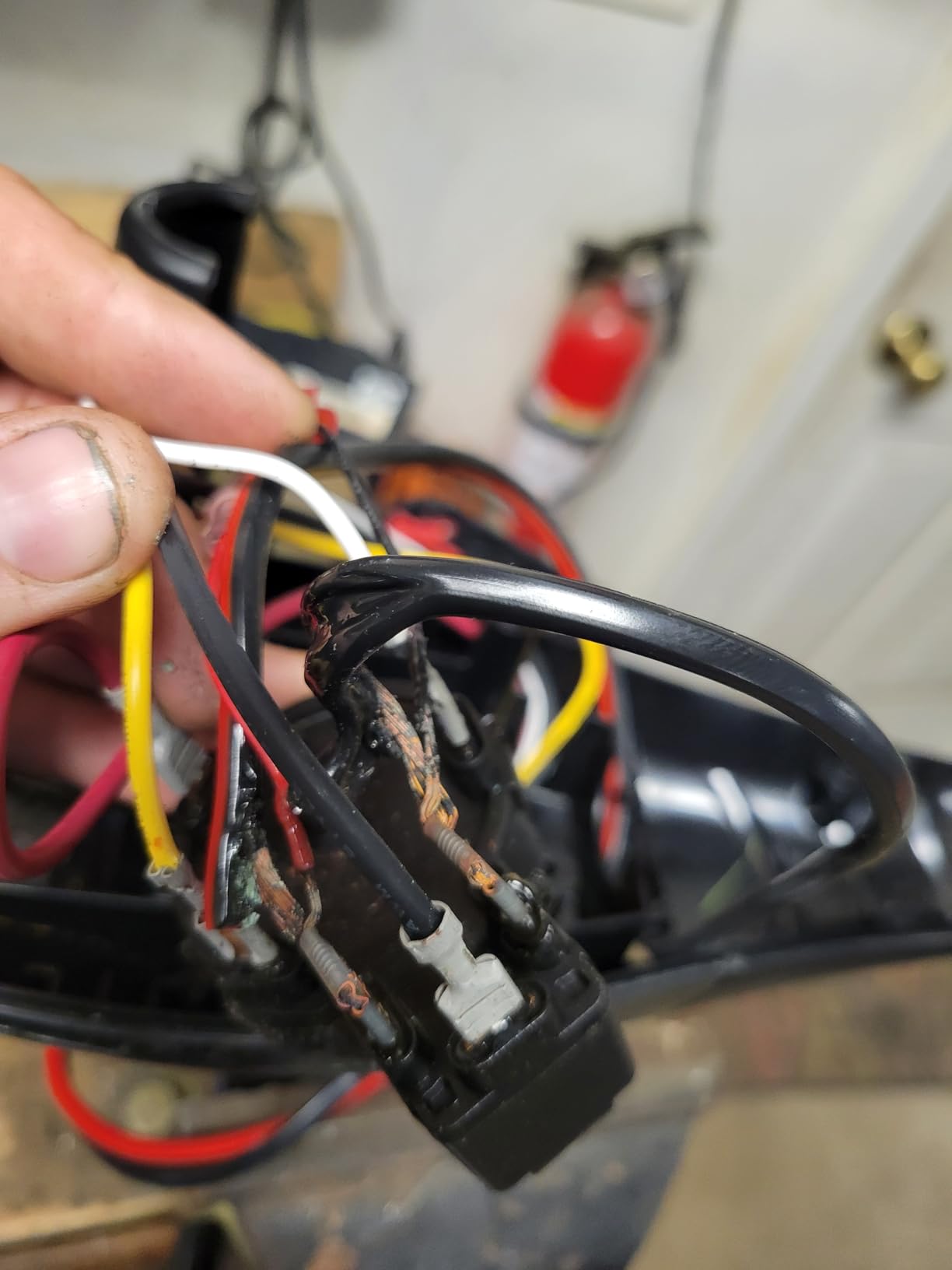
The Power Prop is a heavy-vegetation propeller, and owners note it powers through thick weed where lighter props stall. On a lake full of weed beds and flooded timber, that is a real advantage over a standard trolling propeller.
What works well on a lake
Flat water, a sheltered cove, a small lake with light afternoon wind. Five forward and three reverse speeds give you enough control to hold a spot on a weed edge or work the drop-off beside a launch. The composite shaft is the reason this motor tolerates a lifetime of bumping the bottom and being dragged up onto a trailer ramp.
Who should look elsewhere
If you regularly fish open water in wind, 30 pounds of thrust is where the ceiling shows. Anglers report the limit as being unable to hold position or make progress against a breeze. It also has tiller-only steering, and the 30 inch shaft is short if your hull runs any real depth. Buy this one for calm water and a solo angler; a heavier paddler in a big tandem should step up.
3. Minn Kota Edge 45 Bow Mount – Most Versatile With Foot Pedal
Minn Kota Edge Bow-Mount Electric Trolling Motor with Foot Pedal Control – 45 Lb. Thrust, 36 In. Shaft, Freshwater
- 45 lb thrust
- 36 inch shaft
- Cable-steer foot pedal
- 5 speeds
- 18 lb unit
Pros
- Foot pedal frees both hands for casting and trolling
- Responsive heel-toe cable steer from high-impact composite
- Latch and door bracket holds the motor secure in stowage
- Only 18 lb for 45 lb of thrust
Cons
- Only 5 speed settings
- Needs a flat bow mounting surface most kayaks do not have
- Cable steer and pedal add weight and complexity
- No remote for shore steering
The Edge is the only motor in this roundup with true foot-pedal steering, and that changes how a day feels. A heel-toe cable-steer pedal sits under your foot at the bow, giving thumb and heel control for direction and speed. Both hands stay free for casting, and the speed changes are incremental enough to hold a line over structure without constant correction.
At 45 pounds of thrust on a 36 inch shaft and 18 pounds of motor weight, this is a well-balanced unit. The latch and door bracket keeps the motor locked during stowage so it cannot swing into your legs, and a built-in directional indicator on the motor head tells you where the bow is pointing without turning around.
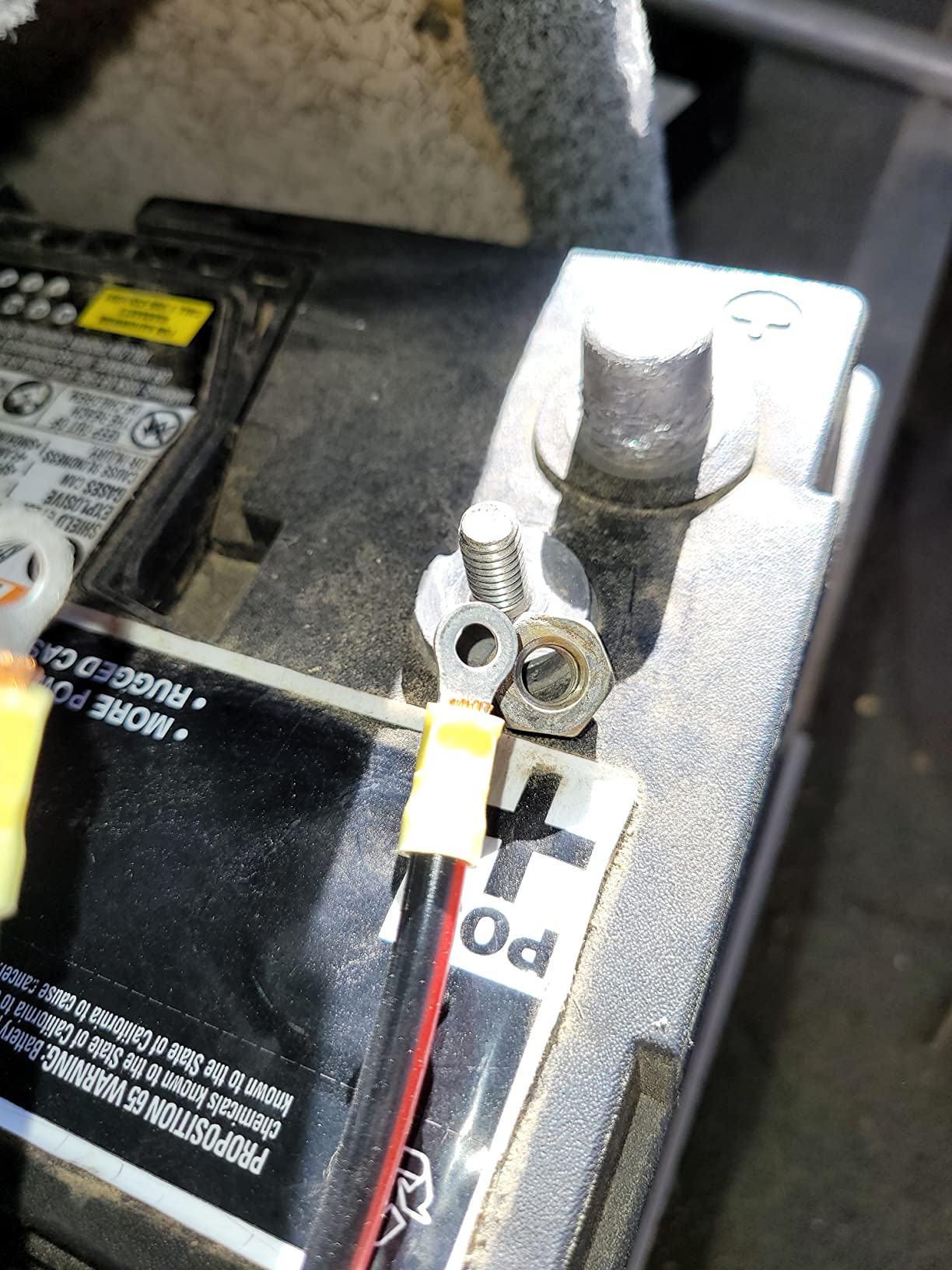
Owners single out the pedal as responsive and solidly built. The composite construction and the Power Prop for heavy vegetation round out a package that works equally well on a small jon boat and a wide fishing kayak that has a proper bow mount.
What works well on a lake
Covering water hands-free. If you are trolling a long line across a flat bay, working a drop-off with a rod in both hands, or following a weed edge, the pedal keeps the boat on a heading while you focus on the line. The 5 speed settings are fewer than most rivals, but the incremental foot control makes that limitation less noticeable in practice.
Who should look elsewhere
Most kayaks. The Edge needs a flat bow mounting surface, and a rounded, narrow kayak bow is not one. A pedal also has a learning curve that one owner described as easy to get into trouble with if you stop watching where your foot is. If you want to steer the motor from shore or move the boat from a dock, this is the wrong motor, since it has no remote or wireless control.
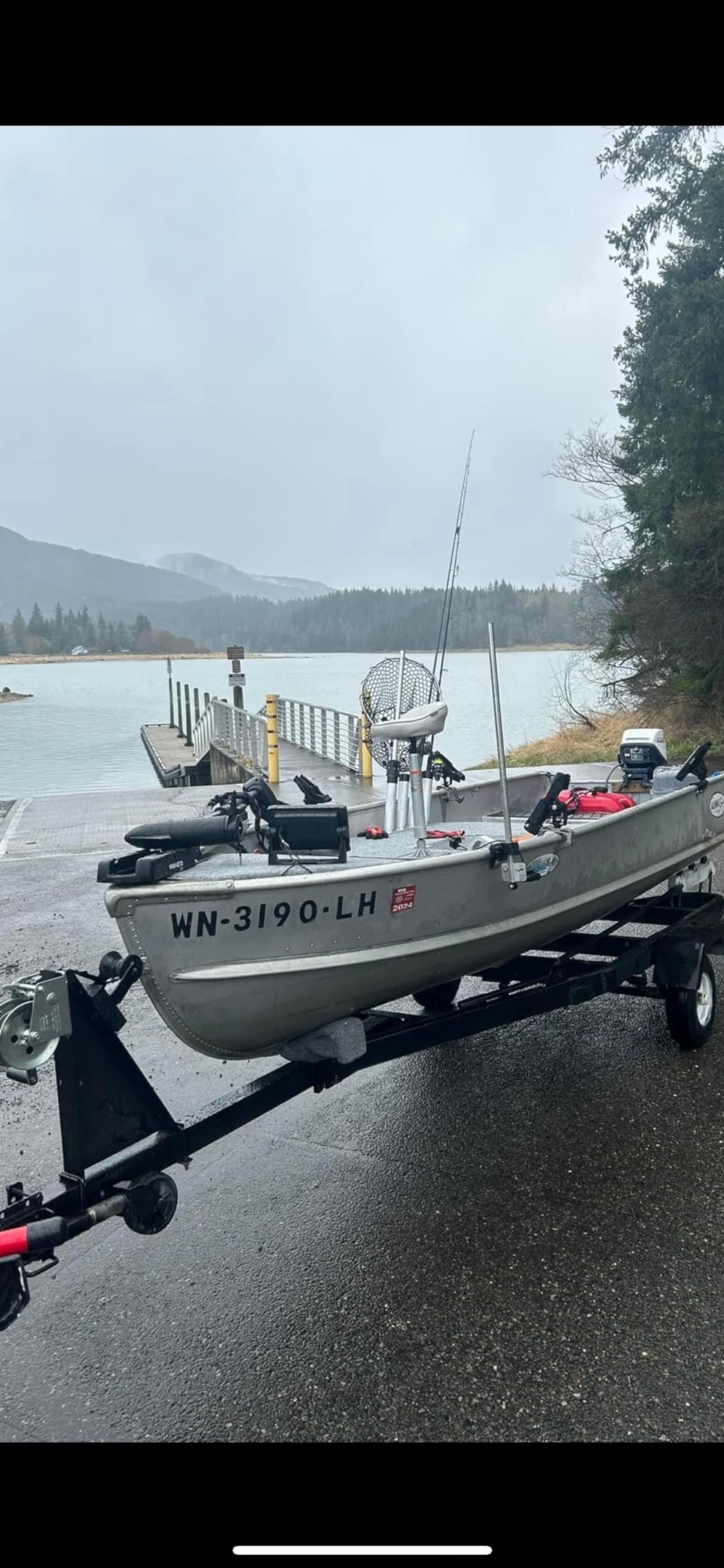
4. Minn Kota Endura Max 55 lb Thrust – Best for All-Day Runtime
Minn Kota Endura Max Transom-Mount Electric Trolling Motor – 55 Lb. Thrust, 36 In. Shaft, Freshwater
- 55 lb thrust
- 36 inch composite shaft
- Digital Maximizer
- Push-to-test battery meter
Pros
- Digital Maximizer electronics extend runtime substantially on variable speed
- 55 lb thrust from a compact transom mount
- Ten-position lever lock bracket stows fast
- Composite shaft resists warping and UV
- Two year manufacturer warranty
Cons
- Tiller-only steering with no remote or foot control
- Digital Maximizer is slightly weaker at the low end than fixed-speed motors
- Listing gives no stated item weight
- Battery and mount hardware not included
The Endura Max exists for one reason: to get the most usable hours out of a single charge. Its Digital Maximizer electronics ramp the power to what you actually need instead of running the motor flat out at a fixed speed, and the manufacturer claims runtime gains of up to five times on a charge. Owners back up the direction of that claim, citing long days on the water without a mid-day battery swap.
At 55 pounds of thrust on a 36 inch composite shaft, this is a step up from the Endura C2 in both power and shaft length. The longer shaft matters on a deeper draft hull, and the composite shaft takes the abuse of shore launches and submerged timber without flexing or warping.
What works well on a lake
Long days, long runs, and cold early-season water when you are fighting a current that never lets up. The variable speed control is the reason the runtime is there, because trolling at the exact speed you need instead of a step below it is the single biggest power saving available to an angler. The push-to-test meter on the tiller keeps you honest about state of charge.
Who should look elsewhere
If you need to steer hands-free, this is tiller-only and there is no accessory kit that changes that. Reviewers also note that variable speed can feel slightly less powerful at the very low end than a fixed-speed motor, which can matter when you are trying to hold a position in a light current. Buy the Max for endurance; buy something else for control.
5. AQUOS Haswing 65 lb Brushless – Best Lightweight Thrust
AQUOS Haswing 12V 65lbs 35.5in Brushless Transom Trolling Motor
- 65 lb thrust brushless
- 9 kg unit
- Stepless F/R control
- 35.5 inch shaft
- 3 level LED
Pros
- Brushless design delivers more thrust at roughly half the weight of brushed rivals
- Stepless control allows any drift speed including very slow trolling
- One owner reported about 40 percent of a 100Ah battery left after 10 hours of slow trolling
- Works in fresh and salt water
- Two year warranty
Cons
- No circuit breaker included
- Draws power even when switched off so expect small sparks at the battery
- Can cause EM interference on a fish finder
- Audible at the lowest speed setting
- Head unit and tilt handle feel less refined
This is the specification that makes a 65-pound-thrust motor possible on a small hull. A brushless motor removes the brushes and the associated weight, and at 9 kg this is the lightest high-thrust unit in the group by a wide margin. One kayak owner reported a 46 percent weight reduction against a previous setup and more range as a direct result.
Stepless forward and reverse control is the feature that separates it from every fixed-speed motor here. Instead of eight steps, you get a continuous range, which means you can find the exact speed that keeps a lure or a bait rig in the strike zone. That same control is what produces the battery efficiency, and the 10-hour slow-trolling report on a 100Ah battery is the kind of number most manufacturers only claim in the lab.
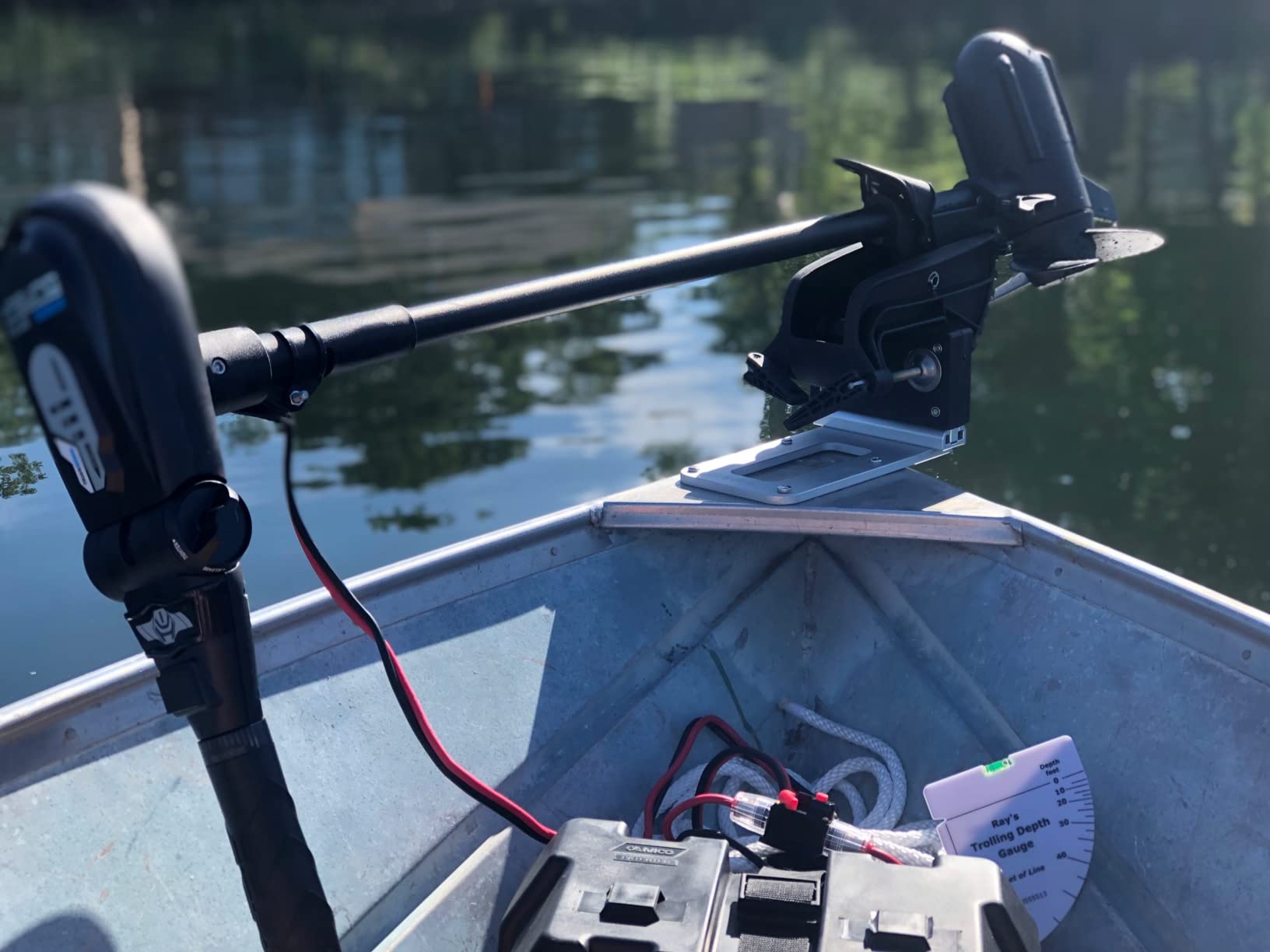
The shaft is 35.5 inches with ten tilting positions and a quick lock trim, and the 15.7 inch handle extension folds 180 degrees, which is a genuine advantage in a tight kayak cockpit. A three-level LED battery indicator and a two year warranty round out the package.
What works well on a lake
Anything where battery weight limits your range or where you troll very slowly for a long time. Brushless motors are also smoother, and the throttle response is notably less jerky than a brushed motor stepping between speeds. Fresh and salt water readiness means it doubles as an inshore motor if you ever move the kayak to coastal water.
Who should look elsewhere
You need to plan the electrical install. There is no circuit breaker in the box, and the motor draws power even in the off position, which means small sparks when you connect a battery and makes an inline switch close to mandatory. If you run a fish finder, expect possible EM or RF interference even on a separate power supply. Owners also report it is audible at the lowest setting, which is a problem for anglers who troll quiet water for wary species.

6. Haswing Cayman 48 Bow Mount 55 lb – Best for Big Water
Black Haswing Cayman 12V 55lbs 48 inch Bow Mount Electric Trolling Motor Lightweight, Variable Speed, with Foot Control/Quick Release Bracket for Bass Fishing Boats Freshwater/Saltwater
- 55 lb thrust
- 48 inch aluminum shaft
- 164 ft remote
- Wireless foot control
- Cruise control
Pros
- Very quiet and does not spook fish on clear water
- True variable speed gives finer control and better battery efficiency
- Both a 164 ft wireless remote and a wireless foot control
- Sacrificial anode for fresh and salt water corrosion resistance
- Quick release bracket makes install and removal fast
Cons
- Cruise control is not spot lock so wind and current still push the heading
- 55 lb thrust class is more than a kayak needs and is cumbersome to carry
- Remote and foot control carry only a three month accessory warranty
The Cayman 48 is built for boats, and the honest headline is that a 55-pound-thrust bow mount is a lot of motor for a kayak. What it gives you is authority. The 48 inch aluminum shaft reaches down from a high bow, the variable speed control is smooth and quiet, and you get both a 164 foot 2.4G remote and a wireless foot control in the package.
Reviewers rate the quiet operation highly, and on clear water with sight-cast fish that matters. Variable speed also cuts power draw compared with a stepped controller, so the same battery goes further. The sacrificial anode handles corrosion in both fresh and salt water, and the quick release bracket means you can drop the motor in and out without tools.
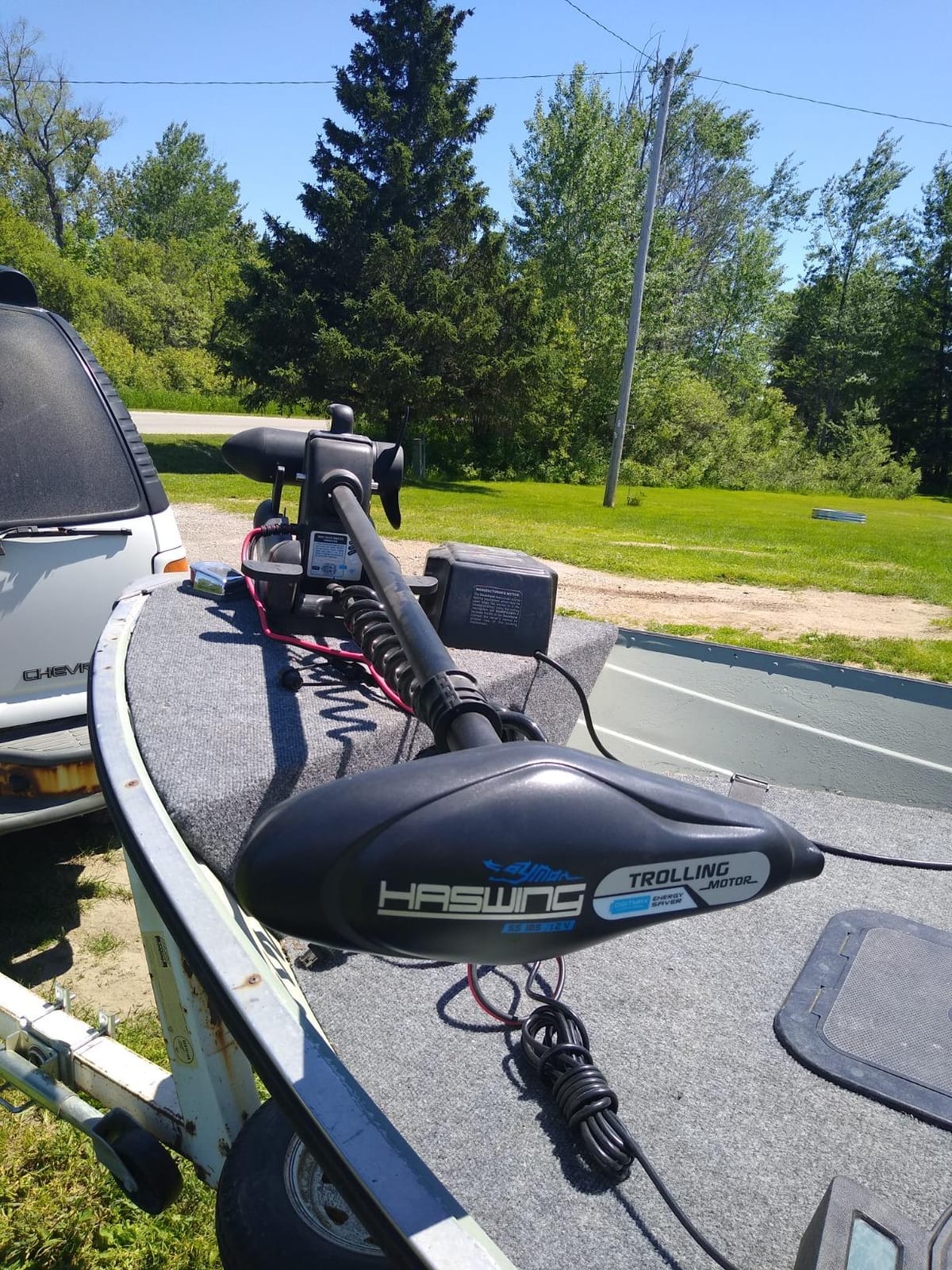
For big water specifically, the combination of 55 pounds of thrust, a long shaft, and remote steering means you can push across a windward lake without picking up the paddle, then correct your heading from a stable seated position.
What works well on a lake
Large open lakes, cold water, and any day with a stiff breeze where a small motor simply cannot make headway. The remote range also makes shore work possible, letting you move the boat from a dock or a beach rather than swimming it. The cruise control holds a speed while you fish, though it does not hold a position.
Who should look elsewhere
Kayak anglers with weight limits, and anyone who assumes cruise control is a spot lock. It is not. Owners report needing manual heading correction in wind and current, which is precisely the situation where a handheld remote is less convenient than a pedal or an automatic GPS hold. The wireless accessories also carry only a three month warranty even though the motor itself carries two years.
7. INTEX 40 lb Transom Trolling Motor – Best for Inflatable Craft
INTEX Transom Electric Trolling Motor for Inflatable Boat, 40lb Thrust
- 40 lb thrust
- Weed escape function
- 8 speeds
- 17 lb unit
- 420 watts
Pros
- Weed escape function genuinely works in weedy lakes and marsh edges
- Auto power modulation and battery meter help plan runtime
- Multi-position tiller extends 6 inches and tilts into 8 positions
- Direct fit with a range of INTEX inflatable boats
- Only 17 lb to carry
Cons
- No manufacturer warranty
- Plastic construction wears faster in salt water than aluminum
- Dry operation and overload indicators can be tripped by weed and debris
- Fixed 8 speed layout gives less fine control than stepless motors
- Battery not included
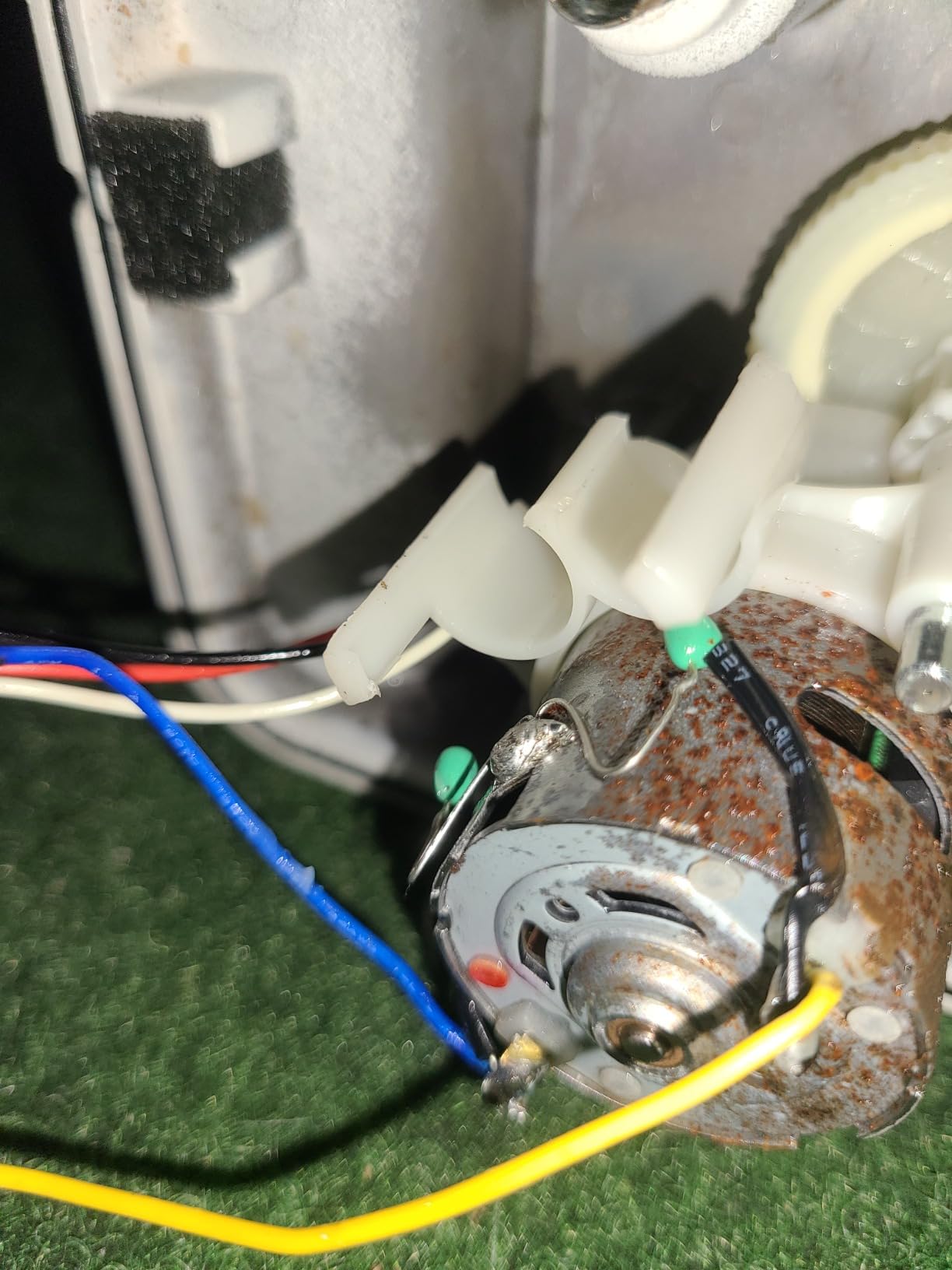
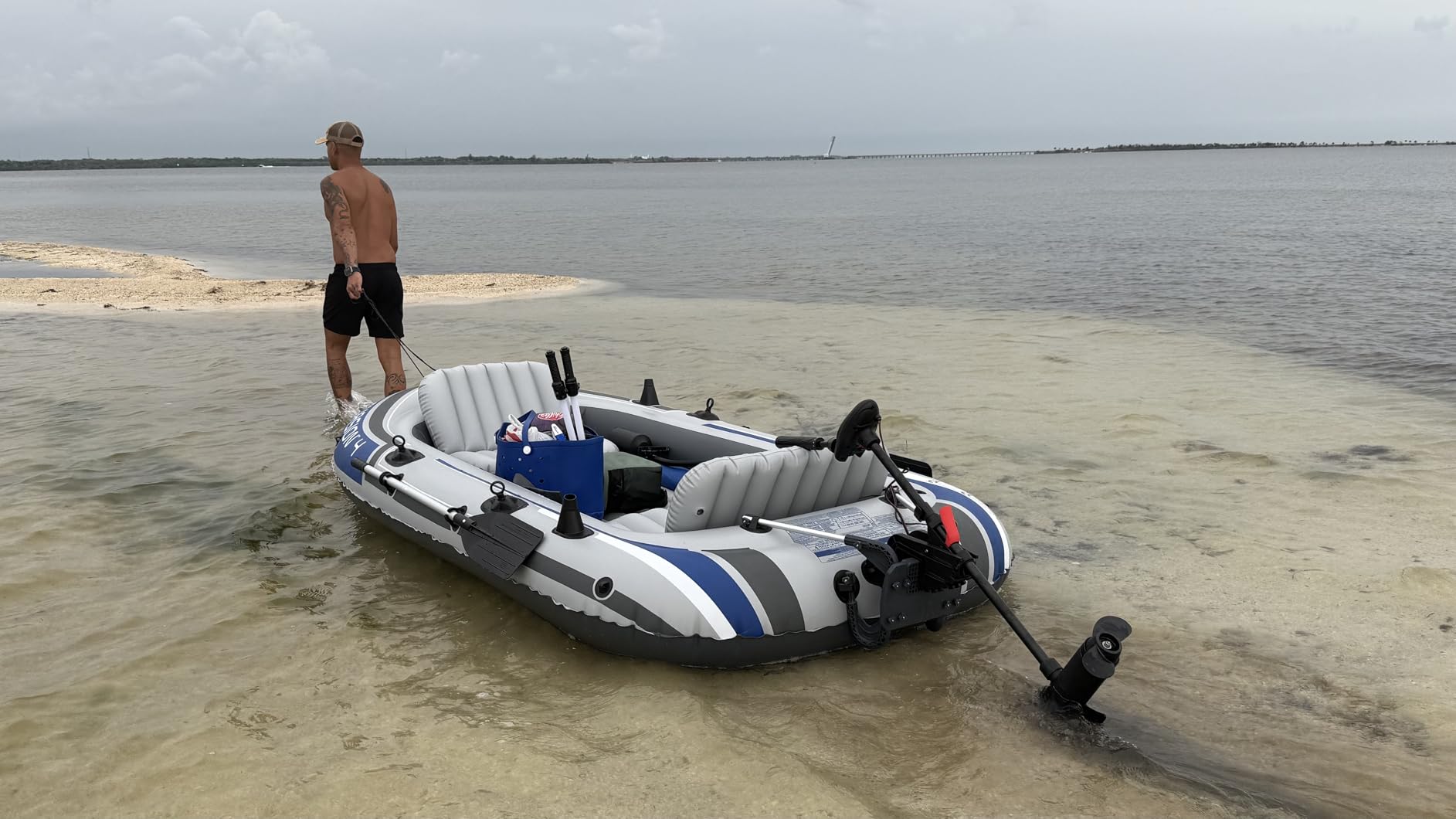
Some anglers fish from an inflatable rather than a hardshell kayak, and the INTEX 40 lb is the motor designed for that hull. It is a direct fit across the INTEX Challenger 3, Seahawk 2, 3 and 4, Excursion 4 and 5, and Mariner 3 and 4, and at 17 pounds it is easy to load into a truck bed or carry down a launch stairs.
The weed escape function is the feature owners mention most. It switches the propeller between forward and reverse to back the motor out of vegetation, which turns a trip-ending fouling into a thirty-second pause. For a lake with heavy weed beds or marsh edges, that is worth more than raw thrust.
The control panel carries a battery meter plus dry operation and overload indicators, and auto power modulation trims output to extend battery life. Eight speeds, five forward and three reverse, run through a multi-position tiller that extends six inches and tilts into eight positions.
What works well on a lake
Weedy and shallow water in an inflatable, where the transom-style mount is easy to attach and the weed escape saves the day. The battery meter and modulation features are useful when you are running a portable pack and need to know when to head back.
Who should look elsewhere
Salt water, and anyone with a warranty expectation. There is no manufacturer warranty on this motor at all, which is a real gap if a component fails in season. The plastic construction wears faster in salt than aluminum does. The dry operation and overload indicators can also trip on weed and debris even when nothing is wrong, which leads owners to chase faults that do not exist.

8. PEXMOR 26 lb 8 Speed Transom Motor – Best for First-Time Kayak Owners
PEXMOR 8 Speed Electric Trolling Motor, Electric Outboard Boat Motor w/Adjustable Handle & LED Indicator, Transom Mounted for Saltwater, Kayak, Fishing Boat (Grey, 46 LBS)
- 26 lb thrust
- 6 inch telescoping handle
- 5 forward 3 reverse
- LED 1-10 indicator
Pros
- Lowest cost in the group while still offering 8 speeds and real thrust
- Telescoping 6 inch handle makes side-mounted kayak setups workable
- Runs cool and quietly enough for all-day trolling
- Button-adjustable shaft angle and depth knob adapt to changing conditions
- Spare two and three blade props on higher thrust versions
Cons
- Battery indicator light cannot be switched off
- LED meter does not read until the battery drops below about 12.5V
- Alligator clamps not included and mounting screw feet can detach
- Battery leads are short on remote mounts
- Only 49 reviews and a 1 year warranty
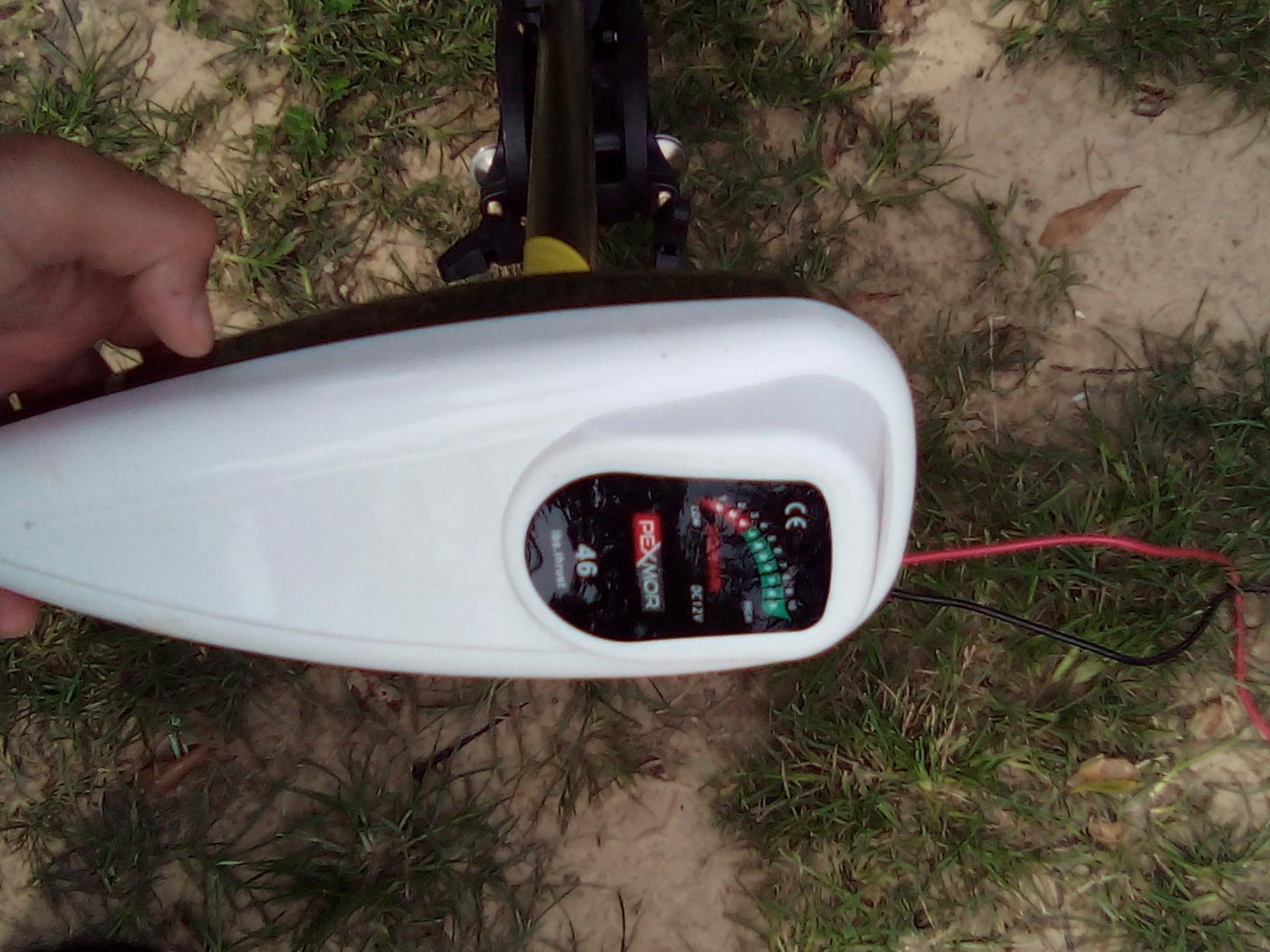
The PEXMOR is the motor to try if you are adding propulsion to a kayak for the first time and you want to learn the basics without a large commitment. Twenty-six pounds of thrust across eight speeds, with a six inch telescoping handle, is a simple package that does exactly one job.
Reviewers single out the telescoping handle as the feature that makes a side-mounted kayak installation possible, since you can set the handle length to your reach rather than to the motor. Reviewers also report pushing a 12 foot kayak into the wind on this motor, which tells you the 26-pound rating is conservative in calm conditions.
The shaft angle adjusts by button press and depth comes from a knob, so you can re-trim for a shallow flat or a drop-off without tools. A three-blade propeller cuts through seaweed, and a one to ten LED indicator shows charge, with one to three red lights warning of low power.
What works well on a lake
Small lakes, protected water, and learning. It runs cool and quietly enough that owners report trolling all day without spooking fish, and the control scheme is simple enough that you are not managing a feature set while you fish. It is also the lightest option here for anyone carrying a motor a long way from a truck.
Who should look elsewhere
Anglers who mind a small electrical annoyance. The battery indicator light cannot be switched off, so you either add an inline switch or unplug after every use. The meter also stays dark until the battery falls to roughly 12.5V, which means it is not a real state-of-charge gauge during a normal trip. Alligator clamps are not included, the leads are short for a remote mount, and with 49 reviews there is limited long-term durability data.
9. Haswing Cayman B 54 in Bow Mount 55 lb – Best for Deep Reach
Haswing Bow Mount Trolling Motor 55lbs 54in – Remote & Foot, Quick Release
- 55 lb thrust
- 54 inch aluminum shaft
- Remote and foot control
- 34 lb unit
- Variable speed
Pros
- Longest shaft in the group reaches deeper water from a high bow
- Dual control with a 164 ft remote and a 33 ft wireless foot control
- Variable speed is quieter and more efficient than fixed-speed motors
- Quick release bracket and lifting handle simplify carry
- Two year motor warranty with responsive support
Cons
- Cruise control is not spot lock so heading needs manual correction
- 34 lb is the heaviest unit here and impractical for most kayaks
- Requires a 13.7 by 8 inch flat mounting surface
- Lowest average rating in the group at 4.1 with 15 percent one-star reviews
- Accessories carry only a three month warranty
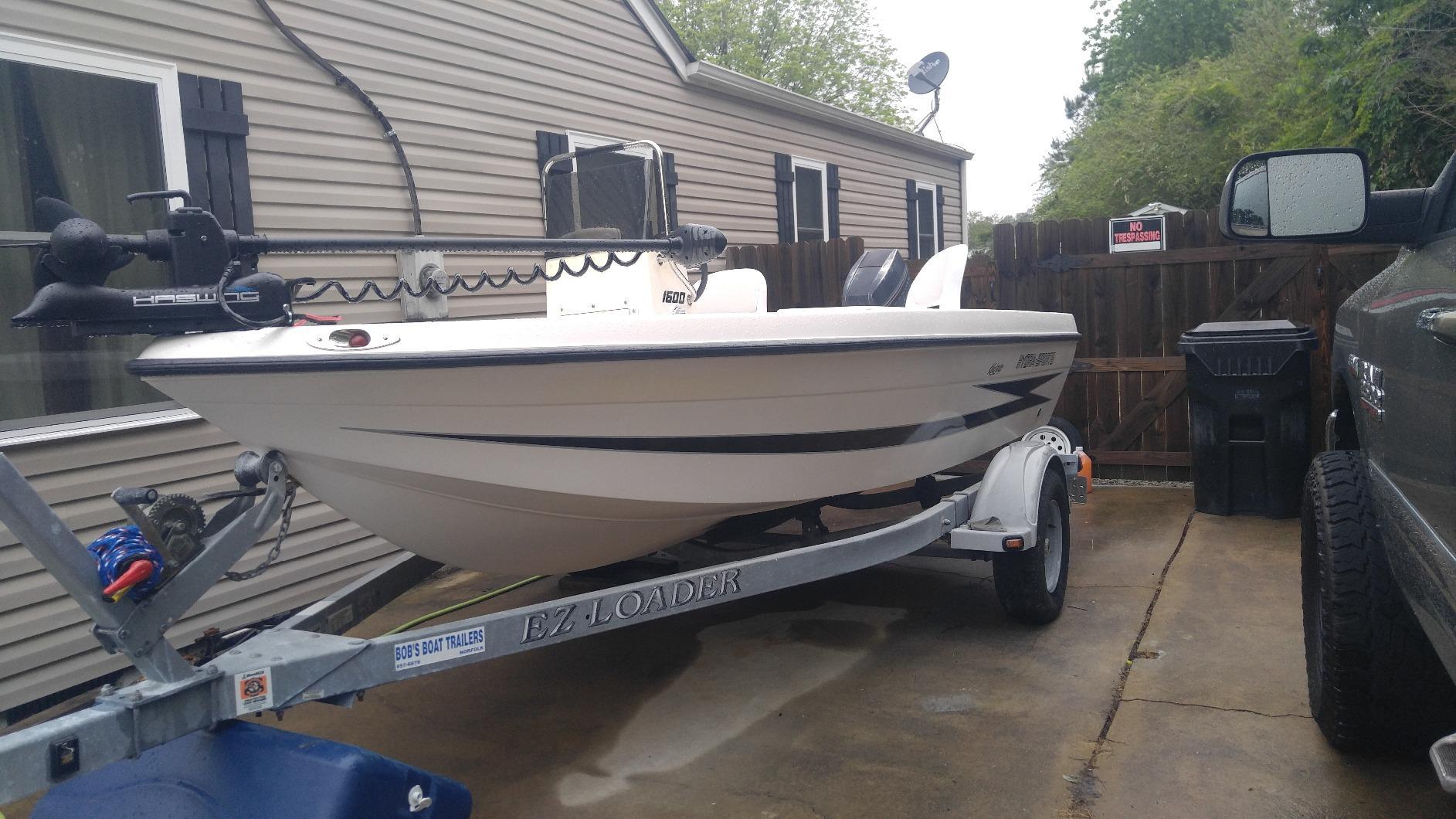
The Cayman B is the longest-shafted motor here, and on a tall bow the extra 20 inches over a typical kayak shaft is the difference between fishing a weed edge and fishing the drop-off below it. Fifty-four inches of aluminum alloy shaft, rated for boats up to 2750 lb with a suggested maximum length of 18 feet.
You get both a 164 foot 2.4G remote and a 33 foot wireless foot control, so you can steer from the seat, from the bow, or from the shore. Variable speed with cruise control holds a speed rather than a position. Reviewers report the brand resolved warranty claims when contacted, which is worth knowing in a category where support is often uneven.
What works well on a lake
Deep water and high bows. A long shaft also helps when you are trolling a line far behind the boat, because the prop runs deeper and stays clear of surface debris. The dual remote and foot control package is the most complete steering setup in this comparison, and the quick release bracket with an ergonomic lifting handle makes the install manageable despite the weight.
Who should look elsewhere
Kayaks, in most cases. At 34 pounds this is the heaviest motor in the group, and a 34 pound motor plus a 30 pound battery is a load that changes how a kayak behaves and how a ramp launch feels. It also requires a 13.7 by 8 inch flat mounting surface, which very few kayaks provide. And with a 4.1 average and 15 percent one-star ratings, durability complaints are more common here than anywhere else in the list.
10. AQUOS Haswing 48 in Bow Mount 55 lb – Best for Shore Control
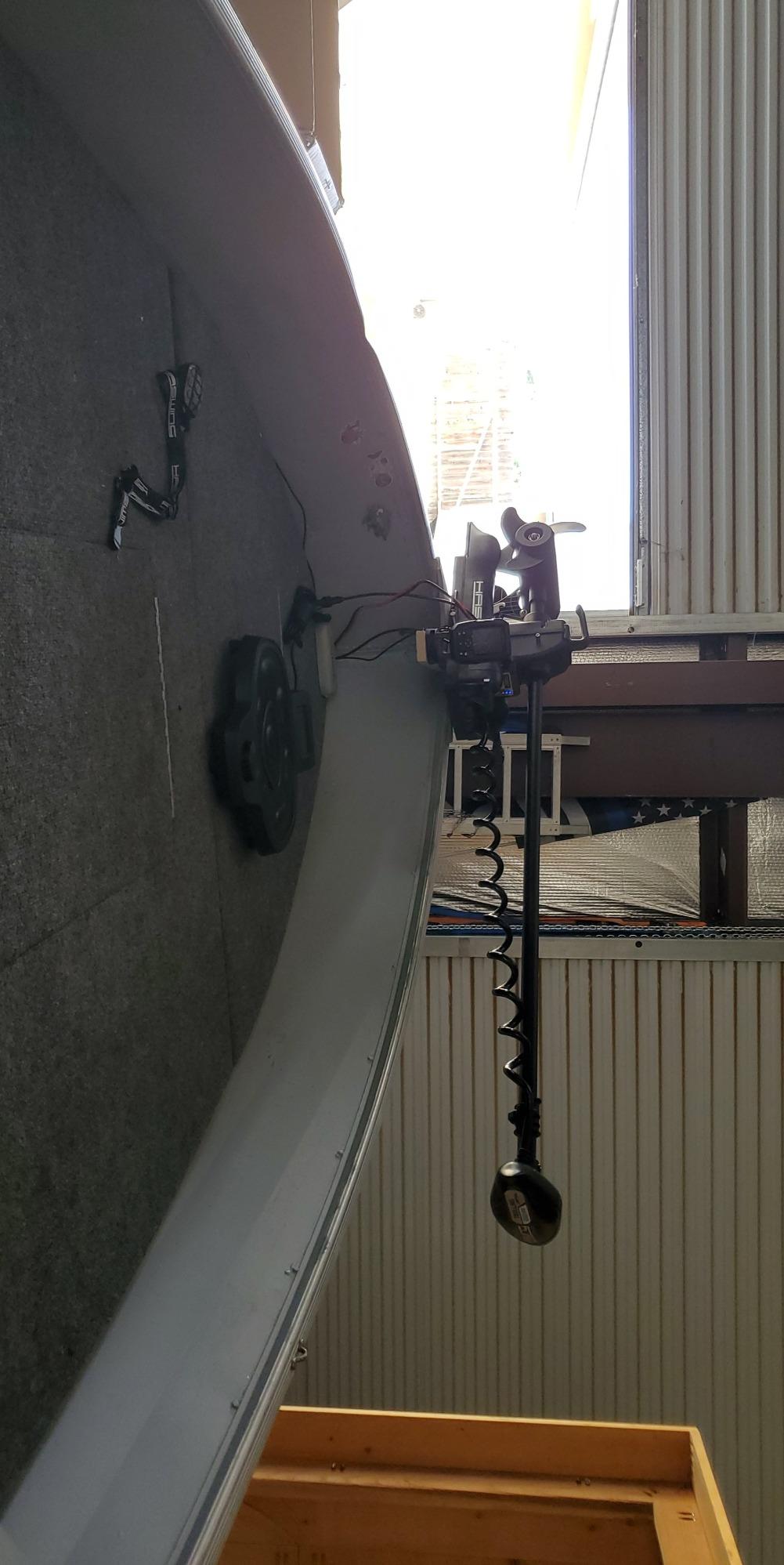
AQUOS Haswing Bow Mount Trolling Motor 12V 55lbs 48in with Wireless Remote
- 55 lb thrust
- 48 inch aluminum shaft
- 164 ft wireless remote
- Cruise control
- 34 lb unit
Pros
- Remote range tested to about 150 feet
- so you can move the boat from shore
- Aluminum alloy shaft avoids the cracking some owners saw on composite shafts of other brands
- Variable speed is quieter and smoother than fixed-speed rivals
- Enough power to move a fishing kayak with two anglers aboard
- Beeps on run stop and turn save you from turning around
Cons
- Cruise control is not spot lock
- 34 lb weight is too heavy for most kayak applications
- Requires a 13.7 by 8 inch flat mounting surface
- Battery bracket must be purchased separately
- Some reports of bolts backing out and steering mechanism binding in salt
- Support experience is inconsistent
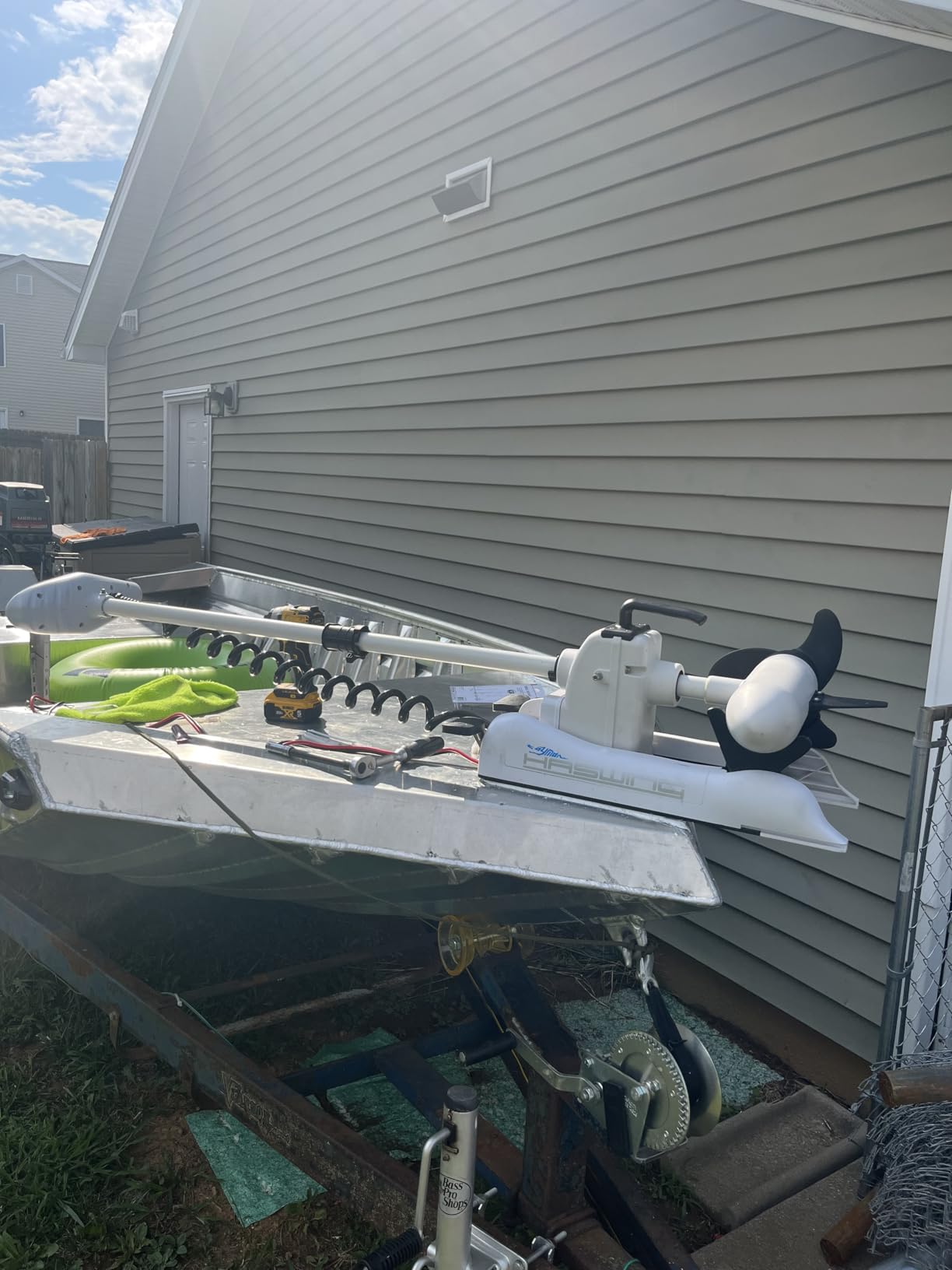
This is the motor for the angler who wants the boat to respond from the dock. The 2.4G remote carries a quoted range of 164 feet, and one owner tested it to roughly 150 feet, which is enough to reposition a boat while you are walking a shoreline or loading a trailer. The remote is wearable on a lanyard or belt and recharges over USB.
Variable speed makes it noticeably quieter and smoother than stepped controllers, and the aluminum alloy shaft is a durability choice that at least one long-term owner specifically credited for outlasting composite shafts on other brands. Owners also report enough thrust to move a fishing kayak with two anglers aboard. The audible beeps on run, stop, and turn are a small but genuinely useful feature, since you never have to turn around to confirm the motor took your command.
What works well on a lake
Shore-fishing structure, working a drop-off from a bank, and any situation where you want the boat to move without you being in it. The 48 inch shaft, the depth collar, and the sacrificial anode for corrosion resistance suit a saltwater-capable setup as well as a lake.
Who should look elsewhere
Kayak anglers on a weight budget, and anyone who needs the boat to hold a fixed position. Cruise control is not spot lock, so wind and current will still move your heading and require manual correction through the remote. The battery bracket is a separate purchase, the flat mount surface requirement rules out most kayaks, and there are reports of mounting bolts backing out and of the remote steering mechanism binding with salt build-up. Support experience is also described as inconsistent by some buyers.
What Size Trolling Motor Is Best for a Kayak?
For most anglers on open water, 30 to 45 pounds of thrust is the right range: 30 for a solo paddler in a 10 to 12 foot hull on protected water, 40 to 45 for a loaded boat, a heavier angler, or any real wind, and 55 or more only if you routinely fish exposed water where holding a position is the whole game. The sizing rule of thumb we use is simple: add your kayak weight, your gear, and your body weight together, then divide by 100 and double it. A 150 lb angler in a 60 lb kayak with 40 lb of gear lands on 250 lb, which points to about 50 lb of thrust and confirms that 30 lb is not enough.
The reason for doubling is wind and current. The base ratio keeps a kayak moving and steerable on flat water, and the second increment is your margin for a breeze across an open bay or a river outflow. Anglers report the low-thrust ceiling repeatedly: unable to hold position or make progress against a breeze. Doubling the base figure is the cheapest insurance against that, and on most hulls the extra thrust is simply unused on calm days.
Weight cuts the other way. Every pound of thrust you add is a pound you have to lift at the ramp and balance in the hull, and once you add the battery the total is the number that decides whether the boat still handles well. That is why the lightweight brushless option and the 17 pound transom mounts earn their places on small craft even when their thrust ratings look modest.
How Fast Does a Kayak Actually Go With 55 lb of Thrust?
Roughly 4 mph, and the manufacturer of the 55-pound motor in this group publishes about that figure. Any roundup that tells you a kayak will do 8 to 10 mph under a trolling motor is describing a jon boat, not a kayak. Kayak hulls are narrow, wet, and draggy, and the difference between speed through the water and speed over ground grows the moment a breeze or a current appears. A 4 mph rating measured in still water becomes 2 mph of progress across the lake on a bad day, and sometimes closer to zero.
What this means practically: a kayak motor is a positioning and coverage tool, not a transit tool. If your lake has a three-mile crossing, budget real time for it, and expect to paddle the last stretch into a headwind. Thrust beyond 45 pounds on a kayak hull mostly buys you the ability to hold and to point where you want, not extra speed.
Battery, Breaker and Mount: The Parts Not in the Box
Almost none of these motors include a battery. The Newport alone specifies a recommended 50Ah deep-cycle battery, which is a rare bit of guidance, and the PEXMOR ships without clamps. Budget for a 12-volt deep-cycle marine battery, a matched charger, an inline circuit breaker, a switch where the motor draws at rest, and the mount hardware. On a kayak, a lightweight lithium LiFePO4 pack of the same capacity typically weighs less than a lead-acid group of equal size, and the weight difference is worth more in a small hull than the cost difference. Lead-acid is fine if you never move the boat far from a truck.
Size capacity to the motor, not the other way around. The 52 amp maximum draw on the Newport tells you what the wiring and the breaker must handle, and a small battery under a big motor simply runs flat early. Anglers who report a motor dying mid-trip one to three hours in are almost always describing an undersized battery rather than a failed motor, and the fix is capacity, not a replacement unit.
Mounting is the other hidden cost. Bow mounts need a flat surface and give the best steering authority because the motor pulls the bow. Transom mounts clamp to a stern point, install in minutes, and are the only realistic option on most kayaks. If your hull has neither, a universal motor tray or a stern-hung strap is the usual answer, and drilling a hull is a decision you should make once, carefully, with a sealant.
Mounting a Motor on a Kayak With No Motor Tray
Check first whether you can avoid drilling. Many fishing kayaks have accessory rails, a bow eye, or a flat stern deck that will take a universal tray, and transom-style clamp motors will hang from a stern strap on a rigid hull. A hand-held tiller setup also means you can run a small motor off a bow-mounted bracket without any permanent modification.
If you do drill, the sequence matters. Measure the flat area and confirm the motor mount plate fits before you cut anything, use a backing block on the inside so the screws bite real material, bed every hole in marine sealant, and keep the battery and all wiring inside the hull away from any footwell space. Run the power lead through a grommet, install the inline breaker within reach of the battery, and torque the connections so they do not work loose over a season of vibration.
Test on land first. Most mounting failures show up as the motor swinging under power or the mount creeping as you change the tilt, and a five-minute test at the truck bed catches both. Then add a short shakedown on the water in calm conditions before you trust it in wind.
GPS Spot-Lock or Plain Cruise Control?
Spot-lock is worth it if you fish structure in wind and want the boat to hold a position while you are focused on the rod. It uses GPS to keep the boat anchored and can be commanded to step forward in short increments to cover a new piece of structure hands-free. Plain cruise control only holds a speed, so wind and current still walk you off your line.
None of the ten motors in this comparison has spot-lock. The Haswing and AQUOS bow mounts here use variable speed with cruise control, and the transom mounts use stepped speed settings. If spot-lock is a requirement, you are shopping outside this group, and the ecosystem comparison that matters is the three big GPS platforms: Minn Kota i-Pilot, MotorGuide Xi3, and Garmin Force. Each locks you into its own displays and remotes, so decide which ecosystem matches the electronics you already own before you buy the motor. On the specific question anglers ask most, the practical answer is that Minn Kota has the deepest accessory and service network, while Garmin integrates cleanly if your fish finder and charts are already Garmin, and MotorGuide sits between them on price.
Wind, Current and Noise on Open Water
Wind is the limiting factor, not thrust rating. Anglers report that lower-thrust motors leave them unable to hold position or make progress against a breeze, and one angler with a 4 lb ball found a pedal drive harder to manage than a motor for the same reason. Once a kayak is being pushed, rudder and hull steering stop being enough, and the motor has to supply the correction.
Noise is the other half of the lake equation. Owners of a high-speed electric outboard describe a whine that worsens with speed and makes the unit poor for lake trolling, and one of the motors in this list is reported as audible even at its lowest speed setting. For anglers working clear water and sight-casting, a quiet brushless motor with variable speed is a better fit than a louder unit with more thrust. Variable speed also helps, because you can slow to the speed the fish want rather than dropping to the next fixed step.
Pedal drive versus trolling motor comes up constantly in forums and is genuinely contested. A propeller drive through the hull is faster, silent, and needs no battery, but it costs you reverse and fine positioning control. A trolling motor is quiet, slow, positionable, and needs a battery. Most anglers end up with both if they fish enough, and choose one if they fish occasionally.
Maintenance, Off-Season Storage and Rules to Check First
Trolling motors last as long as their electronics stay dry. Rinse the motor head and shaft with fresh water after every trip, especially in salt or green water, and pay attention to the transom bracket and any steel fasteners. Remove the battery over winter, top up a lead-acid battery to full charge, and store the motor shaft horizontal in a dry space rather than standing on the prop. Keep a spare prop and prop pin, because a chewed prop is the most common reason a motor stops producing thrust.
On lifespan, the honest answer is that care decides it. Motors are sold with two year manufacturer warranties across most of this group, and the main failures reported are electrical rather than mechanical: draws that are not protected by a breaker, connections that corrode, and batteries that are undersized. Add a breaker and a switch, keep the terminals clean, and a well-kept motor will outlast its warranty comfortably.
Finally, check the rules before you build the system. Whether a trolling motor is legal on a kayak varies by state, and adding propulsion can change how your craft must be registered in some jurisdictions. Tournament rules vary even more, and plenty of competitive anglers fish without motors precisely because of them. Confirm your state agency requirements and the rules for any lake or tournament you plan to fish before you drill a hole in your hull.
Frequently Asked Questions
How fast will a kayak go with a 55lb thrust trolling motor?
About 4 mph in still water, which is the figure Minn Kota and Newport class motors are built around. Kayak hulls are narrow and draggy, so a breeze or current cuts your progress over ground well below that. Treat a trolling motor as a positioning and coverage tool, not a way to move quickly.
What size trolling motor is best for a kayak?
For most anglers, 30 to 45 pounds of thrust. Add your kayak, gear, and body weight, divide by 100, and double it to get a target that leaves margin for wind and current. A 250 lb total setup points to about 50 lb of thrust, which is why 30 lb motors feel underpowered on open water.
What is the best trolling motor for a kayak?
The Minn Kota Endura C2 is a strong all-round choice for a small kayak on protected water, while the Newport NV-Series 55 lb is the better pick for open lake fishing where thrust and endurance matter. Both are transom mounts, both weigh 17 lb or more, and both need a separate deep-cycle battery.
Who makes the best trolling motor for the money?
Minn Kota is the strongest value brand in this group, with the Endura C2 and Endura Max covering the low and mid range, and a two year warranty on both. The AQUOS brushless 65 lb offers more thrust per pound than anything else here. Compare the motor alone and remember the battery, breaker, and mount are separate purchases.
Can you legally put a trolling motor on a kayak?
It depends on your state, and in some places adding propulsion changes how the kayak must be registered. Tournament and lake-specific rules also vary, and many competitive anglers fish without motors for that reason. Check with your state wildlife agency and the specific lake or tournament rules before you install anything.
The Best Kayak Trolling Motors for Lake Fishing in 2026
The Newport NV-Series 55 lb transom mount is the pick we would install first, because 55 pounds of thrust, a documented 52 amp draw, a 5-LED meter, and the largest owner review base in the group make it the least-surprise option on open water. The Minn Kota Endura C2 is the right call for a small kayak on calm lakes, and the Minn Kota Edge is the only one here that frees both hands with a true foot pedal.
Before you order anything, add a deep-cycle battery, a charger, an inline breaker, a switch, and mounting hardware to your plan, because those are the parts that decide whether a long day on the lake ends well. Size your thrust to your total rigged weight doubled from a baseline of 100 lb, keep the mount weight in mind for a small hull, and confirm your state and lake rules before the first hole is drilled.