
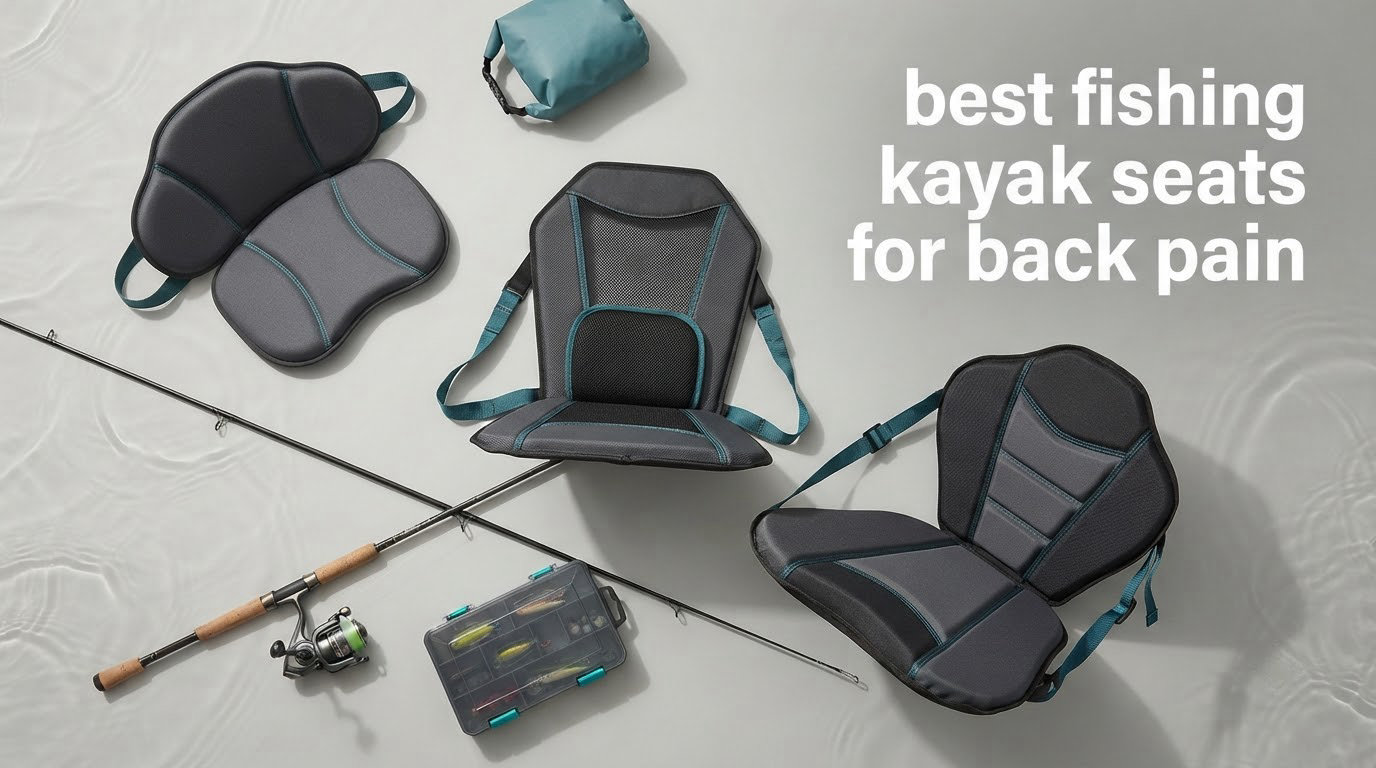
Most kayak back pain is not a cushioning problem. It is a posture problem: you sit low in a flat plastic seat with nothing filling the gap between your seat pan and your lower spine, so within about half an hour your torso folds forward and your lower back takes the load. A fishing kayak seat built for back pain is a chair with a tall backrest, a real lumbar fill and straps you can angle to hold you upright, so your core works instead of your spine.
We compared ten of the highest-reviewed kayak seats with genuine lower-back support, reading the reviews closely for the complaints that matter to anglers rather than for star counts alone. What separates them is not padding thickness. It is backrest height, whether the back angle can be adjusted, and whether the hardware survives saltwater.
Below you will find the best fishing kayak seats for back pain, ranked with the honest drawback attached to each one. We also cover why your back hurts in the first place, how to pick a backrest height from your own torso length, and what you can fix on your existing seat before spending anything.
One note before we start: this is gear guidance, not medical advice. If your back pain is sharp, radiates down a leg, or comes with numbness, get it checked by a professional before you buy anything.
Table of Contents
- Top 3 Picks for Best Fishing Kayak Seats for Back Pain (October 2026)
- All 10 Fishing Kayak Seats at a Glance in 2026
- Why Your Back Hurts in a Kayak and What Actually Fixes It
- 1. GCI Outdoor SitBacker Adjustable Seat: Best Overall for Back Pain
- 2. Leader Accessories Universal Kayak Seat: Best Value
- 3. RELIANCER 2-Pack Deluxe Seat: Best for Saltwater Anglers
- 4. JAYEGT Padded High Back Seat: Best Budget Fix for Back Pain
- 5. BKC Brooklyn UH-KS222 Nylon Seat: Best for a Low-Profile Setup
- 6. Pelican PS0480-3 Sit-on-Top Seat: Best for Outfitting Several Boats
- 7. Trymaker Thick Cushion Kayak Seat: Best for Plush Padding
- 8. HLOGREE Thickened Padded Seat: Best for Fine-Tuning the Back Angle
- 9. Montekin Thickened Kayak Seat: Best for Wet Weather Angling
- 10. AQUARM Deluxe Padded Kayak Seat: Best for Lightweight Portage
- How to Choose a Kayak Seat for Back Pain
- Frequently Asked Questions
- Why does kayaking hurt my back?
- Which kayak seat has the best back support?
- What are good kayak seats for people with bad backs?
- How can I make my kayak seat more comfortable?
- Is a sit-inside or sit-on-top kayak better for back pain?
- What is the 120 rule in kayaking?
- How high should a kayak seat backrest be?
- Do kayak seats really help back pain?
- Final Verdict
Top 3 Picks for Best Fishing Kayak Seats for Back Pain (October 2026)

GCI SitBacker Adjustable Seat
- Lumbar cushion with recline technology
- Folds flat for portage
- Supports up to 250 lb

Leader Accessories Universa…
- EVA foam high back
- 4 adjustable straps
- Corrosion-resistant hooks

RELIANCER 2-Pack Deluxe Seat
- 18 inch backrest
- Marine-grade brass clips
- Two seats and two bags
As an Amazon Associate we earn from qualifying purchases. CERTAIN CONTENT THAT APPEARS ON THIS SITE COMES FROM AMAZON. THIS CONTENT IS PROVIDED 'AS IS' AND IS SUBJECT TO CHANGE OR REMOVAL AT ANY TIME.
All 10 Fishing Kayak Seats at a Glance in 2026
| Product | Specifications | Action |
|---|---|---|
|
GCI Outdoor SitBacker
|
|
Check Latest Price |
|
Leader Accessories Universal Seat
|
|
Check Latest Price |
|
RELIANCER 2-Pack Deluxe
|
|
Check Latest Price |
 JAYEGT High Back Seat
|
|
Check Latest Price |
 BKC UH-KS222 Nylon Seat
|
|
Check Latest Price |
 Pelican PS0480-3 Seat
|
|
Check Latest Price |
 Trymaker Thick Cushion Seat
|
|
Check Latest Price |
 HLOGREE Thickened Cushion
|
|
Check Latest Price |
 Montekin Thickened Seat
|
|
Check Latest Price |
 AQUARM Deluxe Padded Seat
|
|
Check Latest Price |
We earn from qualifying purchases. CERTAIN CONTENT THAT APPEARS ON THIS SITE COMES FROM AMAZON. THIS CONTENT IS PROVIDED 'AS IS' AND IS SUBJECT TO CHANGE OR REMOVAL AT ANY TIME.
Why Your Back Hurts in a Kayak and What Actually Fixes It
Here is the honest mechanism. The seat that comes with most sit-on-tops is a flat plastic pan with a low back. Sit in it for ninety minutes and your hip flexors shorten, your pelvis tips backward, and your lumbar spine loses its natural inward curve. The result is the dull, symmetrical ache across the small of the back that paddlers describe so consistently.
Four things drive it, and only one of them is the seat itself:
1. The lumbar gap. A flat pan leaves three to four inches of unsupported space between your sacrum and the top of the seat back. Fill that gap and your torso has something to brace against. This is the single biggest factor, and it is why backrest height matters more than cushion softness.
2. Seat height and the centre of gravity. A thicker pad raises you, which feels comfortable and quietly reduces secondary stability. Anglers who fish wind and current feel this first. It is the trade-off forum users keep rediscovering: a plush pad that feels great for an hour can make a sit-on-top twitchy in a chop.
3. Foot brace and knee position. Anglers repeatedly report that moving the foot brace and getting the knees bent changes their back more than swapping the seat. The target is roughly a right angle at hip and knee with feet braced. If your legs are straight out in front of you, your hamstrings pull your pelvis into exactly the rounded position that hurts.
4. Static time. Pain usually builds between two and four hours on the water, not in the first hour. No seat removes that. What a good seat does is hold you upright when your core quits, which pushes the wall out by a meaningful margin.
There is a fifth issue that no seat solves, and anglers mention it more than any other complaint: standing up to cast. After three hours in a low seat, the sit-to-stand movement is where a lot of people feel their back go. A very high backrest makes it worse by boxing you in. The sequence that helps is: hands to the forward thwart, one foot planted flat, push through the arms rather than the lower back, then stand. The mistake is trying to rise purely from the lower back because the seat swallows your feet.
One r/Kayaking user described running a bare seat with no lower back foam plus a self-inflating pad velcroed into the lumbar gap to conform to the curve. A commenter in the same thread recommended pairing a stadium-style seat with a separate lumbar support. That add-on route comes up again and again, and for a lot of anglers it works nearly as well as a full replacement.
Our method for this roundup: we ranked on the combination of rating and review volume, then read the negative reviews first. A seat that solves lower-back support but puts a cheap clip on your straps is a bad buy for a saltwater angler, whatever its star rating says.
1. GCI Outdoor SitBacker Adjustable Seat: Best Overall for Back Pain
GCI Outdoor SitBacker Adjustable Canoe Seat with Back Support
- Lumbar cushion with recline tech
- Folds flat to 3.7 inches
- 2.9 lb, supports 250 lb
Pros
- Real lumbar cushion plus recline mechanism
- Holds up at a 250 lb capacity
- Collapses flat so it fits in a car
- Quick dual-buckle bench setup
Cons
- Bench strap mount suits canoes more than fishing rigs
- Steel frame is heavier than all-foam seats
This is the only seat in the group with a designed recline mechanism rather than fixed-angle foam, and that matters more for a bad back than any amount of extra padding. The lumbar cushion sits in exactly the gap that causes the slump, and the BackComfort system lets you lean back a few degrees without losing support.
It is also the most-reviewed seat here by a wide margin, which tells you something useful: it has been used in real conditions for many seasons rather than sampled once. Buyers consistently point to the lumbar pad and the fold-flat design rather than to the frame.
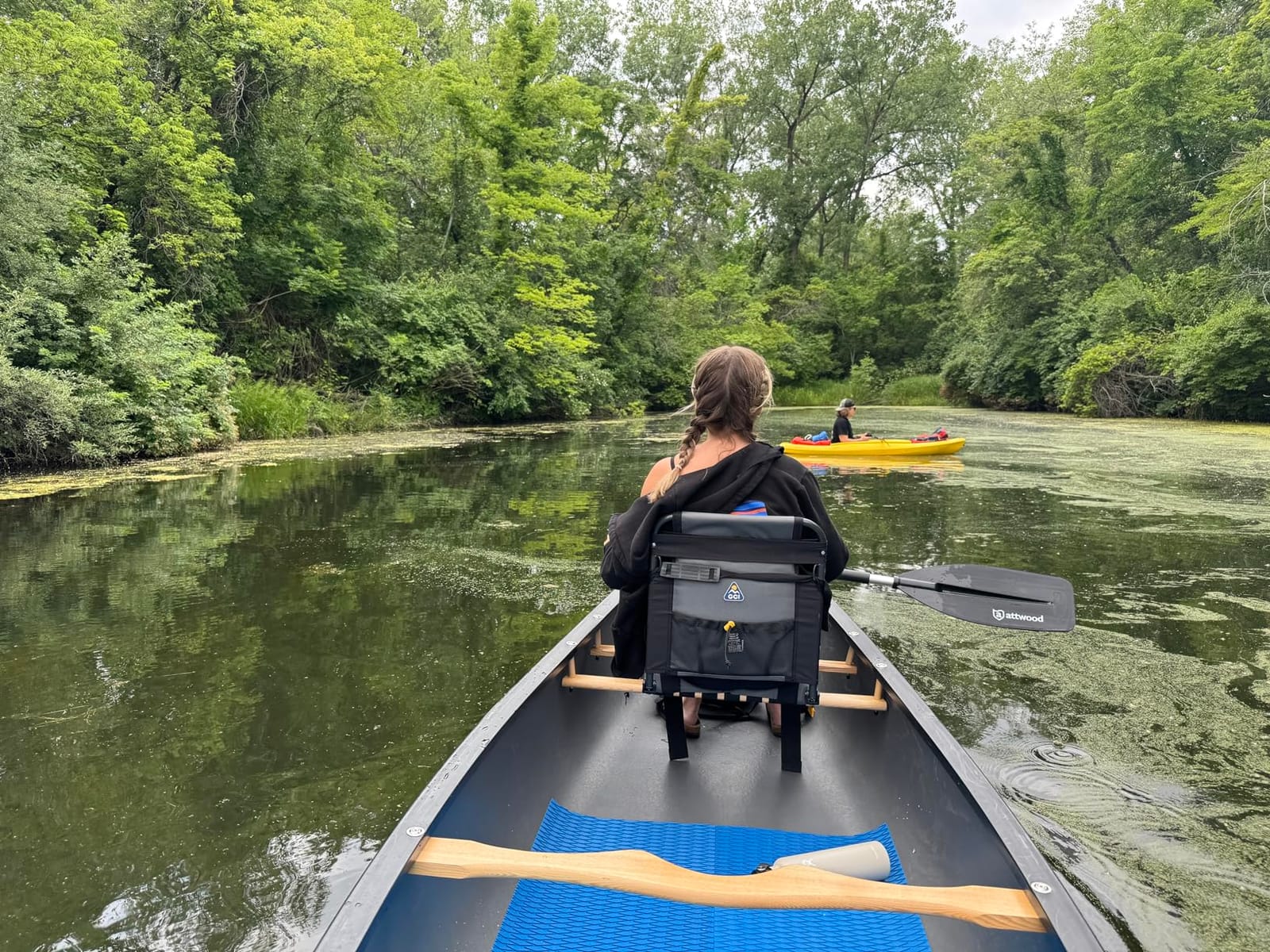
For anglers specifically, the honest drawback is the mounting. This attaches to a canoe bench or thwart with a dual-buckle strap, and that is a different job from the strap-and-clip rig on a fishing sit-on-top. If your boat is a fishing kayak, budget time to adapt the fixings, or plan to carry a thwart plate.
Key specs: it opens to 12.3 by 16.5 by 17.9 inches, folds to 3.7 inches thick, weighs 2.9 pounds, and is rated to 250 pounds. There is a built-in storage pocket and a portage lock, and no assembly is required.
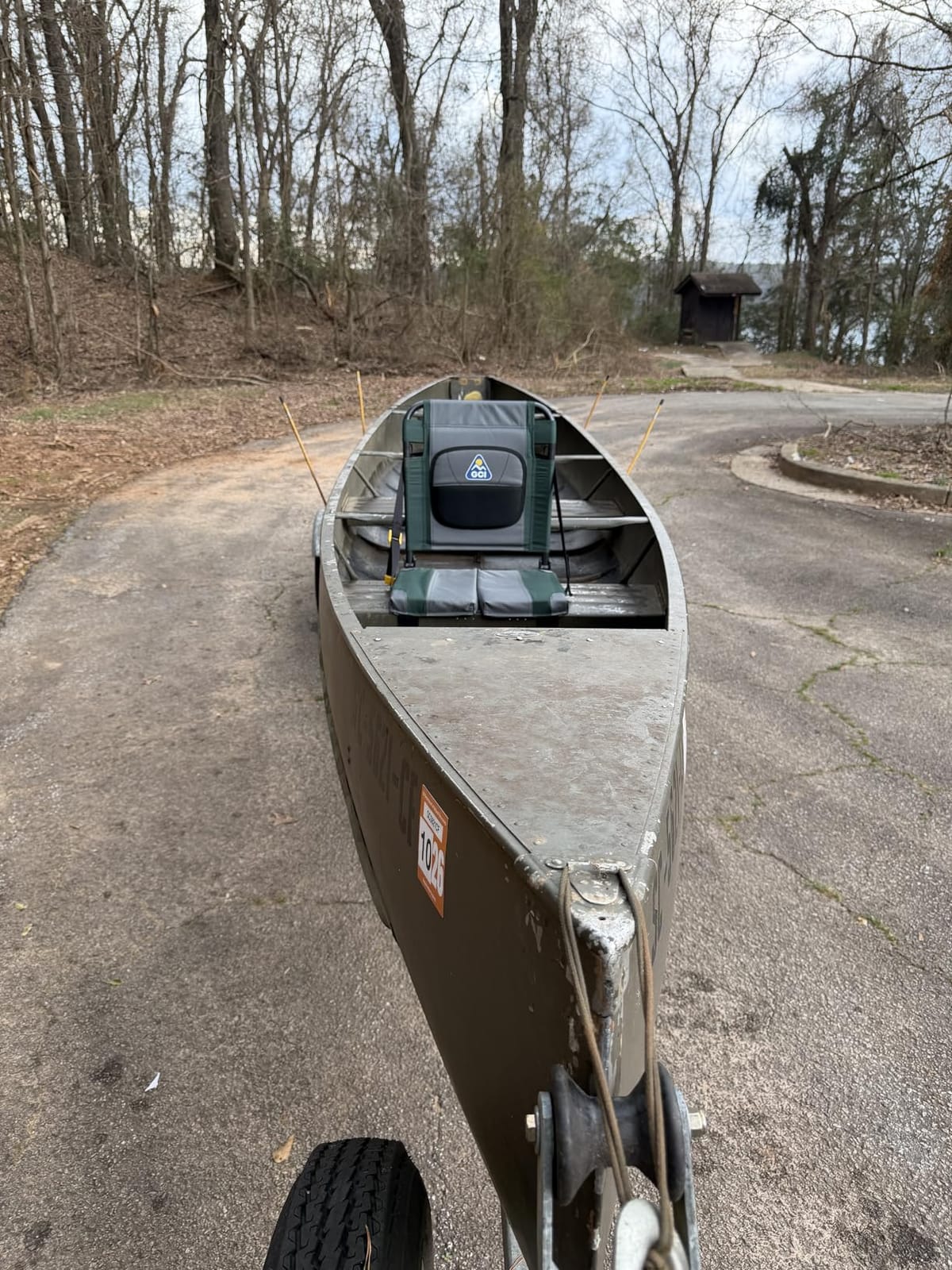
Why your lower back will thank you for it
The recline is the point. When you lean back a few degrees, your lower back unloads and your core takes the work, which is the mechanism a lumbar pad is trying to fake with foam. Anglers who spend five hours on the water report the difference shows up in the last two hours, which is exactly where the group reports pain building.
The fold-flat design is not a comfort feature but a practical one. Most back-pain anglers paddle to put-ins and carry gear, and a 2.9 pound seat that compresses to 3.7 inches is far easier to manage than a rigid foam block.
Where it falls short
The steel frame is heavier than every all-foam seat in this roundup, and the bench-oriented strap system is a genuine mismatch for a bare fishing kayak deck. If you need a light seat that straps straight to D-rings, the Leader Accessories model below fits more directly.
It is also a single rigid shape. Very tall paddlers who need the backrest above the shoulder blades can find the top edge lands in an awkward place. Measure before you commit.
2. Leader Accessories Universal Kayak Seat: Best Value
Leader Accessories Kayak Seat SUP Seat Canoe Seat Boat Seat (Black/Gray)
- EVA foam with 210D polyester shell
- High back, 33 cm wide
- 4 adjustable straps
- 2.7 lb
Pros
- Ergonomic high back supports hips and lower back
- Durable EVA foam and 210D polyester
- Four straps fit a wide range of kayaks
- Corrosion-resistant high-grade hooks
- Detachable waterproof rear bag
Cons
- Fixed molded shape cannot fold flat
- Back height is mid-range rather than tall
If the GCI seat is the answer for someone with a diagnosed back problem, this is the answer for the angler who simply gets stiff after a long morning. It carries a 4.5 rating across more than 1,800 reviews, which is about as much real-world evidence as you can get on a seat in this price bracket.
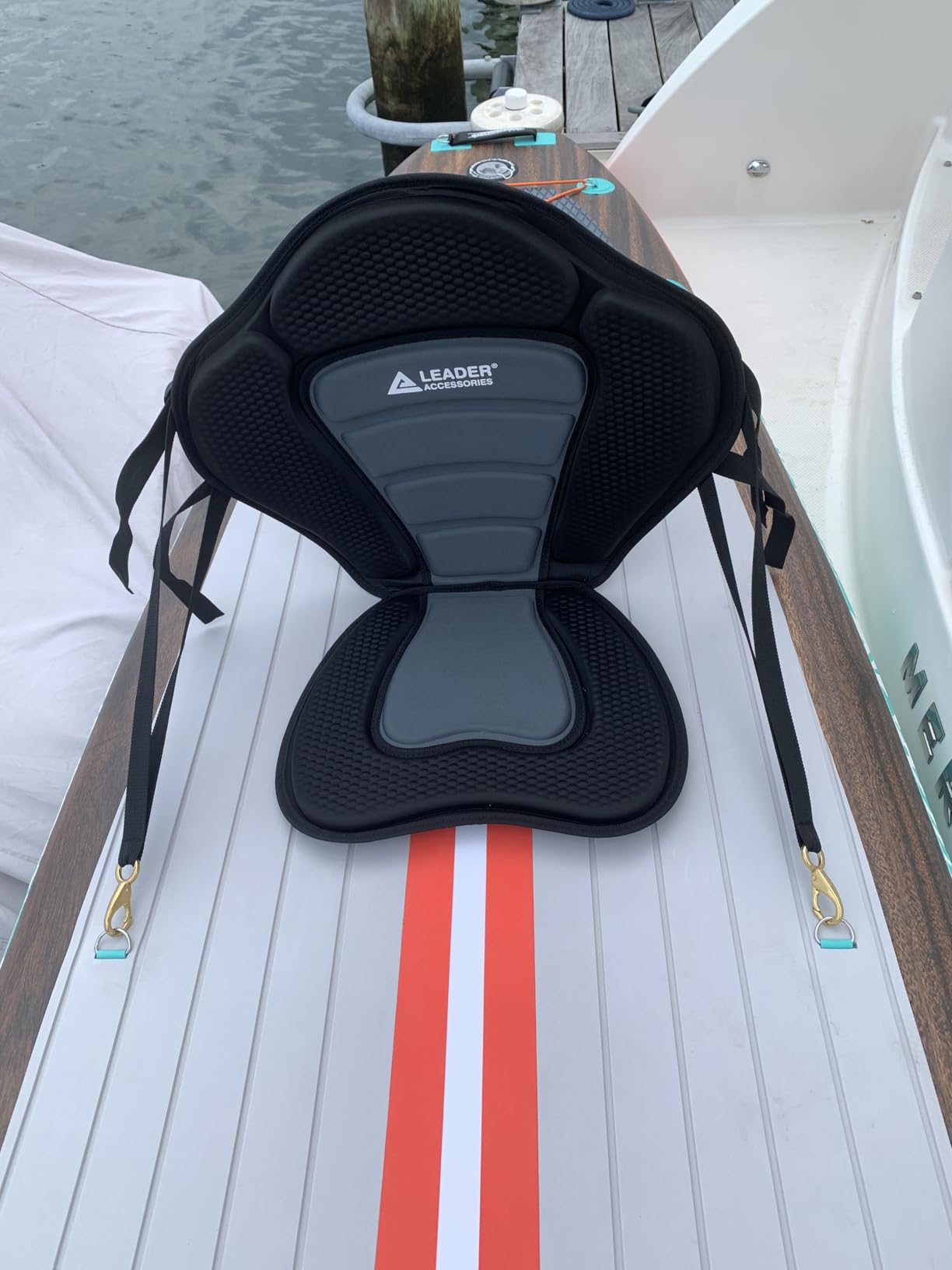
The design is straightforward: a molded EVA foam core under a 210D polyester shell, a raised back that supports both the lower back and the hips, and four adjustable straps, two at the front and two at the rear, that let you pull the back panel into a tighter curve than a stock seat allows.
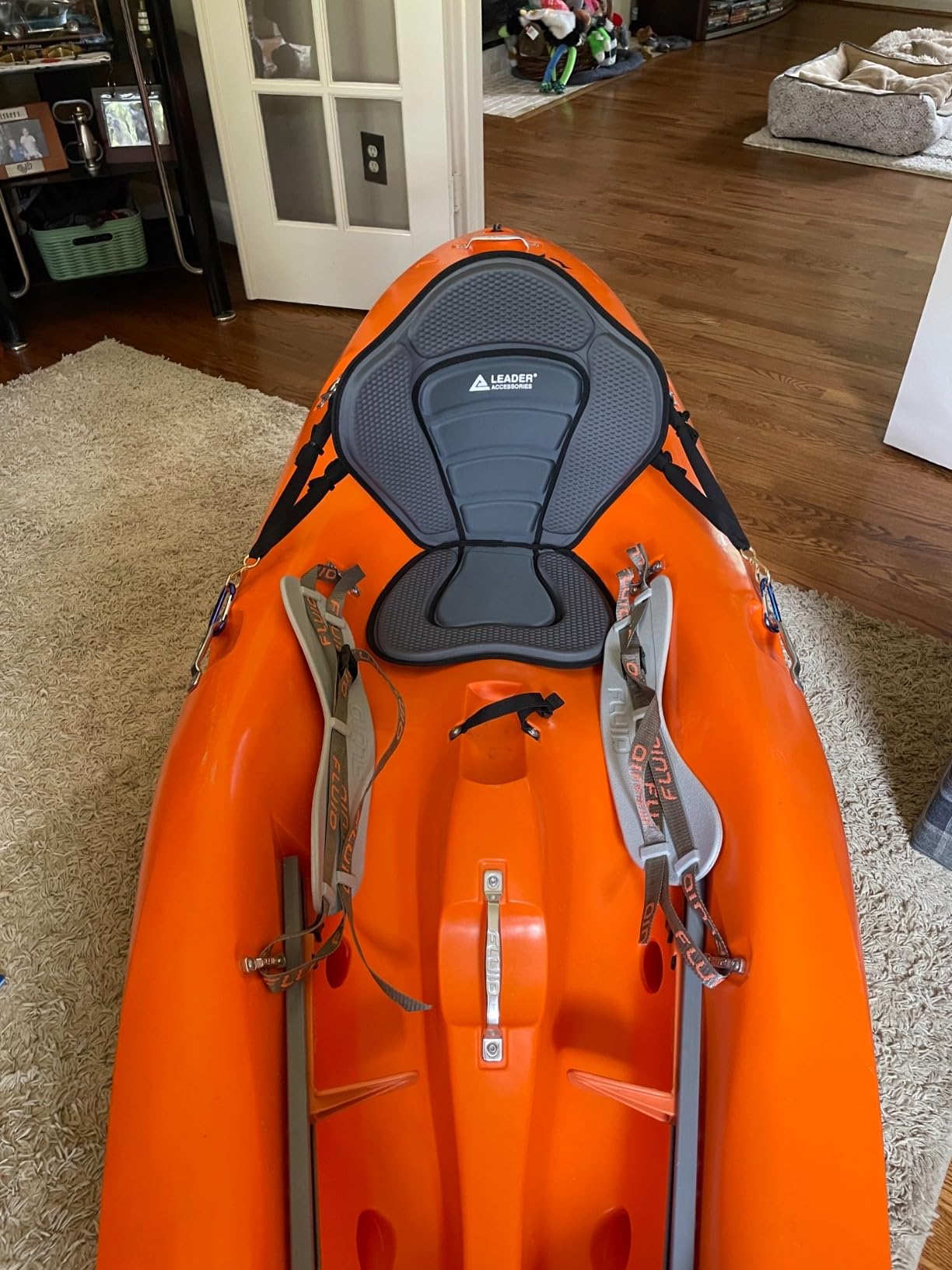
The hardware detail that gets singled out is the hooks. The manufacturer uses a higher grade than most of the market and reviewers call out the corrosion resistance, which matters if you fish brackish water or an estuary rather than a protected lake.
At 2.7 pounds with a 33 cm seat width, it drops into most cockpits without a fight. Installation is quick and the straps accommodate different hull widths, so the same seat can move between two boats.
Why it earns the value slot
Two things put it ahead of the cheaper foam seats. First, the four-strap system genuinely changes the back angle rather than just holding the seat in place. Tightening the upper pair pulls your shoulders back, which is the cheapest posture correction available on a kayak deck.
Second, the corrosion-resistant hardware. It is unremarkable in the spec sheet and completely decisive if you ever fish saltwater, which is exactly the failure saltwater anglers report on cheaper fittings.
Where it falls short
Molded foam is a fixed shape. If you share a seat between two paddlers of very different size, or you want to flatten it for a tandem setup, it will not cooperate. It also cannot fold down to the 3.7 inches the GCI manages, so it is bulkier to transport.
The back is mid-height rather than tall. Tall paddlers who need lumbar coverage up to the shoulder blades should look at the 18 inch models below instead.
3. RELIANCER 2-Pack Deluxe Seat: Best for Saltwater Anglers
2 Pack of Kayak Seat Deluxe Padded Canoe Backrest Seat Sit On Top Cushioned Back Support SUP Paddle Board Seats with Detachable Storage Bag 4 Adjustable Straps for Kayaking Canoeing Rafting Fishing
- 18 inch tall backrest
- Marine-grade brass clips
- Two seats plus two bags
- Ventilated core
Pros
- Tall 18 inch backrest gives real lumbar coverage
- Thick EVA foam over a PE plate core
- Marine-grade brass clips resist rust
- Widened four-way straps stop deck slippage
- Built-in ventilation
Cons
- Two-pack format is bulky to carry
- Backrest panel is not collapsible
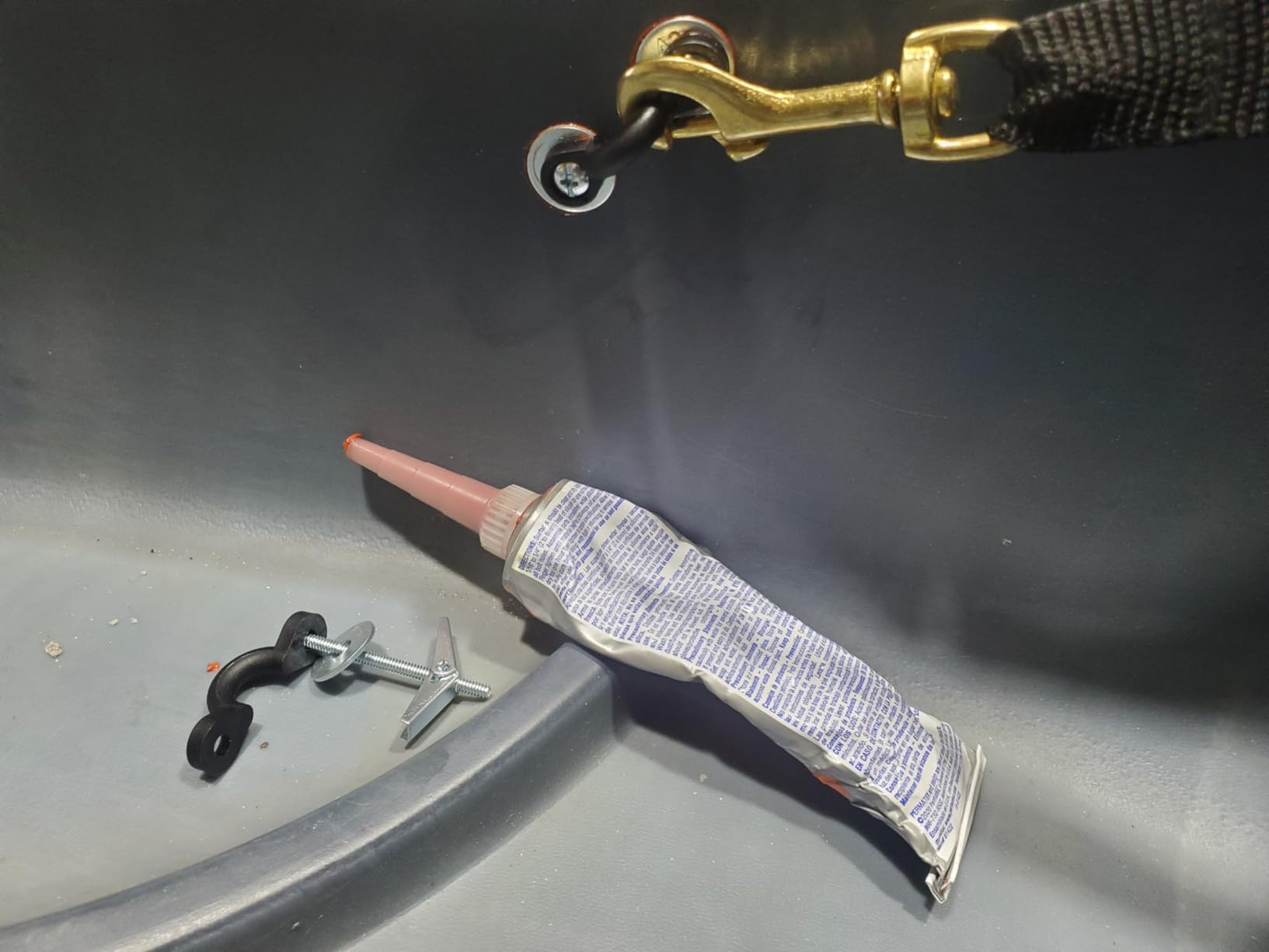
The reason saltwater anglers report corroding clips and buckles is almost always the hardware, not the foam. This one specifies marine-grade brass clips, and that single detail makes it the pick for anyone fishing surf, flats or estuary water.
Backrest height is the headline number at 18 inches, measured across a panel that is 18 by 20.4 inches with a 12.2 by 15.3 inch seat pan. That is the size of back that fills the lumbar gap on a torso of average to above-average length, and it is noticeably taller than the 8 inch backrest on one of the seats below.
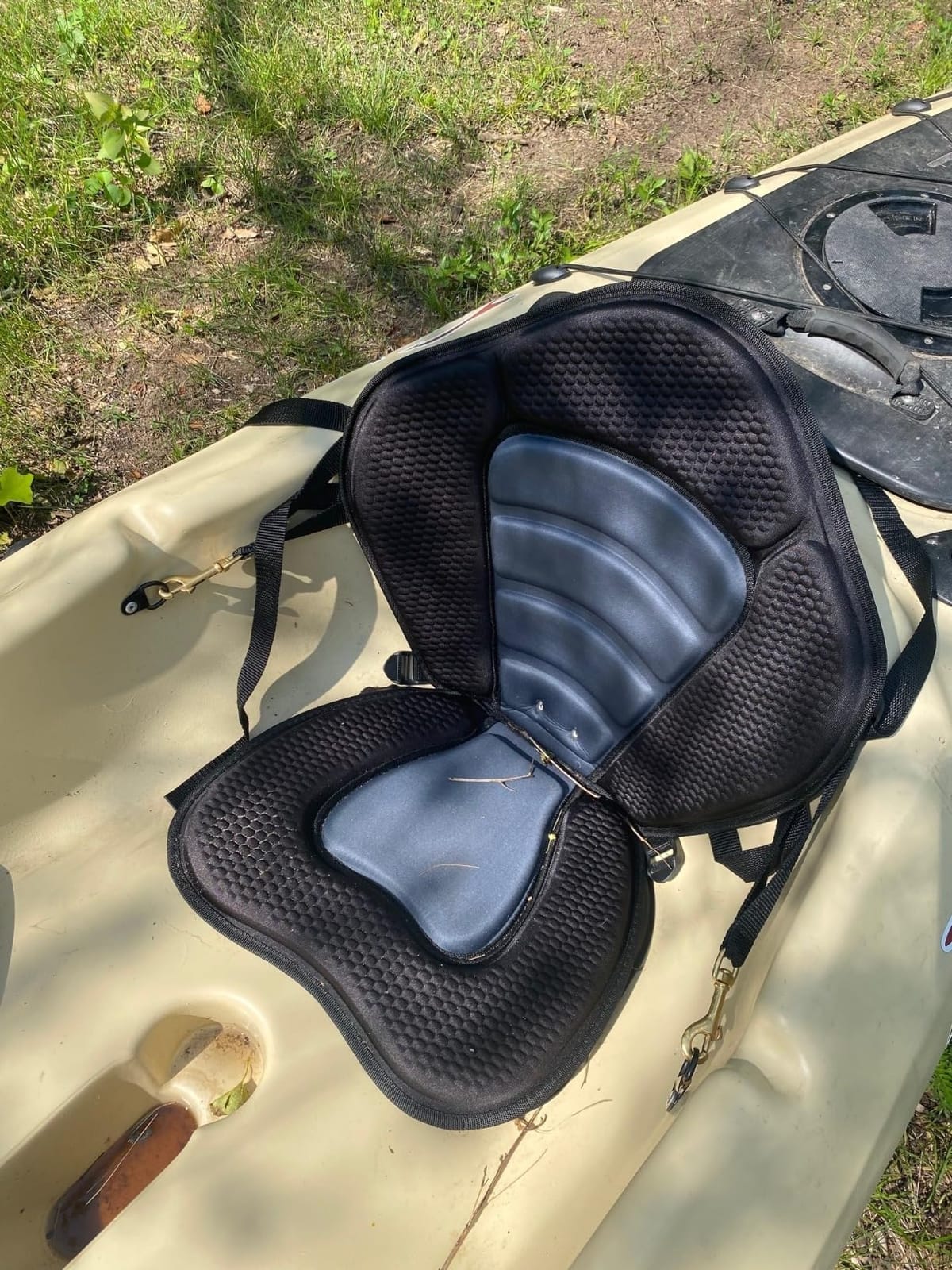
Internally it is UV-resistant neoprene and 600D polyester over EVA foam with a PE plate, which gives a firmer centre than pure foam and helps the panel hold its shape across a season. The widened straps are a real feature rather than a marketing line; deck slippage is what makes a fishing seat creep forward mid-cast.
You get two seats in the pack with two detachable water-resistant storage bags. For a tandem rig or a boat-and-trailer setup, that is a straightforward way to outfit both cockpits consistently.
Why the back height matters for a sore lower back
An 18 inch backrest reaches the lower thoracic region on most paddlers, which means your shoulder blades have a contact point as well as your lumbar spine. That second point is what stops the forward fold that pulls on the lower back during a long static sit.
The built-in ventilation system is worth more than it sounds. Foam seats trap heat, and hot foam gets softer, which means less lumbar support exactly when you have been sitting in the sun for three hours.
Where it falls short
The two-pack format is genuinely bulky. It is a sensible choice if you need two seats and an awkward one if you want a single spare to throw in the car, and the backrest panel does not collapse for tight transport.
It is also a heavy, fixed-format seat. Anglers who stand to cast repeatedly will find an 18 inch backrest limits shoulder rotation more than a mid-height seat does.
4. JAYEGT Padded High Back Seat: Best Budget Fix for Back Pain
JAYEGT Kayak Seat Padded Deluxe High Back Canoe Seat with Back Support Adjustable Fishing Seat for Universal Sit with Detachable Kayak Backrest
- 18.11 inch high backrest
- EVA foam and PE plate core
- Neoprene and 600D polyester
- Storage bag included
Pros
- Gives you an 18 inch high backrest at the lowest tier
- Contoured padded backrest is anti-skid and supportive
- Long adjustable straps with spring hooks
- Detachable water-resistant bag and one-year warranty
Cons
- Softer and thinner padding than the deluxe foam models
- Back support feels less firm over a full day
The question this answers is simple: can you get a genuinely tall backrest without paying for one? On height, the answer is yes. This seat measures 18.11 inches from seat pan to top of back, which puts it alongside the premium foam models on the single number that matters most for lumbar support.
The construction is the familiar modern stack: neoprene and 600D polyester outer, EVA foam with a PE plate interlayer inside. The contoured padding is described as soft and anti-skid, and the seat is 15.35 inches wide by 13.38 deep.
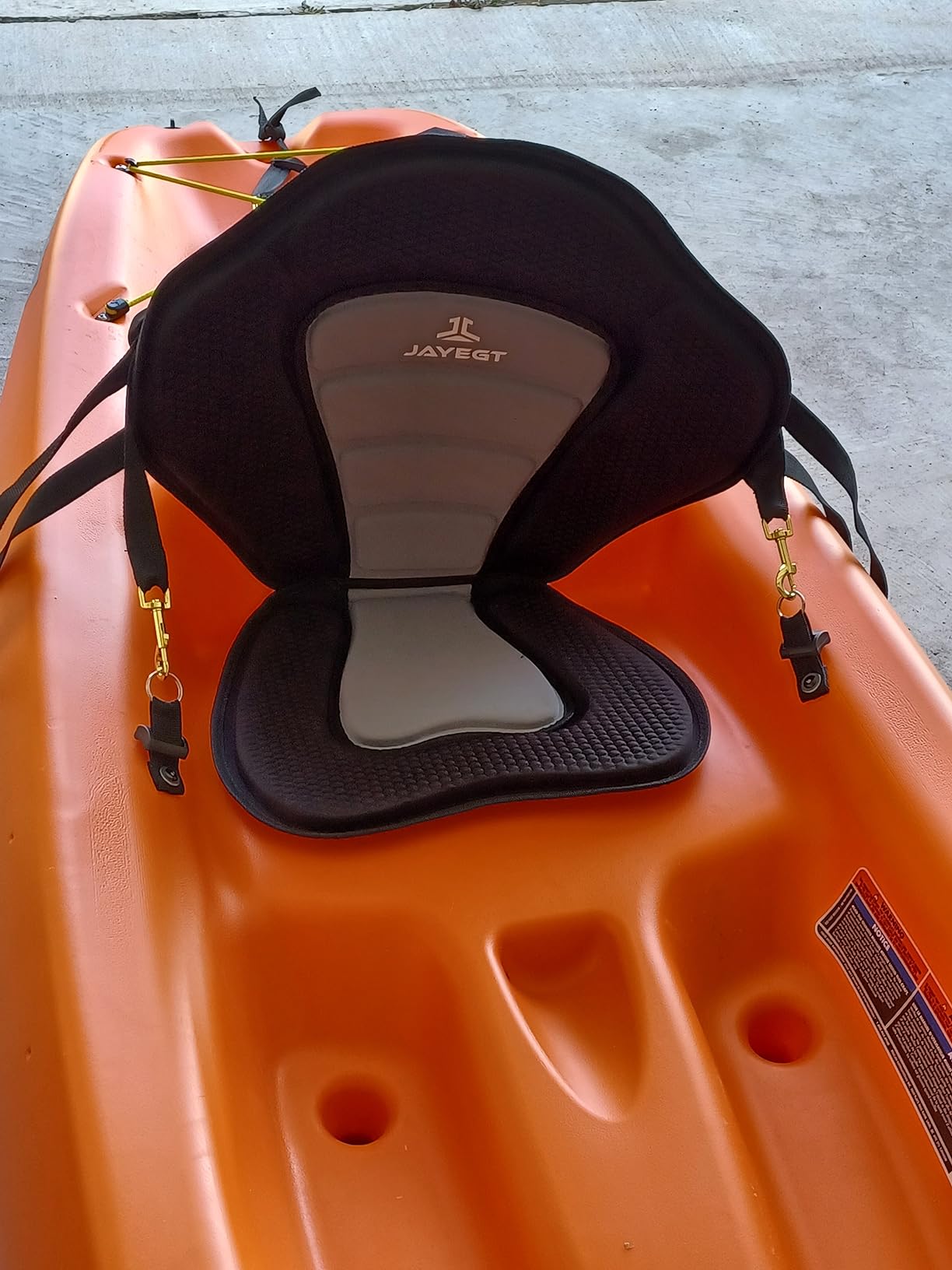
Mounting is handled with adjustable front and rear straps and metal spring hooks, which reviewers single out for grip. A water-resistant detachable storage bag comes in the box, and there is a one-year manufacturer warranty.
With 944 reviews averaging 4.3, it is a well-exercised listing rather than a speculative one. Buyers frame it as value, and the high back plus the included bag are what they mention first.
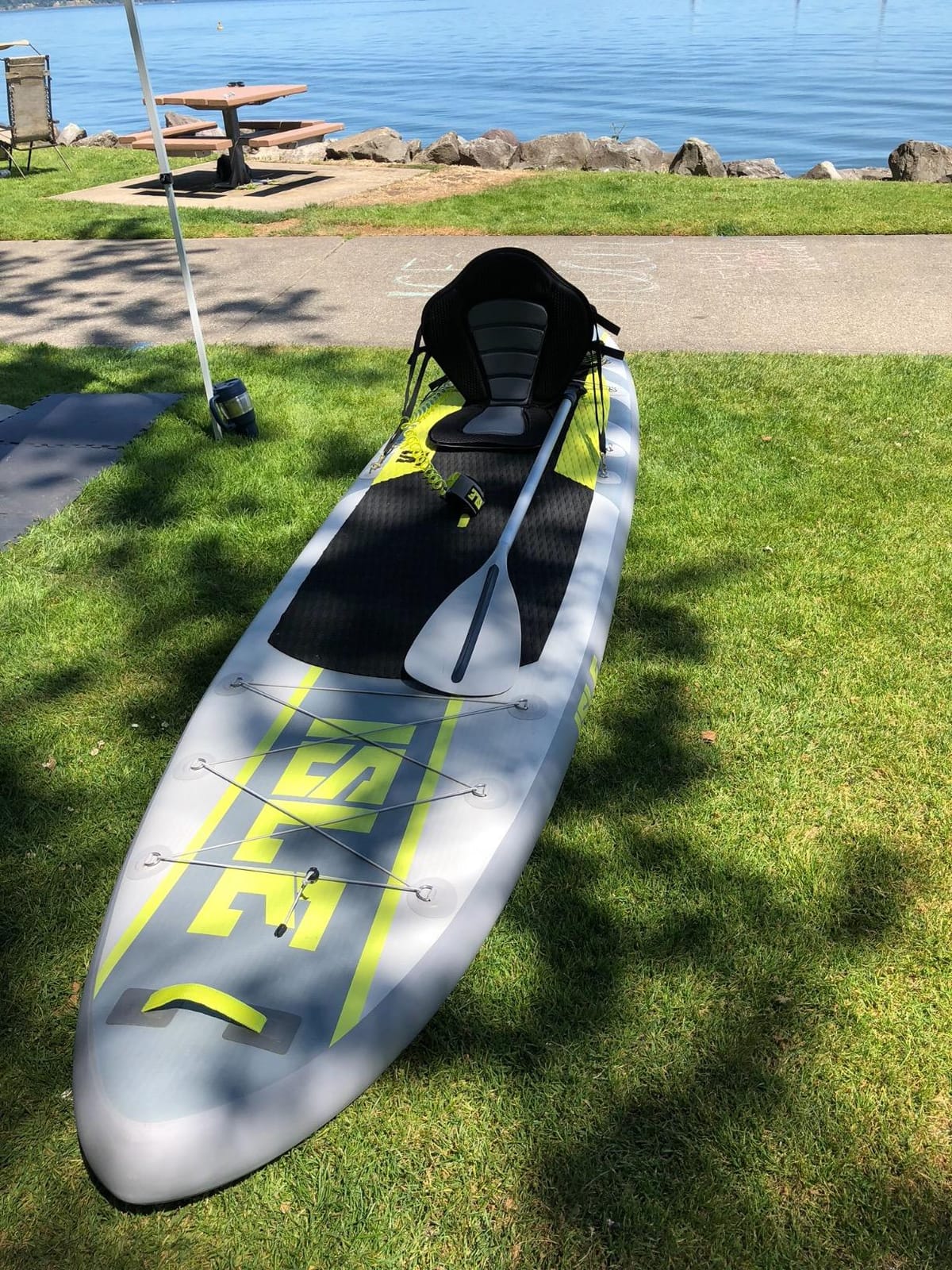
Why a budget pick still helps a real back problem
Because backrest height, not cushion density, is what fills the lumbar gap. An 18 inch back of moderately firm foam at a lower tier will outperform a short back of plush foam every time, because the contact point between your lower spine and the seat changes completely.
For a paddler whose pain is the rounded-forward slump, this is enough. Reviewers who use it for full days report the contoured shape stops the seat digging into the hips, which is a separate source of low-back irritation.
Where it falls short
The honest answer is firmness. Several buyers describe the padding as thinner and softer than the deluxe models, so over a long day it compresses and offers less pushback into the lumbar curve. If your pain is sharp rather than achy, that difference matters.
It also has the second-lowest five-star share in this group, which usually signals a wider spread of expectations, some of whom wanted a firmer seat than a budget tier can deliver.
5. BKC Brooklyn UH-KS222 Nylon Seat: Best for a Low-Profile Setup
BKC Brooklyn UH-KS222 Padded Nylon Kayak Seat
- 18 inch wide padded seat and backrest
- 4-way adjustable straps
- Zinc-plated alloy hardware
- 1 year warranty
Pros
- Low profile adds comfort without adding boat weight
- Installs or removes in about a minute
- Woven nylon resists UV fading and punctures
- Rear zippered pouch for small items
Cons
- Cushioning is thin for long hours
- Base fabric is slippery and the hardware can corrode
This one solves a problem the foam seats create. Every thick padded seat in this roundup adds height, and height raises the centre of gravity. If you fish exposed water or a windier lake and you care more about a stable platform for casting than about a soft seat, a low-profile nylon chair is the more sensible answer.
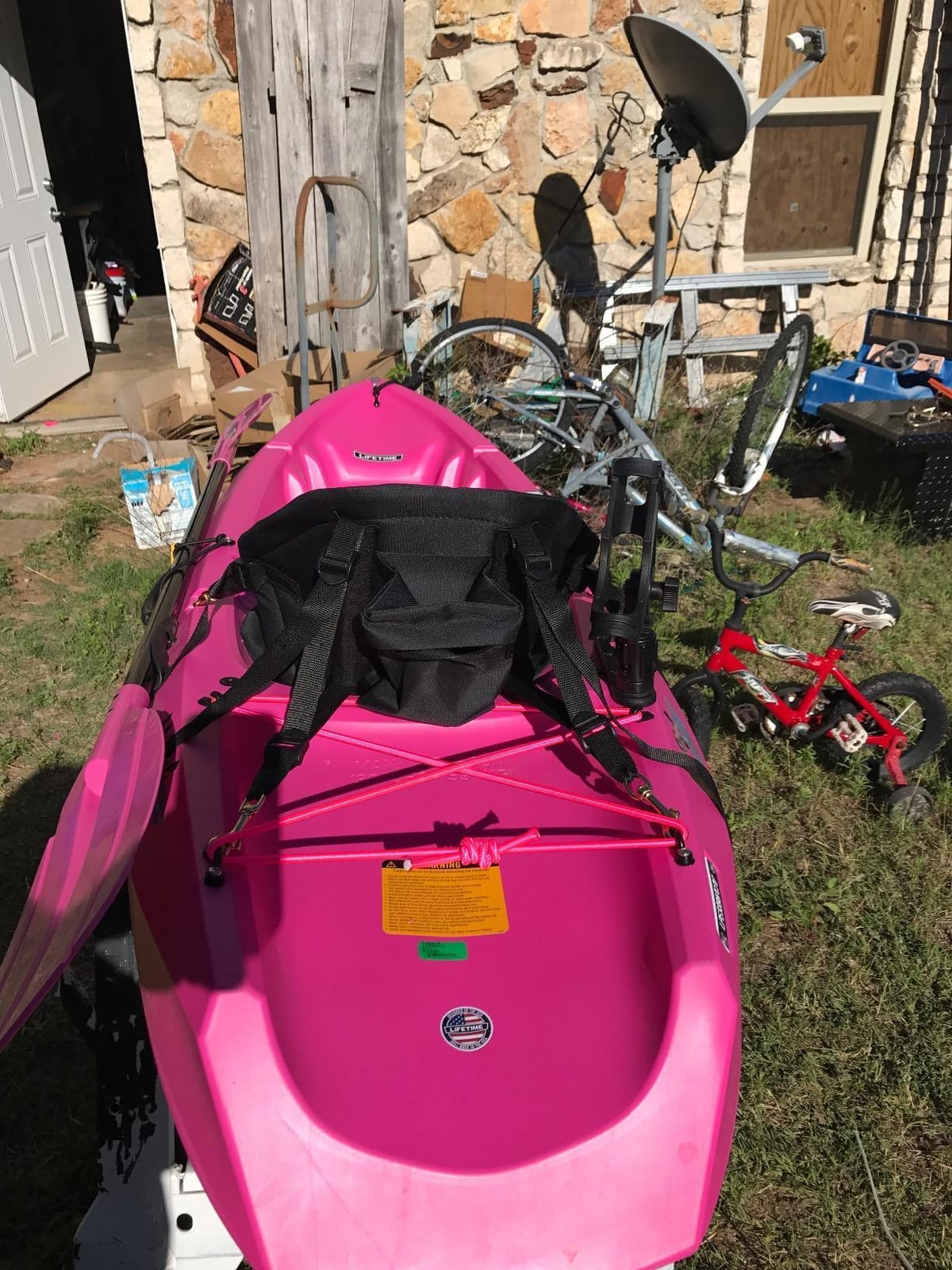
The seat is 18 inches wide, which is wider than most of the foam models here, and the backrest is contoured rather than flat. The material is woven nylon with zinc-plated alloy hardware, and the whole point of the design is that it adds comfort without meaningfully changing how the boat handles.
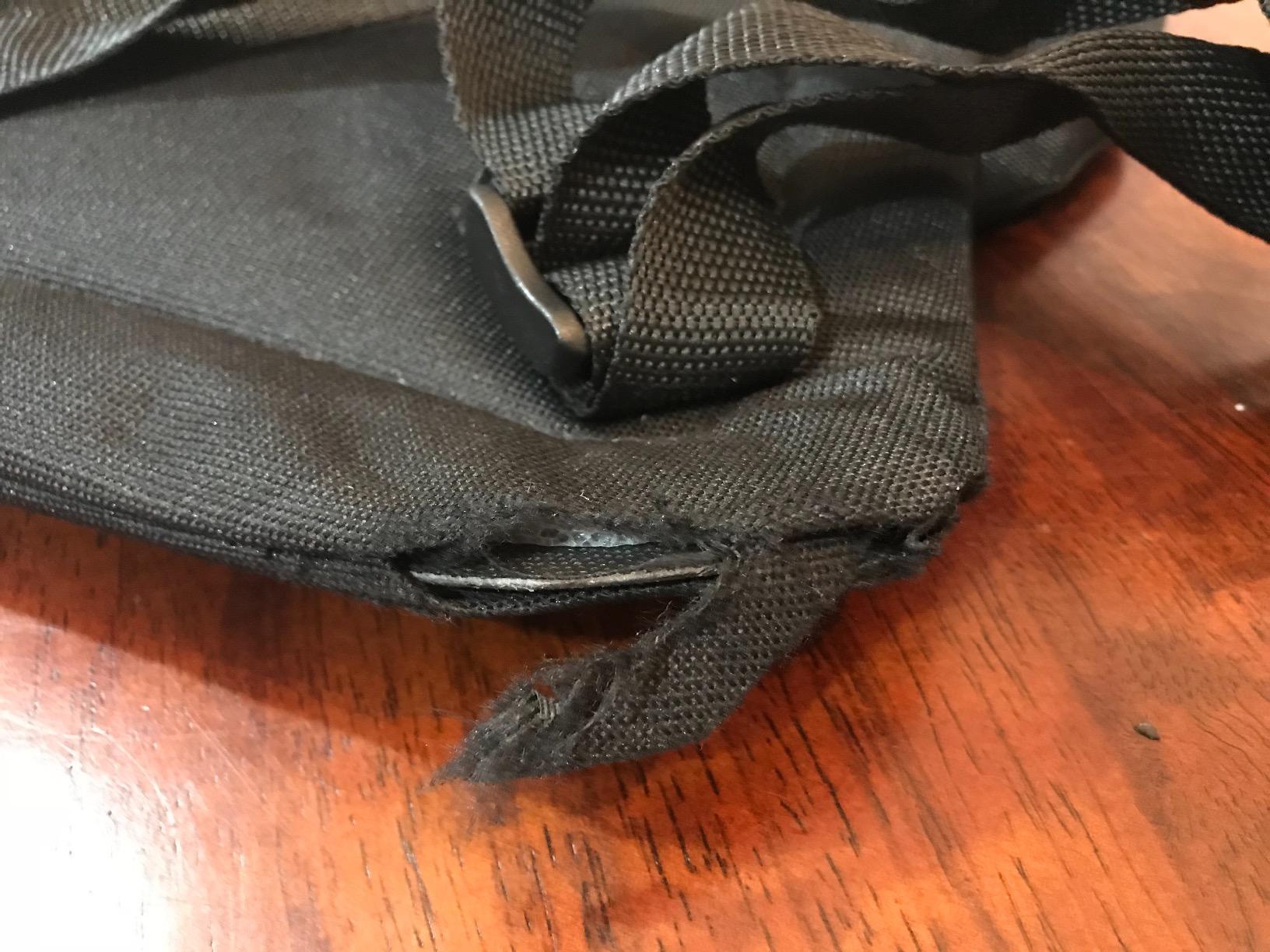
Setup is a genuine strength. Four-way adjustable front and rear straps mean the seat installs or comes off in about a minute, so you are not rebuilding your cockpit each trip. That matters if you move between a sit-on-top and a small fishing boat.
There is a rear zippered pouch for a wallet, keys or a small dry box, and a one-year warranty from Brooklyn Kayak Company.
Why low profile helps more than people expect
Angler forums keep returning to the same point: a thick pad feels wonderful in a sheltered lake and makes a fishing kayak feel unstable in a chop. A low seat keeps your weight down and leaves more deck free, which is why this style stays popular with people standing to cast.
The 18 inch seat width also spreads your weight across the hips rather than concentrating it on the sit bones, and sit-bone pressure is a common hidden driver of lower-back ache on long sits.
Where it falls short
The padding is thin. Adults wanting a plush cushion for hours on end will find it inadequate, and thin padding means less lumbar fill. This is a back-support improvement over a bare plastic seat, not a full replacement for a foam one.
Two further caveats: the bottom of the seat is the same slippery nylon as the top, so some owners add rivets or pad eyes to stop movement, and the snaps are plated metal rather than true marine brass, which matters for saltwater use.
6. Pelican PS0480-3 Sit-on-Top Seat: Best for Outfitting Several Boats
Pelican – Sit-on-top Kayak or SUP Seat – Universal Fit Water Repellent Cushion with Back Support – Black
- Seat back 15 by 8 inches
- Front strap extends to 28 inches
- Water-repellent nylon
- D-ring attachment
Pros
- Long straps fit a wide range of sit-on-top hulls
- Articulated multi-strap system lets you set the recline
- Water-repellent nylon performs well when wet
- Zipped backrest lets you stack a kayak on a roof rack
Cons
- Backrest is only 8 inches tall
- Seat can slide forward without a rear contact point
- May need the accessory mounting kit
I want to be straight with readers about this one, because it is the pick I would not recommend to someone with a genuine back problem. The backrest measures 15 inches wide by 8 inches tall, and that 8 inches is the most common complaint across its reviews. It is not enough lumbar coverage for most adults.
What it does very well is fit. The front web strap extends to 28 inches and the rear to 21 inches, which is a longer range than anything else here, and it attaches to D-rings. If you own several sit-on-tops of different sizes, this is the seat that will actually fit all of them.
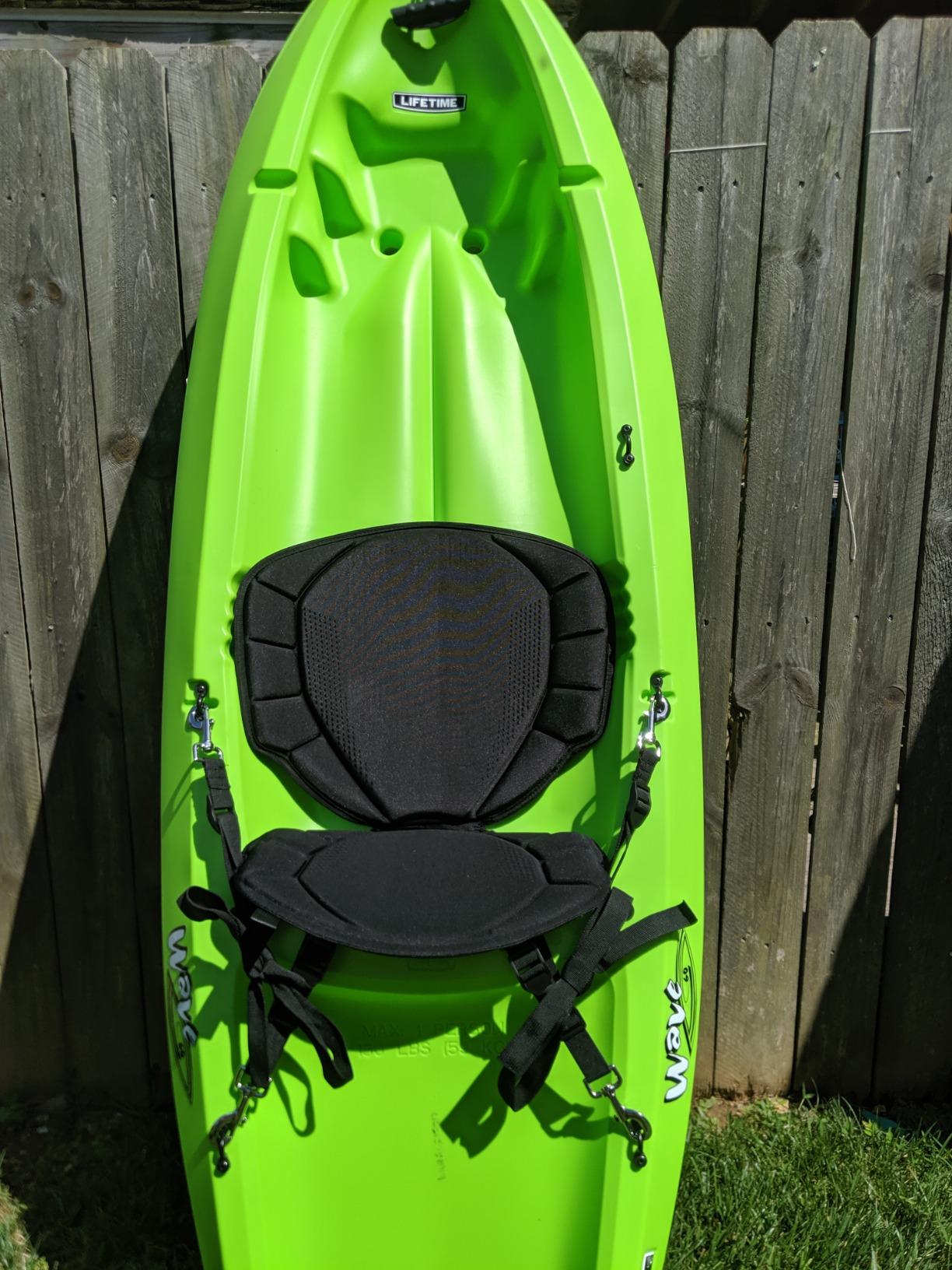
The articulated design and multi-point web strap adjustment also let you set a recline angle, which is more than the low-back budget seats offer. The water-repellent nylon is a sensible material for a wet seat and reviewers praise the stitching and construction.
At 4.2 stars across 660 reviews, it sits at the lower end of this group, and the pattern in the reviews explains why: people like the fit and the build, and are disappointed by the back height.
When it is still the right call
If your back pain is mild and comes from hip pressure rather than lumbar support, the wide 17.5 inch base and the articulated recline can be enough. Some anglers also use it as a base and add a separate lumbar pad on top, which is the DIY route that recurs in the forums.
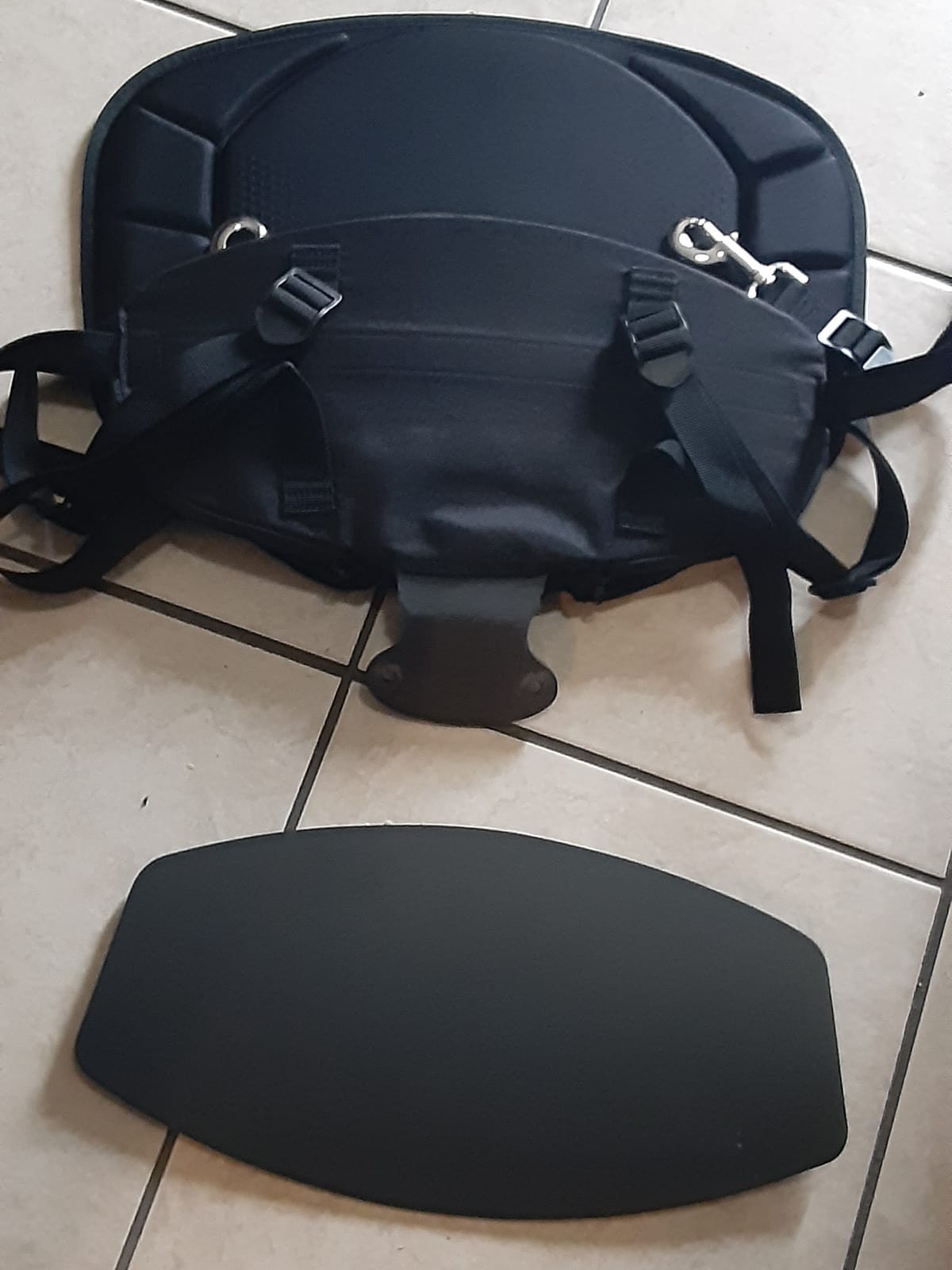
The zipped backrest is a genuinely clever detail. It lets you remove the seat so you can stack your kayak on a roof rack, which a fixed foam back prevents.
Where it falls short
Eight inches of back is the deal-breaker for a lower-back sufferer. Buy this only if your pain is a hip or tailbone ache, or if you plan to add lumbar support yourself.
It also needs D-rings and may require the separate mounting kit, and the seat can shift forward on the deck if there is no contact point behind it. Some reviewers report the underside zipper working loose while paddling.
7. Trymaker Thick Cushion Kayak Seat: Best for Plush Padding
Trymaker Kayak Seats with Back Support, Thick Paddle Board Seat, Universal
- 1.97 inch three-layer cushion
- 3 mm PE board backrest
- 264 lb load capacity
- Zinc alloy buckles
Pros
- Thickest cushion in the group at 1.97 inches
- Rigid PE board backrest holds an upright angle
- Hook-and-loop base stops the seat shifting
- Generous straps fit inflatable craft
Cons
- Aluminium clips repeatedly reported snapping
- Lowest average rating in the group at 4.0
- Thinner than the marketing suggests
Several reviewers with existing back pain say this seat genuinely helped, and the reason is straightforward: it is the thickest cushion here at 1.97 inches, built as a three-layer structure. Thickness lifts you off the moulded deck, and a rigid 3 mm PE board backrest holds an upright angle instead of flexing with you.
The base uses hook-and-loop tape to stop the seat sliding once placed, which addresses the creeping-seat problem that makes casting awkward and adds asymmetric loading to the lower back. Load capacity is listed at 264 pounds.

It is rated for inflatable kayaks, sit-on-tops, tandems and SUP boards, and the strap length is generous enough that inflatable users report a good fit. A large PVC waterproof pouch comes in the box for tackle and snacks.
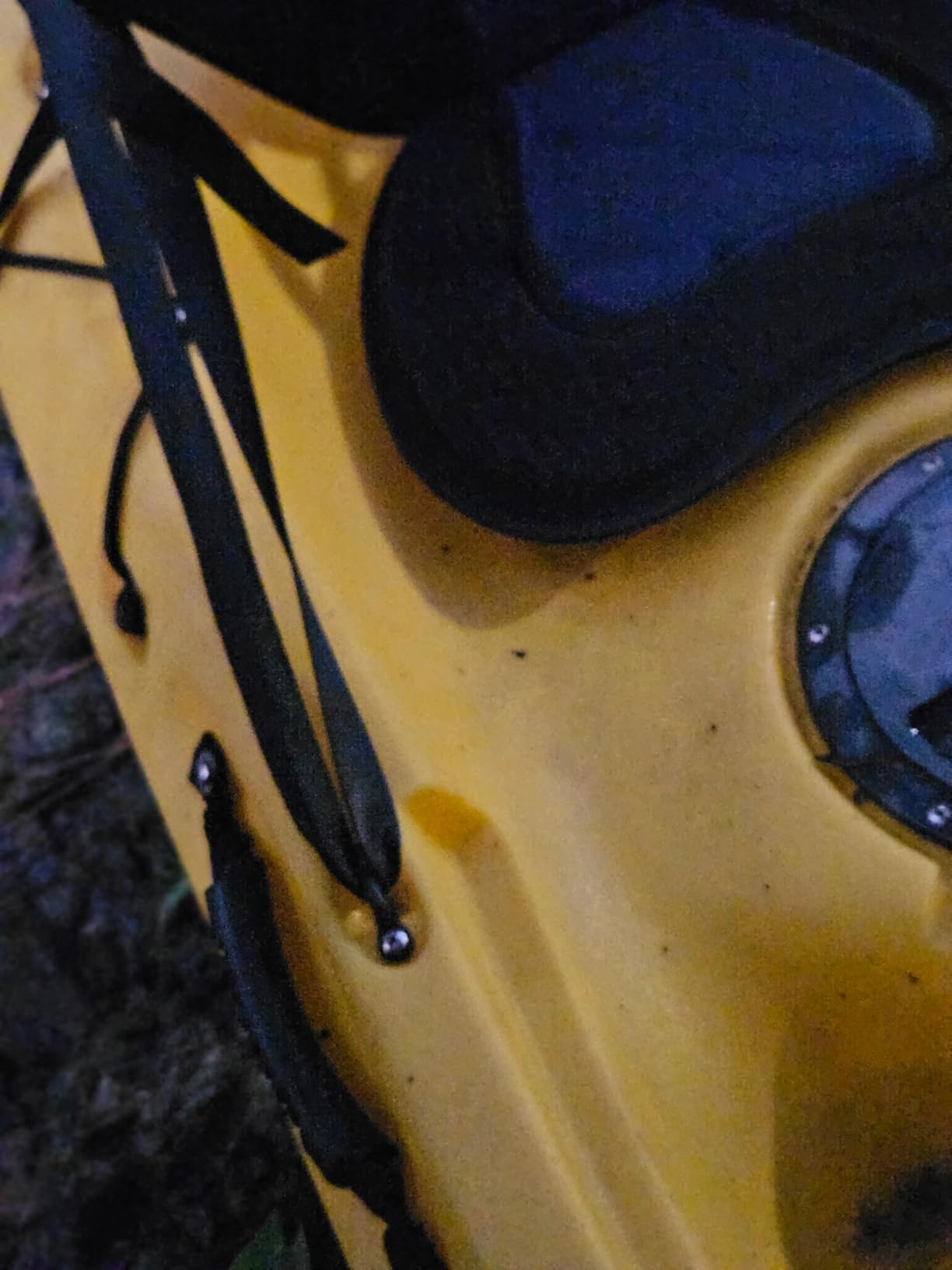
I am rating this one down from its 4.0 for a specific reason, not a vague one. Aluminium clips are the single most repeated complaint in the reviews, with multiple owners reporting breakage mid-trip and improvising with carabiners. The listing claims zinc alloy buckles; several buyers say the included hardware is not what was described.
Why the thickness helps a sore back
Two separate mechanisms. The thick pad spreads pressure across the sit bones, so less of your weight hangs off the ischial bumps, which are a real source of referred lower-back ache. The PE board backrest means the support you feel on minute one is the support you feel on hour three, which is not true of purely flexible foam backs.
Several reviewers with diagnosed back problems report the lumbar relief specifically, not just general comfort, which is the strongest signal in this group for the intended use.
Where it falls short
The hardware, first and worst. A seat that helps your back but snaps a clip in the second hour is a poor long-term buy, and you should plan to replace the clips with hardware you trust. It also has the highest one-star share in the group at 13%.
Second, that 1.97 inch thickness is also a stability cost. A 4.5 pound seat bottom on a small sit-on-top raises your centre of gravity, and this is exactly the trade-off anglers describe when a plush pad feels great in flat water and twitchy in wind.
8. HLOGREE Thickened Padded Seat: Best for Fine-Tuning the Back Angle
Hlogree Kayak Thicken Seat, High Back Deluxe Plus Seat, Storage Bag, 1 Pack
- 18 inch backrest, 2.17 inch seat
- EVA foam and PE plate core
- Four straps plus upper straps
- Deck rigging kit included
Pros
- Upper straps let you set the back panel angle individually
- 18 inch backrest with a firm foam and plate core
- Included rigging kit removes the hunting-for-D-rings problem
- Highest five-star share in the group
- 12 month warranty
Cons
- Four straps must each be adjusted individually
- Smaller review base than the leaders
This is the seat for the paddler who has already worked out that their problem is angle rather than softness. Most seats give you two or four straps that hold the seat in place. This one adds upper straps so you can pull the back panel into a specific position independent of where the seat sits on the deck.
That control is the whole feature. Your lumbar curve is set by the angle between the seat pan and the backrest, and being able to adjust that independently is what lets you keep a neutral spine for hours.
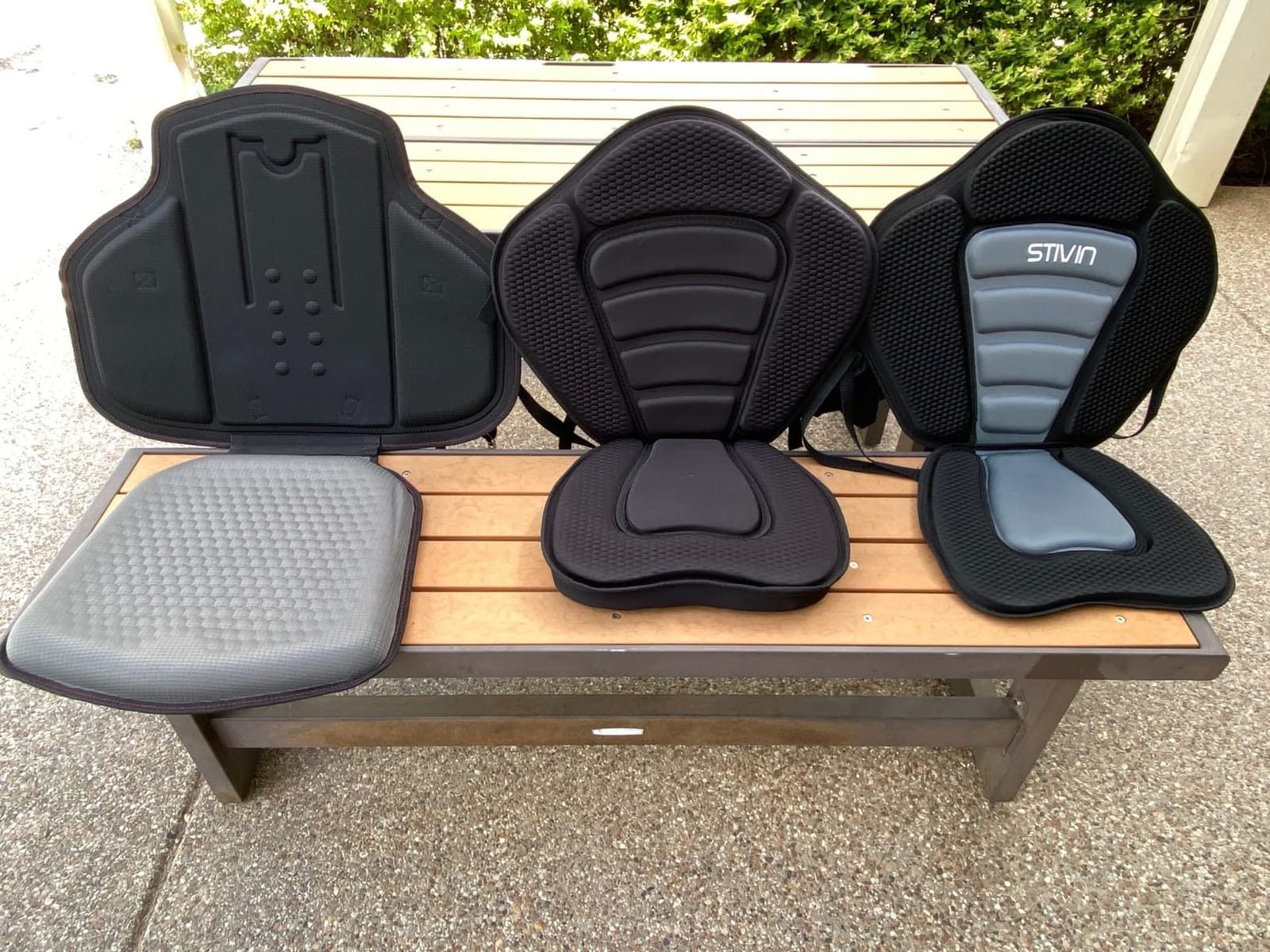
Dimensions are 17.73 by 20.16 inches for the backrest with an 18 inch height, and a 12.61 by 15.4 by 2.17 inch seat. The core is firm UV-resistant neoprene and 600D polyester over EVA foam and a PE plate, which is a firmer stack than plain foam and holds its shape through a season.
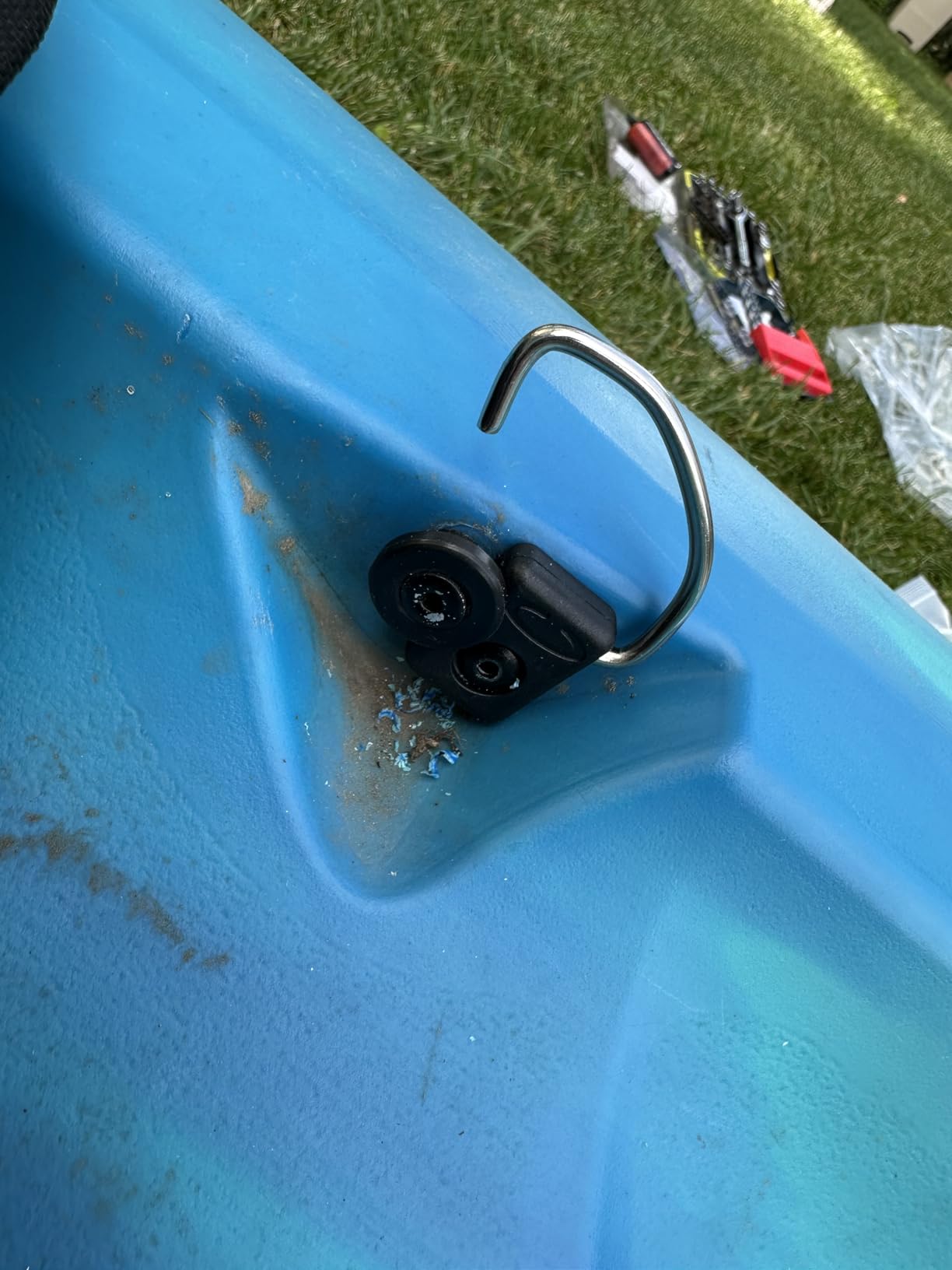
The included deck rigging kit is unusually generous: two kayak handles, 12 rivets with waterproof gaskets, six C-shaped buckles, eight screws, two T-handles, four D-rings, and the M6 fixings to go with them. If your boat has no D-rings, you have everything needed to add them.
Why angle control beats extra foam
Foam thickness changes how soft the sit feels. Angle changes where your spine sits. For a diagnosed lower-back problem, the second is the lever that matters, and it is why the same angler can get relief from two very different seats once the angle is set correctly.
The PE plate core also resists compression set, the slow flattening that leaves a foam seat offering no support after a season of use. That is the durability signal to look for if you keep your gear for multiple years.
Where it falls short
Four straps plus upper straps means a longer first setup, and reviewers repeatedly mention the adjustment effort. Expect to spend real time on the dock the first trip. It is a one-off cost that pays back over every session afterwards.
Its review base is smaller than the leaders, and the fit type is listed as vehicle specific rather than universal, so check your cockpit width against the 12.61 inch seat before buying.
9. Montekin Thickened Kayak Seat: Best for Wet Weather Angling
Thickened Kayak Seat with Back Support, Cushioned Paddleboard SUP Seat
- High-density EVA foam backrest
- Seat with deep drainage channels
- 4 straps, marine-grade hooks
- Waterproof bag
Pros
- Backrest is explicitly designed for lumbar support and waist comfort
- Deep drainage channels stop water pooling in the seat
- Marine-grade hooks hold up in wet and salty conditions
- Large detachable bag fits tackle
- Works on hardshell
- inflatable and SUP boats
Cons
- Bulky and less packable than a fold-flat seat
- No warranty beyond the standard offering
- Higher tier than its rating suggests
The one thing that ruins a foam kayak seat is a week of rain, and this is the seat designed around that. The seat bottom has deep drainage channels cut into it so water runs off instead of pooling against your legs, which matters when you are wet, cold and trying to keep a warm lower back for four hours.
The backrest is high-density EVA foam, positioned specifically for lumbar support and for relieving pressure across the waist and hips rather than just the spine. For someone whose pain sits across the whole lower back rather than in one spot, that distribution matters.
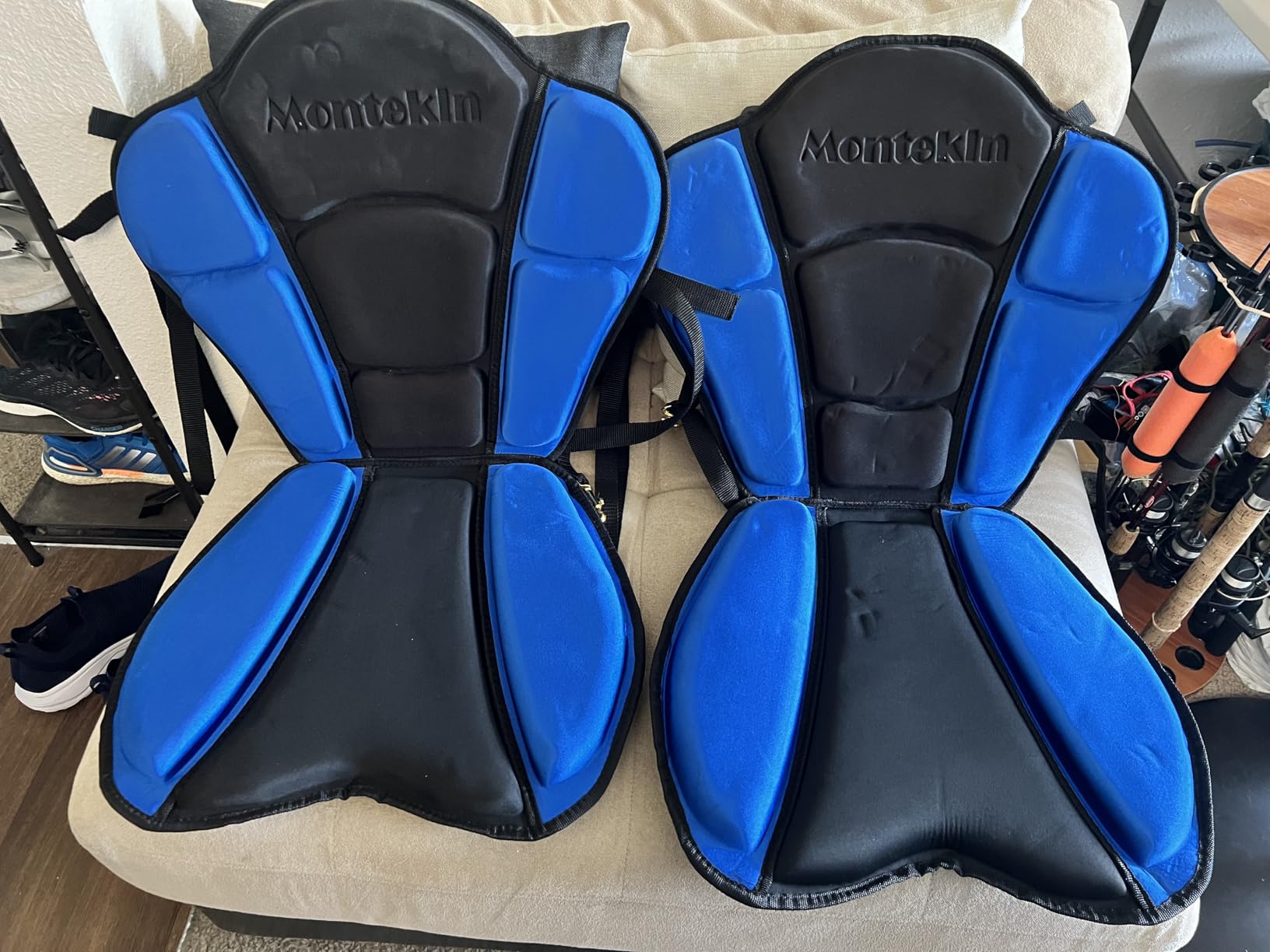
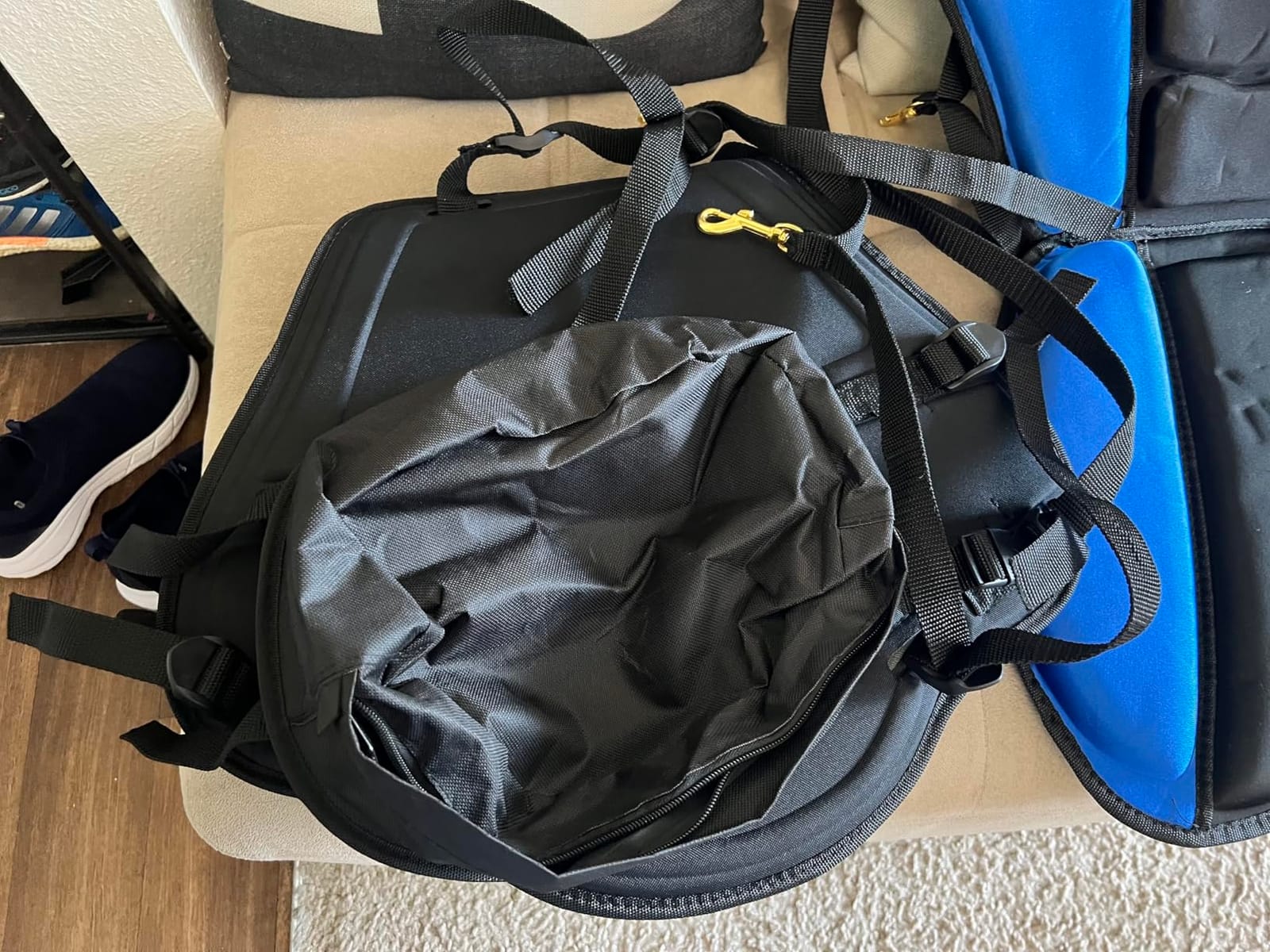
Mounting uses four adjustable straps with marine-grade hooks, and the fit is broad: hardshell kayaks, inflatables, fishing boats, canoes and SUPs with D-rings. The large detachable water-resistant zipper bag is sized for tackle, which is a real convenience on an all-day trip.
Buyers rate the cushioning and the drainage channels highly. The package alone is 20.31 by 18.9 by 4.02 inches, and the listed package weight is 1.61 kg, so this is a seat you carry rather than one you forget in the hull.
Why drainage matters more than anglers expect
Water sitting against the back of your thighs pulls your knees up slightly and tilts your pelvis, and that is a direct route to the rounded lower-back position you are trying to avoid. Channels in the seat pan remove that mechanism entirely, which is a small design decision with an outsized effect on a wet day.
The high-density foam is also worth noting for heat. Denser foam compresses less, so it holds its shape through a long hot session instead of slowly losing the support you bought it for.
Where it falls short
It is bulkier than a fold-flat bench seat and there is no warranty beyond the standard offering, where several rivals include twelve months of cover. At 373 reviews it also has the thinnest evidence base of the four-star seats here.
For an angler chasing a lighter pack, that bulk is the deciding factor. The AQUARM model below is roughly a pound lighter with a similar approach.
10. AQUARM Deluxe Padded Kayak Seat: Best for Lightweight Portage
AQUARM Kayak Seat Thickened Padded Deluxe Canoe Seat Adjustable Kayak Backrest Replacement Seat Fishing Boat Seat Cushion Pad with Back Support for Universal Sit
- Weighs 1.4 lb
- EVA foam with 210D polyester
- Grooved breathable cushion
- 4 adjustable straps
Pros
- Lightest seat in the group at 1.4 lb
- Grooved seat surface improves airflow
- Contoured backrest follows the body curve
- Corrosion-resistant hooks
- About a minute to install
Cons
- Backrest is not as tall as the 18 inch models
- Second-lowest average rating in the group
If you carry your kayak to the launch, weight is a real comfort variable and this is the lightest seat here at 1.4 pounds. That is a full pound and a half below most of the foam competition, and for a solo paddler walking a shoreline it is the difference between a comfortable trip and an annoying one.
It also has a nice detail for warm weather: the seat surface is thickened and grooved, which is described as more breathable than flat foam. Airflow under the sit bones and lower back matters in summer heat, and it is one of the few seats in this roundup to address it directly.
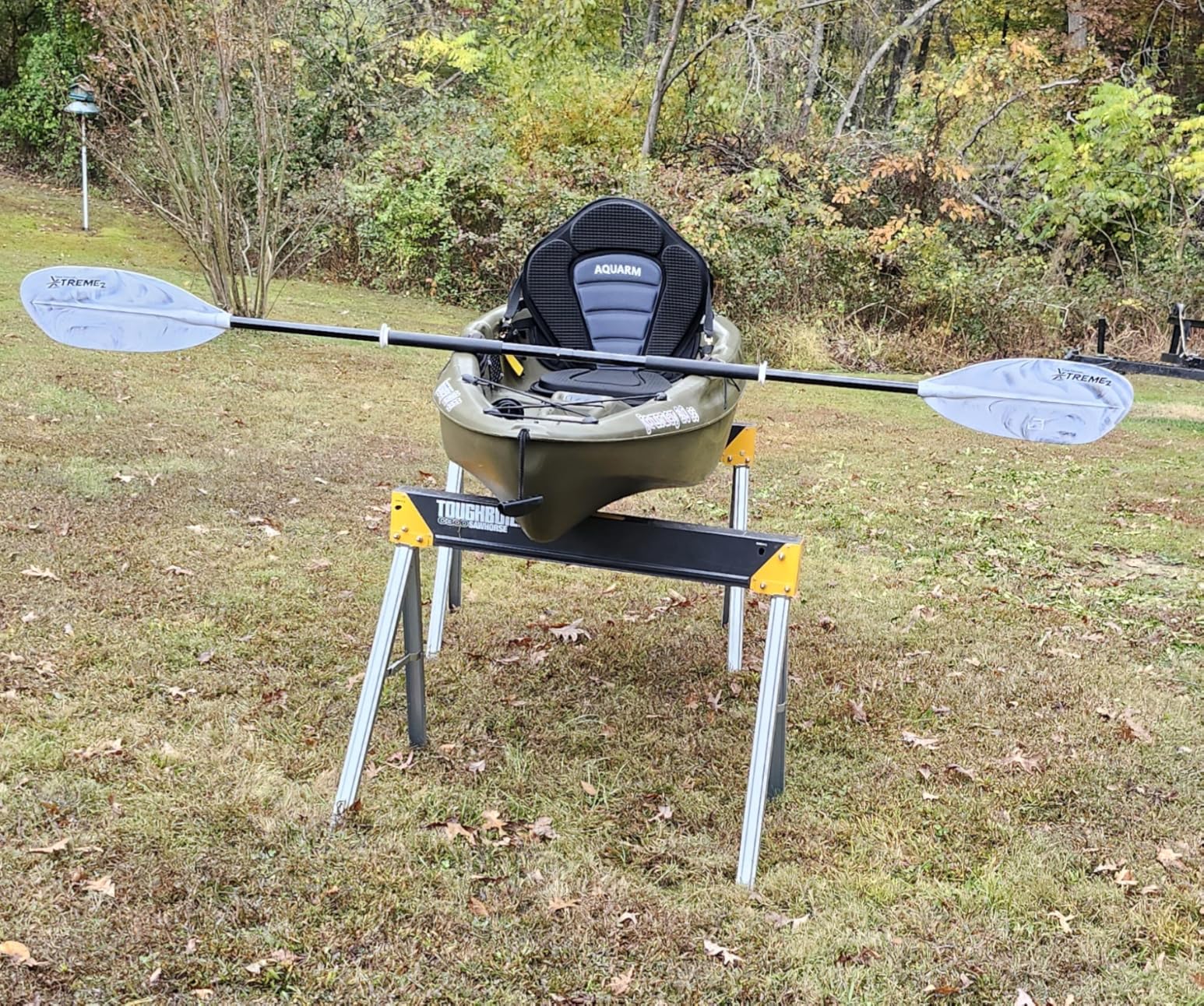
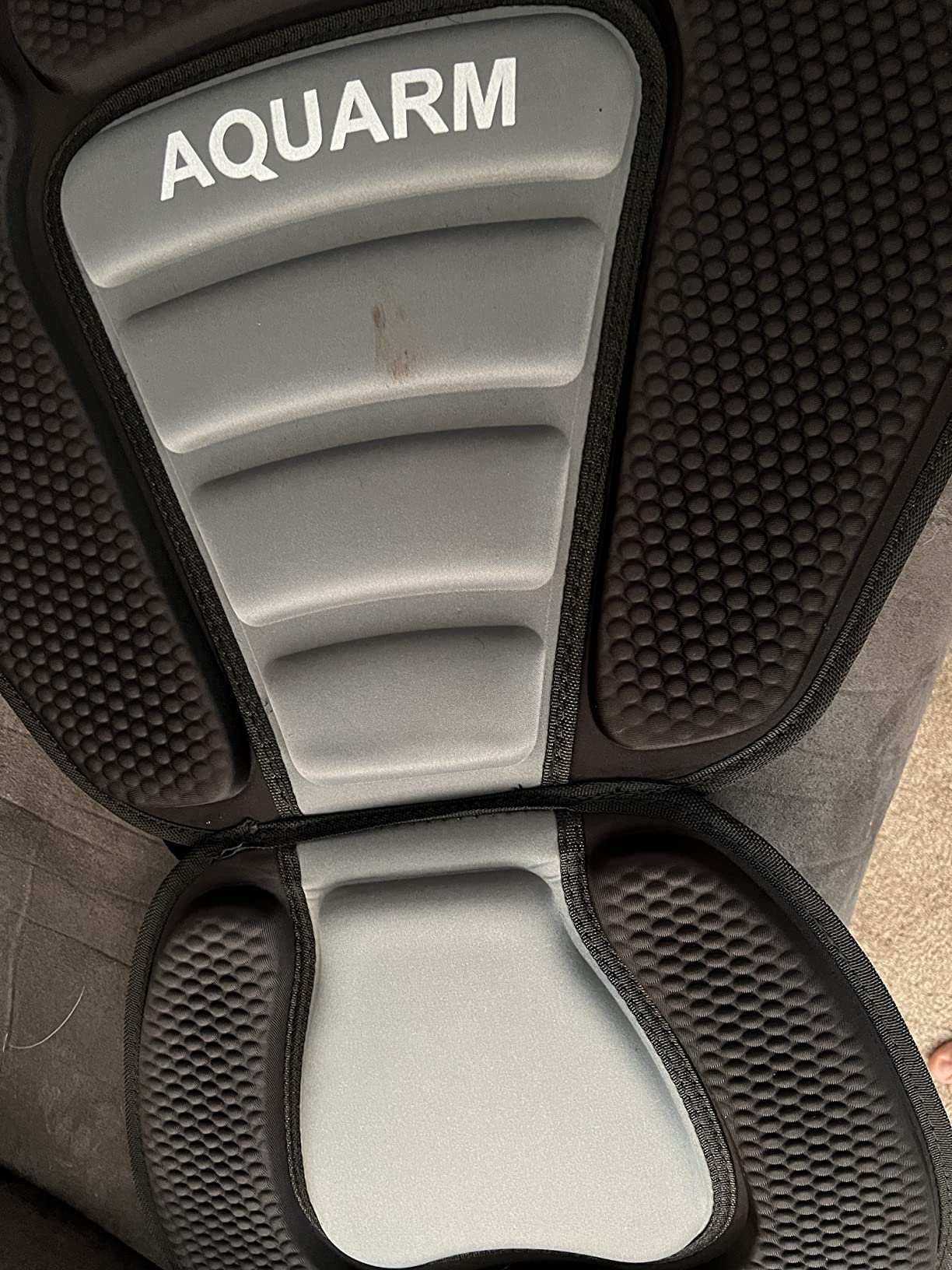
The backrest is contoured to follow the body curve rather than being flat, with EVA foam inside a 210D polyester shell and a nylon outer. Four adjustable straps with corrosion-resistant hooks mean it installs or comes off in about a minute, and it fits most sit-on-tops, canoes, inflatables and some SUPs.
A detachable rear storage bag is included. Overall dimensions are 19.1 by 19.8 by 3.2 inches, so it is a compact package for the weight.
Why it works for a specific kind of back pain
The contoured backrest is the point. A flat back of the same height pushes against one point of the lumbar spine; a contoured panel spreads that contact across the natural curve, which reduces the focal pressure that causes the localised ache many anglers describe.
Weight also interacts with posture indirectly. Every extra pound in a seat you carry is fatigue you take into the boat, and fatigued core muscles are exactly what cause the forward slump in the first place.
Where it falls short
It is not a tall back. Support is moderate rather than aggressive, and if you have a diagnosed disc or lumbar issue you will probably want the 18 inch models instead. A 4.2 average with an 8 percent one-star share reflects that gap.
It is also the shortest seat pan here, which is fine if you sit back against the support and uncomfortable if you prefer a long leg position for casting.
How to Choose a Kayak Seat for Back Pain
How to pick a backrest height from your torso length
Measure yourself sitting in a straight chair, not standing. The distance from the top of your sitting bone to the top of your shoulder is your torso length, and that is the number a backrest should roughly match. A back that stops well short of your shoulder blade lets your upper back round forward over it. A back that reaches past your shoulders starts limiting the rotation you need to cast.
Most of the seats in this roundup land between 15 and 18 inches, which covers a wide range of adult torso lengths. The exception to check is the 8 inch backrest, which will not fill the lumbar gap on an adult regardless of size.
Lumbar fill, back tilt and seat height trade-offs
Lumbar support means a pad or contour that fills the three or four inches between the top of your seat pan and the small of your back. Without it, you round. With it, you can brace. This matters more than foam softness, and it is the reason height dominates the rankings above.
Back tilt is the second lever. A few degrees of recline unloads the lower spine, but too much and you slide. The seats with independently adjustable upper straps let you set this precisely, which is why that feature is worth paying a little more for.
Seat height is the trade-off anglers argue about most. A thicker cushion feels better and raises your centre of gravity, reducing secondary stability. Very high seats also box you in, which makes standing to cast harder. If you fish exposed water, a lower seat with a well-placed lumbar pad is often the more durable answer.
Foam types: EVA, neoprene, PE plate and compression set
EVA foam is the workhorse across this list: durable, water-resistant, and it does not absorb water the way open-cell foam does. Neoprene, usually paired with 600D or 210D polyester, adds grip so the seat resists sliding on a wet deck.
The PE plate layer is the upgrade. A thin plastic plate inside the foam means the backrest holds a shape instead of conforming to whatever you do, which is what keeps support consistent across a four-hour session. It is the closest thing here to anti-compression design.
Compression set is the term to know. Foam that permanently flattens after a season of heat and compression stops supporting you, and cheap open-cell foam does this faster than EVA. Check whether a seat uses closed-cell EVA with a plate and, ideally, whether the seller warrants it.
Straps, D-rings and saltwater hardware
Strap count controls how precisely you can set the seat. Two straps hold it. Four let you set height and angle. Six or more, with upper straps, let you set the back panel angle independently, which is the most useful configuration for posture.
D-ring compatibility decides whether the seat fits your boat at all. Some kayaks have no D-rings, and several sellers in this roundup include a rigging kit with rivets, buckles and gaskets so you can add them. Check before you buy, and measure your cockpit width against the seat pan.
For saltwater, hardware is the deciding factor. Marine-grade brass clips survive salt; plated zinc and aluminium do not, and corrosion is the most repeated durability complaint in these reviews. If you fish salt water, treat the hardware spec as non-negotiable.
Fix your current seat before you buy a new one
Plenty of back pain improves without a purchase. Try these first, in this order.
1. Move the foot brace. Get knees bent to roughly ninety degrees. Forum consensus is strong on this: seat height and foot brace position matter as much as the seat brand.
2. Add a lumbar pad to your existing seat. A self-inflating or foam lumbar support velcroed into the gap is the single most-recommended forum fix and costs a fraction of a replacement seat.
3. Set a slight forward cant on the seat. Anglers report that a forward-canted seat plus a foot brace plus correct knee position together reduce lower-back strain more than any single seat purchase.
4. Add thigh support. An inflatable thigh support or rolled foam stops your legs pressing down on the front edge of the seat, which is a direct cause of posterior pelvic tilt.
5. Change how you stand to cast. Hands to the forward thwart, one foot flat, push through the arms. Do not try to rise from the lower back alone.
6. Move up in size before you move seat. More than one angler reported that changing from a shorter sit-in to a longer sit-on-top removed chronic back pain without touching the seat. Open cockpits let you move your legs, and movement is what breaks up static sitting.
None of this is medical advice, and none of it replaces treatment. Persistent back pain, pain that radiates, or numbness means stop paddling and see a professional.
Frequently Asked Questions
Why does kayaking hurt my back?
Most kayak back pain comes from posture, not padding. A low seat with an unsupported back leaves a three to four inch gap between the seat pan and your lower spine, so you round forward and your lower back carries your torso weight. Bent knees, a foot brace, and a lumbar fill in that gap fix most of it.
Which kayak seat has the best back support?
Among the seats we compared, the GCI SitBacker is the strongest all-round back support because it pairs a real lumbar cushion with a working recline mechanism, and it has the largest review base in the group. If you want a tall fixed back, the RELIANCER and HLOGREE 18 inch models fill the lumbar gap as well.
What are good kayak seats for people with bad backs?
Look for three things: a backrest tall enough to reach your shoulder blades, a lumbar pad or contour that fills the gap above the seat pan, and straps you can angle rather than just tighten. The GCI SitBacker, RELIANCER 2-Pack, HLOGREE and Leader Accessories seats all meet that brief, and the JAYEGT is the lower-cost version of the same idea.
How can I make my kayak seat more comfortable?
Before buying anything: bend your knees to about ninety degrees and set the foot brace there, cant the seat slightly forward, add a self-inflating lumbar pad to fill the gap above the seat pan, and add thigh support. Standing to cast with hands on the forward thwart and one foot flat takes load off your lower back.
Is a sit-inside or sit-on-top kayak better for back pain?
A sit-on-top with an open cockpit is usually more forgiving, because the leg room and foot space let you change position and keep your knees bent. Sit-insides with higher foot braces and seats closer to the deck put more strain on the lower back over long sessions.
What is the 120 rule in kayaking?
The 120 rule is a general paddling guideline about keeping the kayak within about 120 degrees of your body for efficient, comfortable strokes. It is about paddle angle and reach rather than about back support, but staying within it reduces how far you reach and twist, which is good for a sore lower back.
How high should a kayak seat backrest be?
Measure your torso sitting upright, from the top of your sitting bone to the top of your shoulder. Your backrest should reach roughly that height. Most adult torso lengths land between 15 and 18 inches, which is the range most of the seats in this roundup cover.
Do kayak seats really help back pain?
They help a specific kind of back pain: the ache caused by slumping in an unsupported seat. A seat cannot help pain from disc injury, joint problems or muscle strain, and no gear should be used to push through sharp or radiating pain. Several buyers with diagnosed lower-back problems did report real relief, but persistent pain needs professional advice.
Final Verdict
If you have a real lower-back problem, start at the top. The GCI SitBacker is our pick for the best fishing kayak seats for back pain because it is the only seat here with both a dedicated lumbar cushion and a recline mechanism, backed by the largest review base in the group. If you want a tall fixed back and the strongest hardware, the RELIANCER 2-Pack is the saltwater angler’s answer. If you are on a tighter budget, the JAYEGT gives you an 18 inch backrest and nothing more.
Before any of them, though, move your foot brace and add a lumbar pad to the seat you already own. That combination is free of drawbacks and it is the fix that forum anglers recommend most often. And if the pain is sharp or travels down a leg, talk to a professional before spending on gear.