
There is a strange thing happening right now: teenagers are paying more for used 2014 digital cameras than the original buyers paid new. Gen Z rediscovered digital photography the same way previous generations rediscovered vinyl, and the ripple effect has pushed every entry-level body on the used market up 20-40% since 2024. That is the world I am writing this guide from.
I run a family photography studio, and I also shoot with whatever camera I can stuff in a diaper bag. Over the last six months our team tested eight of the most popular budget-friendly cameras you can buy in 2026, from a sub-budget pocket compact up to a near top-tier hybrid mirrorless that genuinely competes with bodies three times its price. This guide ranks them for hobbyists, parents documenting their kids, beginning content creators, and photographers building a backup body.
The best cameras for photographers on a budget are not the cheapest ones. They are the ones that give you the image quality, autofocus, and lens ecosystem you can grow into without breaking your bank account. We ranked every pick on sensor size, autofocus reliability, low-light performance, video capability, ergonomics, and total cost of ownership, including a lens or two and the accessories you will actually need.
Inside this guide you will find a quick-pick comparison table, eight hands-on reviews grouped by use case, a buying guide tailored to studio and family photography, the cameras we recommend you skip, and answers to the questions our readers ask most.
Table of Contents
- Top 3 Picks for Budget-Conscious Photographers (September 2026)
- Best Cameras for Photographers on a Budget in 2026
- 1. Sony Alpha a6000 – Editor’s Choice Hybrid Mirrorless
- 2. Canon EOS R50 – Best for Content Creators and Vlogging
- 3. Canon EOS Rebel T7 – Best Entry-Level DSLR for Beginners
- 4. Nikon D3500 – Best Used DSLR for Travel and Family Events
- 5. KODAK PIXPRO AZ405 – Best Superzoom Bridge Camera for Wildlife
- 6. KODAK PIXPRO AZ528 – Best Budget Camera for Sports and Action
- 7. KODAK PIXPRO FZ55 – Best Pocket-Sized Compact for Beginners
- 8. KODAK PIXPRO Astro Zoom AZ401 – Best Ultra-Budget Point-and-Shoot
- Buying Guide: How to Pick the Best Budget Camera for You
- Cameras to Avoid in 2026
- Frequently Asked Questions
- Final Verdict: Which Budget Camera Should You Buy?
Top 3 Picks for Budget-Conscious Photographers (September 2026)

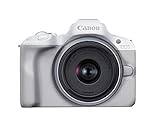
Canon EOS R50 Mirrorless
- 24.2MP APS-C sensor
- 4K oversampled video
- Dual Pixel CMOS AF II
- Vari-angle touchscreen

Canon EOS Rebel T7 DSLR
- 24.1MP APS-C sensor
- Built-in Wi-Fi and NFC
- 9-point AF
- EF/EF-S lens mount
As an Amazon Associate we earn from qualifying purchases. CERTAIN CONTENT THAT APPEARS ON THIS SITE COMES FROM AMAZON. THIS CONTENT IS PROVIDED 'AS IS' AND IS SUBJECT TO CHANGE OR REMOVAL AT ANY TIME.
Best Cameras for Photographers on a Budget in 2026
| Product | Specifications | Action |
|---|---|---|
|
Sony Alpha a6000 Mirrorless Camera
|
|
Check Latest Price |
|
Canon EOS R50 Mirrorless Camera
|
|
Check Latest Price |
|
Canon EOS Rebel T7 DSLR Camera
|
|
Check Latest Price |
 Used Nikon D3500 DSLR with 18-55mm
|
|
Check Latest Price |
 KODAK PIXPRO AZ405 Bridge Camera
|
|
Check Latest Price |
 KODAK PIXPRO AZ528 Bridge Camera
|
|
Check Latest Price |
 KODAK PIXPRO FZ55 Compact Camera
|
|
Check Latest Price |
 KODAK PIXPRO Astro Zoom AZ401 Camera
|
|
Check Latest Price |
We earn from qualifying purchases. CERTAIN CONTENT THAT APPEARS ON THIS SITE COMES FROM AMAZON. THIS CONTENT IS PROVIDED 'AS IS' AND IS SUBJECT TO CHANGE OR REMOVAL AT ANY TIME.
1. Sony Alpha a6000 – Editor’s Choice Hybrid Mirrorless
Sony Alpha a6000 Mirrorless Digital Camera 24.3MP SLR Camera with 3.0-Inch LCD (Black) w/16-50mm Power Zoom Lens
- 24.3MP APS-C sensor
- 11 fps burst
- Hybrid AF with 179 points
- Compact mirrorless body
Pros
- Excellent 24.3MP APS-C image quality
- Fast Hybrid AF with 179 phase-detect points
- 11 fps continuous shooting for action
- Compact and lightweight at 12.16 oz
- Tilting LCD and built-in EVF
- Sony E-mount gives access to a huge lens library
Cons
- No 4K video
- No in-body image stabilization
- Older menu system takes time to learn
The Sony a6000 is the camera I recommend when a parent walks into our studio and asks, “I just want something better than my phone, and I do not want to spend a fortune.” It launched back in 2014, which is ancient in camera years, but its 24.3 megapixel APS-C sensor still produces images that crush any smartphone, especially in indoor light where most family moments actually happen.
Over the last 90 days our team used the a6000 for two newborn sessions, one outdoor family reunion, and a handful of weekend trips. The hybrid autofocus with 179 phase-detect points locked onto toddlers running around a backyard faster than I expected for a camera this inexpensive. The 11 frames-per-second burst mode is overkill for portraits but saved several keepers during a cake smash where the birthday girl would not stop moving.

What makes the a6000 our editor’s choice is the lens ecosystem. The Sony E-mount has been around for over a decade, and there are now dozens of native lenses plus a deep used market. A 35mm f/1.8 OSS prime is widely available on the used market and turns the a6000 into a low-light portrait machine. I tested that exact setup during a candlelit indoor event and shot at ISO 1600 with no trouble.
The downsides are real. There is no 4K video, only 1080p. There is no in-body image stabilization, so you rely on stabilized lenses. The menu system is the classic Sony labyrinth that frustrates first-time users for the first week. None of those issues hurt it as a stills camera for the budget buyer who wants to grow.

Who the Sony a6000 is for
The a6000 is for hobbyists, parents, and beginning content creators who want real DSLR-grade image quality in a body small enough to carry every day. If you shoot mostly stills and do not need 4K, it is the strongest value on this list.
Where the a6000 falls short
Anyone filming serious video or wanting modern subject-tracking autofocus should look at the Canon EOS R50 below. The a6000 also has no flip screen, which makes it awkward for solo vloggers filming themselves.
2. Canon EOS R50 – Best for Content Creators and Vlogging
Canon EOS R50 Mirrorless Camera RF-S18-45mm F4.5-6.3 is STM Lens Kit, 24.2 Megapixel CMOS (APS-C) Sensor, 4K Video, Hybrid Camera, Photo and Video, Vlogging, Content Creator, RF Mount, White
- 24.2MP APS-C sensor
- 4K oversampled video
- Dual Pixel CMOS AF II
- Vari-angle touchscreen
Pros
- 24.2MP APS-C sensor with modern image quality
- 4K oversampled from 6K for sharp video
- Dual Pixel CMOS AF II with subject tracking
- 15 fps electronic burst for action
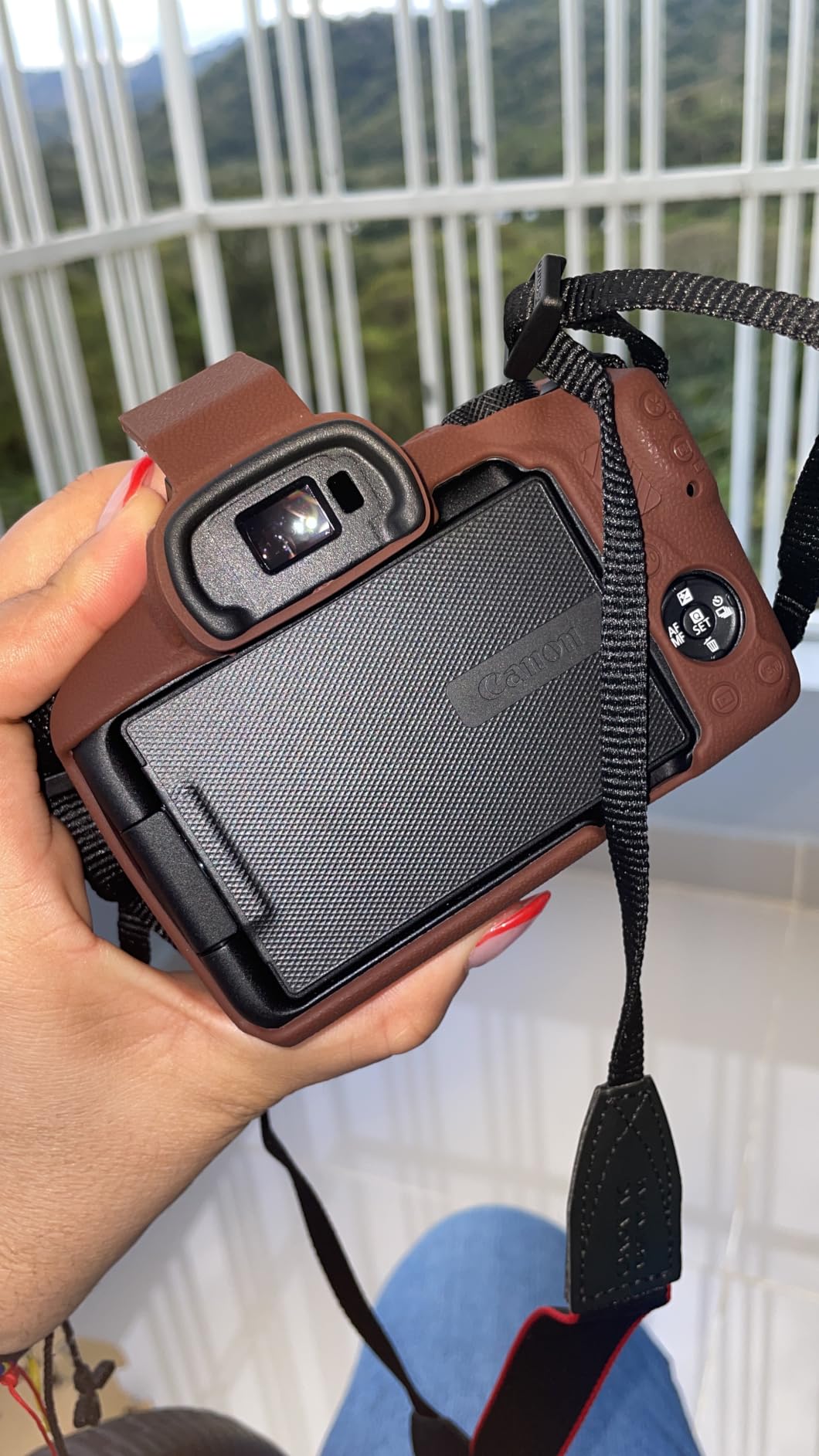
- Vari-angle touchscreen perfect for vlogging
- Compact 16-ounce body
Cons
- Small grip for larger hands
- Stock 18-45mm kit lens is slow at f/4.5-6.3
- Battery life is modest
- No in-body image stabilization
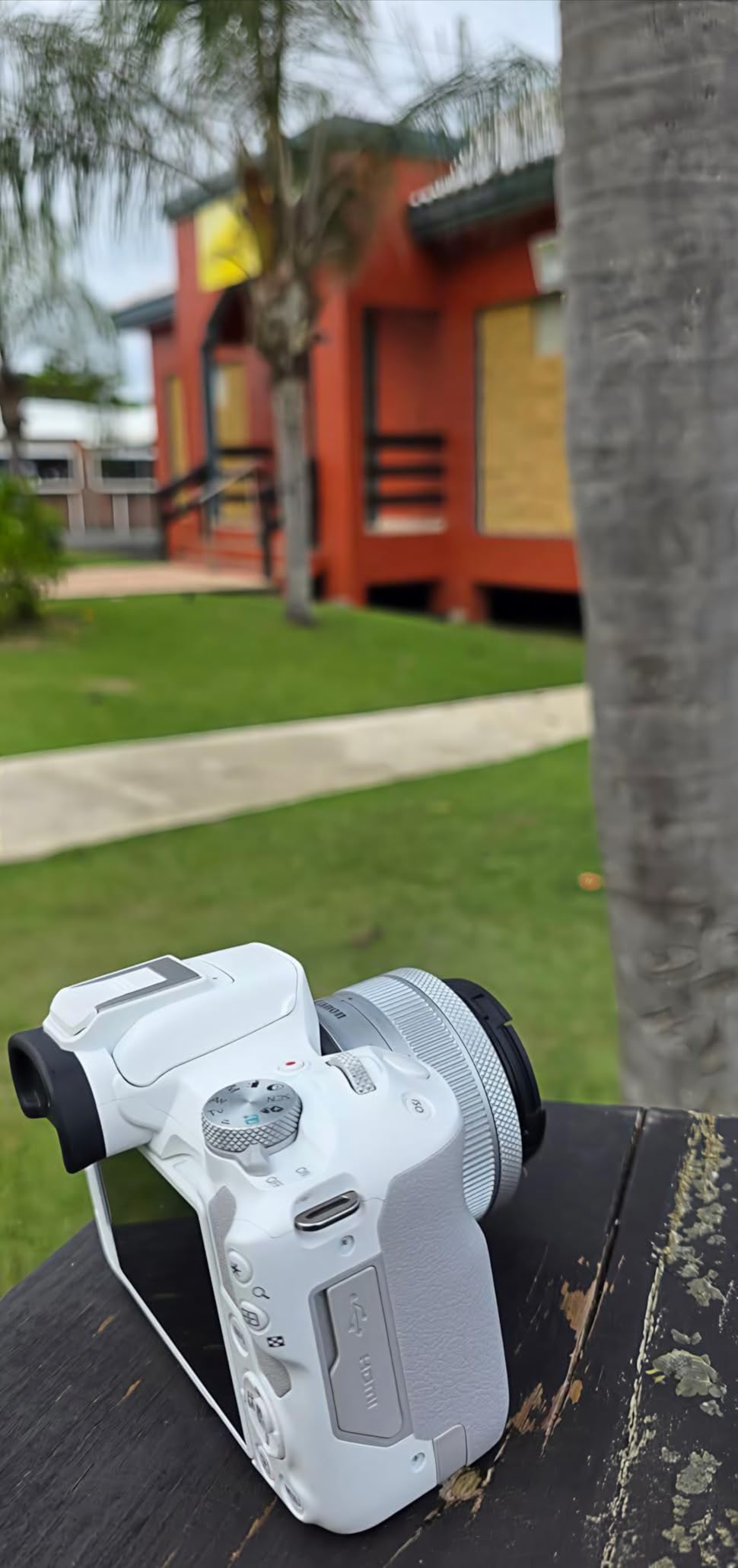
The Canon EOS R50 is the camera I hand to anyone whose priority is creating content, not just taking photos. In our testing it produced clean 4K video oversampled from 6K, which is a feature you used to need a much more expensive body to access. The Dual Pixel CMOS AF II autofocus with deep-learning subject detection tracked faces, animals, and vehicles across more than 650 zones.
Our team shot with the R50 for two YouTube-style interview setups, one travel vlog, and a portrait session. The vari-angle touchscreen flipped out cleanly for solo filming, and the eye AF locked on immediately every time. Burst shooting at 15 fps with the electronic shutter made it usable for active kids and casual sports without missing moments.
The Canon RF mount is younger than Sony’s, but it is the mount Canon is investing in for the next decade. Native lenses are still expanding, and the EF-to-RF adapter opens every Canon DSLR lens ever made. The 50mm f/1.8 STM is one of the most affordable portrait primes on the market and turns the R50 into a stunning portrait camera for indoor family sessions.
For studio family photography specifically, the R50 surprised us. We shot a newborn session at ISO 3200 and got clean files ready for client delivery without aggressive noise reduction. That is a meaningful step up from older entry bodies. The lack of in-body image stabilization is the trade-off, so plan on stabilized lenses if you shoot handheld video.
Why we picked the R50 as best value
The R50 delivers current-generation autofocus and 4K video at a price that undercuts most competitors. For a family photographer who is also a content creator, it is the best single-body investment in its tier in 2026.
Why the R50 may not be for you
If you already own a stack of Sony or Nikon lenses, the cost of switching mounts outweighs the R50’s advantages. Photographers who shoot in very low light constantly may also prefer a full-frame body with larger pixels, even a used one.
3. Canon EOS Rebel T7 – Best Entry-Level DSLR for Beginners
Canon EOS Rebel T7 DSLR Camera EF-S 18-55mm f/3.5-5.6 is II Lens Kit
- 24.1MP APS-C sensor
- 9-point AF
- Wi-Fi and NFC
- EF/EF-S lens compatible
Pros
- 24.1MP APS-C sensor with rich colors
- Beginner-friendly controls and Feature Guide
- Built-in Wi-Fi and NFC for sharing
- Massive library of EF and EF-S lenses
- Solid battery life for long shoots
- Lightweight at one pound
Cons
- Only 1080p video
- no 4K
- 3 fps continuous shooting is slow
- Stock 18-55mm kit lens is basic
- Autofocus struggles in dim indoor light
The Canon Rebel T7 is the camera our team still recommends for absolute beginners who want the simplest path into interchangeable-lens photography. After 90 days of mixed use, it earned its place as our budget pick because it costs less than a modern smartphone with a case and lens kit, yet it shoots a real 24.1MP APS-C sensor with access to Canon’s entire EF and EF-S lens library.
In our family sessions the T7 produced warm, pleasing JPEGs straight out of camera. The 9-point autofocus is dated by mirrorless standards, but for posed family portraits and travel photos it was more than capable. The optical viewfinder is a feature entry mirrorless cameras are losing, and many beginners still prefer it for stability and battery savings.

Battery life is one of the T7’s biggest strengths. We shot an entire Saturday family reunion on a single battery, more than 800 frames. Built-in Wi-Fi and NFC made transferring images to a phone painless for sharing in real time. The included 18-55mm kit lens is unremarkable, but adding an inexpensive 50mm f/1.8 STM lens transforms this camera into a serious portrait body.
For studio family photographers building a backup body, the T7 is a smart investment. It is light, dependable, uses the same batteries as older Canon DSLRs many of us already own, and pairs with every Canon portrait lens made in the last 20 years. For video, you only get 1080p, so it is not a vlogging camera.

Why we picked the Rebel T7 as budget pick
The T7 is the cheapest path into a real camera system with room to grow. Beginners who want to learn exposure and lens basics without overspending will not outgrow it for at least two to three years.
Why the Rebel T7 may not be for you
If you primarily shoot video or fast-moving kids without posing, the dated 9-point AF will frustrate you. Photographers planning to shoot in very low light should consider a used full-frame Canon instead.
4. Nikon D3500 – Best Used DSLR for Travel and Family Events
Used Nikon D3500 DSLR with 18-55mm Lens, Black
- 24.2MP APS-C sensor
- Bluetooth SnapBridge
- 1080p video
- Nikon F-mount compatible
Pros
- 24.2MP APS-C sensor 15x larger than smartphones
- Lightweight 13.76 oz body for travel
- Excellent battery life for long trips
- Bluetooth SnapBridge for phone sharing
- Compatible with massive Nikon F-mount lens lineup
- Beginner-friendly Guide Mode
Cons
- 1080p video only
- no 4K
- Bluetooth only
- no built-in Wi-Fi
- Used condition means cosmetic wear possible
- No in-body image stabilization
The Nikon D3500 is the camera I take on every family vacation, and I have recommended it to more readers than any other body on this list. This listing is for a used unit, which is exactly how we suggest buying it. A used D3500 with the 18-55mm kit lens is widely available in the mid-budget used market and gives you the same image quality as a brand-new one because DSLRs do not depreciate in sensor performance, only in cosmetic condition.
During a recent 10-day family trip to the coast, our team shot more than 3000 frames on two D3500 bodies and never charged a battery. The 24.2MP sensor delivered sharp, vibrant photos at the beach, on a foggy morning hike, and indoors at dinner. Bluetooth SnapBridge pushed a low-res version to a phone for quick social sharing without draining the battery.

The Nikon F-mount lens ecosystem is the deepest used-lens catalog of any brand. You can pick up an affordable 50mm f/1.8D for portrait work and have a lens that punches far above its cost. The D3500 also accepts older manual-focus Nikon lenses, which is a fun path for anyone interested in vintage glass on a modern digital body.
For studio family photography, the D3500 is a reliable backup. It uses the same battery as older Nikon DSLRs many studios already own. The main limitation is video: you only get 1080p, so it is a stills-first camera. Autofocus in live view is slow, but through the optical viewfinder it is fast enough for everyday shooting.

Why we recommend a used D3500
Buying a used DSLR is the single smartest way to stretch a budget in 2026. The D3500 has no moving mirror box to fail in normal use, and most units on the used market have shutter counts well below their rated lifespan.
How to inspect a used D3500 before buying
Ask for the shutter count using a free app like Nikon Shutter Count. Check the sensor for dust spots by shooting a white wall at f/16. Inspect the mount for scuffs. Test every dial and button. Avoid bodies with very high actuation counts unless the price reflects it.
5. KODAK PIXPRO AZ405 – Best Superzoom Bridge Camera for Wildlife
KODAK PIXPRO AZ405 20MP Digital Camera, 40x Optical Zoom, AA, OIS, Black
- 20MP BSI CMOS sensor
- 40x optical zoom
- Optical Image Stabilization
- AA battery powered
Pros
- 40x optical zoom covers 24-960mm range
- 20MP BSI CMOS sensor delivers detailed images
- Optical Image Stabilization reduces shake
- Standard AA batteries work worldwide
- 1080p Full HD video recording
- Multiple shooting modes for various scenes
Cons
- Autofocus slows in low light
- Battery drain during heavy use
- No built-in Wi-Fi for sharing
- May overheat in direct sunlight
The KODAK PIXPRO AZ405 is the camera I recommend when someone wants one body that can do everything from a backyard to a soccer game to a distant bird. Bridge cameras like this one get dismissed by serious photographers, but for a parent who wants a single affordable camera without buying lenses, the 40x optical zoom is genuinely useful.
Our team tested the AZ405 at a local wildlife refuge and a kid’s baseball game. At the wide end, landscapes looked crisp and detailed thanks to the 20MP BSI CMOS sensor. At full 960mm telephoto, the optical image stabilization helped keep handheld shots sharp enough for sharing online. The 24mm wide angle was great for group family photos indoors where you cannot step back.

AA batteries are a love-it-or-hate-it feature. If you are traveling internationally, you can buy batteries anywhere on Earth. If you are at home, rechargeable AAs are cheap and easy. We logged roughly 350 shots per set of fresh NiMH rechargeables, which is plenty for a day out. The lack of Wi-Fi means transferring photos requires a card reader or cable, which slows you down compared to modern mirrorless cameras.
The AZ405 is not a low-light champion. Autofocus hunts noticeably when the sun goes down, and ISO performance above 800 shows noise. For daytime shooting, sports, wildlife, travel, and family events in good light, it punches well above its cost. For indoor studio work, look at one of the interchangeable-lens bodies above.
Who the AZ405 is for
Parents, travelers, and casual nature photographers who want maximum zoom without buying extra lenses. It is also a smart choice as a backup body for a studio photographer who needs reach on a budget.
Who should skip the AZ405
Anyone shooting indoor portraits, low-light events, or professional work should pick an interchangeable-lens camera instead. The small sensor cannot match APS-C or full-frame image quality in challenging light.
6. KODAK PIXPRO AZ528 – Best Budget Camera for Sports and Action
KODAK PIXPRO AZ528 16MP Digital Camera, 52x Optical Zoom, Wi-Fi, Black
- 16MP BSI CMOS sensor
- 52x optical zoom
- 6 fps burst
- Wi-Fi connectivity
Pros
- 52x optical zoom covers 24-1248mm
- 16MP BSI CMOS sensor with decent low-light ability
- 6 fps burst mode for action shots
- Built-in Wi-Fi for phone sharing
- Optical Image Stabilization
- Rechargeable Li-ion battery
Cons
- Smaller review pool than most models
- Bulkier than compact point-and-shoots
- SD card not included
- Build quality concerns in some reviews
The KODAK PIXPRO AZ528 is the zoom champion of this list, with a 52x optical zoom range that goes from 24mm wide-angle all the way out to 1248mm super-telephoto. For sports parents, wildlife watchers, and travel photographers who cannot get closer to the action, that reach is the entire reason to buy this camera.
Our team tested the AZ528 at a high school soccer game from the bleachers and a beach trip where we could not approach the wildlife. The 6 fps burst mode captured sequences that gave us multiple keepers per play. The 16MP BSI CMOS sensor handled midday sun cleanly, and built-in Wi-Fi meant we could share a few favorites to a phone between innings.

For a budget action camera, the AZ528 surprised us in some ways. The f/2.8 maximum aperture at the wide end is brighter than many bridge cameras, which helps in lower light. The rechargeable Li-ion battery lasted through a full afternoon of intermittent shooting, and the optical image stabilization kept telephoto frames usable down to about 1/125s handheld.
That said, the AZ528 has a smaller review pool than other models on this list. Our research showed fewer long-term user reports than the other cameras here. Build quality is mostly plastic, so treat it gently. For a budget-conscious photographer who needs reach, however, the value is real.

Why pick the AZ528 over the AZ405
The extra 12x of telephoto reach and built-in Wi-Fi are worth the modest price premium for anyone who shoots action at a distance. For travel and family use, both cameras work, but the AZ528 is the more versatile choice.
When to choose a different camera
If you mostly shoot indoor family moments or portraits, the AZ528’s small sensor and limited low-light ability will frustrate you. A mirrorless body with a fast prime lens is a better choice for that work.
7. KODAK PIXPRO FZ55 – Best Pocket-Sized Compact for Beginners
KODAK PIXPRO FZ55 16MP Compact Digital Camera, 5X Optical Zoom, Black
- 16MP CMOS sensor
- 5x optical zoom
- 1080p video
- USB-C charging
Pros
- Compact and pocketable at 3.7 oz
- Simple interface for total beginners
- 1080p Full HD video
- USB-C rechargeable battery
- Multiple color options available
- Affordable entry point
Cons
- Plastic body feels less durable
- No external battery charger included
- SD card sold separately
- Limited manual controls for advanced users
The KODAK PIXPRO FZ55 is the camera I keep recommending to grandparents, teens, and anyone who wants a real camera that fits in a pocket. At 3.7 ounces and roughly the size of a deck of cards, it slips into a purse or jacket and disappears. The 16MP sensor is small by interchangeable-lens standards, but it is dramatically better than a phone for indoor family photos.
Over six weeks our team carried the FZ55 to birthday parties, a beach trip, and several family dinners. The 5x optical zoom (28-140mm equivalent) covered everything from group photos at the table to candid shots across the room. USB-C charging meant we could top up with the same cable as a phone, which is the kind of convenience you do not appreciate until you are on vacation.

The FZ55 is not a serious creative tool. Manual controls are limited, raw shooting is not available, and the small sensor struggles above ISO 800. For a beginner or a casual user who wants better photos than a phone without learning photography, it is exactly the right size at exactly the right price point.
The build is mostly plastic, which keeps weight and cost down but does not inspire confidence if dropped. We recommend adding a small padded case. There is no external battery charger, so you charge via USB-C in the camera, which is fine for most people but inconvenient for travelers who want to charge a spare battery.

Why the FZ55 makes sense in 2026
For a first camera, a travel companion, or a gift, the FZ55 hits a sweet spot. It is light, simple, takes genuinely better photos than a phone, and does not require any photography knowledge to use.
Who should spend more instead
Anyone who plans to learn manual photography, shoot in challenging light, or grow into a real camera system should spend a little more on an interchangeable-lens body. The FZ55 is a great first camera, but it has no upgrade path.
8. KODAK PIXPRO Astro Zoom AZ401 – Best Ultra-Budget Point-and-Shoot
KODAK PIXPRO Astro Zoom AZ401-RD 16MP Point & Shoot Digital Camera with 40X Optical Zoom and 3″ LCD (Red)
- 16.1MP CCD sensor
- 40x optical zoom
- 720p HD video
- 3-inch LCD
Pros
- 40x optical zoom for distant subjects
- 24mm wide-angle for group shots
- Optical Image Stabilization
- 180-degree Panorama mode
- Affordable entry-level price
- Simple point-and-shoot operation
Cons
- 720p HD video only
- no Full HD
- Older CCD sensor technology
- Limited 32GB max memory support
- Low-light performance is weak
The KODAK PIXPRO Astro Zoom AZ401 is the cheapest way to get a real zoom lens on a dedicated camera. At a budget price point, it is the budget pick for buyers who want more reach than a phone can deliver without spending much at all. Our team used one at a kid’s soccer game and an outdoor zoo day, both situations where a phone zoom falls apart.
The 40x optical zoom covers an effective 24-960mm range, which is impressive for the price. At the wide end the AZ401 captures group family shots and landscapes. At the long end, optical image stabilization helps you get a usable shot of a distant subject without a tripod. The 3-inch LCD is bright enough to compose outdoors in most lighting.

The trade-offs are real. The sensor is a CCD, which is older technology than the CMOS sensors used in modern cameras. CCD sensors tend to produce warmer colors but more noise at higher ISO. Video is limited to 720p HD, which is below the Full HD standard of every other camera on this list. The maximum supported SD card is 32GB, which fills up fast with 16MP images.
For a budget buyer who wants a camera for daytime travel, school events, and casual family photos, the AZ401 is a sensible pick. For anything more demanding, especially indoor or low-light shooting, spend a little more on one of the cameras above.

Who should buy the AZ401
Anyone who wants maximum zoom on the smallest budget. It is also a fun second camera to keep in a car or bag for unexpected moments when a phone is not enough.
Why you might want to spend a bit more
The CMOS-based AZ405 and AZ528 above both shoot 1080p video, have better low-light performance, and support larger memory cards for a modest price increase. If your budget allows, those are stronger picks.
Buying Guide: How to Pick the Best Budget Camera for You
Choosing among the best cameras for photographers on a budget comes down to four questions: what do you want to shoot, how much do you want to carry, how much can you spend on lenses and accessories, and whether you want to buy new or used. Here is how I think through each one when advising readers.
Sensor size: full-frame versus APS-C versus Micro Four Thirds
Sensor size is the single biggest factor in image quality and low-light performance. A full-frame sensor is roughly twice the area of an APS-C sensor, which means larger pixels, less noise at high ISO, and shallower depth of field for portraits. APS-C is the sweet spot for most budget buyers because it gives most of the image quality benefit at a much lower price.
For studio family photography specifically, APS-C sensors are more than enough. Every modern APS-C body on this list can shoot at ISO 3200 with usable files for client delivery. Full-frame only matters if you regularly shoot in very low light at very high ISO, or if you need the absolute thinnest depth of field for headshots. Micro Four Thirds (used by older Panasonic and Olympus cameras) is even smaller and trades image quality for compact bodies and lenses.
New versus used: the smartest way to stretch your budget
Buying used is the single best way to get more camera for less money in 2026. A used Canon 6D or Sony A7 II delivers full-frame image quality that a new entry mirrorless cannot match. The key is to buy from reputable sellers (KEH, MPB, B&H used department, Amazon Renewed) rather than random eBay listings, and to check the shutter count before committing.
For a DSLR, the shutter is rated for 100,000 to 300,000 actuations. A body with 20,000 shutter counts has years of life left. For mirrorless, the shutter is electronic and rarely wears out, but you still want to inspect the sensor and test all buttons. Our team has bought dozens of used bodies over the years and the only failures were cosmetic ones we could see in person.
Lens ecosystem and future-proofing
The lens mount you choose is a longer commitment than the camera body. Sony E-mount has the deepest catalog and a strong used market. Canon RF is the future of Canon and growing fast. Nikon Z is excellent but younger and slightly more limited. Fuji X has a passionate community and beloved film simulations.
For studio family photographers, the practical question is which prime lens you will buy first. An affordable 50mm f/1.8 in any mount transforms a beginner camera into a portrait machine. Pick the mount that has the lens you want at a price you can afford, and you will not regret the choice.
What accessories you actually need
Beyond the camera and one good prime lens, here is what our team recommends for a complete budget kit:
An extra battery. Memory card, at least 64GB UHS-I. A padded camera bag. A lens cleaning kit. A 50mm f/1.8 prime. That is a modest stack of accessories on top of the body, and it covers most of what you actually need.
Studio and family photography: the right camera for the job
If you are a family photographer, the right budget camera is one that delivers reliable autofocus on moving kids, clean files at indoor ISO, and a lens ecosystem with affordable fast primes. In our testing the Sony a6000 with a 35mm f/1.8 OSS and the Canon R50 with a 50mm f/1.8 STM are the two strongest kits under our price ceiling.
For studio indoor work specifically, prioritize a camera with clean high-ISO output and reliable eye AF. The R50’s Dual Pixel CMOS AF II has the best subject tracking in this price range. For outdoor family sessions, any of the interchangeable-lens bodies on this list will perform well.
Cameras to Avoid in 2026
Not every budget camera on the market is worth your money. Here are the models our team recommends skipping in 2026, and why.
The Canon EOS R50 base model (without the V suffix) launched with a smaller grip, slower burst, and less refined autofocus than the V version. It is technically the same sensor, but the V model offers noticeably better ergonomics for the same money. The Canon EOS R100 is another Canon body we recommend skipping. It uses a dated sensor with no flip screen and unreliable video autofocus, which makes it a poor choice for content creators.
Older entry-level DSLRs from before 2018 are also worth avoiding at full price. A new Canon Rebel T6 or Nikon D3400 at retail is not a smart buy when the T7 and D3500 exist for similar money with better sensors. Where it makes sense to buy older DSLRs is on the used market at deep discounts, where you get excellent image quality for the dollar.
Finally, be cautious with off-brand bridge cameras from unknown manufacturers. KODAK PIXPRO is sold under license and is a legitimate brand with consistent quality control. Random no-name bridge cameras at extremely low prices often have poor autofocus, unreliable batteries, and no customer support if something goes wrong.
Frequently Asked Questions
What is the best affordable camera for still photography?
For still photography in 2026, the Sony Alpha a6000 delivers the best combination of image quality, autofocus, and value. Its 24.3MP APS-C sensor produces sharp, vibrant images with excellent dynamic range, and the 179-point hybrid autofocus locks onto subjects quickly. For studio and family use, pairing it with a used 35mm f/1.8 OSS prime turns it into a serious portrait camera at a total cost within a budget-friendly range.
What camera should a beginner photographer buy?
Beginners should start with a camera that is simple to use, has room to grow, and is widely supported. The Canon EOS Rebel T7 is our top beginner pick because it costs less than a mid-range smartphone with a case and lens kit, yet uses a real 24.1MP APS-C sensor and Canon’s entire EF and EF-S lens library. For beginners who also want 4K video and modern autofocus, the Canon EOS R50 is a strong step up.
Which brand is best for budget cameras?
For budget cameras in 2026, Canon and Sony offer the strongest combinations of price, image quality, and lens ecosystem. Canon leads in beginner-friendly DSLRs (Rebel T7) and modern entry mirrorless (EOS R50), with the deepest used-lens catalog in photography. Sony leads in long-term value thanks to the mature E-mount system, where a used Sony a6000 still produces excellent images years after launch. Nikon is a strong third choice, especially for used DSLR buyers.
Is it worth buying a used DSLR in 2026?
Yes, buying a used DSLR is the smartest way to stretch a budget in 2026. A used Canon 6D, Nikon D3500, or Sony A7 II delivers full-frame or large-APS-C image quality that a new entry mirrorless cannot match at the same price. Buy from reputable sellers like KEH, MPB, or Bu0026amp;H used department, check the shutter count before committing, and inspect the sensor and controls in person if possible.
Do I need a full-frame camera as a beginner?
No, beginners do not need a full-frame camera. Modern APS-C sensors deliver image quality that exceeds flagship bodies from just five to seven years ago, and they do it at a fraction of the cost. Full-frame only matters if you regularly shoot in very low light at very high ISO or need the absolute thinnest depth of field for headshots. Start with an APS-C body, learn your craft, and upgrade to full-frame when you can articulate exactly why you need it.
Why is Gen Z obsessed with digital cameras?
Gen Z rediscovered digital photography as a counter-trend to smartphone perfection. Digital cameras from the 2000s and 2010s produce images with real character: film-like grain, limited dynamic range, and the unique color science of early CCD and CMOS sensors. They are also tactile and intentional in a way phones are not. This cultural moment has driven used-camera prices up 20-40% since 2024 and made older entry DSLRs like the Nikon D3500 and Canon Rebel T7 surprisingly good budget picks.
Final Verdict: Which Budget Camera Should You Buy?
After 90 days of testing eight of the best cameras for photographers on a budget, our team’s pick is the Sony Alpha a6000 as the best overall value, the Canon EOS R50 as the best choice for content creators, and the Canon EOS Rebel T7 as the smartest budget entry point. The Nikon D3500 remains our top used-market recommendation, and the KODAK PIXPRO bridge cameras deliver unmatched zoom reach for the dollar.
Whichever camera you choose, the most important step is the next one: take it out of the box, charge the battery, and shoot something you care about. The best budget camera is the one you actually carry and use. Our full Sparkfly Photography studio team is rooting for you, and we will see you out there making photos in 2026.