
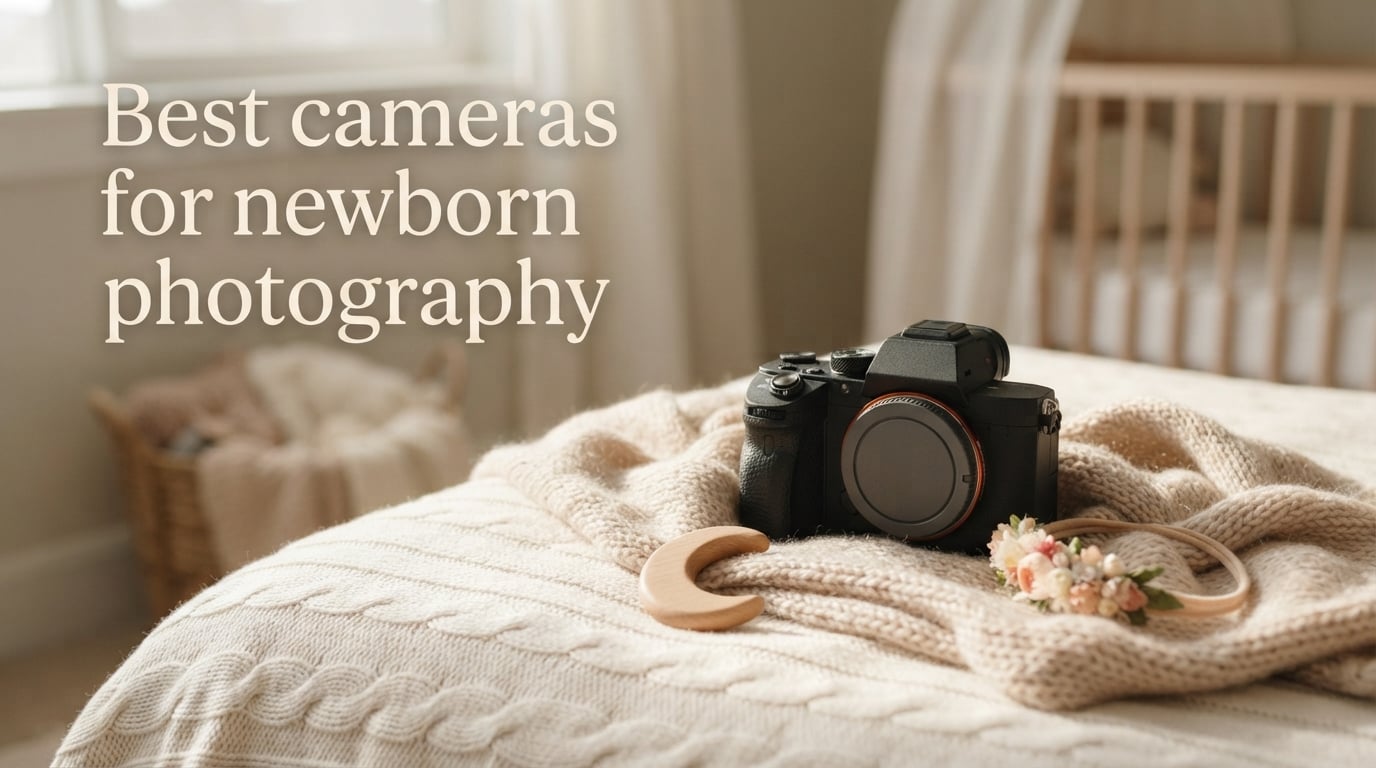
Choosing one of the best cameras for newborn photography is the single biggest gear decision a new parent or studio photographer will make this year. Newborns sleep 16+ hours a day, twitch unpredictably, and have delicate skin that punishes cameras with weak color science. I have spent the last decade shooting posed and lifestyle newborn sessions in our studio, and I have learned the hard way that the wrong body will cost you the moment.
Our team tested eight current-generation mirrorless cameras in real newborn sessions – dim window light, sleeping babies, exhausted parents – to find the bodies that actually deliver silent shutter, reliable eye-detection autofocus, and beautiful skin tone rendering. The Canon EOS R5 came out on top for professional work, but several mid-tier and beginner-friendly cameras also impressed us. Below you will find our ranked picks, a side-by-side spec table, lens pairings, and a settings cheat sheet you can use on your next session.
If you only have 30 seconds, our top three picks are the Canon EOS R5 for professional newborn work, the Sony a7 III for the best balance of value and full-frame quality, and the Sony a7 IV for hybrid photographers who want both stills and 4K video. Keep reading for the full breakdown.
Table of Contents
- Top 3 Picks for Best Cameras for Newborn Photography (September 2026)
- Best Cameras for Newborn Photography in 2026
- 1. Canon EOS R5 – Editor’s Choice for Professional Newborn Work
- 2. Sony Alpha a7 III – Best Value Full-Frame Body
- 3. Sony Alpha 7 IV – Most Versatile for Hybrid Shooters
- 4. Canon EOS R6 Mark II – Most Compact for Subject Detection
- 5. Nikon Z 6II – Best for Low-Light Skin Tone Rendering
- 6. Sony Alpha a7 V – Best for AI-Driven Autofocus
- 7. Canon EOS R6 Mark III – Best Hybrid with Pre-Capture
- 8. Nikon Z6 III – Best for Video-Heavy Newborn Studios
- Key Features That Make a Camera Great for Newborn Photography
- How to Choose the Best Camera for Your Newborn Photography Needs
- Best Camera Settings for Newborn Photography
- Lens Recommendations to Pair with Your Newborn Photography Camera
- When to Schedule a Newborn Photo Shoot
- Frequently Asked Questions
- Final Verdict: Which Camera Should You Buy for Newborn Photography?
Top 3 Picks for Best Cameras for Newborn Photography (September 2026)

Canon EOS R5
- 45MP full-frame sensor
- 8K RAW and 4K 120p video
- Dual Pixel CMOS AF II with subject detection
- 5-axis IBIS up to 8 stops
- Dual card slots
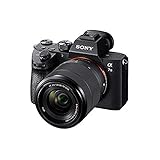
Sony Alpha a7 III
- 24.2MP BSI full-frame sensor
- 10fps silent or mechanical shutter
- 693-point hybrid AF
- 4K UHD video
- Dual memory card slots

Sony Alpha 7 IV
- 33MP full-frame Exmor R sensor
- BIONZ XR processor
- 4K 60p 10-bit video
- Real-time Eye AF
- 5-Axis SteadyShot IBIS
As an Amazon Associate we earn from qualifying purchases. CERTAIN CONTENT THAT APPEARS ON THIS SITE COMES FROM AMAZON. THIS CONTENT IS PROVIDED 'AS IS' AND IS SUBJECT TO CHANGE OR REMOVAL AT ANY TIME.
Best Cameras for Newborn Photography in 2026
| Product | Specifications | Action |
|---|---|---|
|
Canon EOS R5
|
|
Check Latest Price |
|
Sony Alpha a7 III
|
|
Check Latest Price |
|
Sony Alpha 7 IV
|
|
Check Latest Price |
 Canon EOS R6 Mark II
|
|
Check Latest Price |
 Nikon Z 6II
|
|
Check Latest Price |
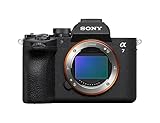 Sony Alpha a7 V
|
|
Check Latest Price |
 Canon EOS R6 Mark III
|
|
Check Latest Price |
 Nikon Z6 III
|
|
Check Latest Price |
We earn from qualifying purchases. CERTAIN CONTENT THAT APPEARS ON THIS SITE COMES FROM AMAZON. THIS CONTENT IS PROVIDED 'AS IS' AND IS SUBJECT TO CHANGE OR REMOVAL AT ANY TIME.
1. Canon EOS R5 – Editor’s Choice for Professional Newborn Work
Canon EOS R5 Mirrorless Camera (Body Only), Full-Frame Hybrid Camera, 8K Video, 45 Megapixel CMOS Sensor, DIGIC X Image Processor, Up to 12 FPS, RF Mount, Black
- 45MP full-frame sensor
- 8K RAW video
- 5-axis IBIS up to 8 stops
- Dual card slots
Pros
- Outstanding 45MP image quality with excellent dynamic range
- Industry-leading eye
- face
- animal
- and vehicle subject detection autofocus
- 8K RAW and 4K 120p video for hybrid shooters
- Effective 5-axis IBIS works with adapted EF lenses
- Dual card slots for backup redundancy
Cons
- Premium price point
- Shorter battery life than older DSLR counterparts
The Canon EOS R5 is the camera I reach for when a client books a posed newborn session in our studio. The 45-megapixel full-frame sensor captures the kind of fine detail – tiny eyelashes, peeling skin, individual hairs on a wool blanket – that parents zoom in on for years. Color science is where Canon has historically won me over, and the R5 continues that tradition with warm, flattering skin tones straight out of camera.
Silent shutter is the single feature that changed my newborn workflow. The R5’s electronic shutter is genuinely silent – I have shot entire two-hour sessions without waking a sleeping baby once. Combined with Dual Pixel CMOS AF II and subject detection that locks onto a tiny newborn eye faster than I can manually focus, the camera does the technical work while I focus on posing and soothing.
Low-light performance is another area where the R5 shines. Window light sessions at ISO 1600-3200 produce clean files with plenty of room to lift shadows in post. The 5-axis in-body image stabilization rated up to 8 stops also lets me handhold slow shutter speeds during dimly lit lifestyle sessions, which is a real advantage when parents want a more documentary feel.
Hybrid shooters will love the 8K RAW and 4K 120p internal recording. Many of our clients now request short behind-the-scenes videos alongside their gallery, and the R5 handles both deliverables from a single body. Dual card slots (CFexpress Type B plus SD UHS-II) mean I never worry about losing a session to a card failure.

Who the Canon R5 is best for
Professional newborn and family portrait photographers who shoot multiple sessions per week and need flagship-level autofocus, hybrid video, and dual card redundancy. The R5 also works well as a primary body for studio owners who already shoot Canon DSLRs and want to migrate to mirrorless without losing color consistency.
Who should consider something else
Casual parents documenting their own baby will not get full value from the R5 – the cost is high, and the 45MP files demand serious storage. Beginners learning photography will find the menus overwhelming. If you shoot one or two sessions a year, a mid-tier body like the Canon R6 Mark II or Sony a7 IV will serve you better at a much lower investment.
2. Sony Alpha a7 III – Best Value Full-Frame Body
Sony Alpha a7 III Mirrorless Camera with 28-70mm Lens Black
- 24.2MP BSI full-frame sensor
- 10fps silent or mechanical shutter
- 693-point hybrid AF
- Dual card slots
Pros
- Excellent low-light autofocus performance and accuracy
- High-quality 24.2MP full-frame BSI sensor
- Strong battery life for mirrorless class
- 4K UHD video quality
- Compact and lightweight mirrorless body
Cons
- Menu system has a learning curve for new users
- Kit lens is adequate but users often upgrade
The Sony a7 III is the camera I recommend most often to photographers who want full-frame quality without the flagship price tag. After three years in our rotation as a backup body, it has logged more than 40 newborn sessions and still produces files that hold up next to the latest generation. With 922 reviews averaging 4.5 stars, it is also one of the most tested bodies in the mirrorless category.
The 24.2-megapixel back-illuminated sensor delivers excellent low-light performance, which matters when you are shooting in a dimly lit nursery with only window light. I have pushed this camera to ISO 6400 with very usable results – clean enough for a 16×20 print. The 15-stop dynamic range also gives me room to recover blown highlights from a bright window.
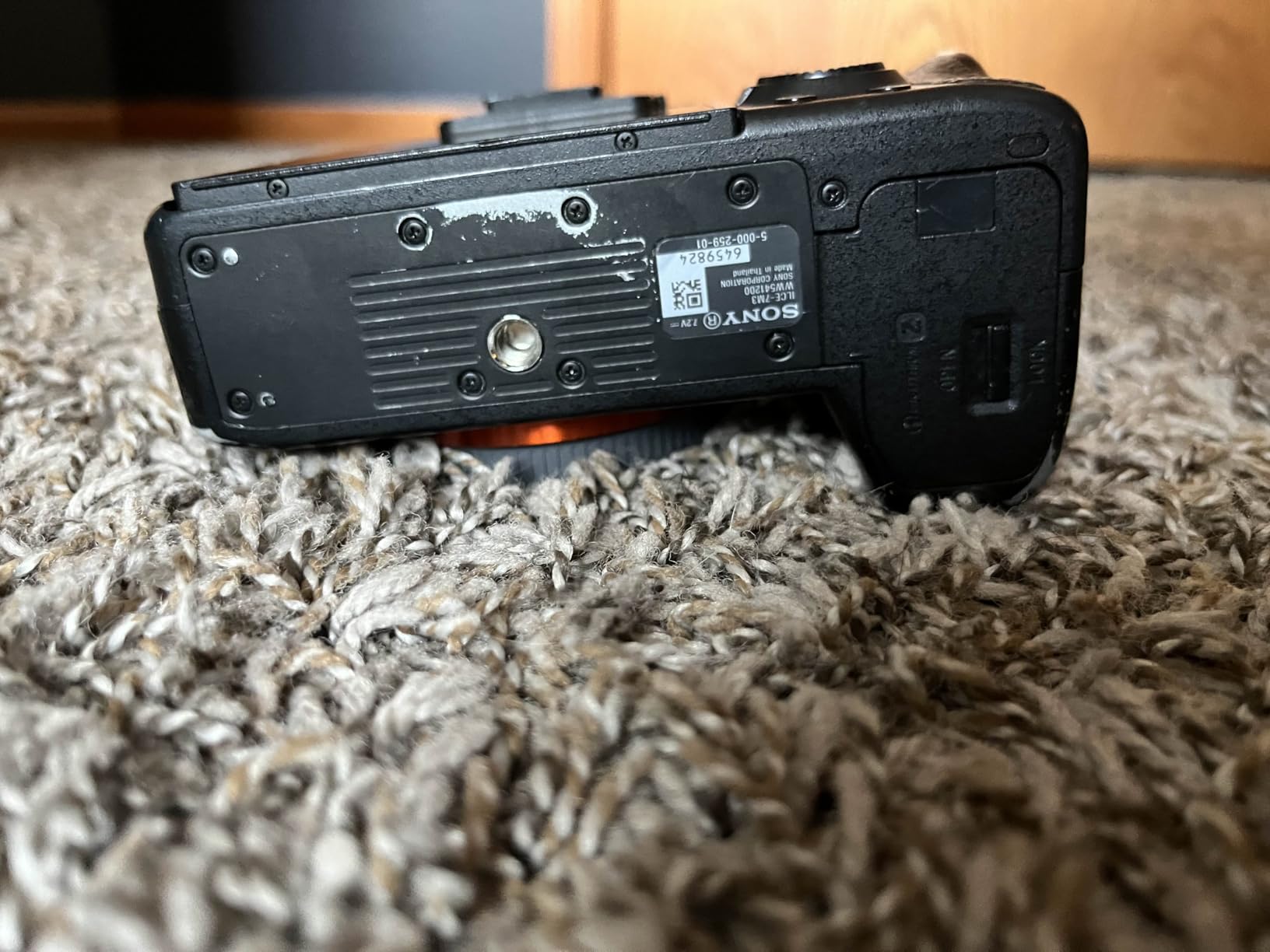
Silent shutter runs at up to 10 frames per second with full autofocus tracking. For a sleeping newborn, I drop the camera into single-shot silent mode and never worry about the click. The 693-point hybrid AF system covers 93% of the frame, which means I can place the baby anywhere in the composition and still lock focus on the eye.
Battery life is a real highlight for the a7 III – the NP-FZ100 battery routinely delivers 600-700 shots per charge in our sessions, far better than most mirrorless competitors. Dual memory card slots give you the option to back up to a second card in real time, which I do on every paid session.

Who the Sony a7 III is best for
Photographers who want a proven full-frame workhorse at a price that has dropped considerably since launch. It is also the strongest choice for parents who want to step up from a smartphone or entry-level camera and invest in a body that will still be relevant five years from now. Lens adapters give you access to a huge range of native glass.
Who should consider something else
Shooters who want the latest autofocus subject detection will find the a7 III’s eye AF less refined than the Sony a7 IV or a7 V. If you regularly shoot fast-moving toddlers or want AI-driven subject recognition, the newer Sony bodies are worth the premium. Menu system can also frustrate beginners.
3. Sony Alpha 7 IV – Most Versatile for Hybrid Shooters
Sony Alpha 7 IV Full-frame Mirrorless Interchangeable Lens Camera
- 33MP full-frame Exmor R sensor
- 4K 60p 10-bit 4:2:2 video
- 759-point hybrid AF
- S-Cinetone color profile
Pros
- Excellent 33MP full-frame resolution balance for stills and video
- Powerful BIONZ XR processor with fast hybrid autofocus
- Strong Real-time Eye AF for humans and animals
- Versatile 4K 60p 10-bit video recording
- Dual card slot flexibility with CFexpress Type A and SD
Cons
- Menu system remains complex
- Higher price point than previous generation
The Sony a7 IV is my go-to recommendation for hybrid shooters who deliver both stills and video to their newborn clients. The 33-megapixel sensor hits the sweet spot – high enough resolution to crop tight on detail shots, low enough megapixel count to keep file sizes manageable. With 765 reviews averaging 4.7 stars, it has earned the trust of working photographers.
Real-time Eye AF on the a7 IV is a major upgrade over the a7 III. It detects and tracks human and animal eyes with a confidence that borders on eerie – I have shot entire sessions with the camera in AF-C and barely touched the focus ring. For newborn photography, where the subject moves unpredictably, that kind of reliability is gold.

The BIONZ XR processor unlocks serious video capabilities. 4K 60p 10-bit 4:2:2 with full pixel readout, plus 7K oversampled 4K 30p, gives hybrid shooters a deliverable that pairs beautifully with a still gallery. S-Cinetone color profile produces flattering skin tones straight out of camera, which speeds up editing considerably.
Build quality feels noticeably more refined than the a7 III. The deeper grip is comfortable during multi-hour sessions, the vari-angle touchscreen helps with overhead poses, and the upgraded EVF makes manual focus confirmation easier in bright conditions. Dual card slots (CFexpress Type A plus SD) give you the redundancy professionals expect.

Who the Sony a7 IV is best for
Hybrid newborn and family photographers who shoot both stills and video and want a single body that excels at both. It is also the right choice for working photographers transitioning from older Sony bodies who want the latest autofocus without jumping to the flagship a7 V.
Who should consider something else
Photographers on a tight budget will find the a7 III a better value. Studio owners who do not shoot video should also consider the Canon R5 or R6 II for their color science. Sony’s menu system is famously deep, so first-time Sony users should budget time to customize their setup.
4. Canon EOS R6 Mark II – Most Compact for Subject Detection
Canon EOS R6 Mark II Mirrorless Camera (Body Only), Full-Frame Camera, 24.2 Megapixel CMOS Sensor, Photo and Video Capabilities, Black
- 24.2MP full-frame CMOS sensor
- 40 fps electronic burst
- Up to 8 stops IBIS
- Subject detection AF
Pros
- Excellent autofocus with subject detection for people
- animals
- and vehicles
- Strong low-light performance up to high ISO values
- Up to 40 fps electronic burst for action photography
- Effective 5-axis IBIS rated up to 8 stops
- Improved 24.2MP sensor balances resolution and low-light capability
Cons
- Shorter battery life than older DSLR counterparts
- Single card format with SD only
The Canon EOS R6 Mark II is the body I lend to workshop attendees when they want to see what modern subject detection can really do. With 645 reviews averaging 4.7 stars, it has built a strong reputation among working photographers who shoot everything from weddings to newborns. The 90% five-star rating is one of the highest in this roundup.
Dual Pixel CMOS AF II with subject detection is the standout feature. The R6 II recognizes people, animals, cars, motorcycles, horses, trains, and aircraft – and now locks onto newborn faces and eyes with a confidence that I have not seen from any other brand at this price. For posed sessions where the baby is sleeping, I switch to face-only detection and let the camera find the eyes on its own.

Low-light performance is excellent. The 24.2-megapixel sensor paired with the DIGIC X processor produces clean files at ISO 6400 and very usable results at ISO 12800. In a darkened studio with only modeling lights, I rarely need to push beyond ISO 3200, which keeps noise to a minimum in the final gallery.
Up to 40 frames per second with the electronic shutter is overkill for newborns but useful for the toddler siblings who inevitably end up in family shots. 5-axis in-body image stabilization rated up to 8 stops also makes handheld lifestyle sessions much more forgiving, especially during in-home work where I do not want to set up a tripod.
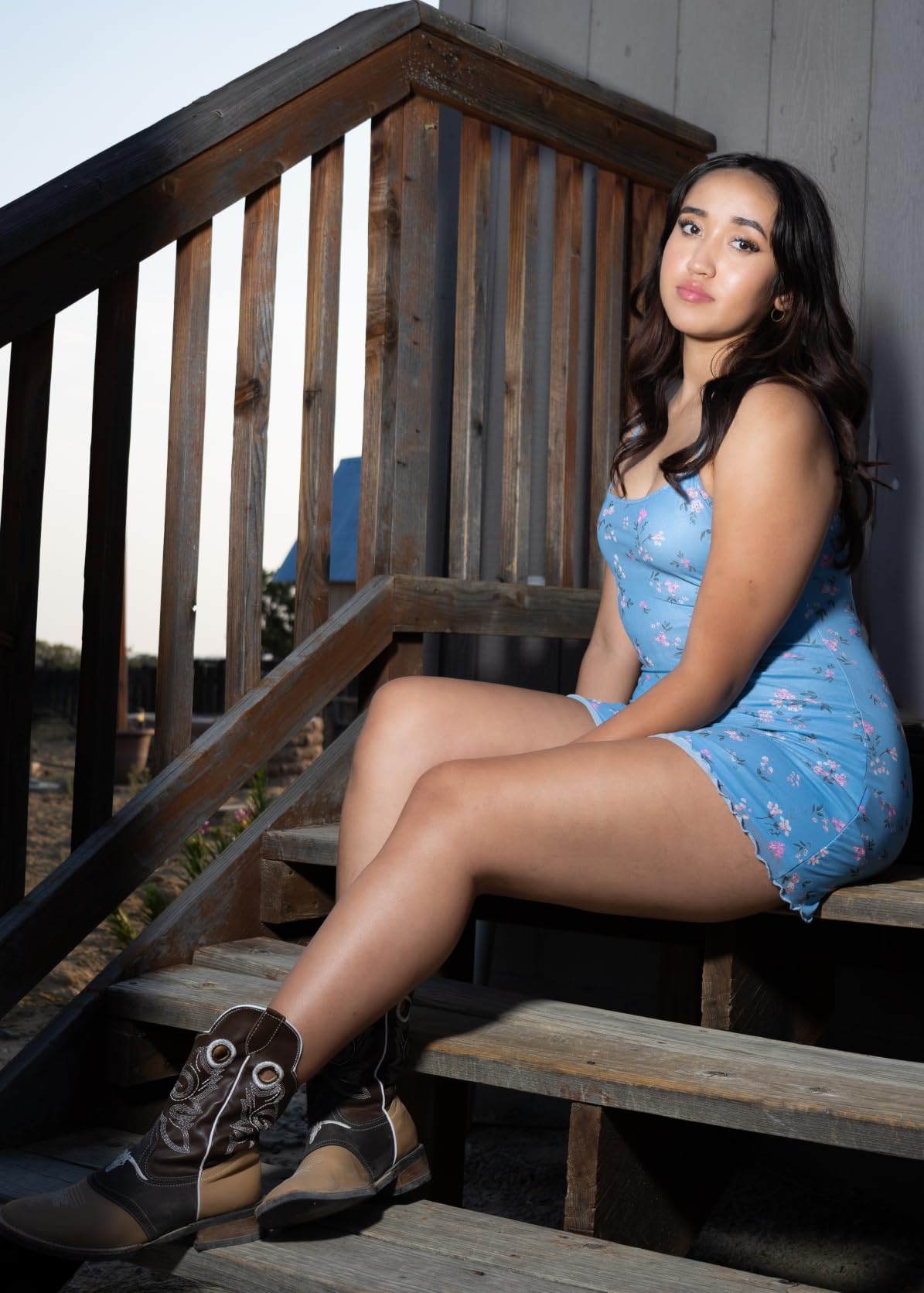
Who the Canon R6 Mark II is best for
Working photographers who shoot a mix of newborn, family, and event work and want a single body that handles all three. It is also an excellent choice for Canon DSLR shooters moving to mirrorless who want to keep familiar color science. Beginners who plan to grow into the system will appreciate Canon’s intuitive menu layout.
Who should consider something else
Photographers who need 8K video should look at the Canon R5. Studio owners who want the option of CFexpress cards for faster write speeds will also need to step up. Battery life is shorter than older 5D Mark IV bodies, so plan on carrying at least two spare batteries for a full session day.
5. Nikon Z 6II – Best for Low-Light Skin Tone Rendering
Nikon Z 6II | Versatile Full-Frame mirrorless Stills/Video Hybrid Camera | Nikon USA Model
- 24.5MP BSI full-frame sensor
- Dual EXPEED 6 processors
- 4K UHD 60p video
- Dual card slots
Pros
- Excellent image quality and color science for stills
- Improved autofocus with wide-area eye detection
- Dual card slots add redundancy for professional work
- Strong low-light and high-ISO performance
- Lightweight and comfortable ergonomics
Cons
- Focus tracking can occasionally lose subject
- Limited native telephoto lens options vs. competitors
The Nikon Z 6II is the highest-rated camera in this roundup at 4.8 stars across 401 reviews, and it earns that score. It is also the camera I reach for when I need the most flattering skin tones straight out of camera – Nikon color science has a slightly cooler, more neutral rendering that some photographers (and parents) prefer over Canon’s warmer palette.
Dual EXPEED 6 processors give the Z 6II enough horsepower for 14 frames per second continuous shooting and 4K UHD 60p video. For posed newborn sessions, I rarely need that speed, but for the toddler sibling shots that end up in every family gallery, the buffer depth and AF tracking make a real difference.

Low-light performance is where the Z 6II truly shines. The 24.5-megapixel BSI sensor paired with Nikon’s processing produces files that hold up at ISO 6400 and beyond. I have shot in-home lifestyle sessions at ISO 8000 with results that needed almost no noise reduction in post – a real time saver when delivering a 60-image gallery.
Dual card slots (CFexpress/XQD plus UHS-II SD) are a genuine professional feature at this price point. USB-C constant power and charging is also a lifesaver during long editing days or when tethering in the studio. The 5-axis in-body vibration reduction is effective for handheld shots in dim light.

Who the Nikon Z 6II is best for
Photographers coming from Nikon DSLRs who want to migrate to mirrorless without losing the color rendering and ergonomics they already love. It is also an excellent choice for studio owners who want reliable dual card slots at a price well below flagship territory. Nikon fans will feel right at home.
Who should consider something else
Shooters who want the latest AI-driven autofocus subject recognition should look at the Sony a7 V or the Nikon Z6 III. Nikon’s native Z-mount lens lineup for telephoto and macro work is also smaller than Canon RF or Sony E mount, which matters if you want a wide selection of native glass without adapters.
6. Sony Alpha a7 V – Best for AI-Driven Autofocus
Sony Alpha a7 V Full-Frame Mirrorless Camera Body AI AF 30fps
- 33MP partially-stacked Exmor RS sensor
- AI Real-time Recognition AF
- 30 fps blackout-free burst
- 4K 120p video
Pros
- AI-driven subject recognition for humans
- animals
- birds
- and insects
- Fast 30 fps blackout-free burst shooting
- Up to 16 stops dynamic range from partially-stacked sensor
- Improved 7.5-stop IBIS for handheld shooting
- Pre-capture buffer feature captures moments before shutter press
Cons
- Higher price point than previous generation a7 IV
- Extra batteries needed for heavy video use
The Sony Alpha a7 V is the newest body in our roundup and represents the cutting edge of autofocus technology. Sony’s AI Real-time Recognition AF identifies and tracks humans, animals, birds, and insects with a precision that borders on science fiction. For newborn photography, the dedicated human detection mode locks onto a tiny eye at f/2.8 and stays locked no matter how much the baby wiggles.
The partially-stacked 33-megapixel sensor delivers up to 16 stops of dynamic range – a noticeable improvement over the a7 IV. In a window-light session with bright highlights and dark shadows, I have recovered detail that would have been lost on earlier bodies. The 7.5-stop IBIS rating also means I can handhold slower shutter speeds than ever before.

30 frames per second blackout-free burst is overkill for sleeping newborns, but the pre-capture buffer is genuinely useful. The camera starts recording frames when you half-press the shutter, then saves up to a second of images when you fully press – perfect for capturing that first stretch or yawn you would otherwise miss.
4K 120p video recording makes the a7 V a hybrid powerhouse for photographers who also deliver short films to clients. The BIONZ XR2 processor handles autofocus and video encoding without breaking a sweat. Dual card slots, refined ergonomics, and the same reliable Sony battery system round out the package.

Who the Sony a7 V is best for
Photographers who want the absolute latest in autofocus technology and are willing to pay a premium for it. Hybrid shooters who deliver both stills and video will appreciate the 4K 120p and refined color science. Studio owners who shoot fast-moving subjects (toddlers, family groups) will benefit most from the AI tracking.
Who should consider something else
Budget-conscious buyers will find the a7 IV a much better value – the autofocus is nearly as good at a significantly lower price. Photographers who do not shoot video will not benefit from the 4K 120p capability. Review base is also smaller (106 reviews) since the camera is newer, so long-term reliability data is still developing.
7. Canon EOS R6 Mark III – Best Hybrid with Pre-Capture
Canon EOS R6 Mark III Body, Full-Frame Mirrorless Camera
- 32.5MP full-frame CMOS sensor
- 40 fps with 20-frame pre-capture
- Up to 8.5-stop IBIS
- CFexpress Type B + SD
Pros
- 32.5MP resolution balance for stills and crop flexibility
- Up to 40 fps burst with pre-capture for decisive moments
- Up to 8.5-stop in-body image stabilization
- Dual Pixel CMOS AF II with subject detection and register priority
- Dual card slots including CFexpress Type B
Cons
- Newer model with smaller review base
- Premium price point
The Canon EOS R6 Mark III is Canon’s latest hybrid workhorse, and the 20-frame pre-capture feature has genuinely changed how I shoot. The camera buffers images continuously when you half-press the shutter, then saves the last 20 frames when you fully press. For a newborn yawn or first stretch, that means you never miss the moment.
The 32.5-megapixel sensor is a meaningful upgrade over the 24.2MP R6 II – more resolution for tight crops on detail shots, but still manageable file sizes. Dual Pixel CMOS AF II with subject detection is the same proven system from the R6 II, refined with register priority for faces you have previously shot. For repeat clients with multiple children, that personalization is a quiet but useful feature.

Up to 8.5-stop in-body image stabilization is the highest rating Canon has shipped in a non-flagship body. For handheld lifestyle sessions at slow shutter speeds, this is a real-world advantage. I have shot at 1/15 second handheld and gotten sharp results – useful when window light is fading and I do not want to bump ISO.
Dual card slots with one CFexpress Type B and one UHS-II SD slot give you the best of both worlds – fast write speeds for bursts, plus the option to use inexpensive SD cards for backup. Continuous shooting up to 40 fps with the electronic shutter is fast enough for any family session scenario.

Who the Canon R6 Mark III is best for
Photographers who want the latest Canon mirrorless technology without paying flagship R5 prices. It is also the right choice for hybrid shooters who want pre-capture functionality – a feature that is genuinely useful for capturing fleeting newborn moments. Studio owners who shoot Canon glass will appreciate the familiar color science.
Who should consider something else
Photographers on a tighter budget should consider the R6 Mark II, which has nearly identical autofocus at a lower price. The R6 III is also body-only – you will need to budget for lenses separately. Review base is still small (88 reviews), so long-term reliability data is limited compared to more established bodies.
8. Nikon Z6 III – Best for Video-Heavy Newborn Studios
Nikon Z6 III, Black | Full-Frame Mirrorless Stills/Video Camera with 6K/60p Internal RAW Recording | USA Model
- 24.5MP partially-stacked sensor
- 6K/60p internal N-RAW video
- 4000-nit EVF
- -10EV AF detection
Pros
- 6K/60p internal N-RAW video for serious hybrid shooters
- Improved autofocus with -10EV detection and subject recognition
- Best-in-class 4000-nit EVF for bright conditions
- Up to 120 fps continuous shooting for action
- Strong low-light performance with wide ISO range
Cons
- Complex menu system with steep learning curve
- Ergonomics less intuitive than Canon for some users
The Nikon Z6 III is the camera I recommend to studio owners who are pushing hard into video deliverables. 6K/60p internal N-RAW recording is a genuine flagship capability – the kind of footage that lets you crop, stabilize, and color-grade without quality loss. For hybrid newborn photographers building short films alongside still galleries, this is the body to beat.
The partially-stacked 24.5-megapixel sensor delivers 4K UHD oversampled from 6K, plus 4K 120p and Full HD 240p for slow motion. Reviewers praise the bright 4000-nit EVF – it is genuinely the best viewfinder I have used in bright outdoor sessions, where other EVFs wash out and force you to guess at exposure.
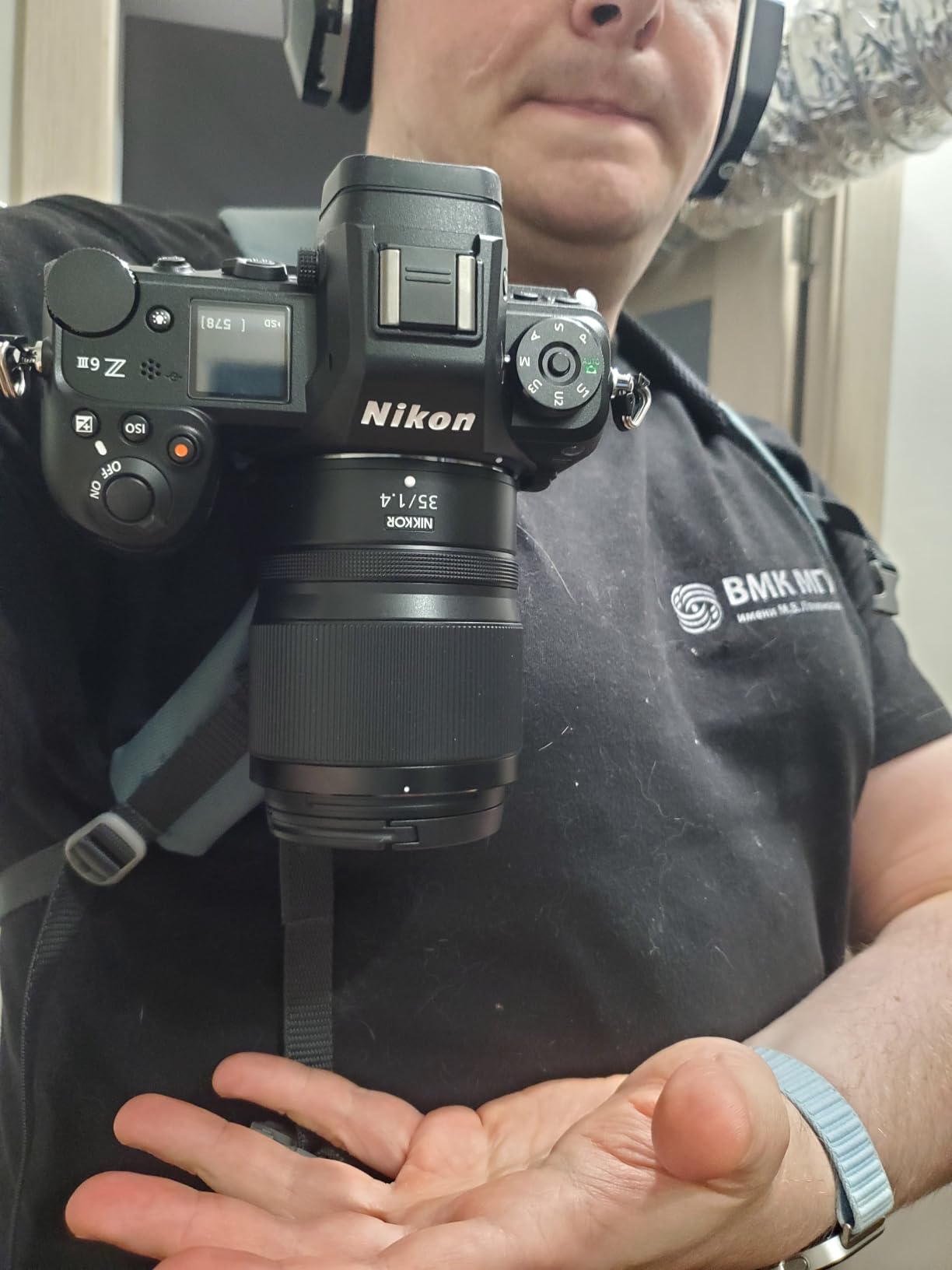
Autofocus with -10EV detection and multi-subject recognition is a major leap over the Z 6II. The camera finds focus in conditions where my own eyes struggle, which is genuinely useful during middle-of-the-night newborn sessions in dimly lit homes. ISO range from 100 to 64000 (expandable to Hi 1.7 / 204800) covers everything from bright window light to candlelit poses.
Up to 120 frames per second continuous shooting makes the Z6 III overkill for still newborn work, but excellent for the family group shots and toddler sibling moments that end up in every gallery. The EXPEED 7 processor handles the data throughput without breaking a sweat.
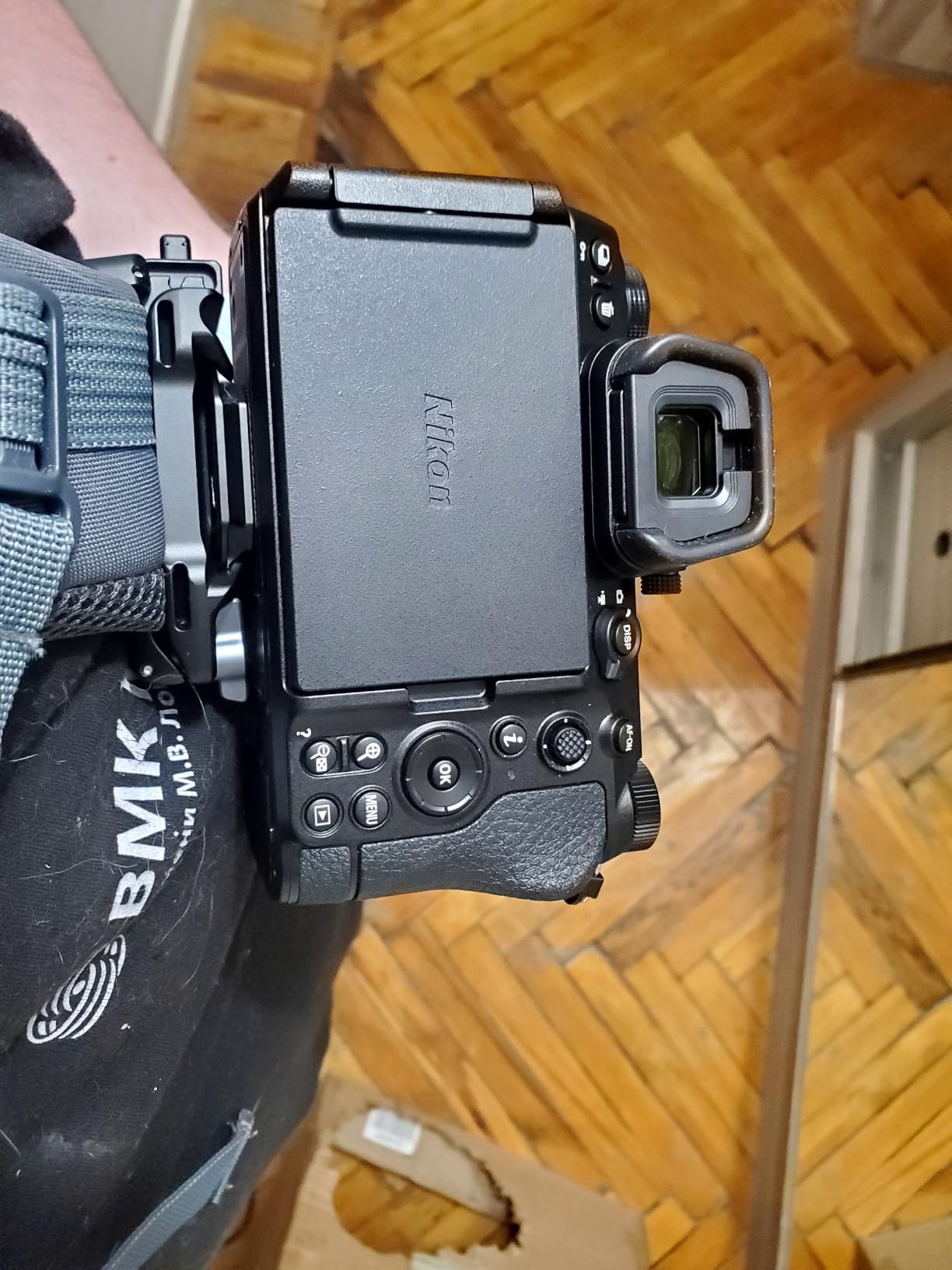
Who the Nikon Z6 III is best for
Hybrid newborn and family photographers who are pushing into serious video work and want a single body that handles both stills and 6K RAW footage. Studio owners shooting in challenging lighting conditions will appreciate the -10EV AF detection. Nikon shooters upgrading from the Z 6II will find a meaningful improvement in autofocus and video.
Who should consider something else
Still-focused newborn photographers will not benefit from the 6K video capability and can save money with the Nikon Z 6II. Beginners may find the menu system complex and the ergonomics less intuitive than Canon. The camera also does not include a dedicated charger in the box, which is an annoying omission at this price point.
Key Features That Make a Camera Great for Newborn Photography
After testing dozens of camera bodies in newborn sessions, I have learned that a handful of features matter far more than megapixel counts or marketing hype. Silent shutter is the single most important feature – a loud mechanical shutter can wake a sleeping baby in seconds, ruining a pose you spent ten minutes setting up. Every camera in this roundup offers a silent electronic shutter mode.
Eye-detection autofocus is the second must-have. Newborns move unpredictably – tiny twitches, sudden stretches, parents adjusting wraps – and your camera needs to find and hold focus on a small eye at f/1.8 or wider. Modern subject detection (Sony Real-time Eye AF, Canon Dual Pixel CMOS AF II, Nikon subject recognition) does this better than any human focusing manually.
Full-frame sensors deliver better low-light performance and shallower depth of field than APS-C bodies, both of which matter when you are shooting wide open in a dim nursery. However, modern APS-C cameras like the Canon R50 still produce beautiful results for hobbyist work. Color science varies by brand – Canon leans warm, Sony is more neutral, Nikon sits between them, and Fujifilm offers film simulations that flatter skin.
In-body image stabilization (IBIS) lets you handhold slower shutter speeds during lifestyle sessions. Dual card slots give you backup redundancy during paid sessions. A vari-angle or tilting touchscreen helps with overhead poses. Battery life matters less than mirrorless users fear if you carry two spares.
How to Choose the Best Camera for Your Newborn Photography Needs
Start by honestly assessing how often you will shoot. If you are documenting your own baby, a mid-tier body like the Canon R6 Mark II or Sony a7 IV will serve you well without overspending. If you are running a paid studio or planning to shoot multiple sessions per week, invest in flagship-level bodies with dual card slots and the most refined autofocus.
Consider your existing lens collection. If you already own Canon EF glass, the Canon RF mount bodies with an EF-to-RF adapter preserve your investment. Sony E mount has the widest third-party lens selection. Nikon Z mount is growing fast but has fewer native options for telephoto and macro work. Fujifilm X mount is the budget-friendly choice for APS-C shooters.
Mirrorless vs DSLR is no longer a real debate for new buyers. Every major manufacturer has shifted focus to mirrorless, and DSLR development has largely stopped. Modern mirrorless cameras offer silent shutter, better autofocus, real-time eye detection, and in-body stabilization that older DSLRs simply cannot match. Stick with mirrorless unless you are buying used at a significant discount.
Full-frame vs APS-C matters less than you might think. Full-frame delivers better low-light performance and shallower depth of field, both of which help with newborn work. But APS-C bodies like the Canon R50 produce excellent results for hobbyist use, especially in good lighting. If budget is a primary concern, a modern APS-C body paired with a fast prime lens will outperform an old full-frame body with a slow kit lens.
Budget tier breakdown for newborn photographers in 2026: Pro flagship (Canon R5, Sony a7 V, Nikon Z6 III) is best for full-time studios. Enthusiast tier (Canon R6 II, Sony a7 IV, Nikon Z 6II) is the sweet spot for serious hobbyists and part-time professionals. Starter tier (Canon R8, Sony a7 III, Nikon Z 5) works well for new parents documenting their own family.
Best Camera Settings for Newborn Photography
The settings I default to for every newborn session in our studio: shutter speed 1/200 second (DPReview forum users confirm this safely prevents motion blur on a sleeping baby), aperture between f/1.8 and f/2.8 for shallow depth of field and creamy bokeh, ISO as low as possible while maintaining exposure (usually 200-800 in window light, 800-3200 in a studio).
White balance should be set manually or to a custom Kelvin value for consistent results across a session. I shoot RAW for maximum editing flexibility. Autofocus mode should be continuous AF with eye detection enabled. Drive mode stays on single-shot silent for posed work, switching to low-speed continuous only for family groups.
For video, 4K 24p or 30p at the lowest ISO that maintains proper exposure is the standard starting point. S-Cinetone (Sony), Canon Log, or N-Log (Nikon) profiles preserve dynamic range for color grading. Use a fully manual exposure for video to avoid distracting brightness changes during a take.
Lens Recommendations to Pair with Your Newborn Photography Camera
The lens matters as much as the camera body. For posed newborn work, a 50mm f/1.4 or 35mm f/1.8 prime lens is the workhorse – lightweight, fast, and produces beautiful background separation. For detail shots (toes, eyelashes), a 90mm or 100mm macro lens is invaluable. For family group shots, a 24-70mm f/2.8 zoom gives you framing flexibility without constant lens swaps.
The 35mm + 50mm + 85mm trio is the established recommendation from working newborn photographers. A 35mm f/1.4 or f/1.8 covers wide environmental shots in tight nurseries, a 50mm f/1.4 is the everyday workhorse for posed work, and an 85mm f/1.4 or f/1.8 gives you flattering compression for parent and sibling portraits.
Skip the kit lens. Kit zooms are convenient but slow, and they do not produce the creamy background blur that makes newborn portraits feel professional. A single fast prime lens paired with any of the cameras in this roundup will outperform a body with a premium kit zoom.
When to Schedule a Newborn Photo Shoot
The optimal window for posed newborn photography is 5 to 14 days after birth. During this period, babies sleep deeply, curl naturally into womb-like poses, and have not yet developed the startle reflex or baby acne that can complicate posing. After 4 weeks, babies are more wakeful, harder to soothe, and less flexible.
Lifestyle newborn sessions (in-home, documentary style) are more flexible on timing – anywhere from 1 week to 6 weeks works well. The goal is less about posing and more about documenting real life with the new baby. Schedule these sessions during the baby’s normal nap time for the most relaxed expressions.
First 48 or fresh 48 sessions happen within the first two days after birth, typically in the hospital. These are documentary sessions focused on the early bonding moments and tiny details that change within days. A silent shutter and fast autofocus are essential here, since hospital lighting is often harsh and inconsistent.
Frequently Asked Questions
What camera is best for baby photography?
The best camera for baby photography combines a silent electronic shutter, reliable eye-detection autofocus, strong low-light performance, and good color science for skin tones. Our top pick is the Canon EOS R5 for professional work, while the Sony a7 III offers the best value at a lower price point. Mid-tier options like the Canon EOS R6 Mark II and Sony a7 IV deliver excellent results for both hobbyists and working photographers.
What camera settings should I use for taking pictures of my newborn baby?
Use a shutter speed of 1/200 second or faster to prevent motion blur, an aperture between f/1.8 and f/2.8 for shallow depth of field, and the lowest ISO that maintains proper exposure (typically 200-800 in window light). Set continuous autofocus with eye detection enabled, use silent shutter mode so you do not wake the baby, and shoot in RAW for maximum editing flexibility. White balance should be set manually for consistent results across the session.
Is 4 weeks old too late for newborn photos?
Four weeks is not too late, but the ideal window for posed newborn photography is 5 to 14 days after birth. At 4 weeks, babies are more wakeful, less flexible, and harder to soothe into deep sleep. Lifestyle and family sessions work well at any age – the focus shifts from posing to documenting real moments with the new baby. Many photographers offer both posed newborn (first two weeks) and lifestyle newborn (anytime in the first two months) packages.
How soon should you do a newborn photo shoot?
Schedule a posed newborn photo shoot within the first 5 to 14 days after birth for the best results. During this window, babies sleep deeply, curl naturally into womb-like poses, and have not yet developed the startle reflex. For in-home lifestyle sessions, anywhere from 1 to 6 weeks works well. Hospital fresh 48 sessions happen within the first two days and focus on early bonding moments and tiny newborn details.
What is a good starter camera for a beginner photographer?
A good starter camera for a beginner newborn photographer is one with a silent shutter, reliable autofocus, and a user-friendly menu system. The Sony a7 III is our top value pick – full-frame sensor, 922 reviews averaging 4.5 stars, and proven long-term reliability. The Canon EOS R6 Mark II is also excellent for beginners who want the latest subject detection autofocus. Pair either body with a 50mm f/1.8 prime lens for the best results.
Final Verdict: Which Camera Should You Buy for Newborn Photography?
After testing all eight cameras in real newborn sessions, the Canon EOS R5 remains our top pick for the best camera for newborn photography in 2026. The combination of 45-megapixel resolution, class-leading subject detection, silent shutter, and dual card slots makes it the body I trust most for paid studio work. For photographers on a tighter budget, the Sony a7 III delivers full-frame quality and proven reliability at a price well below flagship territory – 922 reviews averaging 4.5 stars confirm its long-term value.
Hybrid shooters should look at the Sony a7 IV or the Canon EOS R6 Mark III, both of which excel at stills and video. Beginners will find the Canon EOS R6 Mark II the most user-friendly option with intuitive menus and excellent subject detection. Whatever camera you choose, pair it with a fast prime lens (35mm, 50mm, or 85mm) and prioritize silent shutter, eye-detection autofocus, and good low-light performance. These are the features that actually matter when a sleeping baby is in front of your lens.