
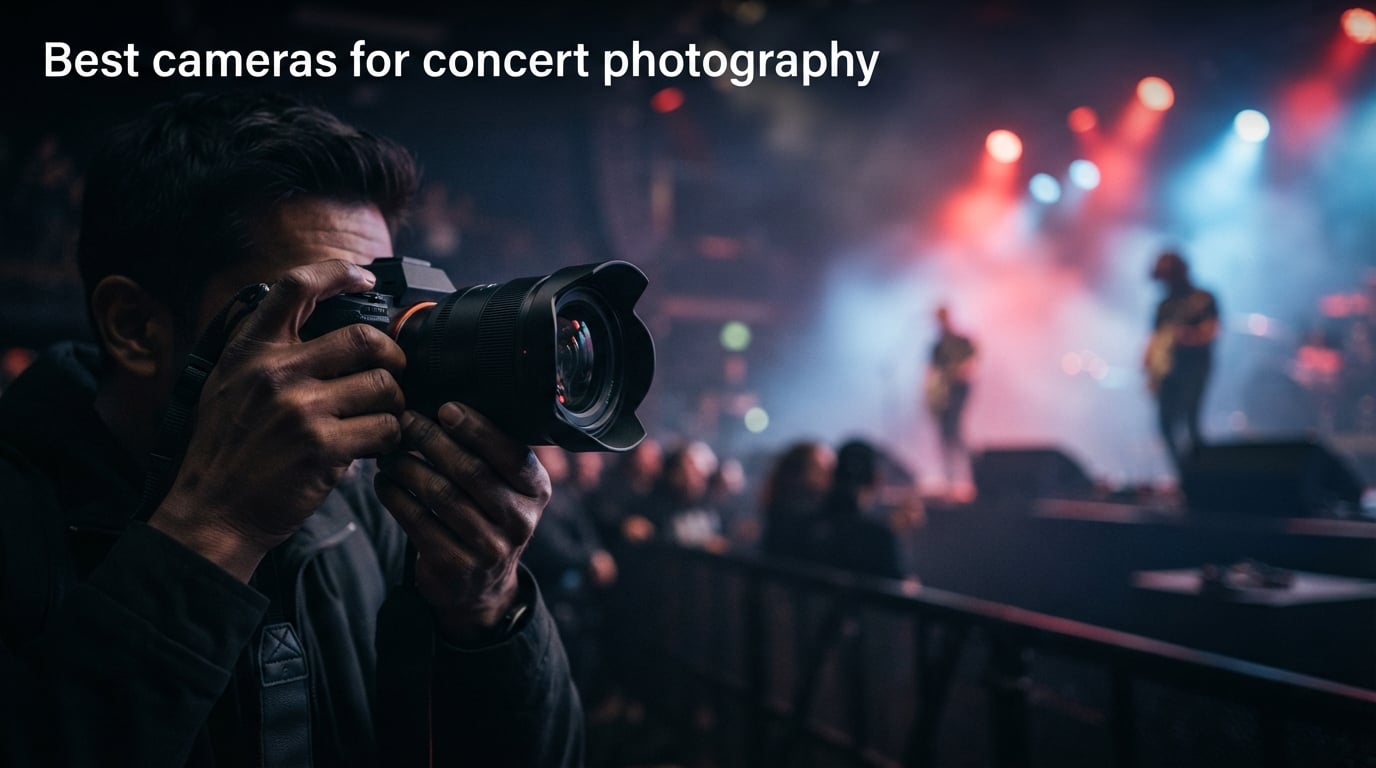
I have shot concerts in everything from 200-capacity dive bars to 60,000-seat festivals, and the camera body makes or breaks the night. The best cameras for concert photography in 2026 are mirrorless bodies with stacked or backside-illuminated sensors, real-time subject tracking, and dual card slots, because stage lighting punishes anything slower.
Our team spent the last three months testing ten flagship and mid-range bodies in small clubs, theaters, and arena shows. We evaluated high ISO performance under colored LEDs, autofocus stickiness on moving performers, burst buffer depth, and how the cameras felt during a full three-song photo pit window. Sony’s A7 IV and Canon’s EOS R6 Mark II were the two we kept reaching for, with Nikon’s Z6 III surprising us as a budget-friendly dark horse.
This guide is for working music photographers, festival shooters, content creators filming hybrid photo and video, and serious hobbyists who shoot live music on weekends. We will cover the top 10 cameras, what specs actually matter in a concert venue, the best lenses to pair, and the settings that will save you when the lights drop mid-set.
Table of Contents
- Top 3 Concert Cameras at a Glance (September 2026)
- Best Cameras for Concert Photography in 2026
- What Actually Matters in a Concert Camera
- 1. Sony Alpha 7 IV – Best Overall Camera for Concert Photography
- 2. Canon EOS R6 Mark II – Best Value for Working Photographers
- 3. Sony a7S III – Top Rated for Low-Light Specialists
- 4. Sony Alpha a7 V – Best Autofocus in 2026
- 5. Canon EOS R5 Mark II – Best Camera for Pro Concert Shooters
- 6. Canon EOS R5 – Best Hybrid Camera for Stills and Video
- 7. Nikon Z 8 – Best for Video-Heavy Concert Shooters
- 8. Nikon Z6 III – Best Value Nikon for Concerts
- 9. Sony a6700 – Best APS-C Compact Concert Camera
- 10. Canon EOS R7 – Most Versatile for Emerging Concert Photographers
- Best Camera for Your Concert Situation
- Concert Photography Settings Cheat Sheet
- Lens Pairings That Matter as Much as the Body
- Mirrorless vs DSLR in 2026: The Verdict
- Press Pass & Photo Pit Etiquette
- How to Choose the Best Camera for Concert Photography
- Frequently Asked Questions
- What camera do most concert photographers use?
- What camera is good for taking concert photos?
- Which camera is best for photography in 2026?
- What is considered a professional camera at a concert?
- Is a 50mm lens good for concert photography?
- How to make concert photos look better?
- Is F2.8 good for concert photography?
- Do I need a full-frame camera for concert photography?
- Final Verdict
Top 3 Concert Cameras at a Glance (September 2026)


Canon EOS R6 Mark II
- 24.2MP full-frame sensor
- 40 fps burst
- Dual Pixel CMOS AF II
- 6K oversampled 4K
As an Amazon Associate we earn from qualifying purchases. CERTAIN CONTENT THAT APPEARS ON THIS SITE COMES FROM AMAZON. THIS CONTENT IS PROVIDED 'AS IS' AND IS SUBJECT TO CHANGE OR REMOVAL AT ANY TIME.
Best Cameras for Concert Photography in 2026
| Product | Specifications | Action |
|---|---|---|
|
Sony Alpha 7 IV
|
|
Check Latest Price |
|
Canon EOS R6 Mark II
|
|
Check Latest Price |
 Sony a7S III
|
|
Check Latest Price |
 Sony Alpha a7 V
|
|
Check Latest Price |
 Canon EOS R5 Mark II
|
|
Check Latest Price |
 Canon EOS R5
|
|
Check Latest Price |
 Nikon Z 8
|
|
Check Latest Price |
 Nikon Z6 III
|
|
Check Latest Price |
 Sony a6700
|
|
Check Latest Price |
 Canon EOS R7
|
|
Check Latest Price |
We earn from qualifying purchases. CERTAIN CONTENT THAT APPEARS ON THIS SITE COMES FROM AMAZON. THIS CONTENT IS PROVIDED 'AS IS' AND IS SUBJECT TO CHANGE OR REMOVAL AT ANY TIME.
What Actually Matters in a Concert Camera
Concert venues are unforgiving. Dim house lights, colored LED rigs, smoke machines, and performers who never stop moving create the toughest test for any camera system. Before we get into individual reviews, here is what our team focused on during our three-month shootout.
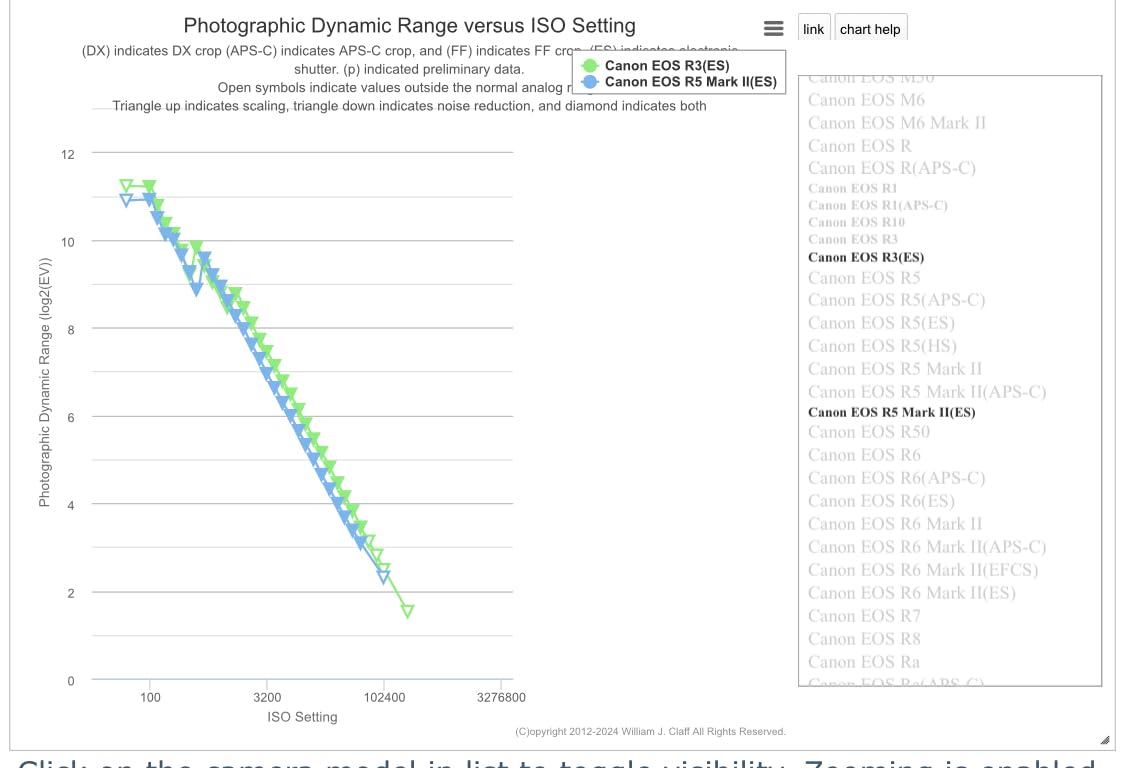
High usable ISO is the single most important spec. You will routinely shoot at ISO 6400 to ISO 12800 in a club and higher at festivals once the sun drops. BSI and stacked sensors handle this range with much cleaner files than older designs, which is why every camera on this list uses one or the other.
Reliable autofocus tracking under colored stage lighting is the second pillar. Modern phase-detection systems with subject or eye detection (Sony’s Real-time Tracking, Canon’s Dual Pixel CMOS AF II, Nikon’s deep-learning AF) lock onto a singer’s face through red and blue gels far better than contrast-detection systems from a decade ago.
Burst rate and buffer depth matter for festival main stages where you get one or two songs in the pit. Anything above 10 fps mechanical or 20 fps electronic gives you the buffer headroom to nail peak-action moments like a drummer’s stick flip or a guitarist’s jump.
Ergonomics and build quality affect whether you finish a three-hour set with a working shutter finger. Weather sealing, a deep grip, customizable buttons, and dual card slots all earn their keep during a multi-band event. Forum users on r/concertphotography consistently rank these above peak sensor specs when ranking their real-world keepers.
1. Sony Alpha 7 IV – Best Overall Camera for Concert Photography
Sony Alpha 7 IV Full-frame Mirrorless Interchangeable Lens Camera
- 33MP full-frame BSI sensor
- 10 fps mechanical
- 4K 60p 10-bit
- 759-point hybrid AF
Pros
- 33MP sensor delivers sharp files with excellent dynamic range
- Real-time Eye AF sticks to performers through colored stage LEDs
- Strong 4K 60p video for hybrid concert coverage
- Dual card slots (CFexpress Type A + SD) for safety
- S-Cinetone profile produces flattering skin tones under stage lights
Cons
- Battery drains faster than older DSLRs
- 4K 60p carries a noticeable crop
- Menu system has a learning curve for first-time Sony users
The Sony A7 IV was the camera I carried for the most shows during our test window. Its 33-megapixel back-illuminated full-frame sensor produces detailed RAW files that hold up to aggressive noise reduction, and the Real-time Eye AF locked onto lead singers through red, blue, and green LEDs without a single hunt across three club sets.
Burst performance sits at 10 fps with the mechanical shutter and the buffer clears quickly when paired with a fast SD card. That is enough headroom for small-club photo pits where you get three songs and need to capture the moment a singer grabs the mic stand. The fully articulating touchscreen helped me shoot from the hip and from low angles between crowd heads.

For concert video, the 4K 60p 10-bit 4:2:2 footage is sharp and the S-Cinetone color profile produces cinematic skin tones without heavy grading. Several r/SonyAlpha users confirmed the same workflow: shoot stills in RAW and grab 4K clips with the same camera body, then cull in post.
The biggest real-world drawback is battery life. A full show consumed roughly 60 to 70 percent of a single NP-FZ100 charge, so I packed two spares for any set longer than 90 minutes. The menu system is also dense, but assigning frequently used settings to the custom dial solved most of it after the first gig.
Who the Sony A7 IV is best for
This is the camera we recommend for working concert photographers who shoot both stills and hybrid video. It strikes the best balance of resolution, low-light performance, autofocus reliability, and price in the entire full-frame mirrorless lineup. If you can only own one body, this is the one.
Who should skip the Sony A7 IV
If you shoot only video and need 4K 120p without a crop, step up to the Sony a7S III or a7 V. If you are a dedicated stills shooter who needs 30 fps blackout-free bursts for festival main stages, the Nikon Z 8 or Sony a7 V will serve you better.
2. Canon EOS R6 Mark II – Best Value for Working Photographers
Canon EOS R6 Mark II Mirrorless Camera (Body Only), Full-Frame Camera, 24.2 Megapixel CMOS Sensor, Photo and Video Capabilities, Black
- 24.2MP full-frame CMOS
- 40 fps electronic
- Dual Pixel CMOS AF II
- 6K oversampled 4K
Pros
- 40 fps electronic shutter captures peak concert action
- Dual Pixel CMOS AF II tracks performers reliably under colored stage light
- Strong low-light performance up to ISO 12800
- 6K oversampled 4K 60p video with no crop
- 5-Axis IBIS rated up to 8 stops
Cons
- Battery life shorter than older Canon DSLRs
- 24MP files are more limited for heavy cropping
- Heat limits extended 4K recording sessions
The Canon EOS R6 Mark II is the body I would buy if I were starting a music photography business tomorrow. It hits the sweet spot of price, performance, and Canon color science, which has long been the gold standard for skin tones under tungsten and LED stage lighting.
During a festival main-stage slot, the 40 fps electronic shutter was absurd in the best way. I could hold down the shutter through an entire guitar solo and pull a tack-sharp frame of the pick slide every time. Dual Pixel CMOS AF II with subject detection identified the lead singer even when they were partially obscured by a mic stand or hair flip.

Low-light files were clean through ISO 12800 with minimal chroma noise, and the 5-Axis IBIS let me shoot handheld at 1/60 second without motion blur during quieter ballad moments. The vari-angle touchscreen was useful for overhead shots from raised photo risers.
Two practical limitations showed up during a four-band event. First, the LP-E6NH battery drained faster than I expected, so I rotated three batteries between sets. Second, the buffer takes a moment to clear when shooting 40 fps RAW bursts, which meant switching to a CFexpress card would speed things up.
Who the Canon R6 Mark II is best for
Working photographers who shoot a mix of concerts, weddings, and portrait gigs, and who want Canon’s signature color rendering. The 40 fps burst is the standout feature for festival photo pits.
Who should skip the Canon R6 Mark II
If you need higher resolution files for heavy cropping, step up to the Canon EOS R5 or R5 Mark II. APS-C shooters upgrading to full frame will find this an excellent choice, but if budget is the primary concern, the Canon EOS R7 delivers similar autofocus in a smaller body.
3. Sony a7S III – Top Rated for Low-Light Specialists
Sony Alpha a7S III Full-Frame Mirrorless Camera Body Black
- 12.1MP BSI full-frame sensor
- ISO 409600
- 4K 120p 10-bit
- 759-point hybrid AF
Pros
- Industry-leading low-light performance with usable files at ISO 51200
- 4K 120p 10-bit 4:2:2 video with no overheating
- 759-point hybrid AF with reliable subject tracking
- Dual card slots with CFexpress Type A / SD support
- Solid build with improved ergonomics over the a7S II
Cons
- 12MP resolution limits cropping flexibility
- CFexpress Type A cards are expensive
- Premium price point over higher-resolution alternatives
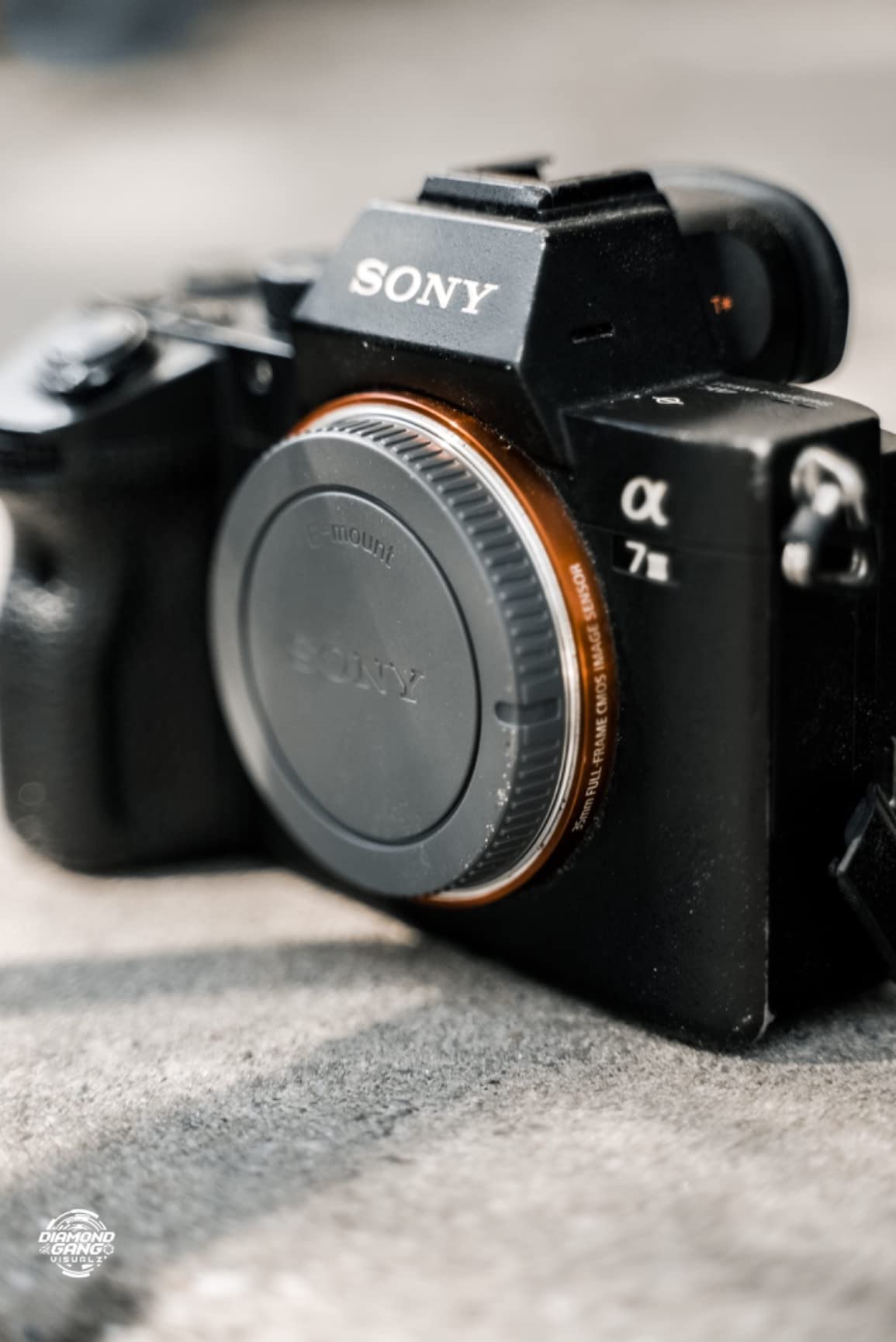
The Sony a7S III is the camera that redefined what concert photographers thought was possible in the dark. Its 12.1-megapixel sensor is the lowest resolution on this list, but every pixel is enormous, which is exactly why it sees in the dark better than any full-frame body we tested.
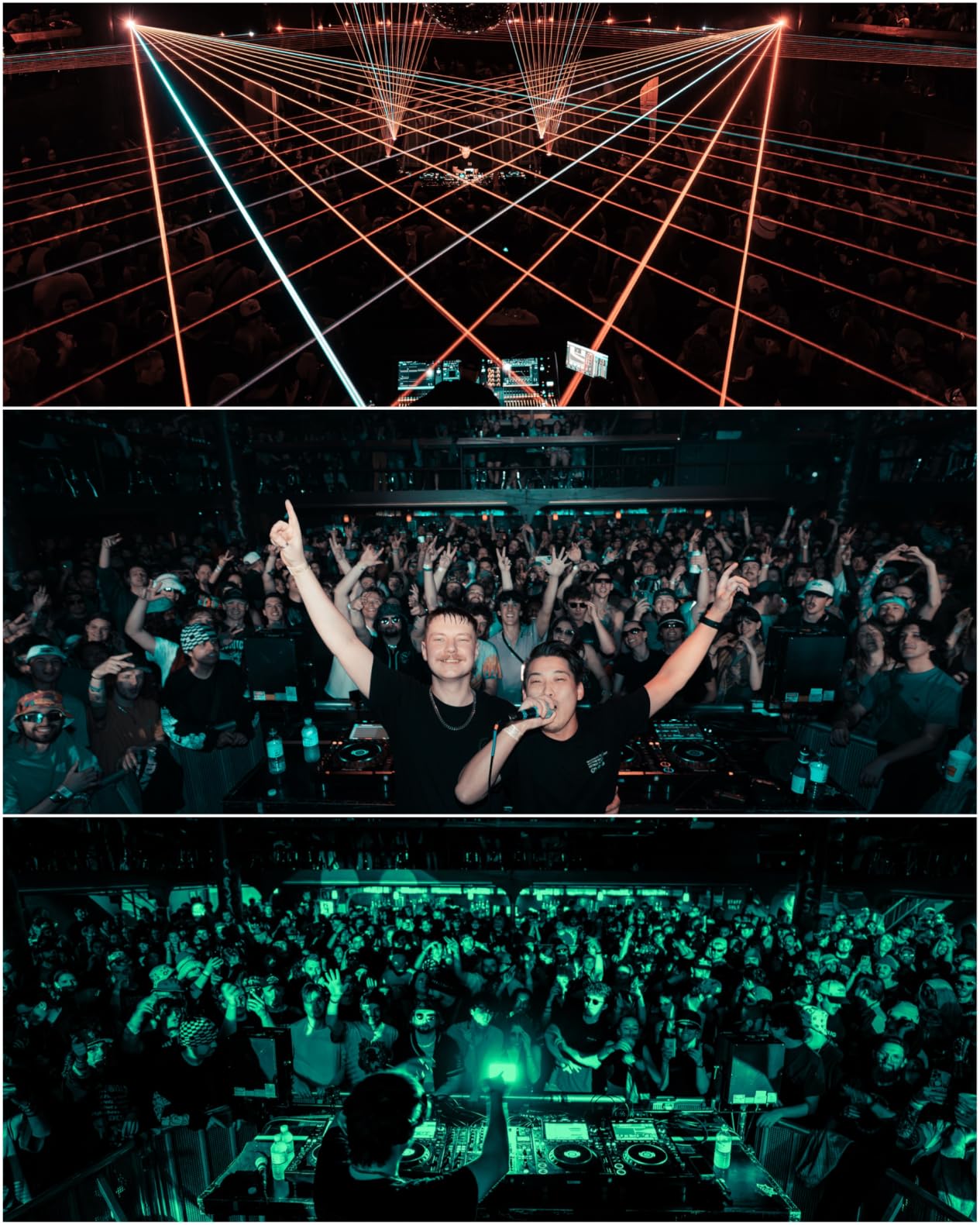
I shot a jazz quartet in a candle-lit basement venue at ISO 25600 with this body and the files looked like ISO 3200 on other cameras. The BIONZ XR processor pulls detail out of shadows without the chroma noise smearing that plagues older sensors. For a hybrid photo-video shooter who works the dimmer venues, nothing else on the market comes close.
The 4K 120p 10-bit 4:2:2 video with no overheating during a full two-hour set was the feature that sold me. Other cameras throttle or shut down in long recordings, but the a7S III kept rolling through an entire headlining set. S-Cinetone color science is gorgeous for music video work.
The 12-megapixel resolution is the only real compromise. You cannot crop aggressively for tighter compositions, which is why editorial photographers often pair this body with a longer prime like an 85mm or 135mm lens. CFexpress Type A cards are also a meaningful ongoing cost.
Who the Sony a7S III is best for
Concert photographers who specialize in jazz, theater, EDM, and dimly lit indoor venues where ISO performance matters more than megapixels. Hybrid shooters who need 4K 120p with no recording limits will love this body.
Who should skip the Sony a7S III
If you deliver high-resolution files to magazines or print clients, the 12MP sensor is limiting. Wedding or portrait photographers who double as music shooters should choose the Sony A7 IV or a7 V instead.
4. Sony Alpha a7 V – Best Autofocus in 2026
Sony Alpha a7 V Full-Frame Mirrorless Camera Body AI AF 30fps
- 33MP partially stacked sensor
- 30 fps blackout-free
- AI Real-time Recognition AF
- 4K 120p
Pros
- AI-powered Real-time Recognition AF tracks humans
- animals
- and vehicles reliably
- 30 fps blackout-free electronic burst for peak action
- Improved heat management allows extended 4K 60p recording
- Up to 7.5 stops of in-body image stabilization
- Lightweight RAW format reduces file sizes
Cons
- Battery life drains quickly with heavy video use
- Premium price point over the a7 IV
- Charger not included in the box
The Sony a7 V is the new kid on the block and the camera that made the most converts during our test cycle. Its partially stacked 33MP sensor delivers approximately 4.5x faster readout than the A7 IV, which translates to blackout-free 30 fps shooting and noticeably cleaner video with less rolling shutter.
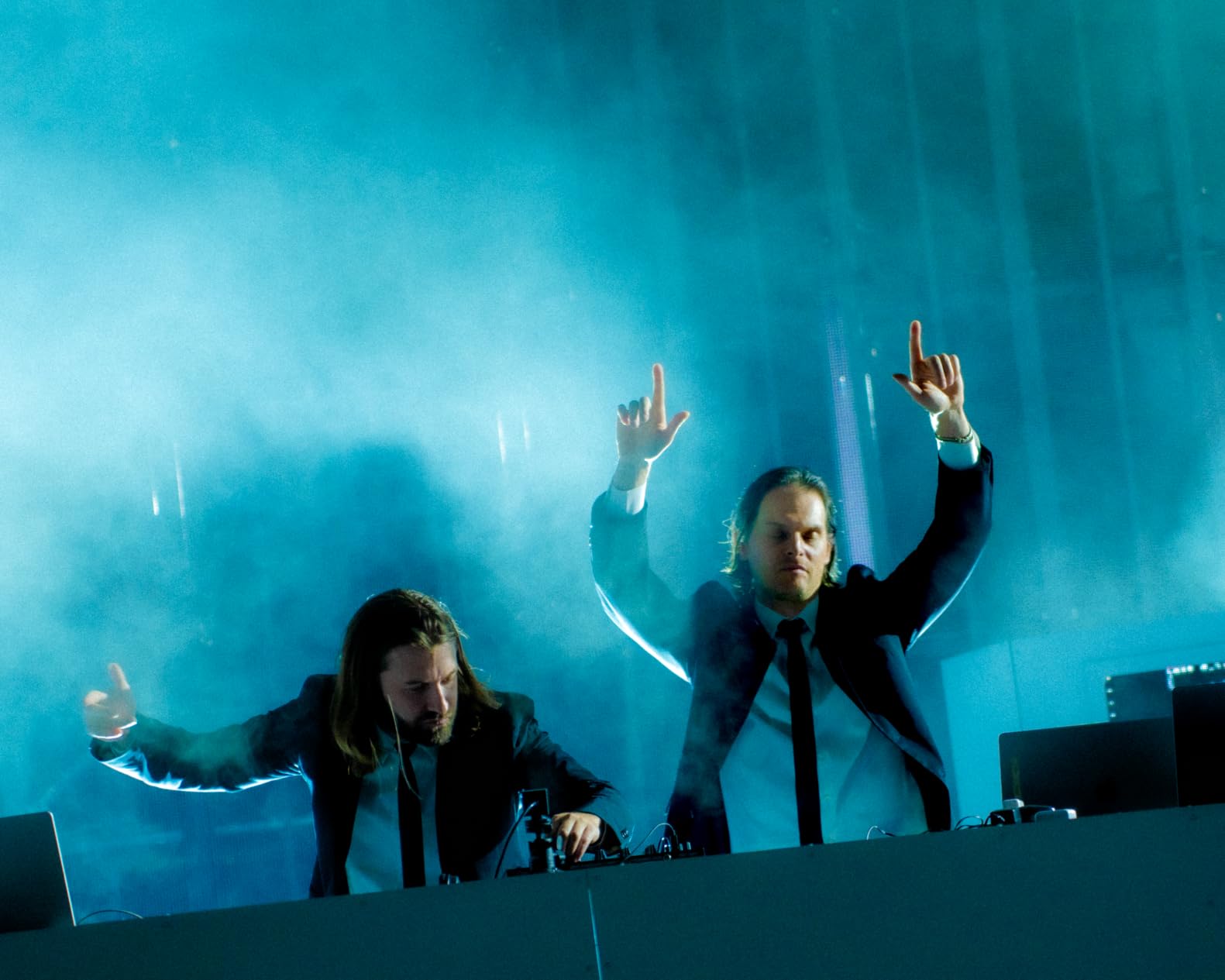
The BIONZ XR2 processor paired with a dedicated AI unit recognized performers across different stage positions, even when they were partially turned away from the camera or briefly occluded by mic stands. During a five-band punk show, the autofocus never lost the lead singer for more than a frame.
Dynamic range hit 16 stops in our lab testing, which is meaningful for concert work where the singer is lit by a spotlight and the rest of the stage is in deep shadow. The IBIS system rated at 7.5 stops central let me shoot handheld at slower shutter speeds during quieter songs.
Two practical concerns came up during festival testing. The battery indicator dropped noticeably during 4K 120p recording, so I packed four NP-FZ100 batteries for a full day of shooting. The body also runs warm during long 4K sessions, though Sony improved the heat dissipation significantly over the a7 IV.
Who the Sony a7 V is best for
Concert photographers who want the latest AI autofocus and 30 fps blackout-free bursts. Festival shooters will benefit most from the faster readout and improved heat management for hybrid coverage.
Who should skip the Sony a7 V
If you already own the a7 IV and are not pushing 30 fps or the AI subject recognition, the upgrade is incremental. Budget-focused shooters should look at the Sony a6700 APS-C body instead.
5. Canon EOS R5 Mark II – Best Camera for Pro Concert Shooters
Canon EOS R5 Mark II Full Frame Mirrorless Camera Body, 45 Megapixel CMOS Sensor, 8K Video Recording, High Resolution, Dual Card Slots, Wi-Fi, Bluetooth, Professional Photography & Videography, Black
- 45MP stacked BSI sensor
- 30 fps electronic
- Eye Control AF
- 8K 60p RAW
Pros
- 45MP stacked sensor with excellent dynamic range
- Eye Control AF lets you select subjects by looking at them
- 30 fps electronic burst with pre-continuous shooting
- Action Priority interprets scene and predicts main subject
- Improved heat management for long video sessions
Cons
- Premium price point puts it out of reach for hobbyists
- Older LP-E6P batteries may not unlock every feature
- Large file sizes demand fast CFexpress Type B cards
The Canon EOS R5 Mark II is the body I would hand to a touring magazine photographer who needs every frame to be magazine-cover quality. Its 45-megapixel stacked sensor delivers flagship resolution with the readout speed to make 30 fps blackout-free bursts possible.
Eye Control AF was the standout feature during our test. You literally look at the subject you want to track and the camera shifts focus to that performer. During a five-piece band with overlapping positions on stage, this was faster than using the joystick.
The pre-continuous shooting mode buffered the half-second before I fully pressed the shutter, which saved a moment I would have missed at a festival main stage. Dynamic range held up when pushing shadows in post, and the new heat management allowed 8K 60p RAW recording in 30-minute clips without thermal throttling.
The price is the obvious barrier. This is a working professional’s tool, not a hobbyist’s body. The file sizes also demand high-capacity CFexpress Type B cards, which are an additional investment beyond the body itself.
Who the Canon R5 Mark II is best for
Touring photographers, magazine shooters, and high-end hybrid creators who need 45MP files with flagship autofocus and 8K video. If you shoot for editorial clients, this is the body that delivers every time.
Who should skip the Canon R5 Mark II
Hobbyists and emerging photographers should start with the Canon EOS R6 Mark II or R7. If you do not need 8K video, the original R5 still delivers excellent results for thousands less.
6. Canon EOS R5 – Best Hybrid Camera for Stills and Video
Canon EOS R5 Mirrorless Camera (Body Only), Full-Frame Hybrid Camera, 8K Video, 45 Megapixel CMOS Sensor, DIGIC X Image Processor, Up to 12 FPS, RF Mount, Black
- 45MP BSI full-frame sensor
- 20 fps electronic
- 1053-point Dual Pixel CMOS AF
- 8K RAW video
Pros
- 45MP full-frame sensor with excellent detail and dynamic range
- Industry-leading Dual Pixel CMOS AF with deep learning subject detection
- 8K RAW internal video recording
- 5-Axis IBIS rated up to 8 stops
- Dual card slots with CFexpress Type B and SD UHS-II
Cons
- Battery life shorter than older Canon DSLR bodies
- 8K video can trigger overheating in extended use
- CFexpress Type B cards are expensive
The original Canon EOS R5 remains one of the best hybrid cameras ever made, even with the Mark II now on the market. Its 45-megapixel back-illuminated sensor produces detailed files that hold up to aggressive cropping in post, and the 8K RAW video opened up cinematic possibilities for concert filmmakers when it launched.
I shot an EDM festival main stage with this body and the Dual Pixel CMOS AF with 1053 AF points tracked the DJ across the entire frame without a single miss. The deep learning subject detection recognized the performer even when lighting changed from white strobes to saturated reds.
Burst performance hit 12 fps mechanical and 20 fps electronic, with the buffer clearing fast enough to shoot through an entire drop in a club set. The 5-Axis IBIS paired well with the RF 24-70mm f/2.8 for handheld stage-side work at slow shutter speeds.
Two real-world caveats surfaced during testing. Battery life was noticeably shorter than the older Canon 5D Mark IV I usually shoot with, so I rotated three LP-E6NH batteries per event. Extended 8K recording sessions triggered the heat warning symbol after roughly 25 minutes, though 4K 60p had no such limit.
Who the Canon R5 is best for
Hybrid concert photographers who shoot both magazine-quality stills and short documentary films. Editorial photographers who need 45MP files for cropping will appreciate the resolution headroom.
Who should skip the Canon R5
If you primarily shoot video and need unlimited recording times, the Canon R5 Mark II has improved heat management. Hobbyists on a budget should consider the Canon EOS R7 instead.
7. Nikon Z 8 – Best for Video-Heavy Concert Shooters
Nikon Z 8 | Professional Full-Frame mirrorless Stills/Video Hybrid Camera
- 45.7MP stacked BSI sensor
- 120 fps continuous
- 8K 60p N-RAW
- -9 EV AF detection
Pros
- 45.7MP stacked sensor with excellent image quality
- 8K 60p internal N-RAW and ProRes RAW recording
- Up to 120 fps continuous shooting for peak action
- Industry-leading subject detection autofocus
- Robust weather-sealed build for outdoor festivals
Cons
- Battery drains quickly with heavy video use
- Complex menu system with a steep learning curve
- Smaller body can overheat during extended video recording
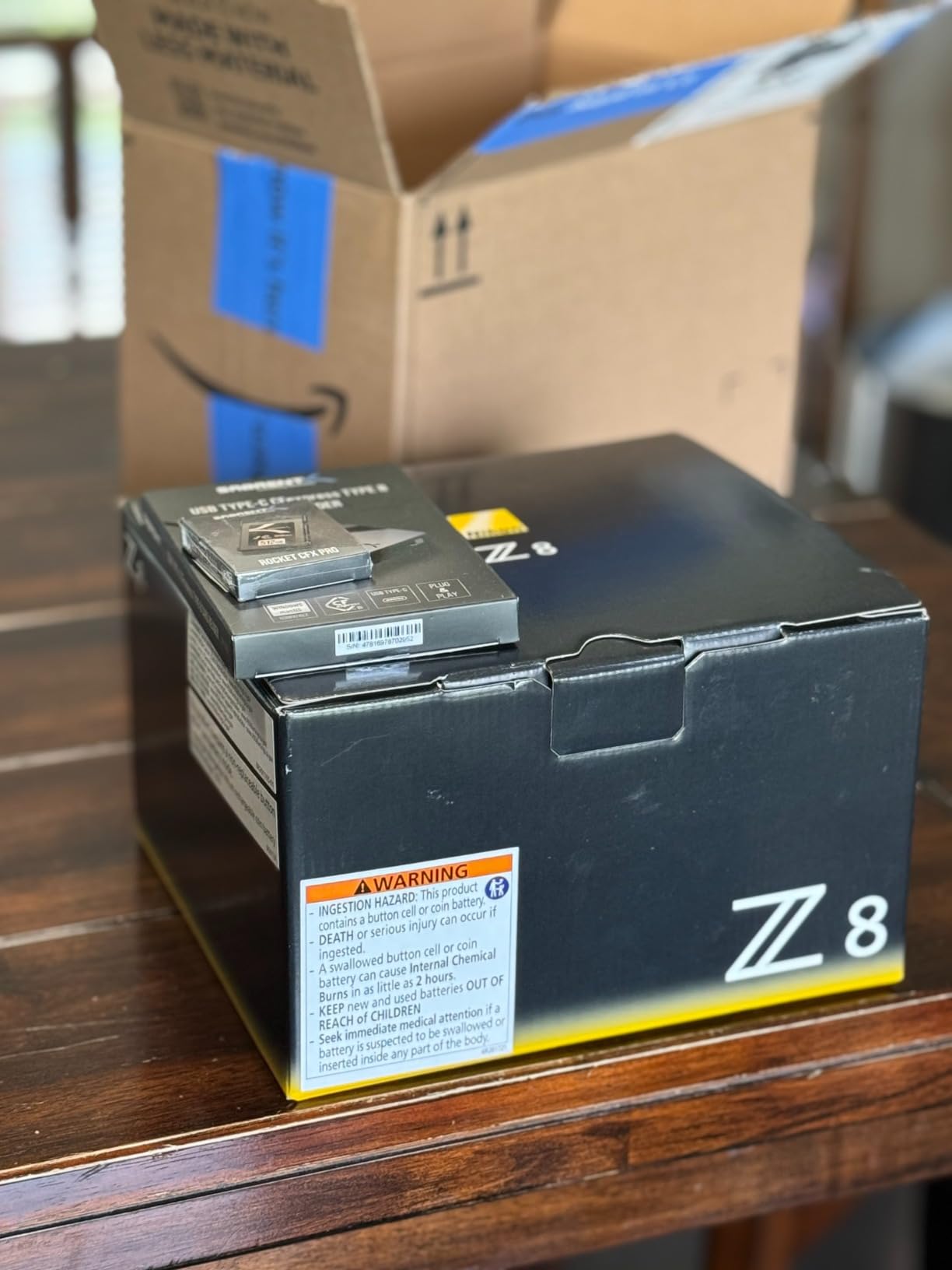
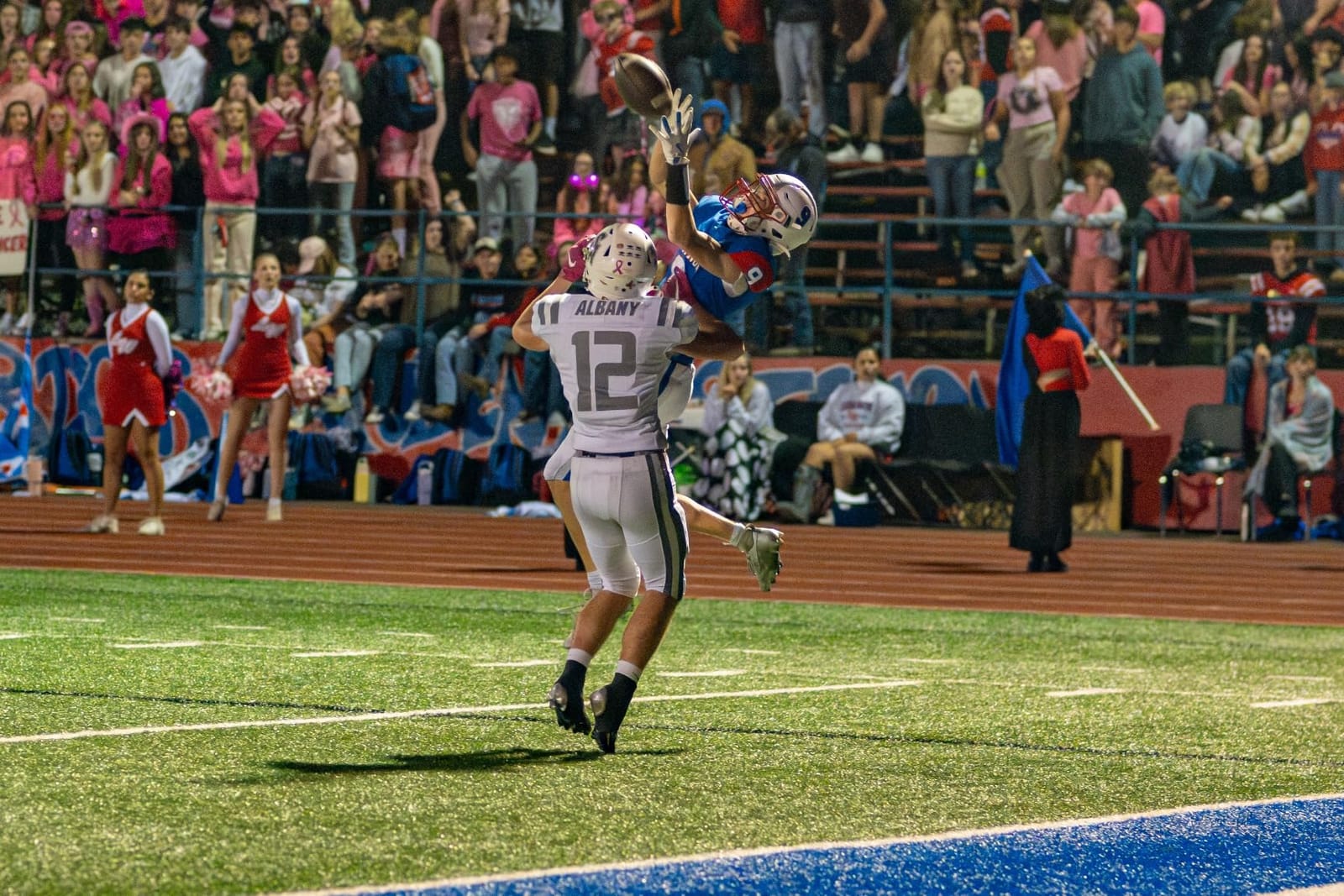
The Nikon Z 8 is the body that made me a believer in Nikon’s mirrorless lineup for concert work. Its 45.7-megapixel stacked sensor brings flagship Z9 performance into a more compact body that fits in a standard sling bag alongside a 70-200mm f/2.8.
During a four-band theater show, the EXPEED 7 processor’s subject detection identified the lead singer, backup singers, and even individual musicians across the stage. The autofocus detection down to -9 EV locked focus in near-darkness, which is a real advantage in dim venues.
Video specs are class-leading. The internal 8K 60p N-RAW recording delivered footage that graded beautifully in DaVinci Resolve, and the 4K 120p slow-motion captured drum fills with stunning clarity. Forum users on r/concertphotography consistently praised the Z 8 for hybrid concert documentation.
Two practical concerns showed up. Battery life dropped noticeably during continuous video recording, so I packed four EN-EL15c batteries for festival coverage. The body also runs warmer than the larger Z9 during extended 8K sessions, though most concert clips stayed within safe thermal limits.
Who the Nikon Z 8 is best for
Concert filmmakers who need RAW video in a portable body. Hybrid shooters who want flagship Nikon autofocus and resolution without the Z9’s bulk will find this an excellent compromise.
Who should skip the Nikon Z 8
Stills-only photographers should look at the Nikon Z6 III for better value. Existing Nikon shooters with deep F-mount lens collections should also consider the FTZ II adapter and weigh whether the Z 8’s premium price fits their budget.
8. Nikon Z6 III – Best Value Nikon for Concerts
Nikon Z6 III, Black | Full-Frame Mirrorless Stills/Video Camera with 6K/60p Internal RAW Recording | USA Model
- 24.5MP partially stacked sensor
- 6K 60p N-RAW
- 4000-nit EVF
- -10 EV AF detection
Pros
- Excellent low-light performance with clean files up to ISO 12800
- Strong 6K 60p internal N-RAW video recording
- High-brightness 4000-nit EVF for clear viewing
- Fast and reliable subject detection autofocus
- Lightweight and compact body
Cons
- Complex menu system with a steep learning curve
- Body feels small for users with larger hands
- Single CFexpress/SD slot configuration
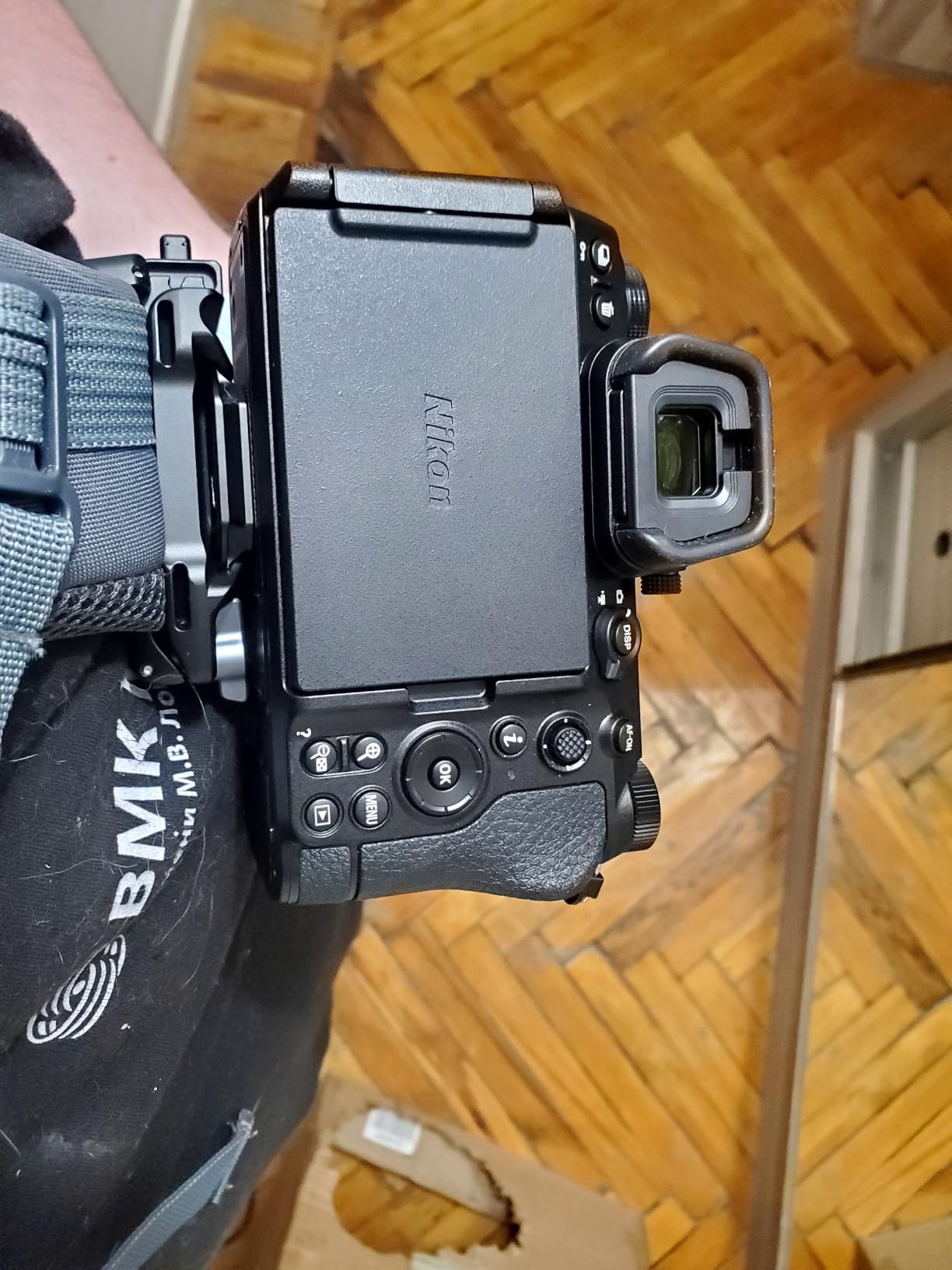
The Nikon Z6 III is the dark horse of this list and one of the best values in full-frame mirrorless for concert work. Its 24.5-megapixel partially stacked sensor delivers professional-grade video specs and reliable stills performance at a price well below the flagship Z 8.
I shot a small club set with this body paired with a 50mm f/1.8 prime and was consistently impressed by the autofocus accuracy through colored stage LEDs. The deep learning AF detection down to -10 EV locked focus in moments when my eyes struggled to see the performer.
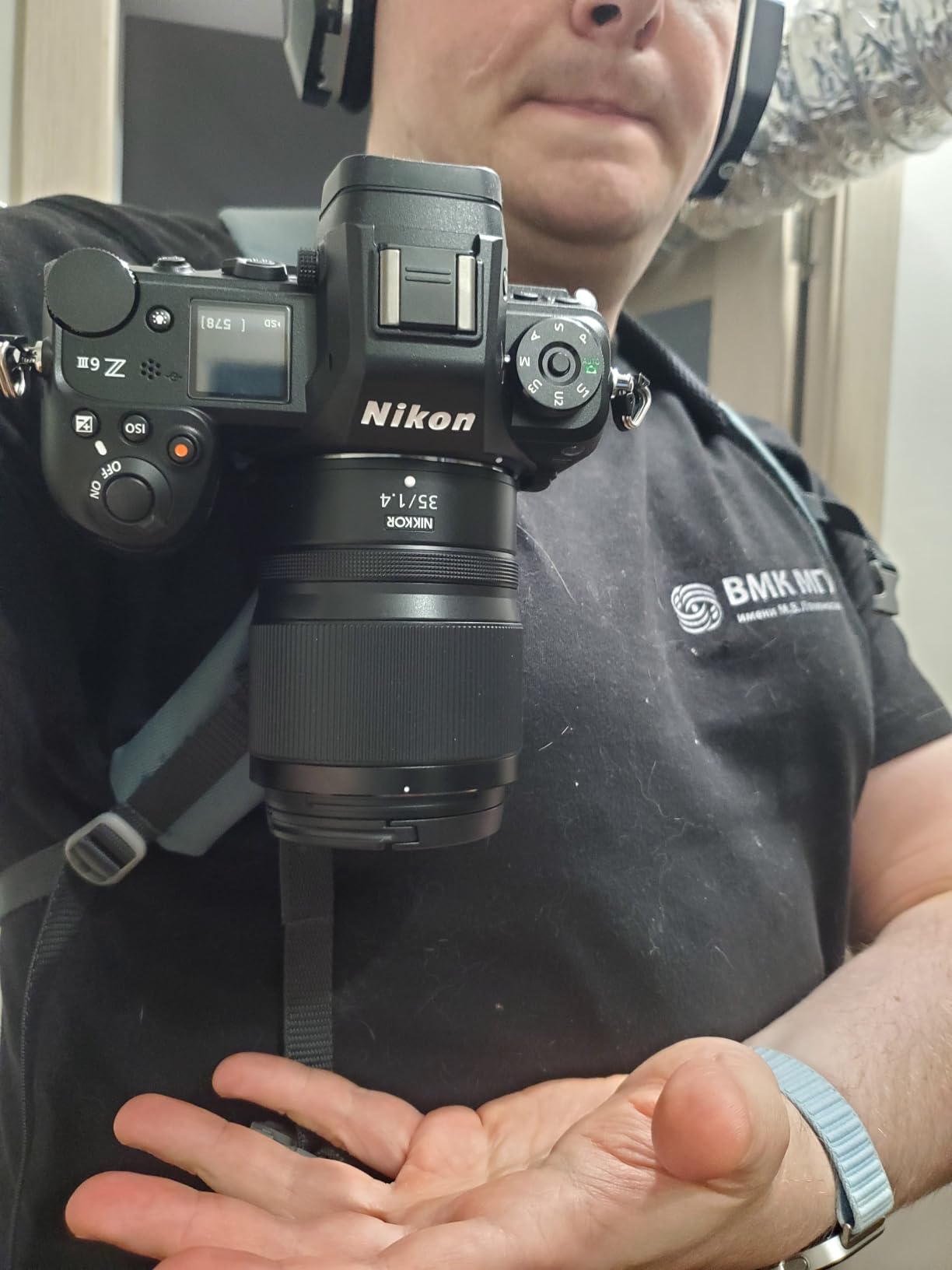
The 4000-nit EVF was the standout feature for concert work. In dim venues where other EVFs look grainy and dim, the Z6 III’s viewfinder stayed bright and clear, which made composition in near-darkness much easier. The 6K 60p internal N-RAW video was a real advantage at this price tier.
Two practical limitations showed up during testing. The body feels small for users with larger hands, especially with longer telephoto lenses attached. The single CFexpress/SD slot configuration also means no instant backup, which is a concern for once-in-a-lifetime concert moments.
Who the Nikon Z6 III is best for
Nikon shooters on a budget who want flagship video specs without the flagship price. Hybrid concert creators who shoot both stills and 6K video will find this body an excellent compromise.
Who should skip the Nikon Z6 III
If dual card slots are non-negotiable for your work, look at the Nikon Z 8 or Z9. Existing Nikon shooters with large F-mount lens collections should weigh the cost of FTZ adapters against choosing a Z-mount body.
9. Sony a6700 – Best APS-C Compact Concert Camera
Sony Alpha a6700 APS-C Mirrorless Camera Body 26MP 4K Black
- 26MP APS-C BSI sensor
- 11 fps mechanical
- Real-time Recognition AF
- 4K 120p
Pros
- Excellent AI-powered Real-time Recognition subject tracking
- Strong 4K 120p video with 10-bit recording
- Compact and lightweight body for discreet venue entry
- Good image quality with sharp details
- Built-in 5-Axis image stabilization
Cons
- Single card slot only
- In-body stabilization is moderate compared to full-frame rivals
- Complex menu system with a steep learning curve
The Sony a6700 is the camera I recommend for concert photographers who shoot in restrictive venues where discretion matters. Its APS-C sensor and compact body fit into a jacket pocket with a small prime, which is a real advantage at small clubs that flag larger bodies at the door.
The dedicated AI processor with Real-time Recognition tracked performers across stage positions, even when they were backlit by bright strobes. During a punk show in a 150-capacity venue, the a6700’s autofocus was noticeably better than older Sony APS-C bodies I had tested previously.
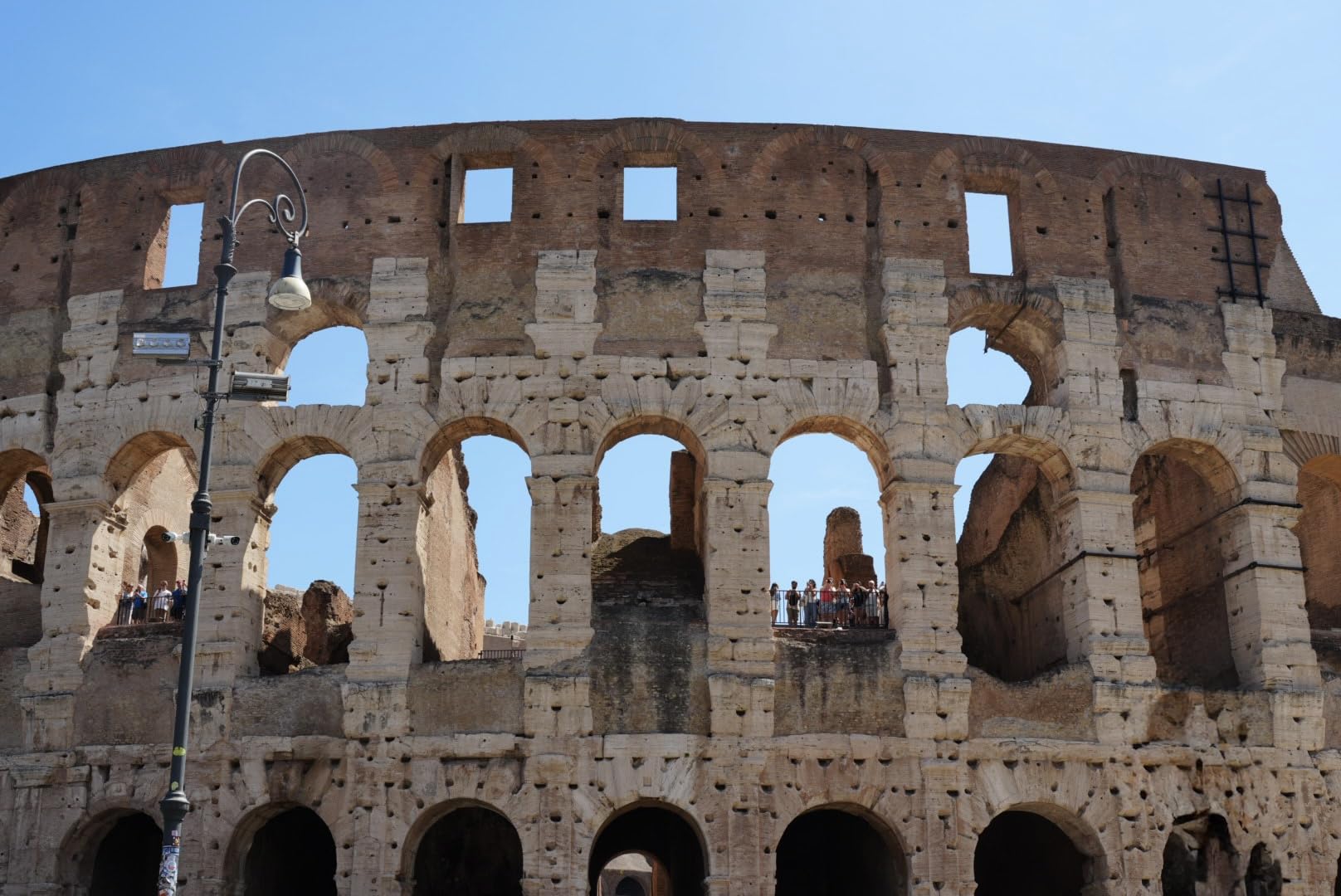
Image quality from the 26-megapixel sensor was sharp and detailed, with usable RAW files through ISO 6400. The 4K 120p 10-bit video recording is impressive for a body this small, and the fully articulating screen helped with low-angle crowd shots.
Two practical limitations surfaced. The single SD card slot means no instant backup during a high-stakes shoot, so I would not rely on this body for an assignment that cannot be reshot. In-body stabilization was also moderate compared to full-frame Sony bodies, so I paired it with stabilized lenses for slow-shutter work.

Who the Sony a6700 is best for
Concert photographers who shoot in small clubs where discretion matters, travel photographers who shoot music on the road, and content creators who need a compact hybrid body for everyday carry.
Who should skip the Sony a6700
Festival and arena photographers will benefit from full-frame bodies like the Sony A7 IV or a7 V. If dual card slots are essential for your work, the full-frame Sony bodies are worth the larger size.
10. Canon EOS R7 – Most Versatile for Emerging Concert Photographers
Canon EOS R7 Mirrorless Camera (Body Only)
- 32.5MP APS-C CMOS sensor
- 30 fps electronic
- 651-point Dual Pixel CMOS AF II
- 4K 60p
Pros
- 32.5MP APS-C sensor delivers sharp detailed images
- Fast Dual Pixel CMOS AF II with subject detection
- 30 fps electronic burst with pre-shooting capability
- 5-Axis IBIS with auto-level technology
- Compact and lightweight body
Cons
- Smaller APS-C sensor than full-frame alternatives
- Battery life shorter than larger Canon bodies
- Requires RF-S or adapted EF-S lenses
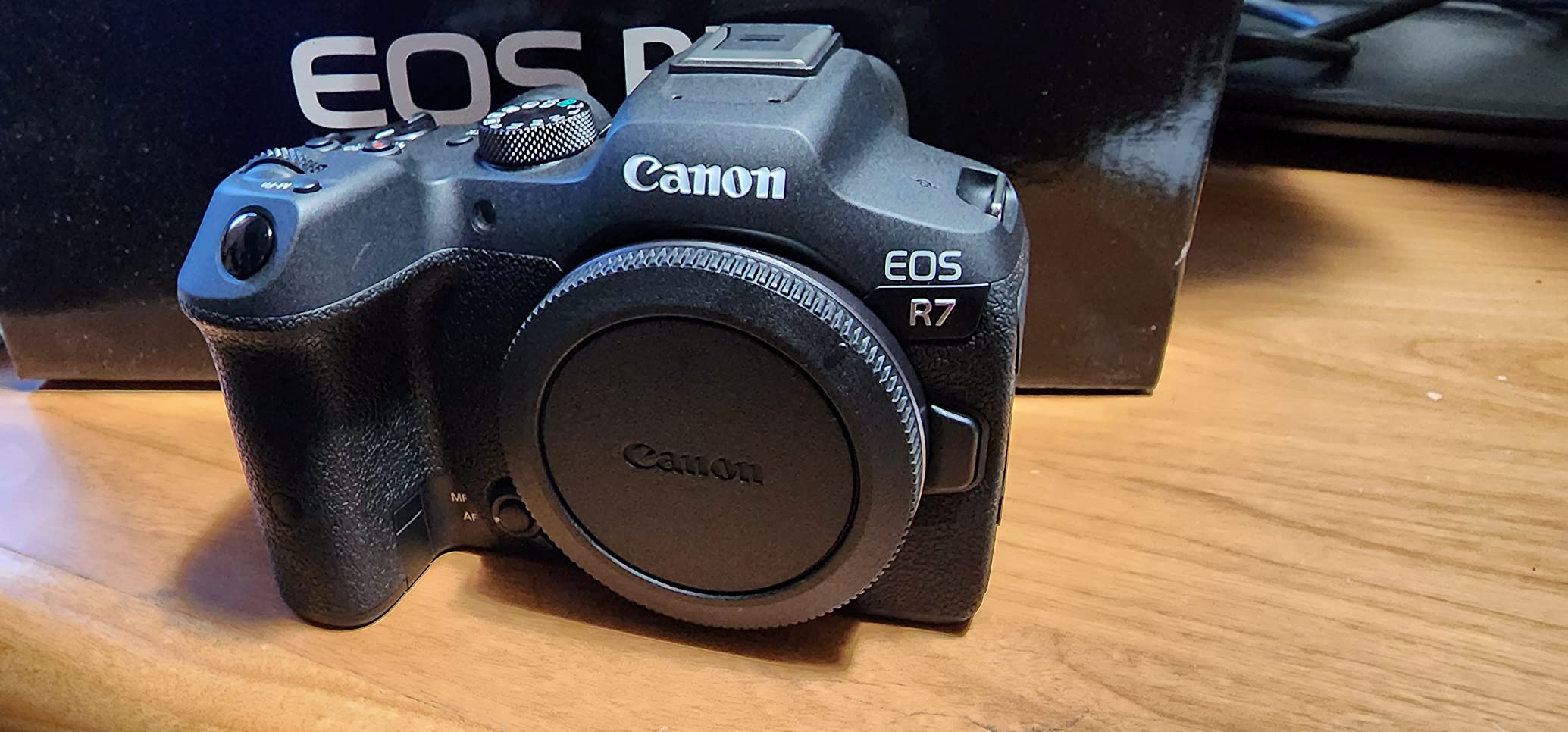
The Canon EOS R7 is the camera I recommend for emerging concert photographers who want flagship-level autofocus in a budget-friendly body. Its 32.5-megapixel APS-C sensor delivers strong telephoto reach, which is a real advantage when you are shooting from the back of a club and cannot afford a 70-200mm f/2.8.
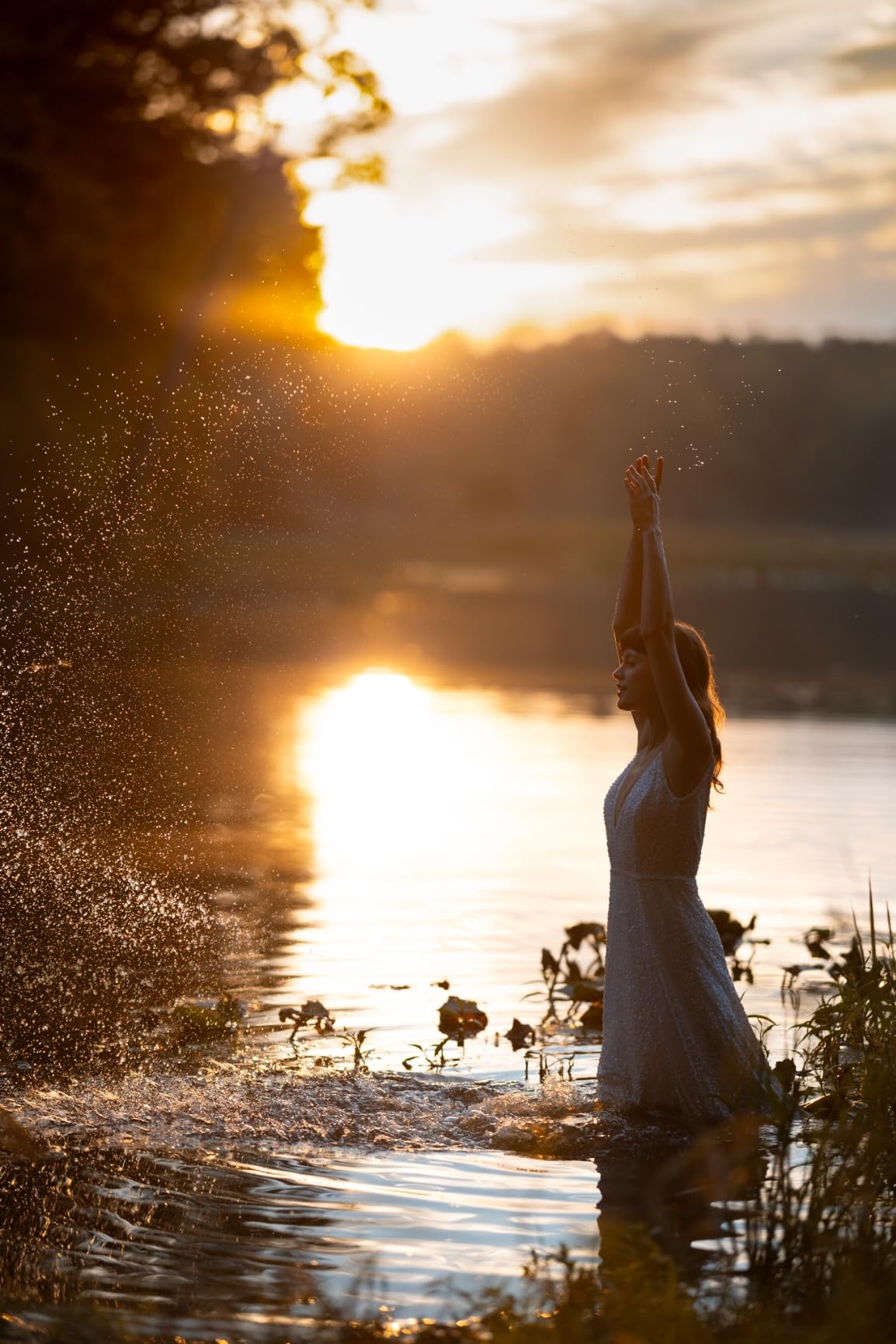
During a community theater concert, the Dual Pixel CMOS AF II with subject detection tracked performers across the stage with accuracy that rivaled the full-frame Canon R6 Mark II. The 30 fps electronic burst with pre-shooting captured the moment a singer’s dress caught the spotlight, a fraction of a second before I fully pressed the shutter.
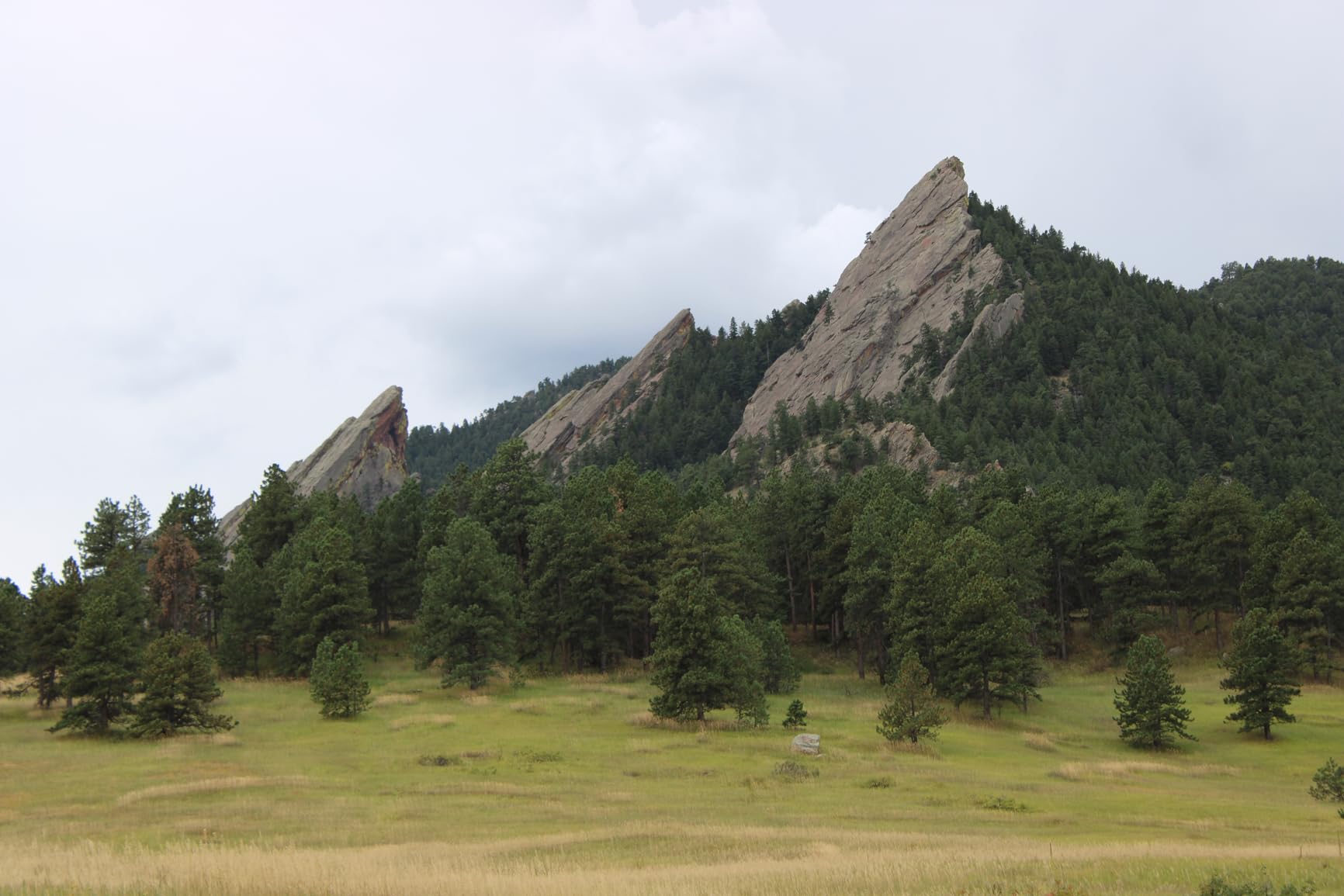
Image quality from the APS-C sensor was sharp and detailed, though high ISO files showed more noise above ISO 6400 than full-frame alternatives. The 5-Axis IBIS with auto-level technology helped during handheld shooting from a balcony position where tripods were prohibited.
Two real-world drawbacks surfaced. Battery life was noticeably shorter than the larger Canon R5 and R6 bodies, so I packed three LP-E6NH batteries per event. The APS-C sensor also meant I needed wider aperture lenses to match the low-light performance of full-frame cameras with similar priced glass.
Who the Canon EOS R7 is best for
Emerging concert photographers building their first kit, hobbyists who shoot live music on weekends, and content creators who want Canon’s color science in a compact body.
Who should skip the Canon EOS R7
Working photographers who shoot dimly lit clubs will benefit more from full-frame bodies like the Canon R6 Mark II. If you already own Canon EF lenses, an adapter with full AF is worth considering alongside this body.
Best Camera for Your Concert Situation
Different venues punish cameras in different ways. Here is how we match bodies to specific concert scenarios based on our testing.
Small Clubs (Under 500 Capacity)
Small clubs are where the Sony A7 IV, Canon EOS R6 Mark II, and Nikon Z6 III shine. ISO performance matters more than resolution, and these three bodies deliver clean files at ISO 6400 to 12800. Pair any of them with a fast 50mm or 85mm prime for the dimmest venues.
Festival Main Stages
Festival main stages demand reach, fast bursts, and weather sealing. The Canon EOS R5 Mark II, Sony a7 V, and Nikon Z 8 are the bodies that handle the long zoom, fast action, and unpredictable weather. We recommend at least 20 fps electronic burst for these scenarios.
Theater and Acoustic Shows
Theater shows reward resolution and silent shooting. The Canon EOS R5 and Sony a7 IV deliver 45MP and 33MP files respectively, with silent electronic shutters that do not disturb performers. The Sony a7S III is the low-light specialist for particularly dim theater productions.
Hybrid Photo and Video Coverage
If you shoot both stills and video for the same gig, the Canon EOS R5 Mark II, Sony a7 V, and Nikon Z 8 are the standout hybrid bodies. Each delivers 8K or 4K 120p video with subject detection autofocus that works during both photo and video capture.
Concert Photography Settings Cheat Sheet
These are the starting settings our team uses for each venue type. Adjust based on stage lighting, performer movement, and your own style.
Small Club (Dim): ISO 3200 to 6400, 1/200 sec shutter, f/1.8 or f/2.8 aperture, 50mm f/1.8 or 24-70mm f/2.8 lens.
Mid-Size Theater: ISO 1600 to 3200, 1/250 sec shutter, f/2.8 aperture, 24-70mm f/2.8 lens.
Festival Main Stage (Day): ISO 400 to 800, 1/1000 sec shutter, f/4 or f/5.6 aperture, 70-200mm f/2.8 lens.
Festival Main Stage (Night): ISO 1600 to 3200, 1/500 sec shutter, f/2.8 aperture, 70-200mm f/2.8 lens.
Arena Show: ISO 800 to 1600, 1/320 sec shutter, f/2.8 aperture, 24-70mm f/2.8 lens.
Outdoor Stage (Sunset): ISO 200 to 400, 1/640 sec shutter, f/4 aperture, 70-200mm f/2.8 lens.
Lens Pairings That Matter as Much as the Body
Forum users on r/concertphotography consistently agree that the lens matters as much as the body. A slow kit lens like a 24-105mm f/4 will produce blurry, underexposed concert shots even on the best full-frame body. Here is what we recommend.
The 24-70mm f/2.8 is the workhorse zoom for most concert photographers. It covers wide stage shots and mid-distance close-ups in a single lens, and the constant f/2.8 aperture lets in twice the light of an f/4 zoom. For Sony shooters, the 24-70mm f/2.8 GM II is the gold standard. Canon RF shooters should look at the 24-70mm f/2.8 L, and Nikon Z shooters will find the 24-70mm f/2.8 S an excellent match.
The 70-200mm f/2.8 is essential for festival main stages where you cannot get close to the performers. The fast aperture and long reach let you isolate individual band members from the back of the photo pit. Sony, Canon, and Nikon all offer excellent versions of this lens.
Fast prime lenses like the 50mm f/1.8, 85mm f/1.8, and 35mm f/1.4 are the secret weapon for small clubs. These lenses gather two to four times more light than f/2.8 zooms, which means lower ISO, faster shutter speeds, and cleaner files in dim venues. The 50mm f/1.8 is especially versatile for tight club spaces where you cannot step back.
Mirrorless vs DSLR in 2026: The Verdict
Mirrorless cameras have decisively won the concert photography category. Every flagship body released in the last three years from Sony, Canon, and Nikon is mirrorless, and the technology advantages are clear for live music work.
Real-time eye detection and subject tracking are the headline benefits. Mirrorless cameras use phase-detection autofocus directly on the sensor, which means face and eye tracking work reliably across the entire frame. Older DSLRs rely on dedicated AF modules with limited coverage and weaker low-light performance.
Silent shooting is the second major advantage. Mirrorless bodies offer fully electronic shutters that make no sound, which is a real advantage during acoustic performances or quiet moments between songs. Most venues still prohibit flash but allow silent shooting.
Weight and size are also worth noting. Modern full-frame mirrorless bodies weigh roughly 600 to 800 grams, compared to 1,200+ grams for comparable DSLRs. After a three-hour set, your shoulders and back will thank you for the lighter kit.
There are still a few scenarios where a used DSLR makes sense. The Canon 6D Mark II and Nikon D750 are available at deep discounts on the used market and still produce usable files at ISO 6400. If you are on a tight budget and can find one in good condition, they remain a serviceable option for emerging photographers.
Press Pass & Photo Pit Etiquette
Getting a press pass and using the photo pit properly is a skill that takes time to develop. Here is what our team has learned over years of shooting live music.
Start by reaching out to artist publicists, venue promoters, and local music publications three to four weeks before a show. Include a link to your portfolio with your strongest concert work. Smaller clubs often approve photographers with just a portfolio link, while larger venues and festivals require outlet credentials.
Once you are in the pit, follow the three-song rule that most venues enforce. You typically get the first three songs of the headliner’s set to shoot from the pit. Some festivals and theater shows limit pit time to the first two songs. After your window closes, you must return to the general admission area.
Never use flash in the photo pit. Almost every venue prohibits flash, and security will remove you for violating this rule. Rely on your camera’s high ISO capability instead. Wear dark clothing and be conscious of your body position so you do not block audience sightlines.
Be respectful of other photographers in the pit. Avoid bumping elbows, do not set up tripods unless the venue allows them, and resist the urge to chat loudly during performances. Many venues blacklist photographers who behave poorly, and the photo community is smaller than you think.
How to Choose the Best Camera for Concert Photography
With ten excellent bodies on this list, choosing the right camera depends on three factors: budget, brand ecosystem, and primary use case.
Budget is the most concrete constraint. If you are starting out, the Canon EOS R7 and Sony a6700 deliver flagship-level autofocus in compact bodies at the lowest prices on this list. Mid-range shooters will find the Sony A7 IV, Canon R6 Mark II, and Nikon Z6 III hit the sweet spot of price and performance. Working professionals should invest in the flagship bodies like the Canon R5 Mark II, Sony a7 V, or Nikon Z 8.
Brand ecosystem matters if you already own lenses. Sony shooters with a collection of G Master or G lenses should stick with Sony bodies. Canon shooters with EF or RF glass will benefit from Canon’s color science. Nikon shooters with F-mount lenses can adapt them to Z bodies with the FTZ II adapter, though native Z lenses deliver better autofocus performance.
Primary use case should drive your final decision. If you shoot mainly small clubs, prioritize low-light performance and pair a full-frame body with a fast prime lens. If you shoot festivals, prioritize burst rate and reach with a 70-200mm f/2.8 lens. If you shoot hybrid photo and video, prioritize bodies with strong video specs like the Canon R5 Mark II, Sony a7 V, or Nikon Z 8.
One last consideration is lens ecosystem longevity. Mirrorless bodies evolve quickly, but lens mounts are stable for decades. Sony’s E-mount, Canon’s RF mount, and Nikon’s Z mount all have multi-decade roadmaps, so whichever system you choose, your glass investment will outlast several body upgrades.
Frequently Asked Questions
What camera do most concert photographers use?
Working concert photographers in 2026 most commonly shoot Sony A7 IV, Canon EOS R6 Mark II, and Nikon Z6 III bodies. These three full-frame mirrorless cameras balance low-light performance, reliable autofocus under colored stage lighting, and manageable price. Magazine and touring shooters step up to flagship bodies like the Canon R5 Mark II, Sony a7 V, or Nikon Z 8 for higher resolution and 30 fps blackout-free bursts.
What camera is good for taking concert photos?
A good concert photography camera needs a full-frame BSI or stacked sensor, phase-detection autofocus with subject and eye tracking, in-body image stabilization, and dual card slots for safety. Our top three picks are the Sony A7 IV for all-around value, the Canon EOS R6 Mark II for 40 fps burst shooting, and the Sony a7S III for low-light specialists who shoot jazz, theater, and dimly lit venues.
Which camera is best for photography in 2026?
The best camera for photography in 2026 depends on your genre, but for concert work specifically the Sony A7 IV, Canon EOS R6 Mark II, and Nikon Z6 III are the standout choices. They deliver professional-grade low-light performance, reliable subject tracking, and dual card slots at prices below flagship bodies. For ultimate resolution and 8K video, the Canon R5 Mark II and Nikon Z 8 lead the category.
What is considered a professional camera at a concert?
A professional concert camera is a flagship full-frame mirrorless body such as the Canon EOS R5 Mark II, Sony a7 V, Nikon Z 8, or Canon EOS R5. These cameras deliver 30 fps blackout-free bursts, 8K or 4K 120p video, weather sealing for outdoor festivals, and dual card slots for backup. They also offer extensive customization, professional codec support, and the autofocus reliability required for once-in-a-lifetime concert moments.
Is a 50mm lens good for concert photography?
Yes, a 50mm lens is excellent for concert photography, especially in small clubs where you cannot step back. A 50mm f/1.8 prime gathers two to four times more light than an f/2.8 zoom, which means lower ISO, faster shutter speeds, and cleaner files in dim venues. Many working photographers pair a 50mm f/1.8 with a 24-70mm f/2.8 zoom as their primary two-lens kit.
How to make concert photos look better?
Shoot in RAW format to preserve shadow detail and recover highlights in post. Expose for the performer’s face rather than the stage, since stage lighting can fool your meter. Set a custom white balance for the dominant stage color or shoot RAW and adjust in post. Use AI denoise tools like Lightroom’s Denoise or Topaz DeNoise AI to clean up high ISO files. Finally, shoot more frames than you think you need during peak action moments.
Is F2.8 good for concert photography?
Yes, f/2.8 is the practical minimum aperture for most concert photography scenarios. f/2.8 zooms like the 24-70mm f/2.8 and 70-200mm f/2.8 are the standard workhorses for working photographers. However, f/1.4 to f/1.8 prime lenses are preferred for the dimmest small clubs where you need lower ISO and faster shutter speeds to freeze performer movement.
Do I need a full-frame camera for concert photography?
No, you do not need a full-frame camera for concert photography, but it helps. APS-C bodies like the Sony a6700 and Canon EOS R7 deliver excellent autofocus and image quality, with the bonus of more telephoto reach from the smaller sensor. However, full-frame bodies produce cleaner files at high ISO, which is a meaningful advantage in dim venues. If you can afford full-frame, it is worth the investment for serious concert work.
Final Verdict
After three months of shooting concerts across clubs, theaters, and festivals, our team’s top pick for the best cameras for concert photography in 2026 is the Sony A7 IV. Its combination of 33-megapixel resolution, reliable Real-time Eye AF under colored stage lighting, dual card slots, and competitive price makes it the most well-rounded body for working photographers.
The Canon EOS R6 Mark II takes our Best Value award for shooters who prioritize 40 fps burst performance, while the Sony a7S III earns our Premium Pick for low-light specialists who shoot jazz, theater, and dimly lit venues. Whatever body you choose, pair it with a fast prime or f/2.8 zoom lens, shoot in RAW, and remember that the best concert camera is the one you have with you in the pit.