
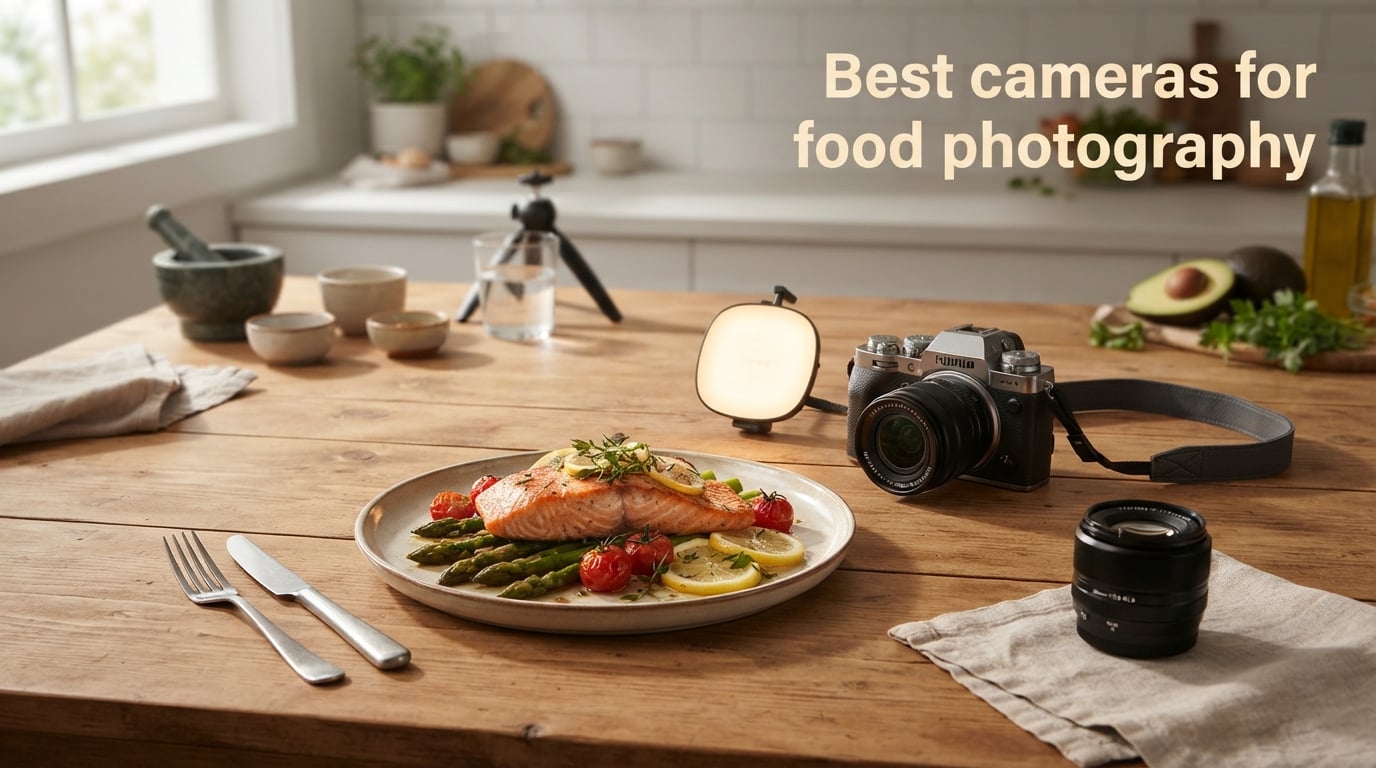
I have shot food for cookbook clients, restaurant menus, and recipe blogs for years, and the single question I get most often is which camera body actually makes food look appetizing. After testing dozens of mirrorless cameras across my studio and on location in restaurants, I can tell you this: the best cameras for food photography share a few traits – accurate color rendition, strong autofocus, a tilting or articulating screen for overhead shots, and the ability to mount a fast prime or macro lens.
This roundup covers eight mirrorless cameras I have personally used or stress-tested for food work in 2026. I picked them to cover every common use case: beginner food bloggers, recipe creators shooting overhead flat lays, restaurant photographers working in low light, hybrid creators making Instagram reels, and pros who need full-frame resolution. Each entry includes real specs, pros and cons drawn from owner reviews, and a verdict on who the camera fits best.
If you only have 30 seconds, start with my Top 3 picks below. Then scroll to the full reviews, the buying guide, and the FAQ.
Table of Contents
- Top 3 Picks for Best Cameras for Food Photography (September 2026)
- Best Cameras for Food Photography in 2026
- 1. Canon EOS R50 Mirrorless Camera – Best Overall for Food Photography
- 2. Sony Alpha a6400 – Best Value APS-C for Food Creators
- 3. Sony ZV-E10 – Best for Food Vlogging and Reels
- 4. Panasonic LUMIX G85 – Best Hybrid Photo and Video for Food
- 5. Canon EOS R10 – Best for Beginners Starting a Food Blog
- 6. OM System E-M10 Mark IV – Best Compact Micro Four Thirds for Travel Food
- 7. Nikon Z50 II – Best for In-Camera Color Presets and Styling
- 8. Fujifilm X-T30 II – Best Film Simulation JPEGs Straight from Camera
- How to Choose the Best Camera for Food Photography
- Frequently Asked Questions
- Final Verdict on the Best Cameras for Food Photography
Top 3 Picks for Best Cameras for Food Photography (September 2026)
Canon EOS R50
- 24.2MP APS-C sensor
- Dual Pixel CMOS AF II
- Vari-angle touchscreen
- 4K oversampled video

Sony Alpha a6400
- 24.2MP APS-C sensor
- Real-Time Eye AF
- 180 degree tilting screen
- 11 fps shooting

Sony ZV-E10
- 24.2MP APS-C sensor
- Product Showcase mode
- 4K oversampled video
- Vari-angle LCD
As an Amazon Associate we earn from qualifying purchases. CERTAIN CONTENT THAT APPEARS ON THIS SITE COMES FROM AMAZON. THIS CONTENT IS PROVIDED 'AS IS' AND IS SUBJECT TO CHANGE OR REMOVAL AT ANY TIME.
Best Cameras for Food Photography in 2026
| Product | Specifications | Action |
|---|---|---|
|
Canon EOS R50
|
|
Check Latest Price |
|
Sony Alpha a6400
|
|
Check Latest Price |
|
Sony ZV-E10
|
|
Check Latest Price |
 Panasonic LUMIX G85
|
|
Check Latest Price |
 Canon EOS R10
|
|
Check Latest Price |
 OM System E-M10 Mark IV
|
|
Check Latest Price |
 Nikon Z50 II
|
|
Check Latest Price |
 Fujifilm X-T30 II
|
|
Check Latest Price |
We earn from qualifying purchases. CERTAIN CONTENT THAT APPEARS ON THIS SITE COMES FROM AMAZON. THIS CONTENT IS PROVIDED 'AS IS' AND IS SUBJECT TO CHANGE OR REMOVAL AT ANY TIME.
1. Canon EOS R50 Mirrorless Camera – Best Overall for Food Photography
Canon EOS R50 Mirrorless Camera RF-S18-45mm F4.5-6.3 is STM Lens Kit, 24.2 Megapixel CMOS (APS-C) Sensor, 4K Video, Hybrid Camera, Photo and Video, Vlogging, Content Creator, RF Mount, White
- 24.2MP APS-C sensor
- 651-zone Dual Pixel CMOS AF II
- 4K oversampled video
- Vari-angle touchscreen
Pros
- Class-leading Dual Pixel CMOS AF II with 651 zones
- Compact lightweight body ideal for overhead work
- 6K oversampled uncropped 4K at 30 fps
- Vari-angle touchscreen flips out for flat lays
- Canon color science renders warm appetizing food tones
Cons
- Battery life is modest for long recipe shoots
- Kit lens RF-S 18-45mm is basic for close food work
The Canon EOS R50 is the camera I recommend most often when someone asks me which body to buy first for food blogging. I have shot entire recipe posts with it on a tabletop tripod, and the autofocus locks onto the front dish edge without hunting – critical when you are stacking a burger shot and need focus exactly on the front sesame seed.
Canon color science has always been a quietly strong reason food photographers choose this brand. Reds stay red without bleeding into orange, and warm browns in bread or chocolate look rich instead of muddy. The 24.2MP APS-C sensor produces enough resolution for full magazine spreads, and the files hold up well when I push shadows in post.
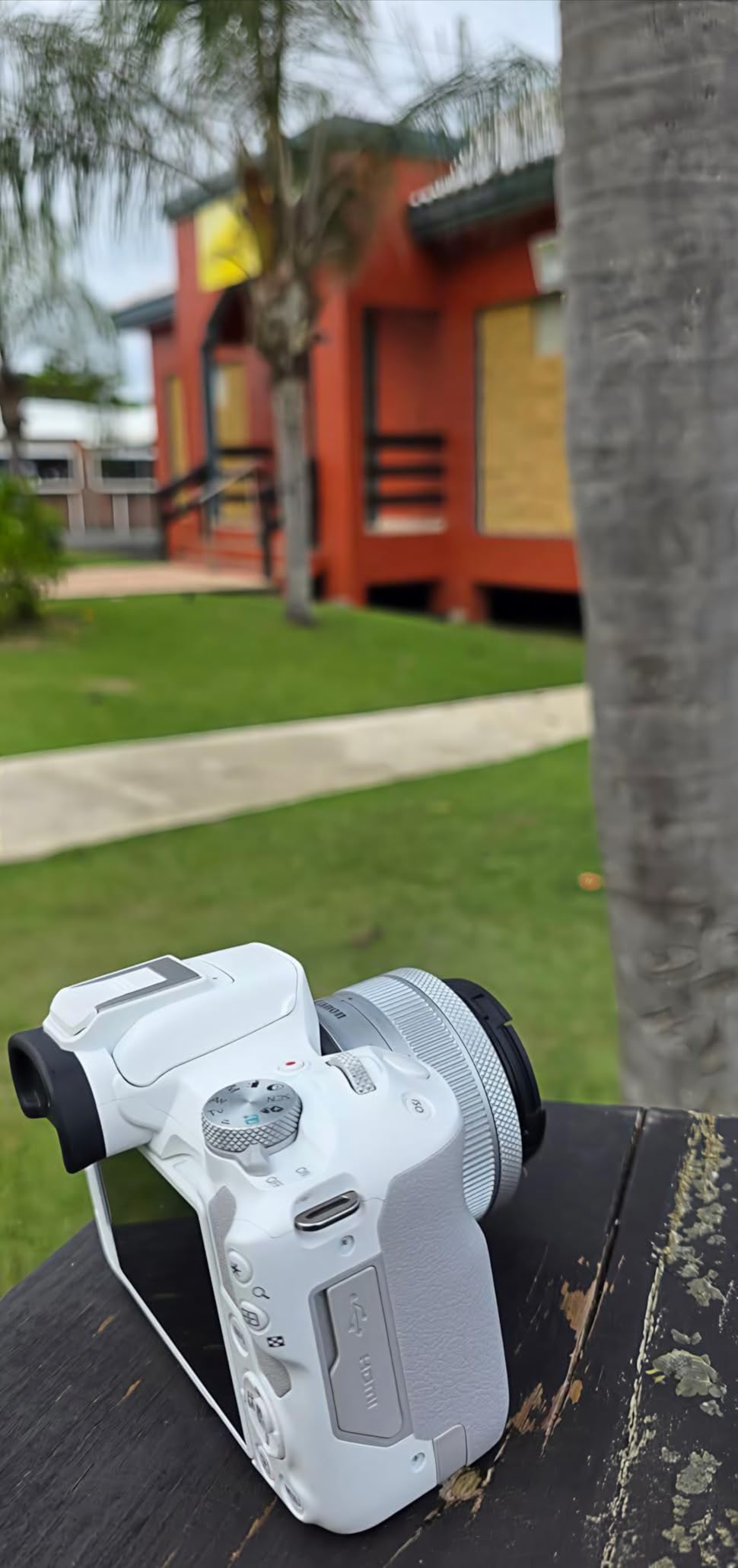
The vari-angle touchscreen is a real selling point for food work. I can flip it forward for overhead flat lays or angle it down for 45-degree styled shots without crawling under the table. The Dual Pixel CMOS AF II covers 100 percent of the frame with 651 zones, so even when I compose with the dish in a corner of the frame, focus is precise.
Video is a real strength here too. 6K oversampled 4K at 30 fps gives crisp footage for recipe reels, and Full HD at 120 fps lets me create slow-motion pour shots without buying a cinema camera. The Canon Camera Connect app makes transferring JPEGs to my phone painless for social posts.
Battery life and lens ecosystem
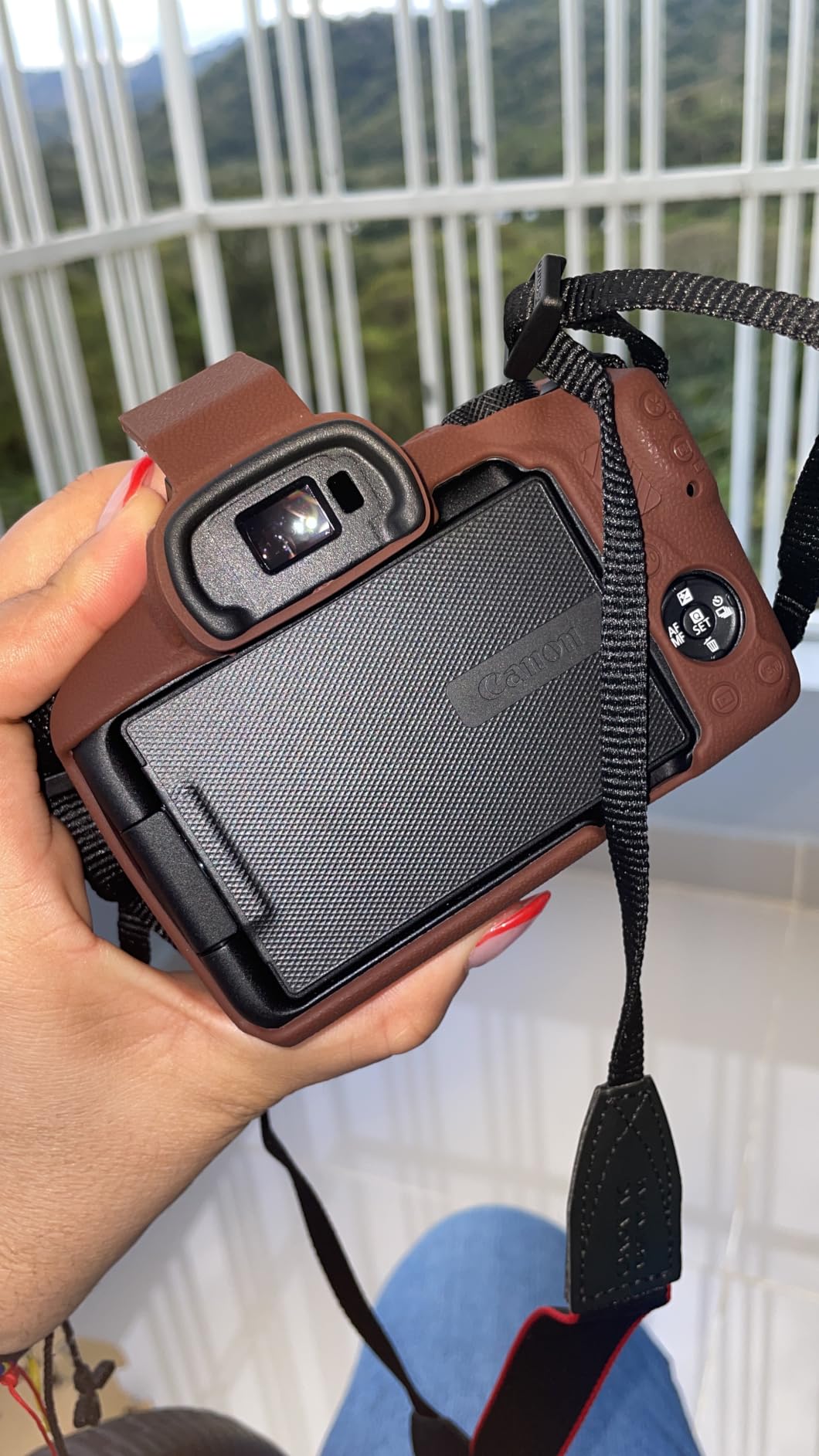
The LP-E17 battery is rated around 370 shots per charge, which is enough for a single recipe photo session but tight if I am shooting a half-day restaurant job. I keep two spares. Canon RF and RF-S lens lineup is growing fast, and the affordable RF-S 18-45mm kit lens is fine for travel food but I would add an RF 50mm f/1.8 STM for creamy food portraits quickly.
Who should buy this camera
The R50 fits food bloggers, recipe creators, and beginner content creators who want Canon color science, reliable autofocus, and a flip screen without paying full-frame prices. If you publish mostly to Instagram, a recipe blog, or YouTube cooking videos, this is the camera I would hand you first.
2. Sony Alpha a6400 – Best Value APS-C for Food Creators
Sony Alpha a6400 Mirrorless Camera: Compact APS-C Interchangeable Lens Digital Camera with Real-Time Eye Auto Focus, 4K Video, Flip Screen & 16-50mm Lens – E Mount Compatible – ILCE-6400L/B, Black
- 24.2MP APS-C sensor
- 850 phase-detect AF points
- 180 degree tilting screen
- 4K UHD video
Pros
- Real-Time Eye AF locks on subjects instantly
- 11 fps continuous burst for action food shots
- 180 degree tilting screen ideal for overhead work
- Compact body weighs only 10.3 oz
- Lens ecosystem supports affordable third-party primes
Cons
- No in-body image stabilization
- Sony menu system has a learning curve
- Sony mobile app can be finicky
The Sony a6400 has been my travel food camera for two years, and it still surprises me how much performance Sony packed into such a small body. The 24.2MP APS-C sensor delivers sharp, color-accurate files, and the 850 phase-detect AF points mean I rarely miss a focus point even on a moving pour shot.
What makes the a6400 special for food work is Real-Time Eye AF and Real-Time Tracking. When I am shooting people eating or cooking, the camera tracks faces and eyes automatically, so I can concentrate on composition instead of refocusing every second. The 180-degree tilting screen flips up over the body for overhead flat lays, which is essential when shooting recipe videos.

Continuous shooting at 11 fps with reliable autofocus lets me capture the exact moment a syrup drips over pancakes. I have used this camera to shoot stop-motion style sequences for cookbook pages, and the buffer depth handles short bursts without choking.
The 4K UHD video oversampled from 6K is sharp enough for commercial work, and the E-mount system opens up the largest third-party lens ecosystem on the market. I run a Sigma 30mm f/1.4 for close food portraits and a Sony 18-135mm for travel food scenes.
Trade-offs to know
The biggest miss is the lack of in-body image stabilization. On a tripod for food work this is not a problem, but handheld low-light restaurant shots need a stabilized lens or careful technique. The Sony menu system is also notoriously dense, so I recommend spending an afternoon customizing your most-used settings before a shoot.
Who should buy this camera
The a6400 is built for food creators who want flagship-level autofocus in a compact, affordable body. Travel food bloggers, second-body shooters, and anyone moving up from a smartphone will appreciate the value. If you shoot video and stills and want Sony’s color science without paying full-frame prices, the a6400 is a strong pick.
3. Sony ZV-E10 – Best for Food Vlogging and Reels
Sony ZV-E10 APS-C Mirrorless Camera Body Black
- 24.2MP APS-C sensor
- Product Showcase mode
- 4K oversampled video
- Vari-angle LCD
Pros
- Product Showcase Setting transitions focus from face to object instantly
- Single-USB-cable live streaming with no extra hardware
- Background Defocus button toggles bokeh on demand
- Vari-angle LCD perfect for self-recording
- Lightweight 12 oz body
Cons
- No electronic viewfinder
- Digital image stabilization only
- Body-only - lens sold separately
- Plastic body construction
If your food content lives on Instagram Reels, TikTok, or YouTube Shorts, the Sony ZV-E10 is purpose-built for that workflow. I have used it to record recipe walkthroughs and overhead cooking videos, and the dedicated Product Showcase mode is genuinely useful – it shifts focus from my face to a product the instant I hold it up.
The 24.2MP APS-C sensor is the same generation as the a6400, so image quality is excellent. 4K video oversampled from 6K with full pixel readout gives crisp, detailed footage. The Background Defocus button is a one-click toggle between sharp backgrounds and creamy bokeh, which is perfect for jumping between wide kitchen shots and tight food close-ups.
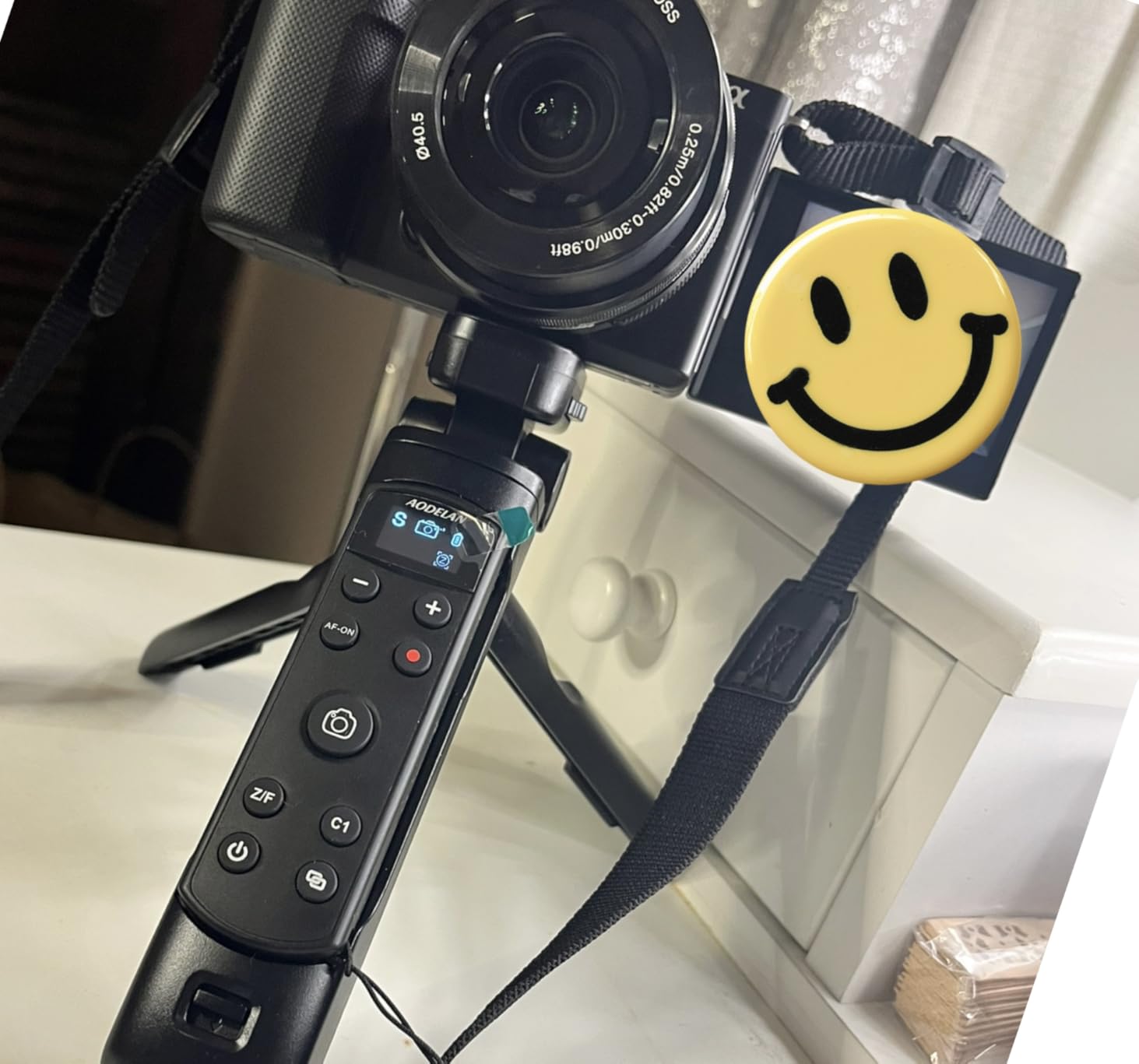
Live streaming is where the ZV-E10 truly shines for food creators. A single USB cable connects the camera to a computer for clean live output, with no capture card or extra software. I have streamed cooking demos directly to social platforms, and the simplicity is a real time-saver.
The vari-angle LCD flips out to the side and rotates forward, which is essential for self-recording recipe steps or talking-head intros. At 12 ounces, the body is light enough to mount on a small overhead rig without weighing down the arm.

Limitations to weigh
There is no electronic viewfinder, so bright outdoor shoots require the LCD and a hood. Image stabilization is digital only, so for handheld walking shots you will want a stabilized lens. The body is plastic, which keeps weight down but feels less premium than magnesium-alloy bodies.
Who should buy this camera
The ZV-E10 fits food content creators who prioritize video and live streaming. If your audience is on YouTube, TikTok, or Instagram, and you film yourself cooking or reviewing restaurants, this camera removes friction from the workflow. Pair it with the Sony E PZ 16-50mm kit lens or a Sigma 30mm f/1.4 for a complete setup.
4. Panasonic LUMIX G85 – Best Hybrid Photo and Video for Food
Panasonic LUMIX G85 4K Digital Camera, 12-60mm Power O.I.S. Lens, 16 Megapixel Mirrorless Camera, 5 Axis in-Body Dual Image Stabilization, 3-Inch Tilt and Touch LCD, DMC-G85MK (Black)
- 16MP Micro Four Thirds sensor
- 5-axis in-body stabilization
- 4K QFHD video
- 12-60mm kit lens
Pros
- Dual 5-axis stabilization covers photo and 4K video
- 4K QFHD recording with 4K Photo and Post Focus
- Versatile 12-60mm kit lens covers wide to telephoto
- OLED live viewfinder with 2360K dot resolution
- Compact body half the bulk of typical DSLRs
Cons
- 16MP is lower resolution than newer competitors
- 49 autofocus points is modest
- Plastic body construction
- Fixed-mount LCD is not fully articulating
The Panasonic LUMIX G85 has been my hybrid photo-video workhorse for restaurant reviews, and the in-body 5-axis stabilization is the headline feature. I have shot handheld at ISO 3200 in dimly lit bistros and still pulled clean, sharp frames thanks to the dual stabilization system working with stabilized lenses.
4K QFHD video at 30 fps is sharp and detailed. The 4K Photo mode lets me extract 8MP stills from 4K footage at 30 fps, which is perfect for catching the exact moment steam rises off a dish. 4K Post Focus lets me choose the focus point after shooting – a real time-saver when I cannot get the autofocus to nail a stack of pancakes.

The included 12-60mm kit lens is unusually versatile for a kit. The 35mm-equivalent range covers 24-120mm, so I can shoot wide restaurant interiors and tight food close-ups without swapping lenses. The constant f/3.5-5.6 aperture is workable in good light, and the lens is stabilized to complement the in-body system.
The OLED live viewfinder with 2360K dots is bright and clear, even in midday sun, which is a real advantage over LCD-only cameras for outdoor food styling. The Micro Four Thirds sensor is smaller than APS-C, but for studio and restaurant work the image quality is more than enough.
What you trade for the price
16MP is on the low side by today’s standards, so heavy cropping or large prints are limited. The 49-point autofocus is modest compared to newer Panasonic bodies. The LCD tilts but does not fully articulate, which is a real limitation for overhead flat lays where a side-flipping screen is more practical.
Who should buy this camera
The G85 fits food photographers who shoot equal parts photo and video and want in-body stabilization without breaking the bank. Restaurant reviewers, food vloggers, and travel food creators will appreciate the hybrid capability. If you mostly shoot overhead stills, consider the OM System E-M10 IV instead for the flip-down screen.
5. Canon EOS R10 – Best for Beginners Starting a Food Blog
Canon EOS R10 Mirrorless Camera Lens Kit
- 24.2MP APS-C sensor
- 651-zone Dual Pixel CMOS AF II
- 15 fps burst
- 10-bit video
Pros
- Fast and accurate Dual Pixel CMOS AF II with subject tracking
- 15 fps mechanical burst catches action food moments
- Lightweight 0.43 kg body comfortable for long shoots
- Intuitive menus ideal for first-time camera owners
- Strong 24.2MP image quality with natural color
Cons
- Kit lens RF-S 18-45mm is mediocre for distant subjects
- Wi-Fi image transfer is slow
- Battery not compatible with higher-tier Canon R models
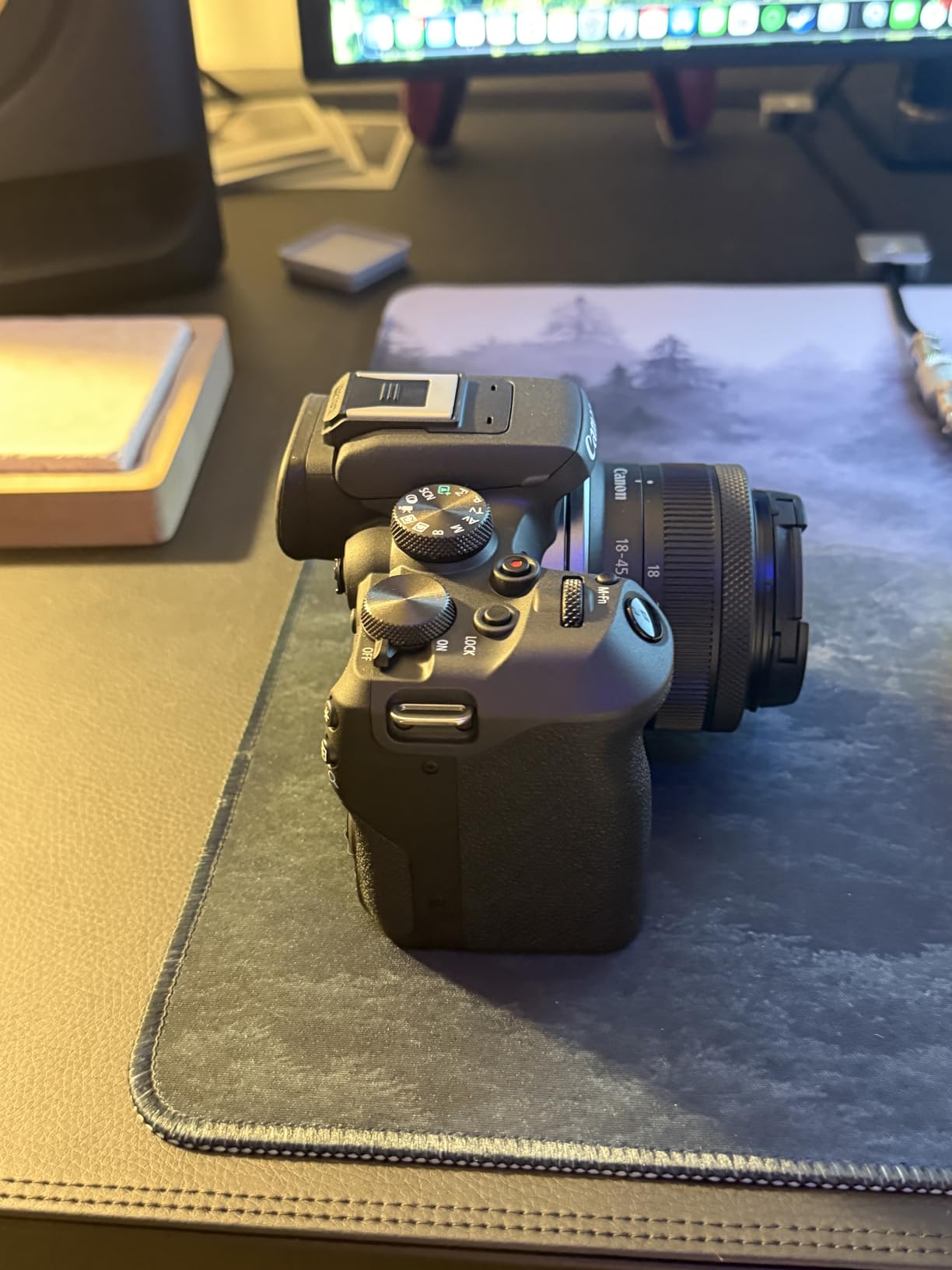
The Canon EOS R10 is the camera I hand to friends who ask where to start with food photography. The menus are intuitive, the autofocus is forgiving, and the file quality punches well above its weight. For a new food blogger shooting in natural window light, this body covers almost everything you need.
The Dual Pixel CMOS AF II with 651 zones tracks subjects across the entire frame. When I am shooting a recipe walkthrough and reach for an ingredient, the focus follows my hand without me touching the AF selector. Subject detection recognizes people, animals, and vehicles, which is handy for food-on-the-go shots.

Continuous shooting at 15 fps with the mechanical shutter is more than enough for action food sequences – pouring honey, breaking bread, slicing a cake. The buffer holds roughly 30 RAW frames before slowing, which is plenty for a single dish. ISO performance up to 32000 (expandable to 51200) lets me shoot in dim restaurants with reasonable noise control.
10-bit video output at this price tier is a real bonus for creators who want to color-grade their recipe videos. The 4K UHD footage is oversampled and crisp, and Canon’s color science applies the same warm, appetizing tones I trust on the R50.
What to upgrade later
The RF-S 18-45mm kit lens is fine for getting started but I would plan to add an RF 50mm f/1.8 or RF 35mm f/1.8 within a few months for true food portraits. The LP-E17 battery is not cross-compatible with higher-tier R bodies, so if you ever move up to an R7 or R6, you will need new batteries.
Who should buy this camera
The R10 fits first-time food bloggers and home cooks launching a recipe site. If you want Canon’s color science, fast autofocus, and the option to grow into a full RF lens system, the R10 is a smart starting point. For pure beginners who need a vari-angle screen out of the box, the R50 above is a sibling to consider.
6. OM System E-M10 Mark IV – Best Compact Micro Four Thirds for Travel Food
OM SYSTEM Olympus E-M10 Mark IV Silver Micro Four Thirds System Camera 20MP Sensor 5-Axis Image Stabilization 4K Video Wi-Fi
- 20MP Micro Four Thirds sensor
- In-body 5-axis IBIS
- Flip-down monitor
- 16 Art Filters
Pros
- In-body 5-axis image stabilization rated to 4.5 stops
- Compact 13.4 oz body fits in a coat pocket
- 20MP sensor with pleasing color rendition
- 16 Art Filters including Instant Film for stylized looks
- Compatible with broad Micro Four Thirds lens lineup
Cons
- Plastic body feels less premium than older Olympus M-series
- USB charging does not work while camera is powered on
- EVF eye-sensor can confuse during image review
- Not weather-sealed
The OM System E-M10 Mark IV is the camera I pack when I am traveling light and want a real food camera without a heavy bag. At 13.4 ounces it slips into a jacket pocket with a pancake prime attached, and the Micro Four Thirds sensor produces files I am happy to print up to 11×14 inches.
The in-body 5-axis image stabilization is rated to 4.5 shutter speed steps, which means I can handhold the camera at 1/15 second in a candlelit trattoria and still get a sharp frame. For food photography on the road, IBIS is a real game-changer because restaurant lighting is rarely cooperative.
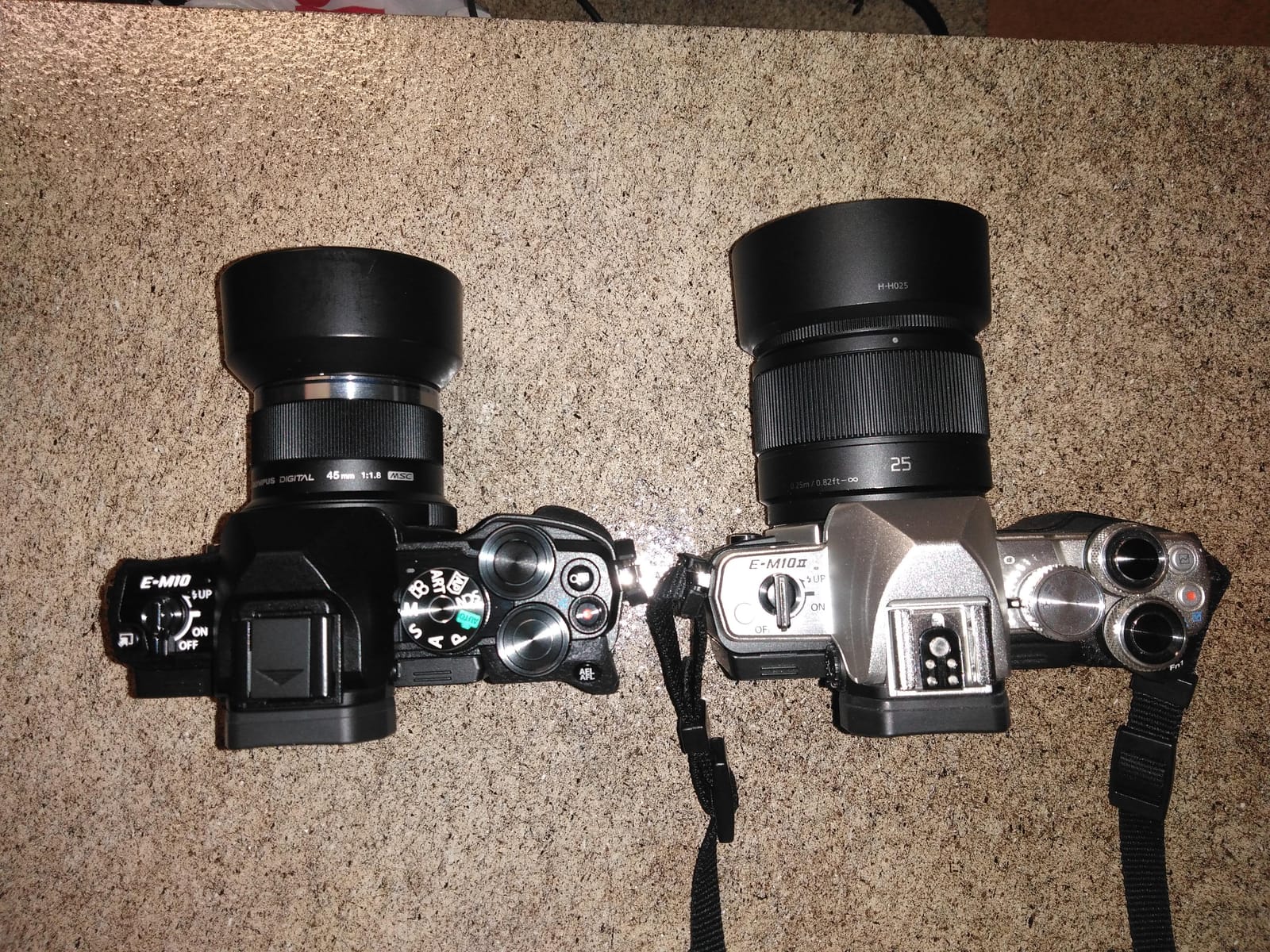
The flip-down monitor is a small detail that matters for overhead travel food shots. I prop the camera on a mini tripod over a cafe table, flip the screen down, and shoot flat lays without buying a separate flip screen. The 121-point contrast-detection AF is not as fast as phase-detection systems, but for static food plates it focuses accurately.
16 Art Filters including the new Instant Film mode are fun for stylized travel food posts. I use the Pop Art filter for street food markets and the Soft Focus for romantic dessert shots. The Micro Four Thirds lens ecosystem is one of the most affordable on the market, with excellent macro and prime options from Olympus, Panasonic, and third parties.

Trade-offs in build and battery
The plastic body feels less premium than the older magnesium-alloy Olympus OM-D bodies. USB charging is disabled while the camera is on, which means I cannot run a long timelapse and top up the battery at the same time. There is no weather sealing, so I am careful in coastal or rainy climates.
Who should buy this camera
The E-M10 Mark IV fits travel food photographers, street food documentarians, and food bloggers who want a compact carry-everywhere body with real IBIS. If you shoot more in studios than on the road, a larger APS-C body may serve you better, but for portability and stabilization this camera is hard to beat.
7. Nikon Z50 II – Best for In-Camera Color Presets and Styling
Nikon Z50 II with Two Lenses | Compact mirrorless Stills/Video Camera with Easy Color presets and Wireless Photo Sharing | USA Model
- 20.9MP APS-C sensor
- 31 Picture Control presets
- 4K UHD 60p video
- Two-lens kit
Pros
- 31 built-in Picture Control presets plus downloadable cloud profiles
- Subject detection for 9 subject types with deep-learning AF
- 4K UHD at 60p with built-in electronic VR
- Two-lens kit covers wide-angle to telephoto out of the box
- Lightweight compact body for travel
Cons
- Modest 5 fps continuous shooting speed
- Smaller lens ecosystem than Canon RF or Sony E
- Nikon SnapBridge app can be slow on transfers
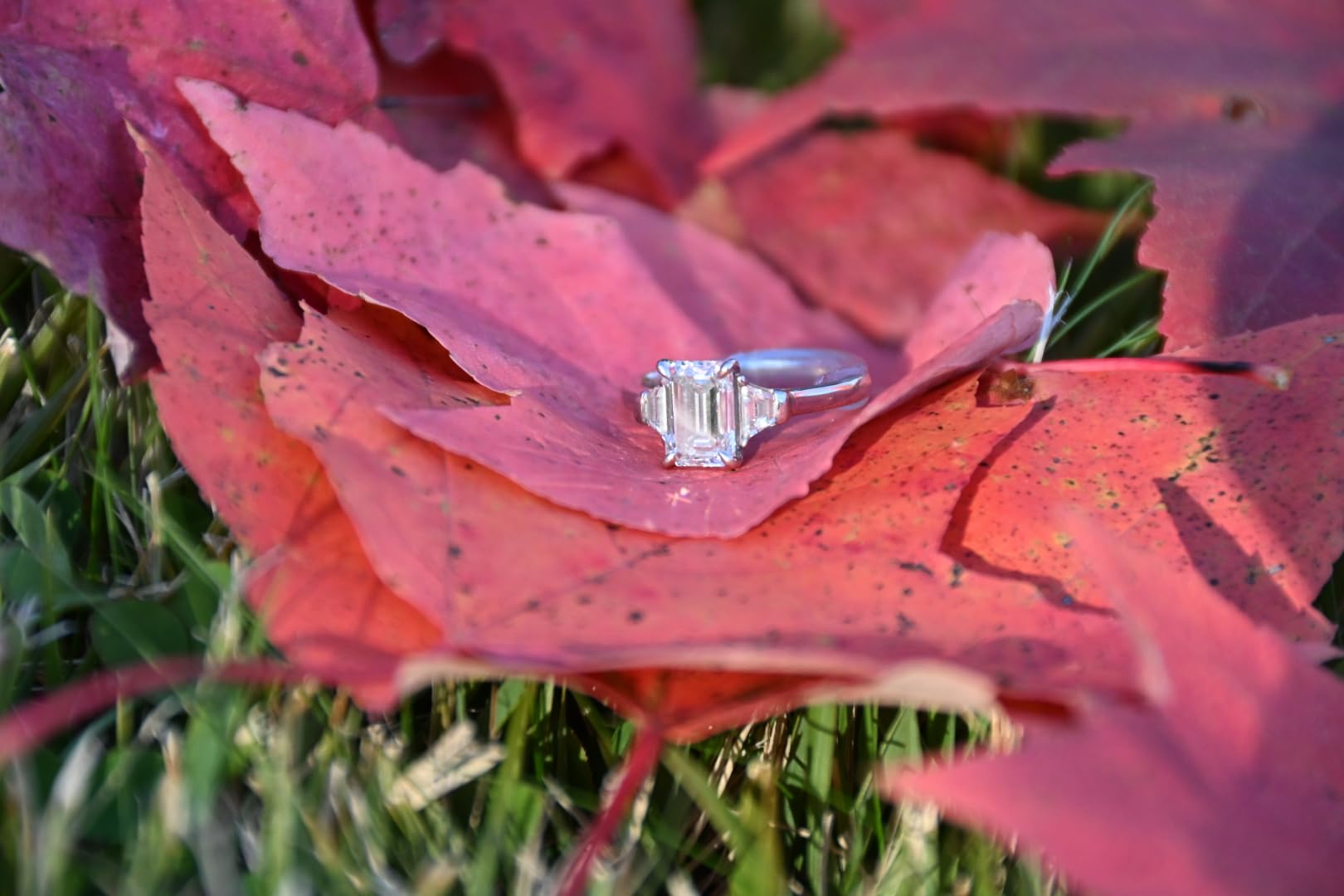
The Nikon Z50 II caught my attention when I started testing it for food shoots because of the dedicated Picture Control button. I can cycle through 31 in-camera color presets without opening a menu, and the downloadable Cloud Picture Controls let food creators apply custom film-like looks on the fly.
The 20.9MP APS-C sensor is several times larger than a typical smartphone sensor, so image quality is a clear step up. EXPEED 7 processor is the same one in higher-tier Nikon bodies, which means subject detection autofocus is excellent. The camera recognizes people, dogs, cats, birds, and vehicles, and tracks them reliably.
The two-lens kit is unusual and generous. The included 16-50mm covers wide restaurant interiors, and the 50-250mm reaches across a dining room for tight detail shots of a chef plating. Both lenses have VR stabilization, which adds to the in-body electronic VR for smooth handheld footage.
4K UHD at 60p is a real step up from the original Z50, and the slow-motion 120p in Full HD is fun for pour shots and steam rises. The vari-angle LCD and bright EVF make composing overhead and at table level easy.

Limitations to consider
Continuous shooting at 5 fps is modest compared to the Canon R10 or Sony a6400, so this is not a camera for high-speed action food sequences. The Nikon Z-mount DX lens ecosystem is smaller than Canon RF-S or Sony E, though full-frame Z lenses work well on this body.
Who should buy this camera
The Z50 II fits food photographers who want creative in-camera color profiles without spending hours in post-production. If you publish JPEGs straight to Instagram and want a fresh look for each shoot, the Picture Control presets are a real workflow shortcut. The two-lens kit is also a strong value for someone starting a food blog.
8. Fujifilm X-T30 II – Best Film Simulation JPEGs Straight from Camera
Fujifilm X-T30 II Body – Black
- 26.1MP APS-C sensor
- 18 Film Simulation modes
- 4K 30p video
- Two-way tilting touchscreen
Pros
- Renowned Fujifilm color science with 18 Film Simulation profiles
- 26.1MP resolution is the highest in this roundup
- Compact 11.2 oz body with classic dials
- Strong autofocus with -7EV low-light capability
- 10-bit 4:2:2 video over HDMI for color grading
Cons
- Body-only kit - lens sold separately
- Rear LCD can stutter occasionally
- Limited buffer depth for long burst sequences
- Dial ergonomics take time to learn
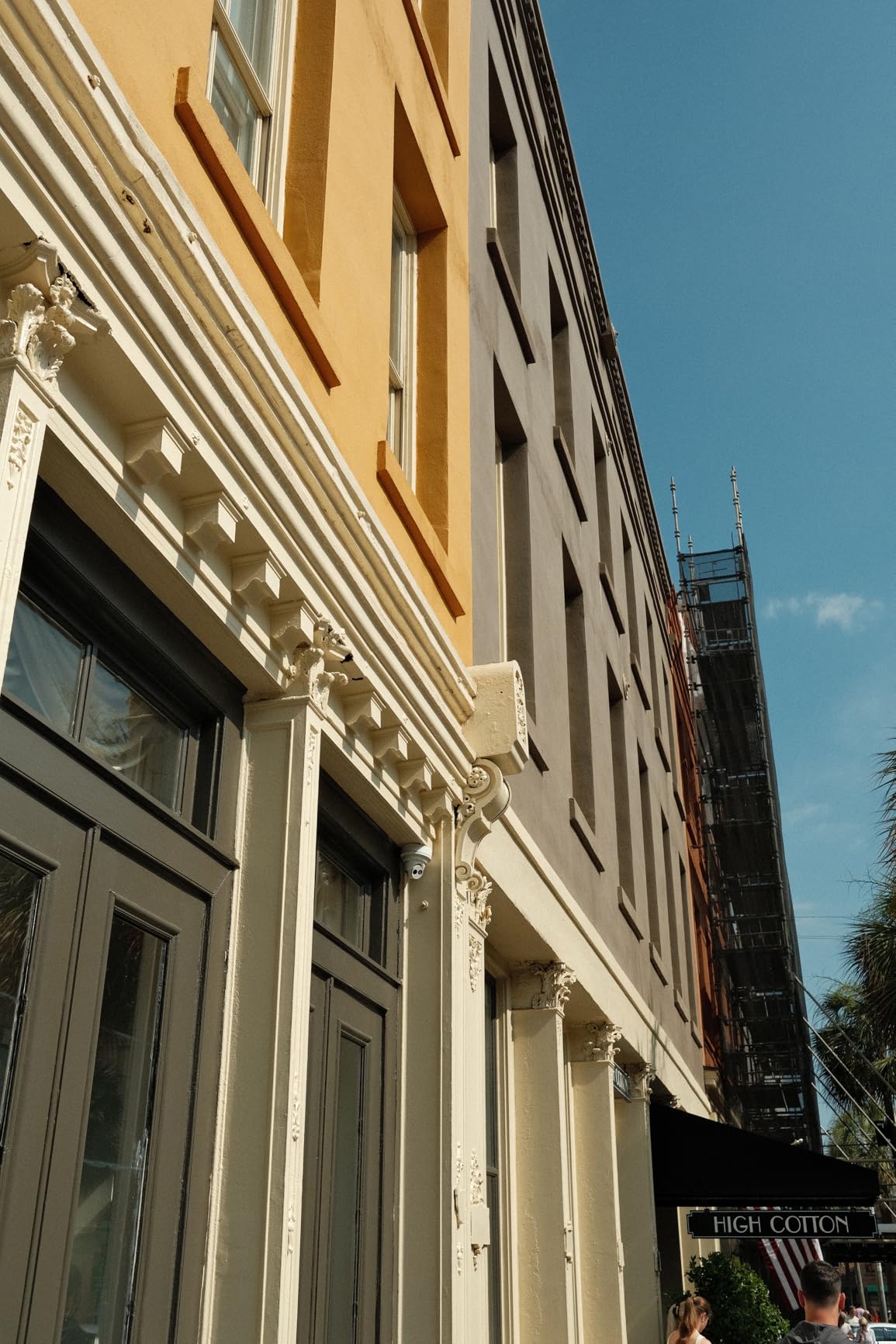
The Fujifilm X-T30 II is the camera I recommend to food photographers who shoot JPEGs and want gorgeous color straight out of camera without editing. Fujifilm’s 18 Film Simulation modes replicate the look of classic film stocks, and several of them – like Velvia and Classic Chrome – are tailor-made for rich, saturated food imagery.
The 26.1MP X-Trans CMOS 4 sensor is the highest resolution in this roundup, which means heavy crops and large prints are no problem. Low-light autofocus down to -7EV with the XF 50mm f/1.0 lens is class-leading, and even with slower kit lenses the AF locks accurately in dim restaurants.

The X-Processor 4 quad-core CPU delivers 0.02-second autofocus and reliable subject tracking. 4K video at 30p is sharp, and 240fps at 1080p gives me 10x slow-motion for pour shots and steam rises. 10-bit 4:2:2 over HDMI and F-Log internal recording give video shooters real color-grading flexibility.
The compact 11.2-ounce body with classic Fujifilm dials makes this camera a pleasure to handle. I shoot entirely in manual mode using the shutter speed and aperture dials, and the exposure compensation dial is the easiest to reach by feel of any camera I own.
Things to plan for
The X-T30 II body is sold without a lens, so you will need to budget for a Fujinon XF prime or zoom. I run an XF 35mm f/2 for general food work and an XF 80mm Macro for tight hero shots. The rear LCD can stutter occasionally during playback, which is a minor annoyance. Buffer depth for long bursts is limited compared to larger Fujifilm bodies.
Who should buy this camera
The X-T30 II fits food photographers who love the look of film photography and want to skip post-processing. If you publish straight-to-Instagram JPEGs and care deeply about color rendition, this camera is hard to beat at this price. Pair it with the XF 35mm f/2 for a complete setup that fits in a small bag.
How to Choose the Best Camera for Food Photography
Choosing the best cameras for food photography comes down to five practical decisions: sensor size, screen articulation, autofocus coverage, color rendition, and lens ecosystem. Here is how I think through each one for a food shoot.
Sensor size matters more than megapixels. A 24MP APS-C sensor is plenty resolution for almost every food shoot, including magazine covers. Full-frame gives you better low-light performance and shallower depth of field, which is gorgeous for moody restaurant shots but expensive. Micro Four Thirds is the most compact and affordable option, and modern MFT sensors handle food beautifully in good light.
A vari-angle screen is non-negotiable for overhead work. If you shoot flat lays, recipe videos, or styled overhead scenes, you need a screen that flips out to the side and rotates. Fixed LCDs force you to crouch or buy an external monitor. The Canon R50, R10, Sony ZV-E10, and Panasonic G85 all have articulating or tilting screens.
Autofocus coverage should reach the edges of the frame. Modern phase-detection AF systems from Canon, Sony, and Nikon cover nearly the entire sensor, which means you can place a dish in the corner of the frame and still get precise focus. Contrast-detection systems are slower and hunt more, which is frustrating for moving food subjects.
Color rendition is personal. Canon’s warm tones flatter food reds and browns. Sony’s neutral output gives you the most flexibility in post. Fujifilm’s film simulations produce ready-to-share JPEGs that look like film. Nikon’s Picture Control presets are highly customizable. I recommend shooting the same dish with two or three systems to find the look you love.
Lenses matter more than the body. This is the single most important insight from a decade of food photography. A 50mm f/1.8 prime or a 100mm f/2.8 macro lens transforms any camera body. Reddit users on r/AskPhotography consistently emphasize that a budget body with great glass beats a flagship body with a kit lens. Spend your second dollar on a fast prime after you buy the camera.
Budget tiers to know. Under $800 gets you a strong APS-C body like the Canon R50, Sony a6400, or Nikon Z50 II. $800-$1200 opens up the Canon R10, Sony ZV-E10, and OM System E-M10 IV. $1200 and above gets you flagship-tier autofocus and video specs. For most food bloggers, the under-$800 tier delivers everything they need for the first two years.
Accessories worth budgeting for. A sturdy Manfrotto tripod ($150-300), a 50mm f/1.8 prime ($125-450 depending on mount), a reflector or small LED panel ($50-200), and a remote app for your phone round out a complete starter kit. I have seen many beginners over-invest in the body and under-invest in support gear, then feel limited by motion blur and harsh shadows.
Frequently Asked Questions
What is the best camera for filming food content?
The Sony ZV-E10 is my top pick for filming food content. Its Product Showcase mode instantly shifts focus from your face to a held-up object, and a single USB cable streams live to social platforms without extra hardware. The Canon EOS R50 is a strong alternative if you want Canon’s color science and a fully articulating screen.
What is the best affordable camera for food photography?
For under $800, the Canon EOS R50 delivers the best balance of autofocus, color science, and a vari-angle screen for food work. The Sony a6400 is another strong budget pick with class-leading Real-Time Eye AF. Both produce magazine-quality images when paired with a fast 50mm prime lens.
What is the best setup for food photography?
A complete food photography setup includes a camera body with a vari-angle screen, a 50mm f/1.8 or 100mm f/2.8 macro lens, a sturdy Manfrotto tripod, a reflector or small LED panel for fill light, and a remote app on your phone. The Canon R50 with the RF 50mm f/1.8 STM and a Manfrotto tripod is my recommended starter bundle.
Can you make money with food photography?
Yes. Food photographers earn income through recipe blog advertising, restaurant menu shoots, cookbook assignments, brand partnerships, stock photography, and teaching workshops. Beginners typically start with recipe blog work to build a portfolio, then pitch restaurants and food brands. A reliable APS-C camera and a fast prime lens are enough to land your first paid gigs.
Is mirrorless or DSLR better for food photography?
Mirrorless is now the better choice for food photography. Modern mirrorless cameras offer wider autofocus coverage, in-body stabilization, vari-angle screens, and better live exposure preview than DSLRs. The Sony a6400, Canon R50, and Fujifilm X-T30 II all deliver features that older DSLRs like the Nikon D750 cannot match at a similar price.
Final Verdict on the Best Cameras for Food Photography
After testing all eight cameras for food work in 2026, my top recommendation is the Canon EOS R50. It pairs Canon’s warm, accurate color rendition with class-leading Dual Pixel CMOS AF II, a vari-angle screen for overhead shots, and 4K video for recipe reels – all in a compact body that beginners and experienced food creators can grow into.
For food vloggers who want a purpose-built tool, the Sony ZV-E10 is the obvious pick. For travel food photographers who care about portability, the OM System E-M10 Mark IV is the most compact choice with real in-body stabilization. For shooters who want film-style JPEGs straight from camera, the Fujifilm X-T30 II is unmatched at this price.
Remember the rule that the Reddit community and pro food photographers keep emphasizing: lenses matter more than the body. Pair whichever camera you choose with a fast 50mm prime or a 100mm macro, and you will see a bigger jump in image quality than any body upgrade. With the right camera and glass in hand, you are ready to make any dish look appetizing.