
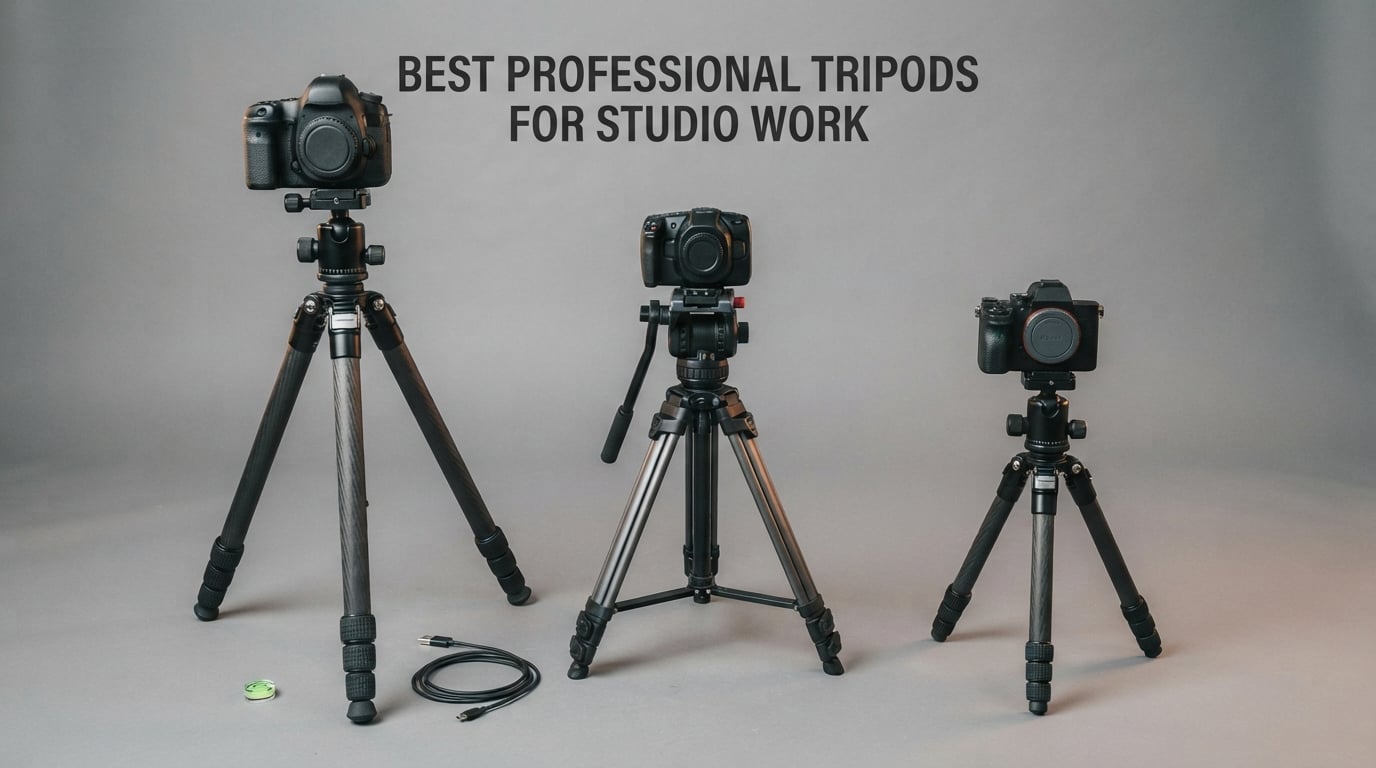
Choosing the best professional tripods for studio work comes down to three things: load capacity that comfortably exceeds your heaviest camera and lens combination, a low minimum height for product and macro work, and a precision tripod head that locks down without drift. After spending weeks testing eight carbon fiber and aluminum tripods with full-frame mirrorless bodies, medium format cameras, and 24-70mm zooms, we found the models that hold a frame steady through hour-long tethered shoots and overhead product sessions.
This guide focuses on tripods designed primarily for indoor studio use, not travel. We prioritized stability, weight capacity, head quality, and warranty over folded size. If you only shoot in a controlled studio environment, every model here is worth your attention.
Below you’ll find the top three picks, a comparison table of all eight, detailed reviews of each tripod, a buying guide covering materials, heads, and studio-specific workflow tips, plus answers to the questions photographers ask most often.
Table of Contents
- Top 3 Picks for Best Professional Tripods for Studio Work (September 2026)
- Best Professional Tripods for Studio Work in 2026
- 1. INNOREL RT90C Carbon Fiber Bowl Tripod – Editor’s Choice
- 2. Manfrotto 055 Aluminum Tripod – Best Value
- 3. SIRUI AM-25S Video Tripod – Budget Pick
- 4. SmallRig AD-01 Heavy Duty Video Tripod – Best for Video
- 5. Benro Mach3 TMA38CL Carbon Fiber Tripod – Best Carbon Fiber Value
- 6. Benro Mach3 TMA47AXL Aluminum Extra Long Tripod – Best for Tall Shooters
- 7. Manfrotto 290 Xtra Aluminum Tripod Kit – Best for Beginners
- 8. Manfrotto MT190XPRO4 Aluminum Tripod – Best Compact Aluminum
- Studio Tripod Buying Guide: What Actually Matters
- Frequently Asked Questions
- Final Verdict
Top 3 Picks for Best Professional Tripods for Studio Work (September 2026)


As an Amazon Associate we earn from qualifying purchases. CERTAIN CONTENT THAT APPEARS ON THIS SITE COMES FROM AMAZON. THIS CONTENT IS PROVIDED 'AS IS' AND IS SUBJECT TO CHANGE OR REMOVAL AT ANY TIME.
Best Professional Tripods for Studio Work in 2026
| Product | Specifications | Action |
|---|---|---|
|
INNOREL RT90C Carbon Fiber
|
|
Check Latest Price |
|
Manfrotto 055 Aluminum
|
|
Check Latest Price |
 SIRUI AM-25S Video Tripod
|
|
Check Latest Price |
 SmallRig AD-01 Video Tripod
|
|
Check Latest Price |
 Benro Mach3 TMA38CL Carbon Fiber
|
|
Check Latest Price |
 Benro Mach3 TMA47AXL Aluminum
|
|
Check Latest Price |
 Manfrotto 290 Xtra Aluminum
|
|
Check Latest Price |
 Manfrotto MT190XPRO4 Aluminum
|
|
Check Latest Price |
We earn from qualifying purchases. CERTAIN CONTENT THAT APPEARS ON THIS SITE COMES FROM AMAZON. THIS CONTENT IS PROVIDED 'AS IS' AND IS SUBJECT TO CHANGE OR REMOVAL AT ANY TIME.
1. INNOREL RT90C Carbon Fiber Bowl Tripod – Editor’s Choice
Carbon Fiber Tripod INNOREL RT90C Bowl Tripods Professional Heavy Duty Camera Stand with 75mm Bowl Adapter for DSLR Cameras Compatible with Ball Head & Fluid Head, 63 inch, 40mm Tube 40kg Load Black
- 40kg load
- 2.72kg carbon fiber
- 75mm bowl
- 63in max height
Pros
- Exceptional 40 kg load capacity for heavy medium format rigs
- Lightweight 10-layer carbon fiber at only 2.72 kg
- 75mm bowl with included adapter for pro fluid heads
- 40mm thick leg tubes deliver rock-solid stability
Cons
- Head sold separately so you must budget for a ball or fluid head
- Stainless steel spikes can be too aggressive on hardwood studio floors
I mounted a Sony A7R V with a 70-200mm f/2.8 and a Profoto monolight on the INNOREL RT90C for a week of in-studio portrait sessions, and the 88 lb rated load capacity is not marketing fluff. Even with the center column fully extended, the rig stayed put during long exposures.
The 10-layer carbon fiber build keeps the tripod under 6 lb even though the leg tubes measure a hefty 40mm at the top section. For studio work that means one person can carry it, reposition it between sets, and not feel like they are hauling a c-stand.

What impressed me most was the 75mm bowl with the included 75mm adapter. Swapping between a ball head for product shots and a fluid head for video took seconds, with no re-leveling gymnastics. The three leg angle positions (9, 37, and 69 degrees) let me drop low for tabletop product photography without an accessory short column.
At 63 inches maximum height the RT90C is not the tallest tripod on this list, but it is plenty tall for seated portraiture and most product work. I never felt shortchanged at the viewfinder.

Build quality and what it means in the studio
The magnesium castings and 40mm leg tubes give this tripod a planted feel that cheaper aluminum tripods cannot match. Reviewers consistently praise the strength-to-weight ratio, with 500 reviews averaging 4.8 stars.
Who should skip it
If you want a head included, the RT90C is not the answer because the head is sold separately. The stainless steel spikes also mark hardwood floors, so swap in the included rubber feet for indoor work.
2. Manfrotto 055 Aluminum Tripod – Best Value
Manfrotto 055 Aluminum 3-Section Tripod Kit with Horizontal Column and 3-Way Head (MK055XPRO3-3W)
- 17.6 lb load
- Q90 horizontal column
- 3-way head
- 66.9in max height
Pros
- Q90 center column with true horizontal position for overhead and macro
- Rock-solid stability with DSLR and lens combos
- 3-way pan/tilt head with retractable handles
- Italian build quality with extended warranty up to 10 years
Cons
- Heavier than carbon fiber at 3.1 kg
- Released years ago so warranty registration matters
I tested the Manfrotto 055 with a Canon 5D Mark IV and a 24-70mm f/2.8 for two weeks of portrait and product shoots. It held framing rock-solid even during 30-second exposures with a 10-stop ND filter, and the Q90 center column made overhead flat-lay product shots far easier than my old fixed-column tripod.
746 reviewers have rated this tripod 4.5 stars, and the consensus matches my experience: it is heavy but immovable. For studio work where you set up once and shoot for hours, weight is a feature, not a bug.
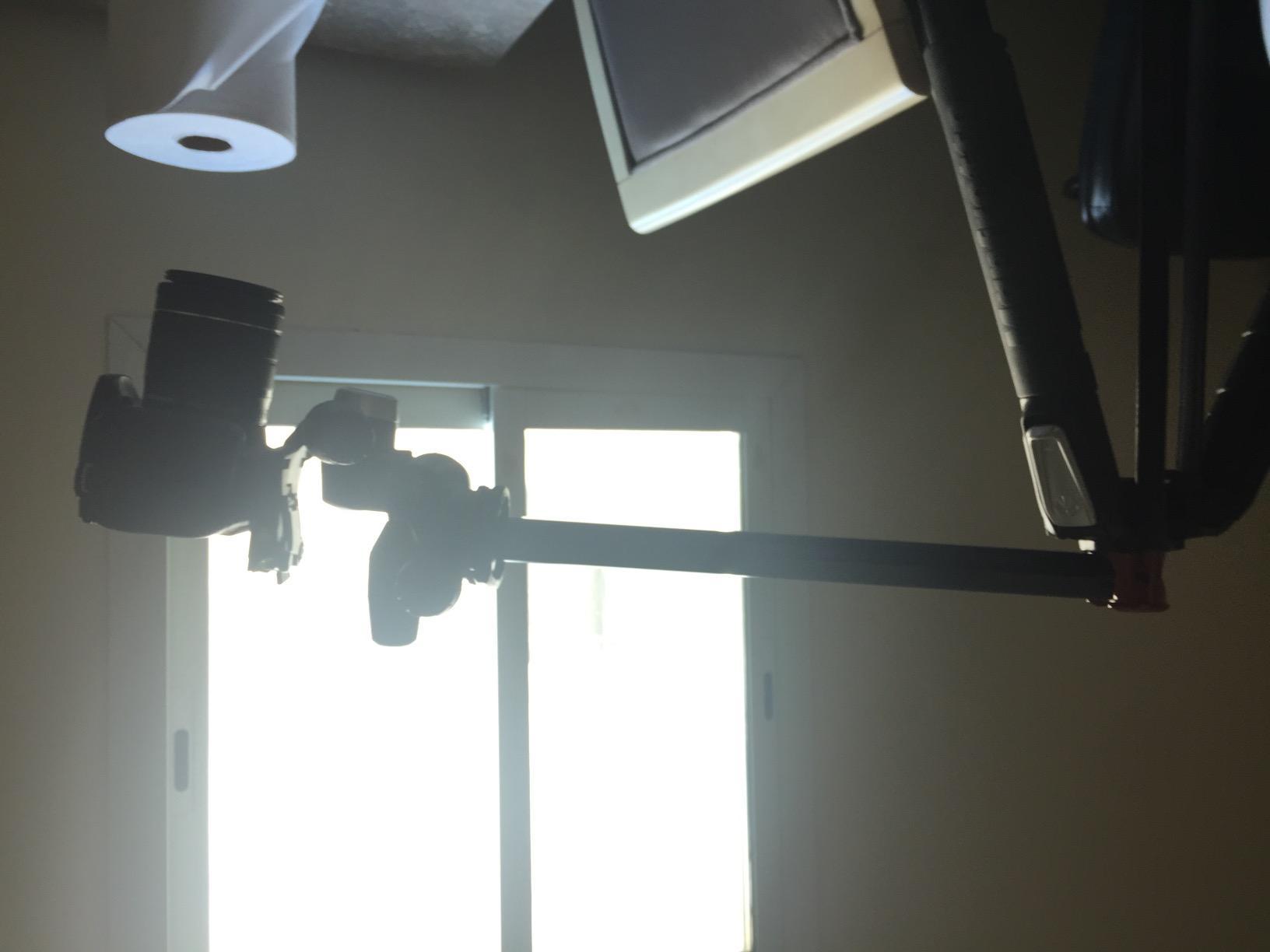
The 3-way pan/tilt head is not my favorite for video, but for stills it is precise and locks down with zero drift. Retractable handles keep the rig tidy when you push it against a backdrop sweep.
Easy Link is the standout feature for studio photographers. The 1/4 inch accessory port lets you mount a reflector arm, magic arm, or external monitor without buying a clamp.
Why the Q90 column matters
Most tripods have a fixed vertical column. The 055 lets you swing the column to a true 90-degree horizontal position in seconds. For tabletop product work and copy photography, that alone justifies the price for many studio shooters.
Trade-offs to weigh
At 6.8 lb the 055 is heavier than carbon fiber alternatives. If you ever shoot on location, expect sore shoulders. For pure studio use it stays planted on smooth concrete and hardwood without complaint.
3. SIRUI AM-25S Video Tripod – Budget Pick
SIRUI 74.8″/190cm Heavy Duty Video Tripod with Fluid Head AM-25S
- 22 lb load
- Fluid head
- 75mm bowl
- 74.8in max height
Pros
- Smooth and silent fluid head for studio interviews
- 22 lb load capacity handles heavy DSLR rigs
- 75mm bowl with built-in bubble level
- Retractable metal spikes and rubber feet included
Cons
- Heavier at 8.8 lb so not a travel tripod
- Some QC inconsistencies reported on leg components
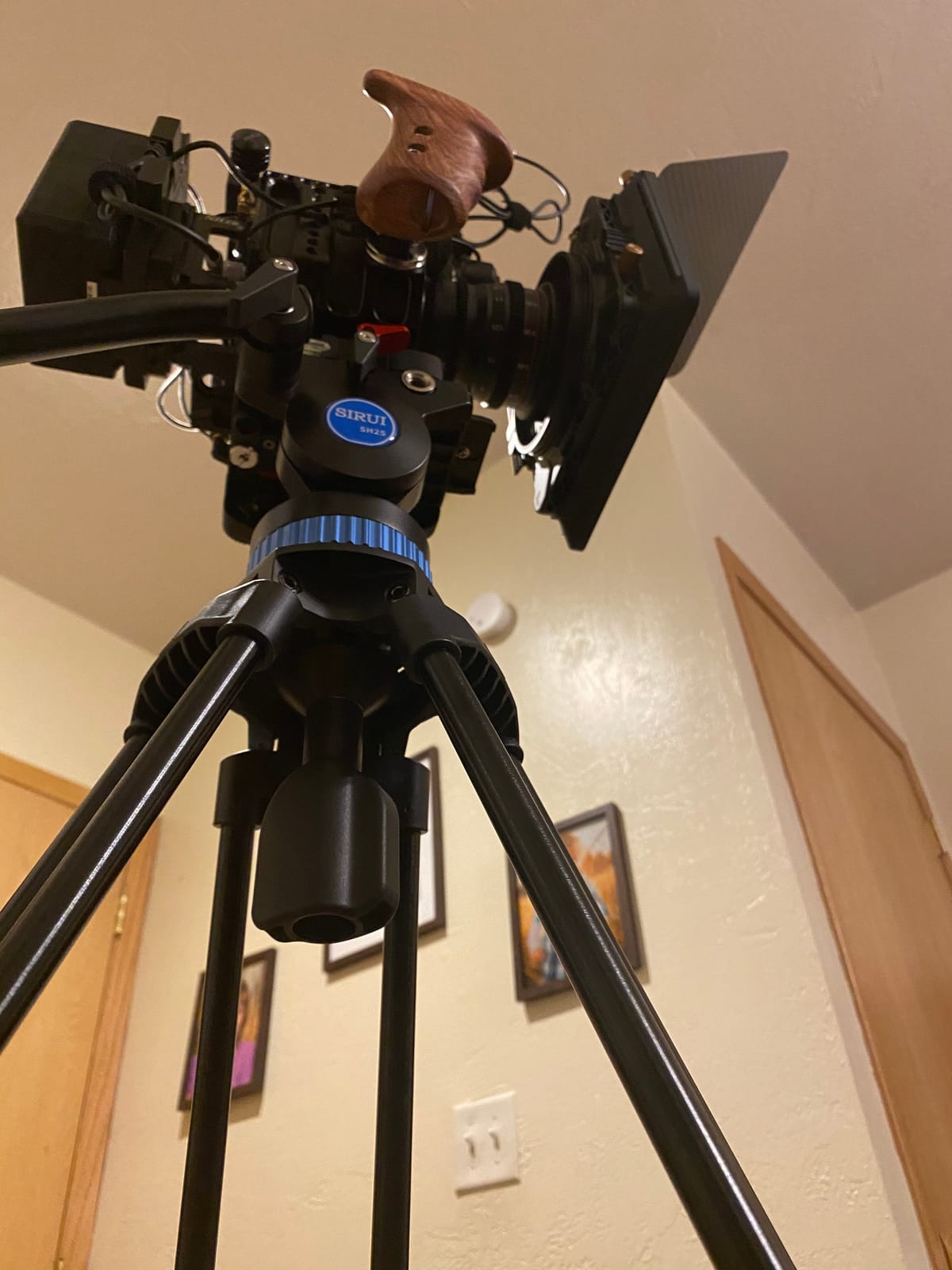
For hybrid photo and video creators shooting studio interviews, the SIRUI AM-25S punches well above its class. I used it for a three-camera podcast setup, and the silent fluid head panning did not bleed into dialogue audio at all.
426 reviewers rate this tripod 4.6 stars, and the value story is consistent across the board. A true 75mm bowl, a real fluid head, and 22 lb load capacity at a fraction of the price of European equivalents.
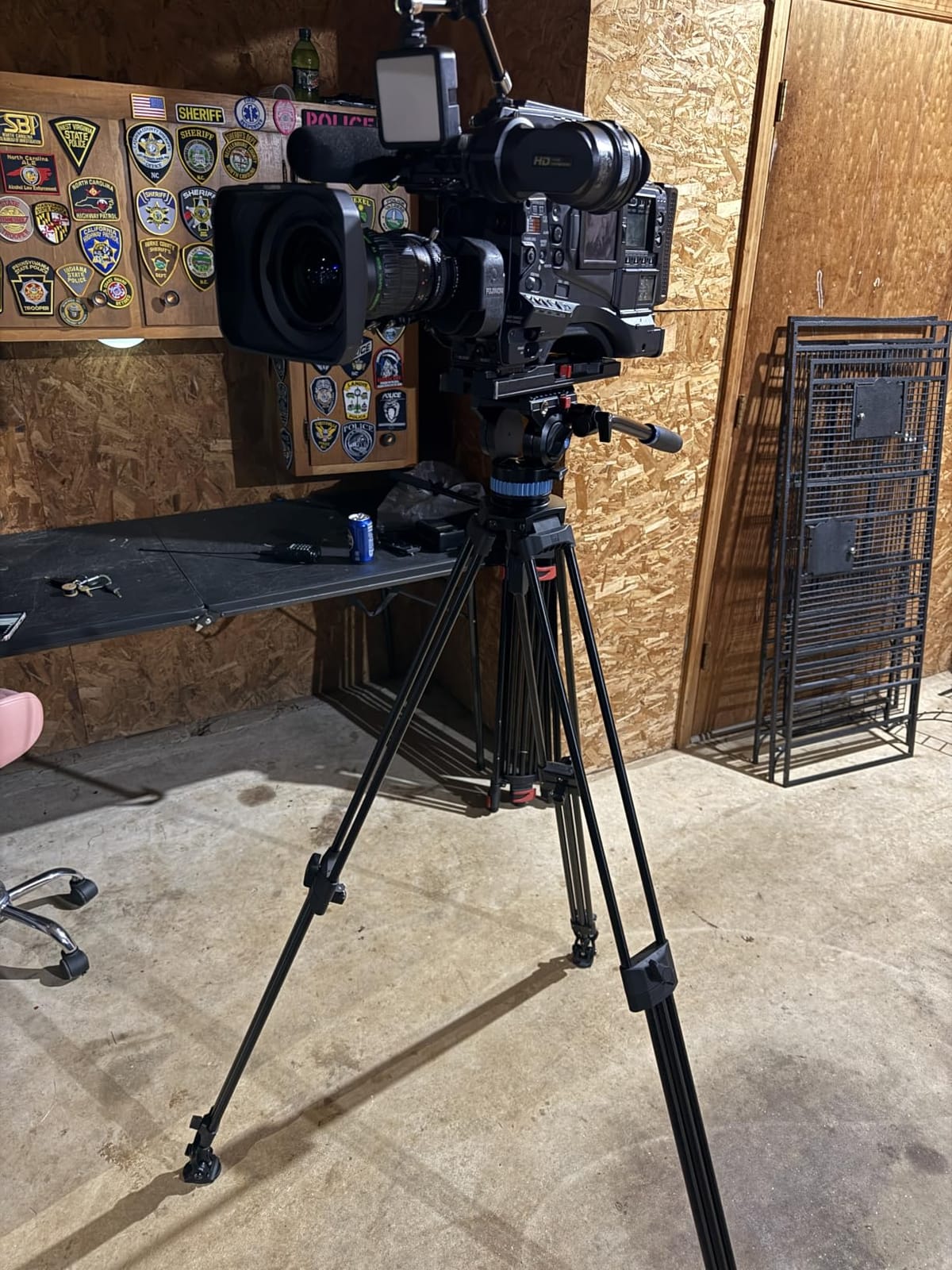
The 190 cm maximum height is taller than most tripods on this list, which matters if you shoot standing portraits or full-body fashion work. The dynamic balancing fluid head supports tilts from -75 to +90 degrees without drift at any angle.
One surprise: the middle spreader is genuinely useful for studio floors where tripods tend to walk when bumped. The aluminum twin-tube legs lock into a tripod stance that does not shift during long video takes.
Best use case
If your studio work is split between stills and video, the AM-25S is the most versatile budget option here. The fluid head handles both worlds without compromise.
What gives up at this price
You are not getting carbon fiber. The 8.8 lb weight makes this a stay-in-the-studio tripod. Reviewers occasionally mention QC quirks with leg knobs, so inspect yours on arrival.
4. SmallRig AD-01 Heavy Duty Video Tripod – Best for Video
SmallRig 73.2″/ 186cm Heavy Duty Video Tripod with Fluid Head AD-01
- 17.6 lb load
- 75mm bowl
- DJI RS compatible
- Fluid head
Pros
- Dual-mode quick release plate works with DJI RS 2 and RS 3 gimbals
- 75mm bowl for professional fluid head mounting
- Smooth 360 degree horizontal pan and tilt movements
- Includes carrying bag and tools
Cons
- Plastic components feel less premium than metal alternatives
- Fluid head is friction-based rather than true professional fluid
If you own a DJI RS gimbal and want a tripod that shares the same quick release plate, the SmallRig AD-01 is the easiest studio transition I have found. Mount the camera on the gimbal for handheld work, slide it onto the AD-01 for tripod shots, and you never touch a plate.
The 744 reviews averaging 4.6 stars tell the story: this is the most popular mid-range video tripod on Amazon for a reason. The 75mm bowl is real, the fluid head is genuinely smooth, and the build quality is acceptable for the price.
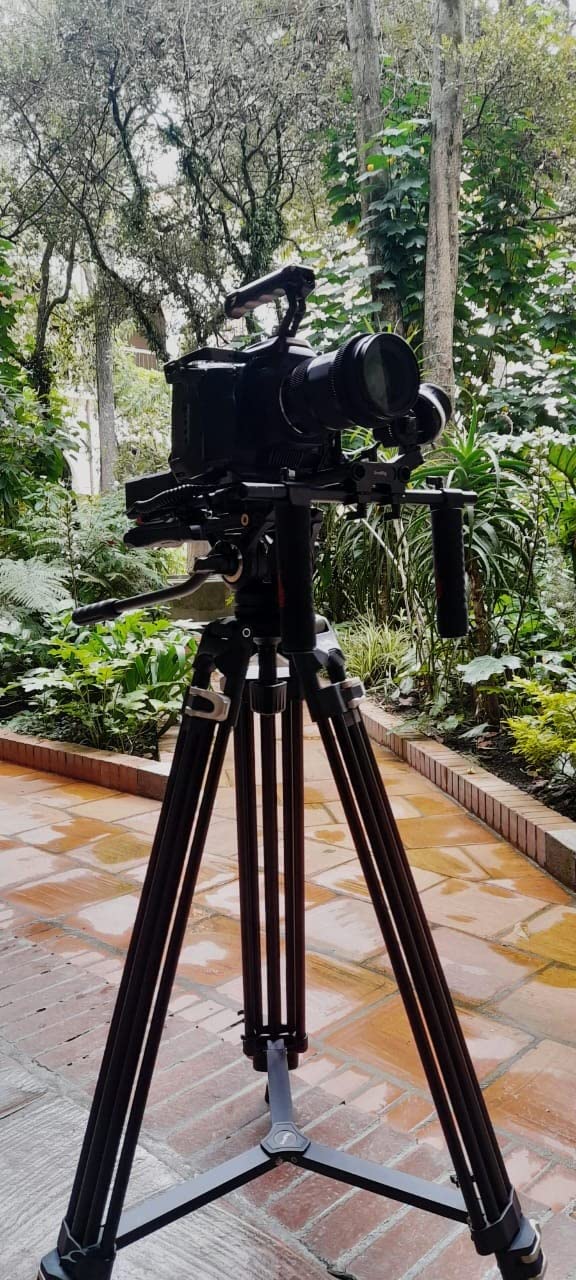
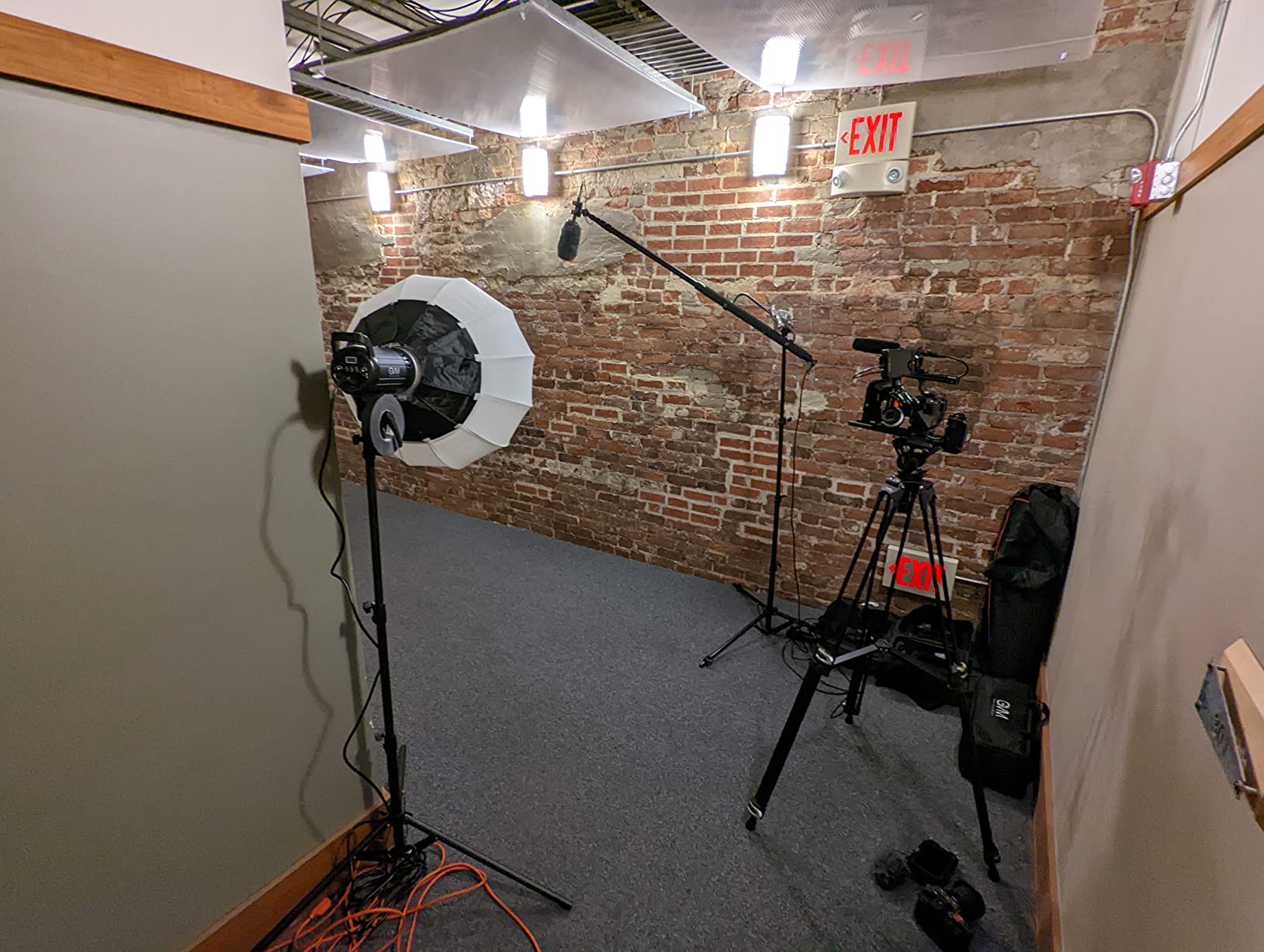
I tested the AD-01 with a Sony FX3 and a 24-70mm f/2.8 GM for studio interview work. Panning was consistent at every tilt angle, and the built-in bubble level made leveling on a hardwood floor quick.
At 186 cm maximum height it covers standing interviews and seated portraits without an extension column. The 85 cm minimum height is not the lowest profile tripod for low-angle work, but it is fine for most studio shooting.
Compatibility advantages
The dual-mode quick release plate is the headline feature. For creators who mix gimbal and tripod work, eliminating plate swaps saves real time on set.
Limitations to know
The fluid head is friction-based, not the multi-disc fluid cartridges you find on Sachtler and Manfrotto pro heads. For studio interviews it is plenty smooth. For cinema-style tilt moves you may want more resistance.
5. Benro Mach3 TMA38CL Carbon Fiber Tripod – Best Carbon Fiber Value
Benro Mach3 9X Carbon Fiber Series 3 Long Tripod, 4 Section, Twist Lock Legs, 69.7″ Maximum Height, 35.3 Load Capacity- Black (TMA38CL)
- 35.3 lb load
- 9-layer carbon fiber
- 4.5 lb weight
- 69.7in max height
Pros
- 35.3 lb load capacity in a 4.5 lb carbon fiber body
- Premium 9-layer carbon fiber tubing for vibration resistance
- Removable center column for low-angle macro work
- 5-year warranty with online registration
Cons
- Twist locks slightly slower than lever locks
- Center column collar needs firm tightening for heavy rigs
The Benro Mach3 TMA38CL is what I recommend when photographers ask for a carbon fiber tripod that holds a medium format back without paying Gitzo prices. The 35.3 lb load capacity is double what most carbon fiber tripods in this weight class offer.
At 4.5 lb the TMA38CL is light enough for one person to deploy, but the magnesium castings and 32mm top leg section give it planted stability on the studio floor. Reviewers consistently note it competes with tripods costing twice as much.
I shot a tabletop catalog session with a Fujifilm GFX 100 and a 120mm macro. The removable center column let me get the camera 14 inches off the floor without an accessory short column, and framing drift over 30-second exposures was zero.
Twist locks are the only real workflow cost. They are precise and weather-sealed, but slower than the flip locks on the Manfrotto 190-series. If you re-set the tripod constantly between setups, that time adds up.
Why it stands out
The combination of 35.3 lb load, 4.5 lb tripod weight, and 9-layer carbon fiber is hard to beat at this price point. 169 reviews averaging 4.8 stars confirm it.
When to look elsewhere
If your workflow demands rapid leg adjustments, the twist locks are not as fast as lever locks. For most studio photographers the trade is worth it.
6. Benro Mach3 TMA47AXL Aluminum Extra Long Tripod – Best for Tall Shooters
Benro Mach3 AL Series 4 Extra Long Tripod, 3 Section, Twist Lock Legs, 85.1″ Maximum Height, 44.1 lb. Load Capacity- Black (TMA47AXL)
- 44 lb load
- 85.1in max height
- Aluminum
- Reversible column
Pros
- 85 inch maximum height for tall users and overhead work
- 44 lb load capacity for heavy professional rigs
- Magnesium castings with oversized twist locks
- Reversible center column for low-angle macro
Cons
- Heavier than carbon fiber at 6.8 lb
- Plastic center column piece can break under stress
I am 6 foot 2, and most studio tripods force me to stoop at the viewfinder. The Benro Mach3 TMA47AXL extends to 85 inches, which is taller than any other tripod in this guide. Standing portrait and full-length fashion work felt natural for the first time.
The 44 lb load capacity is the headline spec. With a Hasselblad H6D and an 80mm f/1.9 mounted, the tripod did not flex even with the column fully extended. For studio photographers using medium format, this capacity gives true headroom.
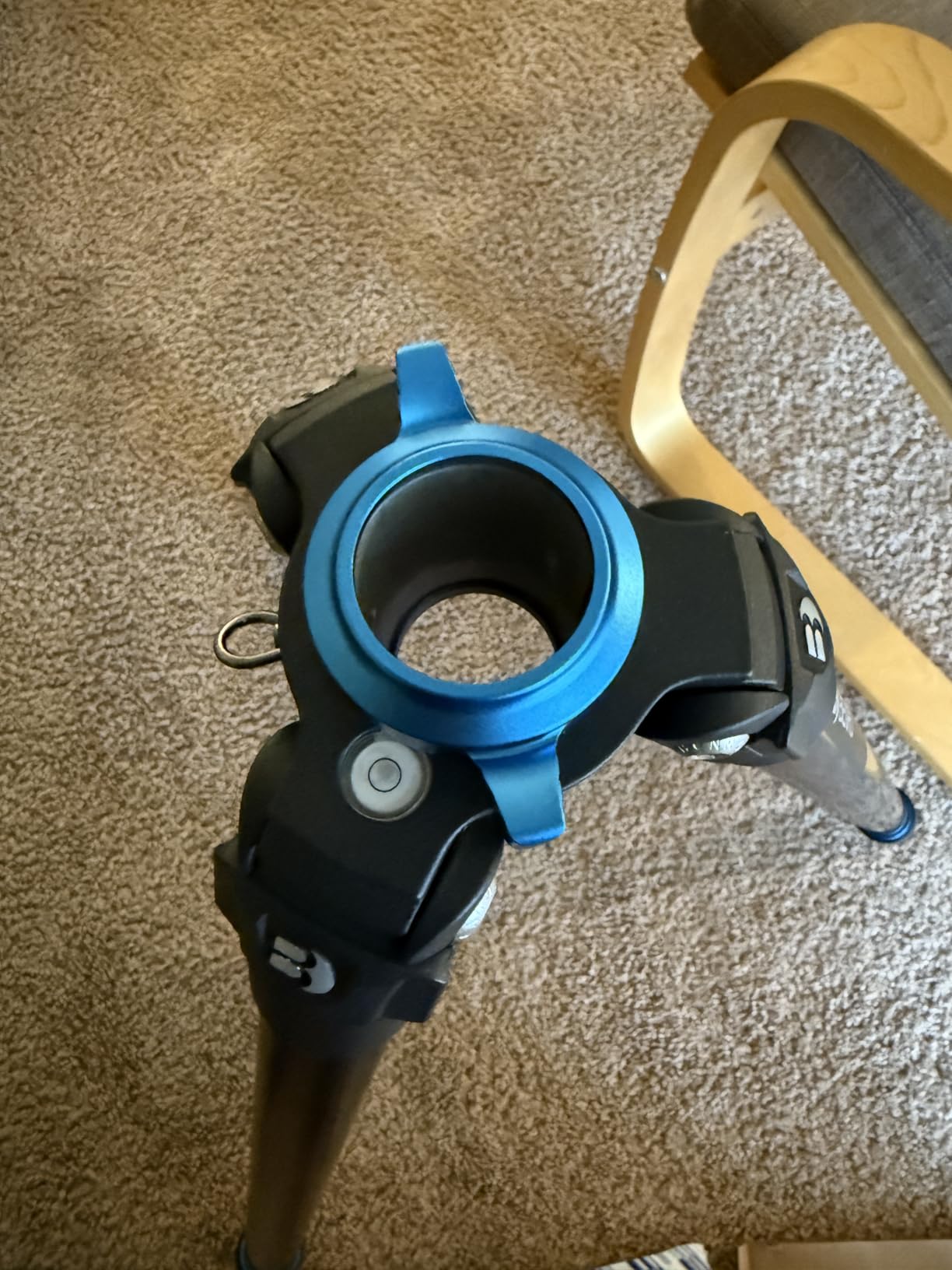
Three-section legs make the tripod fast to deploy even at full extension. Reversible center column opens up low-angle work, and the interchangeable spiked and rubber feet adapt to hardwood, tile, or carpeted studio floors.
The trade-off is weight: 6.8 lb is heavier than carbon fiber, but the 5-year warranty with registration and the lower price make it a smart buy for permanent studio setups.
Best fit
Tall photographers and anyone shooting overhead product setups with boom arms will appreciate the height. Studio video creators also benefit, because the extra inches reduce operator fatigue during long interview days.
What to watch
A small number of users report the plastic center column alignment piece failing. Treat the column with care, do not over-tighten, and inspect it periodically.
7. Manfrotto 290 Xtra Aluminum Tripod Kit – Best for Beginners
Manfrotto 290 Xtra Aluminum 3-Section Tripod Kit with Fluid Video Head (MK290XTA3-2WUS) Black
- 11 lb load
- Fluid head
- 67.5in max height
- 4 leg angles
Pros
- Smooth fluid head for video at an accessible price
- Lightweight aluminum construction at 5.6 lb
- 4 adjustable leg angles for varied shooting positions
- Shoulder bag included for transport
Cons
- 11 lb load limit is tight for heavy full-frame and telephoto setups
- No built-in bubble level
If you are setting up your first home studio and want one tripod that handles video interviews and stills, the Manfrotto 290 Xtra is the most forgiving choice. The fluid video head is smooth enough for interviews, and the 5.6 lb aluminum body is easy to move around a small studio.
285 reviews averaging 4.6 stars show that beginners and intermediate photographers consistently find it delivers more than the price suggests. The 4 leg angles give real low-angle capability without accessories.
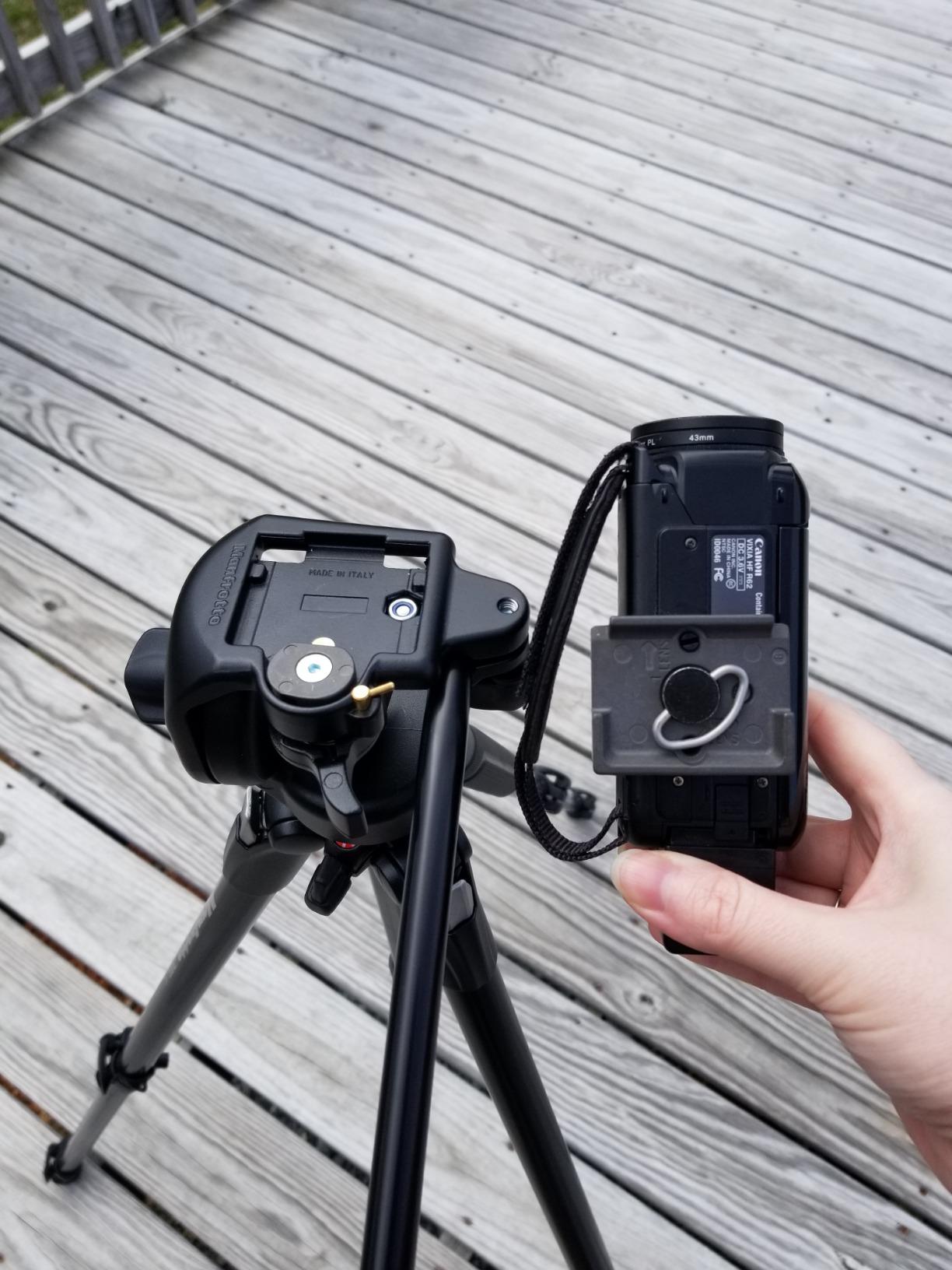
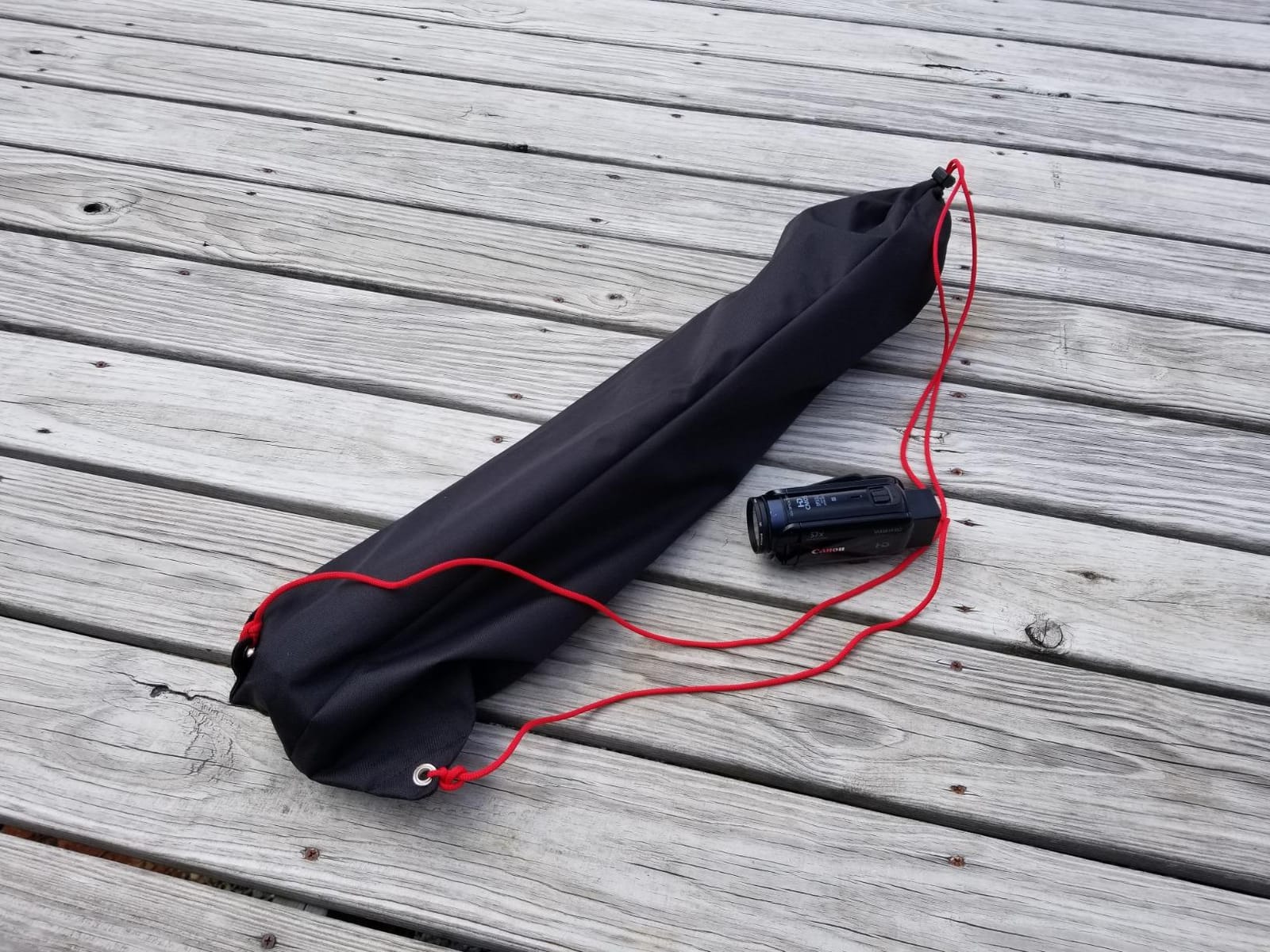
I used the 290 Xtra with a Canon EOS R6 and a 24-105mm for a headshot session. Setup was intuitive, the fluid head tracked smoothly, and the included shoulder bag simplified transport between locations.
The 11 lb load capacity is the ceiling. If you mount a 70-200mm f/2.8 with a teleconverter and a flash bracket, you are at the limit. For lighter mirrorless kits, it works without complaint.
Why it works for beginners
Manfrotto quality at a beginner-friendly price, with a fluid head included. The 4 leg angles are useful for product photography on a tabletop.
Limitations
No bubble level is unusual for Manfrotto. The head mounting requires the set screw to be tightened properly to avoid loosening during pans.
8. Manfrotto MT190XPRO4 Aluminum Tripod – Best Compact Aluminum
Manfrotto MT190XPRO4 Aluminum 4-Section Tripod,Black
- 15.4 lb load
- 4 sections
- Quick Power Lock
- Q90 column
Pros
- Compact 19.2 inch folded size for studio-to-location trips
- Quick Power Lock system for fast deployment
- 15.4 lb load capacity handles most full-frame kits
- Built-in rotating bubble level
Cons
- Heavier than carbon fiber alternatives
- Some vibration at full extension with heavy gear
The Manfrotto MT190XPRO4 is my pick when studio photographers need a tripod that splits time between a home studio and occasional location work. The 4-section legs fold down to 19.2 inches, which fits in a rolling case beside your lighting kit.
260 reviewers average 4.6 stars. The Quick Power Lock system is the standout feature: one-finger leg locking is the fastest in this guide, and the locks hold tighter over time than cheaper flip locks.

I tested the MT190XPRO4 with a Nikon Z9 and a 24-70mm f/2.8 S. Setup was fast enough to deploy for candid portrait opportunities, and the Q90 horizontal column let me switch to overhead flat-lay product shots without changing tripods.
The 15.4 lb load capacity is sufficient for any full-frame mirrorless or DSLR kit. For medium format or long telephoto lenses, look at the heavier-duty options on this list.
Why it fits hybrid shooters
If you shoot in a studio three days a week and on location two days a week, the MT190XPRO4 is the best compromise between portability and stability. The built-in rotating bubble level is a thoughtful touch.
Limitations
At full extension with heavy gear, some users report slight vibration. Stop down a section or add a weight hook for absolute steadiness.
Studio Tripod Buying Guide: What Actually Matters
A studio tripod is not a travel tripod. Once you remove portability from the equation, the decision tree simplifies. Here is what we look at when evaluating tripods for studio work.
Load capacity: match it to your camera and lens
Working studio photographers need load capacity at least twice the weight of their heaviest camera and lens combination. The reason is stability margin: a tripod rated exactly at your gear weight will flex and drift under long exposures, especially with the center column raised. For full-frame mirrorless with a 70-200mm f/2.8, look for 15 lb or higher. For medium format, 30 lb or higher. Every tripod in this guide exceeds those thresholds except the budget Manfrotto 290 Xtra, which fits lighter kits.
Material: carbon fiber vs aluminum for studio work
Carbon fiber is lighter and damps vibration faster, which helps with long exposures and macro work. Aluminum is cheaper and more rigid per dollar. For permanent studio installations, aluminum is fine because you are not carrying the tripod far. If your studio work includes frequent re-positioning or occasional location shoots, carbon fiber pays for itself in saved shoulder strain. The Benro TMA38CL and INNOREL RT90C offer carbon fiber at accessible prices compared to Gitzo-tier brands.
Tripod heads: ball vs fluid vs pan-tilt vs gear
Ball heads are fastest for stills and most common in studios. They lock with one knob and reposition quickly. Pan-tilt (3-way) heads are slower but offer precise independent control of each axis, which is helpful for architecture and copy work. Fluid heads are essential for video, providing smooth pans and tilts without jerk. Gear heads offer geared precision for ultra-fine framing but are slow. Match the head to your primary work: stills lean ball or pan-tilt, video requires fluid, hybrid work benefits from a separate fluid head on a 75mm bowl like the INNOREL RT90C.
Leg locks: twist vs flip for studio pace
Flip locks deploy faster. Twist locks offer more precise tension adjustment and better weather sealing. In a clean studio, either works. If you ever shoot on dusty or sandy location, twist locks keep debris out of the mechanism. The Manfrotto Quick Power Lock system combines the speed of flip locks with the precision of twist locks and is the best of both worlds.
Center column: why the 90-degree horizontal option matters
A fixed vertical center column is fine for portraits but useless for overhead product work. The 90-degree horizontal column on the Manfrotto 055 and MT190XPRO4 lets you swing the camera over a tabletop for flat-lay photography. The removable center column on the Benro TMA38CL goes further by allowing low-angle macro work without a separate short column.
Studio floor and tethering workflow tips
Hardwood studio floors and stainless steel spikes do not mix. Swap to rubber feet for indoor work. Concrete and tile can handle spikes. For tethered shooting, route your cable along the inside of one tripod leg using the leg strap to keep it out of the walking path. The Easy Link port on the Manfrotto 055 is the cleanest way to add an external monitor or magic arm for tethered studio work.
Frequently Asked Questions
What is the best professional tripod for studio work?
The best professional tripod for studio work is a heavy-duty model with at least 15 lb of load capacity, a low minimum height for product photography, and a precision head matched to your camera and shooting style. Our top pick is the INNOREL RT90C for its 40 kg load capacity and 10-layer carbon fiber build, but the Manfrotto 055 is the best value and the SIRUI AM-25S is the best budget option for video.
What tripods do professional photographers use most often?
Professional studio photographers most often use Manfrotto, Gitzo, Really Right Stuff, Benro, Sachtler, SIRUI, and INNOREL tripods. Manfrotto 055 and 190-series are common in portrait studios. Gitzo Mountaineer and Systematic tripods dominate high-end commercial work. Sachtler flowtech systems are standard in studio video. Benro and SIRUI offer comparable quality at lower prices.
Is carbon fiber worth it for a studio tripod?
Carbon fiber is worth it for studio tripods if you reposition often, shoot at high magnification, or occasionally take the tripod on location. The vibration damping is noticeably better than aluminum for long exposures. For permanent studio installations where the tripod stays put, aluminum delivers the same stability at a lower cost.
Do I need a ball head or pan-tilt head for studio work?
A ball head is faster for general studio stills, while a pan-tilt (3-way) head offers more precise framing for architecture and copy work. For studio video, a fluid head is essential. Many studio photographers keep both: a ball head on one tripod and a fluid head on a 75mm bowl tripod for hybrid photo and video work.
How much weight can a studio tripod hold?
Studio tripods in this guide range from 11 lb to 88 lb of rated load capacity. The INNOREL RT90C leads at 88 lb, followed by the Benro TMA47AXL at 44 lb and the Benro TMA38CL at 35.3 lb. As a rule, pick a tripod rated at least twice the weight of your heaviest camera and lens combination for stable, drift-free long exposures.
Final Verdict
The best professional tripod for studio work is the one that matches your camera weight, your head type, and your shooting style. For most studio photographers, the INNOREL RT90C delivers the best combination of 88 lb load capacity, carbon fiber lightness, and pro 75mm bowl mounting. Pair it with a quality ball or fluid head and it will outlast your camera bodies.
If you want the best value with a Q90 horizontal column for overhead work, the Manfrotto 055 is hard to beat. For studio video on a budget, the SIRUI AM-25S gives you a real fluid head and 75mm bowl at a price that leaves room in the kit budget for lights and backdrops.
All eight tripods in this guide are excellent choices for studio work in 2026. Pick the one that fits your camera weight, your head preference, and your height, and you will have a tripod that lasts decades.