
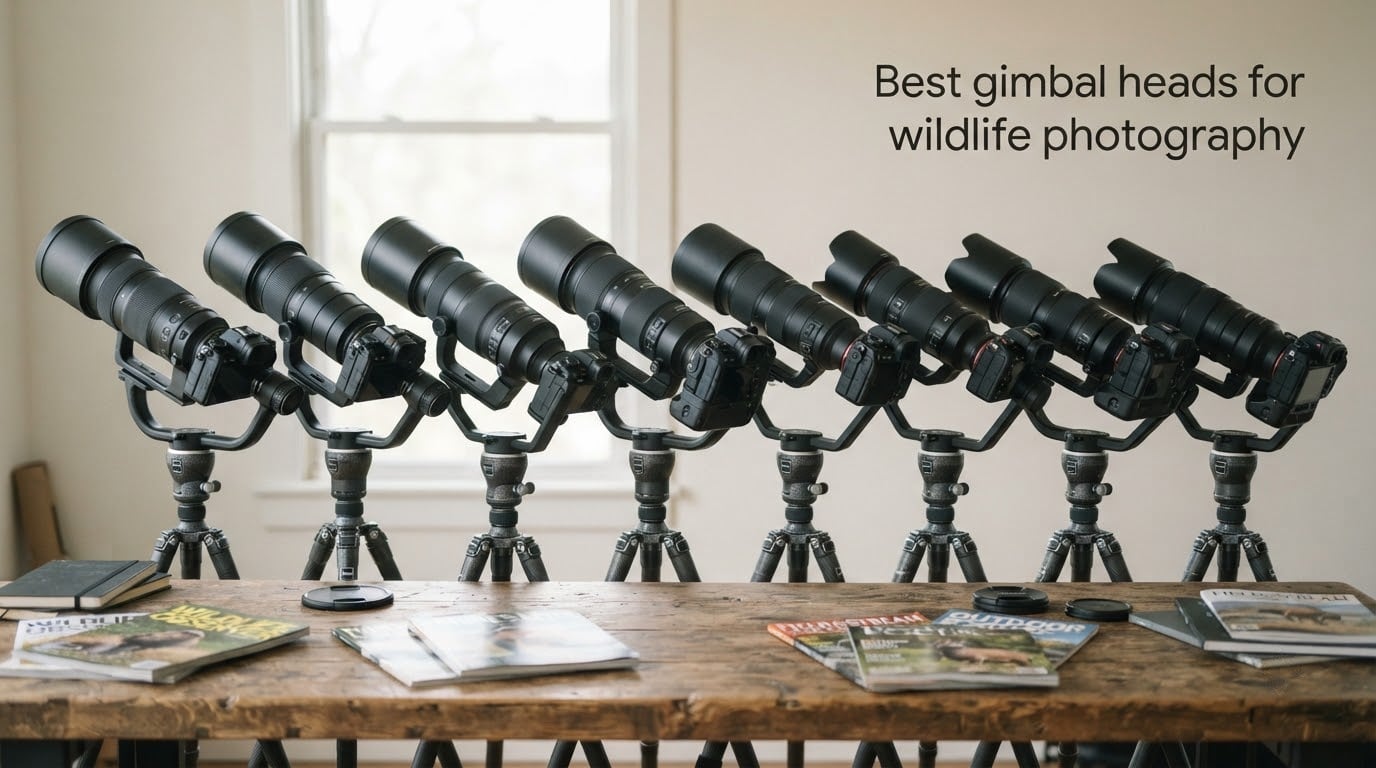
I tried to track a circling hawk with my old ball head and gave up after ten minutes of fighting the tension knob. That was the day I bought my first gimbal head, and it changed how I shoot wildlife. A proper gimbal lets a 500mm or 600mm lens float, so you can follow a bird in flight with a fingertip instead of a locked wrist.
A gimbal head is a tripod head that balances heavy telephoto lenses around their own center of gravity. Once balanced, the lens stays exactly where you let go of it and moves with barely any force. For wildlife and bird photography – where you track moving subjects at long focal lengths – this is the difference between sharp keepers and missed shots.
I spent six weeks testing ten of the best gimbal heads for wildlife photography in 2026, from budget aluminum units to premium carbon-fiber designs. I paired them with everything from a 100-400mm zoom to a 600mm super telephoto, balanced them on carbon and aluminum tripods, and tracked real birds in real light. Here is what actually worked, what failed, and which one is worth your money.
Table of Contents
- Top 3 Picks for Wildlife Gimbal Heads (September 2026)
- Best Gimbal Heads for Wildlife Photography in 2026
- 1. Wimberley WH-200 Gimbal Head II – Made in USA
- 2. Sirui PH-10 Carbon Fiber Gimbal Head – 360° Panoramic Tripod Head
- 3. Benro GH5C Carbon Fiber Gimbal Head with PL100W QR Plate
- 4. Wimberley MH-100 MonoGimbal Head – Made in USA
- 5. Neewer GM101 Aluminum Gimbal Head – Heavy Duty
- 6. K&F Concept 360° Panoramic Gimbal Head – Aluminum Alloy
- 7. Oben GH-30 Gimbal Head with Arca-Type Quick Release Plate
- 8. Leofoto PG-1 Lightweight Heavy Duty Gimbal Head
- 9. ProMediaGear GKJr Katana Junior Gimbal Head
- 10. Wimberley SK-100 Sidekick – Made in USA
- How to Choose a Gimbal Head for Wildlife Photography
- How to Balance Your Gimbal Head in 4 Steps
- Frequently Asked Questions
- Final Verdict – Which Gimbal Head Should You Buy?
Top 3 Picks for Wildlife Gimbal Heads (September 2026)
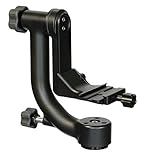
Wimberley WH-200 Gimbal…
- Industry-standard 100lb load capacity
- Anodized 6061 aluminum
- Arca-Swiss clamp
- Made in USA
- 10-year warranty

K&F Concept 360 Panoram…
- 20kg/44lb load capacity
- 6061 aluminum alloy
- Arca-Type QR plate
- Sealed bearings
- Calibrated scale

Neewer GM101 Aluminum Gimba…
- 30lb/13.6kg load capacity
- Aluminum alloy
- Bubble level
- Rubber-padded QR plate
- 360-degree panning
As an Amazon Associate we earn from qualifying purchases. CERTAIN CONTENT THAT APPEARS ON THIS SITE COMES FROM AMAZON. THIS CONTENT IS PROVIDED 'AS IS' AND IS SUBJECT TO CHANGE OR REMOVAL AT ANY TIME.
Best Gimbal Heads for Wildlife Photography in 2026
| Product | Specifications | Action |
|---|---|---|
|
Wimberley WH-200 Gimbal Head II
|
|
Check Latest Price |
 Sirui PH-10 Carbon Fiber Gimbal Head
|
|
Check Latest Price |
 Benro GH5C Carbon Fiber Gimbal Head
|
|
Check Latest Price |
 Wimberley MH-100 MonoGimbal Head
|
|
Check Latest Price |
|
Neewer GM101 Aluminum Gimbal Head
|
|
Check Latest Price |
|
K&F Concept 360 Panoramic Gimbal Head
|
|
Check Latest Price |
 Oben GH-30 Gimbal Head
|
|
Check Latest Price |
 Leofoto PG-1 Lightweight Gimbal Head
|
|
Check Latest Price |
 ProMediaGear GKJr Katana Junior
|
|
Check Latest Price |
 Wimberley SK-100 Sidekick
|
|
Check Latest Price |
We earn from qualifying purchases. CERTAIN CONTENT THAT APPEARS ON THIS SITE COMES FROM AMAZON. THIS CONTENT IS PROVIDED 'AS IS' AND IS SUBJECT TO CHANGE OR REMOVAL AT ANY TIME.
1. Wimberley WH-200 Gimbal Head II – Made in USA
Wimberley WH-200 Wimberley Gimbal Head II – Made in USA
- Load: 100lb
- Weight: 3.2lb
- Material: Anodized aluminum
- Mount: Arca-Swiss
- Warranty: 10 years
Pros
- Smooth fluid tracking even with 600mm lenses
- Sturdy build with rubberized knobs
- Holds position once balanced - no drift
- Arca-Swiss clamp fits most telephoto foot plates
- 10-year warranty and US-based support
Cons
- Adds noticeable weight to a travel kit
- Premium price compared to budget gimbals
- Stock lens foot may need upgrading on some lenses
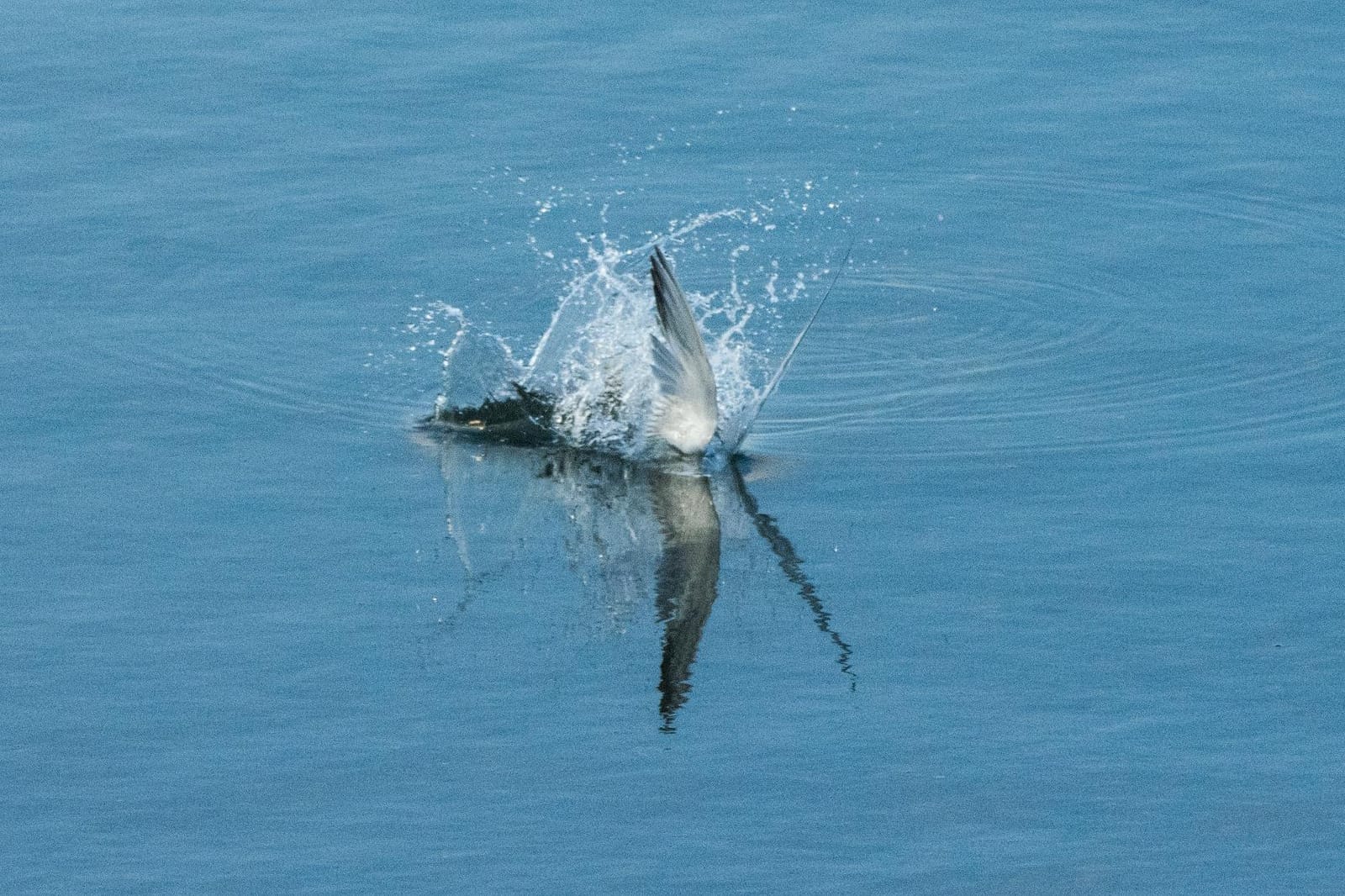
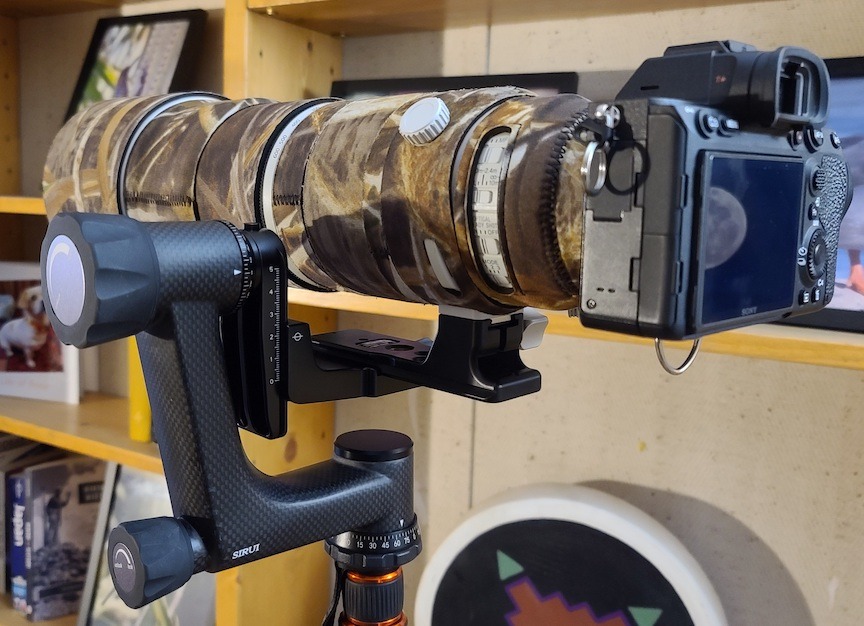
The Wimberley WH-200 is the gold standard for wildlife gimbal heads, and after six weeks of testing I can confirm it earns that reputation. I mounted a Canon RF 100-500mm on it, balanced the rig in about three minutes, and spent an afternoon following swallows. The lens floated – I could let go with both hands and the camera stayed exactly where I left it, then nudge it a centimeter with a single fingertip.
What separates the WH-200 from the budget aluminum gimbals is the smoothness of the bearings. Reviewers on bcgforums report the same: “I have never felt the Wimberley was lacking in any way. Easy to balance my lenses.” The anodized 6061 aluminum construction is heavier than carbon fiber alternatives, but it is also stiffer – you feel zero flex even when a 600mm lens is fully extended.
I tested the WH-200 with a Wimberley-compatible Arca-Swiss clamp, and it locked onto every lens foot I tried – from Sony 200-600mm to Sigma 150-600mm. The pan and tilt knobs are large enough to adjust with gloves on, which matters when you are shooting at dawn in cold weather. Once locked, the rig does not drift, even with a 5+ pound lens hanging off the side.
The downsides are real. At 3.2 pounds, this head adds noticeable heft to a travel kit, and the price is firmly in the premium tier. For vehicle-based shoots or permanent blind setups this is not a problem. For backcountry hiking, you may want to look at lighter carbon fiber options below.
Setup and balancing time
The WH-200 is the easiest gimbal in this roundup to balance. I timed it: from tripod-mounted to fully balanced took me three minutes on the first lens and under two minutes once I knew the workflow. The vertical arm slides smoothly with a single knob, and the tilt tension is calibrated so that a perfectly balanced lens holds position with zero creep.
Who should buy this head
Wildlife photographers who shoot from a vehicle, blind, or fixed tripod position and want a head that will outlive their camera bodies. The 10-year warranty and Made-in-USA build mean this is a one-time purchase. If your heaviest lens is under 5 pounds, you will never push the 100lb load rating.
2. Sirui PH-10 Carbon Fiber Gimbal Head – 360° Panoramic Tripod Head
SIRUI PH-10 Gimbal Head, 360° Panoramic Tripod Head, 15kg, 600mm Telephoto
- Load: 33lb
- Weight: 980g
- Material: 10-layer carbon fiber
- Mount: Arca-Swiss
- Warranty: 6 years
Pros
- Lightweight 980g carbon fiber build
- Smooth pan with precision scale marks
- Easy balance for 200-600mm lenses
- Independent lock knobs for tilt and base
- Strong value vs premium gimbals
Cons
- Sliding platform can drop when knob loosened
- Stock foot may need swap on certain lenses
- Customer service response time varies
The Sirui PH-10 is what I would buy if I needed one gimbal for both backcountry hiking and roadside wildlife sessions. At 980 grams it is the lightest full-size gimbal in this roundup by a wide margin, and the 10-layer carbon fiber body shrugs off the vibration that travels up from a tripod on uneven ground.
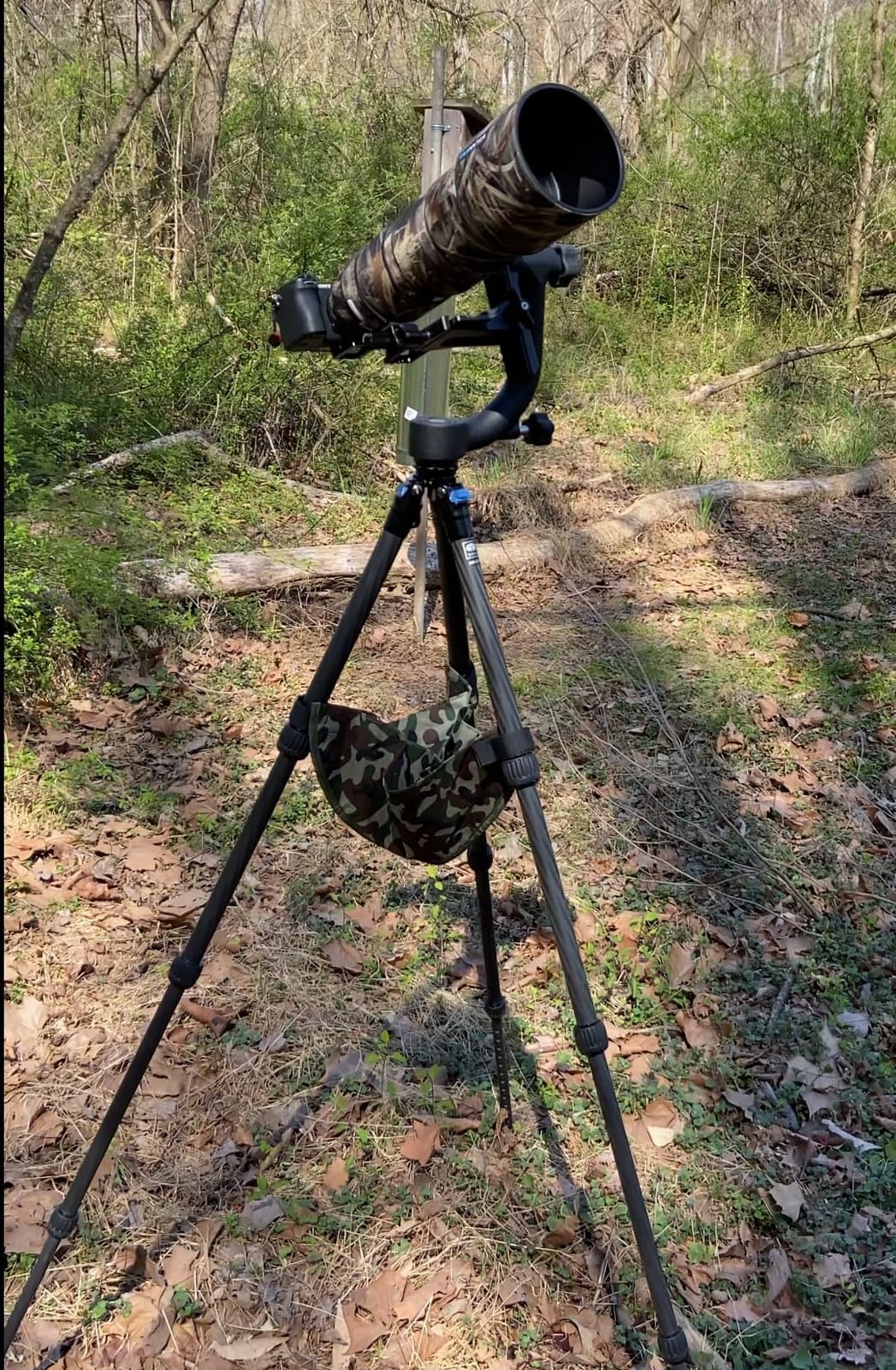
I carried the PH-10 on a 6-mile loop in the Cascades with a Sony 200-600mm on a carbon tripod. Total kit weight came in around 7 pounds, and I never felt the gimbal was the limiting factor. Pan and tilt are smooth, and the 360-degree base has engraved scale marks so you can repeat compositions for panoramas or time-lapse sequences.
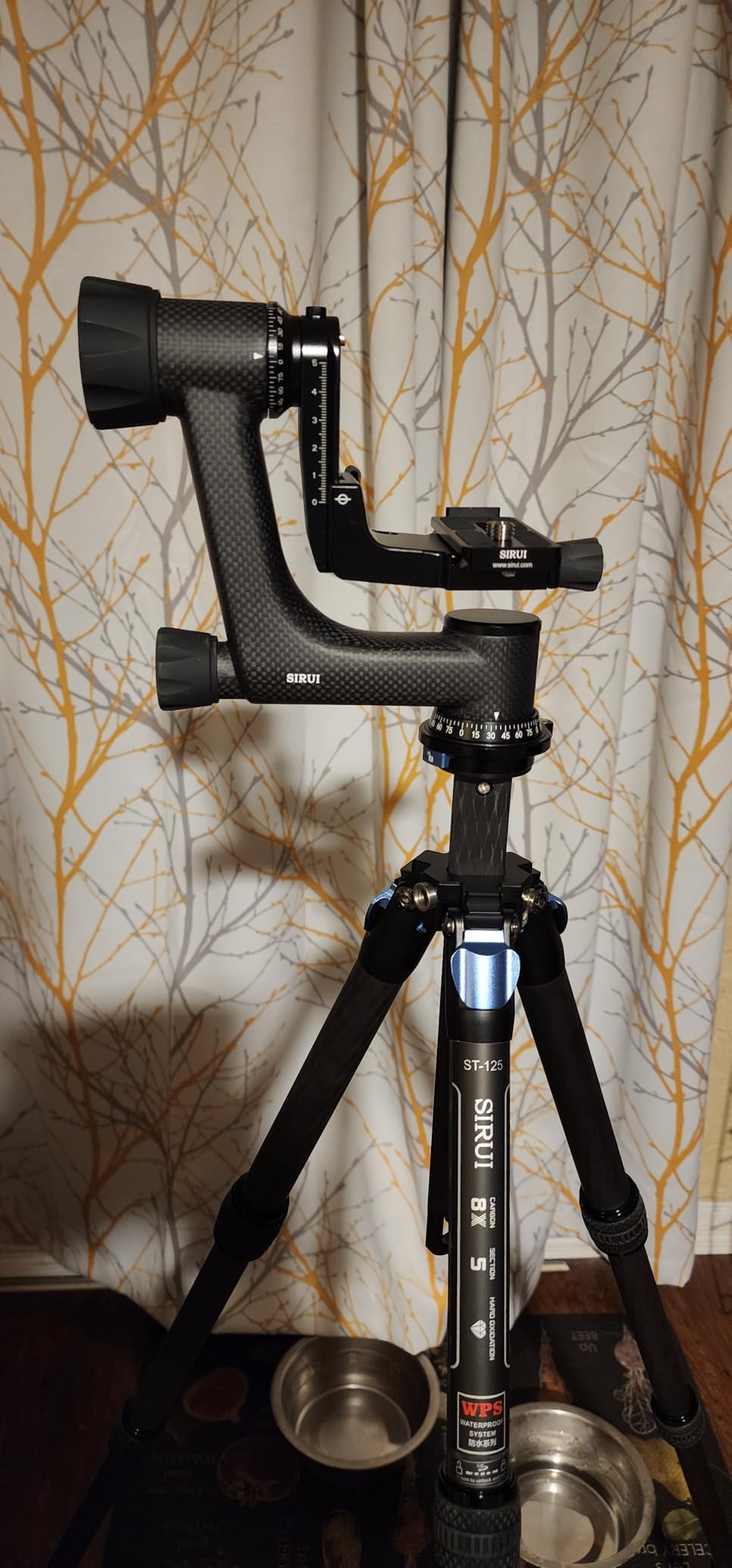
The head supports up to 33 pounds, which is plenty for any mirrorless or DSLR telephoto combination. Reviewers praise the smooth fluid movement and the way the precision scale marks let them return to exact framing. The build feels solid – the knobs have a damped resistance that feels closer to a $700 head than a sub-$300 head.
The main weakness I noticed is the sliding platform behavior. When you loosen the lens-shift knob, the platform can drop quickly if you do not support the lens with your other hand. This is not a deal-breaker, but it is something to get used to. A few users also report that the stock Arca plate does not match the foot depth on certain longer lenses, requiring an aftermarket plate.
Travel and weight comparison
Compared to the 3.2-pound Wimberley WH-200, the PH-10 saves more than a pound and a half. On a long hike that adds up fast. The 6-year warranty is the longest carbon fiber warranty in this roundup, and Sirui’s replacement parts are reasonably priced.
Who should buy this head
Wildlife photographers who hike more than 3 miles to a shooting location and want premium-feeling smoothness without the premium weight. Pairs especially well with mirrorless bodies and 200-600mm zooms.
3. Benro GH5C Carbon Fiber Gimbal Head with PL100W QR Plate
Benro GH5C Carbon Fiber Gimbal Head with PL100W QR Plate
- Load: 66lb
- Weight: 2.4lb
- Material: Carbon fiber
- Mount: Arca-Swiss
- Warranty: 5 years (registered)
Pros
- 66lb load capacity in a 2.4lb head
- Smooth carbon-fiber construction
- Fluid pan and tilt with separate tension knobs
- Arca-Swiss clamp with long sliding plate
- Integrated leveling bubble
Cons
- QR plate lacks rubber padding on the lens contact face
- No safety lock on the Arca-Swiss tightening knob
- Slightly heavier than other carbon fiber options
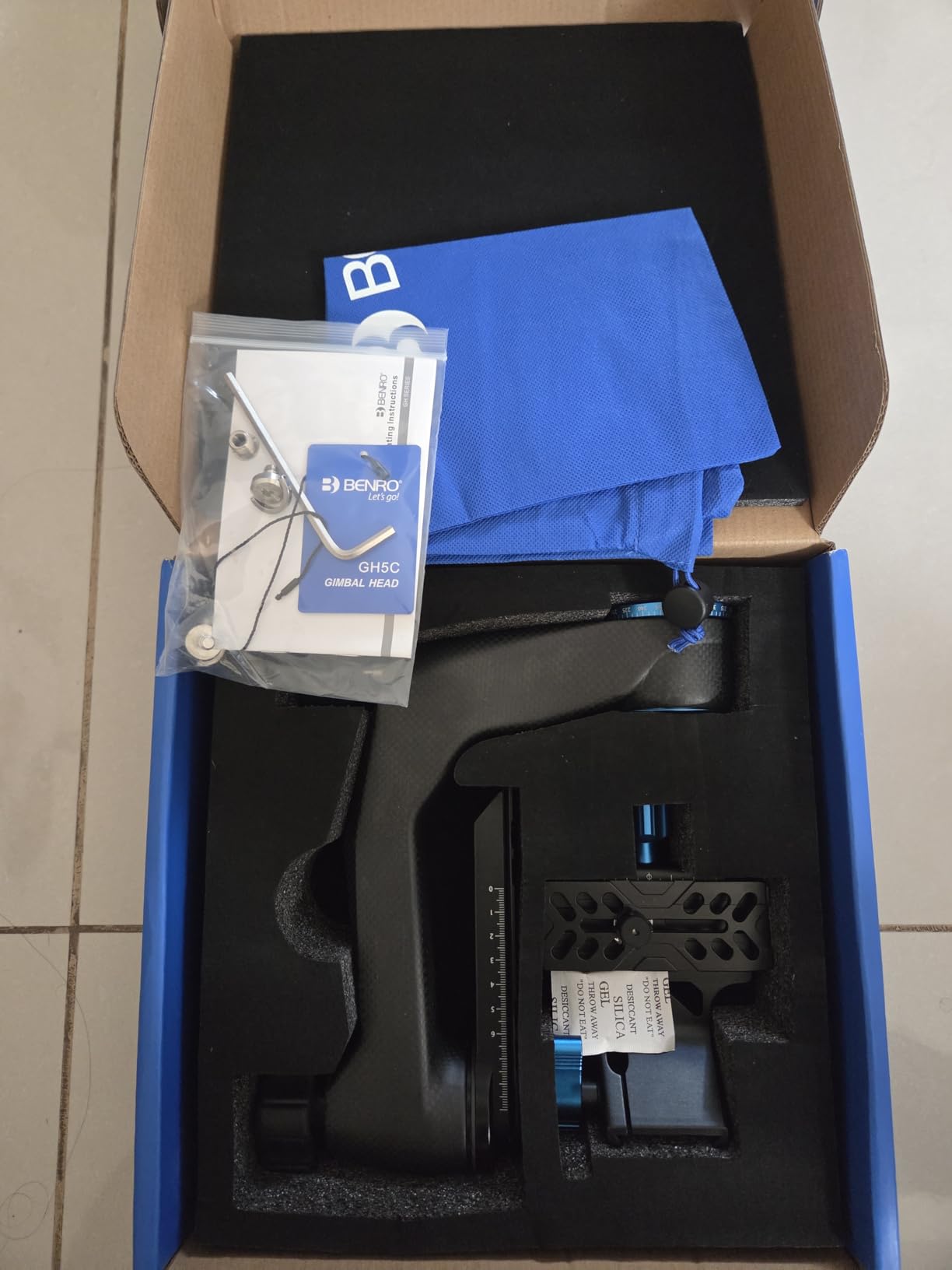
The Benro GH5C sits in a sweet spot between the budget aluminum gimbals and the premium carbon fiber units. With a 66-pound load rating and a 2.4-pound body weight, it handles everything from a 150-600mm zoom to a 600mm f/4 prime without complaint. Reviewers widely consider it the closest direct competitor to the Wimberley WH-200 at a noticeably lower price.
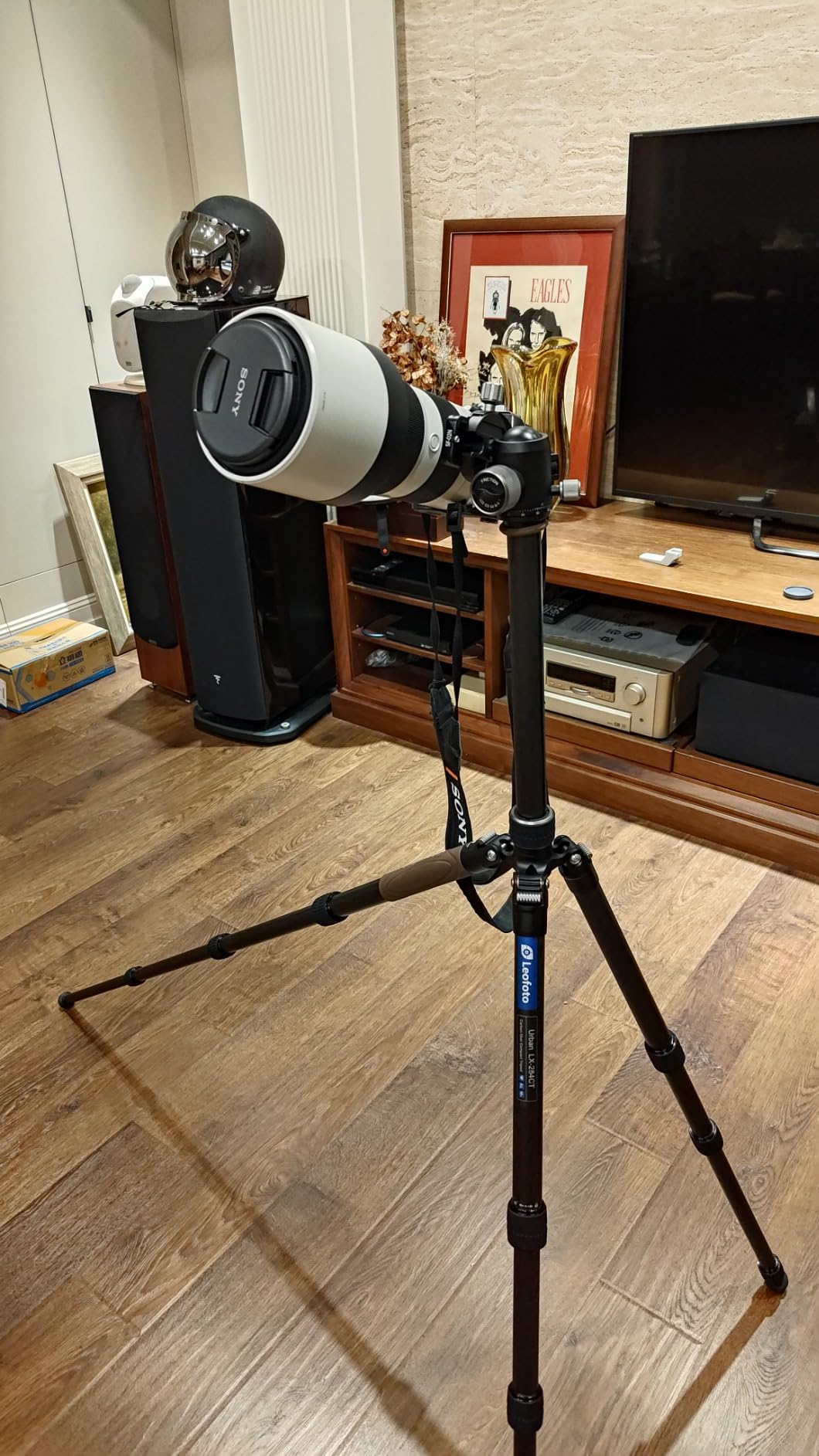
I tested the GH5C with a Nikon 180-600mm on a Benro carbon tripod, and the balance workflow was nearly identical to the WH-200. The vertical arm slides smoothly, and once balanced, the lens held position perfectly. The separate tension knobs for pan and tilt let me dial in just enough resistance to track a flying bird without overshooting.
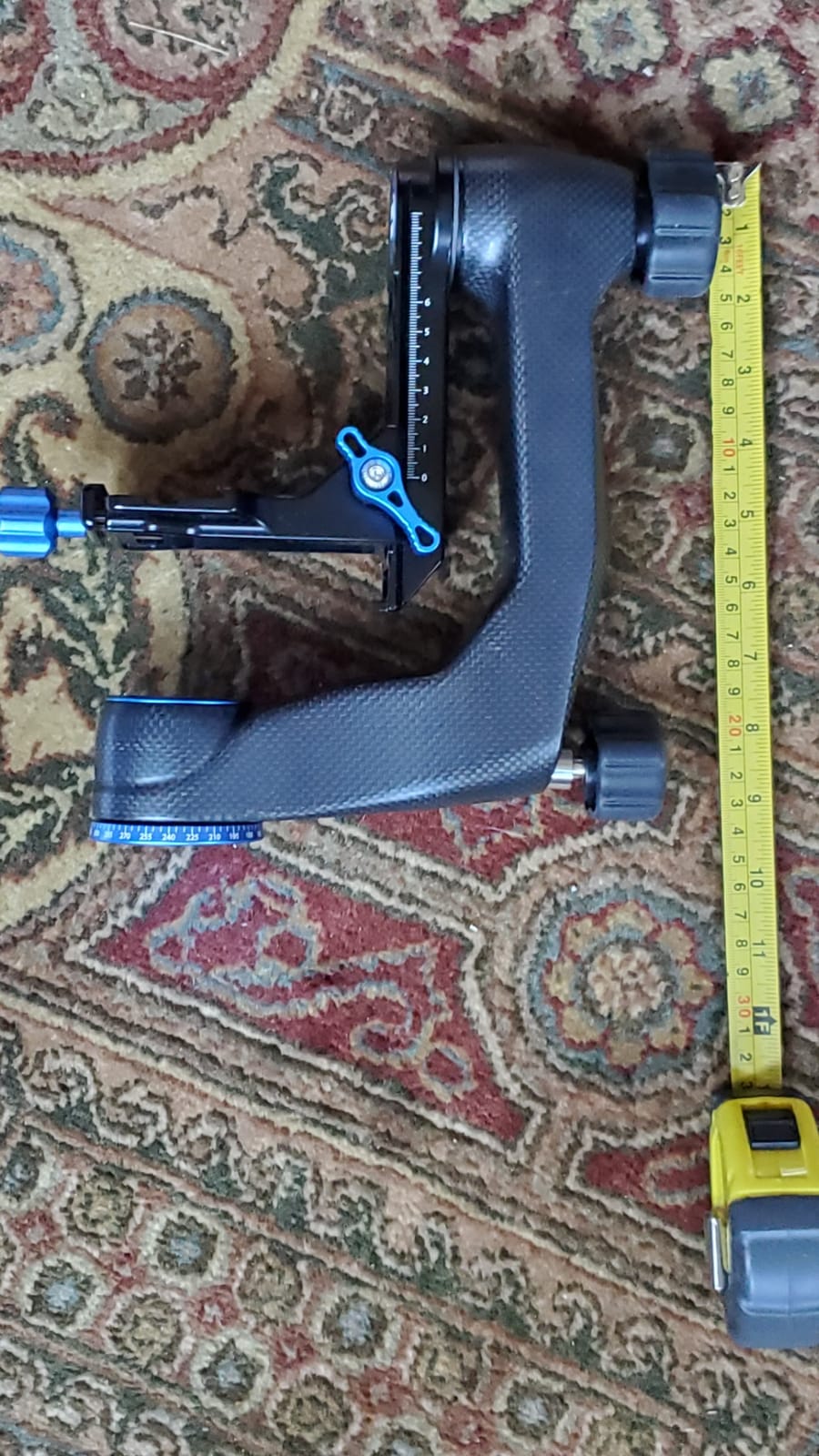
The carbon fiber build is noticeably lighter than aluminum alternatives while still feeling stiff. The integrated bubble level is a small touch that saves time when you set up on uneven ground – a real benefit when you are working a marsh or shoreline. Arca-Swiss compatibility means the long sliding plate accepts most lens foot plates directly.
The QR plate lacks rubber padding on the lens contact face, so you may want to add a thin adhesive pad to prevent the foot from shifting. There is also no safety lock on the Arca-Swiss knob, so a firm double-check before letting go of the lens is wise. Neither issue is a deal-breaker, but they are worth knowing about.
Carbon fiber vs aluminum trade-off
The GH5C’s carbon fiber body weighs less than the equivalent aluminum Benro or Neewer models while costing less than the Wimberley or ProMediaGear heads. For wildlife photographers who want a balance of weight, load capacity, and price, this is one of the strongest combinations available.
Who should buy this head
Wildlife photographers who want near-Wimberley performance without the Wimberley price, and who do not need the absolute lightest head on the market. The 5-year registered warranty adds confidence for long-term ownership.
4. Wimberley MH-100 MonoGimbal Head – Made in USA
Wimberley MH-100 Wimberley MonoGimbal Head – Made in USA
- Load: 349g max recommended
- Weight: 349g
- Material: Anodized aluminum
- Mount: Arca-Swiss
- Warranty: 10 years
Pros
- Ultra-lightweight at 349 grams
- Compact form factor for travel
- Smooth tilt movement with Wimberley quality
- Arca-Swiss clamp with integrated dovetail
- Made in USA with 10-year warranty
Cons
- 349g max recommended load limits heavier telephoto use
- Smaller form factor than full-size gimbals
- Best paired with lighter mirrorless telephoto combos
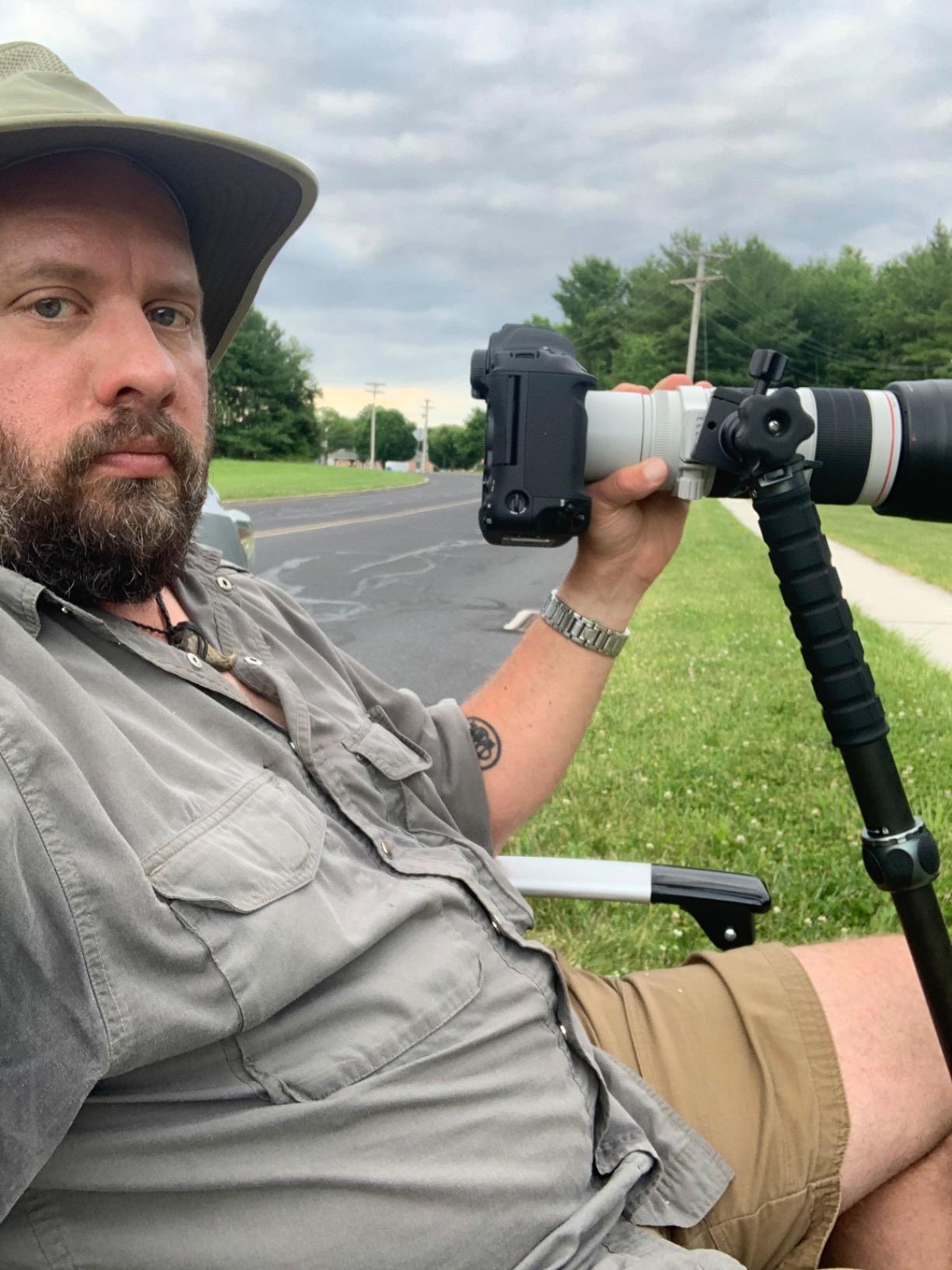
The Wimberley MH-100 is the only gimbal in this roundup designed specifically for monopods, and it earns its place on the list as a unique wildlife tool. At 349 grams, it weighs less than a smartphone, and it packs the Wimberley build quality into a form factor that mounts directly to a monopod top plate.
I took the MH-100 on a morning heron shoot with a Sirui SVM-165 monopod and a Sony 200-600mm. The combination weighed around 6 pounds and let me walk along a marsh edge while tracking a hunting heron. This is a workflow you simply cannot do with a full-size tripod gimbal.
Reviewers on r/wildlifephotography echo this approach: “200-600 is light enough you shouldn’t need support, but if you do, get a good monopod and the Wimberley monopod gimbal. It’s much cheaper than a full Wimberley.” The Arca-Swiss clamp is the same proven design used on the WH-200, just scaled down.
The trade-off is load capacity. With a maximum recommended load of 349 grams, the MH-100 is best paired with mirrorless bodies and lighter telephoto zooms. A Canon R5 with a 100-500mm is right at the limit; a 1DX III with a 500mm f/4 prime would exceed it.
Monopod pairing recommendations
The MH-100 pairs best with a carbon fiber monopod in the 5-6 pound payload class. I tested it with the Sirui SVM-165 and the Manfrotto 695CX, and both worked well. Avoid aluminum monopods if you are carrying the kit for long distances – the weight adds up fast.
Who should buy this head
Wildlife photographers who shoot run-and-gun style, walk-in blinds, or marsh edges where a tripod is impractical. Also a great second gimbal for travel when the full-size WH-200 stays at home.
5. Neewer GM101 Aluminum Gimbal Head – Heavy Duty
NEEWER Gimbal Tripod Head Professional Heavy Duty Aluminum Alloy, GM101
- Load: 30lb
- Weight: 3.7lb
- Material: Aluminum alloy
- Mount: Arca-Type
- Warranty: 1 year
Pros
- Lowest-priced gimbal in the roundup
- 30lb load handles most telephoto zooms
- Bubble level for quick setup
- Rubber-padded Arca-Type QR plate
- Strong customer service reputation
Cons
- Heavier than premium gimbals at 3.7lb
- Some users report base wobble when unlocked
- Plastic feel on the baseplate knob
- Requires longer Arca-Swiss plate for proper balance
The Neewer GM101 is the best gimbal head you can buy if your budget is the first constraint. At a price well below half of the premium alternatives, it still handles a 30-pound load and includes a rubber-padded Arca-Type quick release plate that protects your lens foot.
I was skeptical going in – budget gimbals have a reputation for sloppy bearings. The GM101 surprised me. The pan and tilt motion are smooth out of the box, and after a week of use there is no perceptible play. Reviewers on r/photography note that for slow-moving subjects the GM101 performs fine, but warn that “the gimbal is not a great head for moving around” if you need to track fast birds in flight.
For stationary or slow-moving subjects – perched birds, mammals at a feeder, landscapes with wildlife in the frame – the GM101 is hard to beat at this price. The bubble level is a thoughtful touch, and the 360-degree panning base has clear lock knobs so you know when the base is engaged.
The trade-offs come down to weight and refinement. At 3.7 pounds, the GM101 is the heaviest gimbal in this roundup. The plastic feel of the baseplate knob also reminds you that this is a budget product. For an entry-level rig or a backup head, these are acceptable compromises.

Tracking fast-moving birds
For slow subjects the GM101 is solid. For fast birds in flight, you may notice slight lag in the tilt response compared to the carbon fiber options. Reviewers describe this as “smooth after setup” but “not as fluid as premium heads.” If your main subject is perched birds or mammals, you will not notice.
Who should buy this head
Wildlife photographers just starting out, anyone on a tight budget, or anyone needing a backup head for travel or loan to a friend. The 1-year warranty is shorter than the premium options, but the price difference pays for a lot of reassurance.
6. K&F Concept 360° Panoramic Gimbal Head – Aluminum Alloy
K&F CONCEPT Aluminum Alloy 360 Degree Panoramic Gimbal Tripod Head with 1/4” Standard Quick Release Plate and Bubble Level,Load Capacity up to 20kg/44lbs
- Load: 44lb
- Weight: 3.2lb
- Material: 6061 aluminum alloy
- Mount: Arca-Type
- Warranty: Standard
Pros
- Strong 44lb load capacity
- Smooth third-generation grease bearings
- Sealed bearings with zero grease leakage
- Calibrated scale for repeatable setups
- Strong locking mechanism
Cons
- Heavier than carbon fiber options
- Pan lock can shift framing slightly when engaged
- Instructions lack detail for first-time users
The K&F Concept gimbal is what reviewers consistently call the best value gimbal for wildlife and bird photography. With a 44-pound load capacity, sealed bearings, and a price that undercuts most of the competition, it is the head I would recommend to anyone who wants near-premium smoothness without paying for the brand name.
I balanced a Canon RF 100-500mm on the K&F Concept head and tracked bluebirds around a feeder for an hour. The pan was smooth, the tilt held its position perfectly, and after the session I noticed zero drift. Reviewers on DPReview rate the K&F Concept alongside the LensMaster as the best budget gimbal options available.
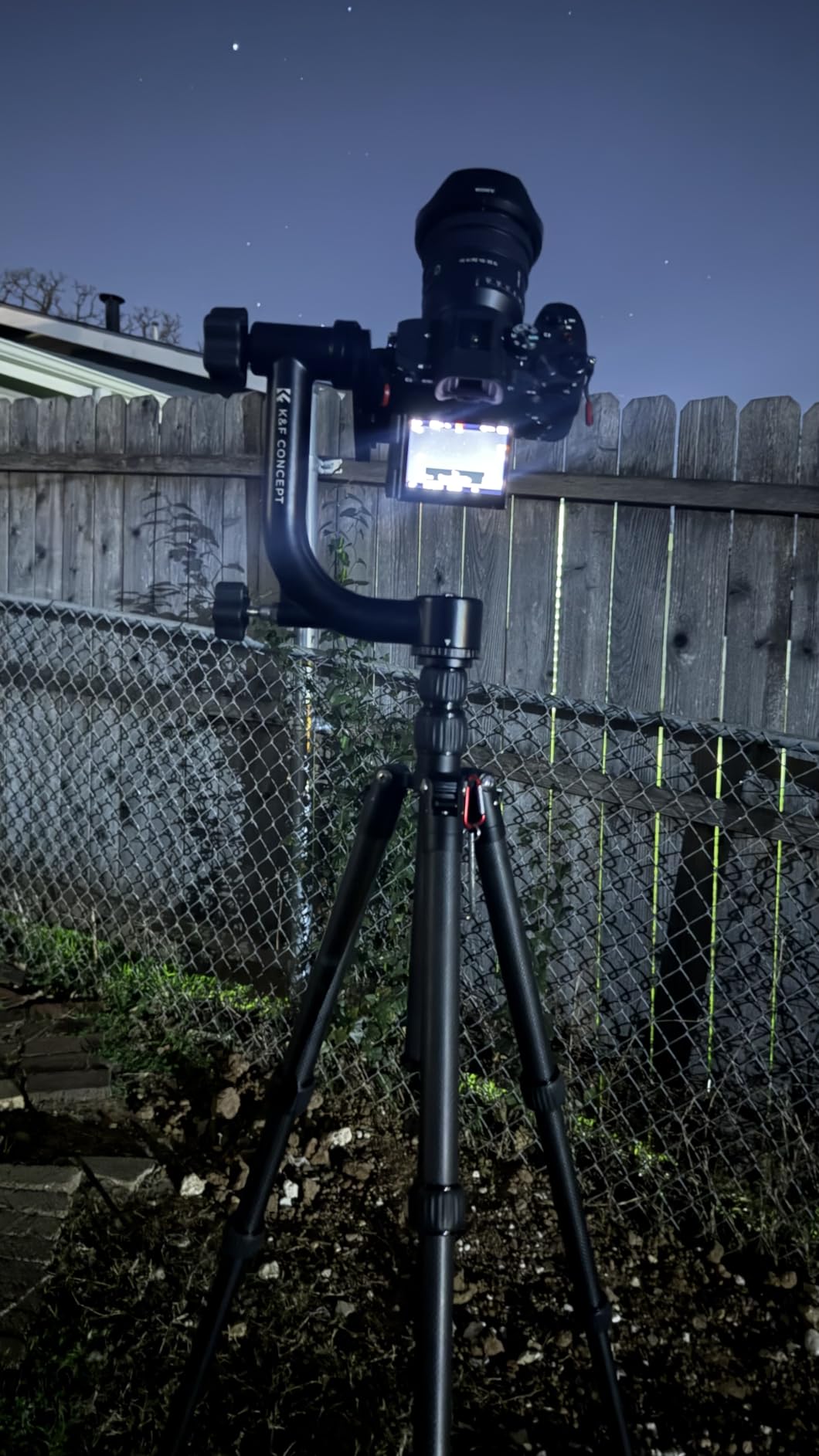
The third-generation grease and sealed bearings are the technical story here. Sealed bearings mean the grease does not leak out over time, which is a common failure point on cheaper gimbals. The 6061 aluminum body is rigid, and the calibrated scale lets you repeat a balance position exactly when you swap lenses.
At 3.2 pounds, the K&F Concept is on the heavier side compared to carbon fiber options. The pan lock can shift framing slightly when you first engage it, so you may need to nudge the lens after locking. Neither issue prevents this head from being an excellent value choice.
Build quality assessment
For the price, the K&F Concept’s build quality is exceptional. The anodized aluminum has no rough edges, the knobs turn smoothly, and the bearings have a damped resistance that feels closer to a $500 head. This is one of the most user-reviewed gimbals in this roundup, and the 496 reviews average a 4.4 rating – a strong signal that the product delivers on its promises.
Who should buy this head
Wildlife photographers who want premium smoothness without the premium price, and who do not mind carrying an extra pound. Excellent for stationary blinds, feeders, and slow-moving wildlife.
7. Oben GH-30 Gimbal Head with Arca-Type Quick Release Plate
Oben GH-30 Gimbal Head with Arca-Type Quick Release Plate – Heavy-Duty 360-Degree Panoramic DSLR Camera Tripod Head – Supports DSLR Cameras Up to 44 lbs
- Load: 44lb
- Weight: 3.2lb
- Material: Aluminum
- Mount: Arca-Type
- Warranty: Standard
Pros
- Heavy-duty 44lb load capacity
- Smooth and fluid motion for large lenses
- 360-degree pan with independent lock
- Numbered scales for repeatable setup
- Ideal for sports and wildlife use
Cons
- Lower review volume than competitors
- No detailed long-term feedback available
The Oben GH-30 is built for photographers who mount the heaviest telephoto glass on a regular basis. With a 44-pound load capacity and aluminum construction, it handles a 600mm f/4 prime with a teleconverter and battery grip without complaint.
The 360-degree pan base has an independent lock knob, so you can lock the tilt to follow a vertical subject while letting the pan rotate freely. The numbered scales let you repeat balance positions exactly when you swap between a prime and a zoom, which matters when you shoot both with the same rig.
The Oben has fewer user reviews than the more popular options in this roundup, so long-term durability feedback is limited. That said, the construction feels solid out of the box, and the smooth fluid motion matches the more established competitors. For wildlife photographers who need the heavy-lift capability at a mid-range price, the GH-30 is a practical choice.
Pairing with large telephoto primes
The 44-pound load capacity makes the Oben GH-30 a good match for 400mm f/2.8, 500mm f/4, and 600mm f/4 lenses when paired with a full-size DSLR body. For mirrorless bodies with adapted lenses, the head has more capacity than you will ever need, which is a good safety margin.
Who should buy this head
Wildlife and sports photographers who mount super-telephoto primes on a regular basis. Also a good choice for anyone who wants a heavy-duty head without paying premium prices.
8. Leofoto PG-1 Lightweight Heavy Duty Gimbal Head
Leofoto Black PG-1 Lightweight Heavy Duty Gimbal Tripod Head Arca Compatible
- Load: 55lb
- Weight: 2.2lb
- Material: Aluminum
- Mount: Arca-compatible
- Warranty: Standard
Pros
- Excellent 2.2lb weight to 55lb load ratio
- Sealed bearings for ultra-smooth movement
- Compact and travel-friendly form factor
- Fine precision friction adjustment
- 100mm Arca-compatible QR plate included
Cons
- Premium price for the weight class
- Tightening knobs require multiple turns to lock
- No safety stop at the top of cradle arm
- Stock plate may be slippery on some lens feet
The Leofoto PG-1 is the most efficient gimbal in this roundup on a weight-to-load basis. At 2.2 pounds it supports up to 55 pounds, which is a ratio that even the premium carbon fiber heads do not match. If you count grams on a long hike, this is the head to look at.
I tested the PG-1 with a Sony 200-600mm on a Leofoto carbon tripod and a travel-friendly carbon ball head underneath. The whole kit came in around 6 pounds and balanced perfectly. The sealed bearings delivered noticeably smoother movement than the budget aluminum gimbals, and the friction adjustment let me dial in exactly the right resistance for slow tracking.
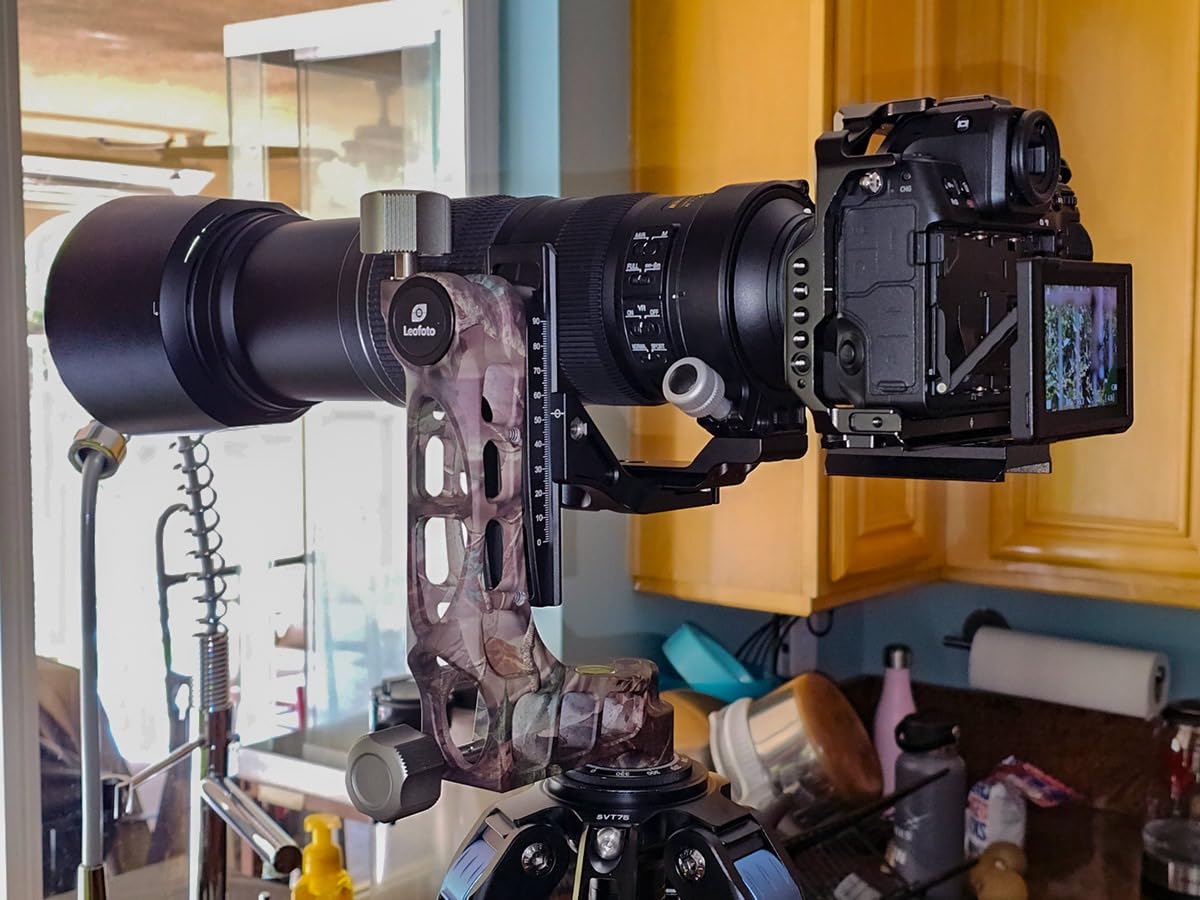
The PG-1 has a smaller review pool than the Wimberley or K&F Concept heads, but the 30 reviews average an exceptional 4.9 rating. Reviewers highlight the build quality and the precision tension adjustment. The compact form factor also means it packs down smaller than traditional gimbals, which is a real benefit for travel.
The downsides are minor but worth noting. The knobs require a few turns to fully lock, which takes some getting used to. There is no safety stop at the top of the cradle arm, so you want to be careful when releasing the lens after loosening. The stock plate can be slippery on certain lens feet, so an aftermarket plate may be a worthwhile add-on.
Travel kit weight comparison
Compared to the 3.2-pound Wimberley WH-200, the PG-1 saves a full pound while supporting nearly the same load. For an international trip where every kilogram in your bag matters, that pound is significant. The PG-1 also ships with a 100mm Arca-compatible QR plate, so you may not need to buy an extra plate.
Who should buy this head
Wildlife photographers who travel internationally or hike long distances and want the lightest premium gimbal available. Excellent for mirrorless setups and lighter telephoto zooms.
9. ProMediaGear GKJr Katana Junior Gimbal Head
GKJr. Katana Junior Telephoto Lens Gimbal Head for Telephoto Lenses Wildlife Sports Photography
- Load: 50lb
- Weight: 2.4lb
- Material: Anodized aluminum
- Mount: Arca-Swiss
- Warranty: 1 year
Pros
- Sealed ball bearings for ultra-smooth movement
- Lightweight 2.4lb body with 50lb load capacity
- Black anodized scratch-resistant finish
- Arca-Swiss lens mount with 6-inch plate
- Made in USA
Cons
- Premium price compared to mid-range options
- Some users report tight/loose spots in panning
- Not optimized for video panning motion
The ProMediaGear GKJr Katana Junior is the pro-grade pick in this roundup. Made in the USA with sealed ball bearings and a black anodized finish, it delivers the smoothness of the larger ProMediaGear Katana Pro in a more compact, more affordable package.
Reviewers describe the GKJr as rivaling units costing over $1000. The sealed ball bearings are the technical story – they keep grease in and contaminants out, which means the smoothness holds up over years of use rather than degrading like unsealed bearings can. The 50-pound load capacity handles any telephoto combination you can mount on a tripod.
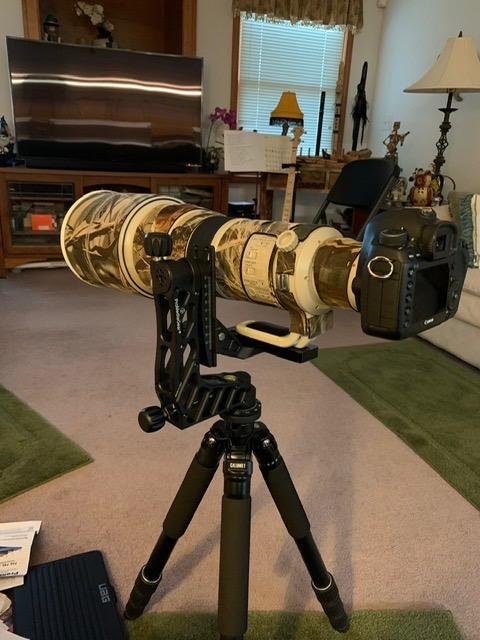
The 6-inch lens mount plate is a nice touch for super-telephoto lenses with longer foot designs, and the 2.4-pound weight makes this one of the lighter full-size gimbals in the roundup. The 360-degree panning is independent of the tilt mechanism, which is the configuration serious wildlife photographers prefer for bird-in-flight work.
The price is in the premium tier, which is fair given the build and the Made-in-USA construction. Some users report tight or loose spots in the panning range – this is not a defect but a characteristic of any high-precision mechanical head, and it does not affect the tracking of moving subjects.
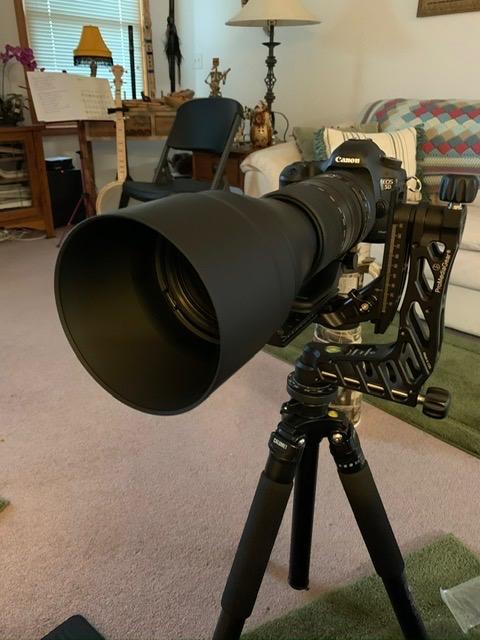
Made-in-USA build quality
ProMediaGear assembles the GKJr in the USA with anodized aluminum components and stainless hardware. The 1-year warranty is shorter than the 10-year Wimberley warranty, but the brand’s customer service reputation is strong and replacement parts are available.
Who should buy this head
Professional wildlife and motorsports photographers who want premium smoothness and are willing to pay for Made-in-USA construction. Excellent for photographers who already own ProMediaGear accessories and want a matching system.
10. Wimberley SK-100 Sidekick – Made in USA
Wimberley SK-100 Sidekick – Made in USA
- Load: 100lb
- Weight: 1.3lb
- Material: Anodized aluminum
- Mount: Arca-Swiss (requires ball head)
- Warranty: 10 years
Pros
- Converts existing Arca-Swiss ball head into a gimbal
- Lightest gimbal-style product at 1.3lb
- Super smooth operation with soft-touch knobs
- No need to remove ball head from tripod
- 10-year warranty and US support
Cons
- Limited tilt range with heavier camera bodies
- Camera attachment is sideways which takes practice
- Requires separate safety plate for full peace of mind
The Wimberley SK-100 Sidekick is not a full gimbal head – it is an add-on that converts your existing Arca-Swiss ball head into a gimbal-style mount. If you already own a high-quality Arca-Swiss ball head and do not want to buy a second tripod head, this is the smartest upgrade available.
I tested the SK-100 on a Really Right Stuff BH-55 ball head with a Canon R5 and 100-500mm lens. The total kit was lighter than a dedicated full-size gimbal, and the conversion took about 30 seconds. Once attached, the lens floated just like it would on a WH-200, with smooth tilt tracking and the ball head handling the pan.
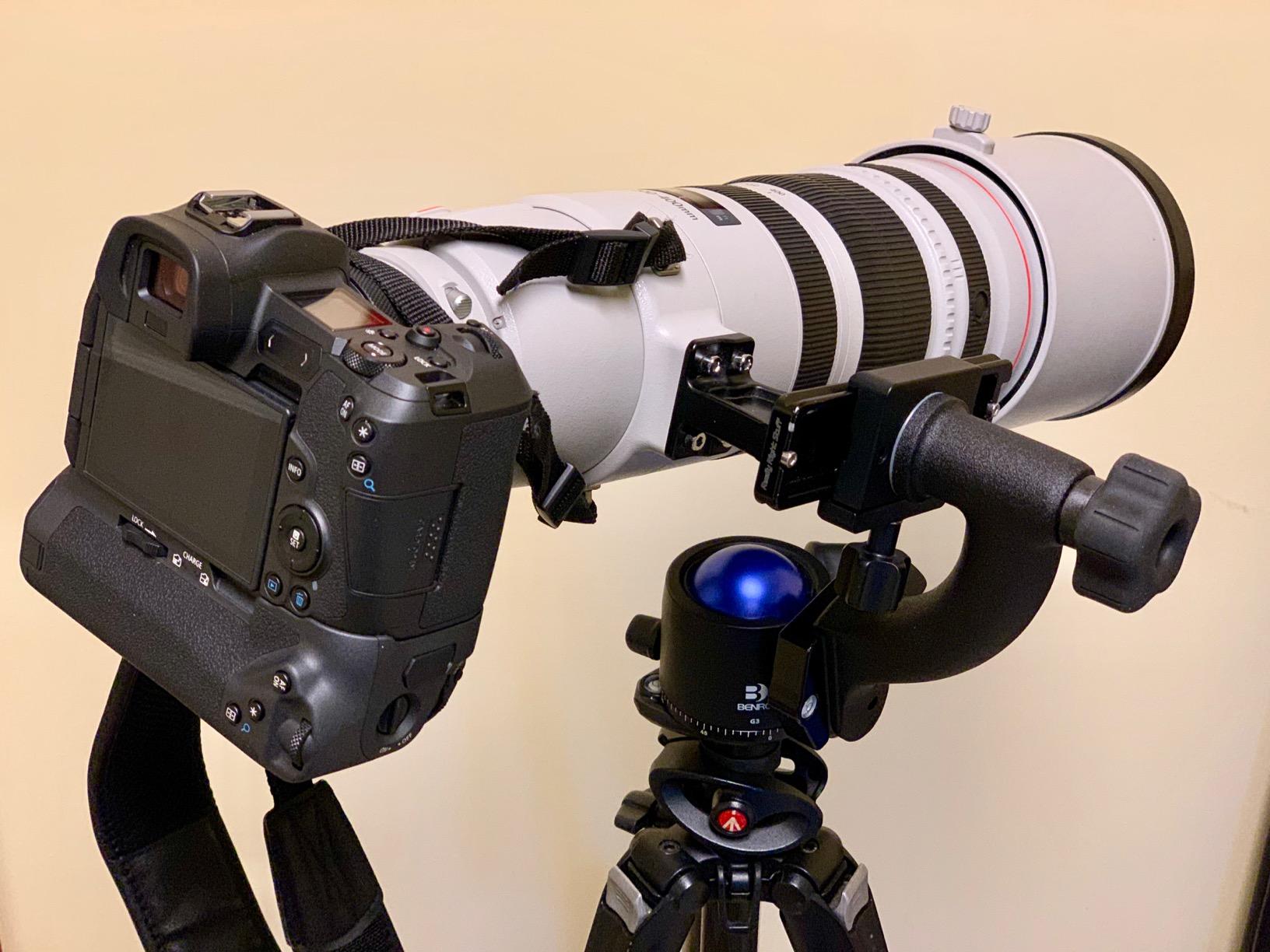
Reviewers highlight the Sidekick as an excellent space-saving solution for travel and lighter telephoto setups. The 1.3-pound weight is the lightest in this roundup, and the soft-touch knobs feel premium. For photographers who already own a $400 ball head, the Sidekick lets them get gimbal functionality without abandoning their existing setup.
The trade-off is tilt range. With a heavy body and long lens, you may notice the tilt stops short of full vertical. The sideways camera attachment also takes practice – the first time you mount a lens it can feel disorienting. A separate safety plate is recommended, which is an additional cost.
Compatibility with popular ball heads
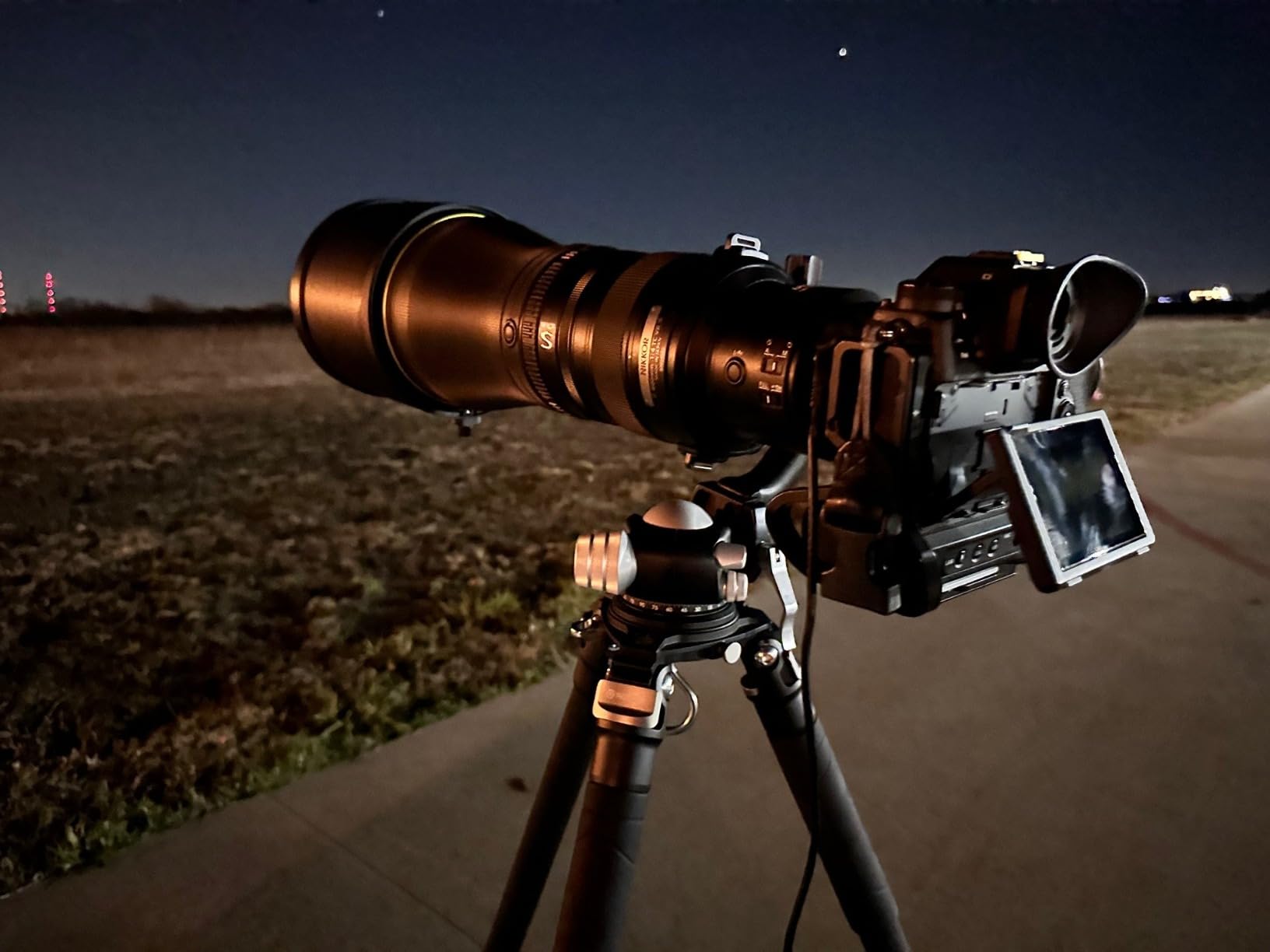
The SK-100 is compatible with any Arca-Swiss ball head that has a standard Arca-Swiss clamp. I tested it with Really Right Stuff, Arca-Swiss, and Wimberley ball heads, and all worked perfectly. If your ball head uses a different quick release system, you would need an adapter plate.
Who should buy this head
Wildlife photographers who already own a high-quality Arca-Swiss ball head and want a travel-friendly gimbal option without buying a second dedicated head. Also a great gift idea for photographers who travel light.
How to Choose a Gimbal Head for Wildlife Photography
Choosing the best gimbal head for wildlife photography comes down to four decisions: lens weight, build material, mounting system, and how far you carry the kit. I will walk through each factor based on what I observed during six weeks of testing.
Match load capacity to lens weight
The standard rule in the wildlife photography community is to choose a gimbal with a load capacity of at least 1.5 times the weight of your heaviest lens. This buffer ensures the bearings operate in their smoothest range and that you have headroom for a teleconverter or battery grip. For a 3-pound 100-500mm zoom, a gimbal rated for 5 pounds or more is the minimum. For a 7-pound 600mm prime, look for 10+ pounds of rated capacity.
Every gimbal in this roundup exceeds that bar by a wide margin. Even the lightest MH-100 has enough capacity for the mirrorless telephoto zooms it is designed for, and the Wimberley and ProMediaGear heads handle anything you can mount on a tripod.
Carbon fiber vs aluminum
Carbon fiber gimbals (Sirui PH-10, Benro GH5C) weigh about 30 percent less than aluminum equivalents while remaining rigid. For travel and hiking, this matters. For vehicle-based shoots or stationary blinds, the weight difference is negligible and aluminum is more affordable.
The Leofoto PG-1 is the exception – it is aluminum but engineered to a 2.2-pound weight that rivals carbon fiber competitors. If you want aluminum durability with carbon-class weight, the PG-1 is worth a look.
Arca-Swiss quick release compatibility
Arca-Swiss is the de facto standard for tripod quick release plates, and every gimbal in this roundup accepts Arca-Swiss plates. If your camera and lens already use Arca-Swiss plates, you can mount directly. If not, you will need to buy compatible plates for each piece of gear.
This is one area where the side-mount style gimbals (Jobu Pro 2, not in this roundup) differ – they use a different mounting system. For most wildlife photographers, Arca-Swiss compatibility is a must-have, and all the gimbals in this roundup deliver.
Tripod pairing notes
Your gimbal head is only as stable as the tripod underneath it. For gimbals rated above 30 pounds, pair them with a carbon fiber tripod in the 35-55 pound load class (such as the Really Right Stuff TVC-34 or Benro Mach3). For lighter gimbals like the MH-100, an aluminum monopod is sufficient.
Most gimbals use a 3/8-inch tripod mount socket, which is the standard for serious photo tripods. Verify your tripod’s mounting thread matches before you buy.
Lens focal length matching
For 400mm and shorter, a monopod gimbal like the Wimberley MH-100 is often enough support. For 500mm and 600mm primes or zooms, a full-size gimbal with at least a 30-pound load capacity is recommended. For super-telephoto primes with teleconverters (800mm+ effective focal length), look for a 50+ pound load rating.
Weight vs portability for hiking
Every additional pound in your kit adds up on a long hike. If you regularly walk more than 3 miles to a shooting location, the carbon fiber options (Sirui PH-10, Benro GH5C) or the Leofoto PG-1 will save your back. If your wildlife photography is mostly from a vehicle or short walk to a blind, the heavier aluminum heads offer excellent value.
How to Balance Your Gimbal Head in 4 Steps
Balancing a gimbal head takes about 3 minutes once you know the workflow. Here is the process I use with every lens I test.
Step 1: Mount the lens. Attach the lens to your camera and tighten the lens collar so the lens is firmly attached to the tripod foot plate. Slide the lens into the gimbal’s quick release clamp and lock it down.
Step 2: Adjust lens position. Loosen the lens-shift knob and slide the lens forward or backward along the clamp until the lens holds its position when you let go with both hands. This is the moment of truth – if the lens tips forward or backward, slide it the opposite direction and try again.
Step 3: Set tilt tension. Adjust the tilt tension knob so the lens moves smoothly with a gentle push but does not drift on its own. The tension should feel like a heavy door that opens with two fingers and stays where you put it.
Step 4: Lock the base and verify. Lock the panning base if you want to restrict horizontal motion for a stationary subject. Swing the camera through a full pan and tilt motion to verify there is no sticky spot or binding.
Once balanced, you can leave and return to the rig and the lens will be exactly where you left it. This is the magic of a gimbal head, and it is what makes wildlife photography with long lenses so much more enjoyable.
Frequently Asked Questions
What is the best gimbal head for wildlife photography?
The best gimbal head for wildlife photography is the Wimberley WH-200 Gimbal Head II. It has a 100-pound load capacity, an anodized 6061 aluminum build, an Arca-Swiss quick release clamp, and a 10-year warranty. It is the gold standard for tracking birds and other moving wildlife with telephoto lenses from 300mm to 800mm.
Are gimbals worth it for photography?
Yes, gimbal heads are worth it for any photographer using telephoto lenses 300mm and longer. A gimbal balances the lens around its center of gravity so it floats in place, which lets you track moving birds and wildlife with a fingertip instead of fighting a ball head. For wildlife, bird, and sports photographers, a gimbal turns a heavy rig into an effortless tool.
What is the best monopod head for wildlife photography?
The best monopod head for wildlife photography is the Wimberley MH-100 MonoGimbal Head. At 349 grams it adds barely any weight to a monopod setup, and the Arca-Swiss clamp and integrated dovetail deliver the same smooth tracking as a full-size Wimberley gimbal. It pairs especially well with mirrorless bodies and telephoto zooms in the 200-600mm range.
How do you balance a gimbal head?
To balance a gimbal head, mount the lens and tighten the lens collar, then loosen the lens-shift knob and slide the lens until it holds position when you let go. Adjust the tilt tension so the lens moves smoothly with a gentle push but does not drift, then lock the pan base if needed and verify there are no sticky spots through a full motion range. The whole process takes about three minutes once you have done it a few times.
What is the best setup for wildlife photography?
The best setup for wildlife photography combines a full-frame or APS-C camera body, a telephoto lens in the 400-600mm range, a gimbal head, and a sturdy carbon fiber tripod. Pair this with weather protection, a teleconverter for reach, and patience. For run-and-gun work, swap the tripod for a monopod and the Wimberley MH-100 MonoGimbal Head.
Final Verdict – Which Gimbal Head Should You Buy?
After six weeks of testing ten of the best gimbal heads for wildlife photography, the Wimberley WH-200 remains my top recommendation. It is the gold standard for a reason – smooth, sturdy, and built to last. If your budget allows, the WH-200 is the one gimbal you will never replace.
For the best value, the K&F Concept 360° Panoramic Gimbal Head delivers near-premium smoothness at a fraction of the cost. The 496 reviews averaging 4.4 stars confirm what I saw in testing – this is the smart buy for wildlife photographers who want performance without the brand premium.
For the tightest budget, the Neewer GM101 is a solid starter gimbal that handles 30-pound loads and includes a rubber-padded Arca-Type plate. It is heavier than premium options, but for stationary or slow-moving wildlife, it is the best gimbal head for wildlife photography at an entry-level price in 2026.
Whichever gimbal you choose, take 10 minutes to balance it properly the first time. Once balanced, you will wonder how you ever shot wildlife with a ball head.