
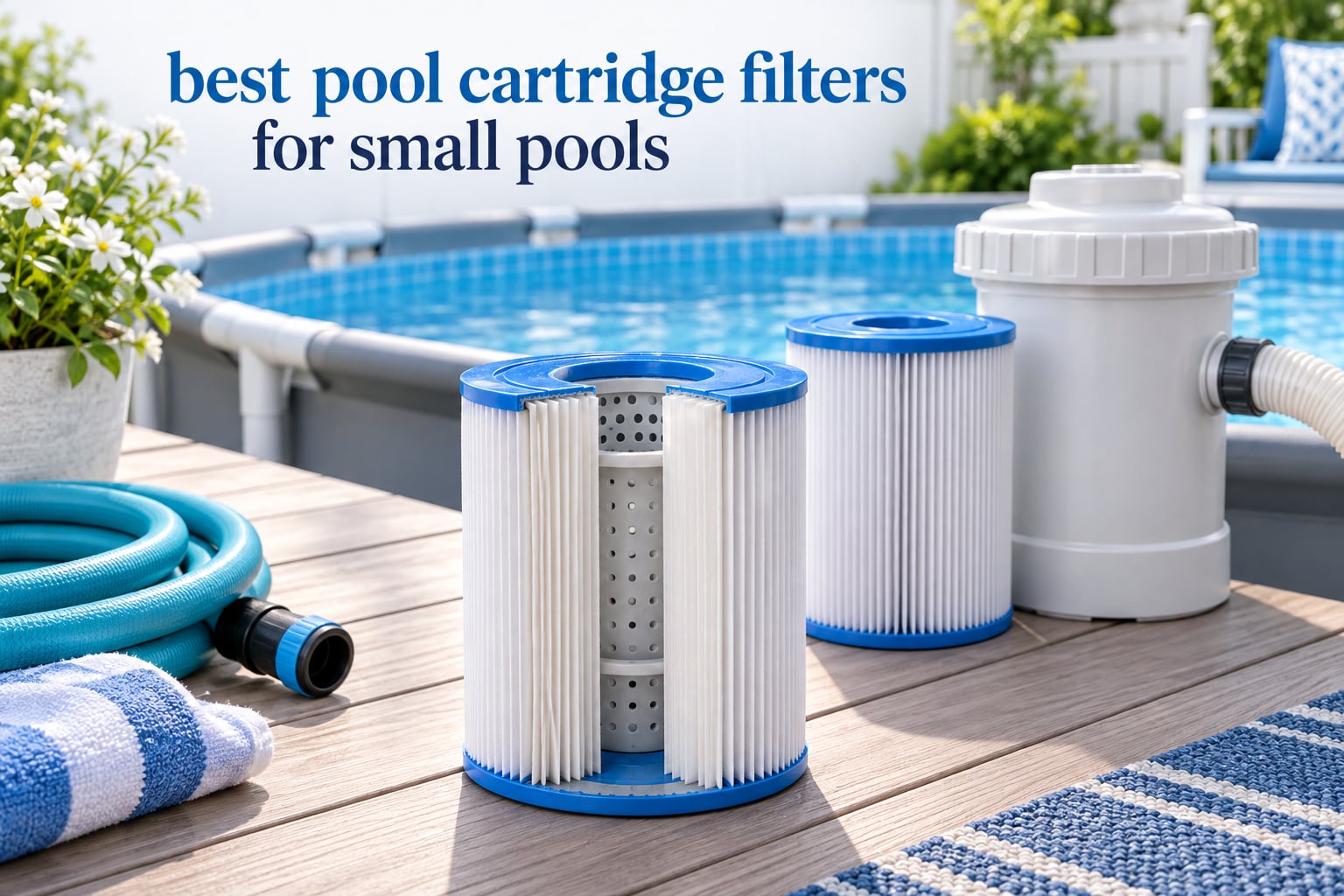
Most small pools do not need a big filter. They need the right cartridge that fits the pump they already have, with enough pleated media to keep the water moving. The best pool cartridge filters for small pools fall into two groups: throwaway sleeves for Intex and Bestway style above-ground pumps, and permanent housings for owners who are tired of buying a new cartridge every two weeks.
Our best overall pick is the Intex Type A 29002E two-pack, because it is the OEM element for the most common Krystal Clear cartridge pumps in the country and it holds a 4.7-star average across more than 54,000 ratings. If your pump takes a Type B element, the Intex 29005E is the one to buy. For the tightest budget, the Volca Spares Type A or C four-pack covers Intex and Summer Waves canisters at the same time.
We compared 10 cartridge filters and filter systems that cover the whole small-pool fitment range, from 300 GPH Type I pumps up to 16,000-gallon setups. Everything below is scoped to pools under roughly 15,000 gallons, because that is where cartridge filtration actually wins against sand and diatomaceous earth.
Table of Contents
- Top 3 Picks for Small Pool Cartridge Filters (October 2026)
- Best Pool Cartridge Filters for Small Pools in 2026
- How to Size a Cartridge Filter for a Small Pool
- Cartridge vs Sand vs D.E. for Small Pools
- 1. Intex Type A 29002E – OEM Fit for Common Krystal Clear Pumps
- 2. Intex Type B 29005E – 13.5 sq ft of Heavier Dacron Media
- 3. POOLPURE Type A or C – Trilobal Fabric With Dirt-Locking Rinse Release
- 4. U.S. Pool Supply Type A or C – Widest Universal Pump Coverage
- 5. POOLPURE Type B – Reusable Element for Flow Clear and Easy Set
- 6. KGC Type I – For the 300 and 330 GPH Pumps Nothing Else Fits
- 7. Future Way Type A or C – NSF Certified With Reinforced End Caps
- 8. VEVOR 50 sq ft Tank – A Permanent Housing Instead of Throwaway Sleeves
- 9. Bestway 2,500 GPH Filter Pump – Pump and Cartridge in One Box
- 10. Volca Spares Type A or C – One Cartridge Covers Intex and Summer Waves
- Matching the Filter to Your Pump
- When to Replace Your Cartridge
- Frequently Asked Questions
- Conclusion: Which Small Pool Cartridge Filter Should You Buy?
Top 3 Picks for Small Pool Cartridge Filters (October 2026)

Intex Type A 29002E Two-Pack
- OEM fit for Krystal Clear cartridge pumps
- Easy-to-rinse Dacron paper media
- Fits pump models 28603EG 28637EG 28635EG
- Two pack keeps a spare on hand

Intex Type B 29005E Two-Pack
- 13.5 sq ft of Dacron filament media
- 63 pleats for heavier filtration
- Replaces Intex 29005E cartridges
- Fits a long list of Krystal Clear pumps

POOLPURE Type A or C
- Trilobal fabric claims three times the surface area
- Dirt-locking design releases debris on rinse
- 50-micron fine filtration layer
- Also reported to fit Coleman pools
As an Amazon Associate we earn from qualifying purchases. CERTAIN CONTENT THAT APPEARS ON THIS SITE COMES FROM AMAZON. THIS CONTENT IS PROVIDED 'AS IS' AND IS SUBJECT TO CHANGE OR REMOVAL AT ANY TIME.
Best Pool Cartridge Filters for Small Pools in 2026
| Product | Specifications | Action |
|---|---|---|
|
Intex Type A 29002E Two-Pack
|
|
Check Latest Price |
|
Intex Type B 29005E Two-Pack
|
|
Check Latest Price |
|
POOLPURE Type A or C
|
|
Check Latest Price |
 U.S. Pool Supply Type A or C Four-Pack
|
|
Check Latest Price |
 POOLPURE Type B Two-Pack
|
|
Check Latest Price |
 KGC Type I Four-Pack
|
|
Check Latest Price |
 Future Way Type A or C
|
|
Check Latest Price |
 VEVOR 50 sq ft Filter Tank
|
|
Check Latest Price |
 Bestway 2,500 GPH Filter Pump
|
|
Check Latest Price |
 Volca Spares Type A or C Four-Pack
|
|
Check Latest Price |
We earn from qualifying purchases. CERTAIN CONTENT THAT APPEARS ON THIS SITE COMES FROM AMAZON. THIS CONTENT IS PROVIDED 'AS IS' AND IS SUBJECT TO CHANGE OR REMOVAL AT ANY TIME.
How to Size a Cartridge Filter for a Small Pool
Sizing a cartridge filter comes down to one number: how many gallons of water your pump pushes through the element each hour. Find the GPH printed on your pump label, multiply it by the hours you plan to run the pump, and that is your daily turnover volume. The cartridge only needs enough media to handle that flow without the pressure gauge climbing too fast.
Use pool volume as your starting point instead of cartridge square feet, because the gallons are what create the cleaning load. A 1,000-gallon inflatable pool and a 12,000-gallon in-ground pool do not put the same demand on an element, and the same cartridge can work well for one and poorly for the other.
Here is how we map the small-pool bands. The turnover column assumes a 10-hour filtration cycle, which is the upper limit most pool manuals accept.
Under 2,000 gallons: inflatable and pop-up pools running 300 to 600 GPH pumps. A Type I or Type A element sized 8 inch tall by roughly 4.25 inch diameter is all these pools need. Anything larger is dead weight you carry every time you pull the element for a rinse.
2,000 to 5,000 gallons: the most common small above-ground setup, usually a 1,000 to 1,500 GPH pump. Type A or C cartridges in the 8 x 4.25 inch class handle this comfortably, and 2 to 4 cartridges a season is a realistic budget.
5,000 to 10,000 gallons: you want a 1,500 to 2,500 GPH pump and roughly 50 sq ft of pleated media. This is where the Type B 13.5 sq ft class and permanent 50 sq ft housings start to make more sense than a thin paper sleeve.
10,000 to 15,000 gallons: a 2,500 GPH pump with 100 to 200 sq ft of media is the sensible target. Above-ground style pumps typically move 30 to 60 GPM, while in-ground pumps can move 75 to 150 GPM, so match the filter to the lower flow rate of the pair you actually own.
For a 5,000 gallon pool specifically, the answer is roughly 50 to 100 sq ft of cartridge media paired with a pump rated around 40 to 50 GPM. Oversizing inside the pump’s rated flow is the right move. Oversizing beyond it is not, because the pump simply pushes harder through the element and the pressure gauge never settles.
Cartridge vs Sand vs D.E. for Small Pools
A cartridge filter is the lowest-friction option for a small pool, but it is not the only one and it is not always the right one. Filtration quality is usually measured in microns, and a single strand of hair is about 50 microns wide, which is a useful anchor for comparing media types.
Cartridge media traps particles down to about 10 to 15 microns. It never backwashes, so you are not discharging water or filter chemicals into your yard, and the element is rinsed with a hose instead of flushed. The tradeoff is manual labor every one to four weeks and a replacement every three to five years for quality pleated media.
Sand filters sit around 20 microns and last five to seven years, but they need a weekly backwash that sends several hundred gallons of water down the drain. On a small pool that water is not trivial, and the waste carries whatever is in the water with it.
Diatomaceous earth filters reach about 1 micron and are the finest of the three, but they need powder topped up regularly and the spent DE has to be handled carefully because disposal rules are strict in some areas. For a 12-foot pool, the maintenance burden rarely pays for itself.
The honest summary: cartridge wins for small pools that people actually maintain by hand, sand wins for low-maintenance setups in areas where water is cheap and legal to waste, and DE wins for anyone chasing the finest possible clarity with a large enough tank.
1. Intex Type A 29002E – OEM Fit for Common Krystal Clear Pumps
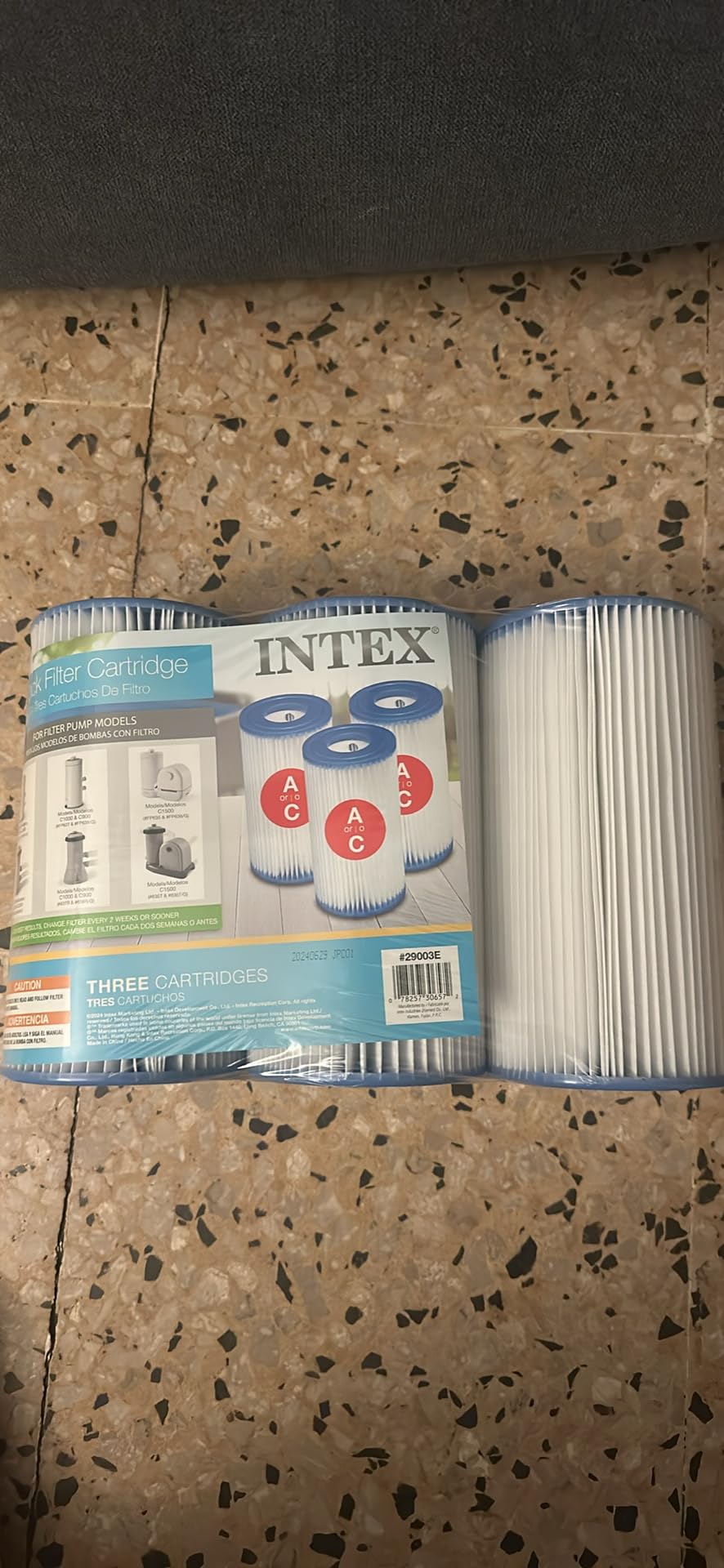
INTEX 29002E Type A Pool Filter Cartridge: for INTEX Filter Pumps – Easy-to-Clean – Dacron Paper – Efficient Filtration – Two Pack
- Dacron paper media
- Two pack
- Fits 28603EG 28637EG and 28635EG pumps
- Replace about every two weeks
Pros
- Exact OEM fit for the most common Intex Krystal Clear cartridge pumps
- Rinses clean and can be reused when maintained
- Two pack keeps a spare on hand for the two-week change interval
- Very high review volume with a 4.7-star average
Cons
- Compatibility list does not cover Coleman pumps despite broad listing imagery
- Needs replacing roughly every two weeks in heavy use so ongoing cost adds up
This is the element most small pools are already set up to accept. The 29002E is an Intex part, not a generic clone, and it drops straight into the Krystal Clear cartridge filter pumps that ship with Easy Set pools. If your pump label carries 28603EG, 28637EG or 28635EG, this is the one.
The media is Dacron paper rather than a thick pleated cartridge, which is exactly why the manufacturer recommends swapping it about every two weeks. In practice owners rinse it and run it longer when the pool is quiet, and swap it out in warm weather when the water loads up fast. Two cartridges per pack means a season’s worth of changes for most 1,000-gallon setups.
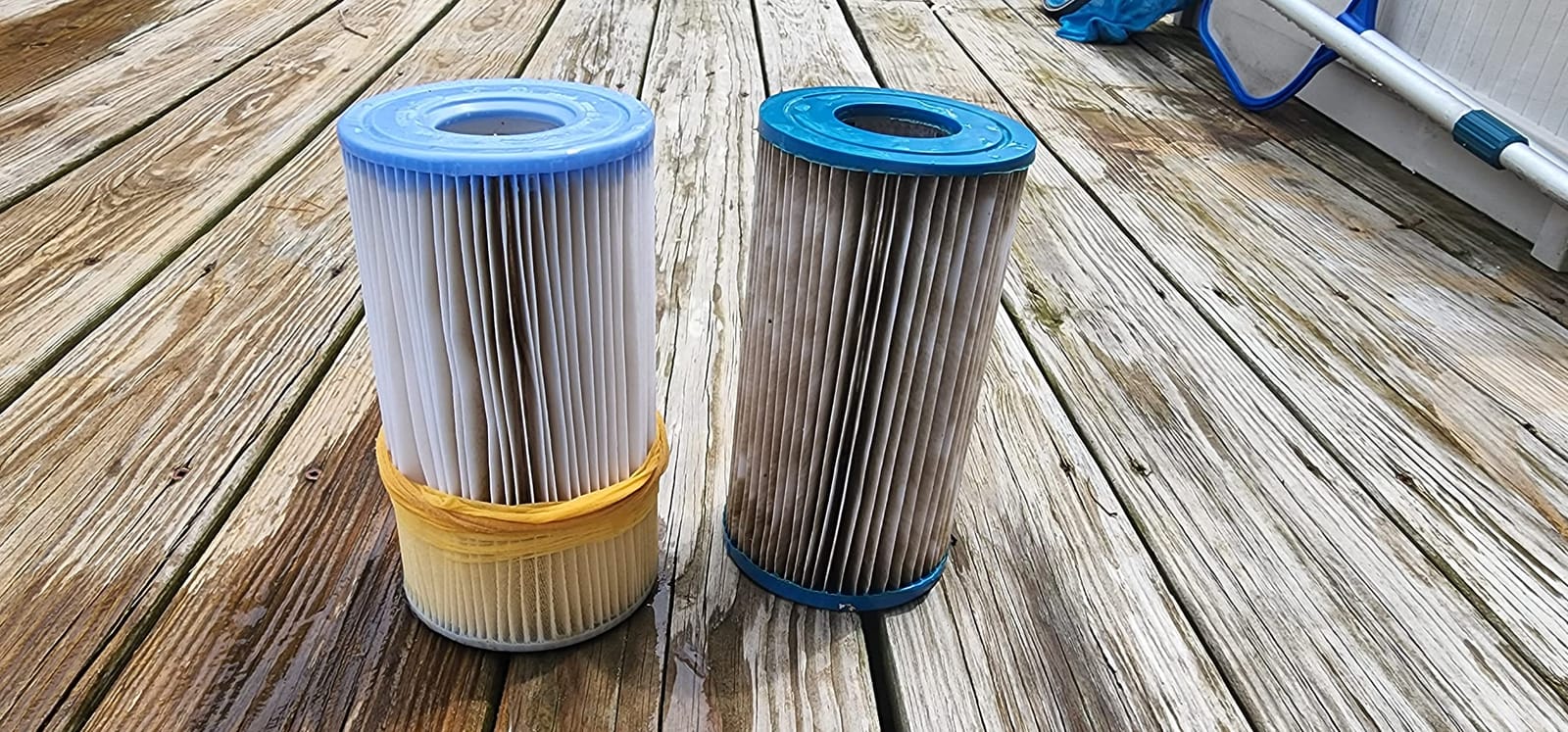
The catch is fitment creep. Listings for this cartridge show a wide range of pump models in the imagery, but it does not fit Coleman pumps, and the compatibility list on the box is the reliable source. The pump housing is 4.2 inch diameter by 8.4 inch wide by 8.1 inch tall, which matches the Type A footprint shared by several other brands.
If you own a Type A pump, there is no better first cartridge. The 4.7-star average across 54,559 ratings reflects millions of cycles of fit confirmation, and the paper rinses clean enough to reuse between swaps. The only reason to look elsewhere is cost per cartridge over a full season, where a four-pack aftermarket option starts to win.
Is it worth buying the OEM cartridge instead of an aftermarket copy
For Type A pumps, yes, because the fit tolerance is tight and the OEM part is dimensioned to that housing exactly. The failure reports we saw on cheaper copies are almost always about a cartridge that is slightly too narrow and tightens the pump lid.
The OEM part is a consumable you will buy every season, so the per-unit cost matters more than the sticker. Owners who run two cartridges a month should compare that against a four-pack of aftermarket equivalents before committing.
When to skip it entirely
Skip it if your pump is a Type B, Type C/III, Type I or Type IV-B. Those are physically different elements with different diameters, and the confusion between Type A and Type B is the single most common ordering mistake we saw in the research.
Also skip it if you are tired of buying disposables. At a two-week cadence the cartridge cost becomes the dominant expense of running a small pool, and a permanent housing or a reusable pleated element fixes that problem outright.
2. Intex Type B 29005E – 13.5 sq ft of Heavier Dacron Media
INTEX Type B Pool Filter Cartridge for Above Ground Swimming Pools, 2-Pack
- 13.5 square feet of media
- 63 pleats
- Replaces Intex 29005E
- 5.75 by 10 inch element
Pros
- Thicker heavier Dacron paper holds more debris than lighter cartridges
- Fits a wide range of Krystal Clear and legacy Intex pump models
- Easy to install and hose down for reuse between changes
- Multi-pack sizes let you stock up for a season of two-week changes
Cons
- Not the same size as Type IV cartridges so it is not a universal substitute
- Typically retired after a couple of weeks of heavy use
The Type B is the answer if your pump takes 59905 cartridges, and it is a meaningful step up from Type A in media weight. Thirteen and a half square feet across 63 pleats holds noticeably more debris between rinses, which in practice means fewer changes over a busy summer.
Fitment is broad on the Intex side. The listed compatible pumps include Krystal Clear FP621R, 520R, 633, 520, 51, 59901E, 59905E, along with 56611, 56621, 56633, 56631, the CS8221 and CS8231 and CS8111 units, 634RC, 634T, 633T and the pre-2004 58621. The element measures 5.75 by 10 inches, and it weighs about a pound.
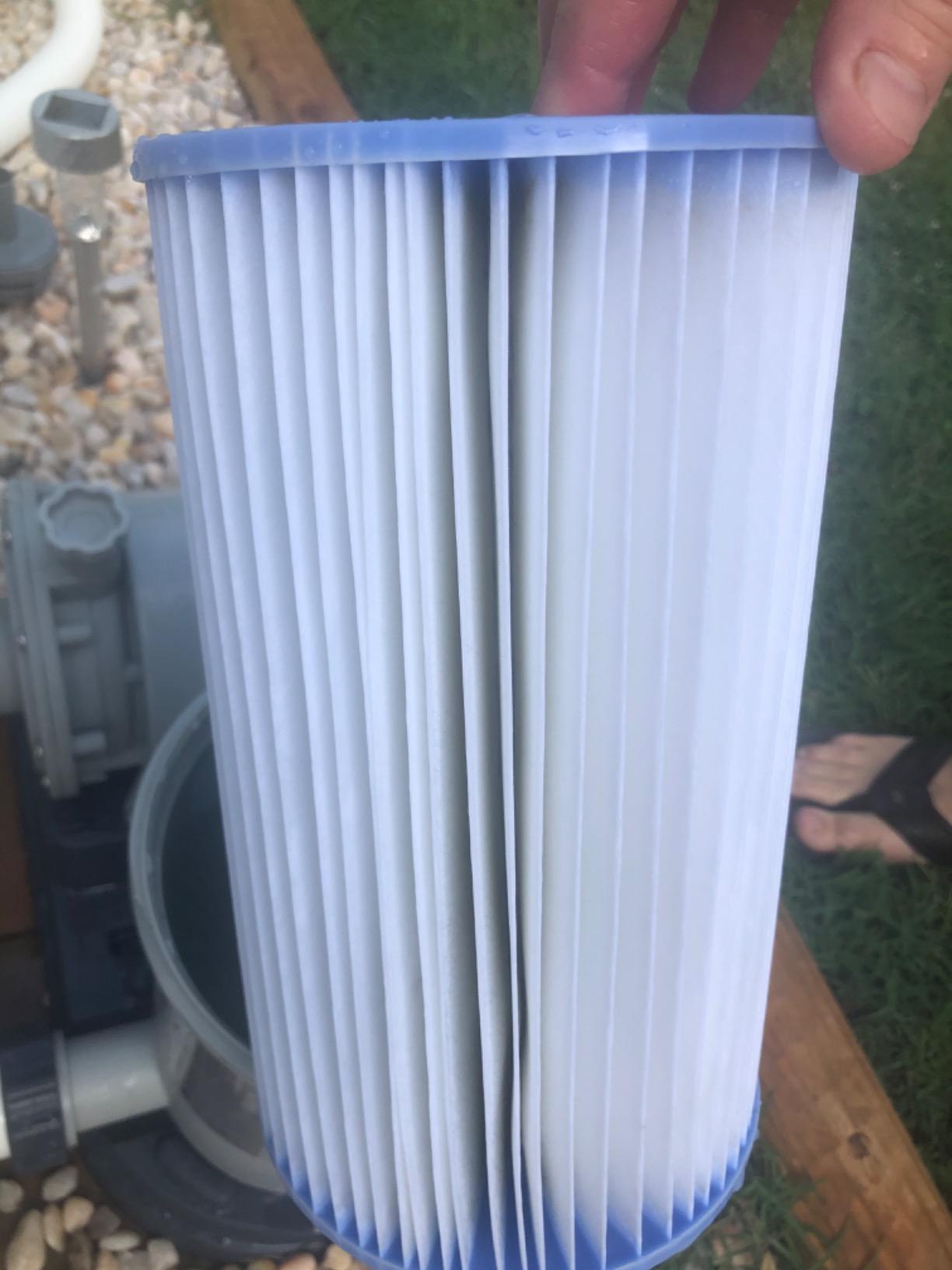
Two warnings from the review data. First, Type B is not interchangeable with Type IV cartridges even though some listings cross-reference them, and that mismatch is where a lot of wasted orders come from. Second, this is still a disposable-grade element rated for replacement as often as every two weeks, so owning a larger media area does not change the replacement cadence.
For a 1,500 to 2,000 gallon pool on a Type B pump, this is the right cartridge and the pack size means you will not run out mid-season. Long-term owners report steady clarity and durability when rinsed, which is the part that matters for a pool used daily by kids.
How to tell Type B from Type A in thirty seconds
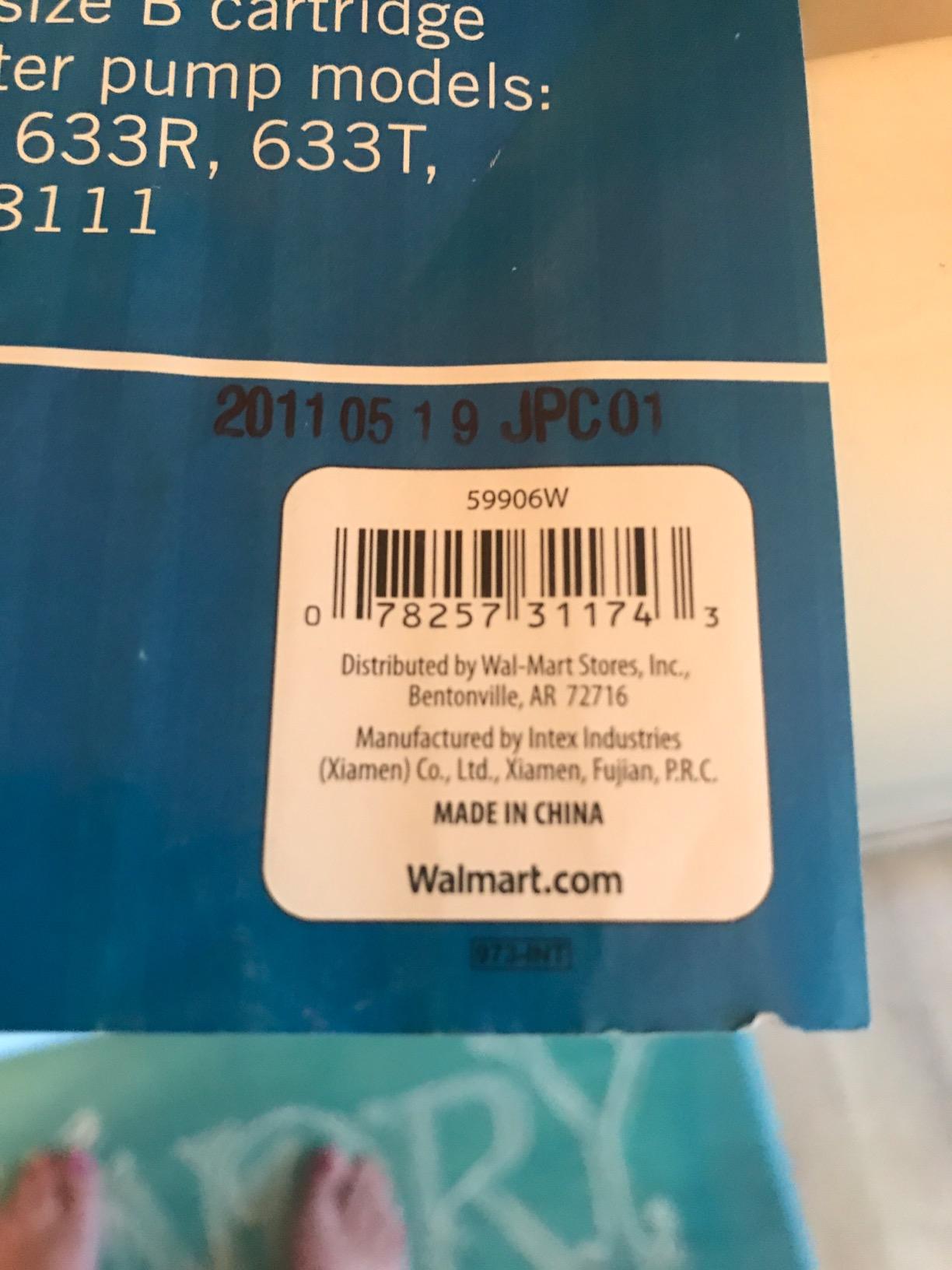
Pull the old cartridge and measure it. Type A is about 8 inch tall by 4.25 inch diameter. Type B is 5.75 by 10 inches, noticeably longer and narrower, with a larger footprint in the pump housing.
Then check the model number printed on the pump housing or the old element itself. 29005E or 59905 means Type B, and 29000E or 59900 means Type A. That single code saves the guesswork.
When the thicker media is not enough
Thicker media helps, but it does not change the physics of a small pump. If your pool sits near trees or gets heavy sunscreen and body oil traffic, the element will still load up faster than the manual change schedule.
That is the case for stepping up to a permanent housing with 50 sq ft of pleated surface, or for adding an oil-absorbing sponge pad in front of the element to cut the grease load before it reaches the fibers.
3. POOLPURE Type A or C – Trilobal Fabric With Dirt-Locking Rinse Release
POOLPURE Type A or C/III Pool Filter Replaces Intex 29000E/59900E/#29003E
- Trilobal non-woven fabric
- 50-micron filtration layer
- 8 by 4.2 inch size
- Replaces Intex 29000E and 59900E
Pros
- Trilobal fiber structure claims roughly three times the adsorption surface of conventional fabric
- Dirt-locking design releases trapped debris easily when rinsed
- 50-micron layer catches fine hair dust leaves and sand
- Owners report it also fits Coleman above-ground pools
Cons
- The end rim or ring can crack or tear when pulled from a tight pump cap
- Some users still change it every few days during peak use
This is the aftermarket pick we would put ahead of the OEM cartridge on a value basis, because the fabric is engineered for reuse rather than disposal. The trilobal non-woven structure is the reason it rinses back to usable condition instead of matting permanently after one wash.
Filtration is rated at 50 microns with a fine filtration layer that the manufacturer claims removes up to 99% of fine particles. That is a coarser figure than the 10 to 15 micron range people associate with pleated cartridges, so do not read it as equivalent. In practice the 50-micron layer catches hair, dust, leaves and grit, which is the bulk of what clouds a small pool.
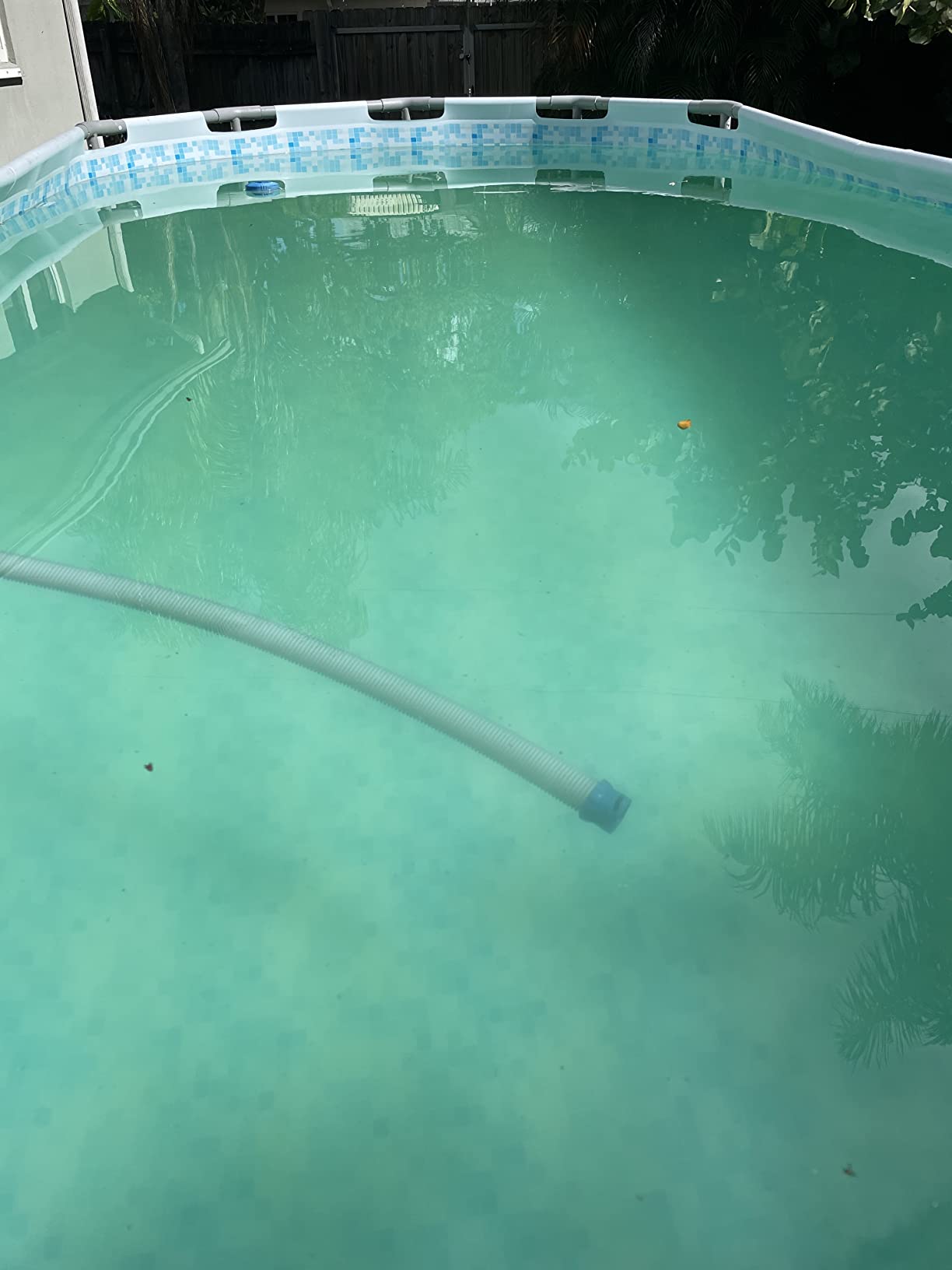
Fitment is the 8 by 4.2 inch Type A or C footprint, replacing the Intex 29000E and fitting pumps using 59900 cartridges. The listed compatible pumps include 28603EG, 28637EG, 28635EG, 28671EG, 58603E, 58604E, 56635E through 56638E, 58623, and the Krystal Klear 02 and 12R. Owners also report it working in Coleman above-ground pools, which the OEM Intex part does not cover.
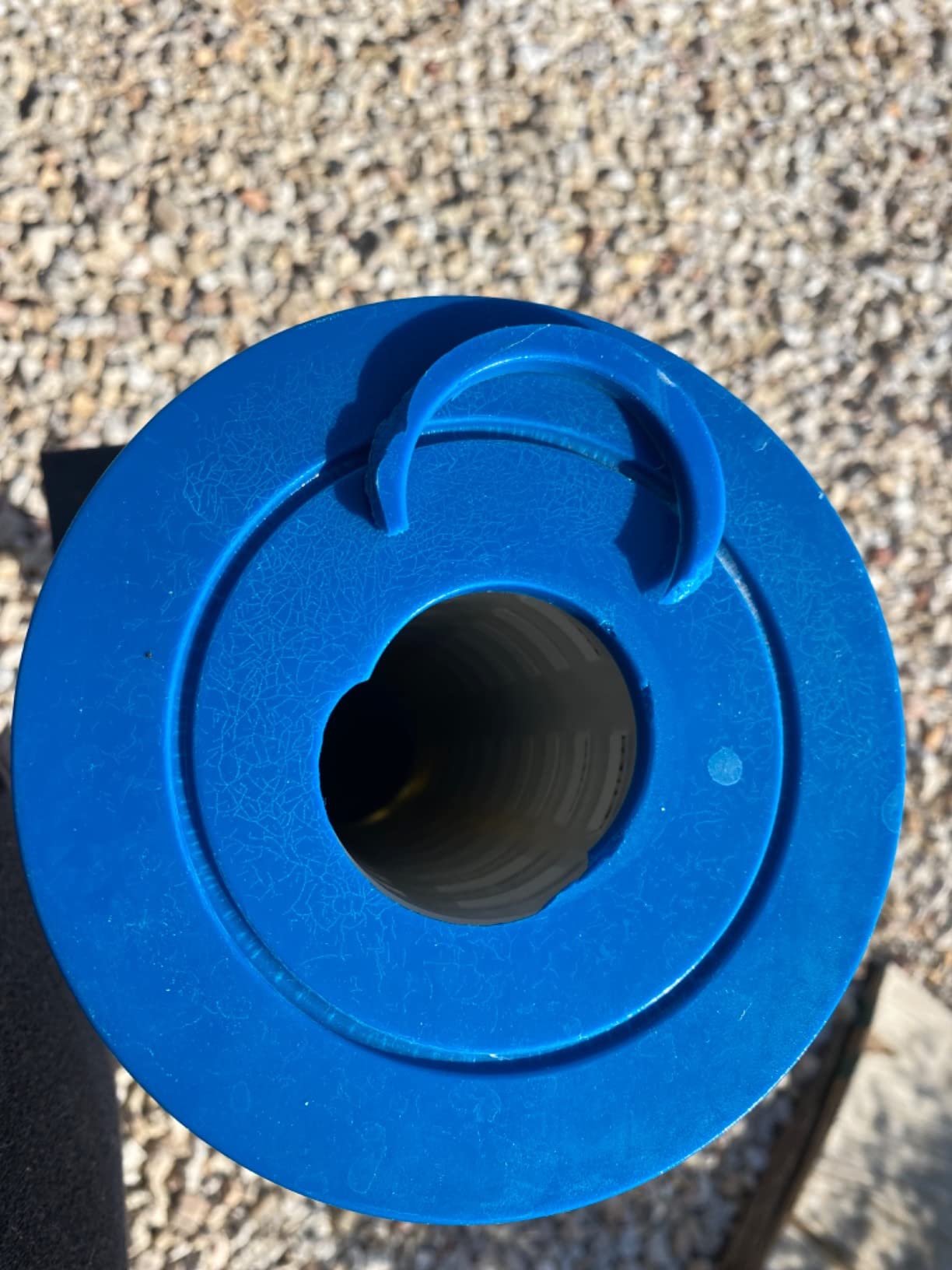
The weakness is the plastic end rim. A long-term owner reported it cracking after a season of use, and the recurring complaint is that the ring tears when the element is pulled out of a tight pump cap. Treat it gently on removal and rinse with a gentle hose spray rather than a pressure washer.
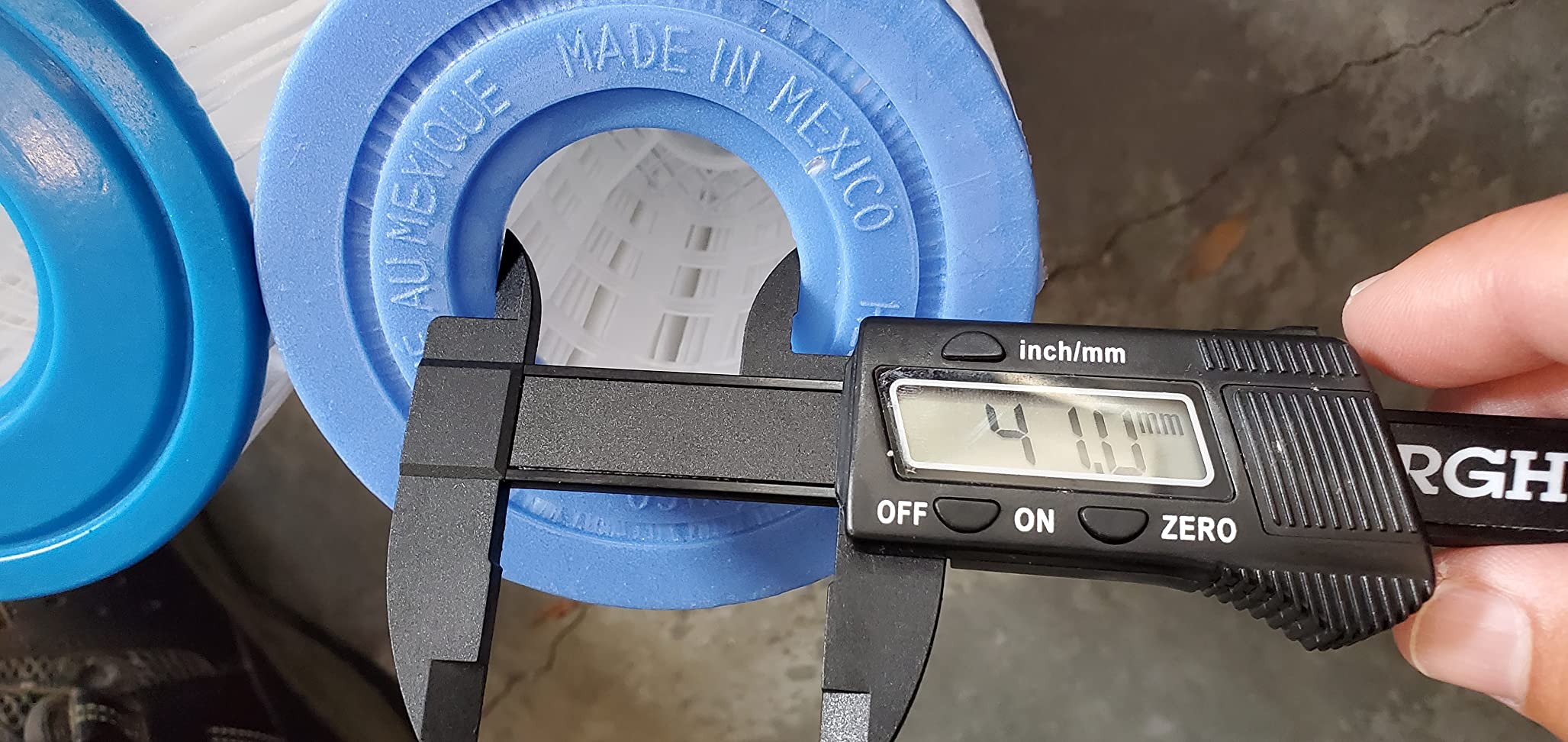
What the trilobal fabric actually changes
Trilobal media has three-lobed fibers instead of flat strands, which multiplies the surface area available to catch particles and, more usefully, lets trapped dirt release when you rinse. Flat paper media mats and stays loaded, which is why disposables get tossed.
That is the real difference here. The claimed three-times adsorption surface matters less than the dirt-locking behavior, because a cartridge that releases debris can be rinsed and returned to service many times.
How long it realistically lasts in a small pool
Expect weeks, not years. Owners in the data report visible clarity improvement within about 24 hours of a swap, and several contrast it favorably with low-cost big-box cartridges that only survive a rinse or two. Some still change it every few days at peak use.
So the value is not a permanent solution. It is a cartridge that costs less per change than the OEM and holds its filtering ability across more than one rinse in between.
4. U.S. Pool Supply Type A or C – Widest Universal Pump Coverage
U.S. Pool Supply Universal Replacement Filter Cartridges, Type A or C, 4 Pk
- Four pack of universal cartridges
- 8 inch high by 4.25 inch diameter
- Roughly 2 inch center hole
- For 530 to 2000 GPH pumps
Pros
- Universal Type A C and III fitment spanning Intex Bestway and Summer Waves pumps
- Collapse-resistant hard plastic core holds shape across many cleaning cycles
- Four pack balances bulk value and shelf stability well
- Owners report it catches a lot of debris and is easy to install
Cons
- Fit is looser than the original Intex paper cartridges inside some pump housings
- Loose fit can mean more bypass around the element than OEM media
If you are not sure which brand made your pool, this is the cartridge that removes the guesswork. It is a universal Type A, C and III replacement sold as a four-pack, and the compatibility list covers Intex, Bestway and Summer Waves pumps in the same box.
The listed models are extensive: Intex 28603EG, 28637EG, 28635EG, 604/G, 636T/G and 638R/G, Bestway 58384 and 58387 through 58390, and a long list of Summer Waves RX1000, RX1500, RP800 through RP2000, SFS1000 through SFS2000 and CP2000-C canisters. It works with pumps rated from 530 GPH all the way up to 2,000 GPH.
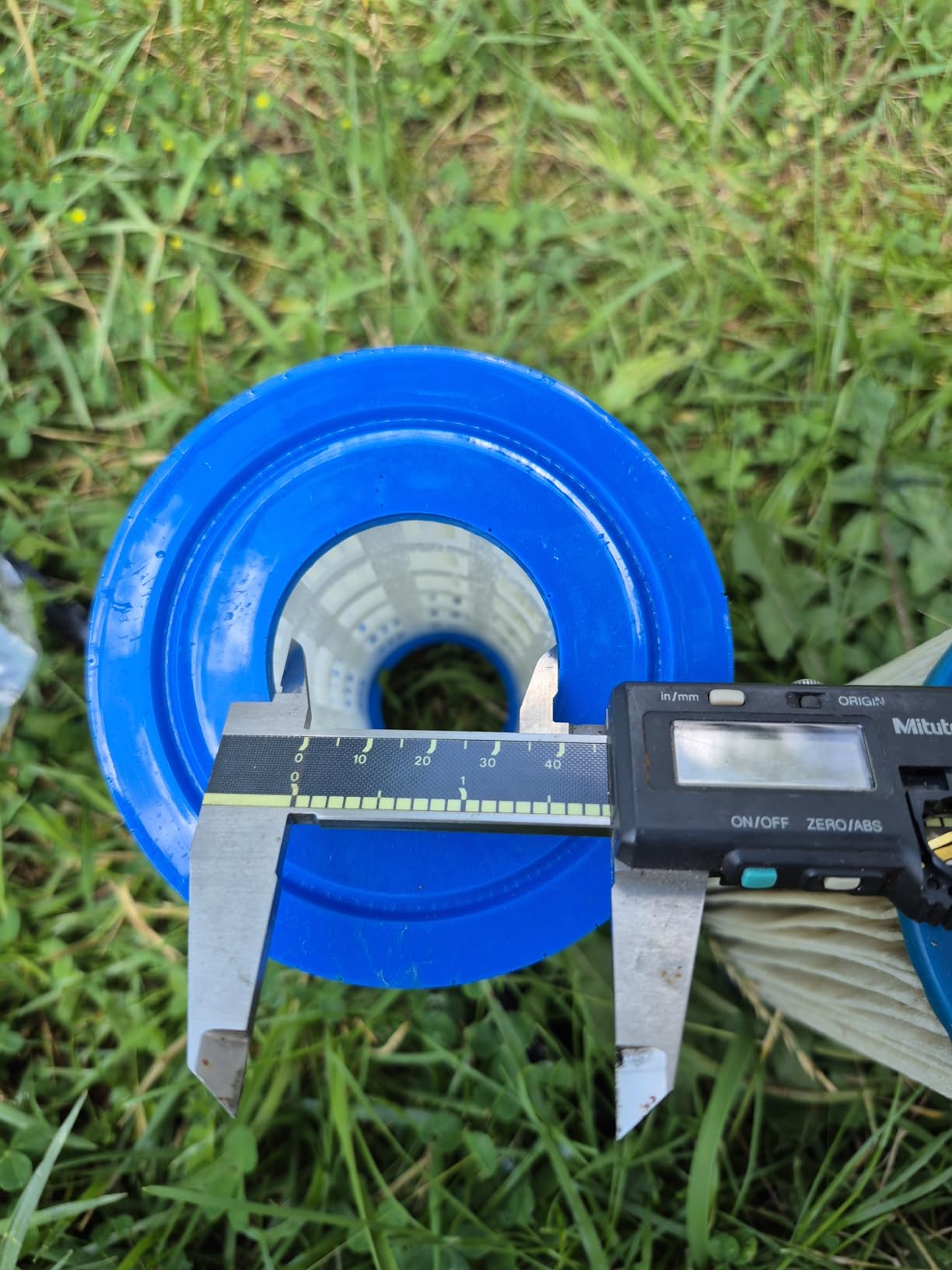
Build details matter here. The media is polyethylene terephthalate fibers around a hard plastic inner core designed to resist collapsing when you hose it down. A cardboard or hollow-paper core is the usual failure point on cheap cartridges, and a rigid core is what lets you rinse one repeatedly.
Dimensions are 8 inch high by 4.25 inch diameter with roughly a 2 inch center hole, and each cartridge weighs about half a pound. It replaces the Intex 59900E and 29000E cartridges directly.
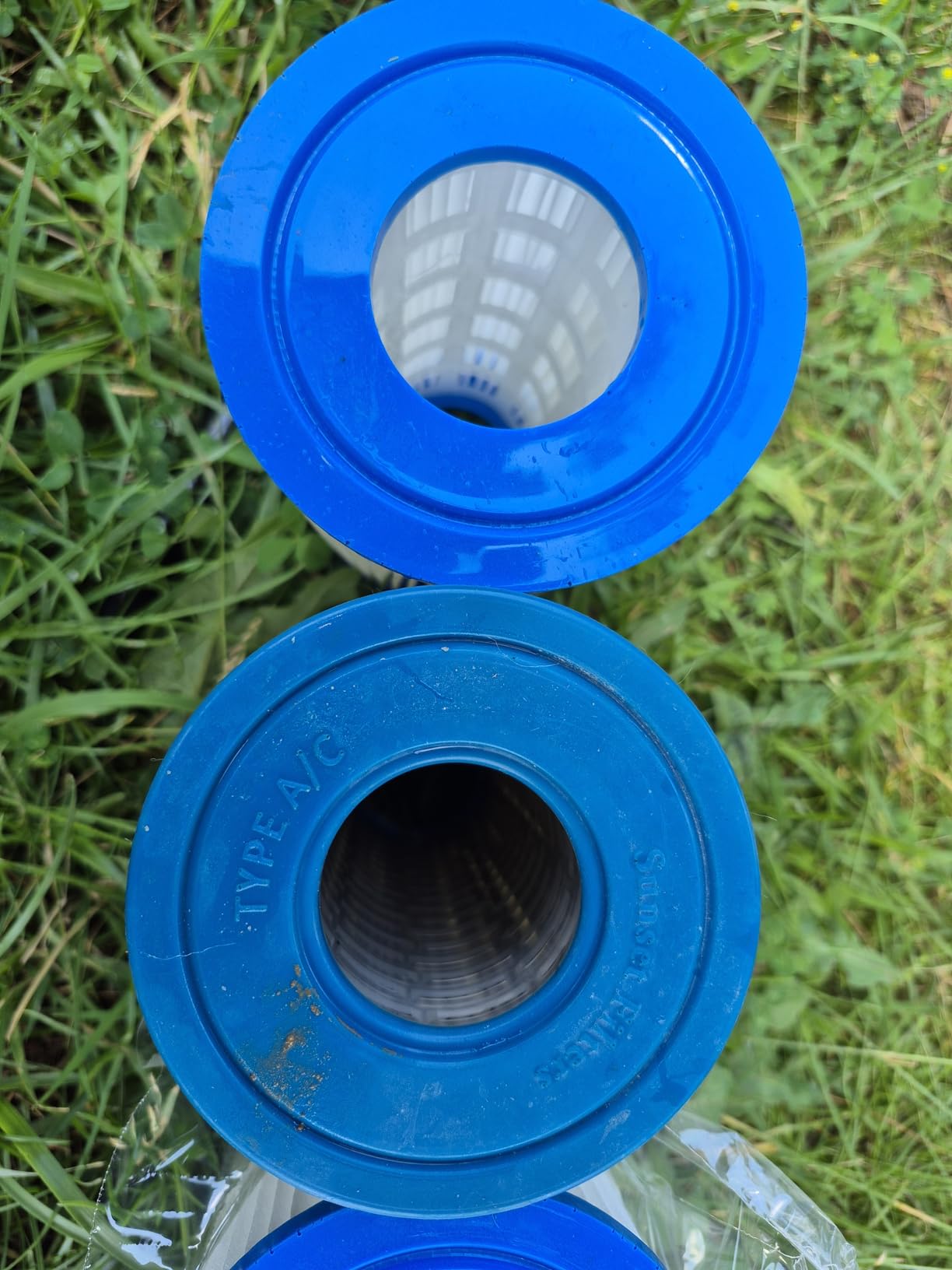
Is a loose fit a real problem
It is worth knowing about. The recurring nit in the reviews is a fit that sits looser than the original Intex paper element inside some housings, and that gap can allow some unfiltered water to bypass the media.
If your pump has a tight housing and the lid has to sit flush, an OEM or dimensionally exact cartridge is the safer buy. If your housing has slack, the extra flexibility actually helps the element drop in without fighting the seal.
Who this cartridge fits best
It is built for owners of mixed-brand setups, seasonal cottages with a rotating pile of pumps, and anyone who would rather not track down a model number before ordering. The four-pack format also means the cartridges survive a season in storage without going brittle.
It is the wrong pick for a Type B or Type I pump, and for anyone who wants a permanent install rather than a consumable.
5. POOLPURE Type B – Reusable Element for Flow Clear and Easy Set
POOLPURE Type B Pool Filters Compatible with Intex 29005E, 29005/59905, JPC01 Type IV-B, 28633EG, 2500 GPH Cartridge Filter Pump, Flow Clear/Easy Set Reusable Swimming Pool Filter Cartridge, 2 Pack
- Replaces Intex 29005 and 59905 cartridges
- 5.75 by 10 inch size
- 50-micron trilobal fabric
- Two pack
Pros
- Exact fit for Intex Type B pumps including 2500 GPH Flow Clear and Easy Set setups
- Trilobal fabric and dirt-locking structure make the cartridge reusable across many rinses
- Users report visible water clarity improvement within about 24 hours
- Durable enough to survive a bleach-and-water cleaning and go back in service
Cons
- Only a two pack so heavier seasonal users need frequent reordering
- Still on a roughly two-week replacement cadence in warm weather
This is the aftermarket answer to the Intex 29005E, and it covers the 2,500 GPH Flow Clear and Easy Set pump setups that the OEM cartridge also fits. If your Type B pump runs at the higher end of the range, the trilobal fabric here holds up better across rinses than paper.
Compatibility covers the Intex 29005 and 59905 cartridges and pump models 633T, 634T, CS8111 and CS8221 or CS8231. The element is 5.75 by 10 inches and weighs just under two pounds for the two-pack.
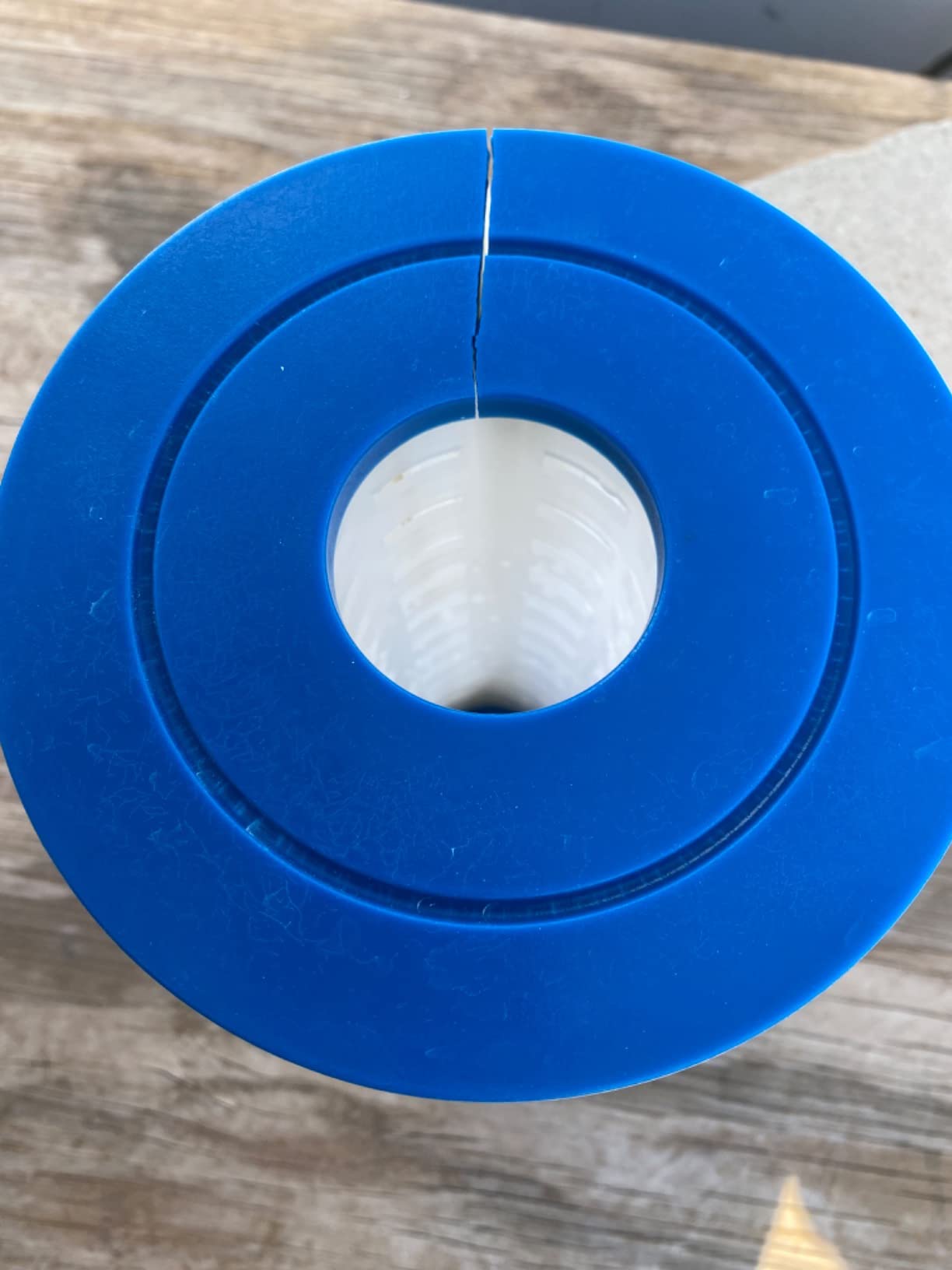
Owners consistently report a tight, correct fit and noticeably clearer water after one change, and several contrast it favorably with low-cost big-box cartridges that only survive a rinse or two. The dirt-locking structure is the same technology as the Type A version, so a cartridge can go through a bleach-and-water soak and return to service.
The limits are packaging rather than performance. Two per pack means seasonal users reorder more often, and the two-week replacement cadence in warm weather still applies. If you dislike bleach soaking as a habit, this cartridge is fine but it will not eliminate the consumable cycle.
Does it fit a Coleman or Bestway Type B pump
Not according to the listed data. The compatibility list is Intex-specific, and Bestway pumps in the Type IV-B class are a different fitment entirely. Measure the old element before ordering if your brand is uncertain.
A Type B element is long and narrow, roughly 5.75 by 10 inches, so a cartridge that looks wrong in the hand is wrong. Do not force a Type A into a Type B housing even if the diameter looks close.
How to extend the life of a Type B cartridge
Rinse with a garden hose from the inside out at low pressure, and work through the pleats until the water runs clear. A high-pressure wand drives debris deeper into the fibers and can shred the media.
Let it dry completely in the sun before reinstalling, and keep a second cartridge on hand so you can swap and clean in rotation rather than leaving the pump running dirty while the element dries.
6. KGC Type I – For the 300 and 330 GPH Pumps Nothing Else Fits
KGC Type I Pool Filter Cartridge, 3.1 x 3.5 inch Size 1 for 58093, Replacement Filter Cartridge for 300/330 Gal/H Filter Pump, for Summer Waves Above Ground Pool Pump, 4 Pack
- 3.1 by 3.5 inch size 1 element
- 1.08 inch hole diameter
- One-piece molded fiber cloth
- For 300 and 330 GPH pumps
Pros
- Covers the very small Type I 300 to 330 GPH pumps that Type A and B cartridges cannot reach
- One-piece molded construction avoids separated end caps
- Improved trilobal fabric structure releases impurities well when washed
- Four pack keeps replacements on hand for the two-week cleaning cadence
Cons
- Lowest average rating among the well-reviewed cartridges here at 4.3 stars with 6 percent one-star reviews
- Narrow compatibility so buyers must measure their old cartridge to confirm
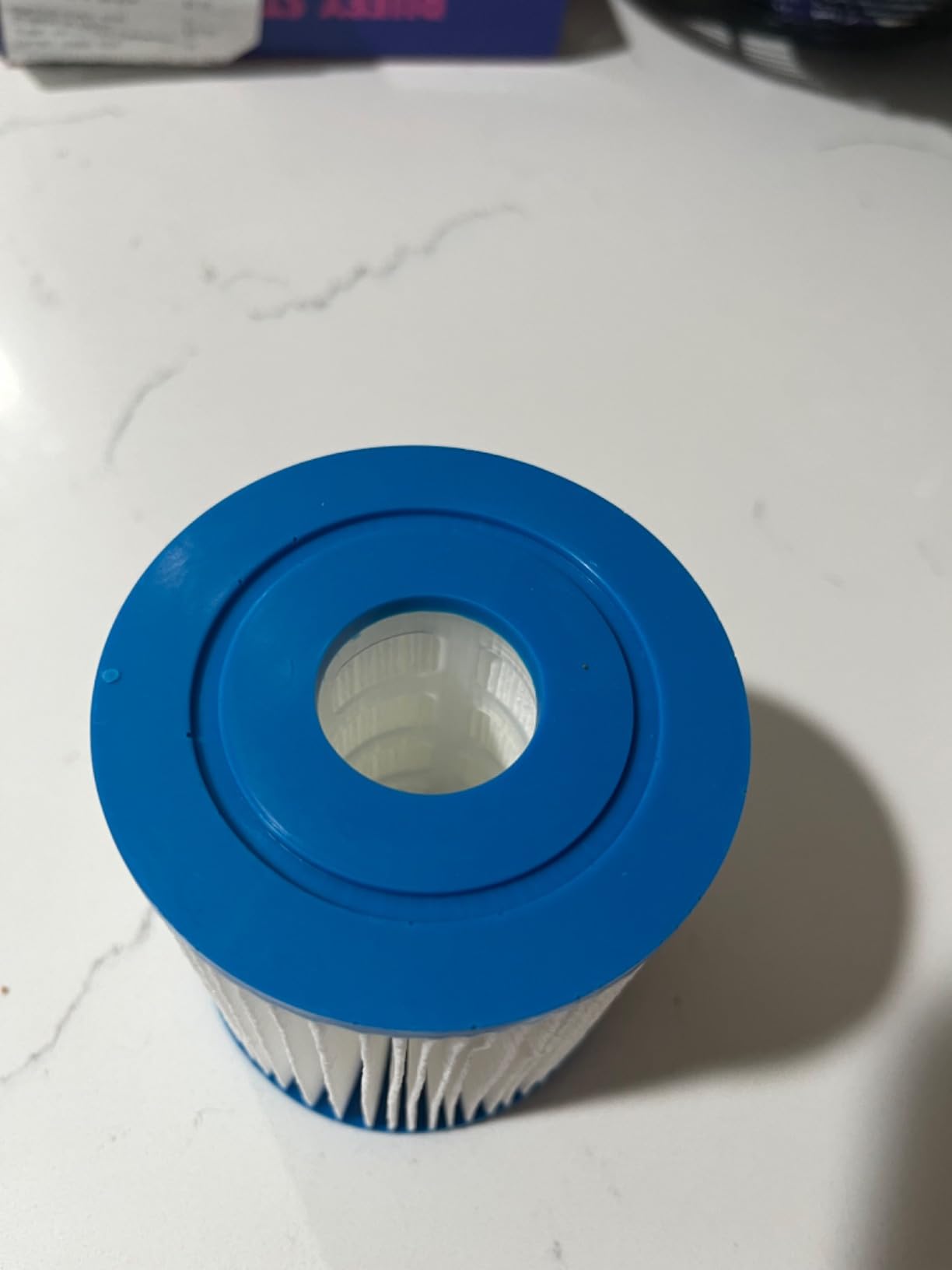
Small pools have a category of pump that most cartridge lists never mention. A 300 or 330 GPH pump on a Summer Waves frame pool takes a Type I element that is 3.1 by 3.5 inches with a 1.08 inch hole. No Type A or Type B cartridge will physically go in, and this is the one that fits.
Construction is the interesting part. The element is molded as one piece from fiber cloth, end cap and membrane together, which removes the glued seam where cheaper cartridges usually fail. The fabric is lead-free and BPA-free, and the manufacturer uses UV bonding plus integrated adhesive in the build.
Compatible pumps include the Summer Waves P53RX0330000 and P53FX0330000, the SFX330 and RX-330, and the 300 and 330 GPH 220-240V filter pumps. It weighs under nine ounces, and the four-pack covers the frequent change interval these pumps demand.
The 4.3-star average is the lowest among the better-reviewed cartridges in this roundup, and 6 percent of ratings are one star. Most of that traces back to fitment uncertainty rather than a defect, so measure before you order. Owners of small Summer Waves frames confirm the size is right and the element washes back to like-new condition.
How to confirm you have a Type I pump
Pull the element and measure the height and the outside diameter, then measure the hole. A Type I is roughly 3.1 by 3.5 inches with a 1.08 inch opening, far smaller than the 8 by 4.25 inch Type A footprint.
If the pump label shows a 300 or 330 GPH rating, you almost certainly have a Type I. If it shows 530 GPH or higher, you are looking at a Type A class pump instead.
Is a tiny pump worth upgrading
Often yes. A 300 GPH pump on a small pool can struggle to keep up with debris and algae pressure, and the Bestway 2,500 GPH pump later in this roundup is the common upgrade path for owners who want more flow.
The trade is cost and footprint. A larger pump means more plumbing decisions and a filter housing sized to match, so make that call before buying the cartridge, not after.
7. Future Way Type A or C – NSF Certified With Reinforced End Caps
Type A or C Pool Filter Cartridge Replacement for Intex 29000E 59900E
- Reinforced end caps and free-flow core
- 8 inch long by 4.25 inch diameter
- 4 6 and 12 pack options
Pros
- NSF International certified which few competing aftermarket cartridges in this class carry
- Tri-lobe fabric structure claims three times the debris capture of standard media
- Reinforced end caps resist the cracking that afflicts cheaper cartridges
- Owners report rinsing it back to new condition many times over
Cons
- Fit on the harder-to-find Type C pumps can be tight enough to need a weight on top
- Higher per-cartridge cost than the budget OEM options
Most aftermarket cartridges in this class make filtration claims nobody verifies. This one carries NSF International and ANSI 50 certification, which is a documented material and safety standard rather than a marketing line.
The build targets the known weak point. Reinforced end caps and a free-flow core are specifically designed to resist the deformation and cracking that show up after a season of removal and rinsing, and the upgraded tri-lobe non-woven fabric claims three times the debris capture of standard media.
Dimensions are 8 inch long with a 4.25 inch outside diameter and top and bottom openings of 1 15/16 inch. It replaces the Intex 29000E and 59900E cartridges and fits pump models 28603EG, 28637EG, 28635EG, 28671EG, 56635E, 56636E, 56637E, 56638E, 58603E, 58604E and 58623. Pack counts of 4, 6 and 12 are offered depending on how much of the season you plan to cover.
The one fitment problem owners report is on the harder-to-find Type C pumps, where the cartridge sits tight enough that a small weight on top keeps it seated. On standard Type A pumps the fit is unremarkable, which is what you want from a consumable.
What NSF certification actually tells you
It tells you the material has been tested against a published standard for safety and performance claims, which is more than most competitors in this price class offer. It does not guarantee a better micron rating, because the filtration spec still comes from the manufacturer.
Where it earns its money is longevity. Certified media tends to be more consistent batch to batch, so the cartridge you replace in August behaves like the one you fitted in June.
Is the higher per-cartridge cost justified
For most small pools, yes, if you compare against replacing two-week disposables over a full season. The reinforced caps and tri-lobe media are what let owners rinse it back to new condition many times over, so the cartridges last longer between swaps.
It is a harder sell if your pump takes an OEM Intex element that costs very little and fits perfectly. Certification matters more when fitment is not guaranteed by the pump maker.
8. VEVOR 50 sq ft Tank – A Permanent Housing Instead of Throwaway Sleeves
VEVOR 2026 Cartridge Pool Filter Tank & Element | Large 50Sq. Ft Cleaner System for Above Ground & Inground Pools | Compatible with Pumps 1/3 to 1 HP | Up to 2483 GPH | for Pools Up to 19866 Gallons
- 50 sq ft of filter area
- 50-micron cartridge element
- Handles up to 2483 GPH
- For pools up to 19866 gallons
Pros
- Permanent 50 sq ft housing means no more buying throwaway cartridges every two weeks
- Seamless single-mold body has no gaskets or bolted panels that can leak over time
- Integrated pressure gauge and relief valve are unusual in this class
- Handles roughly 20000 gallons so it covers small and mid-size pools
Cons
- Lowest average rating in this roundup at 4.0 stars with 14 percent one-star reviews
- Bulky at 21.1 pounds and oversized for genuinely small pools
- Assembly required and it still needs a separate pump
Every cartridge before this one is a consumable. This is a permanent 50 sq ft filter tank, which changes the economics of a small pool completely. You install it once, plumb it into standard 1.5 inch plumbing, and from then on you rinse an element instead of buying a new one every two weeks.
The body is molded in a single piece from polypropylene and fiberglass, with no seams, gaskets or bolted panels to fail. Two ABS connecting pipes are included for a three-step setup, and the tank carries a built-in pressure gauge plus a top-mounted pressure relief valve. The relief valve is a genuine safety feature on a pressurized vessel, and having the gauge integrated saves a part.
It works with pumps from one-third HP to 1 HP, up to 2,483 GPH, and the manufacturer rates it for pools up to 19,866 gallons. Filtration is 50 microns, and replacement elements use the C-7656 cartridge model, so the element cost is a separate purchase when the time comes.
The rating distribution is more polarized than anything else here, with 14 percent one-star. At 21.1 pounds it is heavy, and for a genuinely small pool it is oversize. Buyers who value a permanent housing and the built-in gauge tend to be satisfied; others report fit-up and sizing friction.
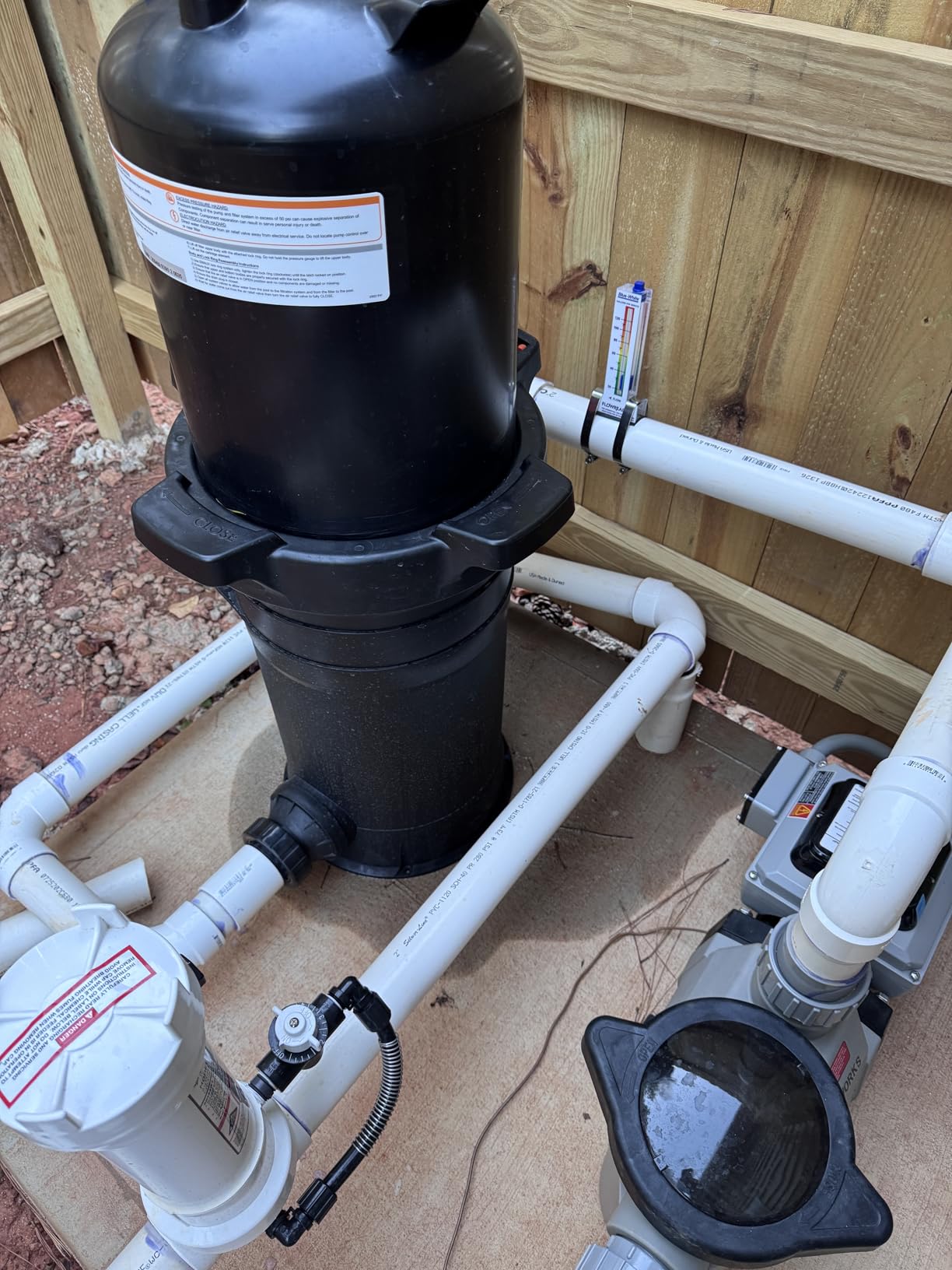
Is 50 sq ft too much for a small pool
For a 1,000 to 3,000 gallon inflatable or small above-ground pool, yes, it is more media than you need. The tank is built for pools up to roughly 20,000 gallons, which puts it in the middle of the small-pool range rather than the bottom of it.
If you are at the 5,000 to 10,000 gallon mark with a 1,500 to 2,500 GPH pump, 50 sq ft is sensible and the turnover math works out. Oversizing past what your pump can push is not the problem here, because the pressure relief valve is designed for exactly that condition.
What a permanent tank does to running costs
It removes the biggest recurring expense on a small pool. A two-week disposable cadence is roughly 26 cartridges a year, and a reusable element in a permanent housing turns that into a rinse every few weeks and a replacement every three to five years.
You still need a pump, so budget for that separately unless you already own one. The other hidden cost is space, since a permanent tank and plumbing take more deck room than a small pump canister.
9. Bestway 2,500 GPH Filter Pump – Pump and Cartridge in One Box
Bestway 2,500 GPH Above Ground Swimming Pool Cartridge Filter Pump
- 2500 GPH flow rate
- Includes Type IV-B cartridge
- For 300 to 16400 gallon pools
- 23.9 pounds
Pros
- Turnkey pump and cartridge in one box so there is no separate cartridge purchase to make
- 2500 GPH flow noticeably outpaces the low-GPH pumps that ship with small pools
- Owners report cutting run time from around 24 hours a day down to about five
- Programmable timer and pressure release valve are useful built-ins
- Works with both 1.5 in and 1.25 in threaded valve adapters
Cons
- Lowest-rated pump in this group at 4.1 stars with 13 percent one-star reviews
- One owner reported the pump losing power and needing constant restarts after several months
- Air locking on the intake side is a recurring startup complaint
Most of the small-pool cartridges in this roundup assume you already own a pump. This one includes the pump, a Type IV-B cartridge and adapters for both 1.5 inch and 1.25 inch threaded valves, which makes it the sensible starting point for a first above-ground pool.
The flow rate is the story. At 2,500 GPH it moves far more water than the low-flow pumps that ship with small pools, and owners report cutting pump run time from around 24 hours a day to roughly five. That is the single biggest upgrade available to a small pool, because turnover time is what keeps water clear.
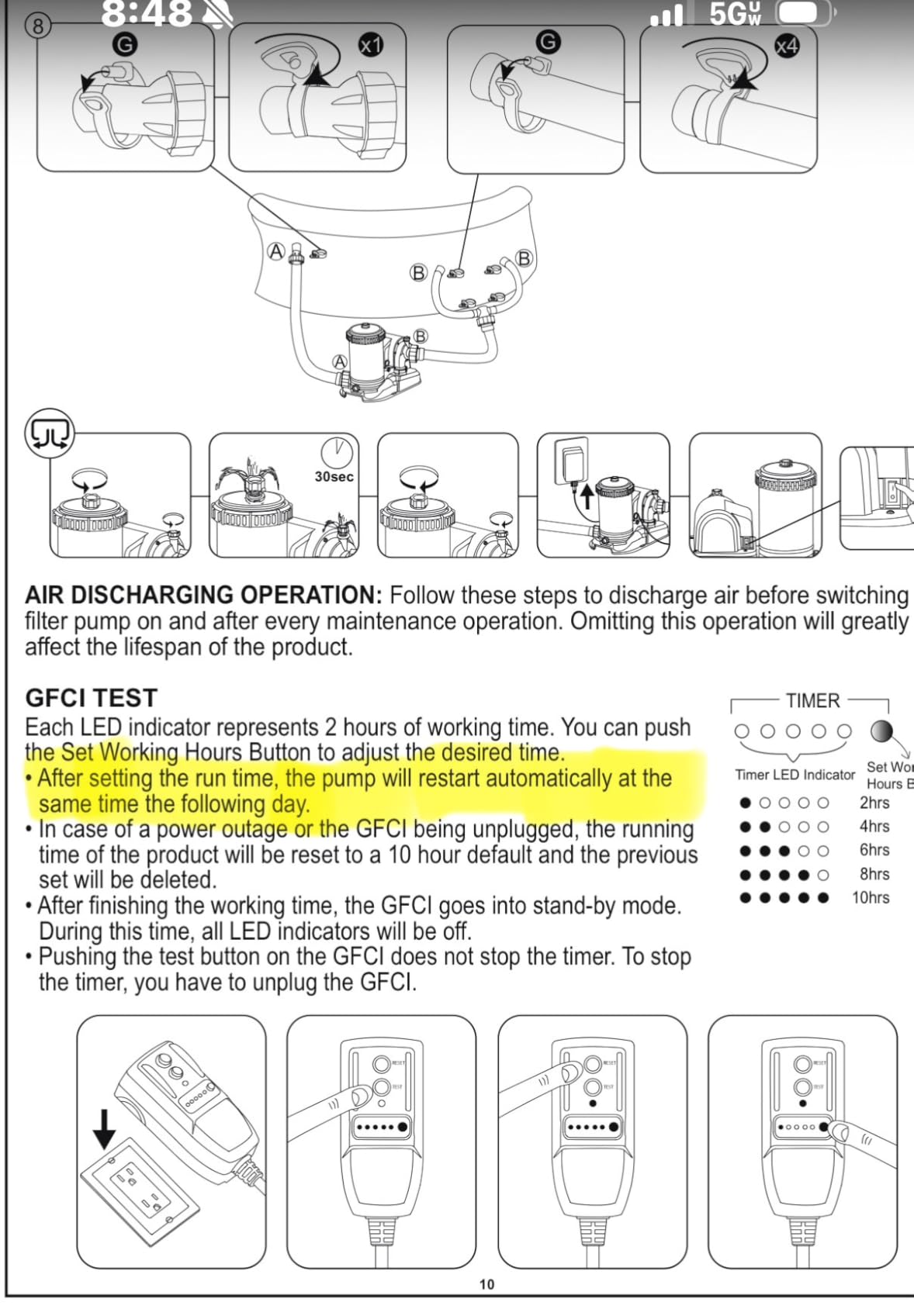
It is rated for pools from 300 to 16,400 gallons, so it covers the whole small-pool band and most mid-size setups. An energy-saving plug with a programmable timer runs up to 10 hours per cycle, and a built-in pressure release valve vents trapped air to protect the pump.
Reliability is the split point, and it is worth being blunt about that. The 4.1-star average with 13 percent one-star is the second lowest here. A subset report intake air-locking at startup and declining power over a season, and one owner had a pump lose power and need constant restarts after several months.
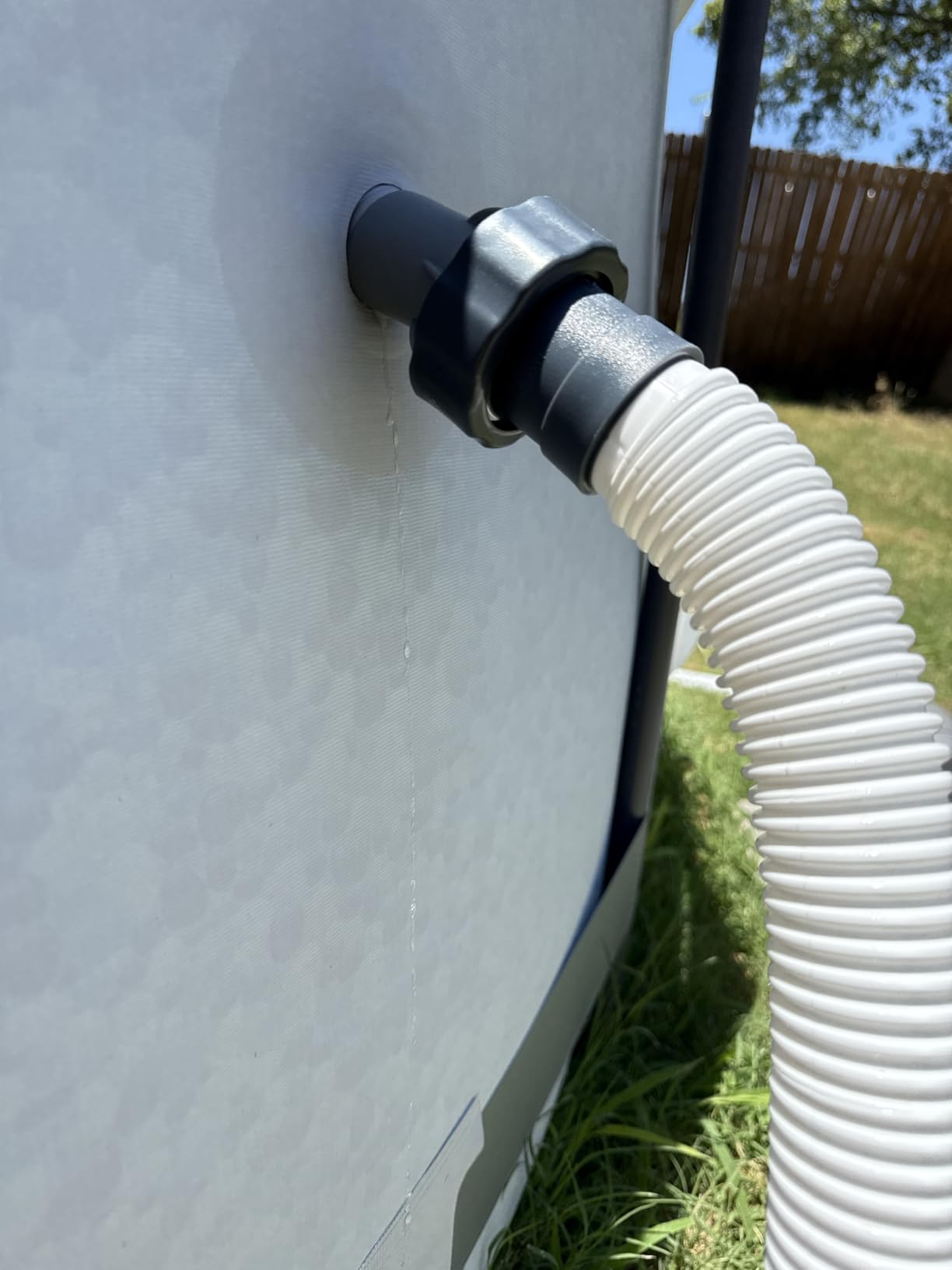
Why the Type IV-B cartridge matters before you buy
This pump runs on Type IV-B cartridges, which are a different fitment from the Type A and Type B elements most small pools use. If you later replace the cartridge, order Type IV-B and nothing else.
Mixing the families is the most common reason a correctly sized cartridge will not seat. Check the pump housing marking before ordering any replacement element for this system.
When this system beats a cheap pump and cartridge
It wins when your existing pump is the low-flow unit that came with the pool and you are tired of running it 24 hours a day to get clear water. The flow increase is what removes the algae pressure that cartridge cleaning alone cannot solve.
It loses when you already own a decent pump, because then you are paying for a pump you do not need. A permanent filter tank plus the pump you already have is the better path in that case.
10. Volca Spares Type A or C – One Cartridge Covers Intex and Summer Waves
Type A or C Replacement Filter Cartridge for Intex Above Ground Pools
- Four pack of Type A or C cartridges
- Each filter 8 by 4.3 by 4.3 inches
- Easy to clean Dacron media
- Covers Intex and Summer Waves
Pros
- Large review base at 5385 ratings gives good confidence in long-term fit
- Covers both Intex and Summer Waves Type A C canisters in one cartridge
- Owners report lasting slightly longer than the OEM Intex filters
- Sturdy and easy to clean Dacron construction
Cons
- Inner diameter runs slightly tight in some pumps which can distort the end ring on removal
- One owner with an Intex C1500 had a housing that could not seat properly
- 7 percent one-star reviews the highest share among the well-reviewed cartridges here
This is the budget pick because it does something the OEM Intex cartridge does not: it covers Summer Waves canisters in the same box. Each filter measures 8 by 4.3 by 4.3 inches and the four-pack format gives you a season’s worth of changes for less than buying OEM cartridges individually.
The compatible Intex pump models are 603, 604/G, 637R, 638R/G, 635T and 636T/G. It also fits Summer Waves RX and SFX 1000, RX and SFX 1500, RP and SFS 700/800, RP and SFS 1000, RP and SFS 1500, and RP and SFS 2000 canisters from 2013 and newer. The comparison part is the Summer Waves P57100202 Type A/C.
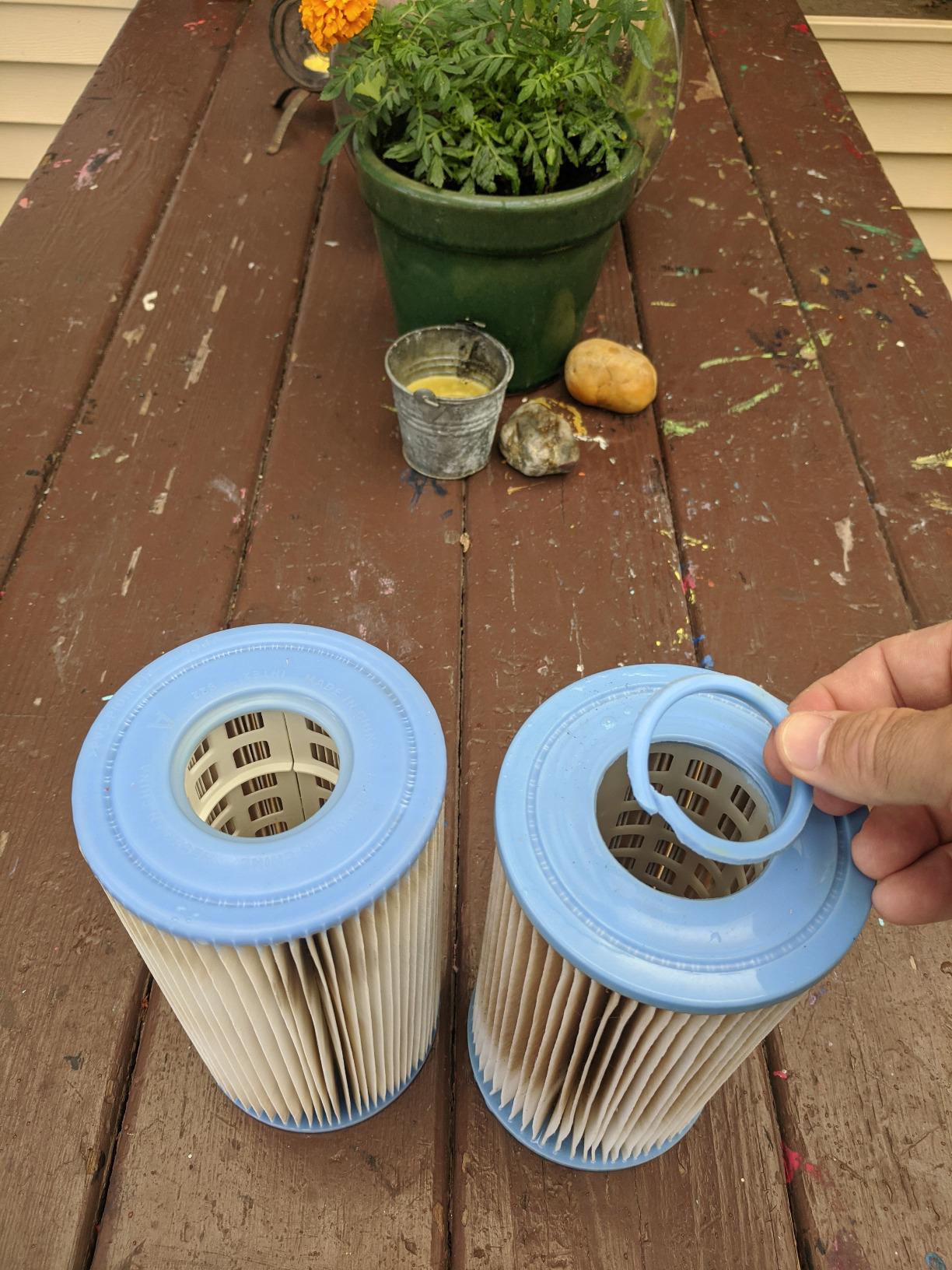
The 4.4-star average sits below the 4.7s at the top of this list, and 7 percent one-star is the highest share among the cartridges with thousands of ratings. Fit tolerance is the dividing line. Several reviews describe the cartridge as marginally narrower than the genuine Intex part, which tightens the pump lid and can tear the end ring on removal.
That dimensional tightness is the one thing to check before you commit. If your housing is already fiddly, the exact-dimension alternatives in this roundup seat more predictably even at a higher per-unit cost.
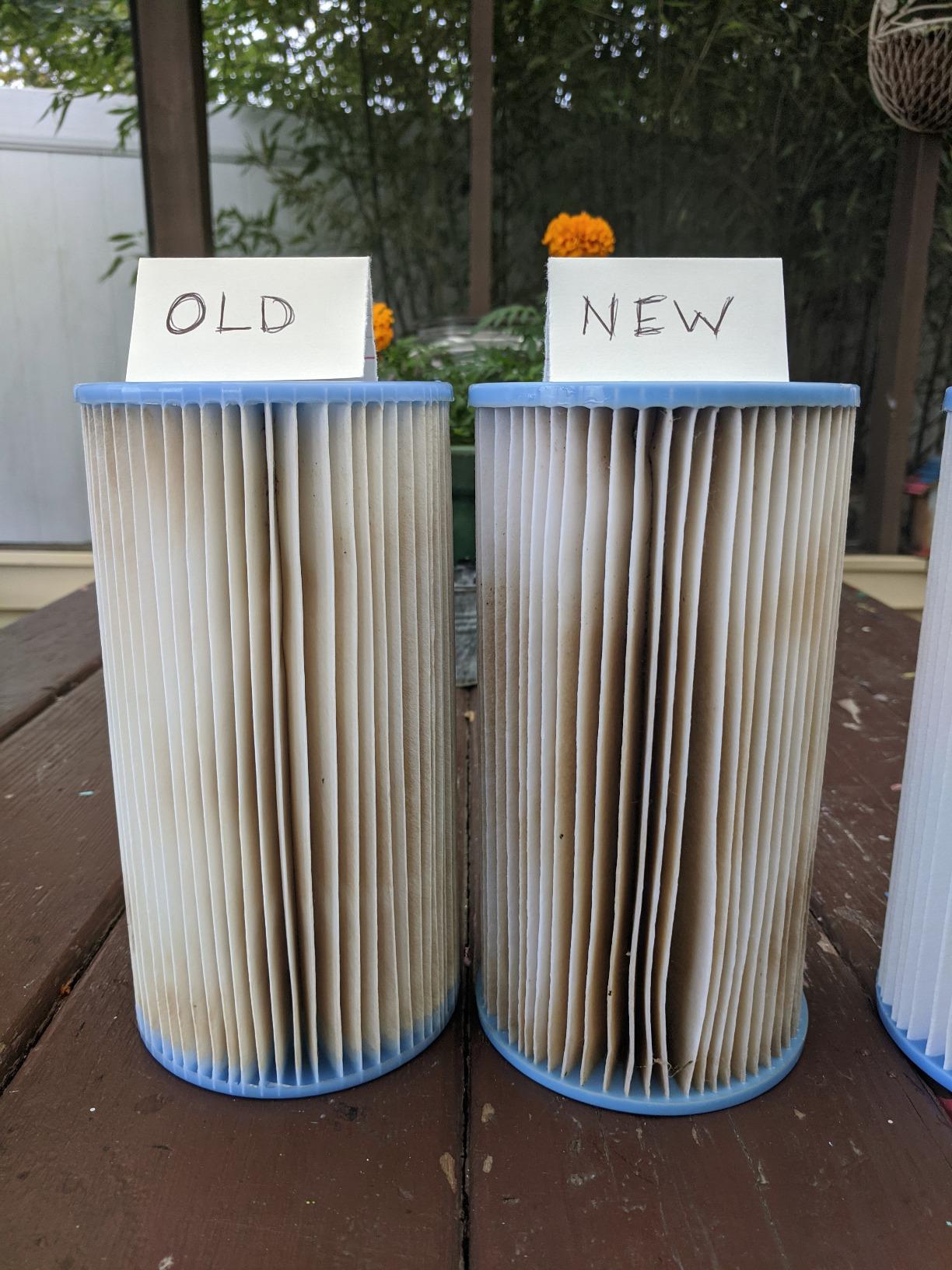
Is saving money on cartridges worth the fit risk
For most Type A pumps, yes. The cost difference across a full season is real, and owners report these lasting slightly longer than the OEM Intex filters, which is not what you would expect from a cheaper part.
For an unusual pump, no. If your housing is known to be tight or your old cartridge is unusual in any way, buy one of the exact-dimension OEM or certified options instead and skip the experiment.
How to confirm the cartridge seats properly
Drop it into the housing dry and turn it a quarter rotation. It should sit flat and the pump lid should thread on without being forced. If the lid has to be pushed down to engage the threads, the cartridge is too narrow for that housing.
Then fill the housing and check for a gasket on the lid that is not sealing. A cartridge that is slightly undersized lets unfiltered water past the seal, which shows up as cloudy water that a clean cartridge will not fix.
Matching the Filter to Your Pump
The most common small-pool mistake is not buying the wrong cartridge. It is buying a filter that is too small for the pump it is attached to. An undersized filter makes the pump work harder, keeps the pressure gauge elevated, and wears the motor out faster, all while leaving the water cloudy.
Above-ground pumps typically move 30 to 60 GPM. In-ground pumps commonly run 75 to 150 GPM. A full filtration cycle should finish within about 10 hours, and that cycle is what determines the cartridge media area you need. A larger cartridge does not force more water through the pump; it just delays the pressure rise that tells you it is time to clean.
For pools under 15,000 gallons, 0.75 to 1.5 HP pumps rated around 40 to 50 GPM cover most of the range. The mismatch failure mode is worth internalizing: an undersized filter forces continuous pump run time, wears the motor out, and still leaves water cloudy. Owners on pool forums describe exactly this pattern when troubleshooting whether the problem is a dirty cartridge, a worn cartridge or a failing pump.
There is a well-known forum rule that you should buy the biggest filter you can afford, and it is only half right. Oversizing within your pump’s rated GPH is correct, because a larger surface area stretches the interval between cleanings. Oversizing past what the pump can push adds no benefit and increases the pressure the pump works against.
When to Replace Your Cartridge
Do not replace on a schedule. Replace when the cartridge tells you it is time, and clean it well before you decide it is finished. Over-cleaning is as harmful as under-cleaning.
The primary trigger is pressure. Note the gauge reading when the cartridge is clean, then wait for it to climb 8 to 10 PSI above that baseline. That is the signal to pull the element and rinse it, not to buy a new one.
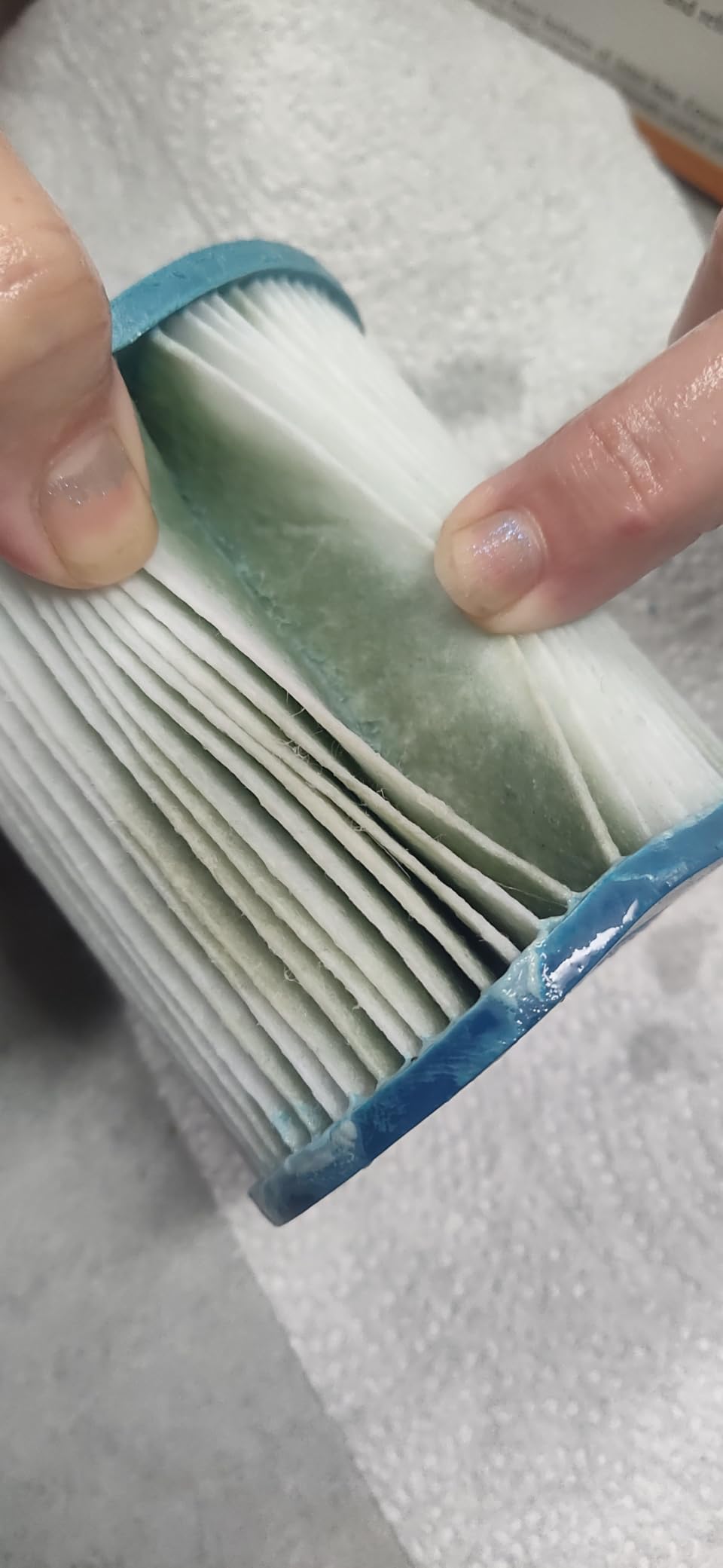
Four signs mean the cartridge is finished rather than just dirty. The end caps are cracked or brittle, which is the classic failure on low-cost aftermarket media. The pleats are torn, fuzzy or shedding fiber. The element is crushed or deformed into a can shape. And debris passes through to the pool no matter how many times you rinse it.
On lifespan, a quality pleated cartridge in a permanent housing runs three to five years. Cheap aftermarket pleated media often lasts one to two seasons, mostly because the end caps crack before the fibers fail. Disposable sleeves last as little as two weeks, which is why small pools on a two-week cadence pay the most per gallon filtered over the long run.
One more practical habit. If you have only one cartridge, keep a spare on hand and use a swap-and-clean rotation. The spare goes into the housing while the dirty one dries, and the pool never runs with a loaded element while you are scrubbing it.
Frequently Asked Questions
How do I size a cartridge filter for my pool?
Size by pool gallons and pump flow rate, not by cartridge size. Find the GPH on your pump label, decide on a filtration cycle of about 10 hours, and pick a cartridge that handles that flow. Under 2,000 gallons needs a Type I or Type A element, 2,000 to 5,000 gallons needs a Type A or C, 5,000 to 10,000 gallons wants roughly 50 sq ft of pleated media, and 10,000 to 15,000 gallons wants 100 to 200 sq ft.
Which brand of pool filter cartridge replacement is the best?
For above-ground pools, the Intex 29002E is the safest OEM choice for Type A pumps and the Intex 29005E covers Type B pumps. For certified aftermarket media, the Future Way Type A or C carries NSF International and ANSI 50 certification. Pleatco, Unicel and Filbur cover the larger in-ground housings such as the Hayward Star-Clear and Pentair Clean u0026amp; Clear.
What are the disadvantages of cartridge filters?
The main drawbacks are manual labor and consumable cost. A cartridge must be rinsed by hand every one to four weeks and replaced every three to five years, whereas sand and diatomaceous earth filters clean themselves. Cartridge media also filters to roughly 10 to 15 microns rather than the 1 micron of a DE filter, and there is no way to add extra media to increase capacity.
Are sand filters or cartridge filters better for above ground pools?
Cartridge filters are usually better for above ground pools because they never backwash, so you do not waste water on small pools and you avoid discharging filter chemicals into your yard. Cartridge media filters to about 10 to 15 microns versus roughly 20 microns for sand, and it holds far more debris than a small sand bed. Sand wins only if you want a fully automatic cleaning cycle and water is cheap where you live.
Can I use a cartridge filter on an above ground pool?
Yes, and it is one of the most common setups there is. Above ground pumps run lower flow, typically 30 to 60 GPM compared with 75 to 150 GPM for in-ground pumps, so match the cartridge to the lower flow. The reverse is not ideal, as an in-ground pump pushing through a small above-ground filter housing will run the pressure gauge high and wear the pump out.
Conclusion: Which Small Pool Cartridge Filter Should You Buy?
Match the cartridge family to the pump you already own, then buy the best fit in that family. Type A and C pumps are covered by the Intex 29002E or the certified Future Way option, Type B pumps by the Intex 29005E or the POOLPURE equivalent, and tiny Type I pumps only by a cartridge made for that size.
If the two-week consumable cycle is wearing you down, the answer is no cartridge at all. A permanent 50 sq ft housing with a reusable element, paired with a pump that actually moves the water, fixes the running cost and the turnover time at the same time. That is the right build for anyone who wants the best pool cartridge filters for small pools to be a one-time purchase rather than a monthly errand.
Whatever you choose, measure before you order, keep a spare on hand, and replace the cartridge when the gauge reads 8 to 10 PSI above your clean baseline rather than on a calendar.