
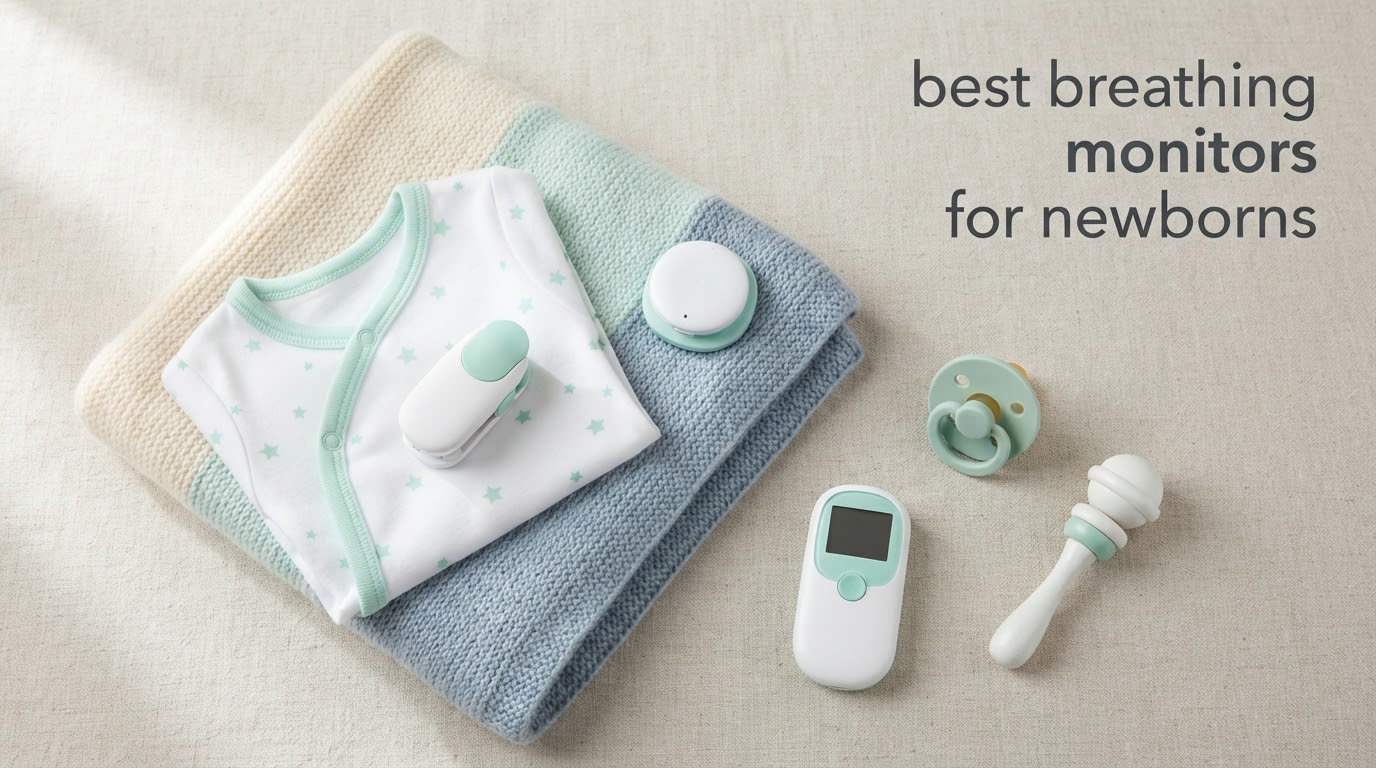
The Babysense True Sleep HD bundle is the best overall pick among the best breathing monitors for newborns in 2026, because it pairs a Babysense 7 under-mattress movement monitor with a 5 inch HD camera and holds a 4.4 star average across more than 7,400 reviews. It senses every breath through the mattress, so nothing is attached to your baby.
Before we go further, the honest part. The American Academy of Pediatrics does not recommend home breathing monitors for reducing the risk of SIDS in healthy infants, because no good evidence shows they lower that risk. What a monitor can do is tell you your baby is moving and breathing right now, and that is a different promise from preventing anything.
Most parents buy one anyway, and that is a reasonable thing to do. The first three months are long, sleep is fragmented, and a readout of chest rise settles a lot of anxious questions at 4am. What a monitor cannot do is replace putting your baby on their back on a firm, flat surface with nothing soft in the crib.
Here is the whole shortlist in one place, with the reasoning for each pick:
We spent several weeks reading specifications, review patterns and owner complaints across all eight products to build this list, and we have tried to be straight about where each one falls short. Two of the eight are cameras rather than sensors, and we have labelled them clearly, because a camera that counts chest rises is a different tool from a pad that feels movement through a mattress.
Table of Contents
- Top 3 Picks for the Best Breathing Monitors for Newborns (October 2026)
- All 8 Breathing Monitors Compared in 2026
- What the AAP Says About Baby Breathing Monitors and SIDS
- How We Evaluated These Monitors
- 1. Babysense True Sleep HD Bundle: The Most Reviewed Option Here
- 2. Owlet Dream Sock: The Only One Reading Pulse and Oxygen
- 3. Lollipop Smart Camera: Breathing Rate From Video Alone
- 4. Levana Oma Sense: Nothing Wireless in the Room
- 5. Snuza Hero: The Clip With The Fewest Complaints
- 6. Babysense 7: The Dedicated Non-Contact Pad Monitor
- 7. Momcozy BM08: 2K Video With Invisible Night Vision
- 8. BabySmile: The Smallest And Cheapest Clip
- How to Stop Baby Breathing Monitor False Alarms
- Baby Breathing Monitor Buying Guide
- Frequently Asked Questions
- Final Verdict: Which Breathing Monitor Is Right for Your Baby
Top 3 Picks for the Best Breathing Monitors for Newborns (October 2026)

Babysense True Sleep HD Bundle
- 2 non-contact under-mattress pads
- 5 inch HD video parent screen
- Full crib coverage
- No WiFi needed
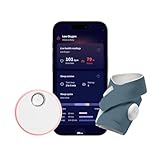
Owlet Dream Sock
- Real-time pulse rate and oxygen
- Alerts on screen and phone
- 16 hour battery
- 2.4 GHz WiFi only

Lollipop Smart Camera
- 1080p Full HD view
- AI breathing rate on Care plan
- True Crying Detection
- No receiver needed
As an Amazon Associate we earn from qualifying purchases. CERTAIN CONTENT THAT APPEARS ON THIS SITE COMES FROM AMAZON. THIS CONTENT IS PROVIDED 'AS IS' AND IS SUBJECT TO CHANGE OR REMOVAL AT ANY TIME.
If you want one recommendation and nothing else, the Babysense bundle is it. Seven thousand four hundred reviews makes it the most thoroughly owner-tested product on this list, and the two-pad design means a scooting newborn does not drift off the coverage area.
The Owlet Dream Sock is the only product here that reports a number you can take to a doctor: blood oxygen saturation and pulse rate. That matters if you want a vitals readout rather than a movement signal, and it is why the Owlet sits at the top of the vitals conversation even though its star rating is the lowest of the group at 4.0.
The Lollipop is the pick if your priority is seeing your baby rather than sensing a signal. Breathing-rate tracking and sleep position history sit behind its Care plan after a 7 day trial, but the free tier covers live video, crying detection and crossing detection.
All 8 Breathing Monitors Compared in 2026
| Product | Specifications | Action |
|---|---|---|
|
Babysense True Sleep HD Bundle
|
|
Check Latest Price |
|
Owlet Dream Sock
|
|
Check Latest Price |
|
Lollipop Smart Camera
|
|
Check Latest Price |
 Levana Oma Sense
|
|
Check Latest Price |
 Snuza Hero
|
|
Check Latest Price |
 Babysense 7
|
|
Check Latest Price |
 Momcozy BM08
|
|
Check Latest Price |
 BabySmile
|
|
Check Latest Price |
We earn from qualifying purchases. CERTAIN CONTENT THAT APPEARS ON THIS SITE COMES FROM AMAZON. THIS CONTENT IS PROVIDED 'AS IS' AND IS SUBJECT TO CHANGE OR REMOVAL AT ANY TIME.
Read that table by type rather than by rank. Two entries sense movement through the mattress, three clip to the diaper, one is a wearable sock that reads vitals, and two are cameras that infer breathing from video. Only one of them reports oxygen saturation.
What the AAP Says About Baby Breathing Monitors and SIDS
The American Academy of Pediatrics does not recommend routine home breathing or heart monitors for healthy infants to reduce SIDS risk, and it also advises against using them as a reason to let a baby sleep in an unsafe position or in an adult bed. The reasoning is straightforward: the monitors have not been shown to change outcomes, and a family that relaxes its safe sleep habits because a monitor is running has traded a proven practice for an unproven one.
There is a real exception. For a preterm infant, a baby with apnea of infancy, or a subsequent sibling of a SIDS victim, a clinician may specifically recommend monitoring. In that situation the device is part of a care plan, and the hospital or specialist will tell you which type and for how long.
Every manufacturer in this roundup says something similar in their own fine print. Snuza states plainly that it is not a medical device and is not intended to diagnose, treat, cure or prevent any disease including SIDS. Momcozy states that its camera is not intended to monitor for apnea or SIDS. Read those statements as honest limits rather than fine-print boilerplate.
There is also a medical reason to be careful with the Owlet specifically. Pulse oximetry is not a perfect detector of a dangerous event in a sleeping infant, and no consumer device should be used to judge whether a baby is in distress. The sock is best treated as a reassuring trend display.
What actually reduces risk, according to the AAP and the wider safe sleep literature:
Put the baby on their back for every sleep, including naps.
Use a firm, flat sleep surface with a fitted sheet only.
Keep soft bedding, bumpers, pillows and loose blankets out of the sleep space.
Room share without bed sharing, ideally for the first six months.
Avoid smoke and nicotine exposure before and after birth.
Offer a pacifier at sleep time, and let the baby take it if they want it.
None of those cost anything, and together they do more than any monitor on this page.
How We Evaluated These Monitors
We looked at all eight products together rather than one at a time, because most of the useful decisions in this category are comparisons. The Owlet looks different next to a pad monitor than it does in isolation, and a diaper clip only makes sense if you understand what a non-contact pad gives up.
Our criteria were sensor type and what it actually measures, alert behaviour including how fast it triggers, false alarm patterns in owner reviews, connectivity and app reliability, age and weight limits, and what the running costs are after the first purchase. We also tracked how clearly each maker describes its own limits, which is a decent proxy for how the product behaves in a real nursery.
Two things shaped the ranking. First, review volume, because 7,000 reviews tell you far more about long-term reliability than 90 do. Second, honesty about what the product is not, which we weighted heavily given the subject matter.
1. Babysense True Sleep HD Bundle: The Most Reviewed Option Here
Babysense True Sleep HD Baby Monitor with Camera and Audio + Baby Sleep Movement Monitor, No WiFi, 2 Non-Contact Under Mattress Sensors, Non-Wearable Monitor, Full Crib Coverage
- 5 inch HD parent display
- 2 non-contact under-mattress pads
- Full crib coverage
- No WiFi needed
Pros
- 5 inch HD video screen with a pan and tilt camera
- Two sensor pads cover the whole crib area
- Nothing is attached to the baby
- Movement sensing works without WiFi
- Two-way audio with lullabies and white noise
Cons
- Bundled video display adds more parts to set up
- Senses movement only with no pulse or oxygen readings
- Needs a firm hard-base mattress for the pads to transmit
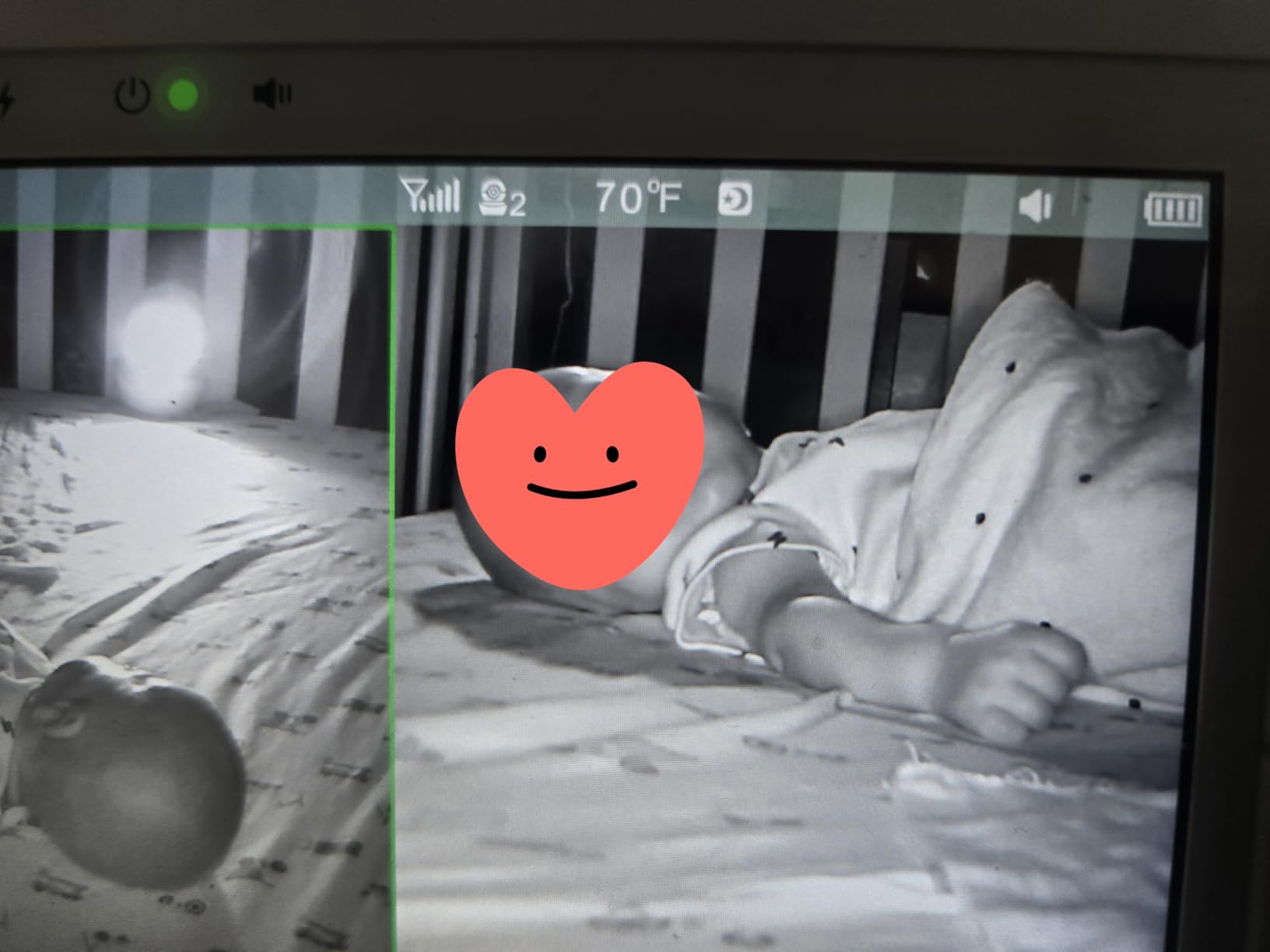
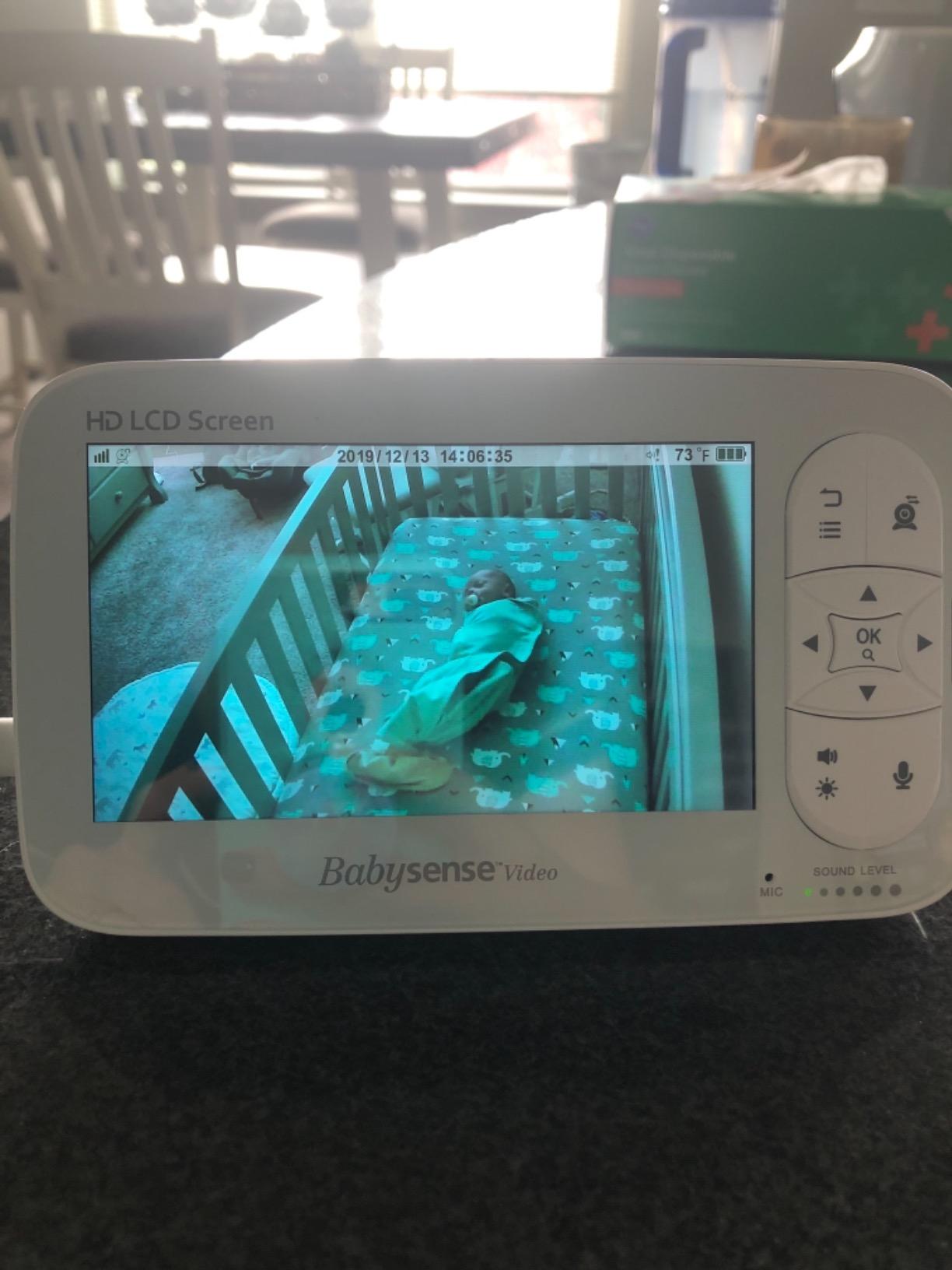
This is the one we would put in a first-time parent’s registry. It combines the Babysense 7 movement monitor with a 5 inch HD video monitor with a remotely operated camera, IR night vision and an adjustable night light, so you get movement sensing and sight lines in one box.
What earns the top spot is the two-pad arrangement. Most single-pad designs lose coverage the moment a newborn scoots to one corner of the crib, and two pads cover the entire sleep area. Parents in the reviews single out exactly this, along with the fact that nothing needs to go on the baby at all.
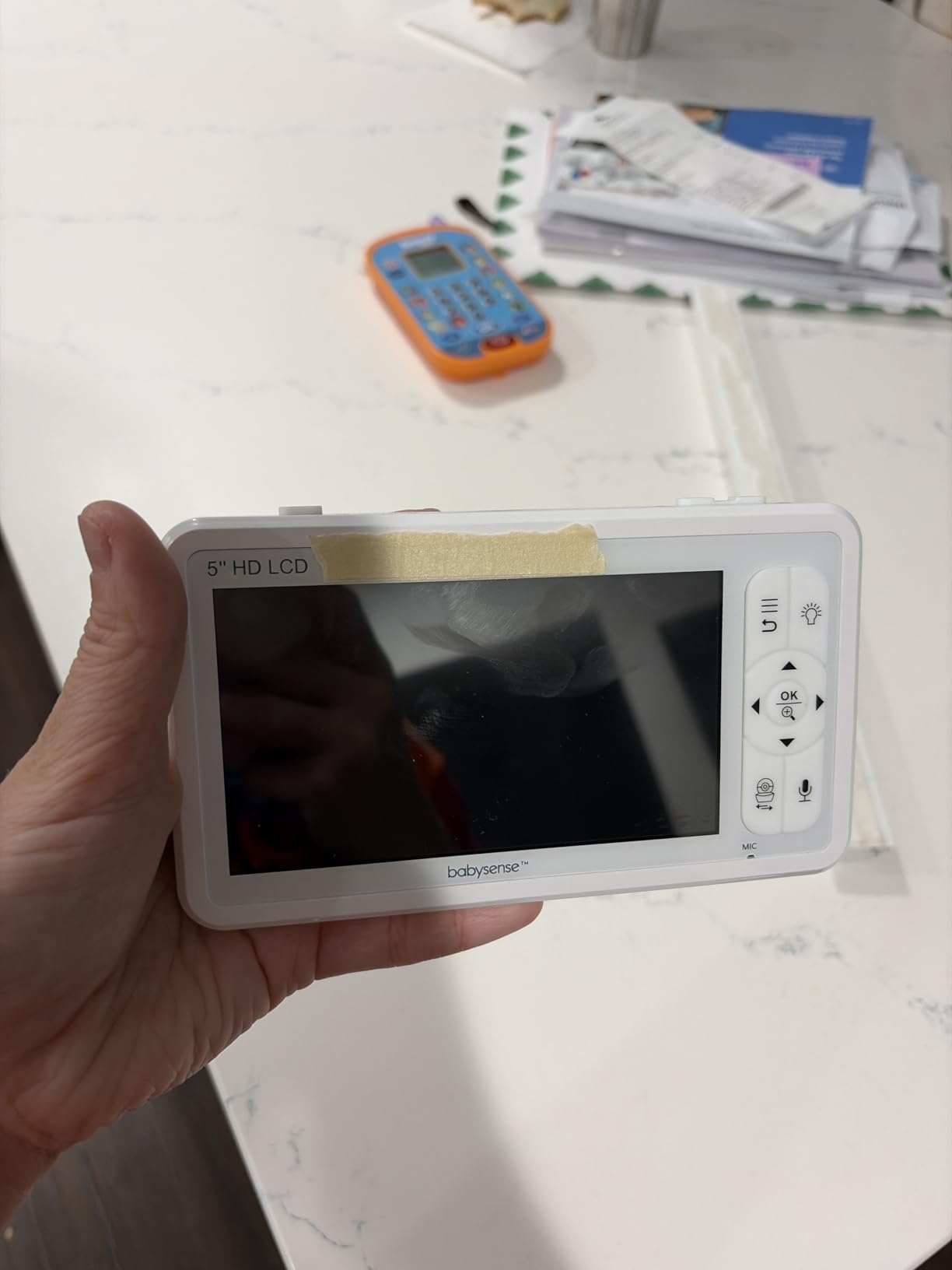
The movement side is genuinely passive. Two sensor pads slip under the mattress and pick up micro-movements through it, with a green blinking light confirming that every breath and movement is being detected. The Babysense 7 platform alerts if no movement is detected within 20 seconds or if movement slows.
There is no WiFi dependency for the sensing, and the connection is described as secure and hack-free. That is a meaningful difference in a device that sits in a nursery, because a monitor that needs a cloud account is a monitor that can fail because your router rebooted.
Why this one works for most families
It covers the two things parents ask for, which is movement data and a visual, without requiring a wearable on a newborn’s foot. There is nothing to size, nothing to swap out at 3am, and nothing that marks the baby’s skin.
It is also the safest of the eight to hand to someone else. Grandparents, a partner covering the first shift, a sitter, all of them can read a screen without training. That flexibility is worth more than any single spec line.
Where it falls short
It tracks movement, not oxygen or pulse rate. There is no saturation and no pulse reading here, so if you want a number you can discuss with a pediatrician, this is not the device.
The bundled video display also means more hardware than a dedicated movement monitor. The pads need a rigid base under the mattress to transmit properly, and memory foam mattresses are not compatible. Budget for a firm crib base if yours is not already one.
2. Owlet Dream Sock: The Only One Reading Pulse and Oxygen
Owlet Dream Sock Smart Baby Monitor, Better Sleep for Baby & You
- Tracks pulse rate and oxygen
- Soft fabric sock on the foot
- 16 hour battery
- 2.4 GHz WiFi only
Pros
- Reports real-time pulse rate and oxygen levels
- Alerts reach both the Base Station and your phone
- Soft fabric sock comfortable for overnight wear
- 16 hour battery covers a full night
- Predictive Sleep Technology shows wake windows
Cons
- Requires a wearable sock on the foot
- Works only on 2.4 GHz WiFi and not 5 GHz
- U.S. version only
- Highest one-star share of any product here
The Owlet is the only product in this roundup that gives you vitals. The sock reads pulse rate and blood oxygen continuously and alerts when readings leave preset zones, which is a fundamentally different data type from a movement signal. Parents who want a number rather than a reassurance beep gravitate here.
Alerts arrive two ways, on the colour-coded Base Station in the room and on your phone, so you can cover the first few feeds in the nursery and still get a notification on the sofa. The 16 hour battery comfortably outlasts a night even for a baby who wakes every two hours.
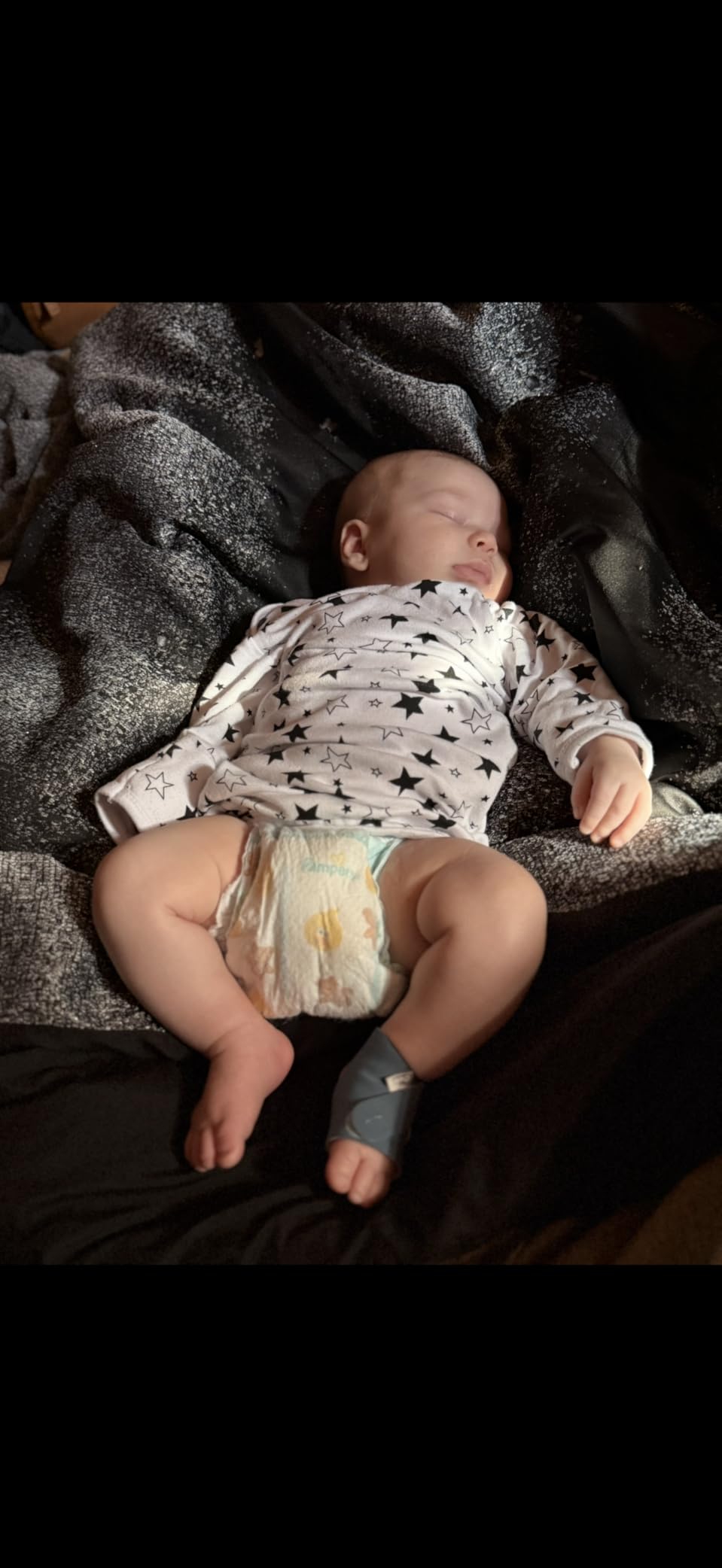
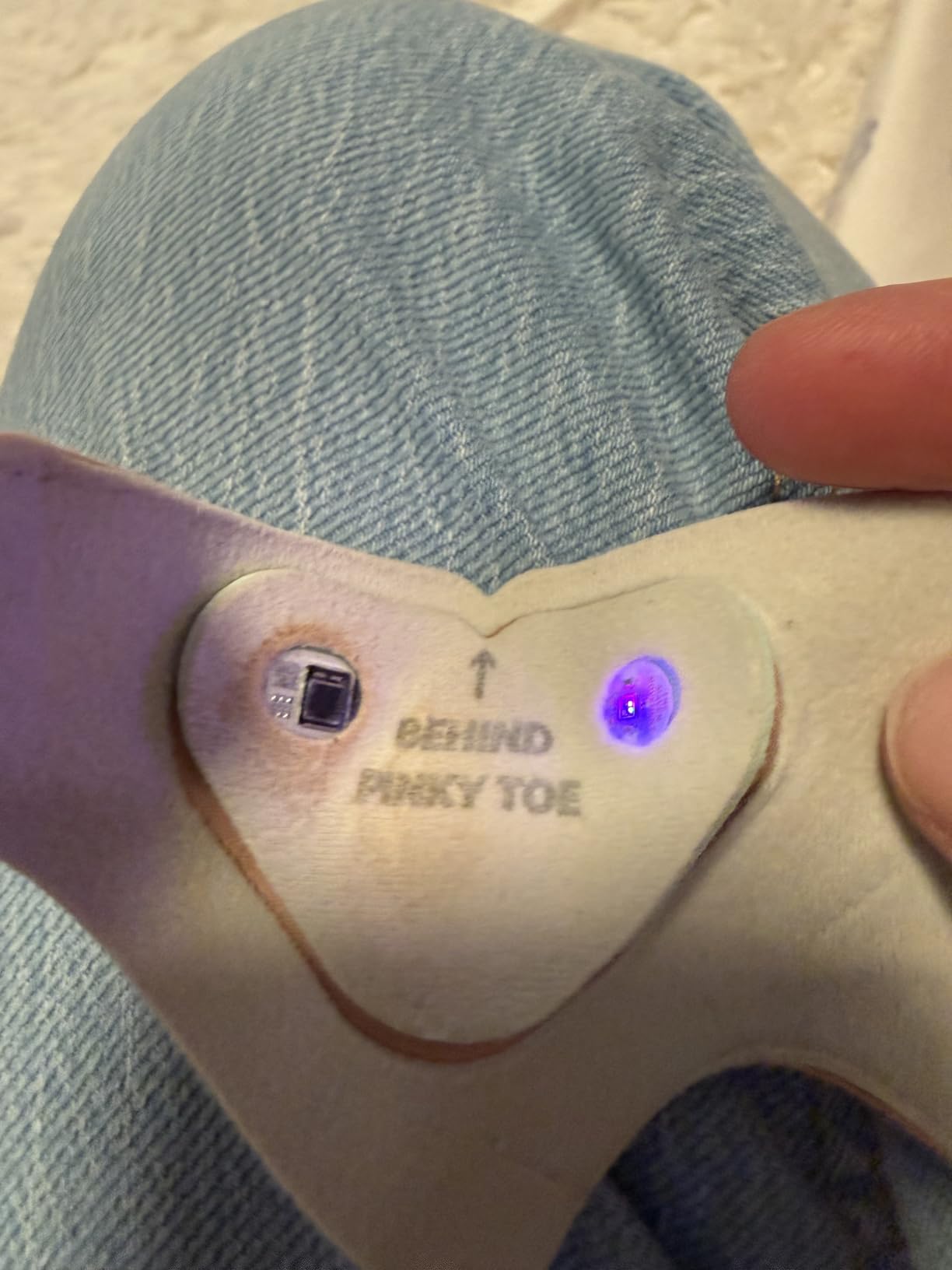
Setup is the fiddly part. The Base Station needs a 2.4 GHz network, which means many modern routers need their 2.4 GHz band split out before you start. Once configured, your phone can go back to 5 GHz while the sock stays on 2.4 GHz, but the initial setup is a real step rather than a one-tap job.
Fit is the other issue. The sock wraps around the foot, and if it slips or is the wrong size for a small newborn you get noisy readings, which is the most common theme in the negative reviews. The star average of 4.0 with more than 5,000 reviews is the lowest on this list, and roughly 15 percent of reviews are one star.
Why the vitals readout is worth something
There are situations where a breathing rate alone is not enough information, and this is the product that closes that gap. If your baby has a history of desaturation, a follow-up appointment, or a specific worry you want data on, the sock gives you something concrete to look at.
It is also the one to buy if you dislike the sound of an alarm and prefer to look at a screen. Parents who switch the Base Station volume down and check the numbers report being far less startled than they would be with an audible-only device.
Where it falls short
It is a wearable, and some newborns object to a sock. If your baby pulls at their feet, kicks it off, or wakes when it is put on, you will lose coverage at exactly the wrong moment.
It cannot be used outside the United States as this version is region-locked, and it will not run on a 5 GHz only network. None of this is a problem for most US households, but both are hard walls rather than settings.
3. Lollipop Smart Camera: Breathing Rate From Video Alone
Lollipop Baby Monitor (Turquoise) – Full-Featured Smart Wi-Fi Camera of True Crying Detection with Extra in-App Plan of Breathing Monitoring/Sleep Tracking-Accessories Free/7 Days Trial Period
- 1080p Full HD view
- AI breathing rate on Care plan
- True Crying Detection
- Audio mode with screen off
Pros
- No receiver to charge
- everything runs through the app
- Breathing rate and sleep position without a wearable
- Crying detection filters out wind and other noise
- 1080p day and night image with a wide view
- Compact silicone body that travels well
Cons
- Relies entirely on WiFi strength at home
- App and firmware updates have caused dropouts
- Built-in sound machine can mask the microphone
- Breathing rate needs the paid Care plan after the trial
The Lollipop is a WiFi camera with a respiratory rate model built into the app, so nothing is worn and nothing is placed under the mattress. It reports breathing rate and sleeping position history once you are on the Care plan, which comes with a 7 day free trial.
What makes it different from a generic nursery camera is True Crying Detection, which is designed to tell an actual cry apart from ambient noise such as wind. That single feature removes most of the notification fatigue that makes people turn camera alerts off after a week.
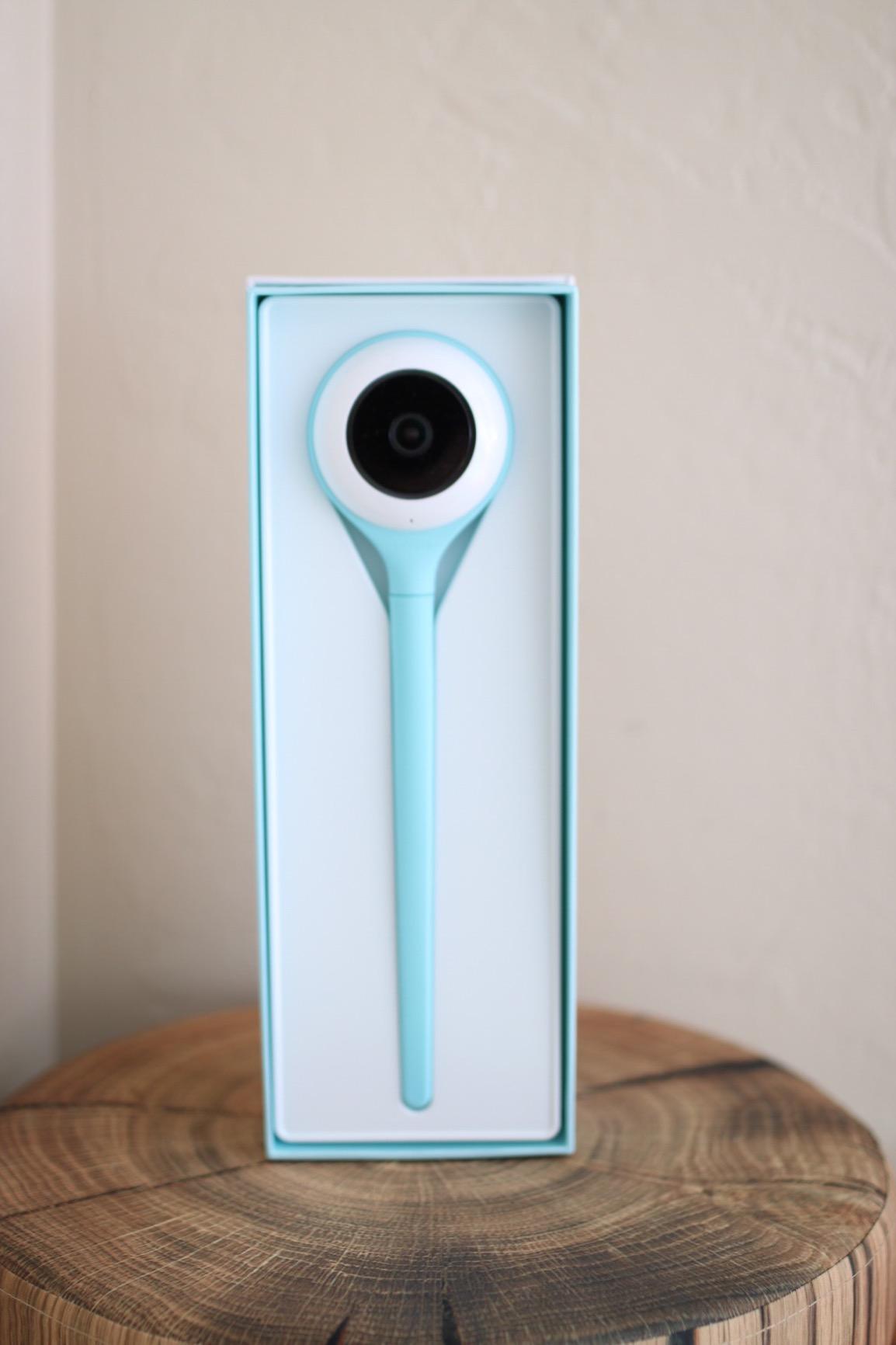
The free tier is generous. You get 1080p Full HD live view from anywhere, account sharing, 30 second event clips, crossing detection with a custom boundary line, and a 12 nature sound library. The Care plan adds the breathing rate and sleep tracking on top of that rather than replacing it.
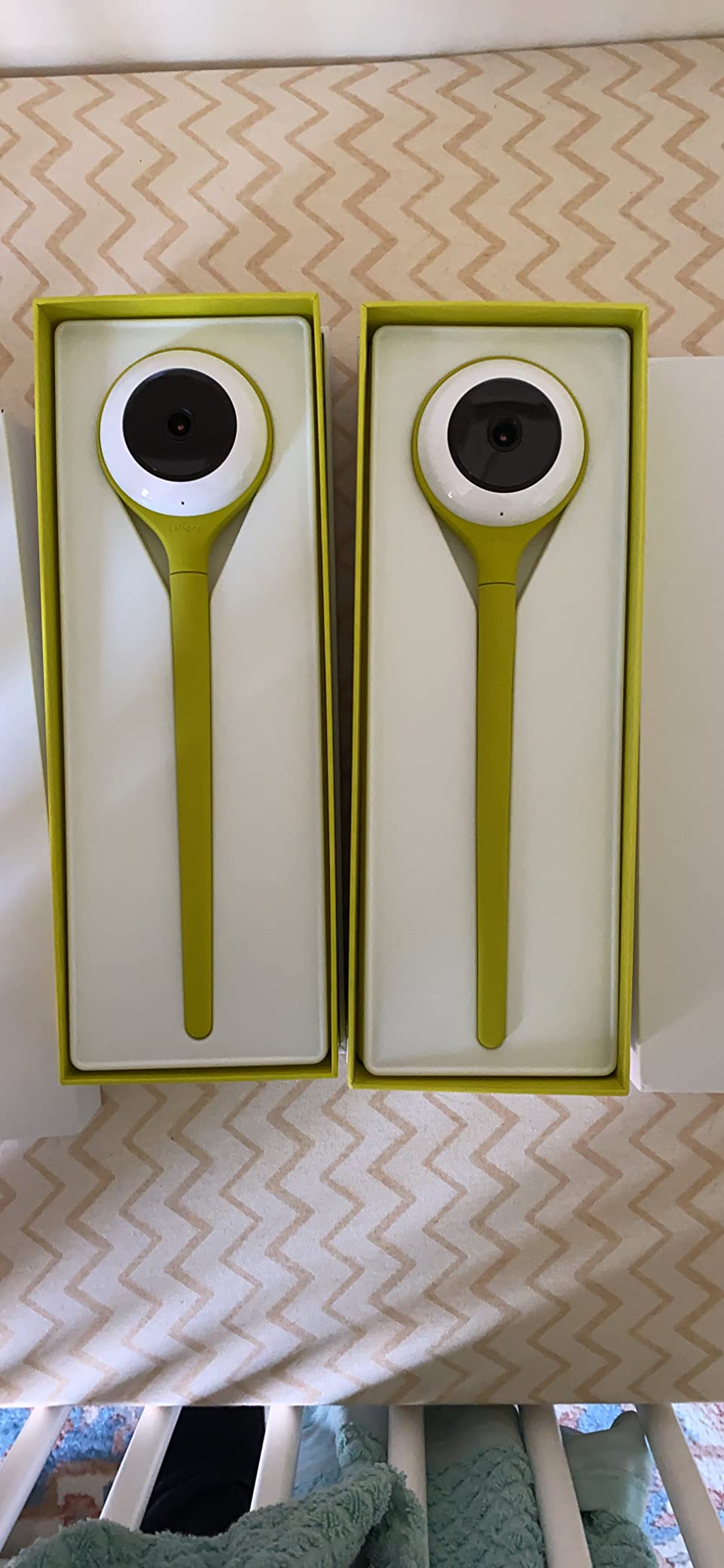
Physical design matters more than it sounds. The silicone body bends to wrap around a crib rail or mount to a wall, and the whole thing runs on USB with a long cable, so it doubles as a travel monitor for grandparents or a hotel room.
Why camera-based suits some families
If the idea of any sensor touching your baby is a hard no, this is the cleanest version of that position. There is no strap, no sock, no clip, and nothing to come loose during a feed.
It is also the only one here that gives you position history rather than a single alert. Seeing that a baby has been on their back for the whole night is information a movement pad simply cannot provide.
Where it falls short
Everything depends on your network. Reviews repeatedly describe dropouts in homes with weak WiFi coverage, and firmware updates have caused connectivity regressions for some owners. A camera monitor has no independent alarm, so if the feed drops you simply have less information.
Two smaller annoyances: the built-in sound machine can be loud enough to overwhelm the microphone at night, and the background audio setting does not always survive a reconnection. Budget for the Care plan if you want the breathing rate, which is the feature that makes it a breathing monitor rather than just a camera.
4. Levana Oma Sense: Nothing Wireless in the Room
Levana Oma Sense Portable Baby Breathing Movement Monitor with Vibrations and Audible Alerts Designed to Stimulate Baby and Alert Parents
- Vibrates after 15 seconds
- Audible alarm 5 seconds later
- Slips over the diaper
- No radio frequencies
Pros
- Zero skin contact
- fits over the diaper or a onesie
- No WiFi
- radio or Bluetooth to pair or charge
- Randomised vibration is designed to rouse the baby
- Escalating alerts give you time to respond
- Flashing blue light shows monitoring is active
Cons
- Wearable on the diaper so it must be unclipped for changes
- Covers infants 0 to 6 months only
- Abdominal movement only with no oxygen or pulse data
- Must be switched off when the baby is lifted out
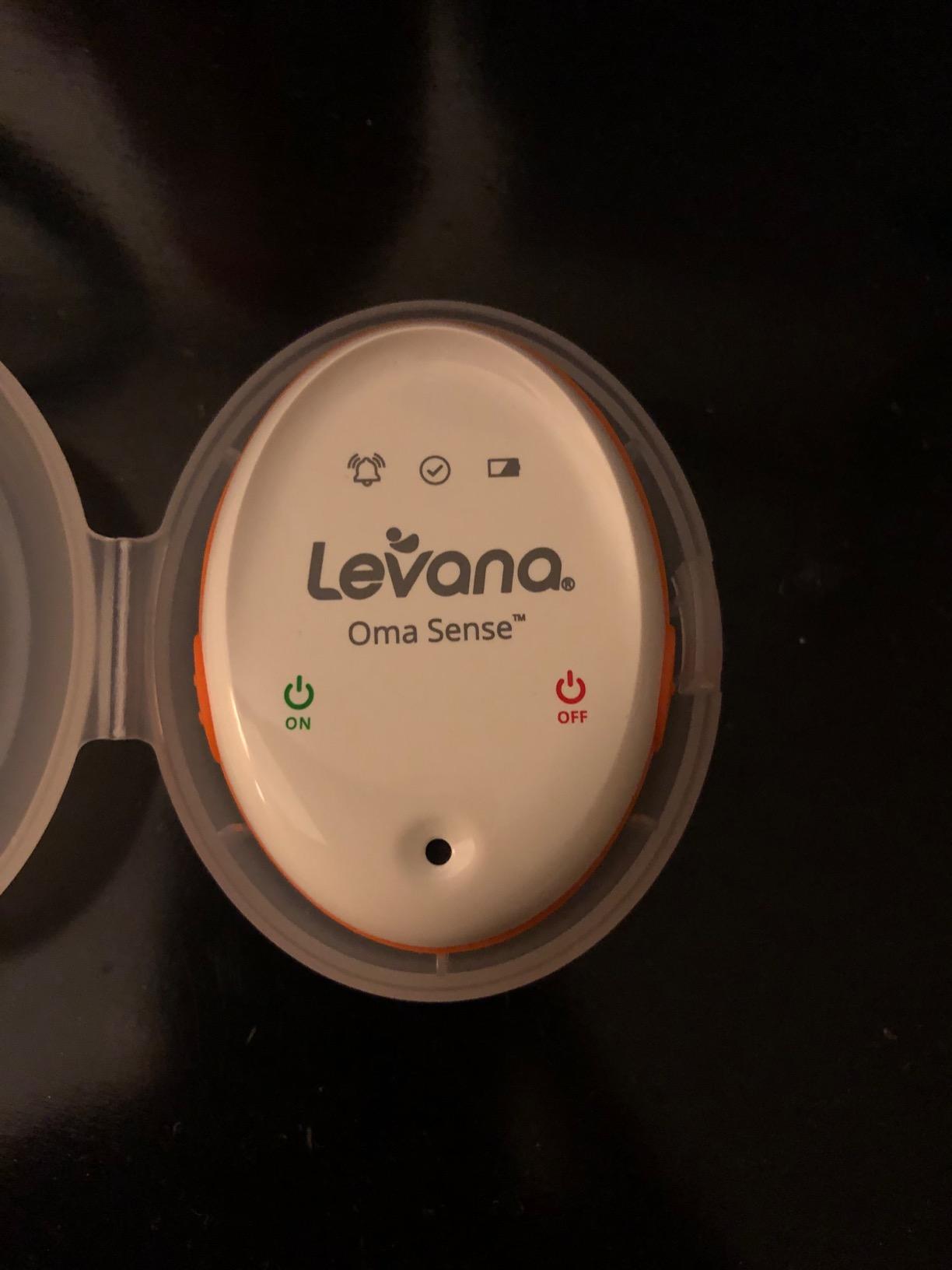
The Levana takes a deliberately old-fashioned approach. There is no radio of any kind in it, no Bluetooth, no app and nothing to charge, which makes it the pick for parents who would rather not have another transmitting device in a nursery.
Its alert sequence is the interesting part. After 15 seconds with no abdominal movement detected, a randomised series of vibrations gently rouses the baby. If normal abdominal movement is not re-established 5 seconds after that, an audible alarm goes off for the parent. The design assumes an arousal can itself restore regular breathing.
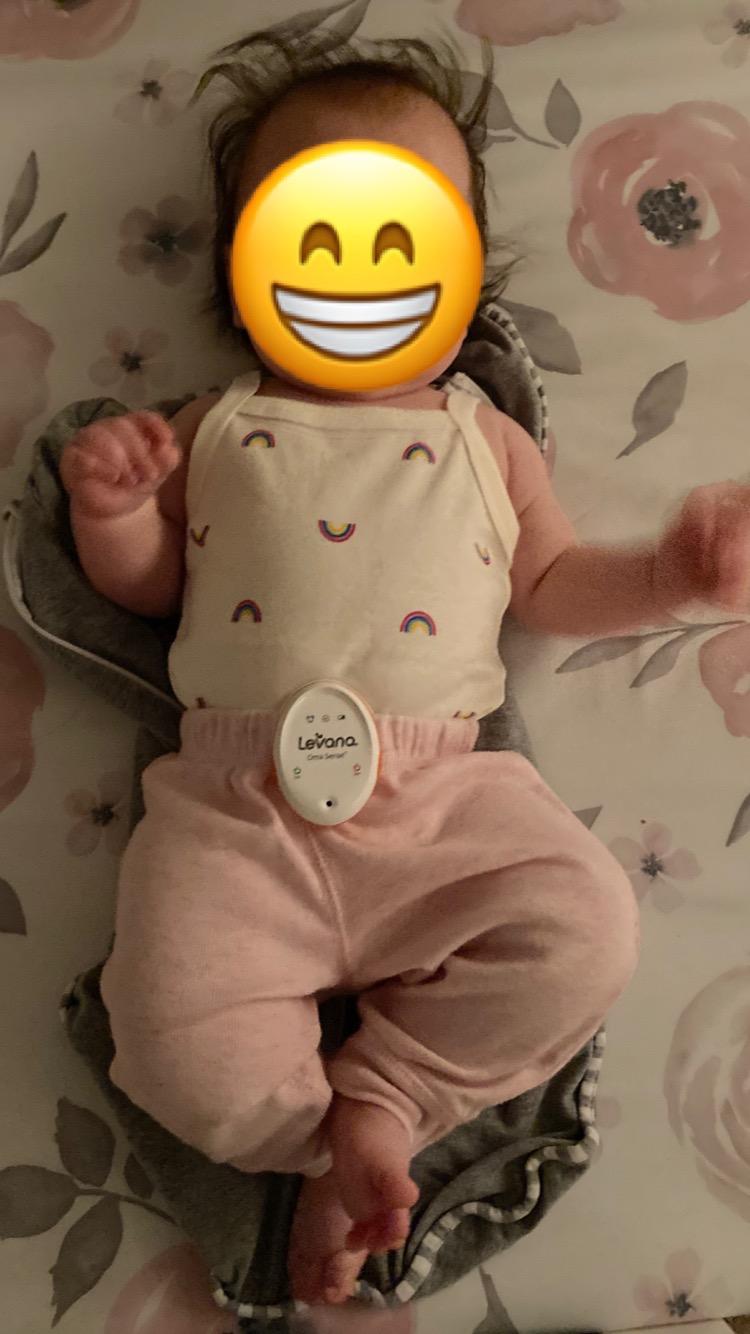
It slips over the diaper, pants or a buttoned-up onesie, so there is no skin contact at all. The unit is made from medical grade materials, designed in Canada, and intended for infants between 0 and 6 months.
A flashing blue light gives you a continuous visual confirmation that monitoring is active, which some parents find calmer than watching for an alarm that never comes. There is no colour-coded base station and no parent display, so the whole footprint is one small box.
Why the no-radio approach appeals
It sidesteps the question that nags at a lot of families, which is what happens to the data a smart monitor collects. Nothing leaves the room because nothing transmits. For a health-adjacent device, that is a genuinely different privacy posture.
It also cannot fail because of a software update or a dropped WiFi connection, which is the single most common complaint against the camera options in this roundup.
Where it falls short
Being worn on the diaper is the big practical limit. You unclip it for every change, and you have to remember to switch it off when the baby is lifted out of the bed, which is the step people most often forget.
The 0 to 6 month window is narrower than the sock, and you get abdominal movement only, with no pulse or oxygen data. On a small newborn who rolls a lot, a diaper-worn sensor can also shift out of position.
5. Snuza Hero: The Clip With The Fewest Complaints
Snuza Hero SE Wearable Child-Care Aid with Patented Sensor Technology | Detects & Reports Movement Activity | No WiFi, Cords, or Sensor Pads | Portable and Easy to Set Up and Use
- Direct-touch diaper sensor
- Vibrates at 15 seconds
- Alarm 5 seconds later
- Battery up to 6 months
Pros
- 80 percent five-star share
- the highest in this roundup
- Patented direct-touch sensors with a low false alarm rate
- No WiFi
- no app
- no cords and no pads
- Replaceable battery rated at up to 6 months
- Green movement light plus an optional ticking sound
Cons
- Must be unclipped for diaper changes and cannot be used in a crib
- Movement only with no pulse or oxygen readings
- Explicitly not a medical device and not for bed sharing
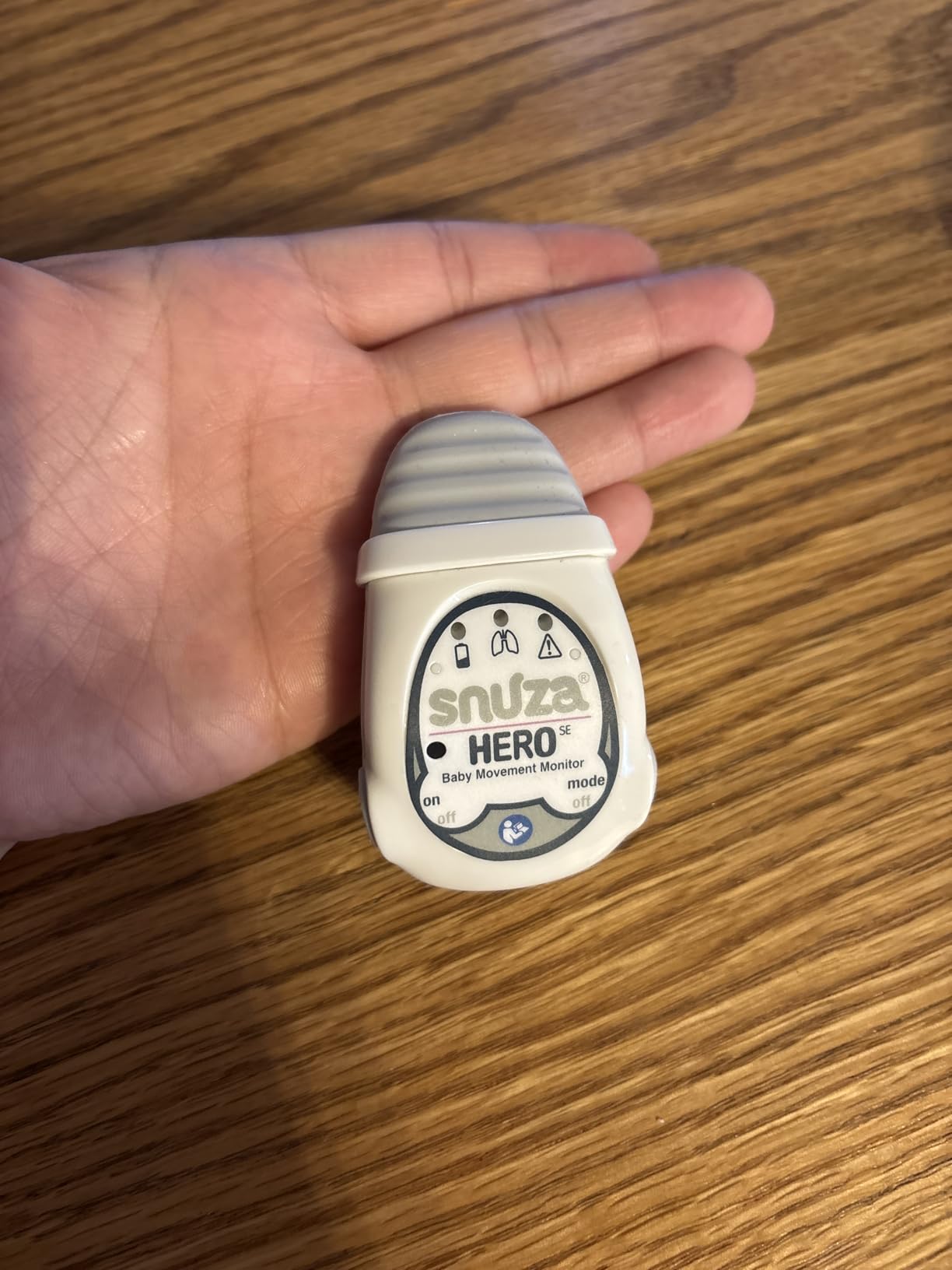
If you want a clip, this is the one. The 4.5 star average across 588 reviews comes with an 80 percent five-star share, which is the strongest consistency in the group, and the direct-touch patented sensor is the reason owners report fewer false alerts than they did with other clips.
The alert ladder is a 15 second vibration followed by an audible alarm 5 seconds later. That gap is deliberate, and it matches what parents say they want: a chance to get to the room before the loud one starts.
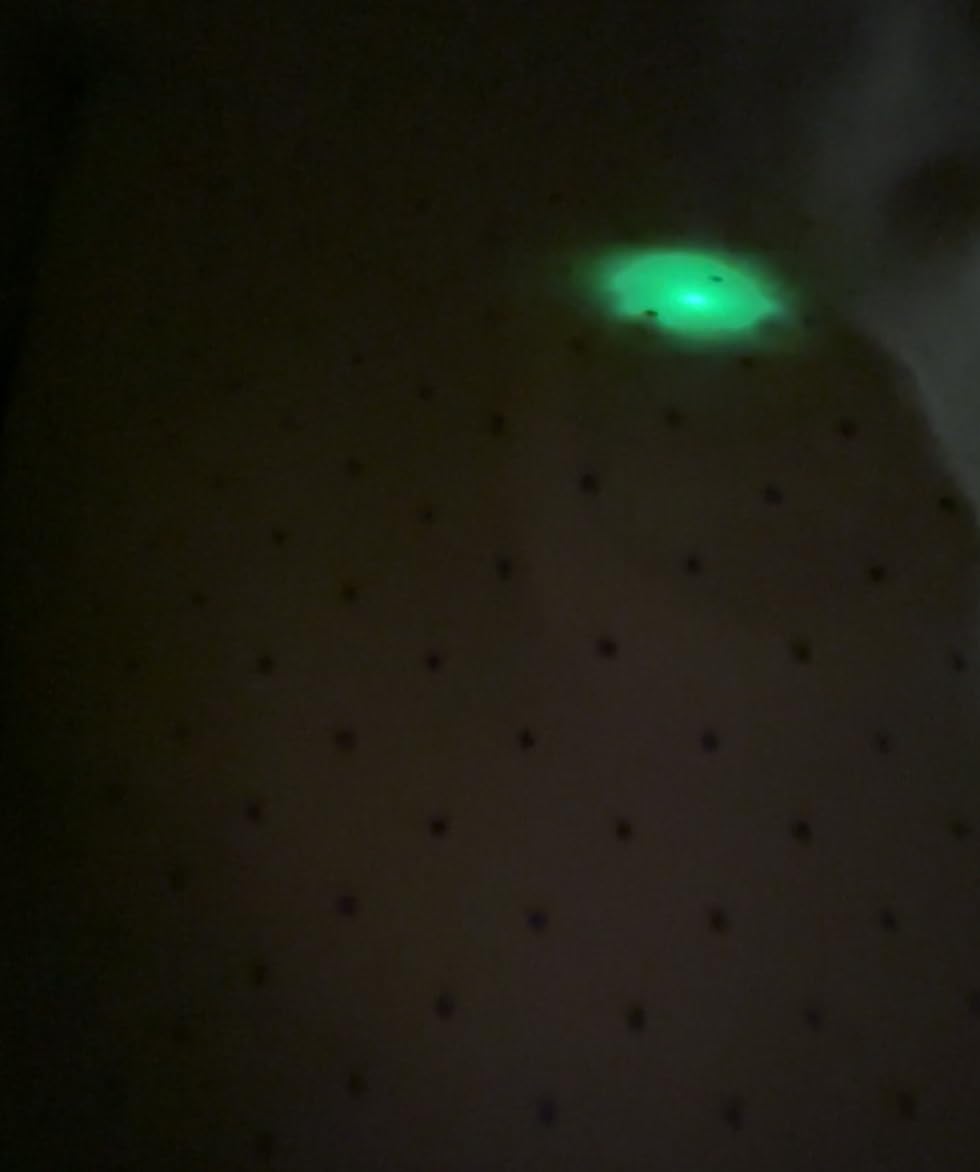
There is a green indicator light showing movement is being detected, and an optional ticking sound that plays in time with each breath. The ticking is described as surprisingly calming, because it lets you confirm breathing without looking.
Battery life removes a whole category of stress. The replaceable lithium-ion battery is rated at up to 6 months, so there is no nightly charging routine and nothing to forget before bed. It weighs 1.38 ounces and comes with a protective carry case for the diaper bag.
Why a clip still makes sense
It is the most portable option that still does real sensing. A protective case, 1.38 ounces and no cords means it moves between the home, the grandparents’ house and a travel crib with nothing to install.
The sensor touches the diaper directly rather than reading through fabric, which is why sensitivity holds up better than with a strap that shifts. Fit it once, check the green light, and it stays put through a night.
Where it falls short
A diaper clip cannot be used when the baby is out of a diaper, which includes a toddler in a bed and anyone on their back for a nap. You unclip it for every change.
It reports movement only. Parents on parent-of-multiples forums note that a single clip cannot cover two babies, so with twins you need a plan per child, and accuracy on a restless sleeper is a real consideration.
6. Babysense 7: The Dedicated Non-Contact Pad Monitor
Babysense 7 Baby Sleep Movement Monitor for Newborn and Infants, No WiFi, Non Wearable, Non Contact Monitor with 2 Under-Mattress Sensors for Full Crib Coverage
- 2 under-mattress sensor pads
- 20 second no-movement alert
- Green movement light
- About 24 hour battery
Pros
- Nothing is attached to the baby at all
- Two pads cover the entire crib area
- Reads movement reliably through mattress and sheet layers
- No app
- no camera and no phone needed
- Green blinking light confirms live detection
- One year manufacturer warranty
Cons
- High sensitivity picks up fans and air conditioning
- Needs a rigid base under the mattress
- Memory foam mattresses do not work
- Not portable and must be switched off when baby is lifted out
The Babysense 7 is the original non-contact design and it remains the reference point for pad monitors. Two sensor pads slip beneath the mattress, pick up micro-movements through it, and alert you if no movement is detected within 20 seconds or if movement slows.
That is the whole product. There is no camera, no app and no phone, which means no screens to check and no notifications to process at 4am. The green blinking light is the only feedback, and it moves with every breath.
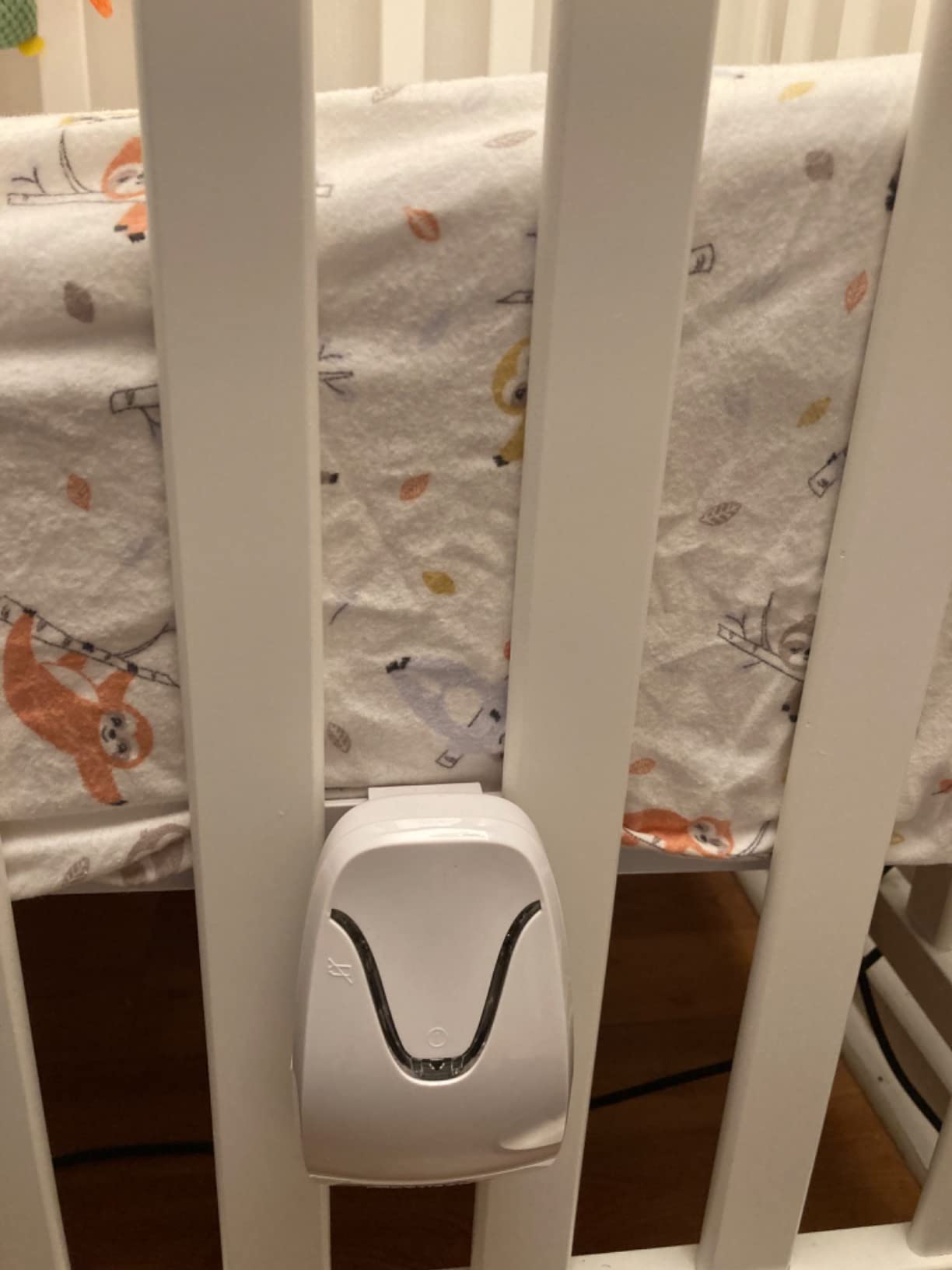
The 4.5 star average across 508 reviews includes several long accounts from families with a specific history of anxiety around breathing, and the praise is consistent: full crib coverage from two pads, and nothing worn by the baby. A passive sensor system cannot irritate skin or get kicked off.
Battery life is about 24 hours, so this is the one product here that needs a nightly charge. Plugged in near the crib it is not much of a routine, but it is worth knowing before you decide.
Why non-contact is the safest default
There is no strap, no sock and no clip, so there is no cord near the baby and nothing that can constrict, snag or come loose. If you are uneasy about wearables in general, this removes the question rather than managing it.
It is also the most forgiving of airflow. Well, not entirely, but compared with a clip sitting on a moving body, sensing through a mattress is a stable signal, and the two-pad layout means a scooting baby stays covered.
Where it falls short
Sensitivity to air movement is the recurring complaint. Several reviewers report needing to switch off a ceiling fan or air conditioning near the crib, because moving air registers as movement and masks the signal in the other direction.
It needs a rigid base, so you need two pieces of wood or something similar under the mattress for the pads to transmit properly, and memory foam mattresses are not compatible. It is also fixed in place, so it works best at one sleeping spot.
7. Momcozy BM08: 2K Video With Invisible Night Vision
Momcozy Smart Baby Monitor, 2K HD & Night Vision Contact-Free Baby Monitor
- 2K HD with 8x zoom
- 940nm invisible night vision
- Electrical safety zone alerts
- Sleep summaries, no subscription
Pros
- 2K HD image with up to 8x digital zoom
- 940nm infrared that does not glow in the room
- AI cry detection cuts down false notifications
- Adjustable electrical safety zone around the crib
- Sleep summaries without a subscription
- Physical privacy button and 128-bit AES encryption
Cons
- A camera monitor with no breathing rate
- oxygen or vitals
- Manufacturer states it is not for apnea or SIDS monitoring
- Depends on WiFi and a phone app
- Noticeably larger and heavier than a clip or pad
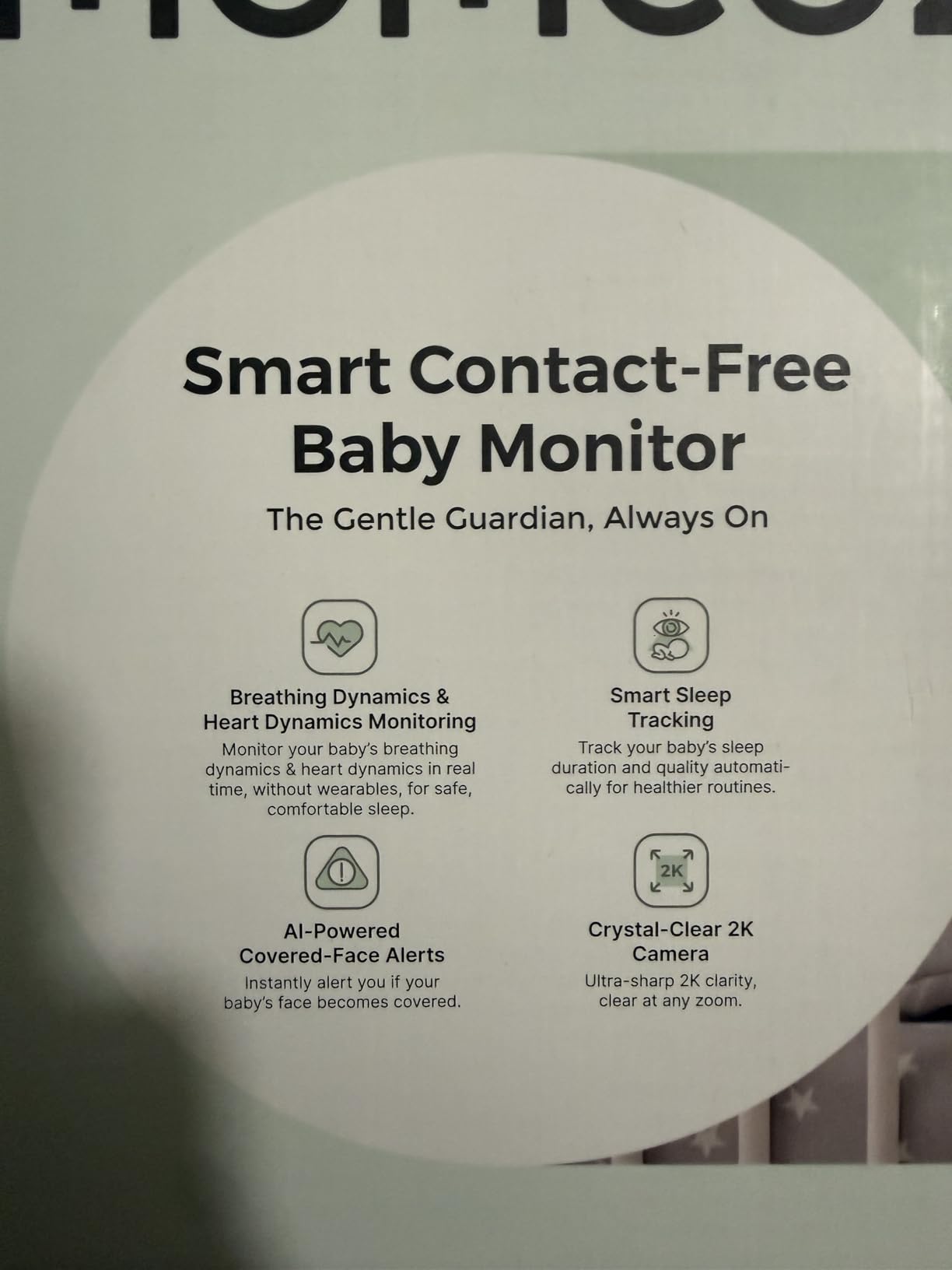
The Momcozy BM08 is the most recent listing in this group and the sharpest camera on it, with 2K HD video and up to 8x digital zoom. For a parent who wants to read a facial expression at 3am, that resolution is the whole argument.
The night vision is 940nm invisible infrared, which is the detail worth noting. It does not glow red across the room, so the camera does not become a light source that affects sleep.
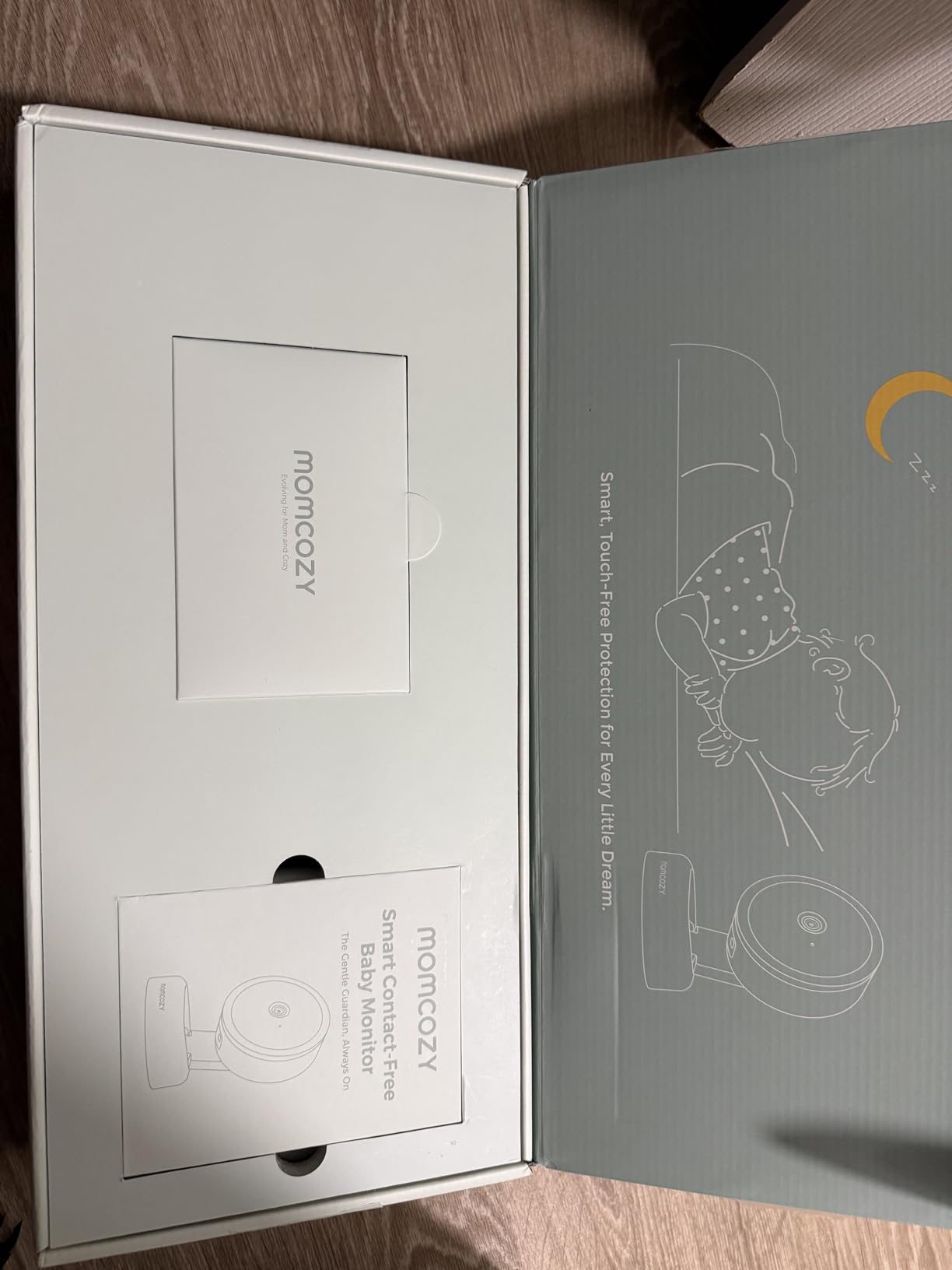
True Cry Detection uses AI to separate real crying from background sound, and the camera automatically plays gentle built-in white noise when it detects a cry. You can draw an electrical safety zone around the crib or play area and get an app notification if the baby moves outside it.
Sleep summaries are available without a subscription, which is unusual in this category and removes the usual argument against smart cameras. The physical privacy button instantly disables the camera and monitoring functions, alongside 128-bit AES encryption.
Why the privacy features are more than a checkbox
A physical cut-off is different from a software toggle. When grandparents or a partner are in the room, being able to point at the button and say the camera is off is a real conversation ender, and it is the feature reviewers mention most.
No subscription for sleep summaries means the useful parts of this device keep working without a recurring cost, which is not true of most camera monitors at this level.
Where it falls short
It is a camera. It does not read breathing rate, oxygen level or any pulse reading, and the manufacturer states explicitly that it is not intended for monitoring apnea or SIDS and is not for infants with known breathing difficulties.
It also depends on WiFi and a phone app rather than a standalone local alarm, and at 18 by 8.4 by 3.15 inches and 6.45 pounds it is much bulkier than a clip or a pad. Its 322 reviews are the second-smallest base in this roundup, so treat early owner reports as early.
8. BabySmile: The Smallest And Cheapest Clip
BabySmile Baby Movement Monitor for Newborn Sleep, Diaper Clip
- Diaper clip motion sensor
- Alarm at about 20 seconds
- No wires, cords or app
- 25 gram housing
Pros
- Smallest and lowest cost option in this roundup
- Only 25 grams so it is barely noticeable
- No wires
- cords
- app or radio frequencies
- About 6 months of battery at 12 hours daily use
- Clips on in seconds with no setup
Cons
- Alarms are often reported as slow
- Side sleeping generates false alarms
- The clip can work loose and slide down
- Some owners report devices failing within months
- Smallest review base here at 91 reviews
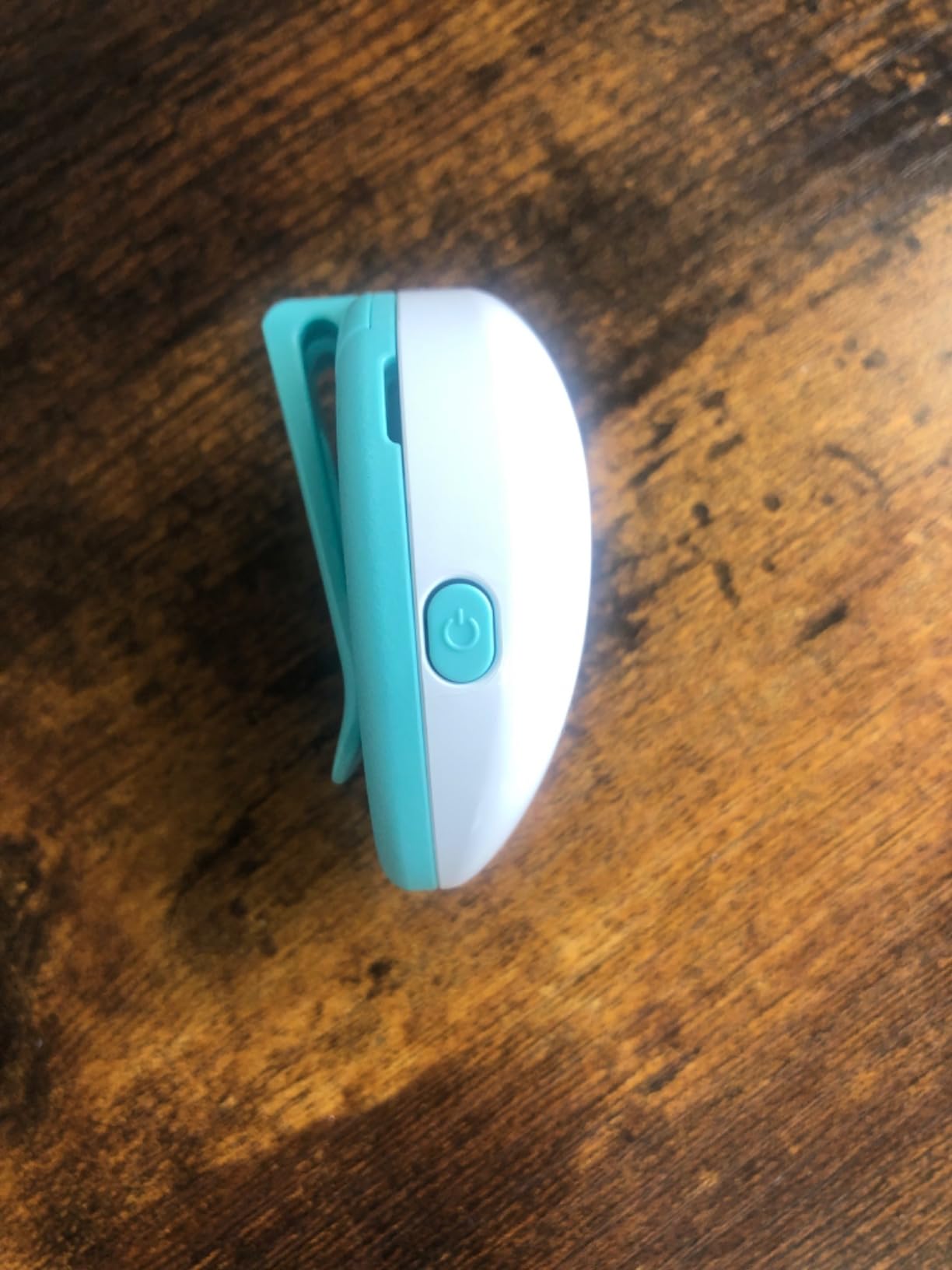
The BabySmile does the basic job in the smallest package on this list. It is a 25 gram ABS housing measuring 1.85 by 0.98 by 2.17 inches, clipped to the diaper, with a motion sensor that alarms after approximately 20 seconds with no movement detected.
There are no wires, no cords, no app and no radio frequencies. Nothing to pair, nothing to update, nothing that can disconnect. Battery life is around 2,200 hours, which is roughly 6 months at 12 hours a day, and it comes with a one year warranty.
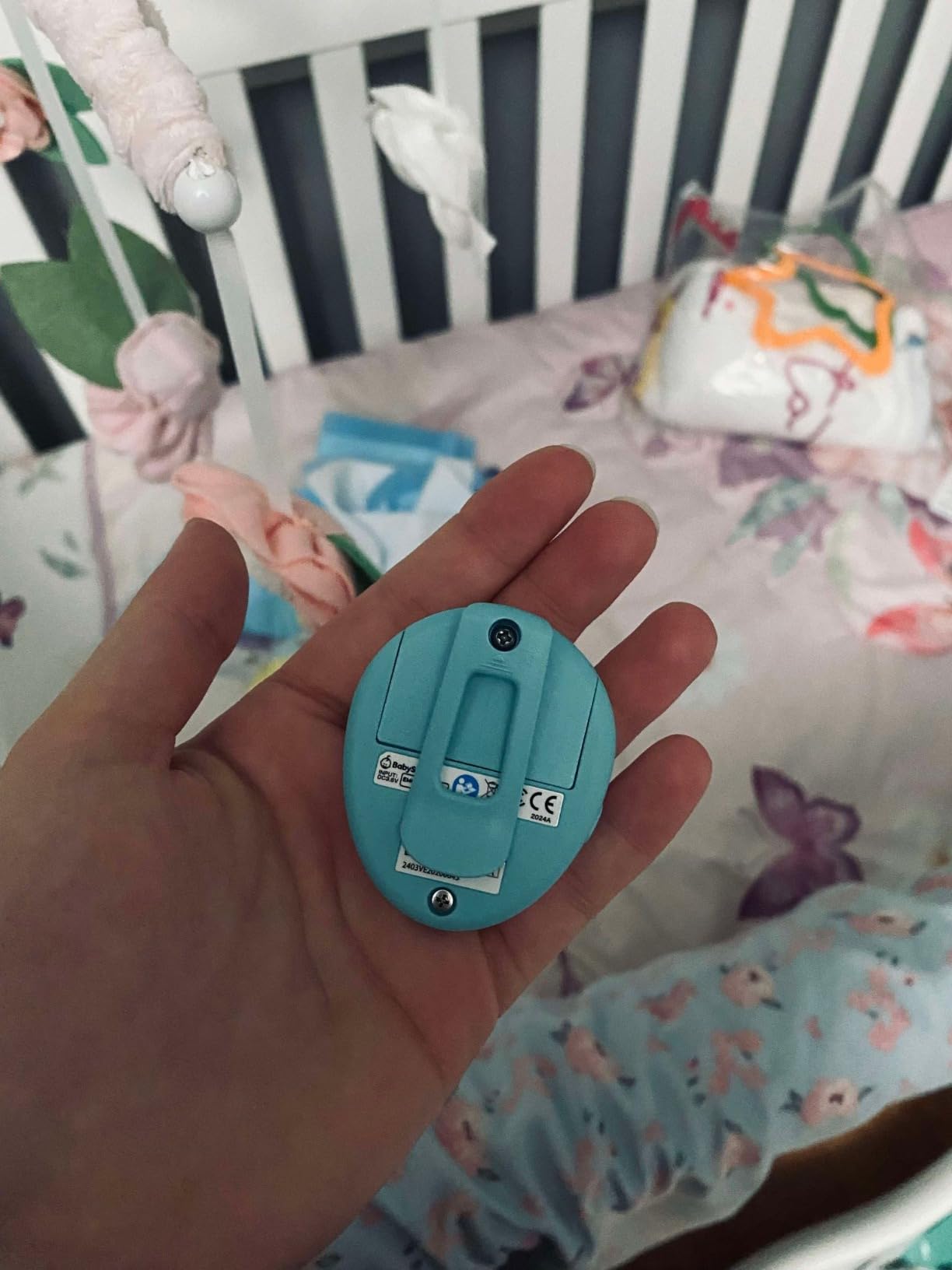
The appeal is that it is almost invisible on the diaper. Parents who want the presence of a monitor without anything on the foot or under the mattress tend to land here first.
Its 4.1 star average across 91 reviews is the smallest review base in the roundup, and that matters. There is not enough long-term history to know how these hold up across a year of use compared with the thousands of reviews behind the products above.
Why it is a reasonable first purchase
If the question is whether a breathing monitor is worth spending real money on at all, this is the cheapest way to find out what the alerts feel like in your house before committing to a full setup. It covers the newborn phase and nothing beyond it.
Because it is cordless with no app, it also works anywhere a diaper does. The grandparents’ house, a relative sleeping on the sofa for a week, a travel crib, all handled without a single setting.
Where it falls short
Reliability is the dividing line, and reviews point straight at it. Alarm speed is the top complaint, with one owner measuring more than a two minute delay, which would defeat the point of a 20 second monitor. Side sleeping also produces false alarms.
Several owners report the clip working loose and sliding down, and some devices stopped working within months with a battery that could not be changed. A few report devices that never worked at all, plus difficulty reaching the seller. Buy it understanding the support experience is thinner than the brands above.
How to Stop Baby Breathing Monitor False Alarms
False alarms are the most common complaint about this entire category, and most of them come down to placement rather than a faulty device. Before you conclude a monitor does not work, work through these in order.
Reposition the clip. Diaper clips need to sit snug against the abdomen with the sensor in direct contact. Loose, twisted or pushed down onto a loose diaper changes the signal, and this single fix resolves most clip false alarms.
Refit the sock properly. A sock that is the wrong size or has rotated on the foot produces noisy readings. Check that the electronics stay in position across a full sleep cycle, and keep spare sizes ready for growth spurts.
Turn off moving air. Pad monitors read movement through the mattress, so a ceiling fan or air conditioning blowing across the crib registers as signal. This is the single most cited Babysense 7 complaint.
Make sure the baby is on their back. Side sleeping changes the movement signature on both clips and pads, and it is a common cause of alerts. It is also worth reviewing separately for safe sleep reasons.
Check the rigid base and pad coverage. Under-mattress pads need a firm base to transmit, and two pads should span the whole crib so a scooting baby does not drift between them.
Reboot the network on camera monitors. WiFi dropouts are the leading issue with the camera options. A router on a separate band from the rest of the house solves a surprising number of them.
Quiet the notifications. If a camera keeps alerting on non-events, lower the sensitivity or narrow the detection zone before you turn alerts off entirely. An alert you have muted is worse than no alert at all.
If you find yourself checking a screaming baby several times a night and finding them perfectly fine, that is a signal to reconsider the setup rather than to check faster. A monitor that reliably cries wolf teaches you to ignore it, which defeats the purpose of having one.
Baby Breathing Monitor Buying Guide
Decide on sensor type first
Four architectures exist, and they suit different homes. A wearable sock reads oxygen and pulse but touches your baby and needs correct sizing. A diaper clip needs no space in the crib and travels well, but comes off for changes. An under-mattress pad touches nothing but needs a firm base and a fixed location. A camera needs no contact and no mattress work, but depends on your network and cannot report a true breathing rate.
If you want a number to discuss with a pediatrician, the sock is the only option. If you want nothing on or under your baby, pick a pad or a camera. If you move between homes, a clip.
Check cord safety and fit before anything else
Keep all cords and power cables out of reach and at least three feet from the sleep surface, which is standard safe sleep practice regardless of what you buy. For wearables, check the fit on an awake baby before the first night, and re-check after a growth spurt.
Also think about how the device behaves when the baby is lifted out. Clips must be switched off manually, and a pad monitor will alarm if you take the baby out without muting it. That small step is where most accidental 3am alarms come from.
Twin and multiple guidance
A single clip cannot cover two babies, and a parent of multiples reporting near-continuous false alerts with one clip across two infants is a warning sign worth heeding. The practical pattern is one monitor per child, matched to that child’s sleep spot. A two-pad under-mattress monitor per crib works well, while a camera that covers both cribs serves the sight line without doubling wearable count.
When to stop using a monitor
Most of these have a natural end point. The Owlet is designed for healthy infants 1 to 18 months weighing 6 to 30 lbs. The Levana covers 0 to 6 months. Diaper clips stop working the moment the baby is reliably out of a diaper, and pad monitors become less meaningful as a toddler starts moving around the sleep space at night.
Whichever you choose, treat the handover as a milestone rather than a failure. Many parents transition to a plain audio monitor or a camera at that point and report sleeping better for it.
Privacy and data handling
Smart monitors transmit identifiable data about a small child, and the differences between products are large. The Owlet uses 256-bit encryption with elliptic curve authentication. The Momcozy uses 128-bit AES and adds a physical privacy button. The Lollipop runs through a login-secured cloud service. The Snuza, Babysense 7, Levana and BabySmile transmit nothing at all.
If you are not comfortable with a nursery camera or a wearable that phones home, that is a perfectly reasonable reason to choose the offline products, and it costs you very little in coverage.
Running costs beyond the first purchase
Check what happens after the trial period before you buy. The Lollipop puts breathing rate and sleep position history behind the Care plan after a 7 day free trial. The Momcozy provides sleep summaries with no subscription, which removes that ongoing cost. The Owlet offers Predictive Sleep Technology with an optional upgrade to Owlet360 for daily reports and long-term tracking.
Consumables matter too. Anything worn on the baby, especially a sock, will eventually need replacing with a new size, and spare socks are a real ongoing cost that does not appear in the box. An HSA or FSA may cover a monitor depending on your plan, which parents tell us they check before buying, so look at your plan documents first.
Frequently Asked Questions
Do pediatricians recommend the Owlet Dream Sock?
Most pediatricians do not recommend it, and the reason is not that the readings are wrong. The AAP does not recommend home monitors for reducing SIDS risk in healthy infants, because there is no evidence they change outcomes. Pediatricians tend to support the data as a supplement when a baby has a specific history, while steering families toward safe sleep practice as the intervention that does matter.
What is the FDA-approved baby oxygen monitor?
The Owlet Dream Sock is the monitor most often described that way because it reads pulse rate and blood oxygen saturation through a wearable sock, and the other products in this roundup report movement rather than oxygen or pulse readings. It is worth being precise about the difference between a cleared medical device and a wellness product, because the app-based and pad-based monitors here are explicitly not medical devices.
Is Snuza or Owlet better?
They answer different questions. The Snuza Hero is a diaper clip that detects abdominal movement, with no cords, no app and a battery that lasts up to 6 months, and it has the highest five-star share in this roundup. The Owlet Dream Sock reads pulse rate and oxygen levels, alerts on both a Base Station and your phone, but is a wearable that needs correct sizing and a 2.4 GHz network. Choose Snuza for simplicity and portability, Owlet for vitals.
Is it worth getting a baby breathing monitor?
For most healthy full-term families, the honest answer is that safe sleep practice is what reduces risk, and a monitor mainly buys reassurance during the anxious early months. It becomes clearly worth it when a clinician recommends monitoring for a preterm infant, apnea of infancy, or a subsequent sibling of a SIDS victim. If you buy one for reassurance, go in knowing it cannot prevent SIDS, and pick a false alarm rate you can live with.
When should I stop using a baby breathing monitor?
Follow the device limits first, then your baby. The Owlet is designed for infants 1 to 18 months weighing 6 to 30 lbs, the Levana covers 0 to 6 months, and a diaper clip stops working once the baby is reliably out of a diaper. As a toddler starts moving around the sleep space, many parents move to a plain audio monitor or a camera and report better sleep for it.
Final Verdict: Which Breathing Monitor Is Right for Your Baby
The Babysense True Sleep HD bundle is our pick for the best breathing monitors for newborns in 2026, and the reason is unglamorous durability rather than a headline feature. It has the most owner history of anything on this list, it senses movement through the mattress so nothing touches your baby, and two pads cover a crib that a scooting newborn cannot escape.
Go with the Owlet Dream Sock if you want oxygen saturation and pulse rate rather than a movement signal, and you are comfortable with a wearable and a 2.4 GHz network. Go with the Snuza Hero if you want a clip that works accurately, travels in a diaper bag and never needs charging. Go with the Babysense 7 if you want nothing on your baby and nothing wireless in the room. Go with a camera, the Lollipop or the Momcozy, if you would rather see your baby than sense a signal, and accept that neither reads vitals.
Whatever you pick, run it alongside the safe sleep practices rather than instead of them, and give the false alarm playbook a week before you trust it or abandon it. If your baby is preterm or has a breathing concern, skip this page and take your clinician’s recommendation, because that is the one case where a specific device matters more than any roundup.